
Mastering the Art of Intuitive Tarot Reading with The High Priestess and The Hermit
This article offers a comprehensive guide to developing intuitive tarot reading skills centered on The High Priestess and The Hermit from the Rider-Waite-Smith deck. It covers foundational and advanced techniques for beginners and experienced readers alike, examining how to engage deeply with card symbolism, integrate intuition with structured analysis, and avoid common pitfalls. Practical methods for interpreting both upright and reversed positions help readers use these archetypes to illuminate psychological and situational dynamics. Visual anchoring to the cards’ traditional imagery enhances understanding and application in family readings and beyond.
Cards explored in this article
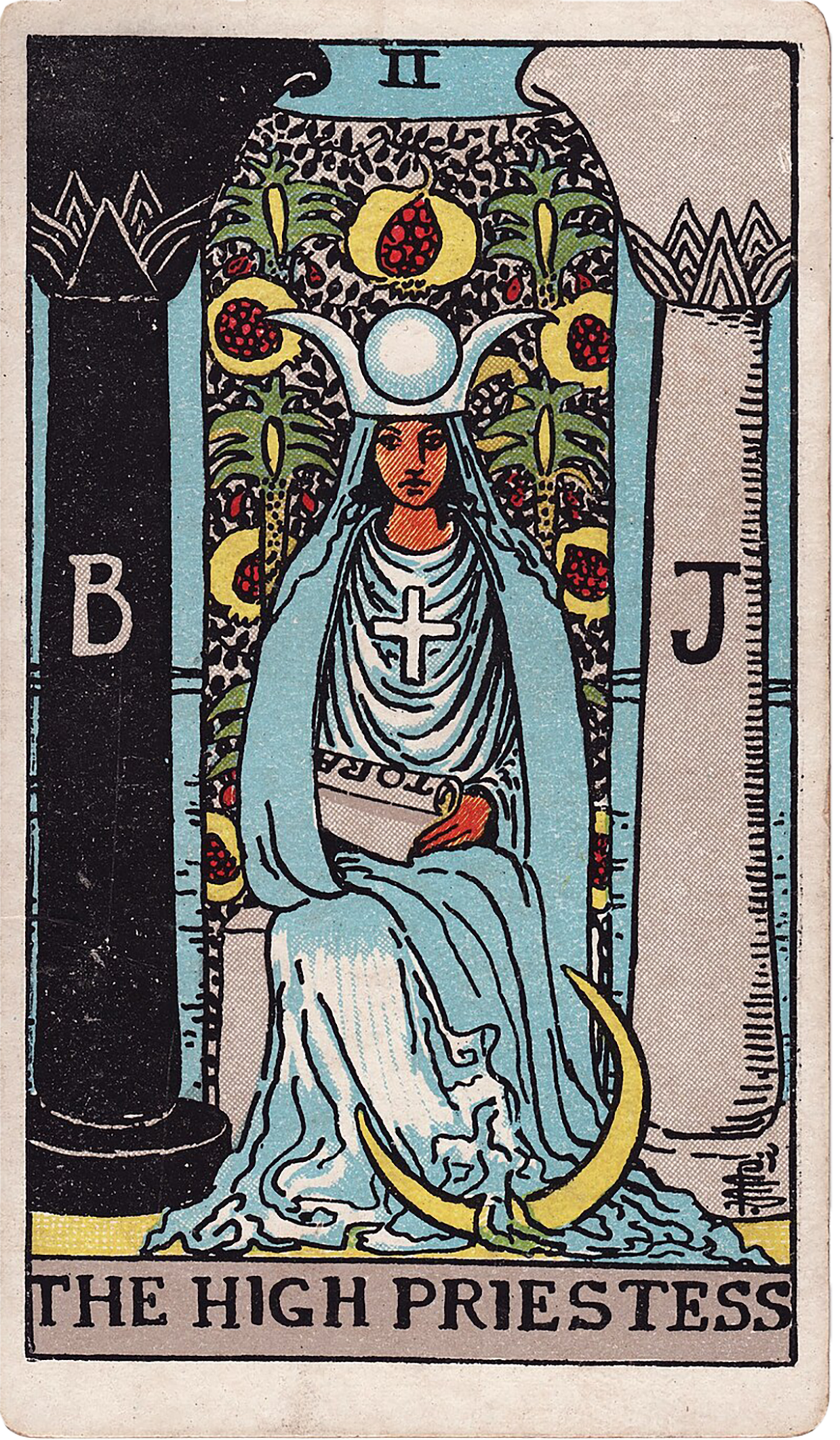 The High Priestess
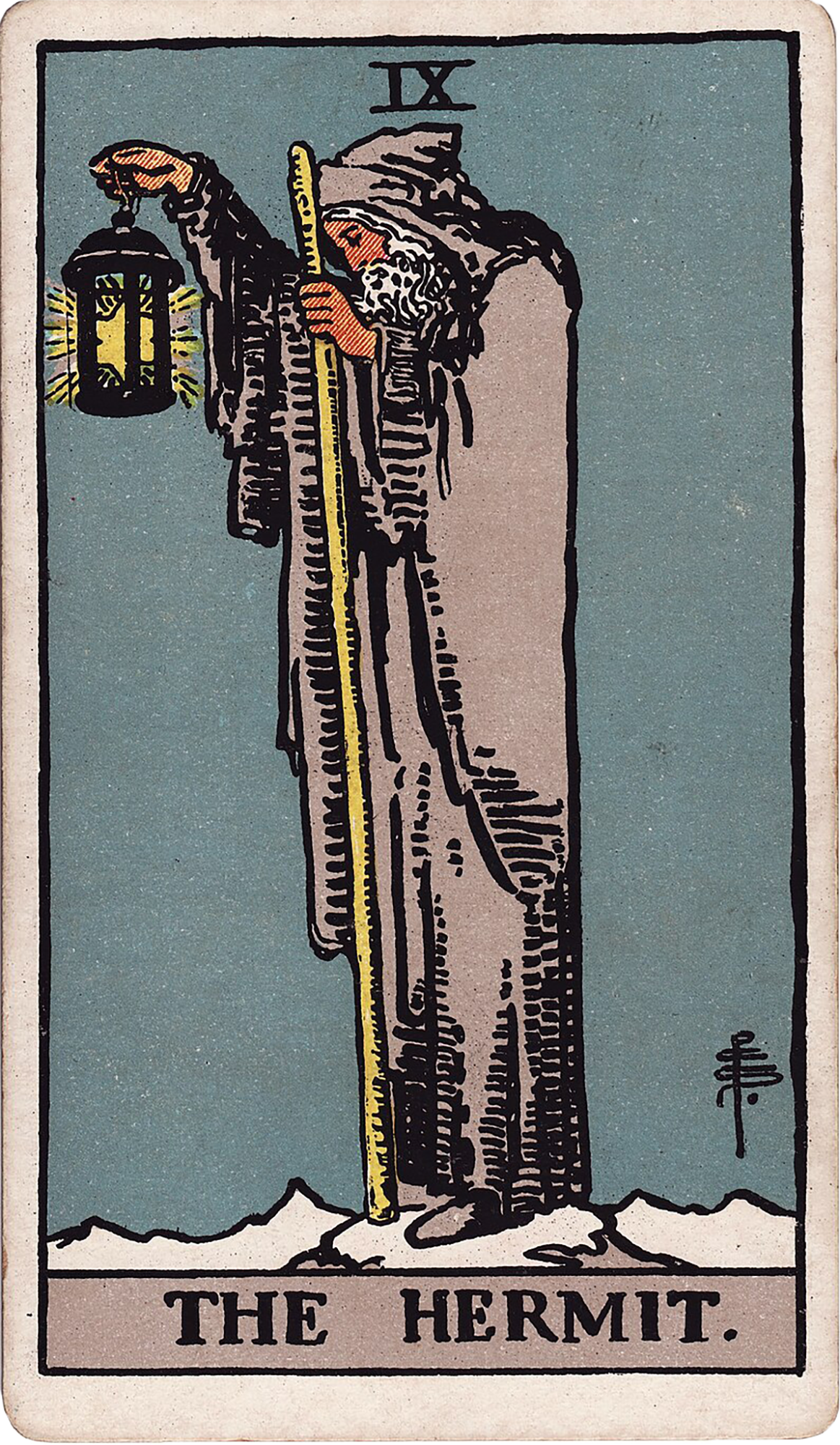 The Hermit
Introduction to Intuitive Tarot Reading with The High Priestess and The Hermit
Intuitive tarot reading transcends rote memorization of card meanings by inviting the reader to engage with the cards’ symbols, imagery, and subtle energies in a deeply personal way. The High Priestess and The Hermit provide ideal archetypes to practice this approach. Both cards emphasize introspection, inner wisdom, and deliberate choice, encouraging readers to move beyond surface appearances and develop quiet discernment. In the Rider-Waite-Smith deck, The High Priestess sits between the pillars of duality, symbolizing mystery and hidden knowledge, while The Hermit carries a lantern to light the solitary path of thoughtful reflection. This article will guide you through beginner and advanced techniques to harness their symbolic power, fostering intuitive connection and enhancing reading skills.
Foundations of Reading The High Priestess Upright and Reversed
The High Priestess upright invites the reader to recognize the value of silence and inner listening. Her imagery — the scroll hidden partially behind her veil, the crescent moon at her feet, and the pomegranates behind — signals a threshold between the conscious and subconscious. Beginners should start by observing what in the querent’s situation feels hidden or unclear and ask questions that uncover deeper emotional or spiritual truths. Practically, this card suggests working with what is present rather than waiting for certainty, signaling that subtle information is ripe for discovery. When reversed, The High Priestess can indicate blocked intuition, secrecy, or confusion between true inner knowing and anxiety or projection. Instead of fearing the reversal, the reader should explore where intuitive energy is distorted or inaccessible. This may prompt questions about what psychic boundaries or private patterns are interfering. Advanced readers can integrate neighboring cards to discern whether resistance or recovery is underway, helping clients identify inner obstacles gently and constructively.
Foundations of Reading The Hermit Upright and Reversed
The Hermit upright is a powerful symbol of stepping back, seeking solitude, and prioritizing clarity over haste. The traditional Rider-Waite-Smith imagery shows an old man holding a lantern, representing the light of wisdom illuminating darkness. Beginners can begin by encouraging querents to consider where withdrawal or reflection might clarify challenging issues, emphasizing deliberate, thoughtful action rather than immediate reaction. Reversed, The Hermit warns against excessive isolation, avoidance, or overthinking that leads to stagnation. Rather than labeling the reversal as negative, intuitive readers ask where the querent might be using solitude as an escape or becoming disconnected from needed engagement. The reversal can also signal a turning point where awareness of old patterns begins but full change is pending. Using context and other cards, readers discern when the Hermit’s wisdom is temporarily blocked and help the querent find balanced integration.
Techniques for Developing Intuition with These Cards
To cultivate intuitive reading skills with The High Priestess and The Hermit, start by closely studying their imagery and symbolic elements. For The High Priestess, note the veil’s symbolism of hidden knowledge, the dual pillars representing polarity, and the moon phases indicating cyclical intuition. For The Hermit, focus on the lantern’s light as conscious awareness, the cloak’s protection symbolizing privacy, and the staff as support in solitude. Beginner readers should journal spontaneous impressions that arise when these cards appear, asking open questions such as 'What is being hidden or revealed?' or 'Where does clarity need to emerge?' Repetition builds confidence in trusting subtle insights. Advanced techniques include meditative visualization with the cards, imagining stepping into the High Priestess’s temple or walking alongside The Hermit’s path. This deepens connection and encourages nonverbal understanding beyond intellectual interpretation. Integrate breath awareness and body feelings to sense intuitive nudges related to the cards’ messages. Practicing with reversed positions enriches comprehension of shadow aspects and internal blocks. Pairing these cards with different spreads focused on internal reflection, such as the Inner Work Spread or Emotional Clarity Spread, can also enhance intuitive engagement.
Common Mistakes When Reading The High Priestess and The Hermit
A frequent beginner mistake is over-intellectualizing these cards, treating their meanings as static definitions rather than dynamic qualities. Because both cards stress introspection and subtlety, rushing to quick conclusions or forcing a direct answer can obscure their wisdom. Another common trap is interpreting reversals as purely negative omens rather than signals of distortion, delay, or internal challenge. This can create unnecessary fear or misunderstanding in readings. Failing to contextualize these cards within the querent’s broader story and ignoring other cards’ tempering influences reduces interpretive depth. For example, The High Priestess reversed next to cards indicating anxiety may call for different guidance than if paired with recovery-oriented cards. Additionally, neglecting to consider the querent’s temperament and life circumstances can lead to misapplication of advice. Both cards emphasize gradual internal processes, so pushing for immediate action or clarity might clash with the natural rhythm they suggest.
Practical Method to Read Intuitively with The High Priestess and The Hermit
Step 1: Preparation. Begin with a short meditation to quiet the mind, focusing on breathing and releasing distractions. Step 2: Observe the card’s imagery in detail. For The High Priestess, note colors, symbols, facial expression, and surroundings. For The Hermit, attend to posture, the lantern’s glow, and environmental cues. Step 3: Pose open-ended questions to the cards. Examples include 'What inner knowledge needs attention?' or 'Where might stepping back offer clarity?' Step 4: Allow impressions, images, sensations, or words to arise without judgment. Record these in a journal to track patterns and insights. Step 5: Reflect on upright versus reversed positioning. Ask where intuitive flow is smooth or blocked and what balance is needed. Step 6: Integrate findings with the querent’s situation, emphasizing process over immediate solution. Encourage deliberate next steps aligned with the cards’ lessons. Step 7: When working with family or group readings, use The High Priestess and The Hermit to highlight collective introspection and deliberate communication, fostering patience and deeper listening among members. Regular practice enhances the ability to sense subtle messages these cards offer, enriching both personal growth and client guidance.
Interpretation Logic Anchored in Rider-Waite-Smith Symbolism
The Rider-Waite-Smith symbolism grounds intuitive readings in a rich visual language. The High Priestess’s veil with pomegranates references fertility and hidden potential; her scroll labeled 'TORA' hints at sacred knowledge and law, inviting the reader to consider what is written but unseen. The crescent moon at her feet symbolizes receptivity to unconscious cycles. The Hermit’s lantern, often depicted with a six-pointed star (the Seal of Solomon), signals divine wisdom illuminating the unknown. His grey cloak denotes neutrality and protection from external distractions, while the staff supports his slow, deliberate journey. Using these symbols as anchors allows readers to move beyond rote card definitions and connect with the cards’ archetypal stories. Practice naming and describing these elements aloud during readings before drawing interpretive conclusions. This technique helps readers integrate intellect and intuition, ensuring interpretations remain faithful to the cards’ fundamental imagery while responsive to the querent’s unique context.
Advanced Practice and Reflection for Intuitive Mastery
As you develop mastery, experiment with combining The High Priestess and The Hermit in layered readings. For example, when both appear together, explore themes of dual inward journeys: The High Priestess representing subconscious receptivity and The Hermit conscious withdrawal for clarity. This tension and balance can reveal nuanced psychological or spiritual dynamics. Reflect on your own intuitive responses to each card’s presence in spreads over time. Notice shifts in understanding, emotional resonance, and bodily sensations. Use this ongoing self-observation to refine your connection and precision in interpretation. Consider journaling case studies or client interactions highlighting how these cards’ messages manifest in real life. This builds experiential knowledge and confidence. Finally, revisit the cards periodically to deepen your relationship with their ever-unfolding wisdom, recognizing that intuitive reading is a lifelong art enriched by patience, presence, and curiosity.
Practice questions
• How does The High Priestess encourage you to differentiate between true intuition and anxiety or projection in readings?
• In what ways can The Hermit’s imagery guide you to balance solitude and necessary engagement during interpretive work?
• How do upright and reversed placements of these cards inform your understanding of inner blocks or progress?
• What personal practices help you connect more deeply with the symbols on The High Priestess and The Hermit?
• How can these cards assist in fostering deliberate communication and introspection within family or group readings?
Comments
Sign in to comment.
Continue learning
Harnessing the Power of The Magician and Ace of Wands: Igniting Creativity and Manifestation in Tarot Readings
The combination of The Magician and the Ace of Wands in tarot readings offers a potent blend of creative energy and manifestation power. This article delves into the ways these car...
Advanced Techniques for Combining The Moon and The Star to Enhance Intuition in Tarot Readings
This article explores advanced techniques to combine the symbolism and energy of The Moon and The Star Tarot cards to enhance intuition during Tarot readings. Drawing from traditio...
Enhancing Clarity in Complex Choices with the Five Card Cross Tarot Spread
The Five Card Cross Tarot Spread is a practical tool designed to clarify complex choices by breaking down the decision into manageable parts. This article explores each position in...
Tracing the Origins and Evolution of The Fool Card in Tarot History
The Fool card holds a foundational place in tarot tradition, symbolizing beginnings, openness, and the embrace of uncertainty. This article traces its origins from early European d...
Understanding The Hermit Card in Solitude Reflection and Guidance
This article offers an in-depth exploration of The Hermit tarot card as a single-card reading in different contexts such as love, career, money, advice, challenge, person, outcome,...
Unlocking the Creative Flow with The Magician and The Empress in Tarot Combinations
This article delves into the powerful synergy between The Magician and The Empress in Tarot combinations, focusing on how their combined symbolism unlocks creative flow across vari...
Using the Seven Card Horseshoe Spread to Uncover Career Growth and Opportunity
This article presents an in-depth guide to the Seven Card Horseshoe Tarot Spread with a focus on career growth and opportunity. Using the cards The Fool, The Magician, The Empress,...
Understanding the Many Facets of The Moon in Emotional and Intuitive Tarot Readings
The Moon card in the Tarot deck embodies themes of intuition, uncertainty, dreams, and emotional complexity. This article offers a comprehensive exploration of The Moon’s upright a...
Unlocking Advanced Intuition Techniques Using The High Priestess The Moon and The Hermit
This article examines advanced intuition development in tarot reading by focusing on The High Priestess, The Moon, and The Hermit cards. It offers practical techniques for beginner...
Mastering Intuition with The High Priestess The Hermit and The Moon in Tarot Readings
This article delves into mastering intuition through three powerful Tarot cards: The High Priestess, The Hermit, and The Moon. It guides readers from beginner to advanced reading t...