
Mastering the Five Card Decision Spread to Navigate Emotional and Practical Life Choices
The Five Card Decision Spread is a practical and insightful tool designed to help tarot learners and readers analyze complex life choices by balancing emotional and pragmatic perspectives. This article dissects each position of the spread—Situation, Option A, Option B, Hidden Factor, and Advice—through the lens of five specific cards: Wheel of Fortune, Temperance, King of Wands, 4 of Cups, and 3 of Pentacles. By anchoring interpretations in traditional Rider-Waite-Smith symbolism and the nuanced upright and reversed meanings of these cards, readers gain a replicable method to unravel decision-making dilemmas, particularly in family and practical life contexts. The guide also highlights how card relationships deepen reading insight and offers guidelines to avoid common pitfalls while cultivating intuitive yet structured tarot practice.
Decision Five
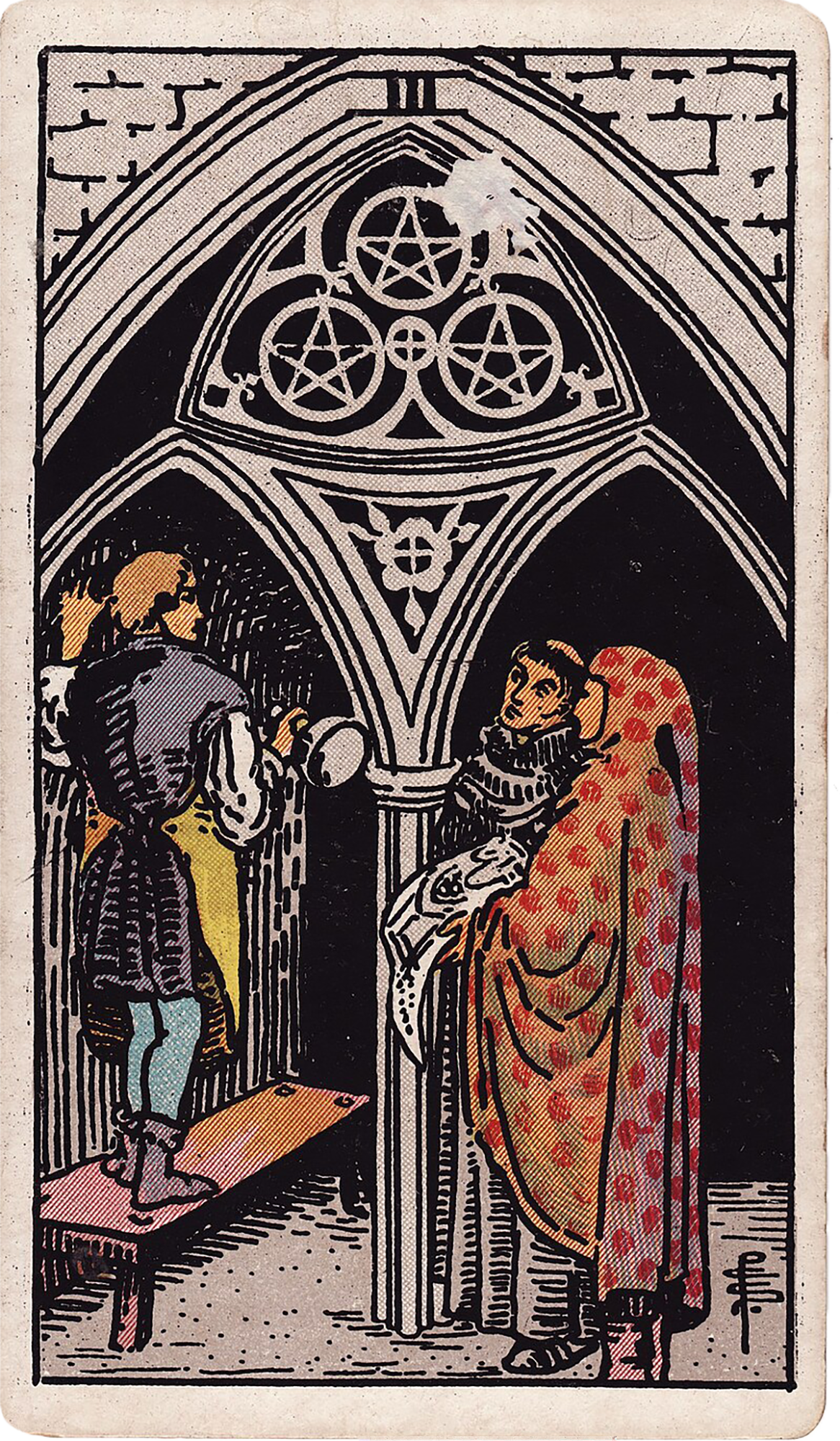 Situation3 of Pentacles
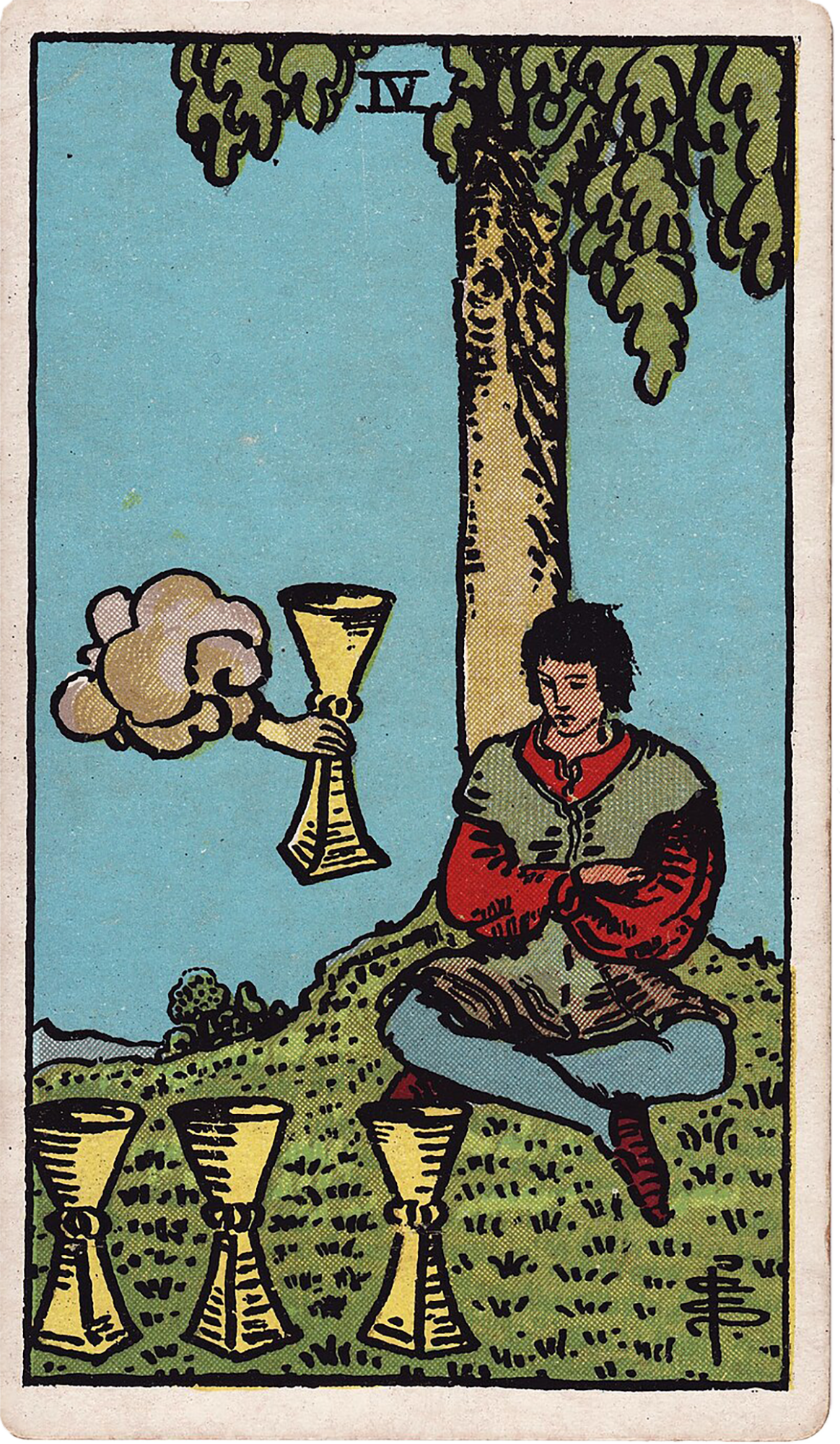 Option A4 of Cups
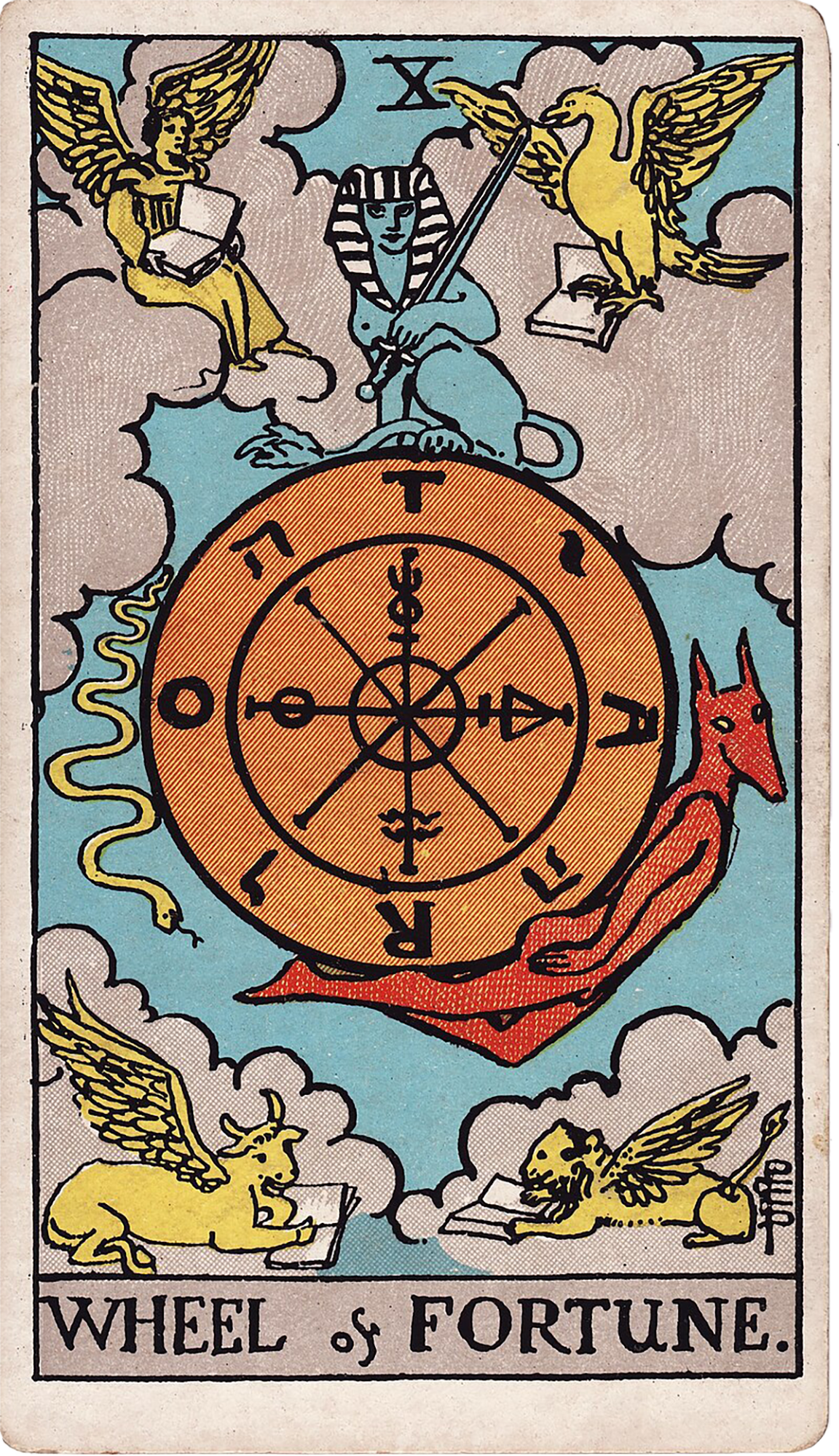 Option BWheel of Fortune
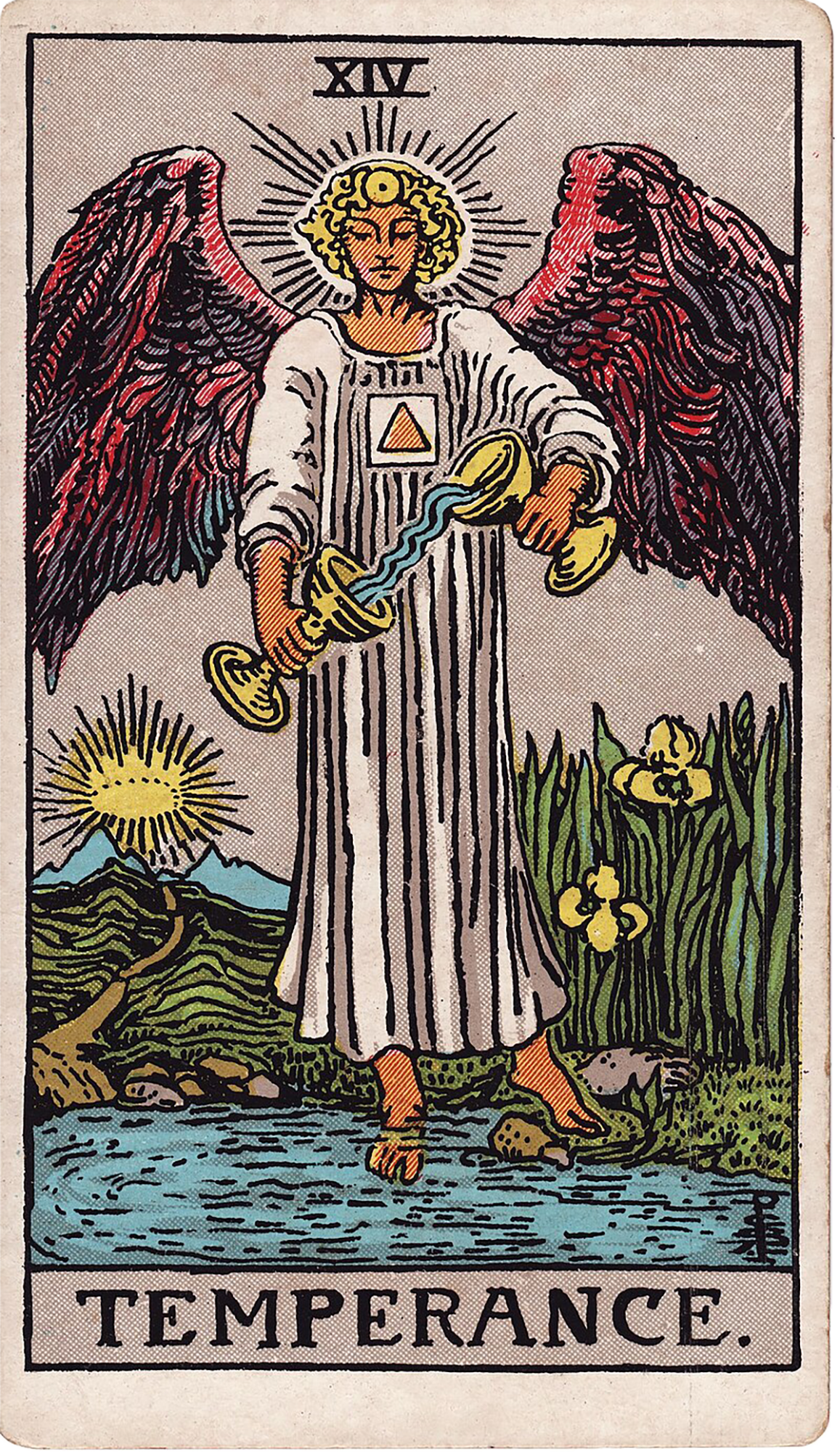 Hidden FactorTemperance
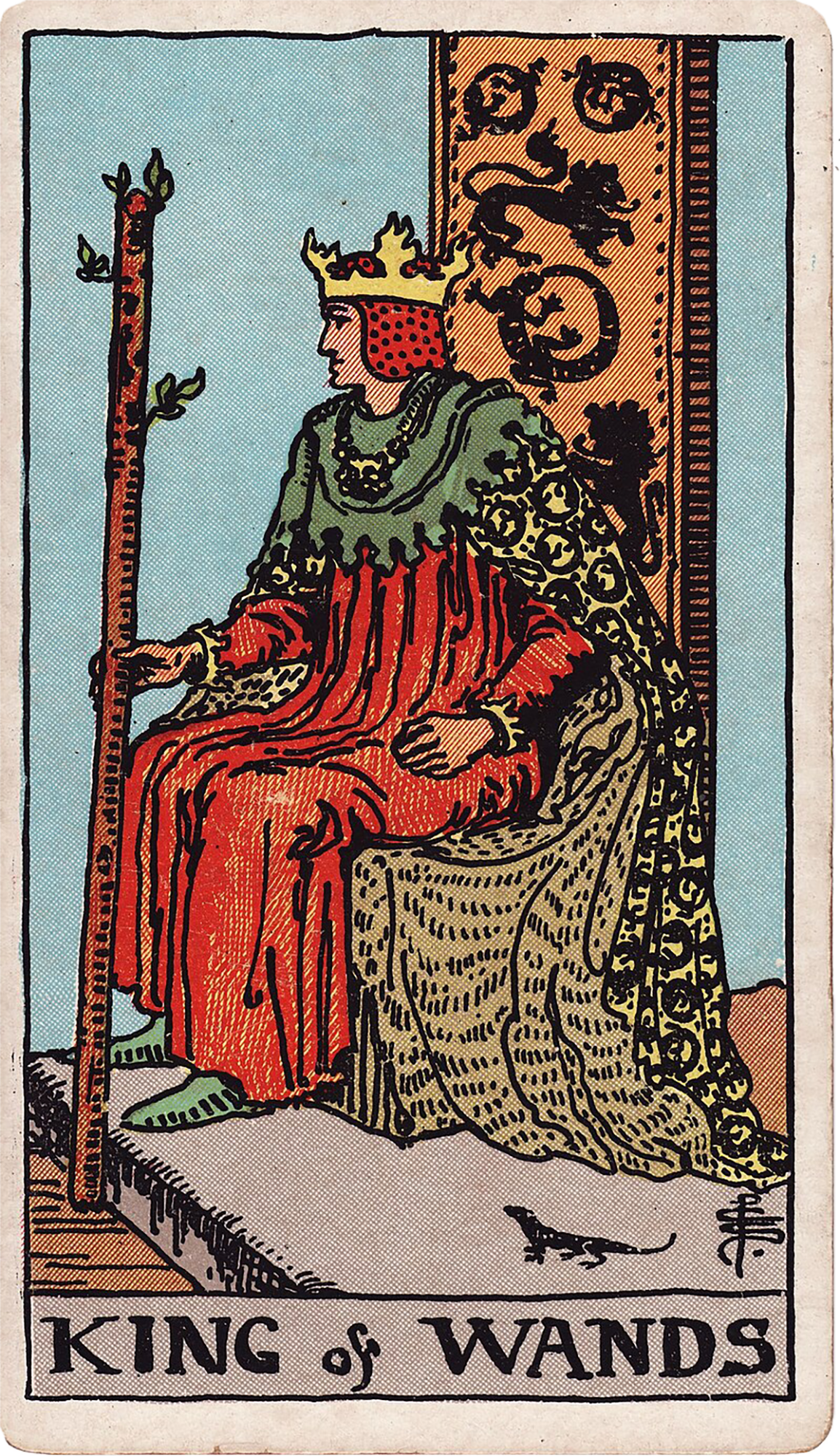 AdviceKing of Wands
Introduction to the Five Card Decision Spread
The Five Card Decision Spread is a focused layout for tarot readers seeking clarity on choices that carry both emotional and practical weight. Unlike larger or more generalized spreads, this method concentrates on comparing two clear options within a given situation. The layout consists of five positions: Situation, Option A, Option B, Hidden Factor, and Advice. This configuration encourages a balanced exploration, teasing out underlying influences and offering actionable guidance. It is especially useful in family or practical life decisions, where the interplay of feelings, timing, and resources often complicates clarity. The spread fosters a step-by-step engagement with the central issue, rather than vague forecasting, helping readers to apply insight constructively.
Position One: Situation — Wheel of Fortune
The first card sets the stage by illuminating the current context or root of the decision. Here, the Wheel of Fortune appears upright, emphasizing a turning point characterized by change and cyclical forces. Symbolically, the card’s wheel suggests the inevitability of shifts and the importance of timing. Unlike fatalism, it calls for conscious adaptation rather than passivity. The reader is invited to recognize where the situation has reached a visible threshold, prompting engagement rather than waiting for certainty. The figure of the sphinx atop the wheel traditionally symbolizes wisdom and balance, reminding us that while external factors influence the moment, personal responsibility still matters. For learners, this card indicates that the decision is influenced by changing circumstances requiring flexibility and proactive choice.
Position Two: Option A — Temperance
Option A is represented by Temperance upright, a card of moderation, integration, and skillful blending of elements. The angel pouring liquid between cups in the Rider-Waite-Smith imagery speaks to harmony through balance and patience. This option suggests a pathway where combining diverse aspects—perhaps emotional and practical elements—can lead to steady progress. It encourages deliberate, measured action rather than impulsive or extreme choices. Temperance in this position asks the learner to consider where moderation can be applied in their decision, and how steady integration of different concerns can yield a better result. Practically, this option may require ongoing adjustment and openness to compromise, especially relevant in family or collaborative settings where balance is key.
Position Three: Option B — King of Wands
The King of Wands in the upright position represents Option B as a mature, visionary leadership approach. The King’s posture, staff, and fiery background evoke motivation, entrepreneurship, and confident direction of creative energy. This option invites a more assertive, decisive path characterized by courage and responsibility for one’s actions. The card’s essence is about channeling ambition and initiative toward tangible outcomes, while maintaining a practical awareness of the present stage. In a family or practical decision context, this might mean taking clear control or championing a bold plan. However, learners should note that the King demands clarity of communication and readiness to handle associated pressures, as overreach or impatience could undermine the effort.
Position Four: Hidden Factor — 4 of Cups
The hidden factor is represented by the 4 of Cups upright, highlighting an emotional pause or reevaluation beneath the surface. The image of the contemplative figure under a tree, seemingly indifferent to the cup offerings, symbolizes internal dissatisfaction and potential withdrawal. This card warns that emotional disengagement or preoccupation could be influencing the decision without being fully acknowledged. It suggests a need to examine unconscious patterns of dissatisfaction or missed emotional opportunities that might skew perception. For the learner, recognizing this hidden factor invites deeper honesty about feelings and urges exploration of whether withdrawal is protecting or hindering progress. This card’s interaction with Temperance and the King of Wands suggests the emotional landscape might be tipping the balance between moderation and assertiveness.
Position Five: Advice — 3 of Pentacles
The final card offers practical guidance: the 3 of Pentacles upright emphasizes the value of collaboration, skill, and respect for expertise. The scene of craftspeople working together in the cathedral underlines that good decisions often arise from teamwork and constructive feedback. This advice encourages the querent to seek input, maintain high standards, and engage with others to strengthen the chosen path. It also suggests paying attention to planning and recognizing contributions within the family or community context. In relation to the Wheel of Fortune and Temperance, this card counsels embracing change through cooperative effort and steady integration. For learners, this reinforces the importance of practical steps and communal support to navigate complex decisions effectively.
Card-to-Card Relationships and Integrative Interpretation
Understanding how these cards interact deepens the reading’s nuance. The Wheel of Fortune’s theme of change sets the dynamic backdrop; Temperance and the King of Wands present contrasting approaches—balanced moderation versus assertive leadership—offering a genuine choice. The 4 of Cups as a hidden emotional element suggests that feelings of disengagement or dissatisfaction are subtly coloring the querent’s perspective, potentially creating resistance to either option. The 3 of Pentacles advice points toward blending these energies through collaboration and practical skill rather than isolated action. For example, the King’s visionary drive may benefit from Temperance’s moderation and 3 of Pentacles’ teamwork, while the 4 of Cups reminds the querent to process underlying emotions to avoid blind spots. This interplay facilitates a comprehensive evaluation of options beyond surface appeal.
Technique and Method for Learners to Reproduce the Spread
To apply the Five Card Decision Spread, learners should begin by clearly framing the decision or dilemma in mind. Shuffle thoroughly while focusing on the question. Lay out cards in the order: Situation (center), Option A (left), Option B (right), Hidden Factor (below Situation), and Advice (above Situation). This spatial arrangement helps visualize relationships: the central ‘Situation’ grounds the reading; options flank it for comparison; the hidden factor below reveals unseen influences; advice above offers guidance. Interpret each card individually, considering upright and reversed meanings and Rider-Waite-Smith symbolism, then synthesize by examining card positions and interactions. Avoid forcing simplistic predictions—focus on how each card informs understanding and action related to the question. Journaling interpretations and revisiting spreads helps build confidence.
Common Mistakes and How to Avoid Them
A common error is to treat the cards as predicting absolute outcomes rather than offering insight into energies and choices. Learners should resist rushing to judgment or overemphasizing negative reversals—reversals often indicate blocked or internalized energy needing attention rather than doom. Another mistake is neglecting the card-to-card relationships; each card’s meaning can shift when placed beside others, so integrate interpretations thoughtfully. Overcomplication is also common; keep the focus on practical application by asking how each card’s lesson can be embodied or addressed in real life. Finally, avoid ignoring the hidden factor—unconscious influences often hold the key to unlocking stuck decisions. Mindful, patient reading practice with this spread promotes balanced, grounded guidance.
Practical Examples and Application
Imagine a family decision about relocating for work or staying put. The Wheel of Fortune at Situation shows change is unavoidable—a turning point. Option A with Temperance suggests a moderate approach: carefully combining family desires and practical constraints, perhaps negotiating gradual transition or part-time relocation. Option B with King of Wands advocates bold action: taking charge with confident leadership, pursuing a new opportunity decisively. The 4 of Cups hidden factor reveals underlying emotional hesitation or discontent that might not be openly expressed, indicating the need to validate feelings before deciding. The 3 of Pentacles advice points toward involving family members collaboratively and seeking expert advice (financial planners or counselors) to integrate all viewpoints. This example illustrates how the spread encourages holistic consideration of emotional and practical priorities.
Practice questions
• How does recognizing the turning point indicated by the Wheel of Fortune affect my approach to decisions?
• In what ways can I practice Temperance to balance competing demands in my life?
• What are the risks and benefits of adopting the leadership qualities represented by the King of Wands?
• What hidden emotions or thoughts might I be overlooking in my decision-making process as suggested by the 4 of Cups?
• How can collaboration and feedback improve the practical steps I take according to the 3 of Pentacles?
• How do the relationships between these cards inform the best way forward?
• What can I learn about timing and responsibility from this spread?
Comments
Sign in to comment.
Continue learning
Mastering Decision Making with the Five Card Cross Tarot Spread
The Five Card Cross Tarot Spread is a powerful tool for deepening decision-making skills by examining the present situation, past influences, future possibilities, challenges, and...
Navigating Conflict Resolution and Inner Struggles with the Five Card Cross Tarot Spread
This article delves into the Five Card Cross Tarot Spread as a practical tool for navigating conflict resolution and inner struggles, especially within family contexts. Using the s...
Using the Career Five Card Spread to Identify Growth Opportunities and Challenges
This article explores the Career Five Card Spread, a practical tarot method designed to spotlight growth opportunities, strengths, and obstacles within a career context. By analyzi...
Unlocking Life Insights with the Celtic Cross Tarot Spread
This article offers a thorough exploration of the Celtic Cross Tarot Spread, focusing on its application within family and practical life contexts. Using a worked example featuring...
Enhancing Clarity in Complex Choices with the Five Card Cross Tarot Spread
The Five Card Cross Tarot Spread is a practical tool designed to clarify complex choices by breaking down the decision into manageable parts. This article explores each position in...
Deepening Connection and Communication Using the Relationship Five Card Spread
This article introduces the Relationship Five Card Spread as a practical tool to enhance family communication and connection. Using five specific card positions—You, The Other Pers...
Using the Five Card Cross Tarot Spread to Navigate Career Changes with Confidence
The Five Card Cross Tarot Spread is a versatile and insightful tool for navigating career changes. This article guides learners through the method step-by-step using a practical ex...
Unlocking Personal Insight with the Seven Card Horseshoe Spread
The Seven Card Horseshoe Spread is a practical and insightful Tarot layout ideal for exploring personal and family dynamics. This article breaks down each position—Past, Present, H...
Using the Career Five Card Spread to Uncover Professional Strengths and Opportunities
This article presents a comprehensive guide to the Career Five Card Spread, designed to help learners explore professional strengths and opportunities using five specific Tarot car...
Using the Career Five Card Spread to Overcome Professional Challenges with Insight
The Career Five Card Spread is a powerful tool for exploring current professional situations, identifying strengths, challenges, opportunities, and practical next steps. This artic...