
Mastering the Three Card Spread for Balanced Daily Decision Making
This article guides learners through mastering the Three Card Spread for balanced daily decision making using the Ace of Wands, Queen of Swords, and King of Pentacles. It explains the spread's practical use, detailed card meanings in Past, Present, and Future positions, card-to-card dynamics, and how to reproduce this method effectively. The article emphasizes Rider-Waite-Smith symbolism and interpretation logic to help readers develop clarity and confidence in practical tarot readings.
Three Card
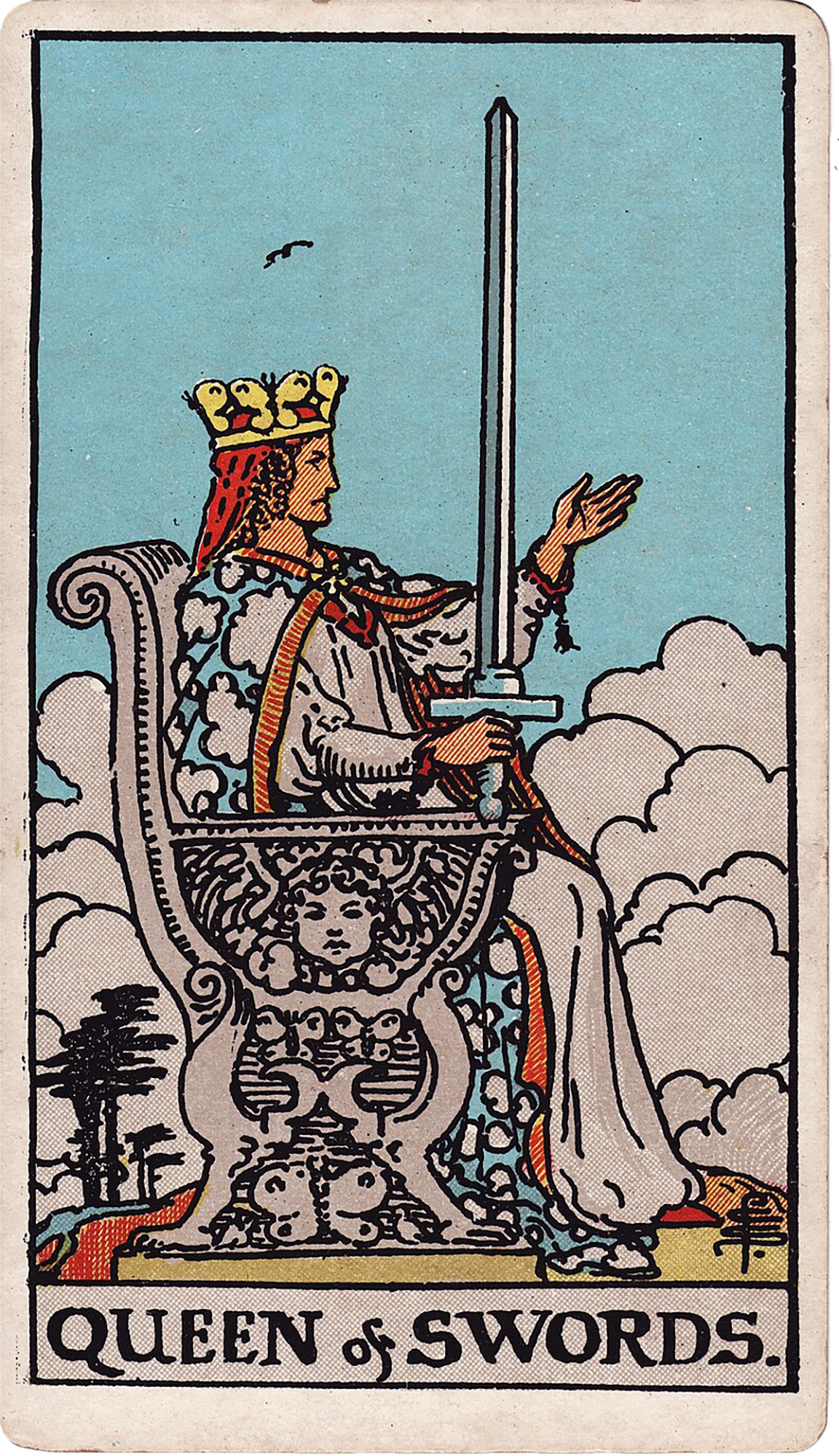 PastQueen of Swords
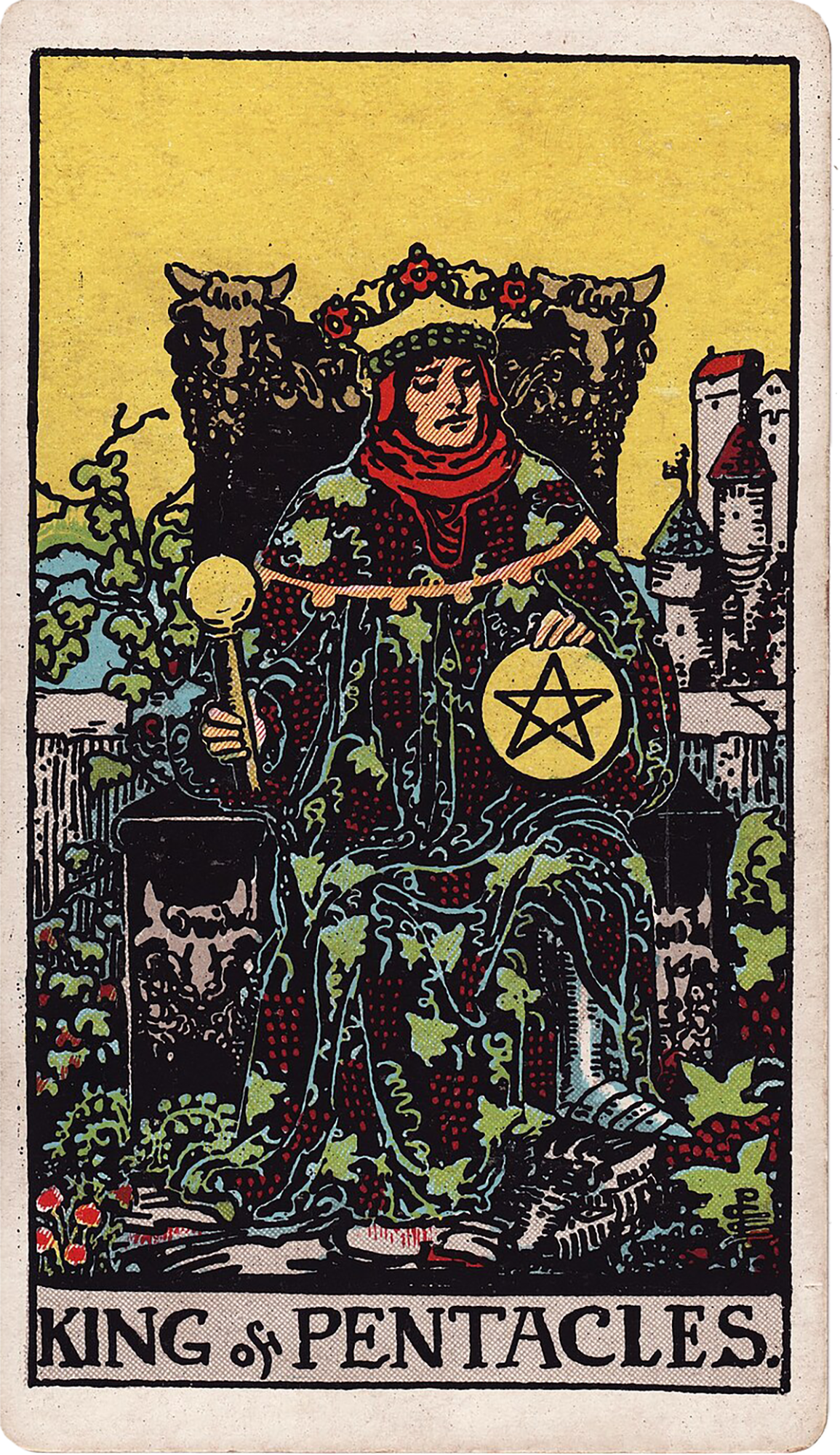 PresentKing of Pentacles
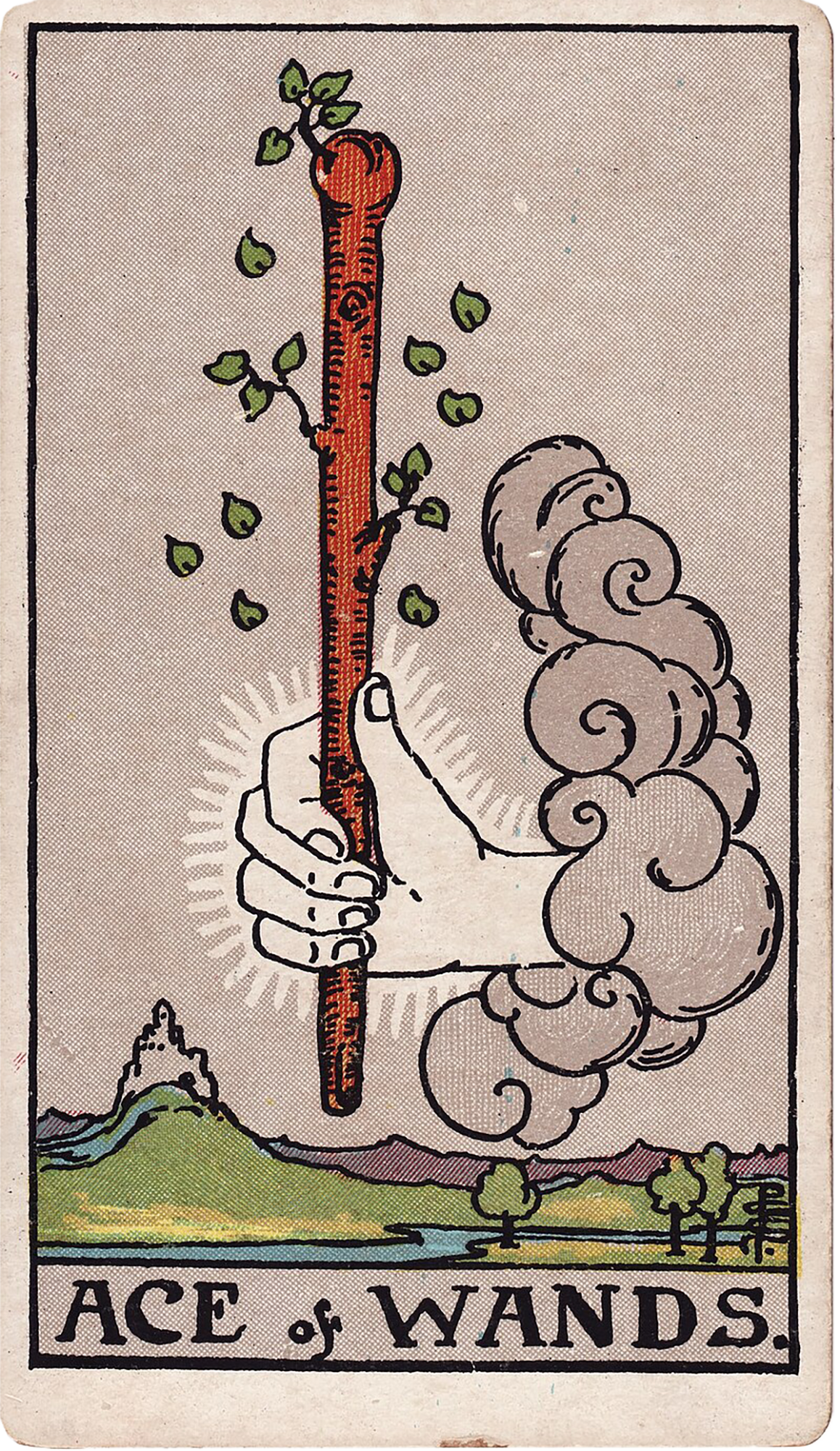 FutureAce of Wands
Introduction to the Three Card Spread in Practical Decision Making
The Three Card Spread is one of the most accessible and versatile tarot spreads, ideal for daily insight and balanced decision making. Its simplicity allows for a clear framework: Past, Present, and Future. This linear layout helps learners track the evolution of an issue or mindset, providing context, current energy, and possible outcomes. By focusing on practical levels of experience, this spread is especially useful when decisions require integrating motivation, clarity, and stability. In this article, we demonstrate mastery of the Three Card Spread by working with three specific cards: Ace of Wands, Queen of Swords, and King of Pentacles. Each card represents a suit and elemental energy—fire, air, and earth—offering a rounded perspective for balanced action.
Understanding Each Position in the Three Card Spread
The three positions — Past, Present, and Future — serve distinct interpretive functions. The Past position reflects the recent energies, events, or influences that shaped the current situation. The Present reveals the active forces, decisions, or challenges at hand. The Future position suggests how the situation is likely to evolve based on current trajectories and actions. When reading, it is crucial to respect these temporal distinctions while also observing the fluid interplay between positions. In practical readings, these positions guide the querent from awareness to informed choice. They help identify what patterns support or hinder progress, encouraging decisions grounded in reality rather than abstract ideals.
The Ace of Wands in the Past Position: Igniting New Impulses
Placed in the Past, the Ace of Wands indicates a recent emergence of creative energy, enthusiasm, or a motivating impulse. The card's Rider-Waite-Smith imagery— a hand holding a blooming wand against a vibrant sky—symbolizes potent beginnings and raw potential. Upright, this card reflects a time when newfound ambition or initiative sparked action, setting the stage for the present. The emphasis is on a practical first step, a response that fits the current stage rather than an idealized vision. It asks the learner to consider where these early impulses first appeared and how they shaped the current landscape. In the context of balanced decision making, recognizing the Ace of Wands in the Past reminds us to honor the original motivation and to reconnect with that energy without allowing it to dissipate through distraction or indecision.
The Queen of Swords in the Present Position: Clarity and Honest Boundaries
Occupying the Present, the Queen of Swords brings sharp intellect, clear communication, and honest, sometimes tough, boundaries to the forefront. The card’s traditional imagery— a mature woman sits holding a sword upright, symbolizing truth and mental clarity—encourages directness without cruelty. In practical terms, the Queen of Swords advises the querent to engage with present challenges through clear thinking, unbiased judgment, and effective communication. Her presence calls for strategic decisions based on facts, not emotional avoidance or bitterness. For learners, this card emphasizes the importance of maintaining independence of thought and setting limits to protect mental and emotional well-being during decision making. It also serves as a reminder to genuinely listen and articulate intentions clearly in daily interactions.
The King of Pentacles in the Future Position: Building Stability and Stewardship
The King of Pentacles in the Future position suggests that mature stewardship and material stability will be key outcomes if current energies are properly managed. In Rider-Waite-Smith tradition, this figure sits confidently with symbols of wealth and abundance, embodying reliability and practical competence. This card emphasizes long-term planning, resource management, and the building of a secure foundation—not just for oneself but also for others. It encourages the querent to cultivate patience, responsibility, and groundedness in approaching future challenges. From a learner’s perspective, the King of Pentacles projects the outcome of balanced daily decisions: security gained through consistent effort, wise use of resources, and practical leadership.
Interpreting the Relationship Between the Three Cards
Together, the Ace of Wands, Queen of Swords, and King of Pentacles form a narrative arc from inspired beginning to clear present action and stable future outcome. The Ace of Wands sets the energetic foundation with creative impulse and motivation rooted in the past. Transitioning to the Queen of Swords, the reading shifts into a phase of disciplined thinking and communication that refines that initial energy. The Queen filters enthusiasm through mental clarity, ensuring that decisions are not impulsive but well-considered. Finally, the King of Pentacles promises the fruition of these processes by manifesting concrete results—whether financial, professional, or personal stability. The spread encourages learners to view decision making as a process that integrates inspiration, clear-headed analysis, and practical follow-through. Notably, the suits—Wands (fire), Swords (air), and Pentacles (earth)—illustrate a balanced elemental approach: initiating energy, intellectual rigor, and grounded material focus. This alignment enhances the practical utility of the spread.
Step-by-Step Guide to Reproducing This Three Card Spread
1. Prepare your space and mind: Begin with quiet focus. Shuffle your deck while contemplating your decision or the daily balance you seek. 2. Draw three cards: Lay them left to right, corresponding to Past, Present, and Future. 3. Identify each card’s position and meaning: Use the positional context to guide your interpretation. For example, if you draw the Ace of Wands in the first slot, consider recent beginnings or motivations. 4. Analyze card imagery and symbolism: Observe Rider-Waite-Smith details such as the Ace of Wands’ sprouting leaves or the Queen of Swords’ upright sword. 5. Integrate card meanings into a coherent narrative: Ask how the cards relate to one another across time and element. 6. Apply lessons to daily decision making: Determine what practical actions the reading suggests at each stage, such as reigniting motivation, communicating honestly, or managing resources wisely. 7. Reflect and journal: Write down insights, questions, and potential actions. This reinforces learning and provides a reference for future readings. Common mistakes to avoid include neglecting the influence of position, overinterpreting reversed cards as strictly negative without nuance, or ignoring the relationship between the cards.
Practical Examples and Common Pitfalls
Imagine a querent wondering how to approach a new project. The Ace of Wands in Past might reflect their initial burst of enthusiasm and creative ideas. The Queen of Swords in Present suggests they need to cut through distractions and establish clear goals and communication. The King of Pentacles in Future encourages them to focus on sustainable growth and resource management. A common pitfall is to see the Ace of Wands as simply excitement and rush ahead without the Queen’s needed clarity, which can cause scattered efforts. Another is to view the King of Pentacles only as financial gain rather than holistic stability including health and personal balance. By carefully considering each card’s practical advice within its position, readers avoid superficial interpretations and instead deliver balanced guidance for daily decisions.
Conclusion and Encouragement for Learners
Mastering the Three Card Spread for balanced daily decision making is about appreciating the flow from inspiration to clarity to stability. The Ace of Wands, Queen of Swords, and King of Pentacles together provide a robust framework that learners can apply repeatedly. This spread teaches that effective decisions require recognizing where you began, understanding your current mental state, and planning for long-term wellbeing. Through consistent practice, learners can build confidence using these cards and positions to bring practical insight into everyday challenges. Remember that tarot is a tool for reflection and guidance, not deterministic prediction. Approach each reading with openness and curiosity to cultivate thoughtful, balanced choices.
Practice questions
• How can I recognize the initial impulses that influence my current decisions?
• In what ways do I communicate clearly and honestly when faced with challenges?
• How can I cultivate greater stability and responsible management of my resources?
• What aspects of my decision-making process correspond to the energies of Wands, Swords, and Pentacles?
• How might I overcome common barriers such as scattered enthusiasm or harsh criticism in my daily thinking?
Comments
Sign in to comment.
Continue learning
Harnessing the Power of The Magician and Ace of Wands: Igniting Creativity and Manifestation in Tarot Readings
The combination of The Magician and the Ace of Wands in tarot readings offers a potent blend of creative energy and manifestation power. This article delves into the ways these car...
Unlocking the Creative Synergy of The Magician The Empress and Ace of Wands in Tarot Combinations
This article delves into the dynamic interplay of The Magician, The Empress, and Ace of Wands when they appear together in tarot readings. It explores how these cards collectively...
Unveiling Personal Power Through The Magician Strength and Ace of Wands
This article delves into the dynamic interplay of The Magician, Strength, and Ace of Wands tarot cards, exploring how their combined symbolism illuminates personal power across var...
Exploring the Symbolism and Elemental Correspondences of the Four Tarot Suits for Deeper Understanding
This article offers an in-depth exploration of the symbolism and elemental correspondences of the four tarot suits—Wands, Cups, Swords, and Pentacles—anchored by the imagery and me...
Using the Five Card Cross Spread to Overcome Career Burnout and Reignite Passion
This article guides learners through the Five Card Cross spread applied to overcoming career burnout and reigniting passion. Featuring a worked example using The Emperor, The Chari...
Mastering the Art of Combining The Magician The Empress and Ace of Wands for Creative Manifestation
This article explores the combined reading of The Magician, The Empress, and Ace of Wands Tarot cards, focusing on their synergy for creative manifestation. Through detailed analys...
Exploring the Symbolic Language and Elemental Meanings of the Suit of Wands in Tarot
The Suit of Wands in Tarot represents dynamic energy, creative force, and the drive for identity and ambition. Rooted in the elemental symbolism of fire, Wands cards articulate mot...
Unlocking Creative Synergy with The Magician The High Priestess and Ace of Wands
This article examines the powerful combination of The Magician, The High Priestess, and Ace of Wands within Tarot readings. By exploring their symbolic interplay, readers learn how...
Exploring the Symbolic Meanings and Elemental Correspondences of the Suit of Wands in Tarot
The Suit of Wands in Tarot embodies dynamic energy, creativity, and ambition, rooted in the elemental force of fire. This article delves deeply into the symbolism and elemental cor...
Mastering the Art of Combining The Magician The High Priestess and Ace of Wands for Advanced Tarot Readings
This article delves into the advanced skill of synthesizing The Magician, The High Priestess, and Ace of Wands within Tarot spreads. By grounding the discussion in the Rider-Waite-...