
Mastering the Three Card Spread for Combining Intuition and Analysis in Tarot Reading
This article delves into the art of using the three card Tarot spread as a powerful tool to blend intuitive insight with methodical analysis. By studying the symbolism and traditional meanings of The Magician, The High Priestess, and Queen of Swords, readers will develop a nuanced approach to interpreting spreads. The guide covers beginner-friendly techniques, advanced interpretation strategies, practical reading workflows, common pitfalls, and how these cards emphasize different facets of consciousness and communication. The aim is to equip Tarot learners with a balanced skill set that fosters deeper clarity and more grounded decision-making.
Cards explored in this article
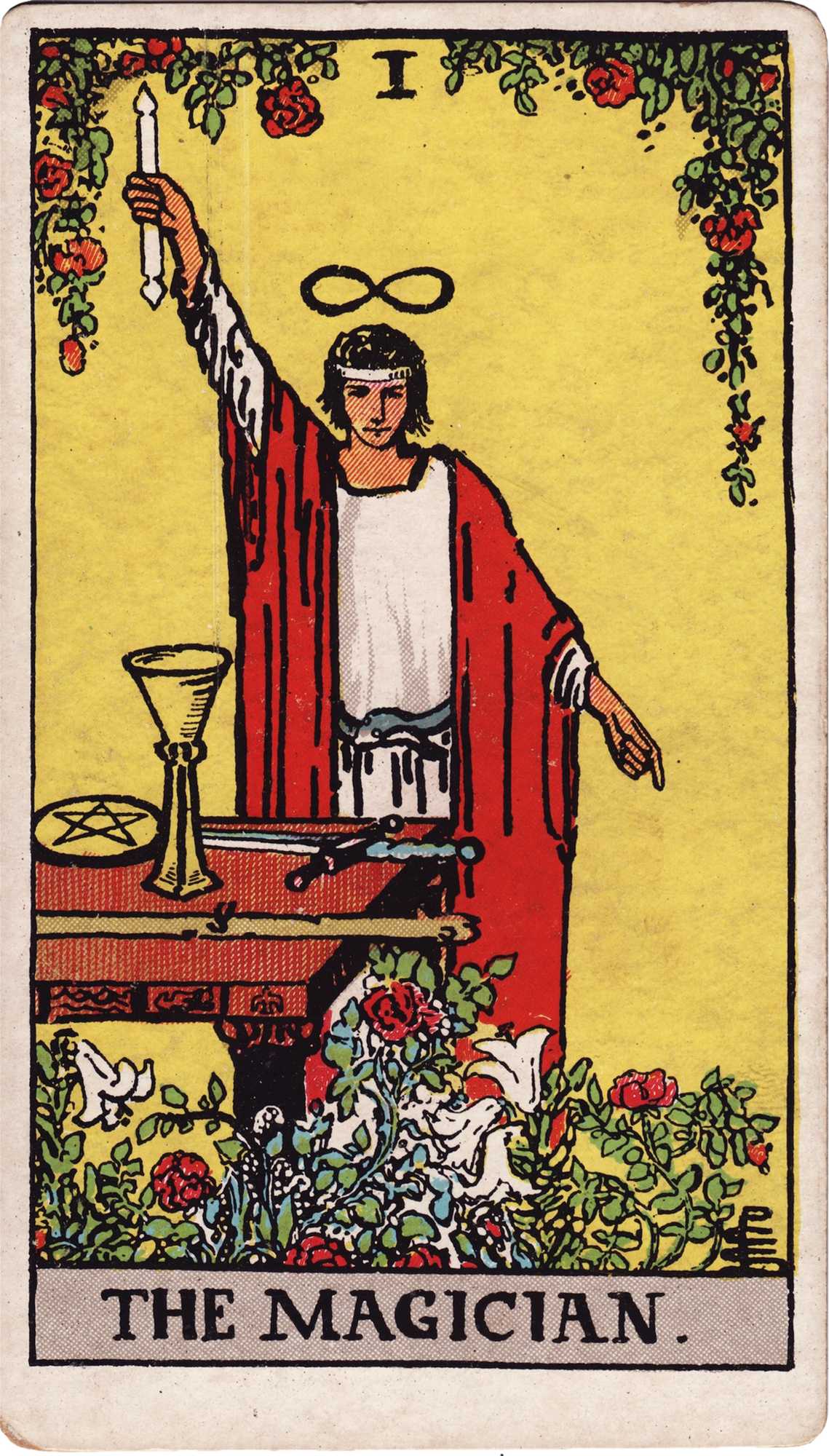 The Magician
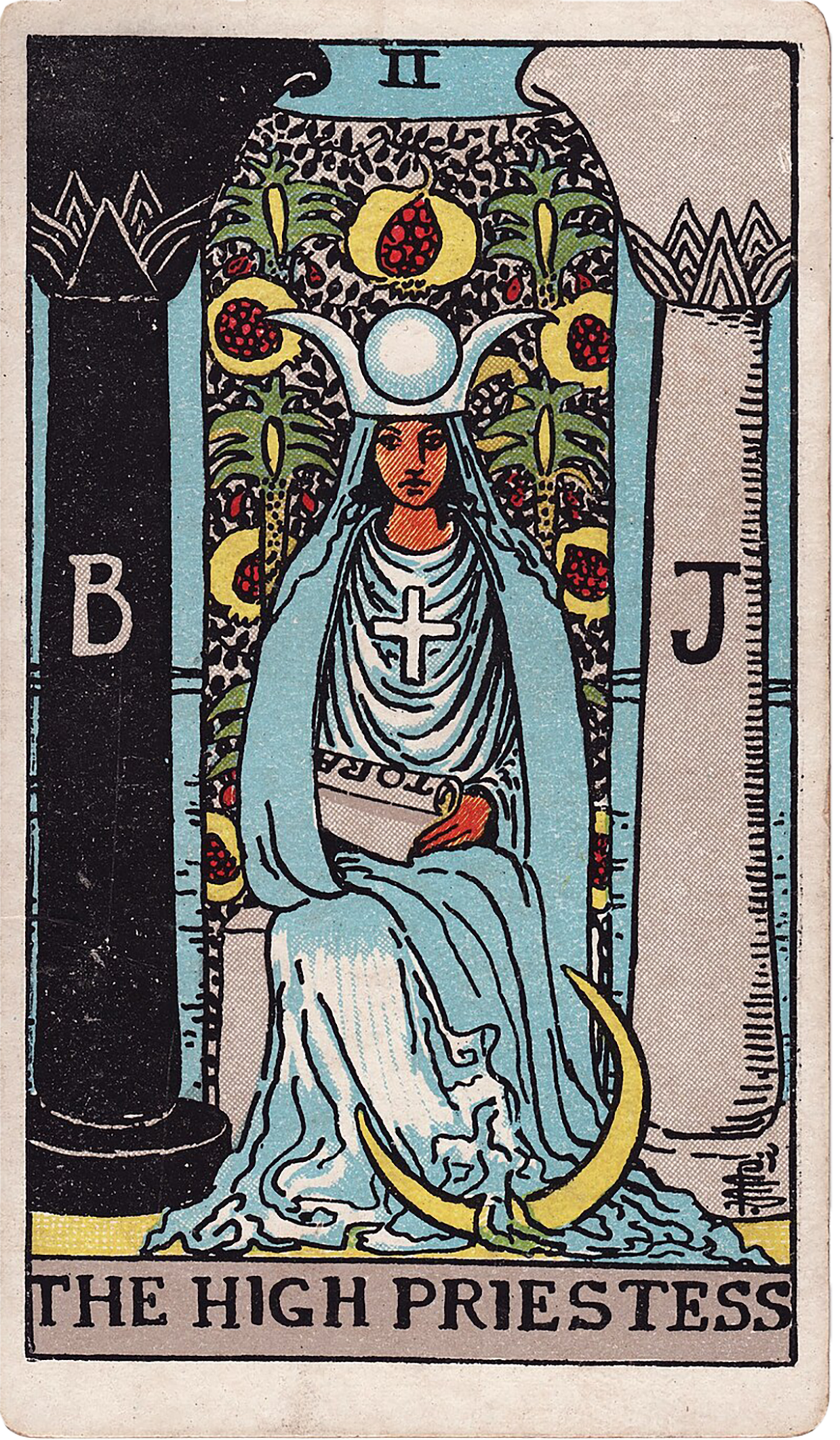 The High Priestess
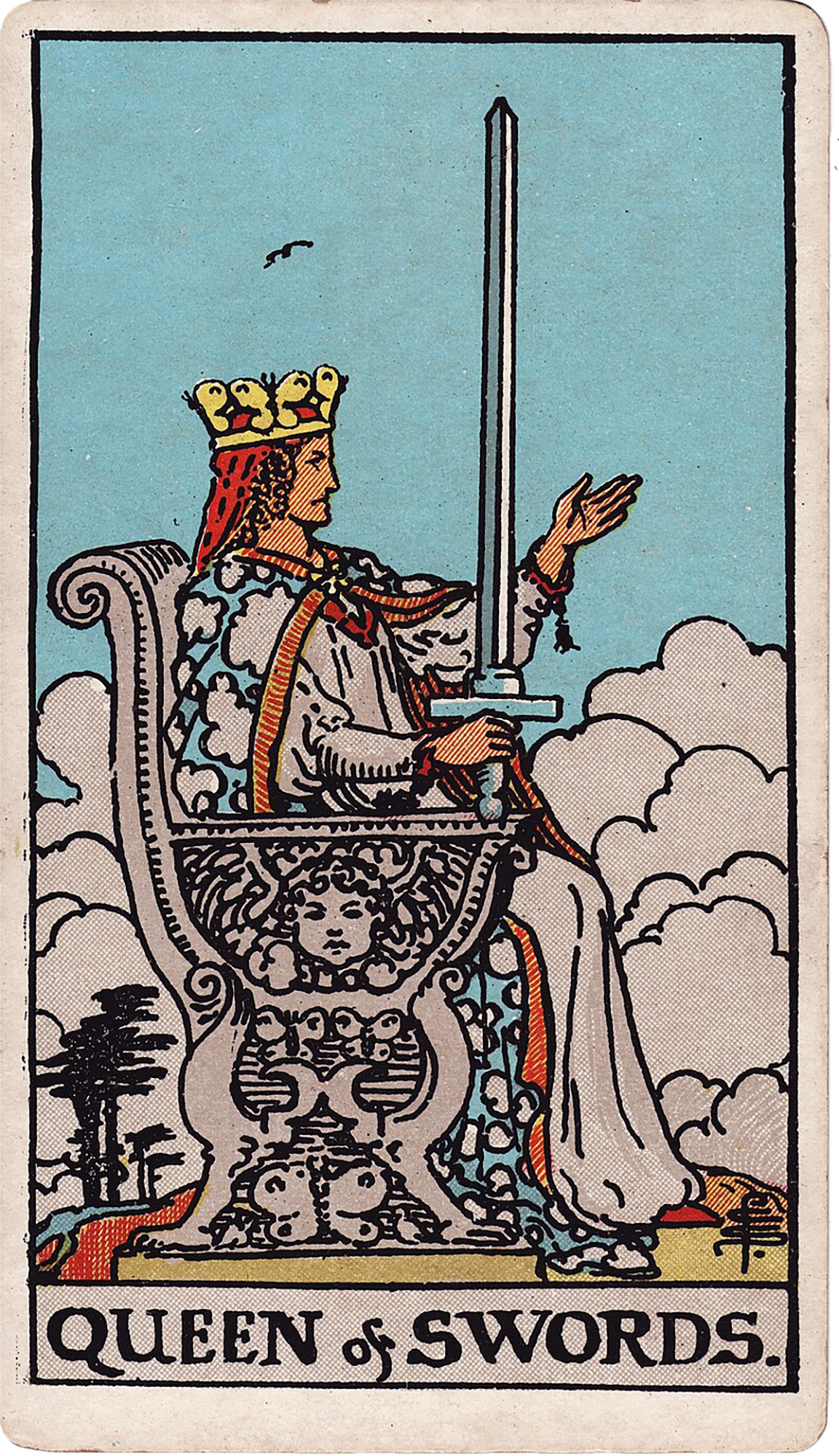 Queen of Swords
Introduction to the Three Card Spread as a Balanced Tool
The three card Tarot spread, a classic and versatile configuration, is particularly suited for integrating intuition with analysis. This spread’s simplicity allows for clear focus on distinct phases or aspects of a question, making it ideal for both beginners and advanced readers. By using three cards, the reader can segment the insight into a logical flow or contrasting perspectives, fostering a dialogue between gut feeling and intellectual understanding. The presence of The Magician, The High Priestess, and Queen of Swords in a spread offers an excellent framework to explore how these energies map onto intuitive and analytical modes respectively.
Understanding the Role of Each Card in the Spread
In the context of combining intuition and analysis, each of the three cards can be assigned a specific functional role. The Magician represents deliberate skill application, conscious choice, and the initiation of action based on available resources. This card appeals to the analytical side, encouraging clear communication and practical steps. The High Priestess stands as the guardian of inner knowing, symbolizing quiet discernment, trust in subtle signals, and the unfolding of hidden information. She embodies intuitive receptivity and the importance of patience in allowing insights to surface. The Queen of Swords bridges these energies by emphasizing clarity of thought, honest boundaries, and truthful communication. Her presence encourages the reader to distill intuition and analysis into actionable understanding without distortion or avoidance. Together, these cards create a dynamic conversation among intention, receptivity, and expression.
Step-by-Step Technique for Conducting a Three Card Reading
To maximize the integration of intuition and analysis using this spread, follow a structured yet flexible approach: 1. Preparation: Begin with a clear question or area of focus. Quiet the mind to balance rational thought and intuitive openness. 2. Card Placement: Lay out three cards left to right (or as preferred), assigning roles such as Past-Present-Future, Situation-Obstacle-Advice, or Intuition-Analysis-Action. 3. Initial Impression: Observe each card’s imagery—note colors, figures, symbols, and emotional tone without rushing into meanings. 4. Intuitive Reflection: With The High Priestess central or in the role of intuition, spend time silently absorbing her symbolism, inviting impressions beyond intellectual labels. 5. Analytical Interpretation: Apply The Magician’s energy by identifying concrete skills, resources, and possibilities visible in the cards. Think about communication or actions that can be initiated. 6. Synthesis and Clarity: Use the Queen of Swords’ critical eye to sharpen insights, question assumptions, and form honest boundaries around the message. 7. Practical Application: Conclude with an action step or mindset adjustment guided by the integrated reading. This method encourages a balanced workflow where intuition informs analysis, and analysis refines intuition.
Anchoring Interpretation in The Magician’s Imagery and Meaning
The Magician in the Rider-Waite-Smith deck is depicted standing before a table with symbols of all four suits, representing mastery over the elements and available tools. His upright posture and the infinity symbol above his head signify focused potential and conscious mastery. When The Magician appears upright, the reading invites the querent to take deliberate, clear steps using what is accessible now. It asks the reader to identify where clearer boundaries, direct communication, or honest choices can move the situation forward. In a reversed position, this card highlights challenges such as manipulation, scattered energy, or self-doubt. It signals areas where constructive power is blocked or distorted. In readings, The Magician’s energy anchors the analytical dimension of the spread—stimulating questions like “What skills or resources are underutilized?” or “Where can deliberate action clarify confusion?” Using this card’s imagery helps readers focus on practical engagement with the question.
Anchoring Interpretation in The High Priestess’s Imagery and Meaning
The High Priestess sits serenely between pillars, a figure of mystery and inner wisdom. Her veil and the crescent moon symbolize limits between conscious and unconscious realms, inviting the reader to listen beneath surface appearances. Upright, she encourages trust in intuition, quiet patience, and letting information emerge without force. In a reversed state, she points to blocked intuition, secrecy, or confusion between anxiety and genuine inner knowing. In the three card spread, The High Priestess represents the intuitive voice that must be heard to deepen understanding. When reading her card, focus on the stillness, the hidden scroll, and the symbolism of duality to invite subtle impressions. This card challenges readers to differentiate between reactive thoughts and genuine intuitive insight, a vital skill for balancing intellectual analysis.
Anchoring Interpretation in Queen of Swords’s Imagery and Meaning
The Queen of Swords sits with a raised sword and a clear, thoughtful gaze, embodying honesty, clear communication, and mental independence. She values truth communicated without cruelty and represents mature intellect that acknowledges complexity without avoidance. Upright, she signals that thoughtful decisions and honest boundaries will help navigate the situation. Reversed, she may indicate bitterness, excessive criticism, or intellectual avoidance of emotional truths. In the three card spread, the Queen of Swords acts as a mediator between intuition and analysis—helping to refine messages, identify distortions, and advocate for clarity. Her imagery reminds readers to approach insights with kindness and rigor, balancing compassion and intellectual integrity.
Common Mistakes When Using the Three Card Spread
A frequent error is rushing to fixed meanings without observing the card artwork and emotional tone, thus neglecting intuitive impressions. Another is overemphasizing one mode—either intuition or analysis—while ignoring the complementary aspect, which leads to imbalance and superficial readings. Readers may also struggle by misinterpreting reversed cards as purely negative, rather than as signals of complexity or internal process. In the case of The Magician, The High Priestess, and Queen of Swords, overlooking how their energies interact and support one another limits the depth of the reading. To avoid these pitfalls, readers should cultivate patience, practice deliberate observation, and remain open to subtle nuances in the cards and the querent’s context.
Practical Examples of Combining Intuition and Analysis
Imagine a querent asking about starting a new project. Drawing The Magician, The High Priestess, and Queen of Swords in that order invites a narrative: The Magician signals readiness to use current skills deliberately; The High Priestess advises tuning into subtle signals and inner guidance before rushing; and the Queen of Swords encourages clear communication of boundaries and truthful evaluation of challenges. The reader might intuitively sense hesitation beneath enthusiasm (High Priestess) and analytically recognize the need for precise planning (Queen of Swords). By weaving these perspectives, the reading advises both inspired action and thoughtful preparation. Another example is when The High Priestess appears reversed, warning that anxiety might cloud intuition; here, the Queen of Swords can help the querent to separate emotional noise from practical truths, while The Magician encourages reconnecting with concrete abilities rather than self-doubt.
Developing Advanced Techniques for Intuitive-Analytical Integration
Advanced readers can experiment with shifting card positions to emphasize different relationships, such as Intuition-Action-Reflection or Problem-Insight-Resolution. They can also incorporate journaling to track how intuitive impressions evolve through analysis. Another technique is to consciously dialogue with each card’s energy—asking The Magician about practical steps, The High Priestess about hidden information, and Queen of Swords about clarity and truth—then synthesizing these voices into a coherent narrative. Practicing with reversed cards deepens understanding of internal blockages or shadow aspects. Using visualization and meditation on the card imagery enriches intuitive connection, while structured note-taking supports analytical rigor. Over time, this integrated approach enhances the reader’s confidence in navigating complex queries with both heart and mind.
Conclusion On Mastering Intuition and Analysis in Tarot Reading
Mastering the three card spread through the lens of The Magician, The High Priestess, and Queen of Swords offers a practical pathway to unify intuition and analysis in Tarot reading. This balance not only enriches the interpretive depth but also fosters responsible, actionable guidance. By honoring the symbolic energies of deliberate skill, receptive knowing, and clear communication, readers gain a robust toolkit for diverse questions and contexts. Whether beginning or advancing in Tarot practice, embracing this method encourages ongoing growth, self-awareness, and clarity in both the reading process and life application.
Practice questions
• How does The Magician’s emphasis on available skills influence my approach to problem-solving?
• In what ways can I cultivate greater trust in the subtle messages represented by The High Priestess?
• How can Queen of Swords help me balance honesty with compassion in my interpretations?
• What challenges do I face in integrating intuition and analysis during readings?
• How might reversed cards signal internal blocks rather than external obstacles in my practice?
Comments
Sign in to comment.
Continue learning
Understanding the Synergy Between The Empress and The Emperor in Tarot Card Combinations
This article delves into the intricate synergy between The Empress and The Emperor cards in Tarot, focusing on how their combined energies modify and enrich readings across various...
Exploring The High Priestess in Career Relationships and Personal Growth
The High Priestess card in the tarot deck invites readers to explore intuition, hidden knowledge, and inner wisdom across various life contexts. This article examines how The High...
Using the Five Card Cross Tarot Spread to Navigate Career Changes with Confidence
The Five Card Cross Tarot Spread is a versatile and insightful tool for navigating career changes. This article guides learners through the method step-by-step using a practical ex...
Exploring The Hierophant in Modern Spiritual Practices and Personal Development
The Hierophant tarot card symbolizes structured wisdom, tradition, and the pursuit of knowledge through established systems. This article explores how The Hierophant’s upright and...
Unlocking Personal Ambition and Emotional Balance with The Chariot and Queen of Cups
The Chariot and Queen of Cups together represent a compelling combination of disciplined ambition and emotional maturity. This article guides learners through understanding how the...
Understanding The Tower in Tarot for Navigating Sudden Change and Crisis
The Tower card in Tarot symbolizes sudden, often disruptive change that destroys false foundations and compels honest reassessment. This article provides a comprehensive exploratio...
Understanding The Hanged Man in Personal Sacrifice and Spiritual Growth
The Hanged Man tarot card embodies the themes of intentional pause, surrender, and gaining new perspectives that foster personal sacrifice and spiritual growth. In this article, we...
Discovering The Hermit in Meditation and Self Reflection Practices
The Hermit tarot card, a symbol of introspection and deliberate solitude, offers profound lessons for meditation and self-reflection practices. This article unpacks its upright and...
Unlocking Emotional Balance with The Lovers and Temperance in Tarot Combinations
This article explores the dynamic interplay between The Lovers and Temperance cards in Tarot readings, focusing on how their combination unlocks emotional balance and integration....
Understanding the Court Cards of Pentacles for Practical Wisdom and Grounded Ambition
The Court Cards of Pentacles—Page, Knight, Queen, and King—offer a rich framework for understanding practical wisdom, grounded ambition, and stewardship of material resources. Anch...