
Mastering the Three Card Spread for Effective Problem Solving and Decision Making
This article explores the three-card Tarot spread method focusing on positions Past, Present, and Future to support problem solving and decision making. Using the cards Justice, 2 of Swords, and 8 of Swords, it guides readers on interpreting card meanings in relation to their positions and interaction. Detailed technique, symbolism analysis, common pitfalls, and practical advice help learners confidently apply this spread for clarity and balanced choice-making.
Three Card
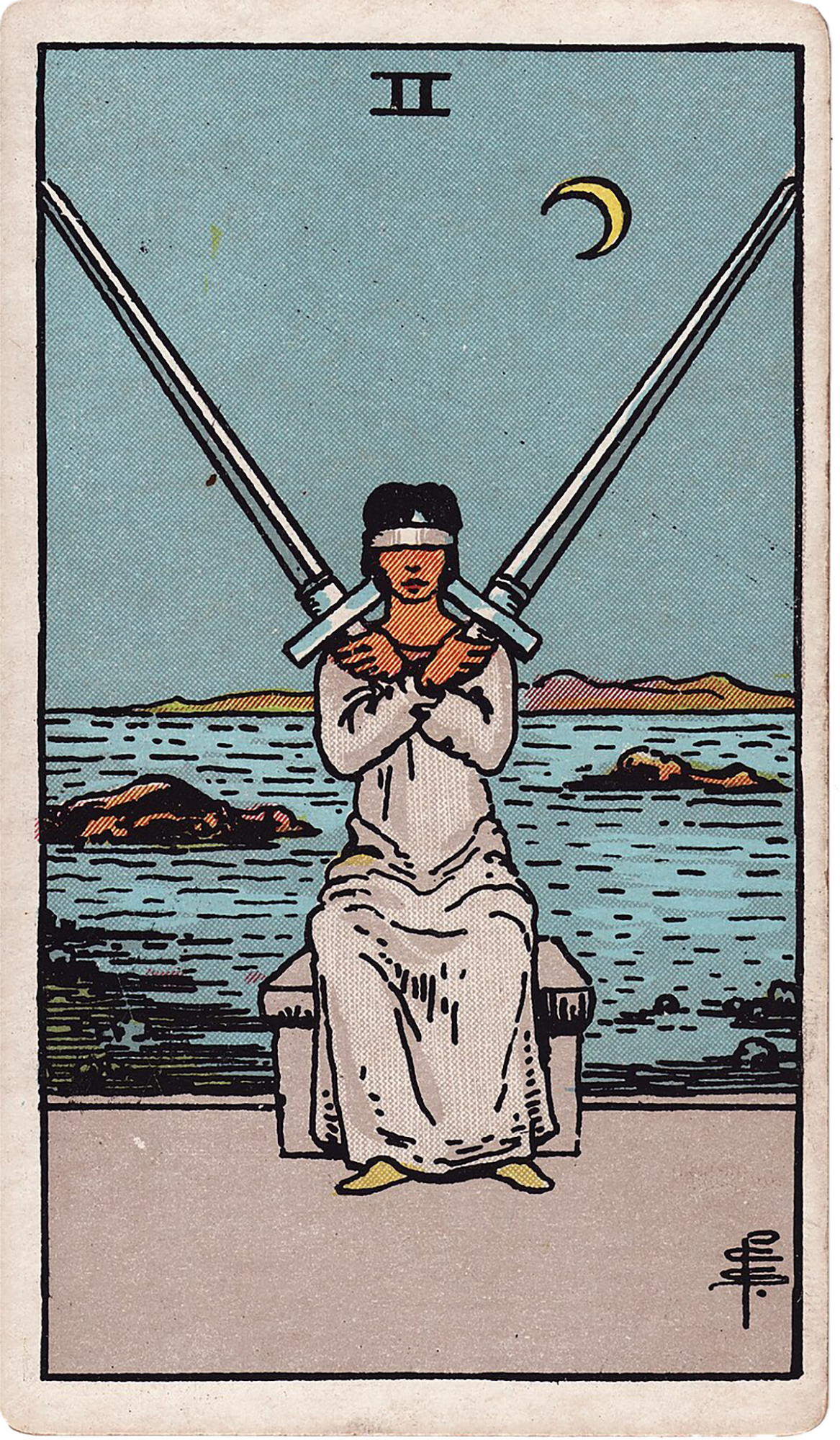 Past2 of Swords
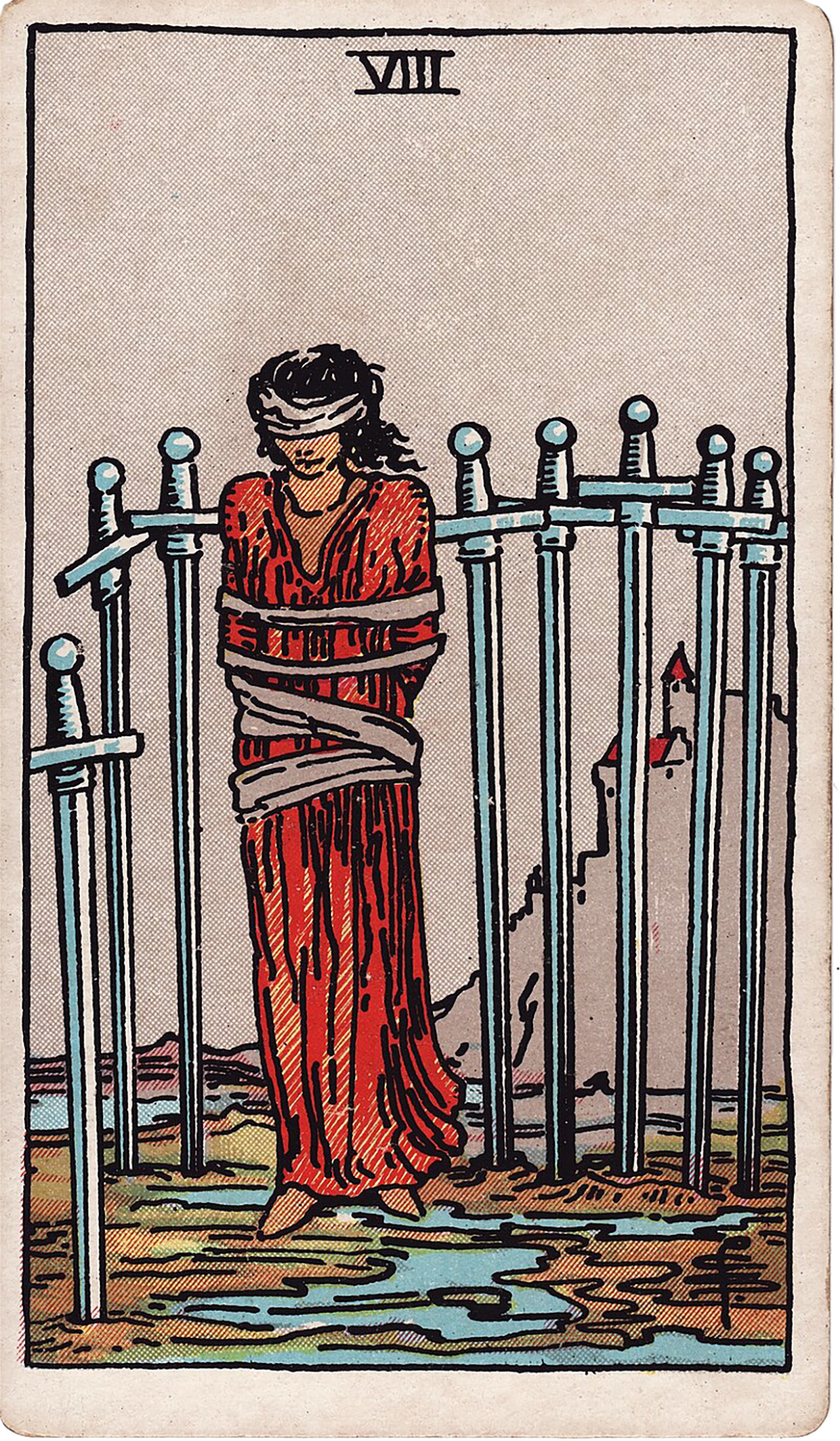 Present8 of Swords
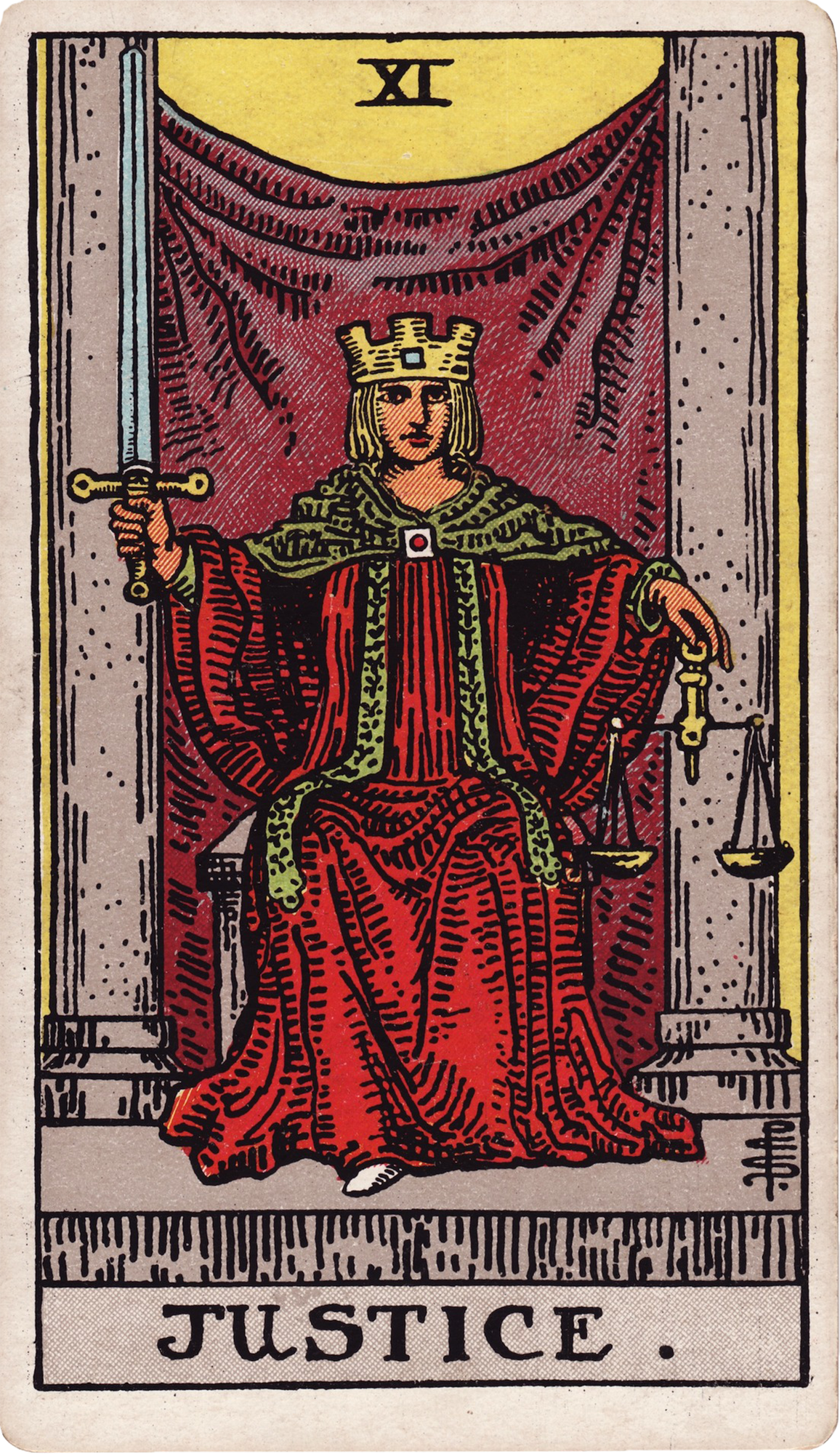 FutureJustice
Introduction to the Three Card Spread for Problem Solving and Decision Making
The three-card spread is one of the most accessible yet powerful tools in Tarot practice, especially useful for practical issues like problem solving and decision making. Its simplicity allows a focused look at sequential dynamics in a situation — often framed as Past, Present, and Future — which can reveal how past influences shape current challenges and suggest future possibilities. This spread encourages balanced reflection, helping readers move beyond indecision or overwhelm by clarifying the context and actionable next steps. This article teaches how to master this spread with a strong focus on three cards: Justice, 2 of Swords, and 8 of Swords. Each card carries rich Rider-Waite-Smith symbolism and practical guidance that, when read in sequence, offers deep insight into navigating complex choices and restrictions. The goal is to empower learners to confidently interpret the cards within their positions and relationships, enhancing both self-awareness and decision quality.
Understanding the Spread Layout and Positions
The traditional three-card spread used here is laid out left to right with positions labeled Past, Present, and Future. Each position serves a distinct purpose: - Past (Justice): Reflects the foundation or background influencing the current issue. It reveals what principles, decisions, or events have set the stage. - Present (2 of Swords): Shows the current state of the problem or decision. This card often highlights tensions, choices held in suspension, or mental/emotional factors affecting clarity. - Future (8 of Swords): Suggests the likely outcome or direction if current energies continue unchanged. This position can indicate lessons to learn or necessary transformations. This linear flow supports a temporal narrative, useful in problem solving where understanding progression is key. Practitioners should place the cards accordingly and focus first on each card’s meaning in its own position before exploring connections.
Detailed Card Analysis in Their Positions
Past Position — Justice: Justice upright emphasizes fairness, clear perception of facts, accountability, and deliberate choice. Placed in the past, it suggests the problem’s roots lie in a situation where fairness was sought or a critical decision was made with conscious awareness of consequences. The imagery of the scales and sword indicates weighing evidence carefully and the necessity of honesty. For learners, this signals to review whether past actions reflected balance and integrity, or if unresolved issues of fairness remain. Present Position — 2 of Swords: In the present, the 2 of Swords upright highlights a stalemate or a decision suspended due to incomplete information or emotional unreadiness. The figure blindfolded and holding crossed swords symbolizes inner conflict and the need to carefully consider options rather than rushing. For practical readings, this card advises confronting the mental blocks and acknowledging what is unknown or unacknowledged. It encourages applying thoughtful communication and strategy to move forward. Future Position — 8 of Swords: The 8 of Swords upright in future warns of feeling trapped or restricted by circumstances or beliefs, but its loose bindings indicate these constraints are negotiable. This card’s imagery of a blindfolded woman bound yet surrounded by open space invites reflection on self-imposed limitations. The future may present challenges that feel confining, but with awareness and action, escape is possible. For learners, this suggests preparing mentally to release fear and limiting assumptions to progress.
Exploring Card-to-Card Relationships and Overall Interpretation
Reading these cards in sequence provides a rich narrative for problem solving: - Justice in the past suggests the foundation was laid through a fair and deliberate choice or a call for accountability. - The 2 of Swords in the present indicates that although the groundwork for fairness exists, the decision is still held in mental suspension, possibly due to incomplete facts or emotional hesitation. - The 8 of Swords in the future warns of potential feelings of entrapment if the suspended decision is not addressed, but the loose bindings also suggest that the situation is not fixed and can be changed. Together, these cards advise the seeker to recognize where past fairness and honesty provide a solid base, identify mental blocks currently causing indecision, and prepare to actively release limiting beliefs before the constraints become more entrenched. The spread highlights the importance of conscious engagement with facts (Justice), deliberate mental processing (2 of Swords), and overcoming self-imposed restrictions (8 of Swords) for effective problem solving.
Methodical Approach to Performing This Spread
To reproduce this reading method, begin by clearly defining the question or problem requiring resolution. Shuffle and draw three cards, placing them left to right with the labels Past, Present, and Future. Step 1: Interpret each card individually within its position. Use the card’s Rider-Waite-Smith symbolism and upright/reversed meanings to understand its message in context. Step 2: Analyze how the cards interact. Ask how past influences are shaping the present, and what the present actions or inactions imply for the future. Step 3: Synthesize an overall narrative that guides practical next steps. Focus on what the cards suggest about attitudes, facts, decisions, and potential obstacles. Step 4: Reflect on personal biases and emotional reactions to avoid projection. Use the cards as tools for insight, not absolute prediction. This structured approach encourages learners to engage deeply with the spread and develop clarity on complex issues.
Common Pitfalls and How to Avoid Them
New readers may encounter several challenges: - Overinterpreting or catastrophizing cards, especially the 8 of Swords in future, as a guaranteed negative outcome. Instead, recognize it signals a mindset or situational pattern requiring attention. - Ignoring card position significance and interpreting cards generically. Always anchor meaning to the Past, Present, or Future context. - Applying reversed meanings without observing the card’s orientation or surrounding cards, leading to confusion. - Neglecting card-to-card relationships, which can obscure the story the spread tells. Avoid these by focusing on balanced interpretation, considering symbolism carefully, and practicing with multiple readings to build intuitive and analytical skills.
Practical Example Applying This Spread
Imagine a seeker wrestling with a career decision: Past (Justice): They previously took a role based on fairness and ethical considerations, weighing pros and cons responsibly. Present (2 of Swords): Now they feel stuck, unable to choose between staying or moving on because they lack complete information or emotional readiness. Future (8 of Swords): The reading warns that if they remain indecisive, they may feel trapped by obligations or fear, but also shows the possibility of release if mental barriers are challenged. The reader advises the seeker to revisit their original ethical standards (Justice), actively seek missing facts or emotional clarity (2 of Swords), and prepare to confront limiting fears that may cause self-imprisonment (8 of Swords). This practical interpretation helps clarify the problem and next steps without predicting fixed outcomes.
Summary and Encouragement for Learners
Mastering the three-card spread for problem solving and decision making centers on understanding card position roles, drawing on precise Rider-Waite-Smith symbolism, and synthesizing card interactions into coherent guidance. The combination of Justice, 2 of Swords, and 8 of Swords offers a powerful lens on fairness, suspended choices, and perceived limitations. By practicing this method, learners develop sharper analytical skills, enhanced intuition, and practical frameworks for navigating complex decisions. Persist with patient study of card meanings and spread structure, and use each reading as an opportunity to reflect deeply and grow in confidence.
Practice questions
• How does the Justice card in the past position inform your understanding of the current problem?
• What mental or emotional blocks does the 2 of Swords highlight in your present decision-making process?
• In what ways might the 8 of Swords’ restrictions be self-imposed or negotiable in your future?
• How can focusing on card-to-card relationships improve your overall Tarot reading accuracy?
• What steps can you take to avoid common interpretative pitfalls when using this spread?
Comments
Sign in to comment.
Continue learning
Mastering Decision Making with the Five Card Cross Tarot Spread
The Five Card Cross Tarot Spread is a powerful tool for deepening decision-making skills by examining the present situation, past influences, future possibilities, challenges, and...
Navigating Conflict Resolution and Inner Struggles with the Five Card Cross Tarot Spread
This article delves into the Five Card Cross Tarot Spread as a practical tool for navigating conflict resolution and inner struggles, especially within family contexts. Using the s...
Using the Career Five Card Spread to Identify Growth Opportunities and Challenges
This article explores the Career Five Card Spread, a practical tarot method designed to spotlight growth opportunities, strengths, and obstacles within a career context. By analyzi...
Unlocking Life Insights with the Celtic Cross Tarot Spread
This article offers a thorough exploration of the Celtic Cross Tarot Spread, focusing on its application within family and practical life contexts. Using a worked example featuring...
Enhancing Clarity in Complex Choices with the Five Card Cross Tarot Spread
The Five Card Cross Tarot Spread is a practical tool designed to clarify complex choices by breaking down the decision into manageable parts. This article explores each position in...
Deepening Connection and Communication Using the Relationship Five Card Spread
This article introduces the Relationship Five Card Spread as a practical tool to enhance family communication and connection. Using five specific card positions—You, The Other Pers...
Using the Five Card Cross Tarot Spread to Navigate Career Changes with Confidence
The Five Card Cross Tarot Spread is a versatile and insightful tool for navigating career changes. This article guides learners through the method step-by-step using a practical ex...
Unlocking Personal Insight with the Seven Card Horseshoe Spread
The Seven Card Horseshoe Spread is a practical and insightful Tarot layout ideal for exploring personal and family dynamics. This article breaks down each position—Past, Present, H...
Using the Career Five Card Spread to Uncover Professional Strengths and Opportunities
This article presents a comprehensive guide to the Career Five Card Spread, designed to help learners explore professional strengths and opportunities using five specific Tarot car...
Using the Career Five Card Spread to Overcome Professional Challenges with Insight
The Career Five Card Spread is a powerful tool for exploring current professional situations, identifying strengths, challenges, opportunities, and practical next steps. This artic...