
Mastering Three Card Spread Techniques for Deep Intuitive and Practical Tarot Readings
This article offers a comprehensive guide to mastering three card tarot spreads, focusing on both beginner and advanced techniques. Using The Magician, The High Priestess, and The Hermit cards as core examples, readers will learn how to deepen intuition, develop practical interpretation skills, and avoid common mistakes. By blending traditional Rider-Waite-Smith symbolism with structured approaches, this piece empowers tarot readers to confidently engage with three card layouts for insightful readings.
Cards explored in this article
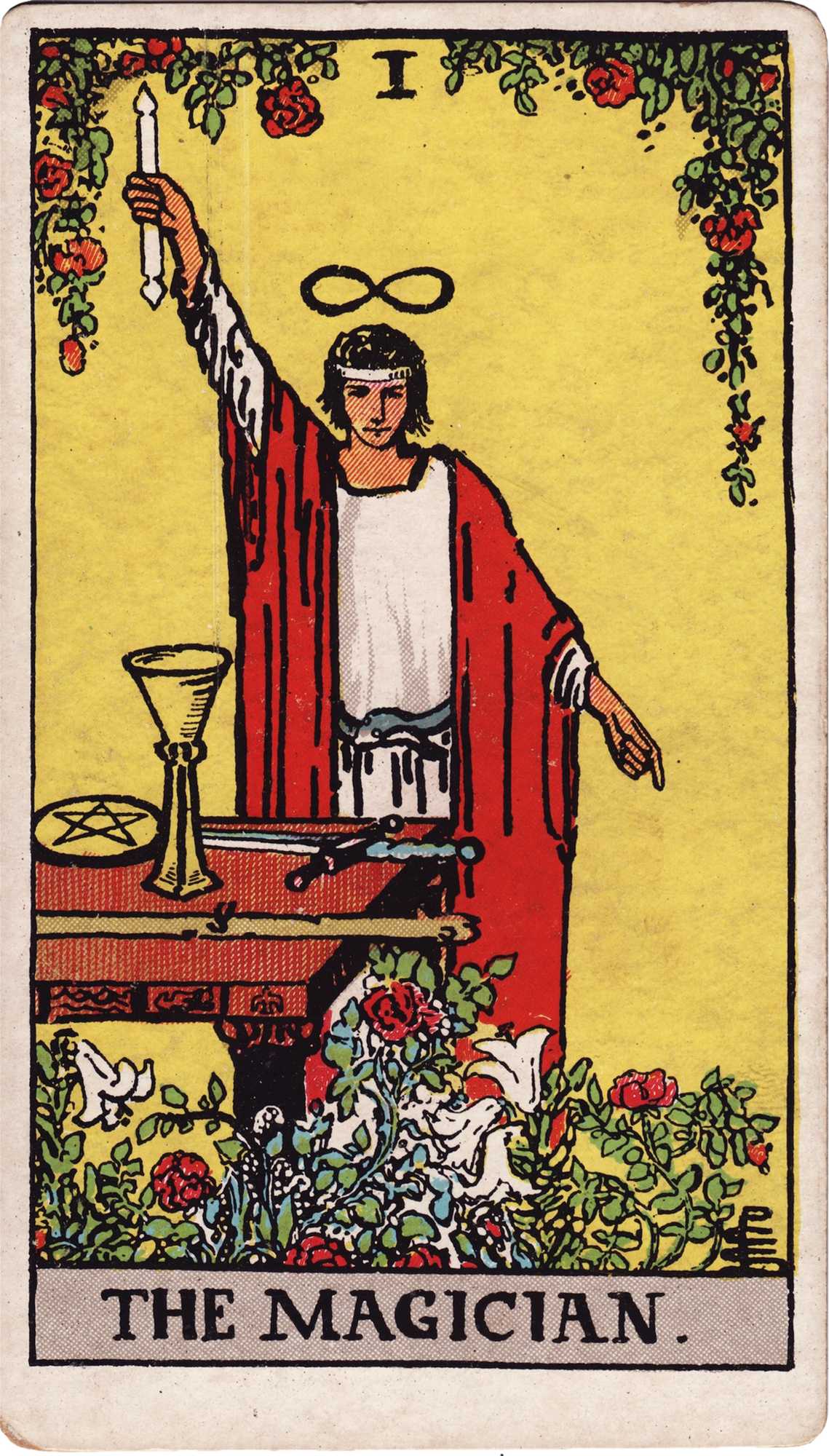 The Magician
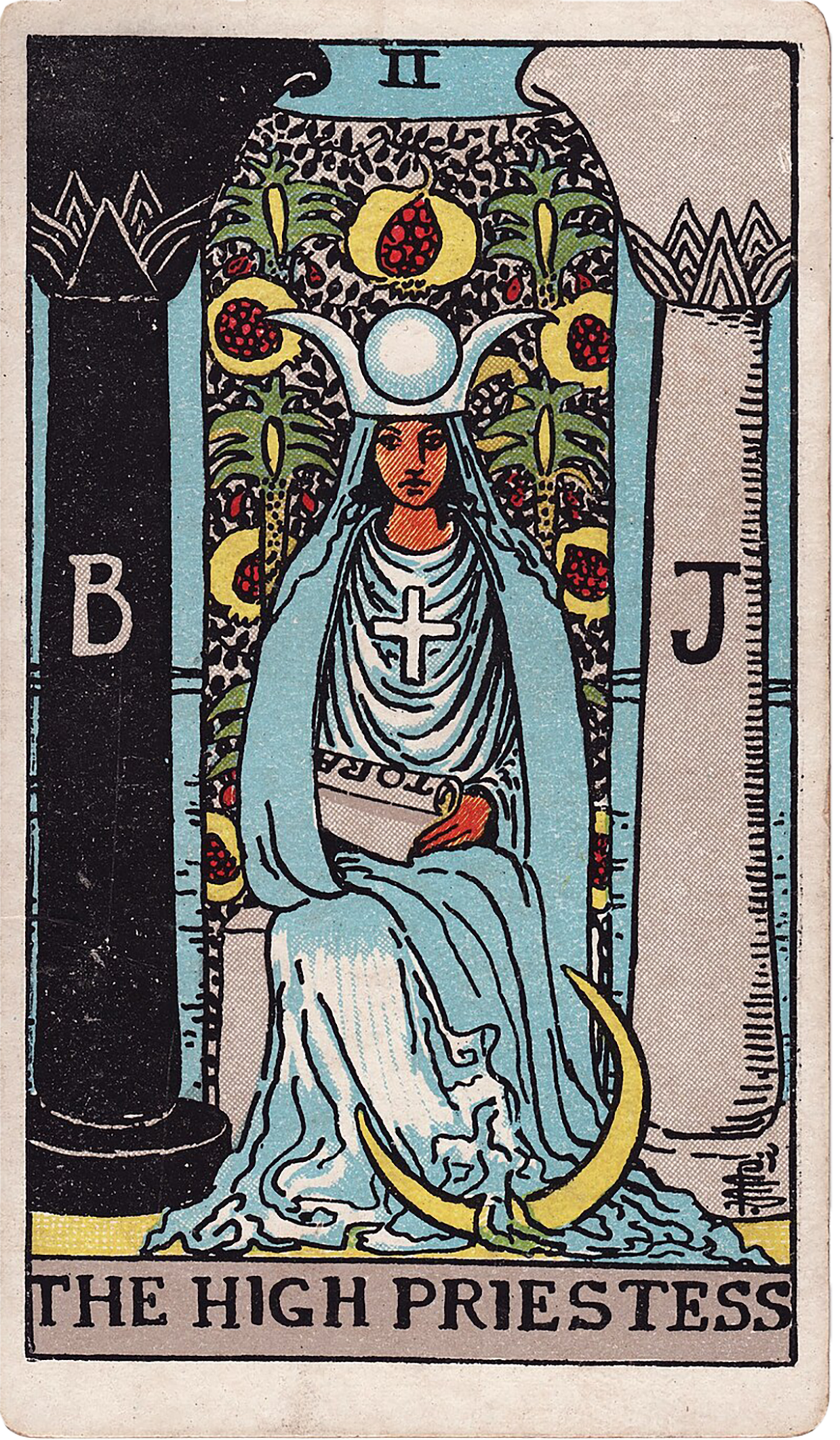 The High Priestess
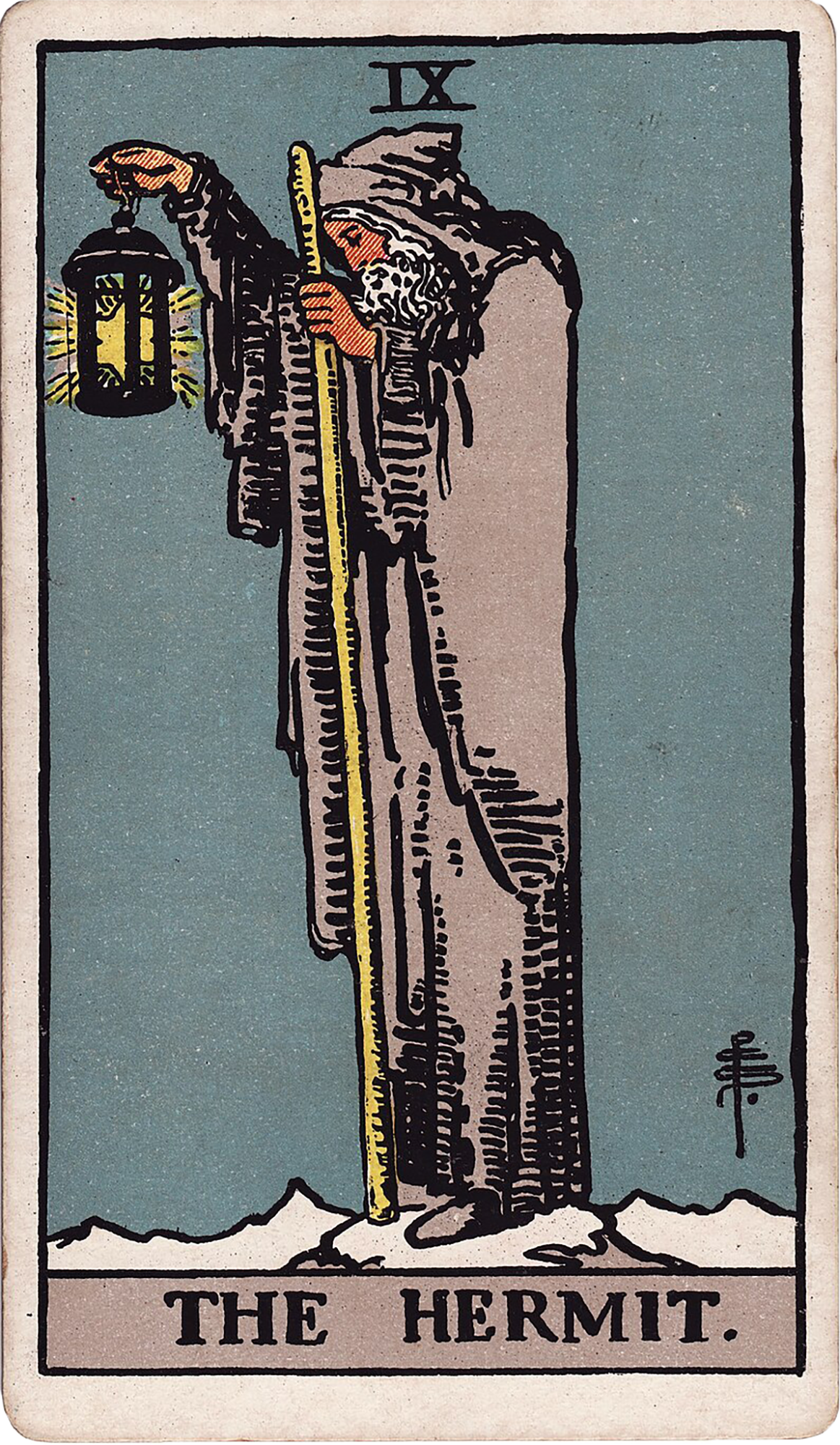 The Hermit
Understanding the Three Card Spread and Its Versatility
The three card spread is one of the most versatile and accessible tarot layouts for readers of all levels. It typically involves drawing three cards that represent past, present, and future; situation, action, and outcome; or mind, body, and spirit. The strength of this spread lies in its simplicity combined with expansive potential for depth. Unlike more complex layouts, the three card spread encourages intuitive connections and practical insights without overwhelming the querent or reader. Using The Magician, The High Priestess, and The Hermit as example cards helps illustrate how each position in the spread communicates a facet of the reading. For instance, drawing The Magician upright in the first position might symbolize the querent’s latent skills or the immediate call to deliberate action. The High Priestess in the second position could represent the environment or emotional undercurrent urging the reader to listen beneath surface appearances. The Hermit in the third spot might suggest the future or outcome as a period of introspection and thoughtful withdrawal. By anchoring your reading with these cards’ clear symbols and meanings, you can create cohesive narratives that are both intuitive and grounded.
Leveraging Rider-Waite-Smith Symbolism for Deeper Interpretation
Each card in the Rider-Waite-Smith deck carries rich imagery and layered symbolism that can guide your intuitive and practical reading process. The Magician, for example, shows a figure with one hand pointing upward and the other toward the earth, symbolizing the channeling of spiritual energy into tangible results. His tools on the table—cup, sword, wand, and pentacle—represent mastery over all elements and the potential to translate ideas into action. When upright, The Magician encourages deliberate skill use and clear communication, signaling where effort can transform circumstances. The High Priestess, seated between the pillars of Boaz and Jachin in the Rider-Waite-Smith deck, embodies mystery and hidden knowledge. Her scroll and crescent moon represent intuition and the subconscious. Upright, she invites the reader to trust inner knowing and seek information beneath the surface rather than reacting impulsively. When reversed, she warns of disconnection from intuition or secrecy. The Hermit’s image of a solitary figure holding a lantern and staff conveys the journey inward toward enlightenment and clarity. His presence in a spread encourages stepping back from external noise to gain perspective. Upright, this card suggests disciplined reflection, while reversed it may highlight isolation or avoidance. Mastering interpretation means going beyond textbook definitions by observing these visual cues and asking how they relate to the querent’s question or situation. For example, when The Magician appears reversed in a reading, rather than fearing manipulation outright, the reader should explore how energy might be scattered or talents underused. This nuanced approach deepens the reading’s relevance and practical application.
Step-by-Step Guide to Conducting a Three Card Reading
Begin your three card reading by establishing the question or area of focus with your querent. Clarity at this stage sets the tone for meaningful interpretation. 1. Shuffle and draw three cards intentionally. Reflect on how each card’s imagery and position might relate to your question. 2. Assign a spread meaning to each card position. Common frameworks include Past-Present-Future or Situation-Action-Outcome, but custom positions can be created to fit the question, such as Challenge-Advice-Influence. 3. Examine each card individually in its position, noting upright or reversed status. For example, The Magician upright in the 'Action' position advises using your skills deliberately now, while The High Priestess reversed in 'Challenge' may indicate difficulty trusting intuition. 4. Explore connections between cards. The Magician’s energy of deliberate choice can complement The High Priestess’s call to deeper honesty, while The Hermit’s invitation to solitude might suggest a next step or necessary pause. 5. Synthesize your insights into a coherent narrative. Instead of offering fixed predictions, guide the querent toward understanding the energies at play and how they might act consciously. 6. Invite the querent to reflect on the reading’s lessons and how these cards relate to their lived experience and intuition.
Common Mistakes and How to Avoid Them in Three Card Readings
One frequent mistake is reading cards too rigidly by position alone without considering their relational dynamics. For instance, focusing solely on The Hermit as 'future' without integrating its message with The Magician and The High Priestess may produce fragmented advice. Another trap is neglecting reversals or treating them as inherently negative. As shown by The Magician, The High Priestess, and The Hermit reversed meanings, reversals often point to internal blocks, delays, or shifts in energy rather than outright disaster. Overloading the reading with speculation or ignoring the querent’s intuition can also reduce effectiveness. The three card spread thrives on balance—between intuitive insight and practical interpretation, between symbolic imagery and situational context. Readers should avoid rushing to conclusions and instead use the cards as a dialogue partner. Asking open-ended questions like “Where is this energy becoming distorted?” or “What skill is ready to be applied here?” can open pathways for deeper understanding.
Advanced Techniques to Enhance Three Card Spread Readings
Once comfortable with basic three card spreads, readers can incorporate advanced techniques to deepen insight: - Reverse Positioning: Instead of fixed meanings, try viewing the first card as present energy, the second as internal challenge, and the third as external influence. This can reveal psychological dynamics hidden beneath surface appearances. - Elemental Emphasis: Notice how The Magician’s tools correspond to the four elements—fire (wand), water (cup), air (sword), earth (pentacle). Consider which element dominates and explore its thematic relevance. - Layered Timing: The Hermit suggests introspection that may unfold over time. Position cards to reflect phases in decision-making such as initial impulse (The Magician), intuitive pause (The High Priestess), and thoughtful review (The Hermit). - Combining Upright and Reversed Energies: When The High Priestess appears reversed alongside The Magician upright, explore tension between external action and internal disconnection. This paradox invites nuanced advice around balancing doing and sensing. - Incorporating Journaling and Meditation: Encourage querents to journal about each card’s imagery and how it resonates personally. Meditation on The High Priestess’s symbolism, for example, can enhance trust in inner guidance. These techniques move the three card spread from a simple tool to a dynamic framework for continuous learning and transformational insight.
Practical Example of a Three Card Reading Using The Magician, The High Priestess, and The Hermit
Imagine a querent seeking guidance on career transition. You draw The Magician upright, The High Priestess reversed, and The Hermit upright. - Position 1 (Present Situation): The Magician upright suggests the querent has skills and resources ready for deliberate application. This card encourages taking initial steps confidently rather than waiting for perfect conditions. - Position 2 (Challenge): The High Priestess reversed points to a disconnection from intuition or shadowing anxiety. The querent may be ignoring subtle inner signals or feeling uncertain about trusting their gut in this process. - Position 3 (Advice/Outcome): The Hermit upright advises stepping back to reflect deeply and seek clarity. This could mean dedicating time alone to evaluate goals, rather than rushing forward. By integrating these insights, the reading encourages the querent to balance external action with internal listening and disciplined reflection. Instead of a linear prediction, the cards offer a practical roadmap aligned with authentic self-awareness.
Conclusion and Integrating Three Card Techniques into Your Practice
Mastering three card spread techniques requires both structured methodology and openness to intuitive flow. By grounding your readings in the detailed symbolism of cards like The Magician, The High Priestess, and The Hermit, you anchor your interpretations in tradition while inviting personal insight. Remember to respect the interplay between upright and reversed cards, position meanings, and querent context. Avoid common pitfalls by maintaining balance and curiosity instead of jumping to fixed answers. With practice, the three card spread becomes a powerful tool for deep, practical, and empowering readings that resonate with both beginner and advanced tarot learners. Use the techniques outlined here as a foundation to develop your unique voice and style in tarot reading.
Practice questions
• How does each card’s imagery (The Magician, The High Priestess, The Hermit) inform your intuitive understanding during readings?
• In what ways can reversals deepen your insight rather than simply signaling negative outcomes?
• How can you balance structured position meanings with fluid interpretation when working with three card spreads?
• What strategies help you avoid overloading a simple three card reading with unnecessary complexity?
• How might journaling or meditation on specific cards improve your connection to their messages?
Comments
Sign in to comment.
Continue learning
Understanding the Synergy Between The Empress and The Emperor in Tarot Card Combinations
This article delves into the intricate synergy between The Empress and The Emperor cards in Tarot, focusing on how their combined energies modify and enrich readings across various...
Understanding The Tower in Tarot for Navigating Sudden Change and Crisis
The Tower card in Tarot symbolizes sudden, often disruptive change that destroys false foundations and compels honest reassessment. This article provides a comprehensive exploratio...
Unlocking the Creative Flow with The Magician and The Empress in Tarot Combinations
This article delves into the powerful synergy between The Magician and The Empress in Tarot combinations, focusing on how their combined symbolism unlocks creative flow across vari...
Unlocking Leadership Qualities with The Emperor The Hierophant and King of Pentacles
This article delves into the combined meanings of The Emperor, The Hierophant, and King of Pentacles Tarot cards as a powerful trio for unlocking leadership potential. Focusing on...
Understanding The Knight of Cups in Love Career and Personal Growth
The Knight of Cups represents pursuing heartfelt desires with grace, emotional depth, and imaginative intention. This article explores how the card’s upright and reversed meanings...
Unlocking Emotional Balance with The Lovers The Empress and Queen of Cups in Tarot Combinations
This article delves into the rich symbolism and combined meanings of The Lovers The Empress and Queen of Cups in tarot readings. By examining these cards together we reveal how the...
Balancing Power and Compassion with The Emperor The Queen of Cups and Strength in Tarot Combinations
This article delves into the interplay between The Emperor, Queen of Cups, and Strength tarot cards when they appear together, focusing on family-related themes. By analyzing how t...
Unlocking the Dynamic Balance of The Emperor The Empress and Justice in Tarot Combinations
This deep educational article delves into the tarot card combination of The Emperor, The Empress, and Justice, focusing on their dynamic interplay within family and related life co...
Unlocking the Energies of The Sun and The World for Success and Completion in Tarot Combinations
This article examines the potent combination of The Sun and The World cards in tarot readings, focusing on their shared themes of clarity, accomplishment, and integration. By explo...
Understanding The Emperor Card in Modern Leadership and Personal Authority
The Emperor tarot card represents foundational themes of authority, structure, and disciplined leadership. This article examines The Emperor from the supplied upright and reversed...