
Understanding The Emperor Card in Modern Leadership and Personal Authority
The Emperor tarot card represents foundational themes of authority, structure, and disciplined leadership. This article examines The Emperor from the supplied upright and reversed meanings, illustrating its application across multiple life contexts such as love, career, finances, advice, personal challenge, the character it may represent, outcomes, and spiritual reflection. By connecting these interpretations to the card’s traditional Rider-Waite-Smith symbolism and practical reading techniques, learners gain tools to utilize The Emperor’s powerful archetype with clarity and balance.
Cards explored in this article
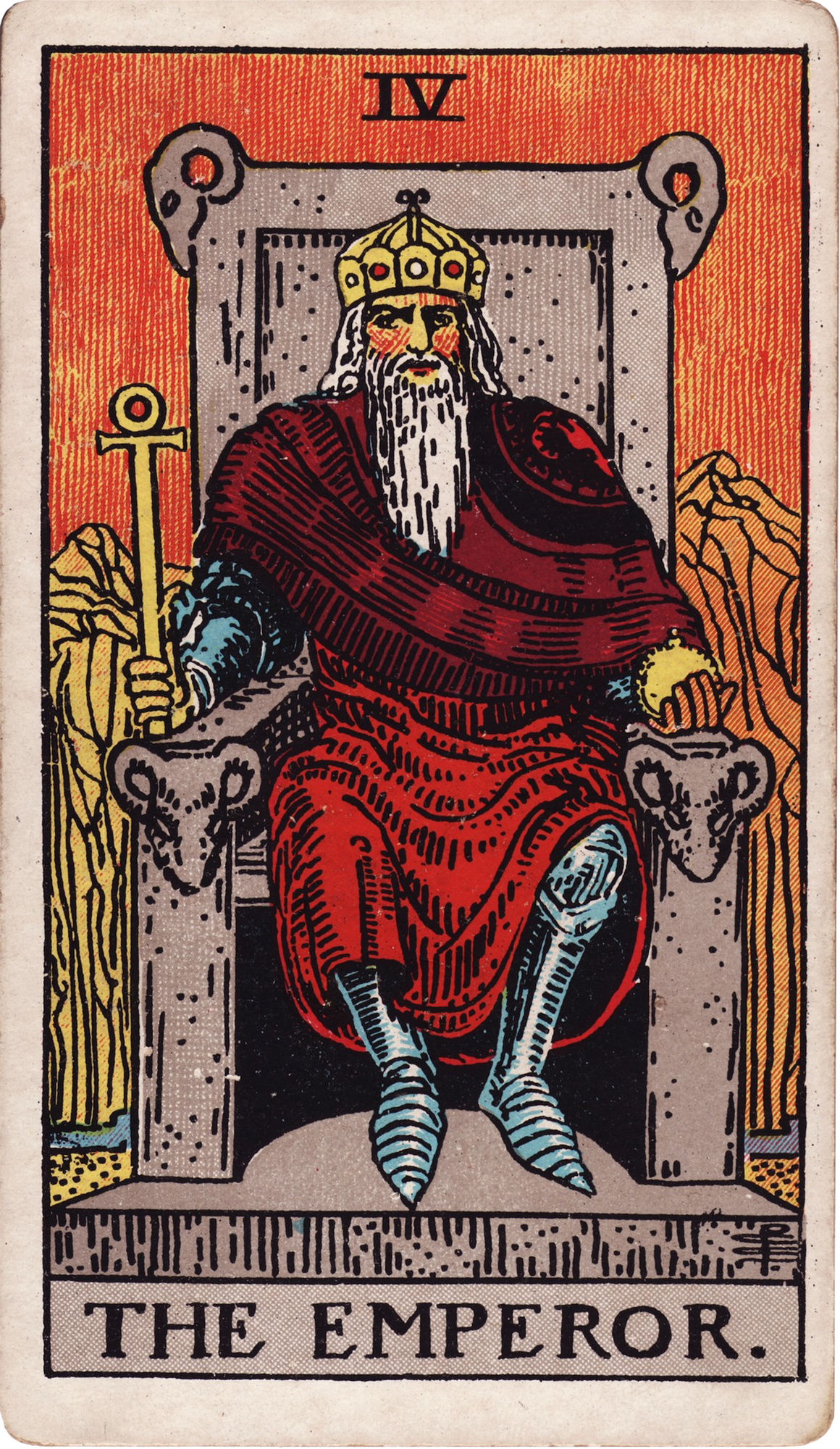 The Emperor
Introduction to The Emperor Card and Its Symbolism
The Emperor, as depicted in the Rider-Waite-Smith tarot deck, sits confidently on a throne adorned with rams’ heads—symbols of Aries, the sign of leadership, action, and assertiveness. Clad in armor beneath regal robes, he represents the fusion of protection and sovereignty. The barren mountain landscape behind him evokes stability and permanence, reflecting the grounded, orderly nature of his authority. In the upright position, The Emperor emphasizes setting clear boundaries, taking responsibility, and imposing structure to navigate chaos. The reversed card, however, signals rigidity, domination for its own sake, or outdated systems that no longer serve. This duality invites readers to explore how authority and control manifest in balanced or distorted ways within their lives. Understanding The Emperor requires recognizing these nuanced energies and how they translate into various personal and external situations.
Techniques for Reading The Emperor Card
When The Emperor appears in a reading, the first step is to observe the card’s posture and symbols: the firm grip on the scepter connotes control, the orb in his other hand symbolizes worldly power, and the throne reinforces stability. To interpret, start by identifying whether the card is upright or reversed. Upright, consider where leadership and structure are being called for: ask where clearer boundaries or deliberate choices can advance the querent’s situation. If reversed, evaluate how authority may be distorted or blocked—look for evidence of control issues, inflexibility, or a reluctance to embrace vulnerability. Always integrate surrounding cards for context, but within this single-card focus, engage with questions such as: “What systems am I relying on or resisting?” or “How can disciplined leadership enhance my current path?” This approach helps avoid common mistakes like over-simplifying The Emperor as merely ‘bossy’ or ‘controlling’ without investigating the subtleties of its energy.
The Emperor in Love and Relationships
In love readings, The Emperor upright suggests a partner or dynamic characterized by dependability, protection, and clear boundaries. The card encourages taking responsibility for relationship roles and fostering stability. This might mean establishing rules or expectations that create a secure foundation rather than chaos. It can indicate a partner who embodies mature leadership or a need for the querent to step into their own authority within the relationship. Conversely, reversed, The Emperor may warn against domination, emotional coldness, or inflexibility. It can reveal fear of vulnerability or control struggles that undermine intimacy. The lesson is to recognize when protective structures become barriers to authentic connection and to seek balance between strength and openness.
The Emperor in Career and Work
When The Emperor appears upright in career contexts, it signals the importance of structured planning, disciplined effort, and clear authority. This card can indicate a leadership role, managerial responsibilities, or the need to create systems that bring order to professional challenges. It encourages working with existing resources and stepping into accountability rather than waiting for ideal conditions. For example, a freelancer might interpret The Emperor as a prompt to formalize contracts or business practices. Reversed, career readings may highlight power struggles, micromanagement, or rigid adherence to outdated methods. It suggests the querent reflect on whether control is being wielded constructively or if resistance to change is limiting growth. Recognizing these patterns helps navigate workplace dynamics more consciously.
The Emperor in Financial Matters
Financially, The Emperor upright encourages structured budgeting, strategic investments, and a responsible attitude toward money management. It invites the querent to take practical steps and impose boundaries on spending or financial risk. The card affirms that authority over one’s resources strengthens security and long-term stability. However, the reversed Emperor cautions against financial rigidity, stubbornness, or an overbearing control that could stifle opportunity. It may also warn of old financial habits or systems no longer serving one’s goals. Instead of reacting with fear, the querent is encouraged to identify where flexibility can restore balance to their financial approach.
The Emperor as Advice and Challenge
When The Emperor serves as advice, it calls for deliberate leadership, establishing order, and taking responsibility in the face of uncertainty. The card suggests the querent ask: “Where can I set clearer boundaries or make a more direct choice?” It advises engaging consciously with the situation using existing resources rather than waiting for perfect conditions. As a challenge, The Emperor may highlight issues of control—either excessive or lacking. The reversal points to the challenge of recognizing internalized patterns of domination or rigidity, and the work required to adjust these for more effective leadership. This nuanced perspective keeps the card from becoming a simplistic call for dominance, instead emphasizing mature, balanced authority.
The Emperor as a Person or Personality Type
The Emperor card often represents a person embodying qualities of authority, discipline, and protection. Upright, this individual is a natural leader: reliable, structured, and decisive, someone others may turn to for guidance or support. They value tradition and order but can also be pragmatic and grounded. In reversed position, this personality may express control issues, inflexibility, or fear of vulnerability. They might resist change or be perceived as overly rigid or domineering. When identifying this figure in a reading, consider how their energy influences the querent—whether as a model to emulate, a challenge to overcome, or a relationship to navigate carefully.
The Emperor in Outcomes and Future Possibilities
The Emperor appearing as an outcome suggests that the situation will reach a place of greater structure, responsibility, and clarity. It indicates the querent will likely need to embody leadership qualities or benefit from systems and boundaries becoming established. This does not guarantee an easy resolution, but it promises a state where control and order can be consciously exercised. If reversed, the outcome points to potential struggles with authority or the persistence of outdated patterns hindering progress. The querent is invited to remain aware of these influences and consider where flexibility or psychological insight may aid transformation.
The Emperor in Spiritual Reflection and Inner Authority
Spiritually, The Emperor urges establishment of inner boundaries and disciplined practice. Upright, it encourages the development of personal sovereignty—standing firm in one’s beliefs and values while creating a stable foundation for growth. The card symbolizes conscious engagement with life’s structure rather than passively reacting to chaos. In reversed position, the Emperor invites reflection on where spiritual authority becomes rigid or disconnected from authentic vulnerability. It challenges seekers to recognize when protective walls limit openness or growth. This balance between strength and flexibility is central to cultivating mature spiritual leadership in one’s own life.
Common Mistakes and Practical Reading Tips
A frequent mistake is interpreting The Emperor simply as a harsh or authoritarian figure without appreciating its constructive leadership dimension. Another is reading the reversed card as purely negative without exploring its nuanced meanings like delay, internalization, or necessary correction. Readers should anchor interpretations to the card’s imagery—the ram’s heads, the throne, scepter, and orb—to remind themselves of themes like Aries energy, stability, and worldly power. Practically, when working with this single card, always ask contextual questions about boundaries, responsibility, and systems in the querent’s life to provide meaningful insights. Encourage querents to identify which lessons from The Emperor are already present and how they might be better embodied or balanced.
Practice questions
• In what areas of my life am I called to establish clearer boundaries or take more responsibility?
• How do I balance discipline and flexibility in my leadership or personal authority?
• Where might my need for control be preventing growth or authentic connection?
• How can I work with existing resources rather than waiting for ideal conditions?
• What part of The Emperor’s energy feels most present or most blocked within me right now?
Comments
Sign in to comment.
Continue learning
Interpreting the Dance of Justice and The Devil: Balancing Morality and Temptation in Tarot Readings
The combination of Justice and The Devil in tarot presents a profound exploration of morality, temptation, and personal accountability. This article unpacks how these cards influen...
Advanced Techniques for Combining The Moon and The Star to Enhance Intuition in Tarot Readings
This article explores advanced techniques to combine the symbolism and energy of The Moon and The Star Tarot cards to enhance intuition during Tarot readings. Drawing from traditio...
Unlocking Life Insights with the Celtic Cross Tarot Spread
This article offers a thorough exploration of the Celtic Cross Tarot Spread, focusing on its application within family and practical life contexts. Using a worked example featuring...
Unlocking Hidden Meanings with The Hermit and The Hanged Man for Spiritual Growth
This article offers an in-depth exploration of The Hermit and The Hanged Man Tarot cards focusing on their roles in spiritual growth. It guides readers through beginner and advance...
Unlocking Personal Insight with the Seven Card Horseshoe Spread
The Seven Card Horseshoe Spread is a practical and insightful Tarot layout ideal for exploring personal and family dynamics. This article breaks down each position—Past, Present, H...
Mastering the Court Cards of Wands for Unlocking Personal Drive and Leadership
The Court Cards of Wands represent a dynamic spectrum of personal energy, ambition, and leadership potential within the Minor Arcana. This article offers a comprehensive exploratio...
Tracing the Origins and Evolution of The Fool Card in Tarot History
The Fool card holds a foundational place in tarot tradition, symbolizing beginnings, openness, and the embrace of uncertainty. This article traces its origins from early European d...
Techniques for Reading Court Cards to Unlock Personality Insights
Court cards in Tarot often represent people, personality traits, or energy patterns within a situation. This article offers a structured approach for beginners and advanced readers...
Unlocking Emotional Transformation with Death and The Moon Tarot Combination
This article explores the rich and complex interaction between the Death and The Moon tarot cards within the Rider-Waite-Smith tradition, focusing on their combined potential to un...
Applying The Star Card to Foster Hope and Renewal in Personal Growth
The Star card in Tarot symbolizes hope, authenticity, and the process of steady renewal. In a single-card reading, The Star encourages embracing what is present, cultivating openne...