
Using the Three Card Spread to Gain Insight on Past Present and Future Challenges
This article explores the practical three card tarot spread designed to provide insight into challenges across time: Past, Present, and Future. Using the Ace of Wands, 10 of Wands, and 5 of Swords as a worked example, learners will understand each card's position, its traditional symbolism, and how to connect cards for a coherent narrative. Step-by-step guidance enables tarot students to apply this spread for family and practical situation readings, emphasizing interpretation logic, common pitfalls, and how to respond to the energy revealed in each card.
Three Card
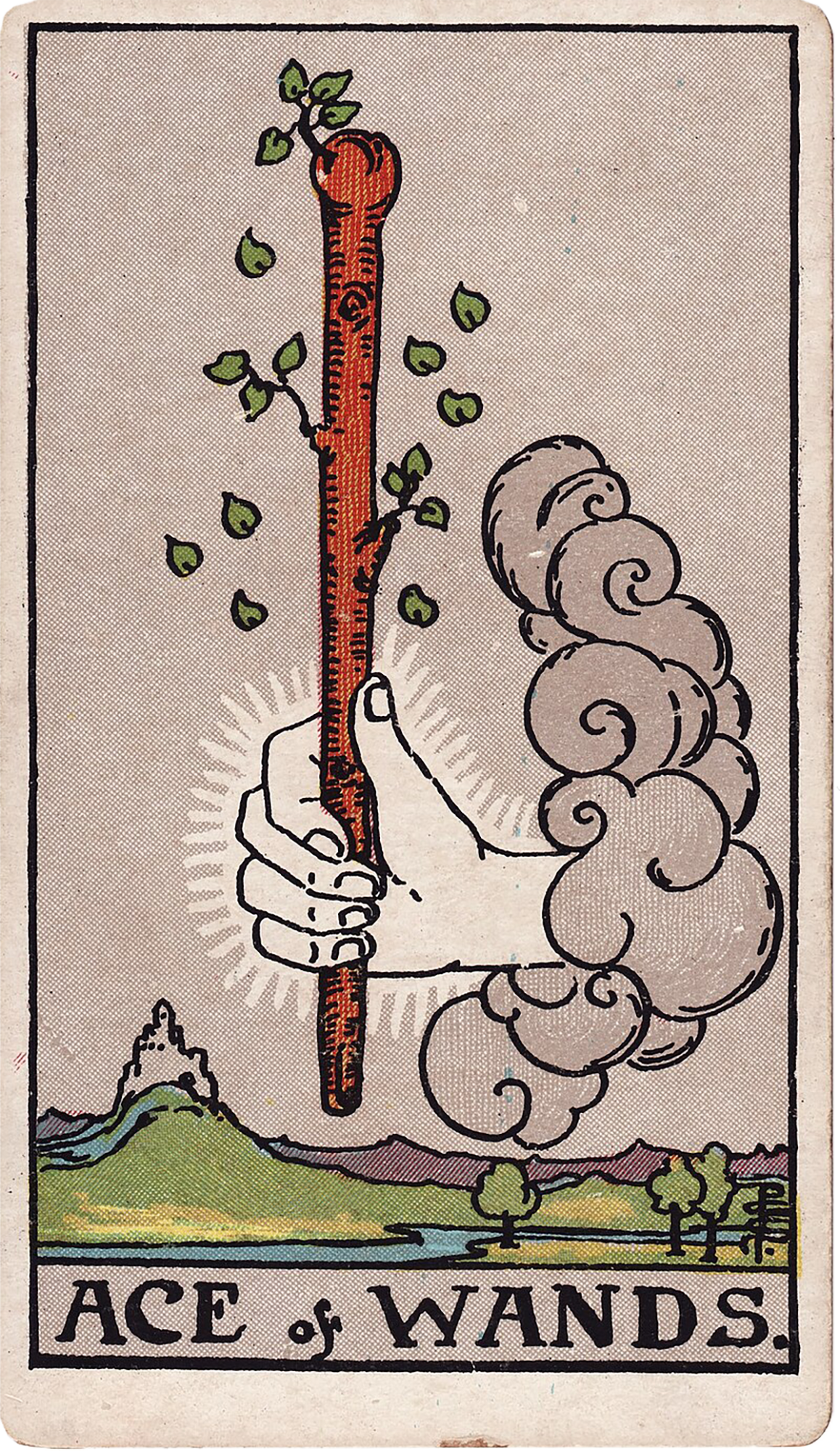 PastAce of Wands
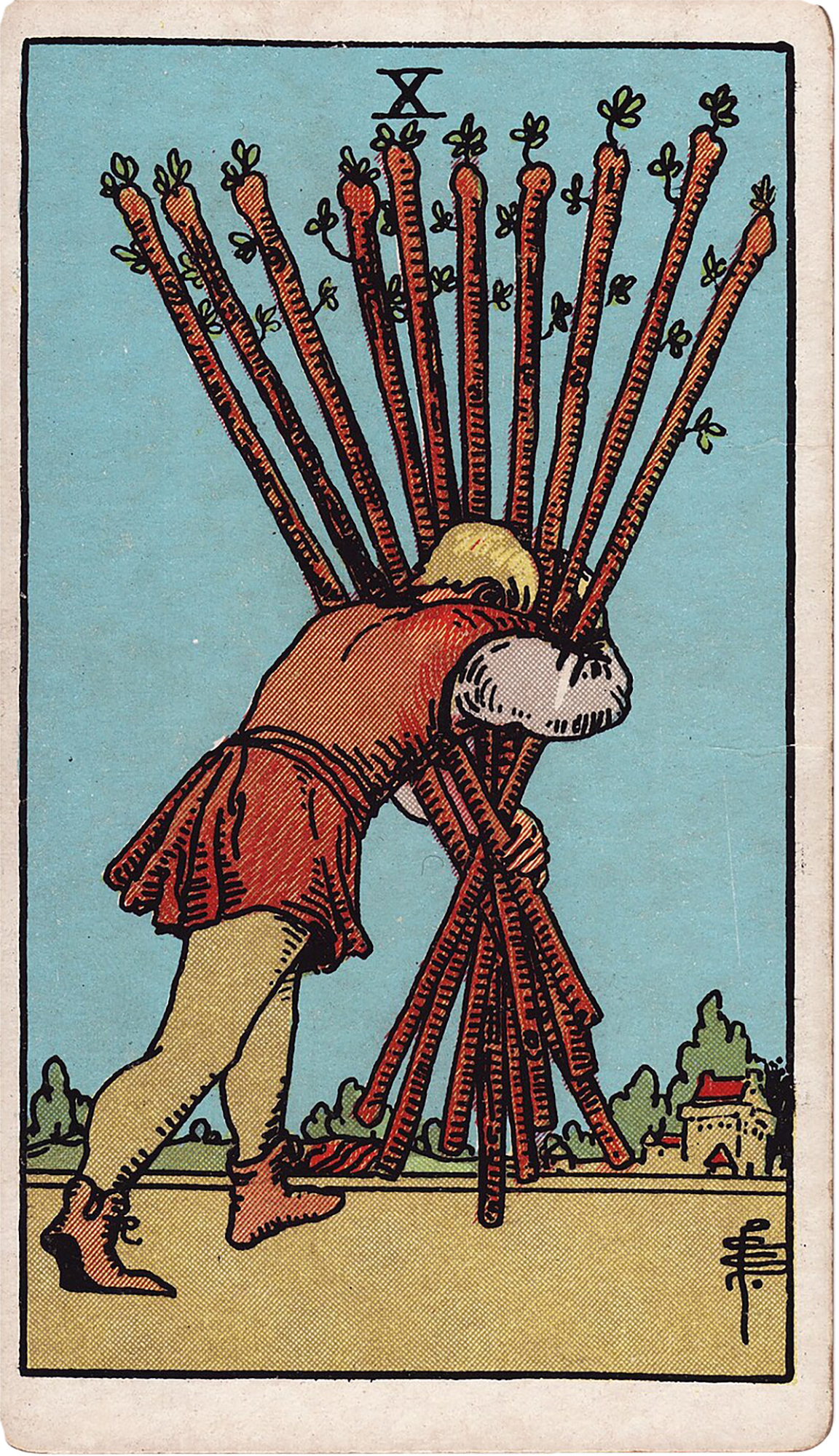 Present10 of Wands
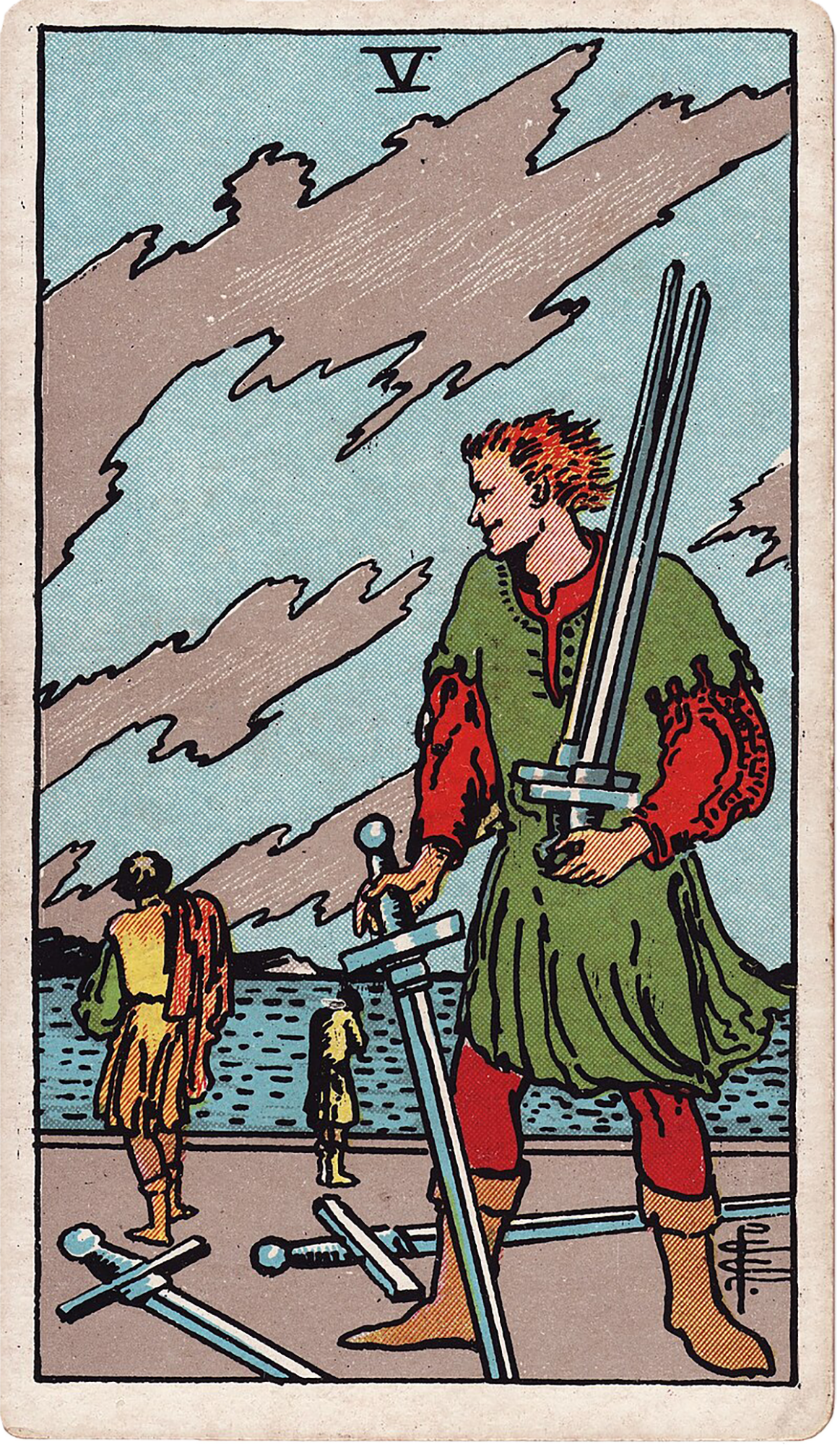 Future5 of Swords
Introduction to the Three Card Spread for Past Present and Future Challenges
The three card spread is one of the most accessible and flexible layouts in tarot, widely used to explore the flow of events or energies across time frames. When applied specifically to Past, Present, and Future challenges, it becomes a powerful tool for tracking how issues have evolved, what is currently unfolding, and what potential resolutions or problems may lie ahead. This spread especially suits family dynamics and practical life situations where understanding temporal progression aids in decision-making and self-reflection. The cards' positions draw clear boundaries: the Past card shows the foundation or origin of the challenge, the Present card reveals the current state or obstacle, and the Future card suggests what the querent might prepare for or approach next. In this article, we use the Ace of Wands, 10 of Wands, and 5 of Swords to demonstrate how to unpack this spread with clarity and depth.
Detailed Position Analysis
Each position in the three card spread carries specific interpretive weight: 1. Past Position (Ace of Wands Upright) This card appearing in the Past position highlights the initial impulse or creative spark that set the challenge in motion. The Ace of Wands traditionally symbolizes a fresh beginning fueled by motivation, ambition, and energetic potential. Its Rider-Waite imagery—the hand emerging from the clouds holding a flowering wand—emphasizes divine inspiration or a sudden opportunity. Practically, this suggests that the foundation of the current challenge was a new initiative or creative drive that demanded immediate action. The card's upright nature indicates the energy was mostly constructive and forward-moving, though it may have required practical responses rather than abstract ideals. When teaching students, stress examining where this impulse originated in the querent’s life and what action was taken or needed then. 2. Present Position (10 of Wands Upright) The 10 of Wands placed in the Present position indicates that the querent is currently overwhelmed by accumulated responsibilities or burdens. The traditional Rider-Waite card shows a figure carrying a heavy load of ten wands, bent under the weight. It conveys a practical and pressing challenge: the completion of a task or phase is near but requires reducing, delegating, or reorganizing the load. The card’s energy—still part of the Wands suit—relates to motivation and ambition but also warns of the physical or mental strain caused by overextension. This card invites the reader to ask where the querent feels weighed down and which duties might be surrendered. The upright aspect suggests that although pressure is high, the challenge is recognizable and can be strategically managed.
Future Position and Card Interactions
3. Future Position (5 of Swords Upright) Looking ahead, the 5 of Swords in the Future position points to potential conflicts or challenges centered around communication, ego, or the consequences of decisions. The Rider-Waite imagery shows a figure holding three swords, with defeated opponents walking away, capturing a moment of pyrrhic victory or tension. This card’s appearance warns that upcoming challenges may involve disputes where winning comes at a cost or where the querent must weigh the value of being right against relationship damage. The upright card advises careful assessment of conflict dynamics and invites strategic, thoughtful communication. Card-to-Card Relationships The progression from the Ace of Wands through the 10 of Wands to the 5 of Swords forms a narrative arc: the initial creative or ambitious start (Ace of Wands) has led to the accumulation of responsibilities and stress (10 of Wands), which may culminate in conflict or difficult choices (5 of Swords). This temporal sequence helps learners identify how early energies can evolve into pressures and potentially confrontational situations if not managed thoughtfully. The fire element of the first two cards contrasts with the air element of the last card, signaling a shift from motivation and action to thought and communication challenges. When instructing, emphasize that the spread encourages reflection on how the querent’s past enthusiasm might have contributed to current overburdening and how this might trigger future interpersonal challenges. The reading is not deterministic but highlights probable patterns based on present dynamics.
Step-by-Step Practical Method for Using This Spread
To effectively use this three card spread for exploring past, present, and future challenges, follow these practical steps: 1. Prepare Your Space and Mindset: Create a calm environment free from distractions. Encourage querents or yourself to focus on a specific practical challenge or family-related concern. 2. Shuffle and Draw Three Cards: Concentrate on the question or area of inquiry while shuffling. Draw three cards in order, left to right. 3. Assign Cards to Positions: The first card represents the Past, the second the Present, and the third the Future. 4. Analyze Each Card Individually: Focus on traditional symbolism, upright or reversed meanings, and the imagery. Use the example of Ace of Wands in the Past to identify the initial spark or starting point. 5. Connect Cards to Form a Narrative: Look for elemental patterns, suit progression, and thematic development between cards, such as the transition from creative energy to burdens and conflict. 6. Offer Practical Advice: Based on the card meanings and interactions, suggest concrete actions — e.g., from the 10 of Wands, consider delegating tasks; from the 5 of Swords, weigh the cost of upcoming conflicts. 7. Reflect and Summarize: Encourage querents to reflect on how understanding this flow can help them respond more consciously to their challenges. Common Mistakes to Avoid - Ignoring the time context and treating the cards as isolated symbols - Overemphasizing prediction instead of insight and guidance - Forgetting to consider the card’s upright or reversed nature and practical implications - Reading future cards as fixed outcomes rather than possibilities
How to Reproduce and Adapt This Spread for Learning and Practice
This three card Past Present Future spread is excellent for learners because it is simple yet rich in interpretive potential. To reproduce this spread: - Use a standard tarot deck like the Rider-Waite-Smith to become familiar with traditional symbolism. - Practice with family or practical issues to connect tarot insights with real-life application. - Record each reading with notes on symbolism, card relationships, and advice. - Explore variations by asking different questions or reversing the card order to test understanding. To deepen learning, learners may create their own journal or database of readings focusing on the Wands and Swords suits, tracking how motivation and conflict manifest in challenges over time. Visualizing the card images—such as the brightness and growth in Ace of Wands or the burdened figure in 10 of Wands—helps solidify memory and intuitive interpretation. By consistently practicing this spread, learners develop confidence in using tarot for practical problem solving and emotional insight without relying on guesswork or assumptions.
Summary and Final Thoughts
The three card Past Present Future spread is a foundational tool for tarot learners and readers focused on practical, family, or daily life challenges. Using the Ace of Wands, 10 of Wands, and 5 of Swords as a worked example demonstrates how to interpret each position, connect cards into a meaningful narrative, and offer actionable guidance. The spread encourages reflection on how early energy and ambition can lead to burdens and conflict if not managed with awareness. The method combines traditional Rider-Waite symbolism with clear position meanings and a logical progression through time. Learners are invited to adapt this spread for various questions, always mindful that tarot reveals patterns and possibilities rather than fixed futures. Through mindful practice, readers can enhance their skill in applying tarot as a practical tool for insight and self-understanding.
Practice questions
• What initial motivations or impulses in my past might have contributed to challenges I face today?
• Where in my current life do I feel overwhelmed or burdened, and what steps can I take to lighten this load?
• How might upcoming conflicts or difficult decisions be influenced by my past actions and current state?
• In what ways can I use the energy of the Ace of Wands to reinvigorate my approach to present challenges?
• How can awareness of the 5 of Swords’ themes help me navigate conflicts more constructively?
Comments
Sign in to comment.
Continue learning
Mastering Decision Making with the Five Card Cross Tarot Spread
The Five Card Cross Tarot Spread is a powerful tool for deepening decision-making skills by examining the present situation, past influences, future possibilities, challenges, and...
Navigating Conflict Resolution and Inner Struggles with the Five Card Cross Tarot Spread
This article delves into the Five Card Cross Tarot Spread as a practical tool for navigating conflict resolution and inner struggles, especially within family contexts. Using the s...
Using the Career Five Card Spread to Identify Growth Opportunities and Challenges
This article explores the Career Five Card Spread, a practical tarot method designed to spotlight growth opportunities, strengths, and obstacles within a career context. By analyzi...
Unlocking Life Insights with the Celtic Cross Tarot Spread
This article offers a thorough exploration of the Celtic Cross Tarot Spread, focusing on its application within family and practical life contexts. Using a worked example featuring...
Deepening Connection and Communication Using the Relationship Five Card Spread
This article introduces the Relationship Five Card Spread as a practical tool to enhance family communication and connection. Using five specific card positions—You, The Other Pers...
Using the Five Card Cross Tarot Spread to Navigate Career Changes with Confidence
The Five Card Cross Tarot Spread is a versatile and insightful tool for navigating career changes. This article guides learners through the method step-by-step using a practical ex...
Unlocking Personal Insight with the Seven Card Horseshoe Spread
The Seven Card Horseshoe Spread is a practical and insightful Tarot layout ideal for exploring personal and family dynamics. This article breaks down each position—Past, Present, H...
Unlocking Career Clarity with the Seven Card Horseshoe Tarot Spread
This article explores the Seven Card Horseshoe Tarot Spread as a practical technique to gain clarity in career matters, focusing on detailed interpretations of Pentacles cards. Usi...
Using the Three Card Spread to Gain Clarity on Past Present and Future Influences
This article guides learners through the practical use of the Three Card Spread to gain clarity on past, present, and future influences. Using the specific cards The Emperor in the...
Mastering the Court Cards of Wands for Unlocking Personal Drive and Leadership
The Court Cards of Wands represent a dynamic spectrum of personal energy, ambition, and leadership potential within the Minor Arcana. This article offers a comprehensive exploratio...