
Plan Your First 90 Days with the Career Five Card Spread
This article teaches a reproducible Career Five Card spread designed to structure and translate tarot insight into a practical first 90-day plan. Using The Emperor, 2 of Wands, 6 of Wands, 3 of Pentacles, and 8 of Pentacles in the positional layout Current Position, Strength, Challenge, Opportunity, and Next Step, learners will practice imagery-led interpretation, card-to-card dynamics, measurable goal-setting, common interpretation pitfalls, and a template for weekly check-ins and milestones.
Career Five
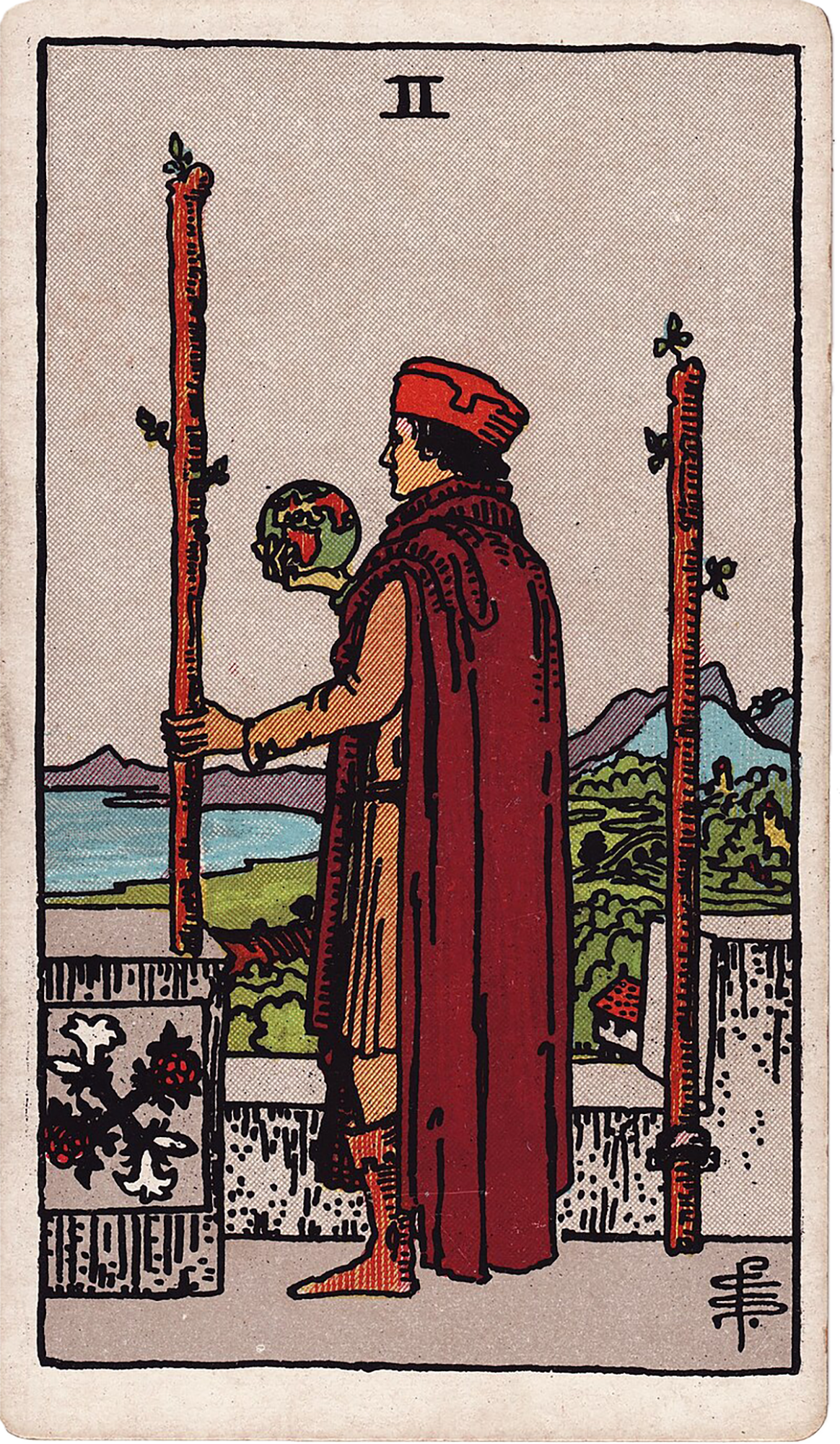 Current Position2 of Wands
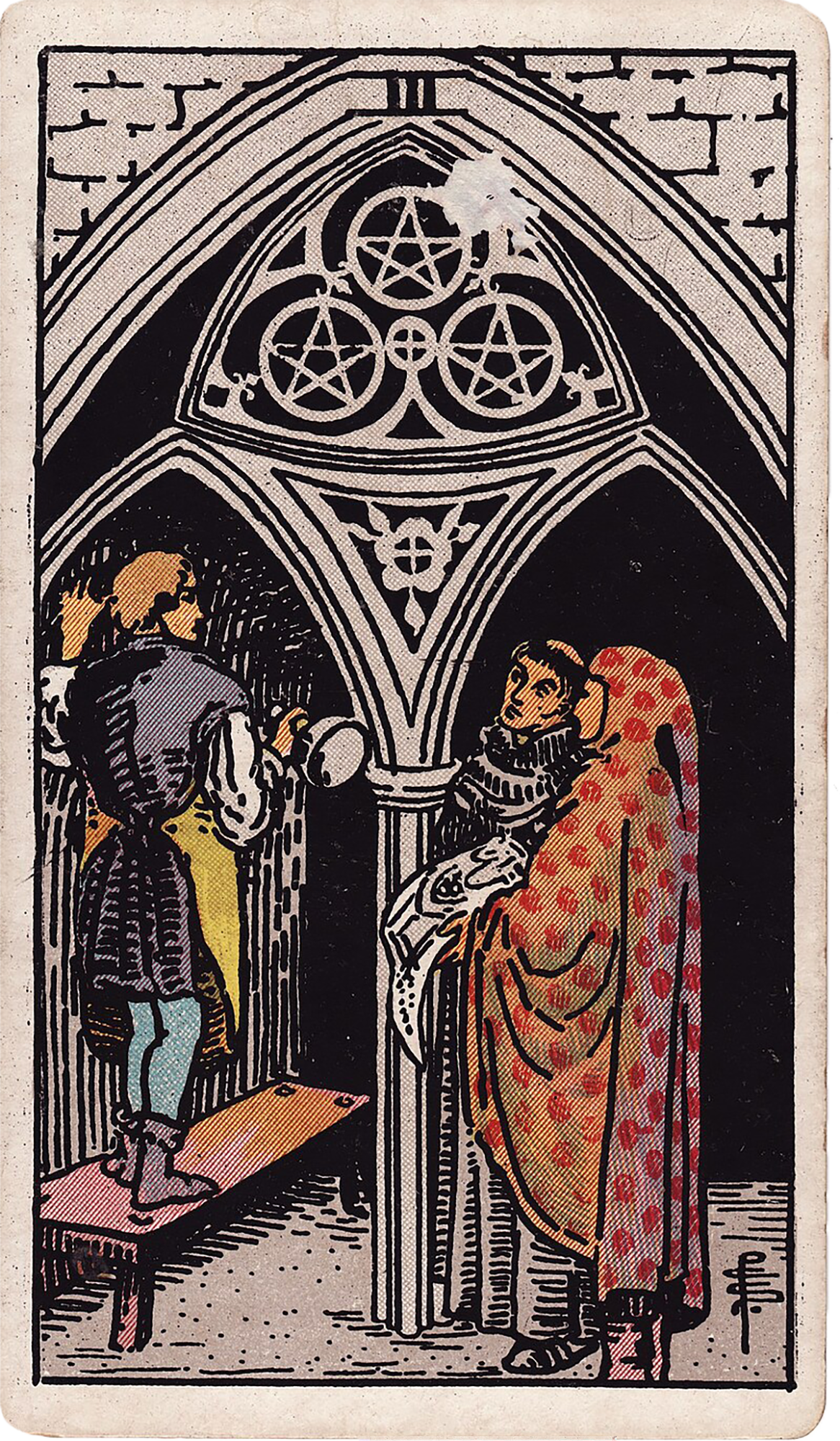 Strength3 of Pentacles
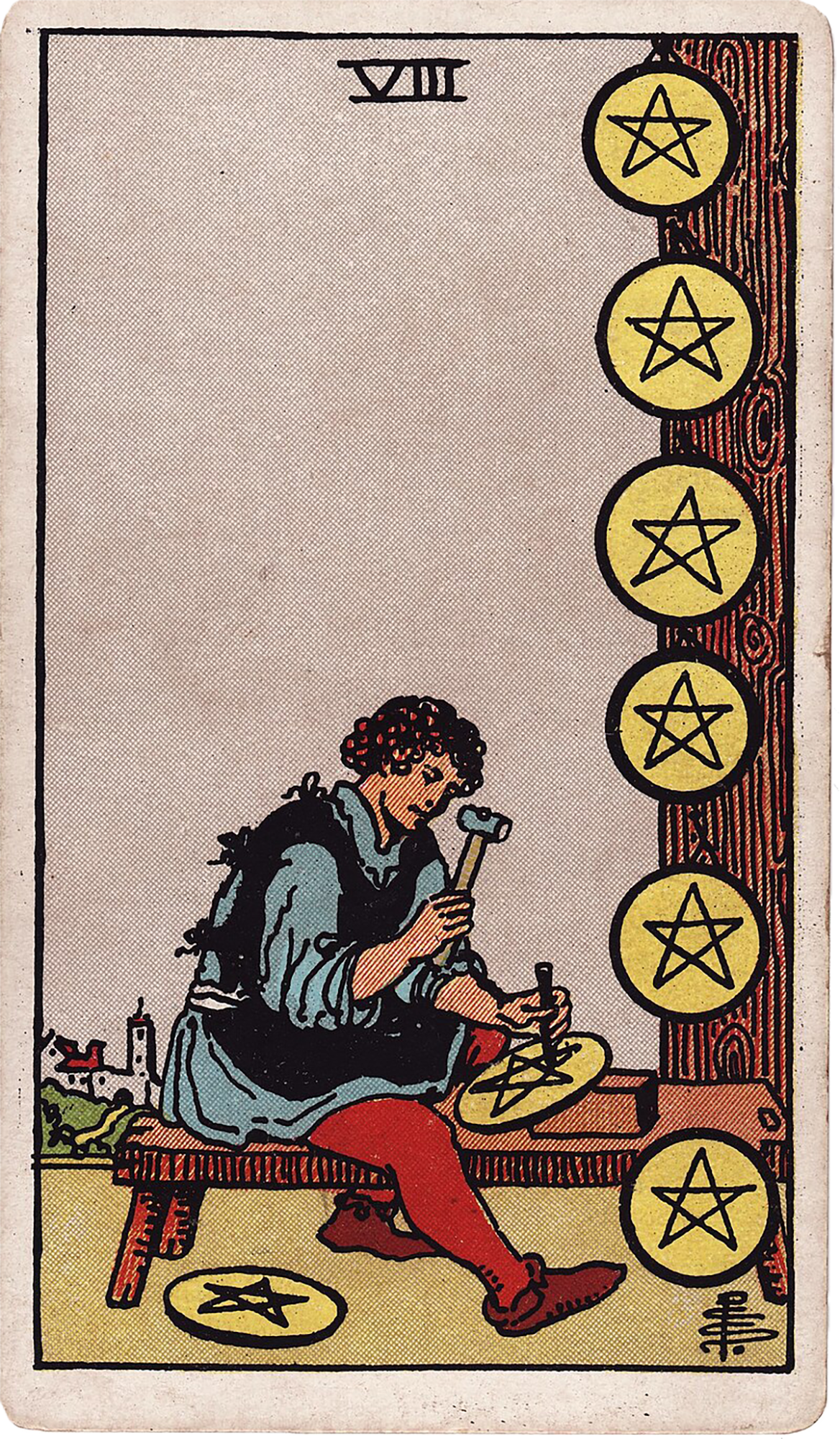 Challenge8 of Pentacles
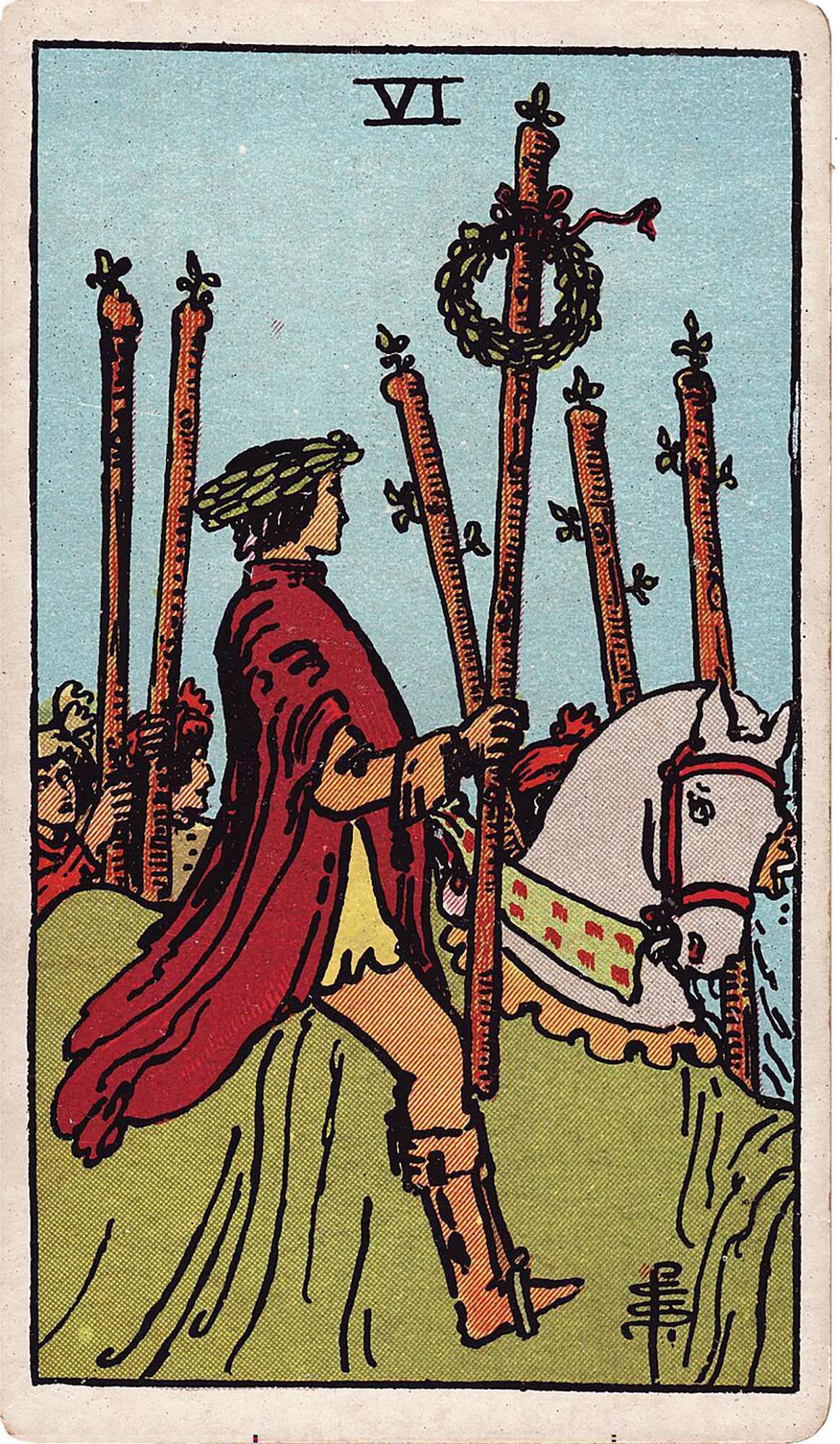 Opportunity6 of Wands
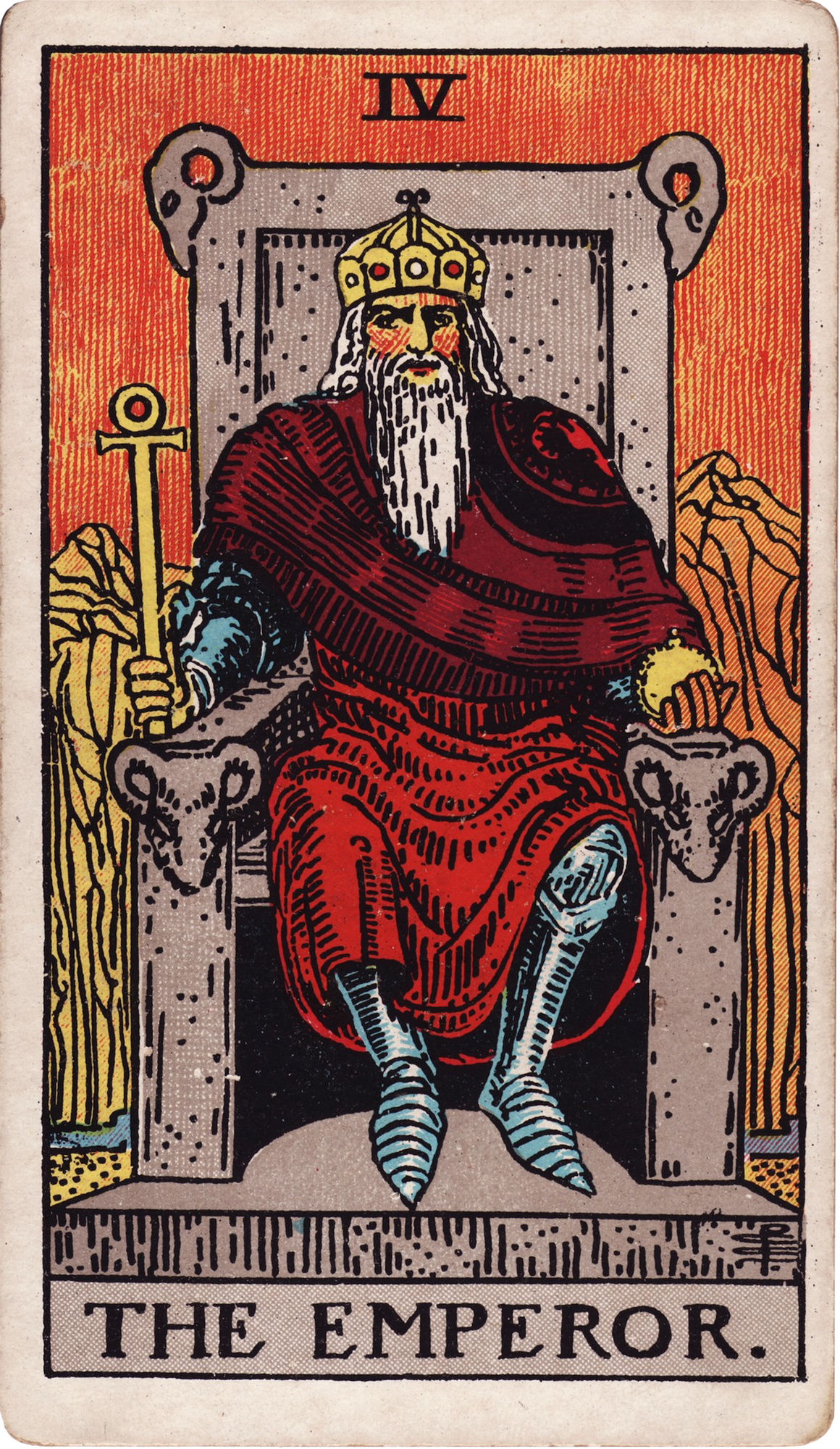 Next StepThe Emperor
Introduction and Purpose
This Career Five Card spread helps you convert symbolic insight into an actionable 90-day plan for a new role, promotion, pivot, or focused project. The layout is compact enough for a single session and precise enough to generate a sequence: where you are now, what internal or external resource you can lean on, what will obstruct visible progress, where collaboration or craft can open doors, and the specific next step to begin practicing. In this worked example the cards dealt in order are The Emperor, 2 of Wands, 6 of Wands, 3 of Pentacles, and 8 of Pentacles. The article will: explain each position; anchor interpretation to the Rider-Waite-Smith imagery visible in those card images; map the relationships between cards; translate symbols into a 90-day timetable; and give a reproducible technique for learners.
The layout and when to use it
Layout name: career-five. Positions and order: 1) Current Position, 2) Strength, 3) Challenge, 4) Opportunity, 5) Next Step. Place cards horizontally or in a gentle arc so you can read left-to-right as a developmental sequence. Use this spread when you are beginning a role, entering a trial project, negotiating terms, preparing a launch, or drafting a focused 90-day plan. The 90-day horizon is practical: it allows for measurable milestones, iterative feedback, and visible progress while still being short enough to act on immediately. This spread is for situational guidance and planning practice, not for guaranteed forecasting.
How to prepare and reproducible technique
1) Cleanse and center: Take a minute of quiet, breathe, and name the target: for example, "My first 90 days in the new role at X". State a clear question such as "How can I structure my first 90 days to build credibility and momentum?" 2) Shuffle while holding that intention. If you read reversals in your practice, decide before dealing whether to allow them. 3) Deal five cards left to right into the positions: Current Position, Strength, Challenge, Opportunity, Next Step. 4) Spend 2–5 minutes per card noting immediate visual cues from the card images: posture, direction of gaze, objects (scepter, globe, scroll), colors, number symbolism, faces, architecture. For the supplied images you will repeatedly refer to: The Emperor, 2 of Wands, 6 of Wands, 3 of Pentacles, 8 of Pentacles. 5) Write key phrases for each position, then synthesize a 90-day timeline with milestones tied to the cards. 6) Translate image-led suggestions into SMART micro-goals (Specific, Measurable, Achievable, Relevant, Time-bound). 7) Set weekly check-ins to compare progress to the cards' guidance and adjust.
Position 1 — Current Position The Emperor
Meaning in the position: The Emperor in Current Position describes the querent's present reality or the immediate context of the career change. The Emperor emphasizes structure, authority, defined boundaries, and the need for disciplined leadership. Look at the image: a seated figure on a stone throne, rams' heads carved into the throne (Aries symbolism), armor visible beneath robes, a scepter and an orb. These are classic Rider-Waite-Smith cues pointing to tangible rule, established systems, and a grounded sense of responsibility. In a first-90-days reading this card can mean you are entering a role that requires clear boundaries, that organizational structure is in place, or that you are being asked to step into responsibility now. Interpretive prompts: Ask where you are already acting like an authority and where you are not yet taking responsibility. Where can you introduce predictable systems rather than improvised solutions? The Emperor also suggests that the environment will respond to professionalism and protocol—so early credibility can be earned by demonstrating consistent decision-making and clear boundaries. If you read reversals: a reversed Emperor would point to rigidity, domineering behavior, or structures that no longer serve. In that case, the 'current position' might feel confining or show that authority is being applied without adaptability. That nuance matters when you set goals: are you aligning with an effective system, or are you working to reform or escape a brittle structure?
Position 2 — Strength 2 of Wands
Meaning in the position: 2 of Wands as the Strength card indicates the resource you can leverage across the next 90 days. In Rider-Waite imagery the figure stands with one hand on a globe and two wands, looking out over a vista—this is an image of planning, weighing options, and choosing a direction. As a strength, 2 of Wands grants you strategic perspective: you can compare opportunities, imagine expansion, and map a practical route from inspiration to action. Practical translation: Use the 2 of Wands energy to perform early-stage scoping. Before committing to large actions, draft two plans: a conservative plan that consolidates and a bolder plan that tests expansion. The 2 of Wands suggests you have the mental clarity to choose and focus energy productively. Quick checklist: identify priorities, sketch a 30/60/90 split, name two competing strategies, list resources required for each, and choose the option that best aligns with The Emperor's need for systems and discipline. If reversed in a reading: 2 of Wands reversed would emphasize indecision or fear of expansion—watch for analysis paralysis. For a learner, notice how the figure's gaze and the globe invite concrete planning rather than abstract longing.
Position 3 — Challenge 6 of Wands
Meaning in the position: 6 of Wands in the Challenge slot highlights potential obstacles related to recognition, ego, and public visibility. Rider-Waite imagery shows a rider on a white horse, crowned with a laurel wreath and carrying a staff with a laurel-adorned pennant; figures cheer in the background. Upright, 6 of Wands celebrates earned recognition. But as a challenge it warns that external validation can become a distraction: you might prioritize applause over sustainable work, or you might encounter self-doubt despite initial success. How this plays out in a 90-day plan: Early wins can either fuel momentum or create dependency on praise. The challenge here is to accept recognition without allowing it to define your next steps. Also be cautious of premature announcements or public-facing moves before the systems (The Emperor) and strategy (2 of Wands) are in place. Practical response: Set internal benchmarks for success that are independent of others' applause. Combine visible milestones (presentations, metrics) with quiet process work (documentation, feedback loops). If the card appears reversed in practice, treat the reversal as either a hidden setback or internal insecurity—use that information to plan buffer time and validation channels other than applause.
Position 4 — Opportunity 3 of Pentacles
Meaning in the position: 3 of Pentacles as Opportunity draws attention to collaboration, apprenticeship, and co-created craft. Rider-Waite imagery shows three figures—the craftsman working at a cathedral and two collaborators or patrons holding plans—pointing to skill development through shared expertise and feedback. This card signals that the most fruitful opening in your first 90 days is to build alliances, request constructive reviews, and contribute to recognizable, cooperative work. Actionable uses: Arrange regular feedback sessions, identify one or two colleagues to mentor you through project specifics, and ask for clear criteria of success. Use 3 of Pentacles energy to invite others into your process rather than trying to perform alone. Link to The Emperor and 2 of Wands: Whereas The Emperor supplies the structure and 2 of Wands supplies strategy, 3 of Pentacles is the mechanism that translates structure and plan into executed work via other people’s expertise. Treat this card as permission to build scaffolding: shared templates, code reviews, design checks, or stakeholder signoffs.
Position 5 — Next Step 8 of Pentacles
Meaning in the position: 8 of Pentacles as Next Step prescribes focused practice, skill-building, and daily grind as the immediate actionable item. Rider-Waite shows an apprentice bent over carving pentacles, repeating the craft with diligence. This card advises that the single best next step in the first 90 days is to commit to deliberate practice: pick tangible skills to improve, set measurable practice routines, and track output quality. Concrete implementation: Choose 2–3 skills tied to your role—technical competency, presentation structure, negotiation language, or software tools—and create an 8-of-Pentacles style practice schedule. Examples: 30-minute focused practice 4 times per week; complete one small deliverable weekly; document progress in a learning log. Why this fits the reading: 8 of Pentacles synthesizes the whole spread—The Emperor's need for systems, 2 of Wands' direction, 6 of Wands' visibility, and 3 of Pentacles' collaboration—by asking you to build competence that makes the rest sustainable.
Card-to-card relationships and reading synthesis
Reading the spread sequentially clarifies a development arc. Key pairings and dynamics to consider: - The Emperor (Current Position) to 2 of Wands (Strength): The Emperor gives you permission—and the context—to choose and impose structure. When the Emperor is present, your strategy (2 of Wands) should favor repeatable systems rather than improvisation. In image terms: the Emperor's throne (stability) supports the globe held by the 2 of Wands figure (planning for outward movement). Use this relationship to design a strategy that fits existing governance and reporting practices. - 2 of Wands (Strength) to 6 of Wands (Challenge): Strategic choices lead to opportunities for visible success. But 6 of Wands warns that visible success can distract from steady systems. Practically, map your planned milestones to both private measures (The Emperor) and public deliverables (6 of Wands). Ask: which milestones will create applause, and how will I ensure they don’t derail long-term competence? - 6 of Wands (Challenge) to 3 of Pentacles (Opportunity): Public wins often create invitations to collaborate. The 3 of Pentacles encourages you to convert recognition into concrete partnerships—bring people into your work rather than just collecting praise. Image logic: the rider's laurel can open doors; the cathedral masonry shows how public recognition funds or legitimizes cooperative building. - 3 of Pentacles (Opportunity) to 8 of Pentacles (Next Step): Collaboration reveals where your craft needs refinement; the 8 of Pentacles is the recommended response—focused, measurable practice. Use teammates' feedback to define practice goals. - The Emperor to 8 of Pentacles: Systems are the scaffolding for disciplined practice. The Emperor supports a routine; 8 of Pentacles is the daily labor within that routine. Design checklists, templates, and review cycles so practice is not ad hoc. Synthesis summary: You are entering a structured environment (The Emperor). Use strategic clarity (2 of Wands) to set priorities. Protect against ego-driven distractions (6 of Wands), use collaborating relationships to build credibility (3 of Pentacles), and commit to disciplined practice (8 of Pentacles) as the practical next step to make wins sustainable.
Translating the reading into a 90-day plan
Framework: break the 90 days into three 30-day phases—Onboard (Days 1–30), Consolidate (Days 31–60), Amplify (Days 61–90). Use the cards to assign priorities and milestones for each phase. Phase 1 Onboard (Days 1–30) — Align with The Emperor - Goals: Learn organizational protocols, clarify role boundaries, meet key stakeholders, document expectations. - Tasks: Create a 'rules of engagement' sheet, schedule 1:1s with manager and primary collaborators, identify reporting rhythms. - Success measure: Clear onboarding checklist completed, documented approval from manager for 2–3 priority projects. Phase 2 Consolidate (Days 31–60) — Use 2 of Wands and 3 of Pentacles - Goals: Select a strategy (conservative vs experimental) and begin small deliverables with collaborators. - Tasks: Draft two project plans, choose one to pilot, set up regular peer reviews, request a feedback rubric. - Success measure: One pilot completed with documented peer feedback and a learnings log. Phase 3 Amplify (Days 61–90) — Manage 6 of Wands risk and do 8 of Pentacles practice - Goals: Deliver a visible win without sacrificing craft, scale collaboration, and sharpen core skills. - Tasks: Present results in a team forum, publish a 'how we did it' doc, continue daily focused practice on core skills (8 of Pentacles routine). - Success measure: One visible deliverable accepted by stakeholders, documented improvements in measurable metrics (accuracy, speed, stakeholder satisfaction), and a signed plan for ongoing development. Weekly rhythm: 1) Weekly 30-minute check-in against the Emperor checklist; 2) One planning session to apply 2 of Wands thinking; 3) One peer feedback session (3 of Pentacles); 4) Daily focused practice of 20–40 minutes for 8 of Pentacles. Reserve one weekly hour to reflect on how recognition (6 of Wands) influences choices and whether you need to rebalance.
Example worked reading
Scenario: You begin a mid-level product manager role and want a 90-day plan. The spread dealt: The Emperor, 2 of Wands, 6 of Wands, 3 of Pentacles, 8 of Pentacles. Interpretation steps: - Current Position The Emperor: The company has established processes and expects clear ownership. You must demonstrate reliable decision-making and respect existing governance. - Strength 2 of Wands: You are good at sketching multiple product directions; your strength is translating vision into two feasible roadmaps. Use that to propose a phased rollout. - Challenge 6 of Wands: Early demos may be cheered, but beware celebrating before the product is robust—public praise could lead to premature commitments. - Opportunity 3 of Pentacles: Your best channel to succeed is to pair with engineers and UX early—invite them into planning, ask for technical estimates, and create shared acceptance criteria. - Next Step 8 of Pentacles: Commit to deliberate practice: create a weekly routine of drafting acceptance criteria, running 2 usability tests, and refining the backlog. Outcome: Your 90-day plan becomes concrete: first 30 days map stakeholders and governance (Emperor); next 30 choose and pilot one roadmap with collaborators (2 of Wands + 3 of Pentacles); last 30 deliver a demo with robust acceptance criteria and maintain a practice log to refine your craft (6 of Wands managed + 8 of Pentacles practice).
Common mistakes and troubleshooting
1) Treating the spread as prediction rather than guidance: Tarot suggests possibilities and tendencies, not certainties. Translate card energy into experiments. 2) Ignoring imagery: The Rider-Waite symbols are clues—The Emperor's ram heads, the 2 of Wands' globe, the laurel on the 6 of Wands, the cathedral in the 3 of Pentacles, and the repeated pentacles in the 8 of Pentacles inform practical action. Spend time describing what you see before deciding meaning. 3) Skipping the synthesis: People read cards individually but fail to map relationships. Always ask how one card modifies or enables the other. 4) Overlooking reversals: If you include reversals in your system, treat reversed meanings as process notes (delays, internalized blocks) not catastrophe. 5) Vague next steps: 8 of Pentacles calls for measurable practice—avoid open-ended 'work harder' statements. Instead pick frequencies, durations, and deliverables. 6) Confusing public recognition with sustainable success: The 6 of Wands challenge is specifically about balancing visibility with craft—set internal success metrics to counterbalance applause-seeking.
Practice exercises for learners
1) Reproduce the spread three times for different career contexts: a new role, a big project, and a negotiation. Compare how The Emperor changes tone across contexts. 2) Visual anchor exercise: For each card, write three concrete action items drawn directly from the image (for The Emperor: create a decision protocol; for 2 of Wands: draft two alternative strategies; for 6 of Wands: list internal success metrics; for 3 of Pentacles: identify two collaborators and schedule a kickoff; for 8 of Pentacles: make a weekly practice schedule). 3) Role-play feedback: Use 3 of Pentacles energy to run a mock feedback session and record the changes you make to your plan. 4) Measure and iterate: Implement your 90-day plan and at the 30, 60, and 90-day marks re-run the spread. Note which cards shifted and how that correlated with real outcomes.
How to document readings and refine skill
Keep a learning log: before each reading record your question and context, paste or sketch each card image, list your immediate impressions, then write the practical plan you derive. After one, two, and three weeks write short progress notes against the plan. After 30 days do a comparative reading to check whether the spread's themes persisted or changed. Over time you'll sharpen how Rider-Waite visual cues map onto operational tasks. Good readers practice both symbolic interpretation and experimental follow-through—tarot becomes useful when it changes behavior in measurable ways.
Closing notes on ethics and tone
Use this spread to empower practical action—not to avoid responsibility or defer to cards for every decision. The Emperor's presence in the Current Position is itself a reminder: responsibility, not passivity, is required. Phrase insights as invitations and experiments: 'The cards suggest I try X for 30 days and measure outcome Y' rather than 'This will happen.' Maintain confidentiality for workplace-related readings and avoid making personnel decisions for others using the reading alone.
Practice questions
• How does The Emperor describe the systems or boundaries you currently face?
• Which two strategic directions does the 2 of Wands invite you to compare and why?
• Where might public recognition (6 of Wands) tempt you to prioritize appearance over craft?
• Who are the two people you can invite to collaborate as suggested by the 3 of Pentacles?
• What 8 of Pentacles practice can you commit to for at least 30 days and how will you measure it?
• Which steps in your 90-day plan require The Emperor's approval or documented processes?
• How will you track emotional responses to praise so they do not derail your planned practice?
• When will you re-run this spread to evaluate progress, and what will be your trigger for re-evaluation?
Comments
Sign in to comment.
Continue learning
Mastering Decision Making with the Five Card Cross Tarot Spread
The Five Card Cross Tarot Spread is a powerful tool for deepening decision-making skills by examining the present situation, past influences, future possibilities, challenges, and...
Using the Five Card Cross Spread to Unlock Career Path Clarity
The Five Card Cross Spread is a versatile and insightful layout particularly useful for clarifying complex questions such as career direction. This article guides learners through...
Using the Five Card Cross Spread to Clarify Conflicting Priorities in Decision Making
The Five Card Cross is a versatile spread ideal for clarifying complex situations involving conflicting priorities. This article explores how to use it for decision making by inter...
Mastering the Celtic Cross Spread for Detailed Life and Decision Insights
The Celtic Cross is a foundational Tarot spread widely used for deep and nuanced readings about life situations and decisions. This article offers a comprehensive guide to masterin...
Using the Five Card Decision Spread to Navigate Conflicting Priorities with Confidence
The Five Card Decision Spread is a practical Tarot layout designed to help readers clarify and resolve conflicting priorities by examining options, hidden factors, and advice. This...
Mastering the Seven Card Horseshoe Spread for Effective Career and Life Decision Making
This article provides an in-depth exploration of the Seven Card Horseshoe Tarot Spread, a versatile layout ideal for career and life decision-making. Using supplied cards such as t...
Mastering the Seven Card Horseshoe Spread for Practical Life Decisions and Goal Setting
The Seven Card Horseshoe Spread is a versatile and practical Tarot layout ideal for navigating real-life decisions and clarifying goals. This article unpacks the spread's structure...
Mastering the Five Card Decision Spread for Confident Practical Life Choices
This article offers an in-depth exploration of the Five Card Decision Spread, a practical Tarot layout designed to help readers make grounded, confident choices in everyday life. U...
Career Five Card Spread for Networking Growth and Personal Branding
This article teaches the Career Five Card Spread, a focused layout for people working on networking growth and personal branding. Using the supplied cards in order—The Emperor (Cur...
Map Transferable Skills and Plan Career Pivots with the Career Five Card Spread
This article teaches a five-card vocational spread—the Career Five Card Spread—using the displayed cards in order: 2 of Wands (Current Position), 3 of Pentacles (Strength), 7 of Pe...