
Plan Your Side Project Launch with the Five Card Cross Spread
This article teaches the Five Card Cross spread as a practical planning tool for a side project launch, using the exact cards supplied: Ace of Wands (Present), 8 of Wands (Past), Ace of Pentacles (Future), 2 of Pentacles (Challenge), and 3 of Pentacles (Advice). You will learn layout, technique, how to read each position, how the cards interact, and concrete actions to turn intuitive insight into a dependable launch plan. The tone is educational: use the spread to illuminate choices and structure, not as a deterministic script.
Five Card Cross
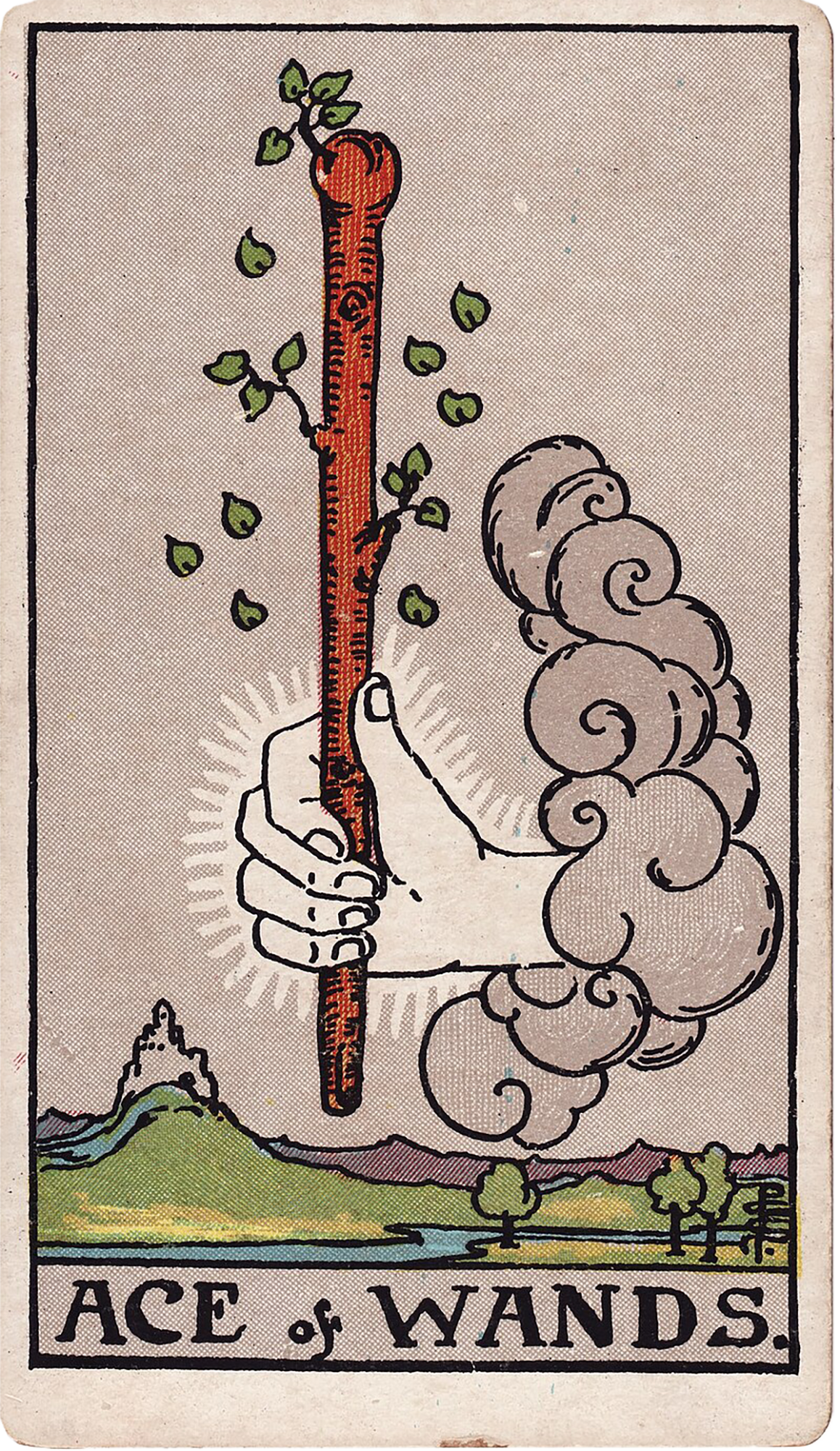 PresentAce of Wands
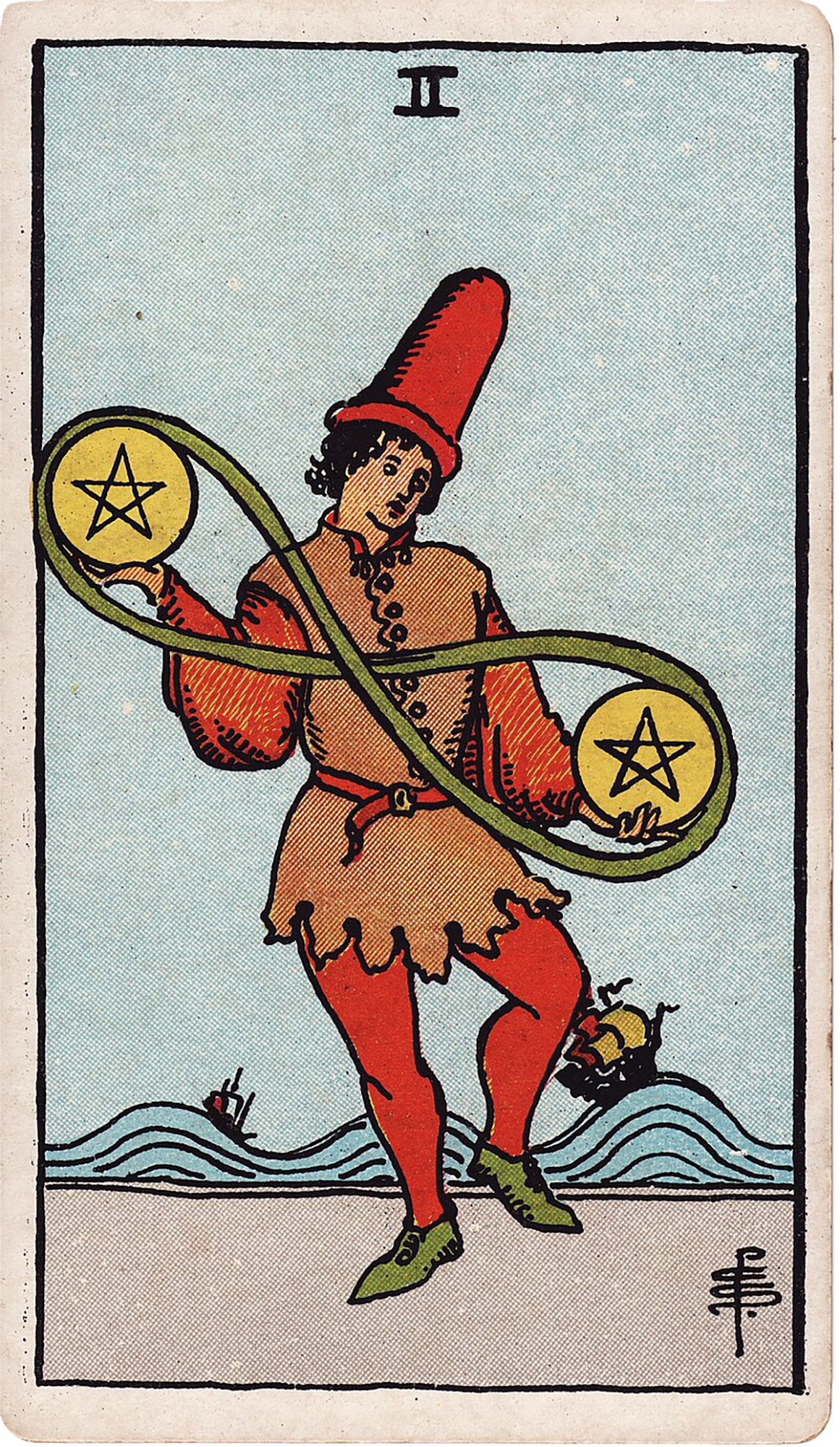 Past2 of Pentacles
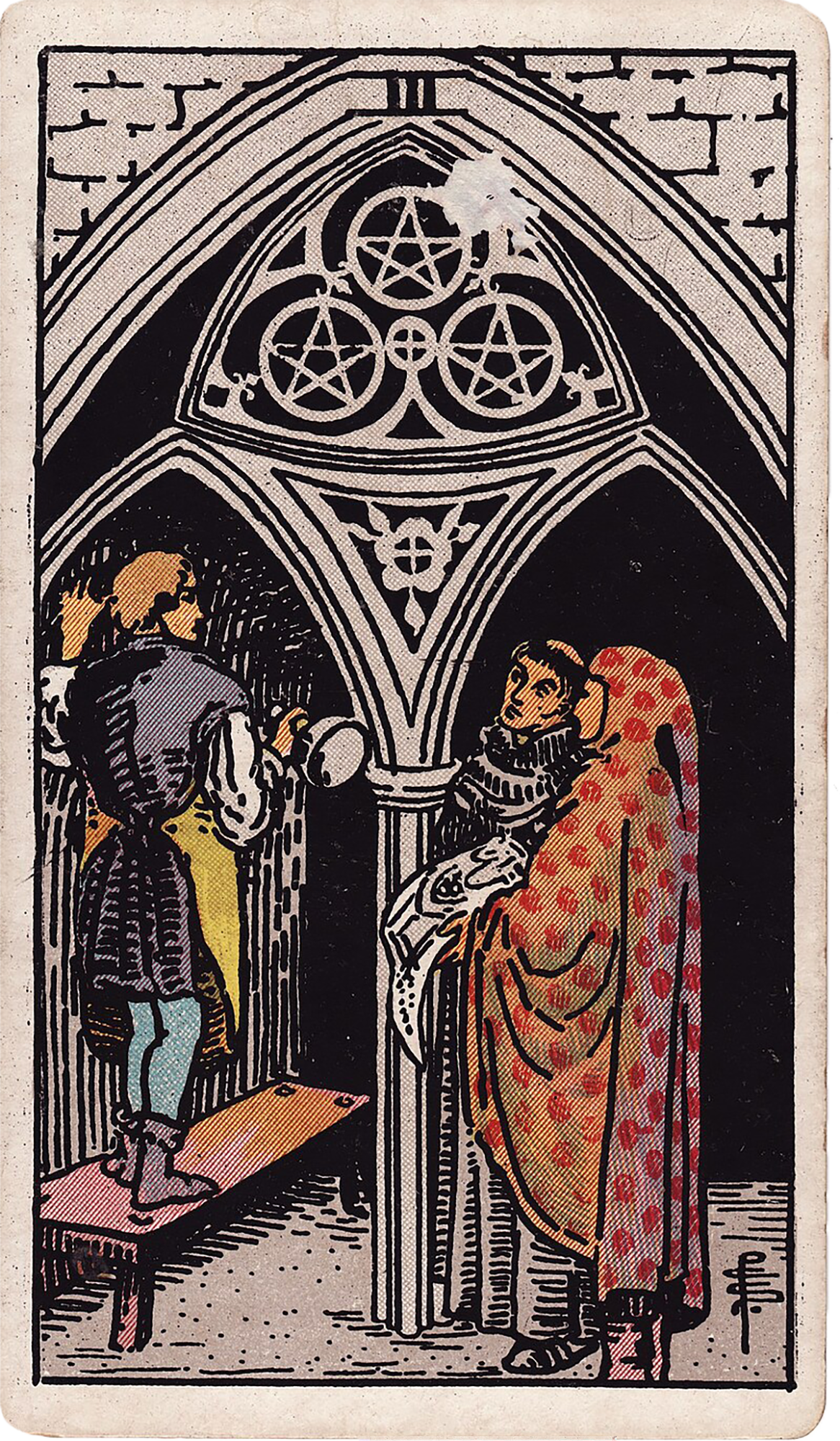 Future3 of Pentacles
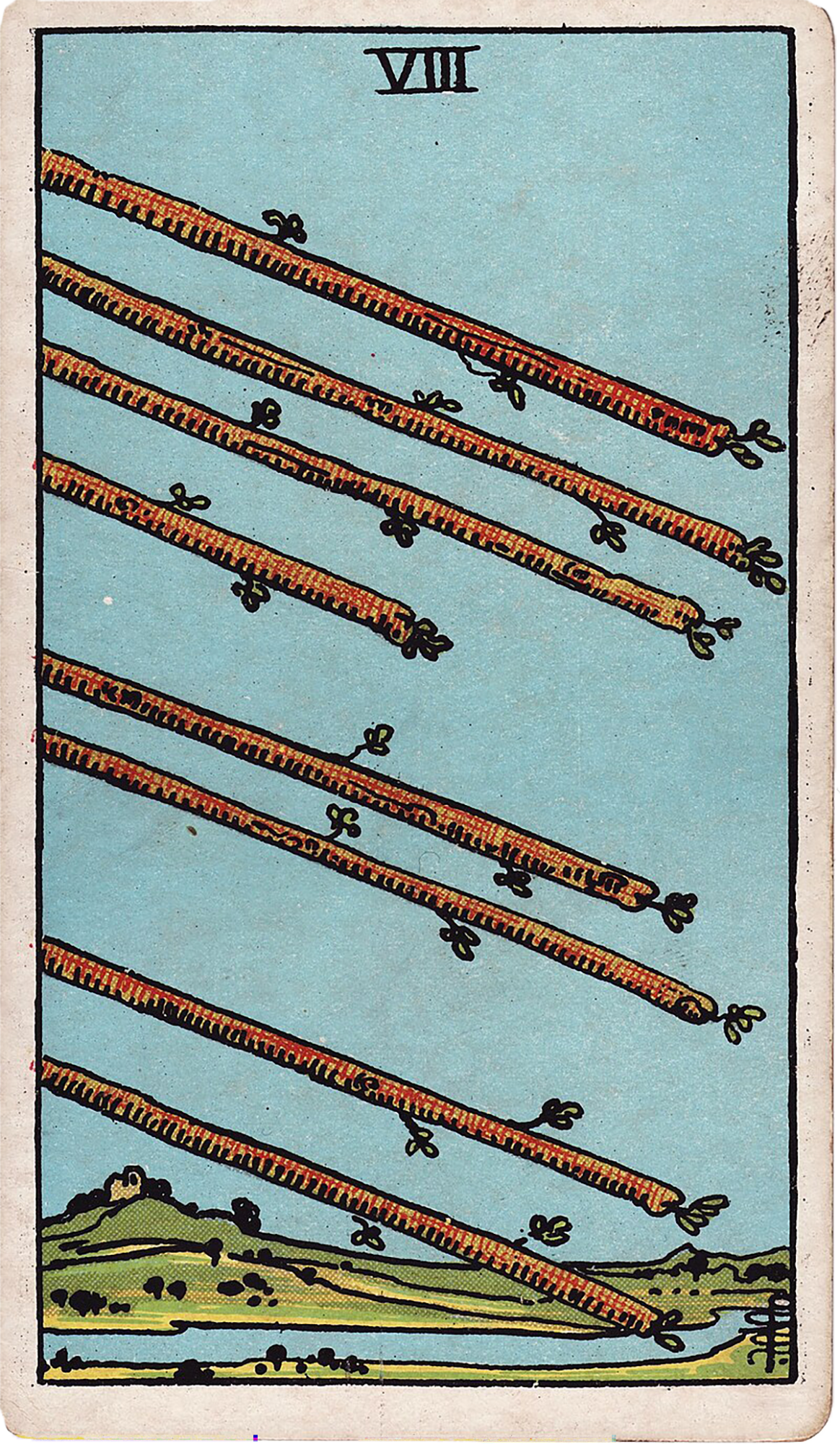 Challenge8 of Wands
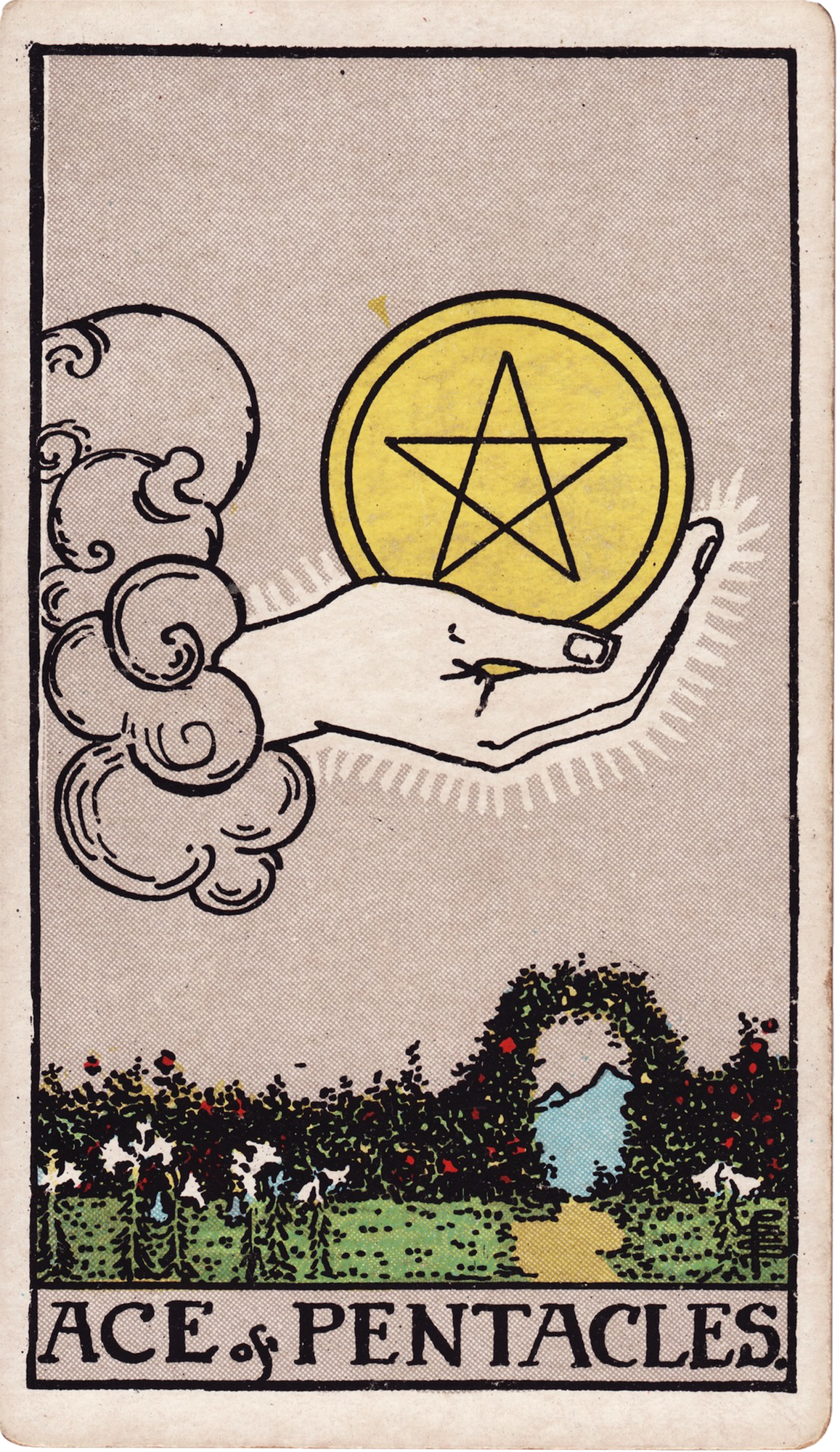 AdviceAce of Pentacles
Introduction — Why a spread for launching a side project
A side project sits between desire and discipline: it needs an initial spark, forward motion, a tangible offer, capacity to handle logistics, and often help from other people. The Five Card Cross spread maps exactly those dimensions in a compact reading. This article uses the specific supplied cards — Ace of Wands, 8 of Wands, Ace of Pentacles, 2 of Pentacles, and 3 of Pentacles — to model a realistic, practical reading you can reproduce visually alongside the card images. We emphasize traditional Rider–Waite–Smith (RWS) symbolism where it clarifies meaning and always keep the learner's job: translate symbol into action steps for your launch.
The Five Card Cross Layout and Position Labels
The Five Card Cross is spatial and narrative at once. Use a simple cross: center for Present, left for Past, right for Future, top for Challenge, bottom for Advice. Lay the cards in this order and orientation: Present (center) — Ace of Wands; Past (left) — 8 of Wands; Future (right) — Ace of Pentacles; Challenge (top) — 2 of Pentacles; Advice (bottom) — 3 of Pentacles. When you display the supplied images, put them exactly in those positions so your eye tracks the flow: from what led to now (left to center), from now toward the likely outcome (center to right), and through the practical obstacle (top) to constructive remedy (bottom). Treat the cross as a short project brief: what you have, where it came from, where it can go, what blocks it, and what helps it.
Quick reminder on orientation and reversals
For this worked example we read the supplied cards upright. If you physically flip cards during your own reading, apply the provided upright and reversed contexts. Upright here emphasizes usable energy: Ace of Wands as an actionable creative impulse, 8 of Wands as clean momentum, Ace of Pentacles as a tangible resource. Reversed meanings shift attention to blockage, delay, missed foundations, or overcommitment. Always note orientation before you synthesize. A common learner mistake is to ignore reversals or to treat reversal as simply 'bad'; instead, ask how the process is stuck and what practical steps will restore balance.
Present position — Ace of Wands
Card and imagery: The Ace of Wands in RWS shows a single hand emerging from a cloud holding a wooden wand that sprouts leaves. It is a raw, freshly lit impulse: creative energy, an idea eager to be born. Upright meanings emphasize initiative, motivation, and a practical first action before enthusiasm fades. Application to a side project launch: this card tells you the core engine right now is inspiration. You likely have a bright idea or a compelling next step you want to try. The card asks for a small, decisive action that matches the project's stage: sketch the offer, write a one-paragraph landing page, or commit one sprint of time. Because the Ace of Wands is about initiating, prioritize actions that produce visible progress and preserve momentum.
Past position — 8 of Wands
Card and imagery: The 8 of Wands commonly shows eight wands flying across the sky above a landscape, sometimes with a river or approaching settlement. It symbolizes rapid movement, messages, and momentum aligning toward a destination. In the Past position this card reads as what has recently propelled you: fast-moving communication, a sudden opportunity, or a stretch where things began to cohere quickly. For a launch, 8 of Wands in the past often means you’ve recently moved fast—perhaps you sent a prototype to friends, answered an encouraging message, or experienced a burst of clarity. The practical lesson is: momentum got you to this starting point. Respect it by converting fast energy into systems rather than letting it dissipate.
Future position — Ace of Pentacles
Card and imagery: The Ace of Pentacles depicts a hand emerging from a cloud offering a pentacle into a garden or an archway — a material opportunity or a seed of lasting value. Upright, it indicates a tangible beginning: a revenue stream, a prototype that can be monetized, access to a needed resource, or a small but real concrete step forward. As a future card for your side project, the Ace of Pentacles promisingly suggests that a viable, material piece of the project can be established: a paying customer, a stable hosting arrangement, a funded prototype. Practically, it means the creative spark (Ace of Wands) can be translated into something you can manage with tools, contracts, or bank accounts. Plan for setup: how will you accept payments? What minimum viable deliverable (MVD) will you offer? The Ace invites a conservative, grounded framework for the idea to land in the world.
Challenge position — 2 of Pentacles
Card and imagery: The 2 of Pentacles typically shows a person juggling two pentacles connected by an infinity-shaped loop, often with ships in rough seas in the background. Upright, it denotes active balance: managing changing priorities with flexibility. Reversed, it warns of overcommitment and disorganization. In the Challenge position for a launch, the 2 of Pentacles calls attention to capacity: can you juggle the side project with work, family, and other obligations? Will you keep the scope small enough to avoid burnout? It asks you to clarify what you are willing to sacrifice and where you need systems: batching, scheduling, automation, or external help. Treat this card as a practical diagnosis rather than a moral failing.
Advice position — 3 of Pentacles
Card and imagery: The 3 of Pentacles shows collaboration in a work setting: a craftsman at a bench, an architect or patron, and a third figure acknowledging the work. Upright, it emphasizes skill strengthened by collaboration, clear standards, and useful feedback. As advice for launching a side project, the 3 of Pentacles recommends bringing other people into the process: find a beta tester, seek a mentor, hire a freelance task, or set up an accountability group. It also suggests formalizing standards: a checklist for quality, documentation for repetitive tasks, and explicit roles if you recruit help. The remedy to the 2 of Pentacles' juggling is to share load and establish predictable processes.
Card-to-card relationships — reading the conversation
Good readings look for conversation between cards. With these supplied cards the narrative is clear and practical. Relationship 1 — Past (8 of Wands) to Present (Ace of Wands): momentum led to the impulse. RWS imagery of flying wands contextualizes the Ace of Wands' spark: something moved quickly and delivered inspiration. Translate this by listing what events or messages came through recently and which of those you can document or replicate. Relationship 2 — Present (Ace of Wands) to Future (Ace of Pentacles): two aces in different suits form a transition from idea to tangible resource. Symbolically, the hand offering a wand and the hand offering a pentacle are both divine offers; one asks for action, the other promises reward if action is disciplined. Practically: decide the single next step that converts creative energy into a small, shippable product or paid test. Relationship 3 — Challenge (2 of Pentacles) against both Aces: juggling threatens to dissipate both momentum and material opportunity. The infinity-loop juggling figure warns that without boundaries and systems, the aces' potential may become unmanageable. Relationship 4 — Advice (3 of Pentacles) resolving the challenge: the three figures demonstrate that collaboration and clear standards are the best way to turn juggling into coordinated work. Connect the 3 of Pentacles to the Ace of Pentacles by asking which skills or collaborators will convert an offer into a repeatable source of value. Lastly, the 3 of Pentacles also supports the Ace of Wands: bring others in early for feedback so your enthusiasm is shaped into quality.
Practical launch steps derived from the spread
Translate card meaning into a short launch plan. Use the cards as columns in a mini roadmap: 1) Immediate action (Ace of Wands): choose one specific task to do this week — draft the product headline, code a single feature, or schedule a recording. Make it visible and timeboxed. 2) Momentum log (8 of Wands): document the quick wins and communications that sparked the project — emails, DMs, comments, or a successful experiment. Plan one repeatable communication (newsletter or social post cadence) that preserves speed but adds consistency. 3) Concrete deliverable (Ace of Pentacles): define the minimum viable deliverable and the material mechanism for value exchange: pricing model, payment method, hosting, or manufacturing checklist. 4) Capacity plan (2 of Pentacles): create a simple weekly schedule dividing four time blocks for the project and three rules to refuse scope creep. Consider automation (templates, scheduling tools) and which tasks to defer. 5) Collaboration brief (3 of Pentacles): identify one person to involve this month — a designer, editor, developer, or accountability partner. Draft a one-paragraph brief and an agreed deliverable so feedback is targeted and useful.
Technique: how to reproduce this reading step-by-step
Materials: your deck, a clean surface, a journal, and the displayed images. 1) Set an intention: phrase a question that is planning-focused, e.g., 'How can I best structure the next six weeks to launch my side project?' 2) Shuffle mindfully, focusing on the intention. 3) Lay the cards in the cross: center (Present) Ace of Wands, left (Past) 8 of Wands, right (Future) Ace of Pentacles, top (Challenge) 2 of Pentacles, bottom (Advice) 3 of Pentacles. 4) Note orientation and immediate emotions: write one sentence per card describing the first thing you notice. 5) Read positions individually, then pair them as described in Card-to-card relationships. Use the Rider–Waite imagery as anchor language: hand from cloud, flying wands, pentacle in garden, infinity loop, workshop figures. 6) Translate to tasks: for each card write 1–3 specific actions tied to time and ownership (who, what, when). 7) Close: summarize the plan in one paragraph and record one measurable milestone within two weeks. Repeat this process monthly or whenever you need a planning refresh.
Common mistakes and how to avoid them
Mistake 1 — Reading cards in isolation: learners often focus only on one striking card. Avoid this by writing one-sentence linkages between each adjacent pair of cards. Mistake 2 — Overly literal predictions: the spread is practical, not prophetic. Convert symbols into repeatable tasks instead of searching for guaranteed outcomes. Mistake 3 — Ignoring reversals and orientation: always note upright vs reversed meanings and consider how stuckness asks for a procedural fix. Mistake 4 — Excess scope from the 2 of Pentacles: if you pull 2 of Pentacles as a challenge, reduce scope immediately rather than promising more. Mistake 5 — Neglecting documentation and role clarity: 3 of Pentacles as advice requires writing down standards; failing to do so loses the benefit of collaboration. Build small checklists and briefing templates and use them.
Examples and micro-case studies
Example A — Solo writer: Imagine you pulled this spread: your present excitement is a new newsletter idea (Ace of Wands). A recent viral post (8 of Wands) delivered your audience spike. The Ace of Pentacles shows a realistic future where a paid subscriber tier could work. The 2 of Pentacles warns you that you already juggle a full-time job and family; you must restrict launch frequency. The 3 of Pentacles suggests recruiting a proofreader or editor for a paid pilot. Actionable plan: write and schedule three newsletter issues, set up a simple Stripe checkout (Ace of Pentacles step), cap launch to a 100-person paid pilot, and contract an editor for three issues to ensure quality (3 of Pentacles). Example B — Maker/creator: Present is a prototype impulse (Ace of Wands) after an exciting order request (8 of Wands). Ace of Pentacles forecasts the first paid sale, but 2 of Pentacles signals manufacturing capacity limits. Advice from 3 of Pentacles: collaborate with a local maker for small-batch help and formalize an assembly checklist. These short case studies show how to convert symbolic meaning into discrete steps.
Variations and how to adapt the spread
Timing: you can use the Five Card Cross for a weekly sprint review or a three-month launch plan. Depth: if you need more detail, draw a clarifying card tied to a position (for example, one card clarifying the 2 of Pentacles) — but do this only after you’ve synthesized the five-card story. Group read: when reading collaboratively, have each member write one action tied to the Advice (3 of Pentacles) and agree on who will do what by date. Practice variation: occasionally swap the advice and challenge positions in a follow-up reading to see how the solution shifts. Keep records: store your spreads with date and outcomes so you can check which guidance reliably translated into effective action.
Closing — overall synthesis and learner takeaways
With Ace of Wands at your center, you have the essential creative spark. The 8 of Wands shows that this spark arrived on the back of momentum; the Ace of Pentacles promises a tangible, material outcome if you make disciplined choices. The 2 of Pentacles is a realistic challenge: schedule, scope, and capacity will limit you unless you intervene. The 3 of Pentacles gives the practical remedy: collaborate, set standards, and get feedback. For learners, the point of this spread is clarity: convert symbolic insight into a prioritized, timeboxed action plan and one accountability move (hire a helper, set a deadline, or sign a public commitment). Repeat the spread at natural milestones rather than expecting one reading to be final. Use the supplied card images as anchors — refer to the hand-from-clouds motifs, flying wands, the garden and archway, the infinity loop, and the workshop figures — and let those images inform actionable, real-world steps rather than vague inspiration.
Practice questions
• What single, timebound action does the Ace of Wands ask you to take this week?
• How did recent events (8 of Wands) create the momentum that led to your idea?
• What concrete deliverable or payment mechanism would count as your Ace of Pentacles outcome?
• Which tasks are currently causing the most juggling (2 of Pentacles) and which can you automate, defer or outsource?
• Who is one person you could bring in (3 of Pentacles) to increase quality and reliability, and what would you ask them to do?
• After the first two weeks, what metric will tell you if you successfully converted inspiration into a material step?
Comments
Sign in to comment.
Continue learning
Mastering Decision Making with the Five Card Cross Tarot Spread
The Five Card Cross Tarot Spread is a powerful tool for deepening decision-making skills by examining the present situation, past influences, future possibilities, challenges, and...
Navigating Conflict Resolution and Inner Struggles with the Five Card Cross Tarot Spread
This article delves into the Five Card Cross Tarot Spread as a practical tool for navigating conflict resolution and inner struggles, especially within family contexts. Using the s...
Using the Career Five Card Spread to Identify Growth Opportunities and Challenges
This article explores the Career Five Card Spread, a practical tarot method designed to spotlight growth opportunities, strengths, and obstacles within a career context. By analyzi...
Unlocking Life Insights with the Celtic Cross Tarot Spread
This article offers a thorough exploration of the Celtic Cross Tarot Spread, focusing on its application within family and practical life contexts. Using a worked example featuring...
Enhancing Clarity in Complex Choices with the Five Card Cross Tarot Spread
The Five Card Cross Tarot Spread is a practical tool designed to clarify complex choices by breaking down the decision into manageable parts. This article explores each position in...
Deepening Connection and Communication Using the Relationship Five Card Spread
This article introduces the Relationship Five Card Spread as a practical tool to enhance family communication and connection. Using five specific card positions—You, The Other Pers...
Using the Five Card Cross Tarot Spread to Navigate Career Changes with Confidence
The Five Card Cross Tarot Spread is a versatile and insightful tool for navigating career changes. This article guides learners through the method step-by-step using a practical ex...
Unlocking Personal Insight with the Seven Card Horseshoe Spread
The Seven Card Horseshoe Spread is a practical and insightful Tarot layout ideal for exploring personal and family dynamics. This article breaks down each position—Past, Present, H...
Using the Career Five Card Spread to Uncover Professional Strengths and Opportunities
This article presents a comprehensive guide to the Career Five Card Spread, designed to help learners explore professional strengths and opportunities using five specific Tarot car...
Using the Career Five Card Spread to Overcome Professional Challenges with Insight
The Career Five Card Spread is a powerful tool for exploring current professional situations, identifying strengths, challenges, opportunities, and practical next steps. This artic...