
Reading Numbers in the Minor Arcana for Deeper Symbolic Insight
This article teaches how to read number symbolism in the Minor Arcana for richer, practical interpretations. Using Rider Waite Smith imagery and four supplied cards — Ace of Wands, 2 of Cups, 3 of Pentacles and 4 of Swords — it shows step by step how number archetypes combine with suit energies, spread context and image details. Readers learn a reliable technique, common mistakes to avoid, worked examples, and exercises to build skill.
Cards explored in this article
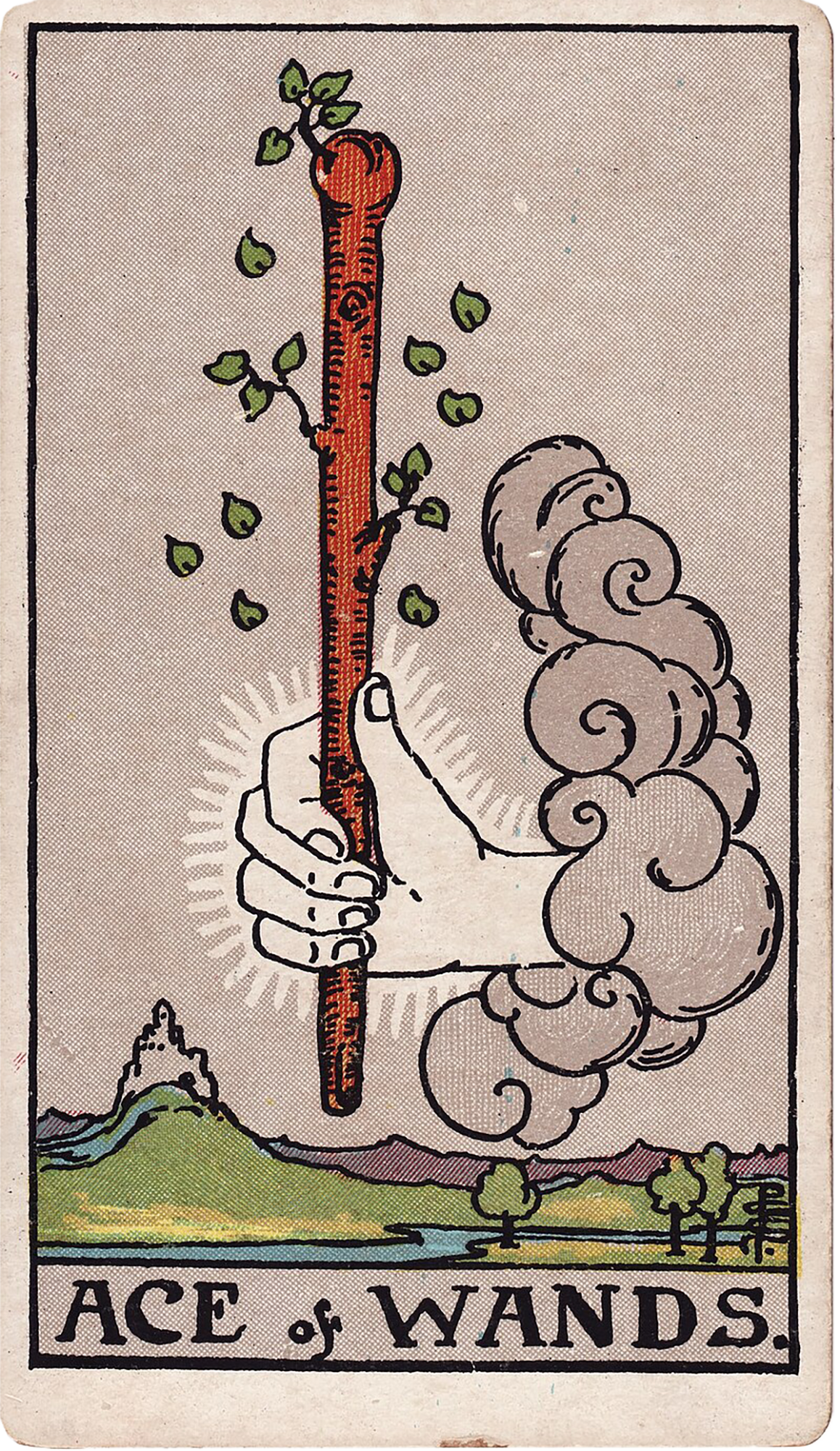 Ace of Wands
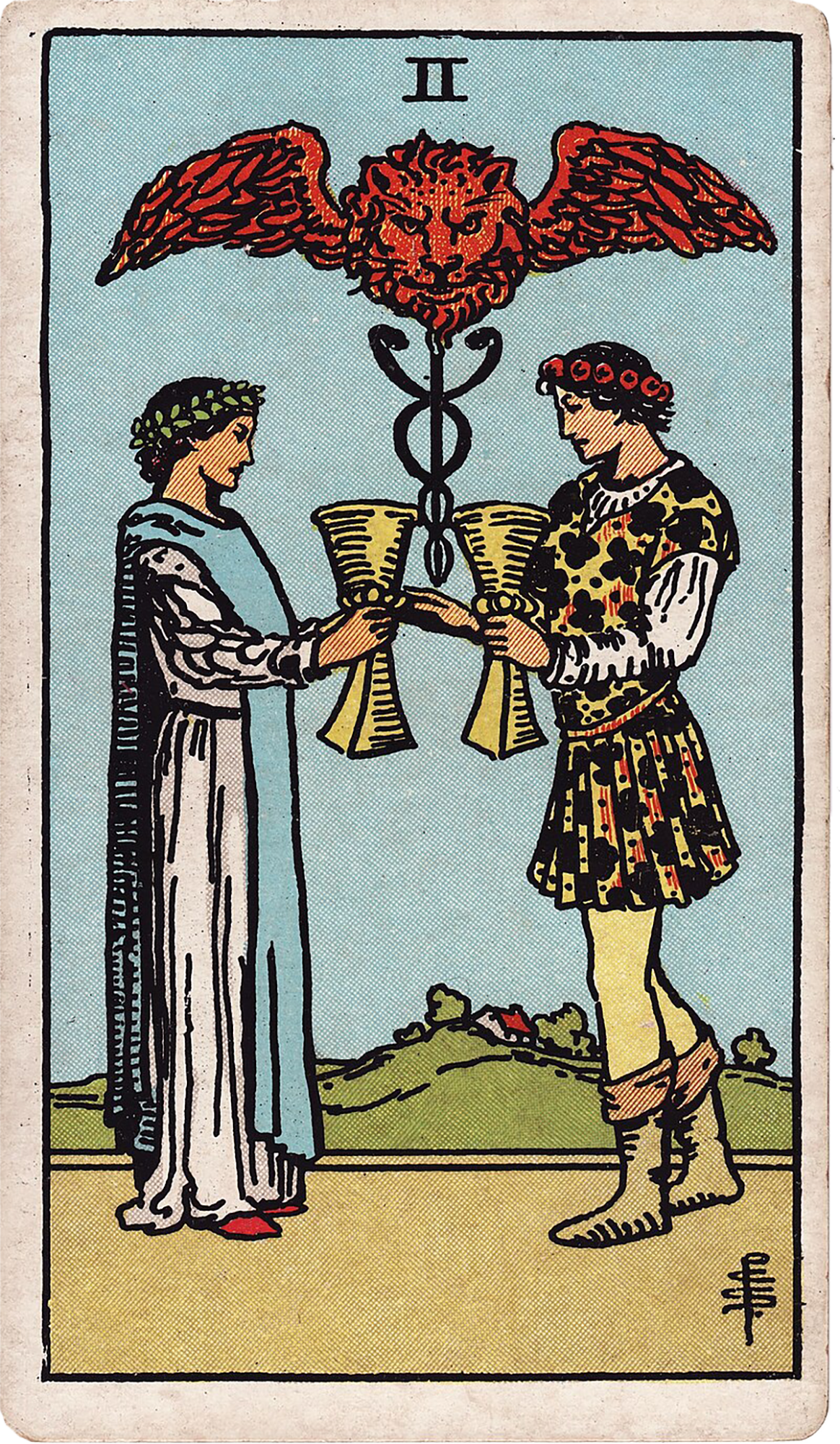 2 of Cups
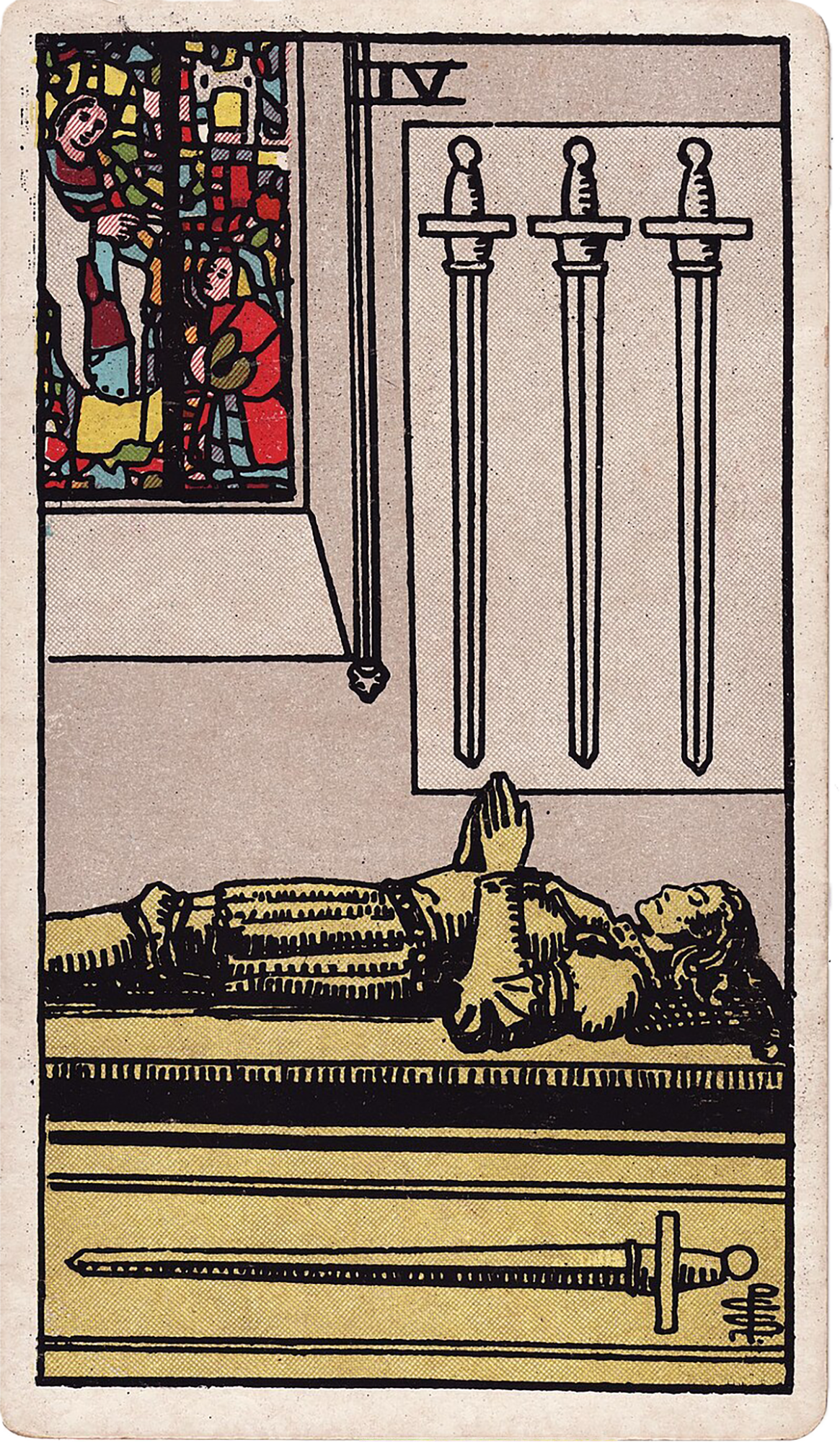 4 of Swords
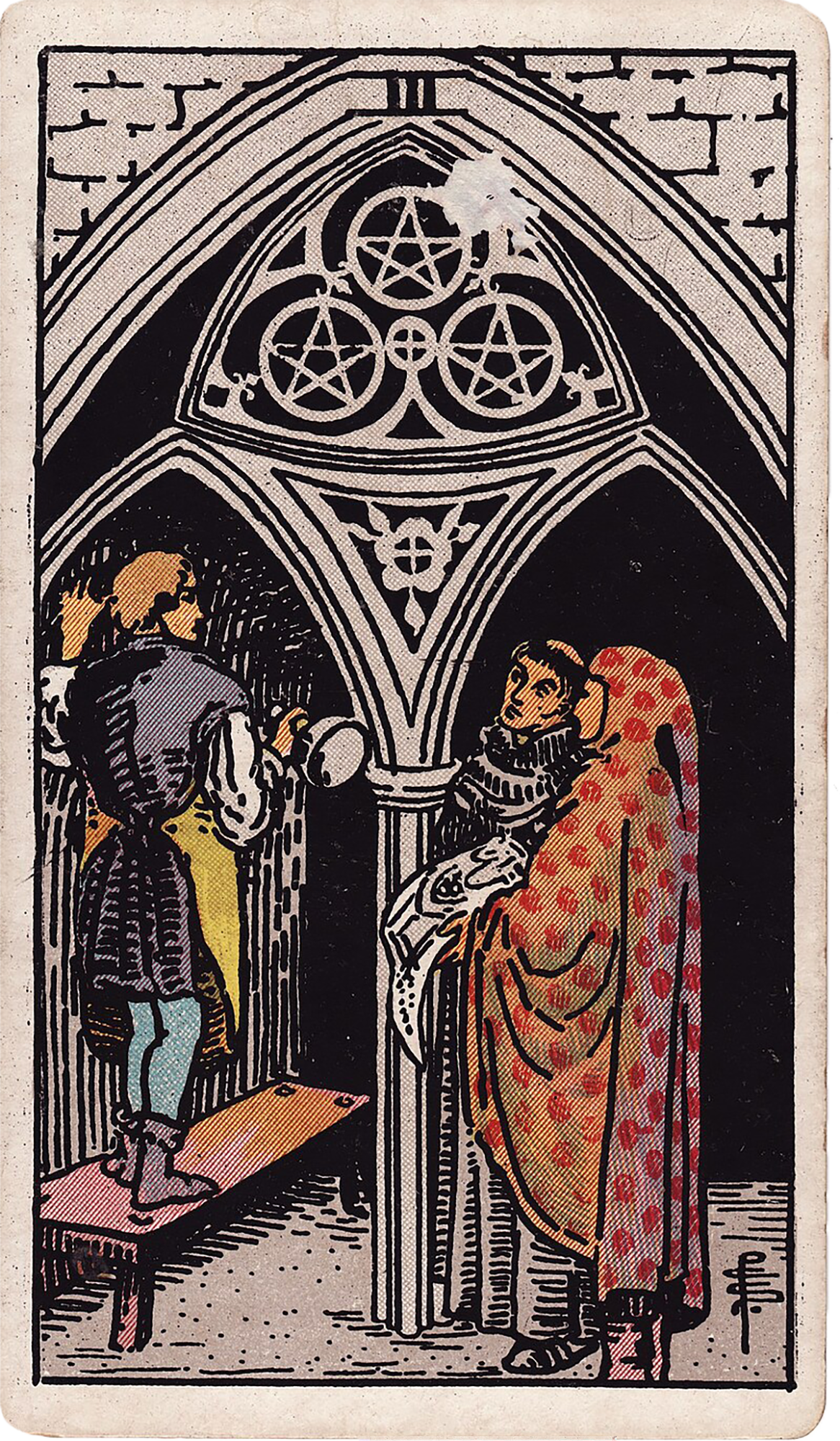 3 of Pentacles
Introduction Why numbers matter in the Minor Arcana
Numbers are the backbone of the Minor Arcana. Where the suits tell us the language of an experience — Wands for energy and identity, Cups for feeling and relationship, Swords for thought and conflict, Pentacles for work and material craft — numbers tell us what stage of a process we are seeing. Instead of treating numbered cards as interchangeable or merely lesser forms of the Majors, read numbers as dynamic structural cues: beginnings, responses, development, and consolidation. The supplied cards are ideal for learning this approach: Ace of Wands (a one), 2 of Cups (a two), 3 of Pentacles (a three), and 4 of Swords (a four). Each demonstrates a clear number archetype working through a distinct suit. This article uses Rider Waite Smith visual details and practical technique to help learners translate numeric pattern into immediate, usable insight.
Number archetypes at a glance
Before applying technique to specific cards, memorize four core number archetypes that recur across all suits: 1 = initiation and seed; 2 = relationship, polarity and choice; 3 = integration, expansion and collaboration; 4 = structure, rest and consolidation. Those archetypal functions are not fixed predictions but lenses for where a situation sits in a process. Consider each archetype with its supplied suit example. Ace of Wands as 1: The Ace is a pure seed. In Rider Waite Smith the Ace of Wands shows a hand emerging from a cloud presenting a budding staff. That single staff is a compressed potential — raw energy, impulse, identity and initiative waiting for a first action. Read the Ace as: which new impulse needs expression, where the spark is small but potent, and which step would honor the present stage rather than overplanning. 2 of Cups as 2: Twos split and reconcile polarity. The RWS 2 of Cups picture of two figures exchanging cups under a caduceus and a lion's head crest highlights mutual recognition and symmetry. Twos ask: how do two forces meet, mirror, or choose? The practical question is usually relational: reciprocity, choice between two directions, or a developing polarity that needs negotiation. 3 of Pentacles as 3: Threes are about synthesis and visible growth through combination. The RWS 3 of Pentacles features a skilled craftsman, a monk and an architect in a church-like space, pentacles displayed above. The card shows craft amplified by collaboration and feedback. Threes ask: how do multiple elements combine to create a new form of competence or product? 4 of Swords as 4: Fours build structure or demand a pause to stabilize. In the RWS 4 of Swords a knight reclines in repose upon a tomb, hands folded in prayer; three swords hang above and the fourth lies beneath. The card strongly evokes rest, recuperation and the enforced building of mental boundaries. Fours ask: where is consolidation needed, what foundation must be laid, or where must one withdraw to recover?
Reading number plus suit step by step
When you encounter a numbered Minor Arcana card, use a consistent six-step method to keep readings clear, practical and anchored to imagery: 1) Identify the number archetype. Ask: is this a beginning (1), a dyad/pairing (2), a synthesis (3), or consolidation/rest (4)? Keep the archetype active in your mind as the 'stage question'. 2) Read the suit energy. Translate the archetype through the suit. For example, the Ace of Wands (1 + Wands) is initiation in energy, identity and creative drive; the 2 of Cups (2 + Cups) is a mirrored, emotional exchange; the 3 of Pentacles (3 + Pentacles) is collaboration applied to material skill; the 4 of Swords (4 + Swords) is mental consolidation or necessary pause. 3) Scan Rider Waite Smith imagery for specifics. Look for gestures, hands, tools, architectural elements, animals, sky or landscape cues. The Ace of Wands offers a hand from a cloud and a budding twig — note the bud to emphasize fresh possibility. The 2 of Cups shows mutual gaze and the caduceus between them — note the equality and the potential healing symbol. The 3 of Pentacles includes multiple people and the building's decoration — note the shared task and respect for craft. The 4 of Swords' posture and swords layout signal intentional retreat and the need for recuperation. 4) Consider spread position and sequence. Is the card in a past/present/future spread, an obstacle position, a potential, or an outcome? Numbers create natural sequences: a one can precede a three (initiation leading to collaboration) or a four can follow a three (consolidation after building). If you see Ace of Wands followed by 3 of Pentacles in a timeline, the narrative is natural (spark leading to skilled collaboration). If a 4 of Swords appears after a 3 of Pentacles, interpret as the system needing rest after intensive effort. 5) Check upright versus reversed dynamics. Use reversals to find stuckness, excess, lack, or interiorized processes rather than merely opposite meanings. The supplied reversals model this: Ace of Wands reversed highlights blocked inspiration or premature action; 2 of Cups reversed shows misalignment or unequal effort; 3 of Pentacles reversed shows poor teamwork or low standards; 4 of Swords reversed draws attention to restlessness, burnout, or returning too early to activity. Treat reversals as specific diagnostics of the archetype. 6) Synthesize into an actionable, learner-oriented sentence. Avoid deterministic or fate-driven language. Translate the combined picture into a recommendation: a first action to release an Ace, a conversational step to restore a 2 of Cups, a team practice to improve a 3 of Pentacles, or a clear recovery plan for a 4 of Swords.
Worked examples using the supplied cards
Concrete examples make the method practical. Below are three short sample readings using the supplied RWS cards and the technique above. These are pedagogic examples, not predictions. Example 1 Timeline spread (four-card past to future): Past: Ace of Wands Upright; Present: 2 of Cups Upright; Near Future: 3 of Pentacles Upright; Advice/Outcome: 4 of Swords Upright. Interpretation logic: Number sequence 1 → 2 → 3 → 4 shows a coherent developmental arc. The Ace of Wands past indicates a clear new impulse that began things — a creative spark or initiative. The 2 of Cups present emphasizes that the spark is now encountering relational reciprocity or partnership; the question is: how is this impulse being shared? The 3 of Pentacles near future suggests that, if partnership is handled practically, that energy will mature into cooperative skill and tangible craft. The 4 of Swords advice calls for intentional rest after the effort — to consolidate gains and integrate lessons. Practical recommendation: honor the initial impulse with a concrete first step, nurture mutual boundaries in partnership, seek feedback and defined responsibilities in collaboration, and schedule deliberate recovery. Example 2 Obstacle reading with reversals: Querent's central issue is reversed 2 of Cups appearing against upright Ace of Wands and 3 of Pentacles. Interpretation logic: The Ace of Wands upright shows the querent has a genuine initial drive. The 3 of Pentacles upright indicates that skill and collaboration are attainable. The reversed 2 of Cups in the center diagnoses the relational blockage: misalignment, unequal commitment, or broken agreement is preventing the creative spark from being effectively shared. Recommendation: clarify expectations with partners, use the 3 of Pentacles' model of clear roles and feedback to repair the misalignment, and check whether the Ace energy is being scattered prematurely (as the reversed Ace warns). Example 3 Internal process reading highlighting rest: Querent draws 4 of Swords reversed in a recovery position following upright 3 of Pentacles. Interpretation logic: The 3 of Pentacles shows recent intense collaboration or craft effort. The 4 of Swords reversed signals either returning to activity too quickly or internalized burnout — rest is resisted. The practical reading: the mind and body still need restoration despite external pressures to resume. Recommend a phased re-entry plan, clear boundary setting, and rituals that mark transition from production to rest.
Common mistakes and how to avoid them
Mistake 1 Treating numbers as trivial labels. Avoid reading numbered Minors as interchangeable afterthoughts. Numbers supply narrative stage and rhythm. Always ask stage-level questions. Mistake 2 Ignoring suit energy. A three in Swords is not the same process as a three in Pentacles. The RWS 3 of Pentacles shows collaborative craft; if you saw a 3 in Swords you would read synthesis in thought or communication rather than material skill. With the provided 3 of Pentacles anchor your reading to visible workshop imagery and respect for skill. Mistake 3 Reversing as simple opposites. The supplied reversed texts show how reversals reveal blockage, excess, or internalization rather than simple negation. For example, the reversed Ace of Wands is not always 'no new beginning' but often blocked inspiration or scattered impulse. Mistake 4 Overreading single-card numerology without context. Numbers suggest processes, but the full meaning depends on imagery, position and surrounding cards. Use sequence logic: an Ace followed by a 4 without intermediate development implies a stalled process needing structure or rest. Mistake 5 Ignoring image detail. The hand emerging from a cloud on the Ace of Wands, the caduceus on the 2 of Cups, the architectural setting on the 3 of Pentacles, and the tomblike repose in the 4 of Swords all change nuance. Note posture, gaze, architecture, and repetition — these modify the number-suit synthesis.
Practical exercises to build number literacy
Exercise 1 Focused observation with provided cards. Lay out the four supplied cards. For each card spend five minutes noting visual cues: gestures, figure count, directionality, items like tools or animals, and background architecture. Then write a single sentence that combines the number archetype and suit energy (e.g., 'Ace of Wands: a precise initiative that needs a first practical step'). Repeat daily for a week. Exercise 2 Sequence practice. Shuffle and draw three cards from a deck while forcing or ensuring at least two are numbered Minors. Create narrative arcs: try 1→3→4 or 2→3→2 and practice translating sequences into process language. Use the supplied Ace of Wands and 3 of Pentacles as models of how an impulse moves into collaboration. Exercise 3 Reversal diagnostics. Use the provided reversed meanings as templates. Pull a single card: if upright, practice building a positive, stage-appropriate action. If reversed, list three reasons the process might be stuck (internalized, excessive, insufficient) and propose a single practical corrective. Exercise 4 Image specificity drills. With the 2 of Cups, practice describing how the caduceus or the lion's head crest might intensify themes of healing, agreement or fierceness. With the 4 of Swords, practice differentiating necessary rest from depressive withdrawal by noting the posture and the setting.
How to synthesize number logic into reading language
A helpful template for phrasing interpretations keeps readings practical and learner-focused. Use three short clauses: stage statement + suit translation + actionable next step. Templates with supplied cards: Ace of Wands: 'This card is a seed stage of energy; because it’s Wands the issue is about initiative and identity; as a practical step, take a small, visible first action that fits current resources.' 2 of Cups: 'This card marks a relational pairing or mirror; because it’s Cups the matter involves feelings and mutual recognition; as a practical step, open an honest exchange and check for reciprocity.' 3 of Pentacles: 'This card shows skill strengthened by collaboration; because it’s Pentacles the focus is material craft and routine; as a practical step, request specific feedback and define roles to raise standards.' 4 of Swords: 'This card indicates consolidation or enforced rest; because it’s Swords the pause is mental and strategic; as a practical step, schedule deliberate recovery and delay high-stakes decisions until clarity returns.' Synthesis requires brevity and clarity: avoid speculative timelines, privilege process questions, and suggest concrete next actions. For learners, a disciplined three-clause output trains clarity.
Advanced points Sequence, cycles and conflict between numbers
Numbers interact. Common patterns include: - Growth sequence 1→3→4: An impulse (Ace) attracts collaborators (3) and leads to a need for consolidation (4). Our Ace of Wands → 3 of Pentacles → 4 of Swords example maps this path. - Relational pivot 2 in the middle: Two often mediates between initiation and structure. When 2 of Cups sits between an Ace and a Three it asks whether the partnership can carry the initiative into practical collaboration. - Stagnant repetition 2→2 or 3→3: When the same number repeats, the process is cycling at that stage. Two twos may show stuck negotiation; two threes might indicate echoing collaboration without reaching consolidation. - Number conflict: a high-energy number in a restrictive suit can create tension. For example, an Ace (new impulse) trapped by a rigid 4 of Swords in an outcome position might call for controlled expression rather than reckless action. Notice that the supplied reversed readings give diagnostic handles for these interplays. Use reversals to identify where a sequence is jammed and what specific change is needed to move stages.
Conclusion Integrating number reading into regular practice
Reading numbers in the Minor Arcana turns cards into a process map, not a static label. Anchor every numbered card to three things: the number archetype, the suit's language, and the image's unique details. Use the six-step method so that even when you examine only one card, your interpretation is stage-aware, suit-specific and image-grounded. The supplied cards are compact study tools: the Ace of Wands teaches you to spot the seed and its required first action; the 2 of Cups teaches you to read reciprocity in imagery; the 3 of Pentacles trains you to notice collaboration and standards; the 4 of Swords shows how to read healthy withdrawal and the need for recovery. Over time you will recognize sequences, diagnose blockages, and make practical, non-fatalistic recommendations that empower querents to act with clarity.
Practice questions
• When you view the Ace of Wands image, what single actionable first step does it most clearly ask for?
• How does the caduceus and the shared gaze in the 2 of Cups change your reading of an emotional exchange compared with a generic pair of figures?
• What signs in the 3 of Pentacles image show respect for craft and standards, and how would you translate those into specific team practices?
• In the 4 of Swords, how do posture and architectural setting help you distinguish restorative rest from avoidant withdrawal?
• Describe a three-card sequence using only the supplied cards and explain the developmental arc in process-language (stage + suit + next action).
• Which common mistake in reading numbers do you most often make, and what one habit will you adopt to correct it?
Comments
Sign in to comment.
Continue learning
Harnessing the Power of The Magician and Ace of Wands: Igniting Creativity and Manifestation in Tarot Readings
The combination of The Magician and the Ace of Wands in tarot readings offers a potent blend of creative energy and manifestation power. This article delves into the ways these car...
Advanced Techniques for Combining The Moon and The Star to Enhance Intuition in Tarot Readings
This article explores advanced techniques to combine the symbolism and energy of The Moon and The Star Tarot cards to enhance intuition during Tarot readings. Drawing from traditio...
Enhancing Clarity in Complex Choices with the Five Card Cross Tarot Spread
The Five Card Cross Tarot Spread is a practical tool designed to clarify complex choices by breaking down the decision into manageable parts. This article explores each position in...
Tracing the Origins and Evolution of The Fool Card in Tarot History
The Fool card holds a foundational place in tarot tradition, symbolizing beginnings, openness, and the embrace of uncertainty. This article traces its origins from early European d...
Understanding The Hermit Card in Solitude Reflection and Guidance
This article offers an in-depth exploration of The Hermit tarot card as a single-card reading in different contexts such as love, career, money, advice, challenge, person, outcome,...
Unlocking the Creative Flow with The Magician and The Empress in Tarot Combinations
This article delves into the powerful synergy between The Magician and The Empress in Tarot combinations, focusing on how their combined symbolism unlocks creative flow across vari...
Using the Seven Card Horseshoe Spread to Uncover Career Growth and Opportunity
This article presents an in-depth guide to the Seven Card Horseshoe Tarot Spread with a focus on career growth and opportunity. Using the cards The Fool, The Magician, The Empress,...
Understanding the Many Facets of The Moon in Emotional and Intuitive Tarot Readings
The Moon card in the Tarot deck embodies themes of intuition, uncertainty, dreams, and emotional complexity. This article offers a comprehensive exploration of The Moon’s upright a...
Unlocking Advanced Intuition Techniques Using The High Priestess The Moon and The Hermit
This article examines advanced intuition development in tarot reading by focusing on The High Priestess, The Moon, and The Hermit cards. It offers practical techniques for beginner...
Mastering Intuition with The High Priestess The Hermit and The Moon in Tarot Readings
This article delves into mastering intuition through three powerful Tarot cards: The High Priestess, The Hermit, and The Moon. It guides readers from beginner to advanced reading t...