
Seasonal and Weather Symbols in Tarot and How They Guide Interpretation
Weather and seasonal imagery in tarot cards functions like a mood map: it describes the atmosphere of a situation, the tempo of change, and practical guidance for response. Using the Rider‑Waite inspired images of The Tower, The Star, The Moon, and The Sun, this article shows how to read sunbeams, moonlight, clear skies, storms and lightning as symbolic cues. You will learn a three‑level approach (literal image → psychic climate → action), timing and seasonal mapping heuristics, concrete reading examples, error traps to avoid, and a step‑by‑step method for integrating weather symbolism into everyday readings. The approach balances traditional correspondences with context‑sensitive, evidence‑based interpretation rather than deterministic prediction.
Cards explored in this article
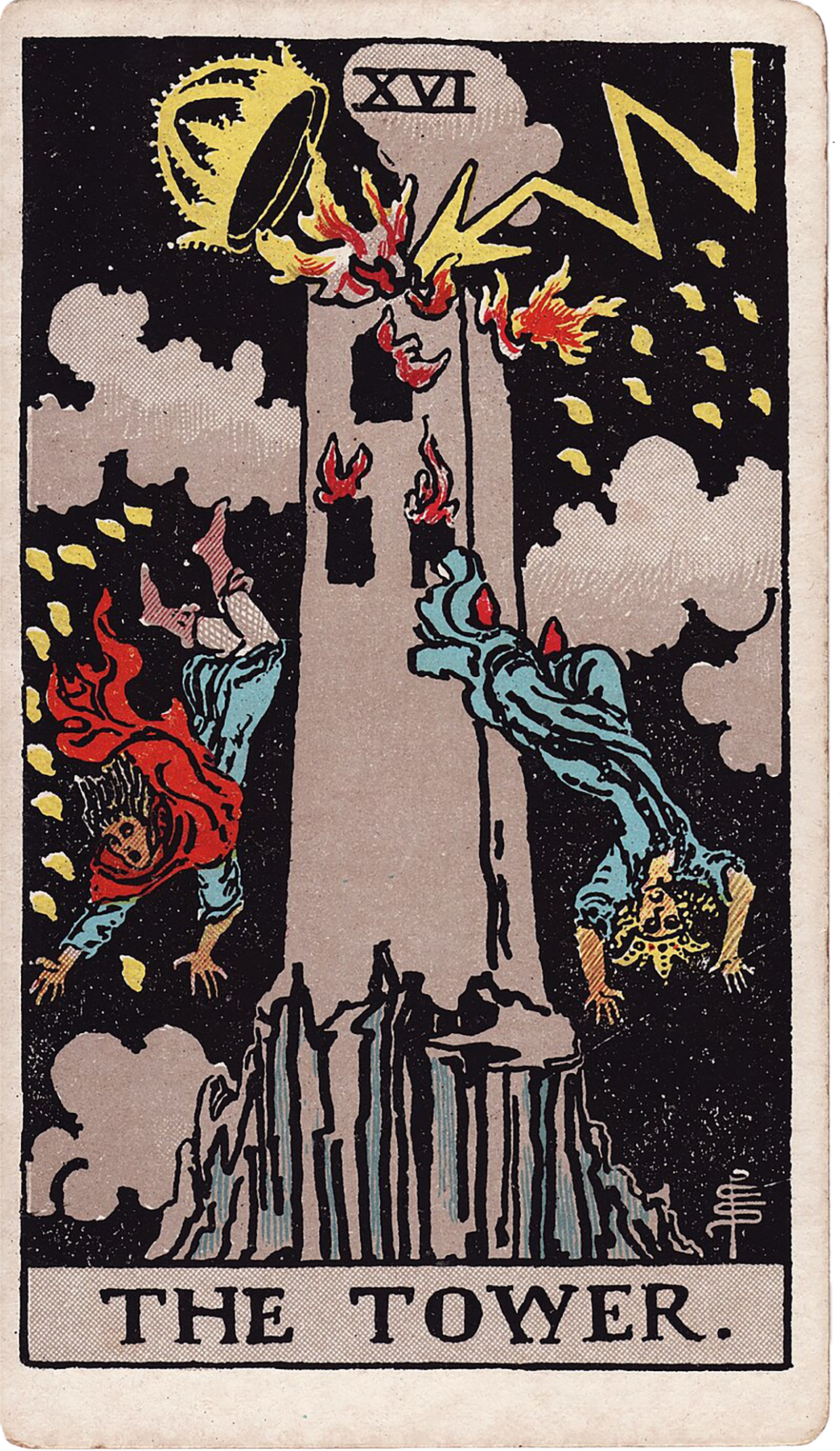 The Tower
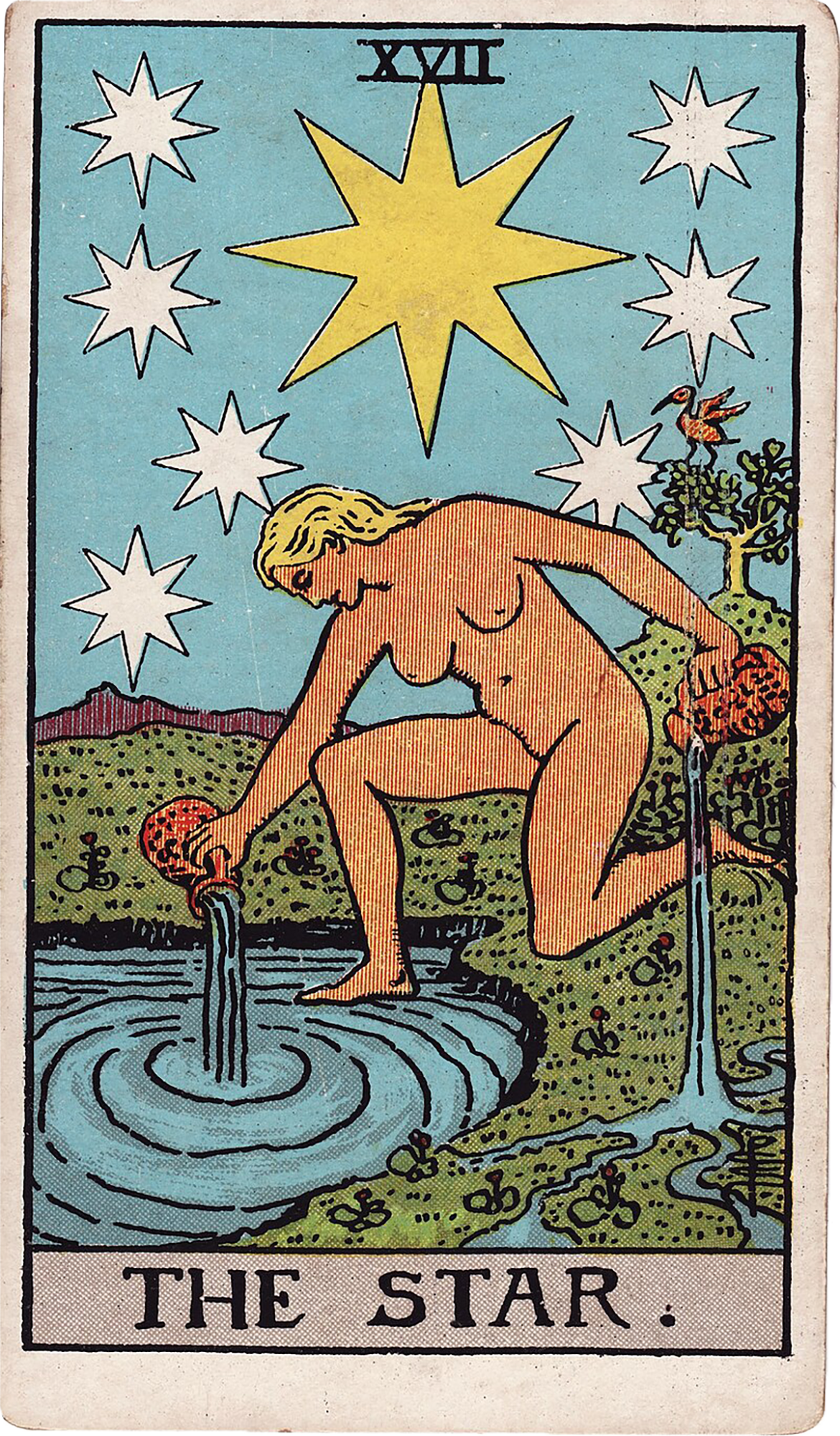 The Star
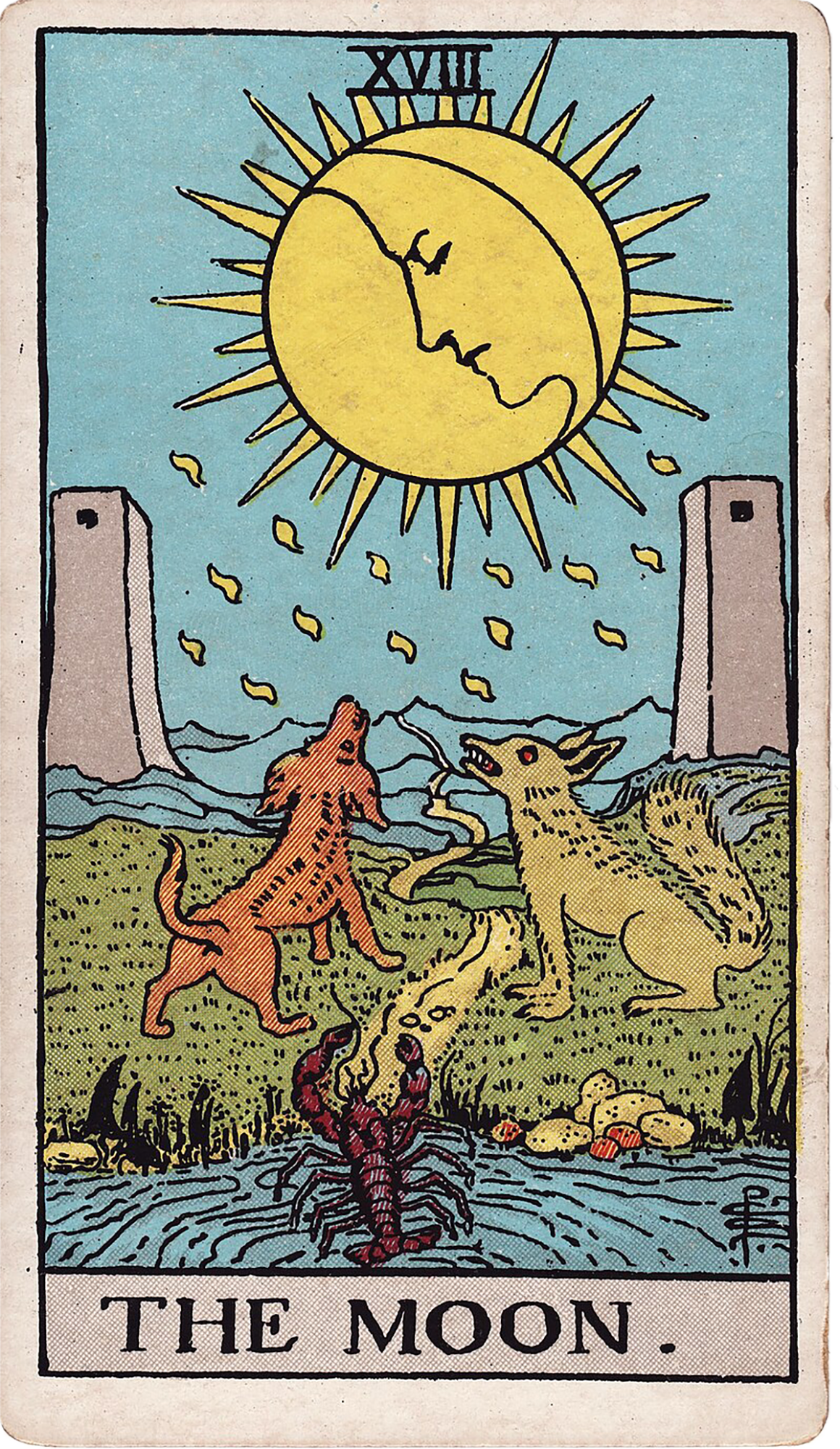 The Moon
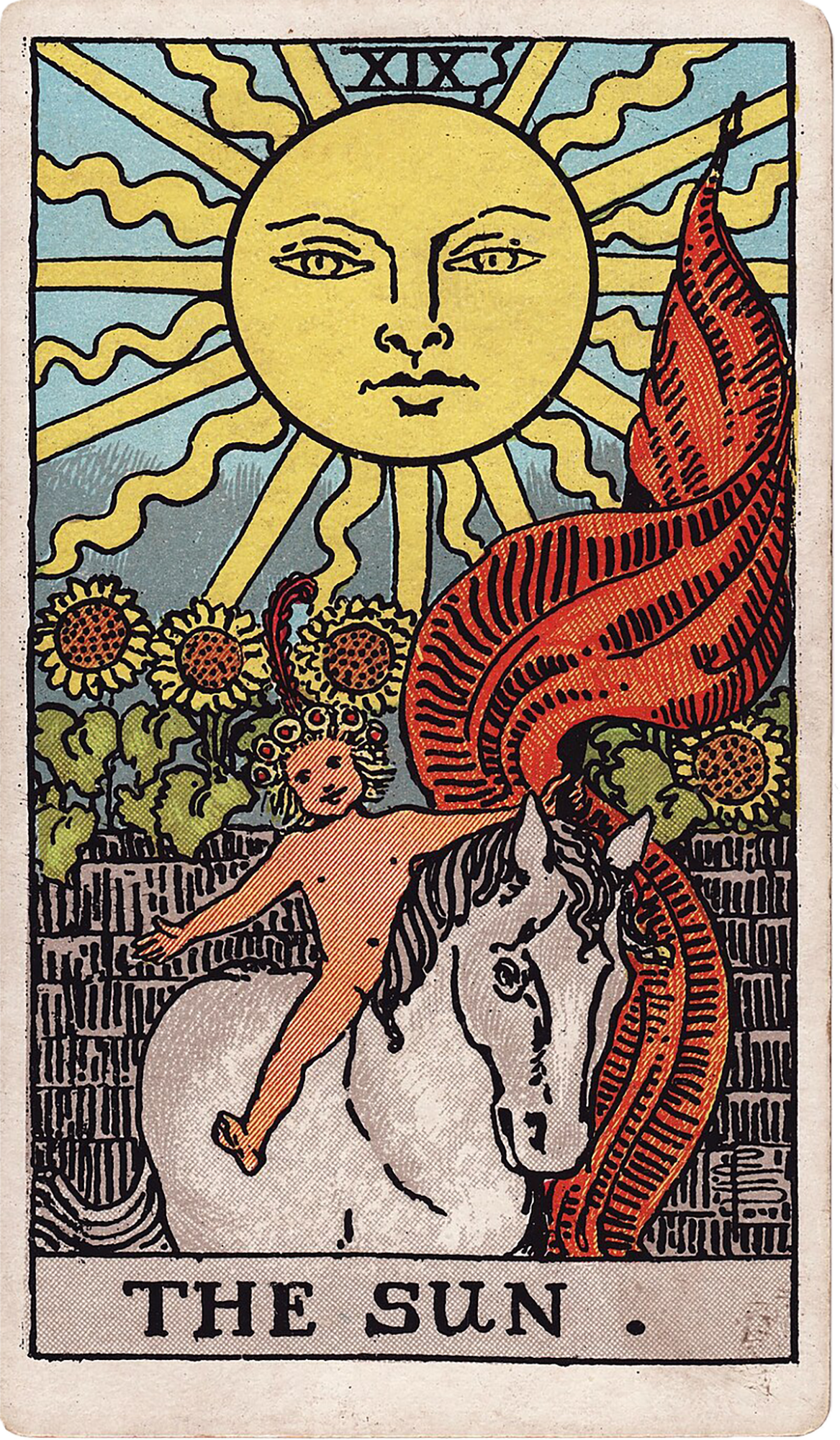 The Sun
Introduction: Why seasonal and weather symbols matter in tarot
Tarot is visual language. Beyond faces, figures and numbers, the atmosphere drawn into a card—sunlight, cloud, storm, night sky—carries meaning. Weather and seasonal imagery are shorthand for tempo, visibility, emotional tone, and the kind of response a situation requires. In Rider‑Waite derived decks these cues were deliberately included to help readers sense whether a card describes suddenness or slow unfolding, clarity or confusion, harvest or dormancy. The four cards provided for this lesson—The Tower, The Star, The Moon, and The Sun—offer excellent study material because each contains vivid weather or celestial imagery: cracked lightning and fire in The Tower, a clear starry sky and flowing water in The Star, moonlight, fog and ambiguous animals in The Moon, and bright noon sunflowers and a beaming sun in The Sun. Anchoring interpretation to these visible cues reduces guesswork and makes readings more coherent and teachable.
A framework for reading weather and seasonal symbols
Use a three‑level interpretive sequence whenever you meet weather/season cues: 1) Literal image: name what you see (sun, lightning, cloud, night, stars, water, falling stones). 2) Psychic climate: translate that visual into mood, tempo and visibility (e.g., lightning = sudden truth; fog = partial information; bright sun = clarity and confidence). 3) Directional guidance: ask what action the image recommends (e.g., take immediate safety measures, wait for clarity, commit to steady renewal). This sequence prevents over‑literalization while preserving the concrete anchor of the card art. Always test your translation against the card’s conventional meaning and the querent’s context. For instance, The Tower’s lightning and collapse map to sudden structural change and revealed truth; The Star’s clear night and flowing water map to renewal and gradual healing; The Moon’s night landscape and unclear path map to uncertainty and working with intuition; The Sun’s brilliant light and open field map to clarity, celebration, and immediacy.
Key symbols in the supplied cards and their seasonal/weather resonances
Below are the main weather and seasonal signals visible in the supplied cards, with their conventional Rider‑Waite associations and practical interpretive prompts. The Sun — bright midday light, sunflowers, a child under an open sky - Visual note: near noon sun, high visibility, warmth, sunflowers that turn to light. - Seasonal resonance: summer/harvest, high energy, fruition. - Tempo and timing: immediate, near‑term, results manifesting now. - Interpretive prompts: celebrate, take confident action, allow visibility to do its work. Upright text: The Sun emphasizes embracing clarity, celebrating progress, and acting with confidence that is open rather than defensive. Reversed The Sun warns of temporary clouding of joy or burnout—use the weather image to ask what is shading the light. The Moon — crescent moon, a path between towers, wolves or dogs, a crawfish from water, watery landscape - Visual note: night, reflected light, wetlands and a slow path. - Seasonal resonance: liminal times, autumn or late winter energy—transition rather than harvest. - Tempo and timing: cyclical, unfolding, requires patience and discernment. - Interpretive prompts: move cautiously, test dreams against facts, honor intuition while checking projections. Upright text: The Moon emphasizes moving carefully through uncertainty; reversed The Moon suggests confusion beginning to clear or denial of intuition. The Star — clear night sky with many stars, a large central star, a naked figure pouring water into both land and water - Visual note: calm, cool night after storm, a feeling of replenishment. - Seasonal resonance: late winter/early spring imagery of renewal, slow recovery after upheaval. - Tempo and timing: steady, gradual restoration. - Interpretive prompts: tend the self gently, participate in healing; hope returns through consistent small acts. Upright text: The Star emphasizes allowing hope to return and rebuilding confidence through steady renewal; reversed The Star points to discouraged hope or passive waiting without engagement. The Tower — lightning bolt, a tower struck, flames, figures falling into a dark landscape - Visual note: violent weather, immediate destruction, electrified sky. - Seasonal resonance: storm‑season, abrupt change, winter storm metaphorically or a summer squall physically—emphasis on suddenness rather than a specific season. - Tempo and timing: instantaneous, disruptive, revelation in a flash. - Interpretive prompts: respond honestly to sudden truth, protect essentials, clear away falsities to rebuild. Upright text: The Tower emphasizes responding honestly to a sudden truth and letting false structures fall; reversed The Tower often points to fear of necessary change or delayed collapse.
From imagery to practical guidance: technique and sequence
A practical, repeatable technique helps integrate weather cues into readings without becoming speculative. Follow these steps: 1. Inventory visible weather/seasonal elements. Be precise: count whether the sky is stormy, whether light is direct or reflected, whether water is still or moving. For example, note the lightning bolt in The Tower, the night sky full of stars in The Star, the crescent moon and path in The Moon, and the direct sun in The Sun. 2. Translate to climate words. Use a short list of mood words attached to each symbol: lightning = rupture, shock, revelation; storm = cleansing, chaos, unexpected disruption; fog/mist = opacity, projection, partial evidence; moonlight = intuition, cycles, hidden influences; starry night = hope, guidance, small steady lights; sun = clarity, warmth, confidence, productivity. 3. Ask the timing question. Is this an immediate weather event (storm/lightning) or a seasonal climate (summer, winter, long night)? The Tower’s lightning usually signifies immediacy; The Sun signals results in the near term; The Moon indicates unfolding or cyclical timing; The Star tends to promise longer‑range healing but with visible signs present now. 4. Form action guidance from the image and the card text. Use the supplied upright/reversed prompts: The Tower upright asks where honesty and direct response are needed; The Star upright invites steady participation in healing; The Moon upright asks where to check intuition against reality; The Sun upright prompts celebration and confident, open action. If reversed, adapt: The Tower reversed asks where fear is blocking change; The Star reversed asks where passivity dims hope; The Moon reversed asks whether confusion is beginning to clear; The Sun reversed asks whether joy is being masked. 5. Integrate neighboring cards and context. Weather imagery is rarely meant to be read alone. If The Tower appears beside The Star, the storm imagery and the starry night together suggest a period just after a dramatic clearing where hope can be rebuilt. If The Moon sits near The Sun, the moonlight’s uncertainty next to clear daylight suggests a phased transition from confusion toward clarity. 6. Check with the querent’s sensory language. Ask, 'What feels stormy or foggy about this for you?' or 'Where do you notice light or coldness right now?' That makes the weather metaphors actionable and grounded in lived experience rather than poetic abstraction.
Seasonal mapping and timing heuristics
Readers often want to map cards onto seasons or timeframes. Exact months are risky; instead prefer relative, symbolic seasonality and tempo heuristics: - The Sun = high visibility and immediate fruition. Use it as a near‑term indicator: weeks to a few months, and as summer/harvest metaphorically. It signals that the conditions for action are present and that results will be clear and measurable soon. - The Moon = cyclical timing and transition. Expect longer, contingent unfolding—think in cycles rather than specific weeks. The Moon describes processes that repeat or require several nights/cycles before clarity arrives. - The Star = slow regeneration and steady renewal. This is a recovery process that favors gradual improvement; associated with late winter/early spring energy where hope returns but cultivation is necessary. Use it to signal medium to long timelines for recovery or reorientation. - The Tower = sudden, immediate events. Timing is immediate and often unpredictable; the image of lightning suggests no useful countdown—prepare for abrupt change rather than wait for a timetable. Combine these heuristics with other factors in a spread: placement (past/present/future), suits and numbers (if using the full deck), and the querent’s narrative. Always communicate timeline language as probabilistic, not deterministic: 'This image suggests an abrupt shift is likely in the near term' rather than 'This will happen on Wednesday.'
Examples and case studies anchored to the supplied cards
Example 1 — Crisis then hope: The Tower upright in the present with The Star upright in the advice position. - Image reading: The Tower shows lightning and toppling stone—revelation and sudden collapse. The Star’s calm night and pouring water promise replenishment. - Interpretation logic: The Tower describes a current abrupt truth that requires immediate response and boundary setting; use the Tower’s weather signal to prioritize honesty and safety. The Star advises patient restoration: small routines, seeking community, and steady spiritual or practical replenishment. - Practical guidance to give: Don’t try to rebuild everything immediately; respond to immediate needs (Tower) and plan gradual recovery actions (Star). Watch for signs of passive waiting (Star reversed) if the querent expects healing to happen without effort. Example 2 — Confusion before clarity: The Moon reversed in the present with The Sun upright in the outcome. - Image reading: The Moon’s foggy night is beginning to clear when reversed; The Sun is bright and open. - Interpretation logic: When The Moon appears reversed, it can mean confusion beginning to come into the light or denial of intuition. Read as a turning point: the night is lifting. The Sun as outcome suggests that this emerging clarity will allow the querent to act confidently soon. - Practical guidance to give: Encourage testing of assumptions and gathering factual evidence so the path can be walked into daylight. Caution the querent against premature celebration if The Sun is reversed. Example 3 — Brightness overshadowed by sudden shock: The Sun reversed and The Tower upright. - Image reading: The Sun’s joyous image now shaded or blocked (reversed) next to a Tower struck by lightning. - Interpretation logic: The Tower’s shock may have temporarily clouded The Sun’s light: celebration is shaded by necessary change. Use this combination to highlight that joy is still possible but must be reconstructed after disruption. - Practical guidance to give: Acknowledge grief or loss; use The Tower’s upright prompt for honest response; deliberately rebuild practices that foster The Sun’s warmth (rituals, gratitude, visible accomplishments) rather than pretending everything is fine.
Common mistakes readers make with weather and seasonal imagery
Mistake 1 — Overliteral weather predictions. Seeing clouds and telling a querent it will rain next Tuesday is a form of literalism that misses the symbolic intent. Instead translate weather into tempo and clarity. Mistake 2 — Ignoring intensity and scale. Not all storms are equal: the single lightning bolt in The Tower is decisive and surgical, not a slow, endless storm. Read intensity from composition—how dominant is the weather element in the image? Mistake 3 — Reading symbols in isolation. Weather imagery must be read in the context of card position, surrounding cards, and the querent’s story. The Star’s calm is different when it follows The Tower than when it stands alone. Mistake 4 — Forgetting reversal dynamics. A reversed Star is not simply 'no hope'—it indicates blocked hope, passive waiting, or the need to take smaller active steps. Use the supplied reversed descriptions to fine‑tune reading. Mistake 5 — Forcing seasonal months. Assigning fixed calendar months to images reduces flexible insight. Use seasons as metaphorical climates—summer energy, winter inwardness—rather than absolute dates.
A practical reading method you can use right away
Use this five‑step method during a reading when weather or seasonal imagery appears: 1. Pause and name the climate. Ask out loud: 'Is this a storm, a bright day, a foggy night, or a clear starry scene?' Point at the image: name lightning, stars, moon, sun. This anchors the querent in the imagery. 2. Translate to a mood and tempo. Use prepared mood words (rupture, clarity, uncertainty, renewal). Check which word resonates with the querent. 3. Reference the supplied upright/reversed guidance. Use the exact prompts from the card: The Tower asks where honesty and direct response are needed; The Star asks where steady participation in healing is necessary; The Moon asks where intuition needs calibration; The Sun asks where celebration and confident action are possible. 4. Map to action and timeframe heuristics. Is this immediate (Tower), cyclical (Moon), gradual (Star), or near‑term fruitful (Sun)? Offer both action steps and a tentative timeframe expressed as relative language. 5. Test with an evidence check. Ask the querent what small, observable sign would indicate progress (a concrete behavior, a measurable outcome). If they can name it, fold that into the reading as a pragmatic check on the meteorological metaphor. This sequence keeps readings concrete, testable, and useful while preserving symbolic richness.
Interpretation logic: building a coherent narrative from climate symbols
Interpretation is storymaking constrained by image and evidence. Use these rules of logic when you move from symbol to narrative: - Prefer gradients over binaries. Weather images describe intensity along a spectrum—light clouding versus whiteout, single bolt versus prolonged storm. Let your narrative reflect degrees of change. - Anchor claims in the image first, tradition second, context third. Start with what you visually observe in the card, check it against Rider‑Waite correspondences (as with the four supplied cards), and then modify for the querent’s situation. - Use reversible logic for reversals. A reversed weather image is often an internalized or delayed version of the upright phenomenon rather than its opposite. For example, The Tower reversed may mean an anticipated collapse is being avoided or repressed rather than that nothing will change. - Seek complementary images in neighboring cards. Weather symbols cluster to form climates. The Star next to The Tower suggests post‑storm replenishment; The Moon next to The Sun suggests an ongoing transition rather than immediate resolution. - Make action recommendations that reflect the meteorological requirement: storms require shelter and triage; fog requires checking and triangulation; sun requires harvesting and celebration; stars require patient tending and small steady practices. Applying these rules produces narratives that feel cohesive, grounded in imagery, and useful for the querent’s immediate choices.
Practice exercises and how to continue studying images
Practice exercise 1 — Solo daily draw: Pull one card each morning for a week and list the weather/seasonal cues you see. Write three one‑sentence interpretations using the three‑level approach (literal, climate, action). Compare how frequently certain weather patterns appear and what they felt like that day. Practice exercise 2 — Pair analysis: Lay out two of the supplied cards and write a short reading that privileges their weather interaction. For example, Tower + Star: identify current shock, then list three small rituals to restore hope. Practice exercise 3 — Evidence checks with a querent: After a reading that references weather symbolism, set an observable sign of progress with the querent (e.g., 'If within six weeks you can name two steps you’ve taken toward rebuilding, that will show the Star’s steady return of hope.'). Follow up to refine your timing heuristics. To continue studying, collect images from Rider‑Waite and other symbolic decks and group them by weather element. Note how different artists emphasize sun, storm, fog, or night and how that emphasis shifts tone. Keep a short glossary of mood words linked to each symbol and include cross‑references to the supplied card meanings to ground your notes.
Conclusion: read the climate before you prescribe the remedy
Weather and seasonal imagery in tarot is a practical tool for readers—an accessible, imagistic shorthand for visibility, tempo, and the kind of intervention required. Using the Rider‑Waite derived images of The Tower, The Star, The Moon, and The Sun as exemplars, you can learn to identify immediate shocks, slow recoveries, liminal uncertainty, and bright clarity. Always begin with the image, move to the psychic climate, and then shape guidance consistent with both the card’s conventional meaning and the querent’s lived context. Avoid literal timeline claims, respect reversals as nuanced shifts, and let weather metaphors be testable parts of a reading rather than poetic flourishes. With practice, reading the climate of a spread will make your interpretations more precise, compassionate, and useful.
Practice questions
• Which weather or seasonal symbols do you notice most quickly in a card image and why?
• How does the lightning bolt in The Tower change your sense of urgency compared with the steady starfield in The Star?
• When The Moon appears in a reading, what steps will you use to check intuitive impressions against factual evidence?
• How would you advise a querent when The Sun is upright but The Tower also appears nearby?
• Describe a situation where The Star reversed would change the practical tasks you recommend to a querent.
• What observable sign could you set as an evidence check for progress after a reading that includes The Moon and The Star?
• How do you avoid assigning fixed calendar months to seasonal imagery while still providing useful timing guidance?
• Which of the three interpretive levels (literal image, psychic climate, directional guidance) do you find hardest to practice and why?
Comments
Sign in to comment.
Continue learning
Harnessing the Power of The Magician and Ace of Wands: Igniting Creativity and Manifestation in Tarot Readings
The combination of The Magician and the Ace of Wands in tarot readings offers a potent blend of creative energy and manifestation power. This article delves into the ways these car...
Advanced Techniques for Combining The Moon and The Star to Enhance Intuition in Tarot Readings
This article explores advanced techniques to combine the symbolism and energy of The Moon and The Star Tarot cards to enhance intuition during Tarot readings. Drawing from traditio...
Enhancing Clarity in Complex Choices with the Five Card Cross Tarot Spread
The Five Card Cross Tarot Spread is a practical tool designed to clarify complex choices by breaking down the decision into manageable parts. This article explores each position in...
Tracing the Origins and Evolution of The Fool Card in Tarot History
The Fool card holds a foundational place in tarot tradition, symbolizing beginnings, openness, and the embrace of uncertainty. This article traces its origins from early European d...
Understanding The Hermit Card in Solitude Reflection and Guidance
This article offers an in-depth exploration of The Hermit tarot card as a single-card reading in different contexts such as love, career, money, advice, challenge, person, outcome,...
Unlocking the Creative Flow with The Magician and The Empress in Tarot Combinations
This article delves into the powerful synergy between The Magician and The Empress in Tarot combinations, focusing on how their combined symbolism unlocks creative flow across vari...
Using the Seven Card Horseshoe Spread to Uncover Career Growth and Opportunity
This article presents an in-depth guide to the Seven Card Horseshoe Tarot Spread with a focus on career growth and opportunity. Using the cards The Fool, The Magician, The Empress,...
Understanding the Many Facets of The Moon in Emotional and Intuitive Tarot Readings
The Moon card in the Tarot deck embodies themes of intuition, uncertainty, dreams, and emotional complexity. This article offers a comprehensive exploration of The Moon’s upright a...
Unlocking Advanced Intuition Techniques Using The High Priestess The Moon and The Hermit
This article examines advanced intuition development in tarot reading by focusing on The High Priestess, The Moon, and The Hermit cards. It offers practical techniques for beginner...
Mastering Intuition with The High Priestess The Hermit and The Moon in Tarot Readings
This article delves into mastering intuition through three powerful Tarot cards: The High Priestess, The Hermit, and The Moon. It guides readers from beginner to advanced reading t...