
Test and Improve Your Tarot Readings With Feedback Loops
This article explains how to set up feedback loops that let you test and improve tarot-reading skills. Using The High Priestess and Ace of Swords as visual and symbolic anchors, it provides beginner and advanced techniques, examples, common mistakes, a reproducible method, and guidance for interpreting results without treating readings as guaranteed predictions.
Cards explored in this article
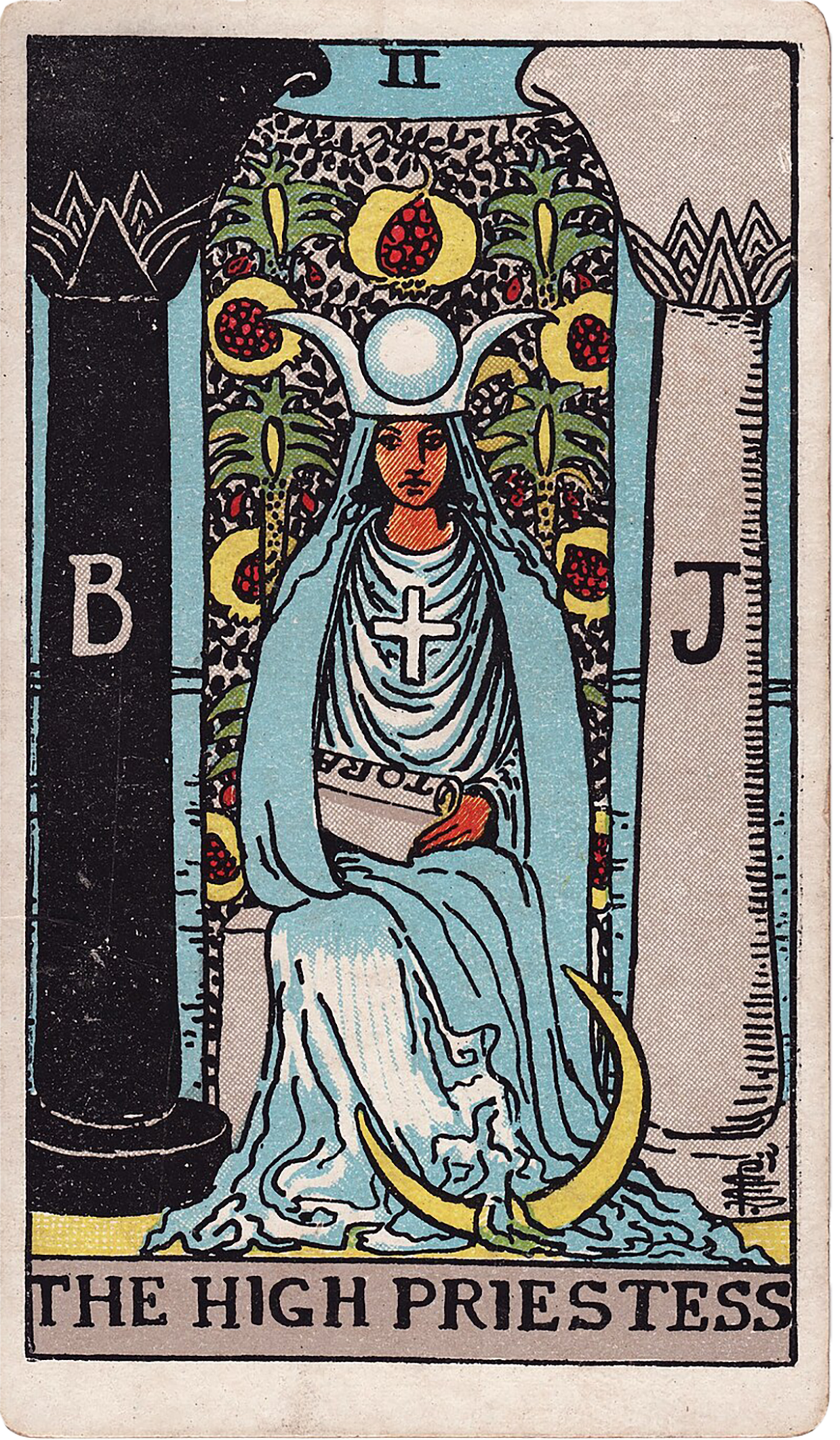 The High Priestess
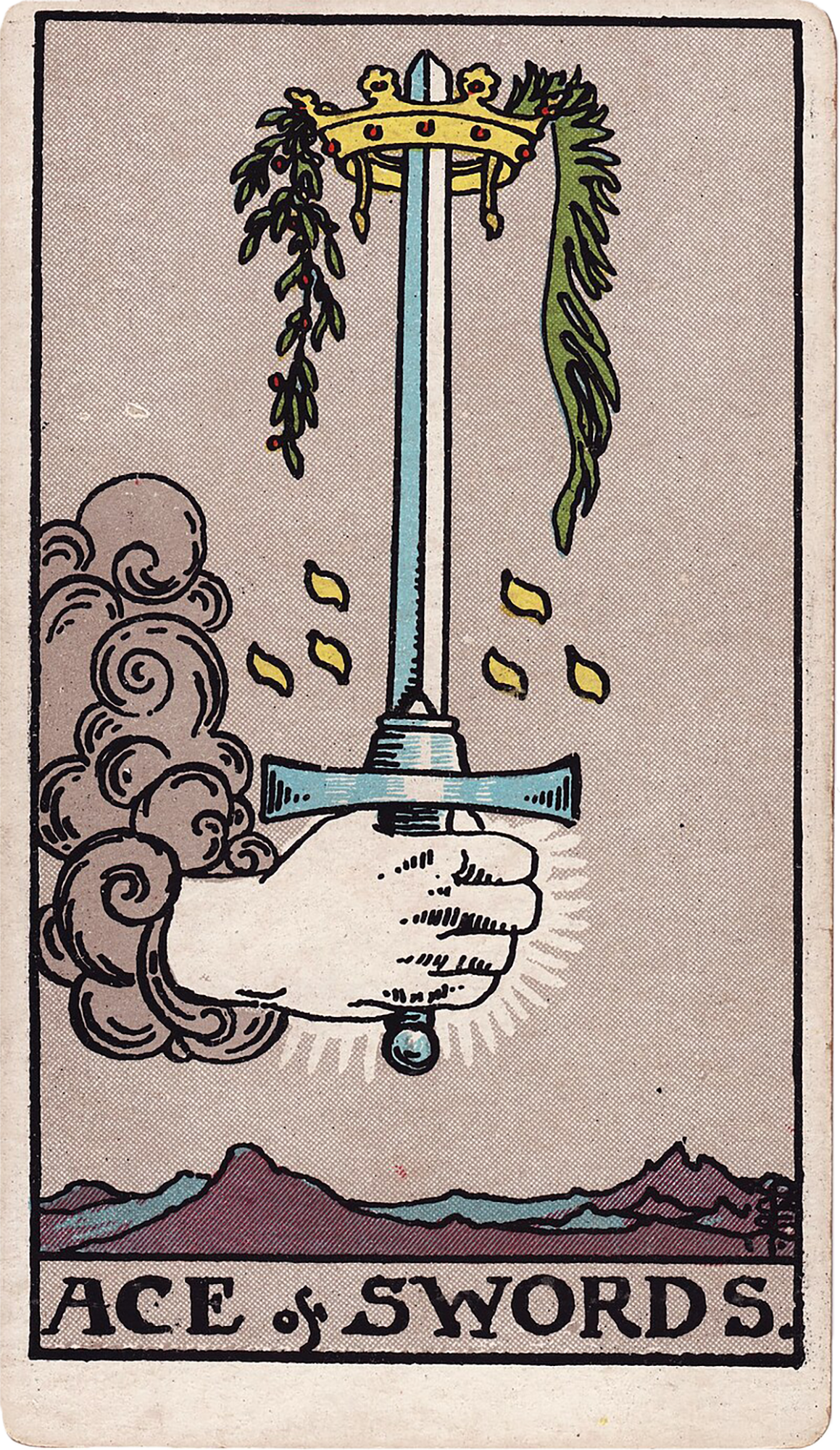 Ace of Swords
Introduction: Why feedback loops transform tarot practice
Tarot practice improves fastest when you combine interpretation with measurable feedback. A feedback loop is a repeated, structured way of making a reading, acting on its guidance, observing what happens, and using that evidence to refine how you read. Unlike purely retrospective reflection or solitary study, feedback loops help you test hypotheses, reduce bias, and learn what your cards and imagery actually mean in real situations. In this article you will learn techniques for both beginners and advanced readers, with repeated visual and symbolic reference to the two cards supplied for this lesson: The High Priestess and the Ace of Swords. Because the public article will display those images, you'll be able to match each exercise to their specific Rider–Waite–Smith symbolism and conventional meanings. Remember: these exercises are about skill-building and practical calibration, not guaranteed fortune-telling.
What a feedback loop looks like in tarot practice
A tarot feedback loop contains four parts: 1) A clear hypothesis (what you expect or want to test), 2) A reading that generates guidance or a signal, 3) An action or observable behavior taken in the light of that reading, and 4) A measurement of outcomes plus reflection that feeds into the next hypothesis. For example, you might hypothesize that a single-day reading of The High Priestess will reliably highlight moments when you should pause and listen. You draw the card, note its practical cues, practice pausing at three decision points that day, then record whether pausing changed anything. Repeat the loop, track results, and refine either your questions, your attention cues, or your interpretation rules.
Why this method helps both beginners and advanced readers
Beginners often rely on memorized card meanings without enough real-world testing, which leaves them uncertain and dependent on checklists. Feedback loops build experiential knowledge: you learn how a symbol behaves in your readings and in your life. Advanced readers can use loops to calibrate nuance, test how reversals function for them, or measure how specific spread positions bias their interpretation. Feedback loops also guard against common cognitive errors: confirmation bias (only remembering hits), hindsight bias (retrofitting an outcome to the card), and projection (reading the querent's fears into the card). By keeping a structured record and setting explicit tests, you create a more honest relationship between image, interpreter, and outcome.
Anchoring the technique to The High Priestess and the Ace of Swords
Because this lesson uses the two supplied cards repeatedly, it helps to anchor rules and experiments to their imagery and core meanings. The High Priestess in the Rider–Waite–Smith tradition is seated between the dark pillar marked 'B' and the white pillar marked 'J', with a veil patterned by pomegranates behind her, a crescent moon at her feet, and a partially visible scroll. Upright she emphasizes listening beneath surface appearances, allowing information to emerge, and trusting quiet discernment. Reversed she points to secrecy, blocked intuition, passive avoidance, or confusion between anxiety and inner knowing. The Ace of Swords image shows a hand emerging from a cloud holding an upright sword crowned with a wreath; it represents a sudden clarity, intellectual breakthrough, decisive speech or strategy when upright, and when reversed it draws attention to harshness, confusion, misused logic, premature judgment, or inward mental struggle. Use the High Priestess to practice noticing nuance, timing, and inner barriers; use the Ace of Swords to practice naming clarity, testing communication, and measuring consequences of decisions. Both cards are practical: The High Priestess asks you to work with what is available now and identify a next proportionate step; the Ace of Swords asks for a response that fits the present stage rather than an abstract ideal. Refer to these images when you design your tests: the veil and quiet posture of the Priestess suggest delayed outcomes and private cues; the sword and crown suggest fast-moving consequences and public clarity. When a card appears reversed in your test runs, treat the reversal as evidence about blockage, distortion, or internalization rather than as a moral judgment.
Beginner technique: daily single-card feedback loop using the displayed cards
Goal: Build sensitivity to card cues and learn to translate a symbol into a concrete, testable action. Time commitment: 4–6 weeks, 5–10 minutes per day. Materials: your deck (the images are displayed), a notebook or digital log, timed reminders. Procedure: 1) Hypothesis: Form a simple hypothesis you can test for a short period. Example A: "When The High Priestess appears in a daily draw, pausing and listening before responding will reduce regrets by the end of the day." Example B: "When the Ace of Swords appears, making one short direct clarification in a conversation will leave me with clearer outcomes." 2) Daily draw: Shuffle, draw one card each morning. If you draw The High Priestess or the Ace of Swords, note upright or reversed. If not, note which card you drew but continue the loop; the point is to practice with many draws, not only the target cards. 3) Translate image to action: For The High Priestess upright, choose a simple pause ritual: breathe four counts; ask two quiet questions ('What more do I need to hear?' and 'What would a little more patience change?'); delay response for one minute. For The High Priestess reversed, practice checking for projection: name one anxious thought and ask 'Is this inner worry or information?' For Ace of Swords upright, decide on one clear concise sentence you will use to clarify a point today; practice delivering it once. For Ace of Swords reversed, monitor for harsh language or mental gymnastics; if they appear, deliberately soften or delay arguments. 4) Action and observation: Carry out the action when relevant that day. At bedtime, record an observation: Did the pause or statement change anything? How did others react? Was your mental state different? Be honest and specific. 5) Quantify simply: For each target-card day, score usefulness on a 1–5 scale and add a 1–5 note about confidence that the card's instruction matched reality. After 2–4 weeks, analyze: Are days with The High Priestess showing a higher rate of beneficial outcomes when you pause? Are Ace of Swords days showing clearer conversational outcomes when you act decisively? Refinement: Adjust the ritual if it feels too big (make steps smaller) or too subtle (increase clarity of action). Repeat. Why this works: Concrete small actions create measurable outcomes. The High Priestess helps you test quiet, delayed strategies; the Ace of Swords lets you test clarity and speech. Treat your results as calibration data for how these cards manifest in your practice.
Advanced technique: iterative spread testing and calibration
Goal: Measure how spread structure, position descriptions, and reversals affect your readings. Time commitment: 8–12 weeks, with scheduled analysis sessions. Materials: The displayed cards for visual reference, multiple controlled querent scenarios (real clients or role-play), logging template, statistical tally sheet. Procedure: 1) Define a specific question class you want to improve—e.g., "short-term decision advice about difficult conversations." 2) Construct a controlled spread focused on that class—e.g., three positions: (A) Hidden factors (High Priestess style), (B) Best clear next step (Ace of Swords style), (C) Outcome in two weeks. Keep position names literal and operational (not poetic). 3) Hypotheses: Create falsifiable hypotheses—e.g., "When The High Priestess occupies Position A upright, readers who follow the card's advice to pause will achieve a measurable reduction in conflict escalation compared with cases where they don't." Or "When the Ace of Swords appears in Position B reversed, recommended direct statements will result in misunderstandings 40% of the time unless coupled with a clarifying question." 4) Run controlled trials: Work with volunteers or role-players and apply the spread. For each reading, note card orientation and visual details (Priestess veil pattern, scroll visibility, Ace's crown and wreath). Give the querent a standardized scenario or let the volunteer run a real issue but encourage consistent follow-up reporting. 5) Prescribe a precise action from the reading (not vague counsel). For The High Priestess in the hidden position, the action might be: "Wait 48 hours and ask one clarifying question instead of making a statement." For Ace of Swords in the best action position, prescribe a one-sentence script and required follow-up. 6) Track outcomes: Use measurable indicators—did a conversation escalate or de-escalate, was a decision delayed or expedited, was new information revealed within a set time window? 7) Analyze and refine: After a sample size of 20–50 cases per hypothesis, look for patterns. Did upright Priestess readings correlate with positive results from delaying? Did reversed Ace of Swords predict communication harm unless softened? 8) Update interpretive rules: Convert findings into practice notes such as "If High Priestess upright appears in hidden-position, prioritize listening prompts and schedule a two-day delay before advising action" or "If Ace of Swords reversed appears in action-position, ask the querent to draft their statement and review for tone before sending." Why this works: Advanced readers can isolate variables—spread position, card orientation, phrasing of action—and collect enough cases to form robust practice rules. Use visual details from the displayed images to make the prescriptions concrete: the Priestess's veil invites delay and mystery; the Ace's crown invites decisive speech. Maintain ethical safeguards and informed consent with any testers.
A practical step-by-step method you can use today
Follow this reproducible recipe to start building feedback loops immediately. 1) Choose a focus: Pick one skill to test (e.g., 'pausing before advice' or 'being concise in difficult conversations'). 2) Choose your anchor card: For listening/ambiguity choose The High Priestess; for clarity/communication choose the Ace of Swords. Look at the displayed images and list three visual cues that suggest practical action (High Priestess: veil, seated posture, scroll; Ace of Swords: upright blade, crown, hand from cloud). 3) Define a testable action: Translate visual cues into a single specific behavior. Example: "When High Priestess appears, delay giving advice by at least two hours and ask one clarifying question before answering." 4) Commit to a time frame: Run the test for 14–28 days to gather repeatable data. 5) Document each event: Include date, card and orientation, what you did, what happened, and a simple score for outcome. 6) Aggregate weekly: At the end of each week, total helpful vs unhelpful outcomes and make one small change to the action if needed. 7) Reflect and generalize: After your time frame, write a short summary rule you will follow in future readings (e.g., "Priestess upright usually means delay and ask one clarifying question"). 8) Repeat with modification: Add another variable (different spread position, a different phrasing of your clarifying question, or letting a client choose whether to follow advice) and run another loop. Keep the record structured so changes are attributable to a single variable at a time. This method translates imagery into behavior, behavior into evidence, and evidence into better reading rules.
Common mistakes and how to avoid them
1) Confusing anecdote with evidence: A single striking hit is not proof. Solution: Use repeated trials and quantify outcomes. 2) Vague prescriptions: "Be more intuitive" is impossible to test. Solution: Always translate symbols into a specific action you can observe. For example: 'Pause two minutes before replying' or 'Use a single sentence to clarify intent.' 3) Overfitting: Designing actions that only apply to past cases. Solution: Use prospective testing (apply rules going forward) rather than only reinterpreting old readings. 4) Ignoring reversals: Treating reversed cards as simply negative misses nuance. Solution: Use the supplied reversed meanings: High Priestess reversed suggests blocked intuition or secrecy to investigate; Ace of Swords reversed suggests misused logic or harshness to soften or delay. 5) Selecting only successes: Keep honest logs of misses and mixed outcomes. 6) Changing too many variables at once: If you alter card position, ritual, and phrasing simultaneously you won't know what caused a change. Solution: Change one variable per loop. 7) Forgetting context: The High Priestess often points to inner material that will emerge later; don't expect immediate public outcomes. The Ace of Swords may produce rapid but sometimes abrasive effects. Adjust your measurement window accordingly (longer for Priestess, shorter for Ace).
Interpreting results and refining your interpretive logic
After running loops, you will have data: strengths, failures, and ambiguous cases. Use these steps to interpret results: 1) Look for consistent directional effects. Does a card reliably correlate with a certain type of outcome (pauses that reveal information for the Priestess, decisive clarification for the Ace)? 2) Examine misfits. When the card-guided action didn't work, what differentiated the case? Was there a social constraint, a time limit, or a stronger card in a neighboring position? 3) Consider timing: The High Priestess's imagery—her veil, moon, and scroll—suggests that useful information sometimes arrives slowly or privately; don't discard slow outcomes. The Ace of Swords' hand and crown imply immediate shifts, which might make short-term measurement more meaningful. 4) Build conditional rules, not absolute rules. For example: "If The High Priestess appears in a private-position and the querent is emotionally reactive, recommend a pause and a question; if the Ace of Swords is upright in a public-action position, recommend a concise clarification with one supporting fact." 5) Convert findings into practice guidelines you can apply during readings: short checklists like 'Priestess upright = ask two clarifying questions; Priestess reversed = check for projection; Ace upright = offer one decisive sentence; Ace reversed = suggest drafting and tone-checking.' 6) Re-run tests to validate updates. A single calibration iteration improves practice, but multiple iterations solidify it.
Ethical considerations when using feedback loops with clients
If you incorporate feedback-loop testing with real clients, obtain informed consent: explain that you are testing interpretive methods and that they may be asked to try specific behaviors and report outcomes. Protect confidentiality and avoid turning a client's life into an experiment without adequate care. Use loops to help clients, not to collect data for your own promotion. Be clear that readings are not guarantees and that suggested actions carry real-world consequences. For example, advising a client to issue a sharp letter because the Ace of Swords appeared could harm relationships if offered without caution—use reversal meanings to check for potential harm. When The High Priestess appears, and you recommend a pause, be mindful that advising delay in urgent safety matters is inappropriate; prioritize safety and professional referrals when necessary.
Conclusion: Make your readings livelier and more reliable
Feedback loops turn tarot from a set of memorized meanings into an empirically grounded practice. The High Priestess and the Ace of Swords are excellent anchor cards: the Priestess trains you to notice quiet timing, hidden information, and the dangers of projection; the Ace trains you to test clarity, decisive speech, and the consequences of logic. By translating imagery into specific actions, repeating tests, and tracking outcomes honestly, you build personal interpretive rules that make your readings more useful. Start with small, safe experiments, keep clear logs, and prioritize learning over proving. Over time, you'll develop a portable sense of how these images behave in your readings and how best to render their guidance to others.
Practice questions
• What one small, specific action can you reliably take when The High Priestess appears in a reading?
• How quickly do outcomes typically appear after following advice suggested by the Ace of Swords in your experience?
• When a card reading 'misses,' what external factors (timing, withheld information, client readiness) might explain the difference?
• How will you quantify success for a two-week feedback loop focused on listening versus speaking?
• What safeguards will you add before testing card-guided actions with clients?
• How often will you review and adjust your interpretive rules based on logged results?
• Which visual detail on the displayed High Priestess image (veil, scroll, moon) seems most informative to you, and why?
• When the Ace of Swords appears reversed, what immediate change in your reading strategy will you adopt?
Comments
Sign in to comment.
Continue learning
Exploring The High Priestess in Career Relationships and Personal Growth
The High Priestess card in the tarot deck invites readers to explore intuition, hidden knowledge, and inner wisdom across various life contexts. This article examines how The High...
Unlocking Emotional Wisdom with The High Priestess and The Queen of Cups in Tarot Combinations
This article delves into the card combination of The High Priestess and The Queen of Cups, emphasizing their shared themes of intuition, emotional depth, and receptivity. By examin...
Balancing Ambition and Intuition with The Emperor and The High Priestess in Tarot Combinations
This article delves into the card combination of The Emperor and The High Priestess, highlighting their complementary energies of structure and intuition. It explores how these car...
Developing Intuitive Tarot Reading Skills with The High Priestess and The Moon
This article guides tarot learners through developing intuitive reading skills focusing on two powerful cards: The High Priestess and The Moon. Using traditional Rider-Waite-Smith...
Unlocking Advanced Intuition Techniques Using The High Priestess The Moon and The Hermit
This article examines advanced intuition development in tarot reading by focusing on The High Priestess, The Moon, and The Hermit cards. It offers practical techniques for beginner...
Unlocking Personal Growth and Intuition with The High Priestess Tarot Card
The High Priestess tarot card, with its rich symbolism and deep intuitive message, serves as a powerful tool for personal growth and inner wisdom. This article explores how to inte...
Unlocking the Dynamic Partnership of The Magician and The High Priestess in Tarot Combinations
The Magician and The High Priestess represent two complementary archetypes in the tarot deck that, when combined, offer a rich interplay of conscious action and intuitive insight....
Mastering Intuition with The High Priestess The Hermit and The Moon in Tarot Readings
This article delves into mastering intuition through three powerful Tarot cards: The High Priestess, The Hermit, and The Moon. It guides readers from beginner to advanced reading t...
Building Intuition and Analytical Skills with The High Priestess and The Hermit in Tarot Readings
This article explores how The High Priestess and The Hermit, two powerful Major Arcana cards, serve as complementary guides for developing intuition and analytical skills in tarot...
Using the Five Card Cross Spread to Navigate Ethical Dilemmas with Confidence
The Five Card Cross spread is a practical and versatile tool for exploring complex ethical dilemmas and making confident decisions. This article guides learners through each positi...