
Three Card Interview Prep Spread for Job Candidates
This article teaches a focused three-card interview-preparation spread that uses the exact cards displayed: The Magician (Past), Ace of Swords (Present), and 3 of Pentacles (Future). It is a working spread for learners who want practical, career-focused readings rather than crystal-ball predictions. The spread is designed to surface past resources and approaches, clarify the immediate communication strategy, and forecast collaborative dynamics that will shape the near future of a job application or interview process. Throughout the lesson the writing repeatedly anchors to the Rider-Waite-Smith imagery and the supplied upright and reversed meanings for each card. You will learn how to set up the spread, how to read the cards in sequence, how to translate the visuals into interview-ready advice, and how to practice this spread so you can use it confidently for yourself or to coach clients.
Three Card
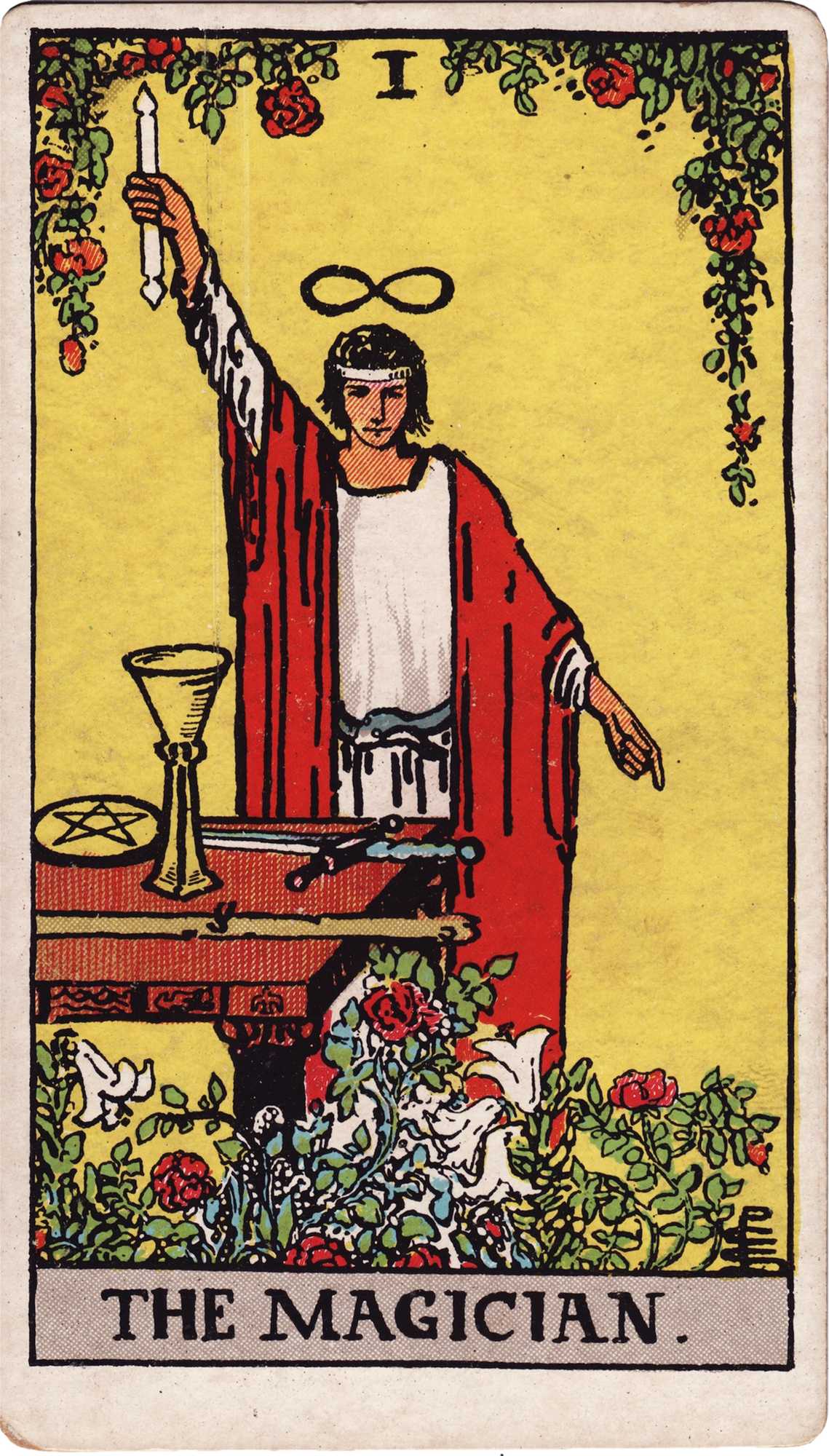 PastThe Magician
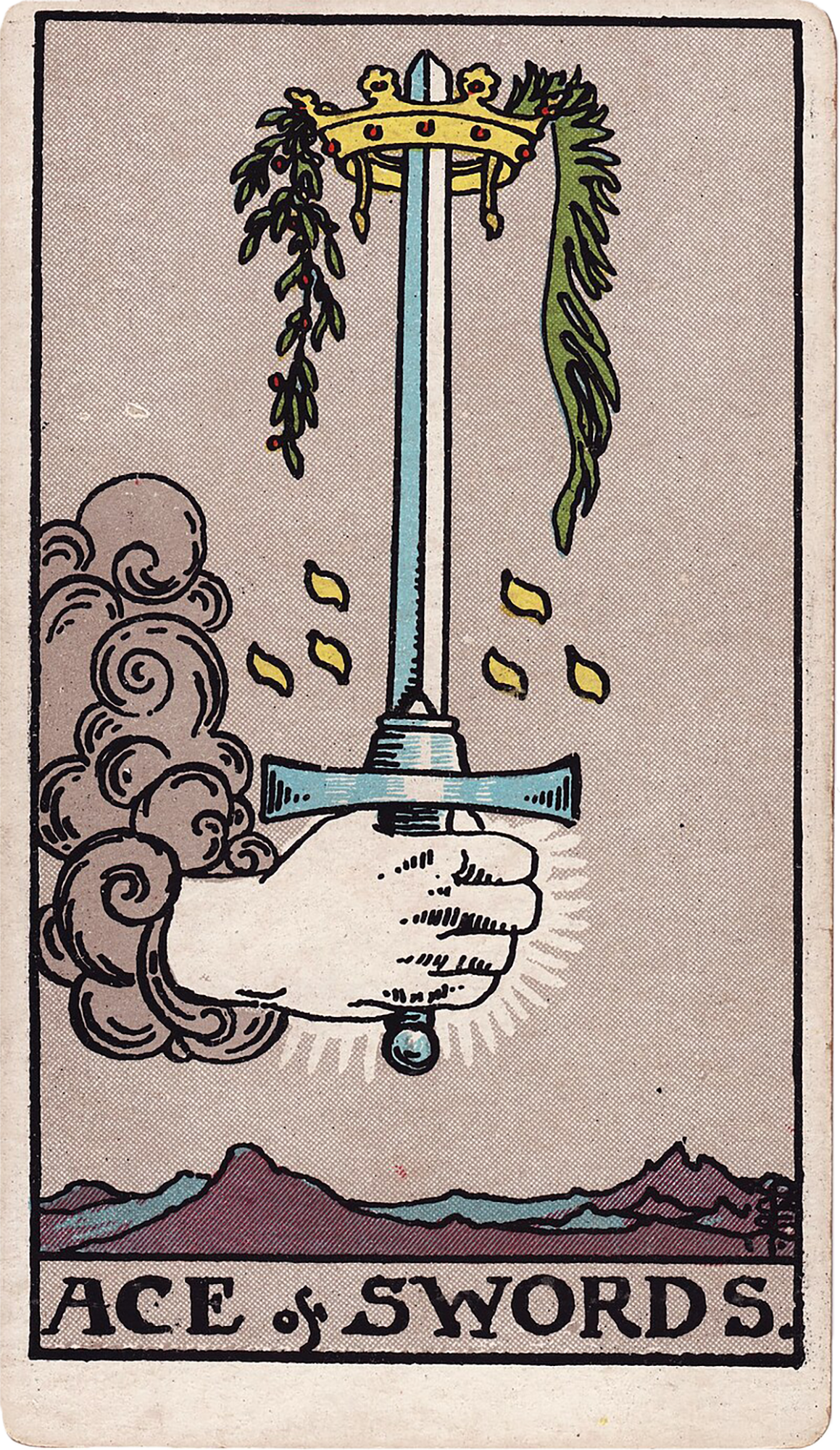 PresentAce of Swords
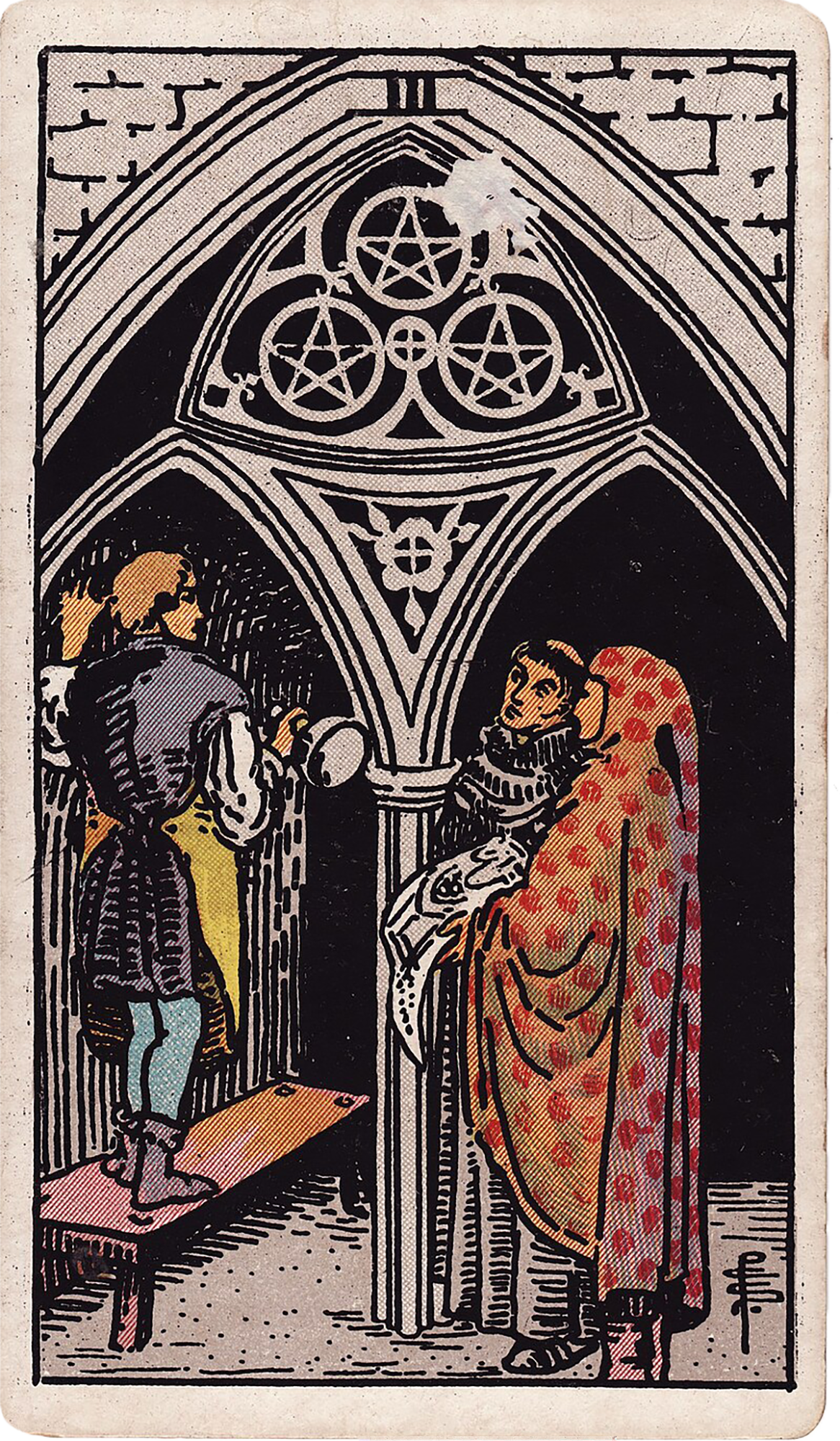 Future3 of Pentacles
Purpose and Context
Why a three-card interview spread? Job interviews require a blend of competence, clarity and collaboration. A compact three-card layout is ideal for busy candidates: it is quick, structured and provides actionable focus. This spread uses the fixed layout Past, Present, Future to help a seeker examine what strengths they bring from past experience (Past), how to present themselves and handle the immediate conversation (Present), and how to approach teamwork, onboarding, or long-term impression management after the interview (Future). The important constraint for this article is that the reading uses exactly the three supplied cards and the supplied order: The Magician in the Past position, Ace of Swords in the Present, and 3 of Pentacles in the Future. Every interpretation anchors to the Rider-Waite-Smith symbolism implied by those cards: The Magician's tools and posture, the Ace of Swords' sharp clarity, and the 3 of Pentacles' craft and cooperative work in a built space. This keeps the teaching visually connected to the images you will display.
Preparing to Read: Space, Intent and Method
Before you lay the cards, create a simple ritual to clarify intent. For interview work you want a practical frame: focus on competence, communication and next-step strategy. Set a question such as, "What should I bring forward from my experience?" or "How should I handle the upcoming interview conversation?" Shuffle and cut as you normally would. If you practice reversals, allow them; the supplied card data includes upright and reversed meanings, so reversed cards are readable. If you prefer no reversals, declare that before shuffling and flip any reversed cards to upright after cutting. Use a neutral surface with the three-card line left to right, labeled Past, Present, Future. Place The Magician in the Past position, Ace of Swords in the Present, and 3 of Pentacles in the Future, in that order. Because this is a worked spread using supplied cards, you will interpret each according to the provided upright and reversed descriptions and the RWS imagery. Allow five to twenty minutes for a single spread: long enough to reflect deeply, short enough to remain practical. Keep a notebook to record your impressions, the questions you asked, and the actionable takeaways you extract.
Position 1 Past The Magician: Resources, Initiation and How You Arrived
Position label: Past. Card: The Magician. Core meanings to hold: The Magician upright emphasizes using available skills deliberately, communicating clearly, and converting potential into a concrete first move. The Rider-Waite-Smith image shows a figure with one hand pointing toward the sky and one toward the earth, an infinity symbol above his head, and the four suit tools on a table at his feet. The symbolism signals that the candidate has access to tools and that a conscious decision to use what is at hand catalyzed the current situation. Reading this position for a job candidate: The Magician in Past indicates that your present candidacy is built on a moment or pattern where you deliberately applied your skills to create an opportunity. Maybe you initiated a project, reached out to a networking contact, or reframed a weakness into a demonstrable capability. When upright, The Magician praises deliberate action: identify what concrete skill or choice in your recent past produced momentum. Communicate that specific action in the interview: frame that turning point as an example of agency. If The Magician appears reversed in your practice, it does not mean you are doomed. Reversed meanings include scattered talent, empty promises, or self-doubt. For interview prep this might show that you feel your skills are unfocused or that you undersell yourself. Use that insight to prepare clearer examples and to tighten your narrative: pick one or two achievements and prepare the verbs and numbers that make them tangible. Practical prompts from this position: - What one action in the last 6–18 months changed how you are seen professionally? Explain it with a cause-and-effect sentence. - Which tools on The Magician's table match your skillset right now? (e.g., communication, technical skill, organization, persuasion) - If reversed, where are you promising more than you can demonstrate? Prepare reality-based evidence to match claims.
Position 2 Present Ace of Swords: Clarity, Decisive Communication and Immediate Strategy
Position label: Present. Card: Ace of Swords. Core meanings to hold: Upright, the Ace of Swords highlights a clear insight, decisive conversation or an intellectual breakthrough that cuts through confusion. The RWS Ace of Swords imagery usually shows a single upright sword held aloft by a hand emerging from a cloud, often crowned with a laurel or an olive wreath and sometimes flanked by a crown. This visual implies a single bright idea or the power of well-phrased truth. Reading this position for interview preparation: The Ace of Swords in Present is one of the best cards a candidate can receive. It says your immediate task is clarity: simplify your story, sharpen your answers, and prepare crisp opening lines and closing statements. Interview-time clarity can be a single sentence that frames a lengthy experience. Practice a one-sentence summary of your value proposition and a concise STAR (Situation, Task, Action, Result) example for your top accomplishment. If the Ace of Swords appears reversed, be alert for confusion, premature judgment or language used as a weapon. In an interview this can manifest as overcomplicated answers, defensiveness, or an argumentative tone. Rehearse turning complex answers into clean, honest statements; practice breathing and pausing to avoid abrupt or harsh phrasing. Practical prompts from this position: - Prepare a 30–45 second professional pitch that uses plain language and a clear outcome. - Identify one area where you tend to over-explain. Plan a shorter answer and a follow-up sentence if the interviewer asks for more detail. - If reversed, rehearse softer language and ask clarifying questions during the interview instead of making assumptions.
Position 3 Future 3 of Pentacles: Collaboration, Standards and Early Onboarding Signals
Position label: Future. Card: 3 of Pentacles. Core meanings to hold: Upright, the 3 of Pentacles highlights that skill becomes stronger through collaboration, feedback and respect for different forms of expertise. The Rider-Waite-Smith image depicts a craftsman working on a building or a commissioned piece while two other figures observe—suggesting appraisal, client or patronage and the craft of making something durable. For candidates, this card describes how your performance and reputation will be shaped by teamwork, how your early interactions set standards, and how you receive and incorporate feedback. Reading this position for interview preparation: 3 of Pentacles in the Future suggests that after the interview or during the early stage at the company, your success will depend on showing you can collaborate, respect institutional process, and accept constructive critique. It advises preparing examples showing you work well with others, how you responded to feedback, and how you contribute to a shared product or process. The card points to the importance of showing practical competence at the level of craft. Reversed, the 3 of Pentacles warns about poor teamwork, low standards, or difficulty receiving feedback. If reversed in a practice reading, prepare to discuss how you handle difficult team dynamics: have stories ready where you improved a process through listening, where you raised standards respectfully, or where you turned critique into better work. Practical prompts from this position: - Prepare two examples where collaboration produced measurable outcomes. - Think of one situation when feedback helped you improve a deliverable and be ready to describe the change and the metric or qualitative result. - If reversed, draft how you would respond to a hypothetical early criticism in a new role: demonstrate humility and a plan for corrective action.
Card-to-Card Relationships: The Narrative Thread
Reading cards in isolation is useful, but three-card spreads are most powerful when you notice the flow between positions. Here the given order sets a clear narrative arc: The Magician (Past) -> Ace of Swords (Present) -> 3 of Pentacles (Future). 1) The Magician to Ace of Swords: How skills become a message The Magician supplies tools and a moment of initiation. The Ace of Swords says that what you do with those tools right now is to make a clear argument. The relationship suggests that past initiative or skill must be reframed into a single communicative spine. Concretely: take the concrete action you began (Magician) and translate it into the crisp, memorable language of the Ace of Swords. For practice: write a one-sentence transformation of a past project: "I initiated X to achieve Y, resulting in Z." Then shorten it into a 20-second line. 2) Ace of Swords to 3 of Pentacles: From clear message to collaborative outcome The Ace of Swords creates clarity that sets expectations. The 3 of Pentacles shows how expectations meet real work and teamwork. In practical terms, the way you communicate in the interview sets the pattern for how others will collaborate with you. If you communicate with clarity and humility, you invite structured collaboration; if you communicate with arrogance or vagueness, you may create confusion during onboarding. The advice: ensure your clear message includes a collaborative tone—use language like "we" when appropriate and show how your action connected to colleagues or stakeholders. 3) Full arc: Initiative, clarity, and craft Taken together the cards form a sequence: you started with deliberate use of your skills, now you must articulate their significance clearly, and that clarity will influence how you are integrated into collaborative work. The reading advises a preparation strategy: inventory your practical tools, craft a sharp verbal summary, and practice presenting that summary in a way that demonstrates readiness to work with others and accept feedback.
Worked Example: Translating the Spread into an Interview Script
This section gives a concrete rehearsal approach. Use a mock position such as "Product Analyst" to keep the example grounded. Step 1. Past The Magician: Choose a single project to demonstrate resourceful initiation. Example story: "I noticed our dashboard had a 40% drop in weekly active users for a key feature. I prototyped an A/B test, recruited users, and designed a cleanup that improved retention by 12% in a month." That maps The Magician: active use of available analytics tools and deliberate first move. Step 2. Present Ace of Swords: Compress into a clear 30-second pitch. One-line pitch: "I turn ambiguous product signals into testable hypotheses and rapid experiments that improve retention—most recently driving a 12% lift in four weeks." This is the Ace of Swords: a decisive, precise statement that cuts to the result. Step 3. Future 3 of Pentacles: Prepare collaborative follow-up detail. Collaborative framing: "I did that with engineers and customer success; I scheduled weekly demos to align priorities and used their feedback to refine the test parameters." This answers the 3 of Pentacles: it shows ritualized teamwork and respect for others' expertise. Practice dialog: rehearse answering, "Tell me about a time you led a project," with the Magician story, then follow with the Ace of Swords pitch and finish by naming collaborators and processes to satisfy the 3 of Pentacles. This gives you a narrative consistent with the three-card spread.
Common Mistakes and How to Avoid Them
Learners commonly make several predictable errors when converting Tarot insight into career action. Here are mistakes tied to each card and how to fix them. - Mistake tied to The Magician: overloading your narrative with too many skills. The Magician holds many tools; candidates sometimes recite a laundry list. Fix: pick one tool or initiative and give a tight example. - Mistake tied to Ace of Swords: confusing clarity with bluntness. Candidates often believe clarity means being harsh or dispossessive. Fix: practice crisp answers with empathetic framing. Use "I" statements about contribution and "we" statements about teamwork. - Mistake tied to 3 of Pentacles: focusing only on individual achievement. The 3 of Pentacles wants collaboration; candidates sometimes fail by taking sole credit or by not describing how they integrate with teams. Fix: rehearse language that acknowledges others' roles and the mechanisms you used to coordinate work. - General mistake: letting the reading become prescriptive. Tarot is a tool for reflection and preparation, not an absolute prediction. Use the spread to generate tasks and rehearsal, not to justify inaction.
Practice Techniques for Learners
To build competence with this spread, practice with variation and journaling. Daily micro-practice: Once a week take a real or hypothetical interview and run the three cards. Write three bullet-point takeaways: one action to highlight (Magician), one sentence to practice (Ace), and one collaborative example to polish (3 of Pentacles). Role-play: Partner with a friend or coach. Use the Ace of Swords line as your opener. Ask the partner to throw a challenging follow-up that forces you to shift from solo achievement to team-oriented detail. Record and replay. Reversal practice: Shuffle for reversals occasionally. If The Magician or 3 of Pentacles reverses, practice converting weakness into a learning story: show how you corrected scattered work or improved team dynamics. Symbol study: Spend time with the imagery. For The Magician, name the four tools and match them to your resume sections. For the Ace of Swords, visualize the crown above the blade as the clarity that wins decisions. For the 3 of Pentacles, notice the architectural setting and remember to describe how you fit into larger structures, not just what you alone produced. Journaling prompts: After each mock spread, write one commitment: a small step you will take before the interview (e.g., assemble a one-page project summary, practice a 30-second line, prepare a teammate-centered example).
Reproducible Step-by-Step Method and Checklist
A concise method you can follow before any interview. 1. Set intent. Write one interview question you want the spread to clarify. 2. Shuffle and cut. Decide on reversals or no reversals. 3. Lay the three cards left to right labeled Past, Present, Future. Use The Magician in Past, Ace of Swords in Present, 3 of Pentacles in Future. 4. Observe the imagery. Say aloud three visual details from each card: The Magician's infinity sign and tools; the Ace of Swords' crown and blade; the 3 of Pentacles' apprentices and architecture. 5. Extract the core lesson for each position: Past = resourceful initiation; Present = clarity and communication; Future = collaboration and standards. 6. Convert each lesson to action: a past example, a one-line pitch, a teamwork story. 7. Rehearse aloud. Time your pitch and one short STAR story for each of the three takeaways. 8. Journal. Record the spread, your answers, and one concrete practice commitment. 9. Post-interview reflection. Re-run the spread after the interview with the same cards or by drawing new ones to evaluate how the reading applied and what you learned. Checklist items to tick before going into an interview: a 30–45 second pitch (Ace), one strong project story with outcomes (Magician), and one collaborative example showing process and feedback (3 of Pentacles).
Ethics, Boundaries and How to Use This as a Coaching Tool
Use Tarot ethically with job candidates. Tarot should not replace real career advice, legal guidance or HR consultation. Frame readings as tools for rehearsal, not promises of offers or outcomes. If you read for someone else, obtain consent, clarify that you will use the reading to produce practical interview prep content, and protect their privacy. When coaching with this spread, use it as a structure to build tangible deliverables: help the client draft their pitch (Ace), craft a succinct project summary (Magician), and build an onboarding or collaboration plan (3 of Pentacles). Encourage rehearsal and feedback: the best outcomes come from practice and iteration, which is fully in keeping with the Magician's emphasis on deliberate action and the 3 of Pentacles' emphasis on craft refinement. Finally, respect the client's agency. Tarot can surface anxieties or overconfidence. If you see reversed indicators pointing to deeper issues like imposter syndrome or repeated teamwork breakdowns, recommend concrete resources such as mentoring, skills courses, or therapy when appropriate.
Conclusion and Next Steps for Learners
This three-card interview-prep spread provides a compact, repeatable method: uncover a past action that gives you leverage (The Magician), sharpen your present communication into a decisive pitch (Ace of Swords), and prepare to be evaluated in collaborative terms after the interview (3 of Pentacles). Practice the sequence until you can move smoothly between telling a concise story and demonstrating readiness to work with others. Next steps: run the spread before your next interview as part of a 30–60 minute prep block. Use role-play and recording to refine phrasing. Keep a running log to compare how your asserted pitch and collaborative examples aligned with actual interview questions and responses. Over time this will make your interview presence more measured, clear and team-ready—the exact qualities these three cards ask you to bring.
Practice questions
• Which specific action from your recent past would The Magician most likely highlight? Can you describe it in one sentence with a measurable result?
• What is your Ace of Swords one-line pitch? Time it—does it fit into 30–45 seconds?
• Where have you received feedback that improved your work? How would you tell that 3 of Pentacles story succinctly?
• If The Magician appeared reversed for you, where do you feel your skills are scattered or undersold?
• If the Ace of Swords appeared reversed, where do you tend to over-explain or become defensive in interviews?
• If the 3 of Pentacles appeared reversed, how would you proactively demonstrate openness to feedback during onboarding?
• How does the visual detail of each supplied card help you remember the narrative arc—what image from each card do you mentally cue before an interview?
• What small rehearsal commitment can you make today that addresses each of the three positions?
Comments
Sign in to comment.
Continue learning
Harnessing the Power of The Magician and Ace of Wands: Igniting Creativity and Manifestation in Tarot Readings
The combination of The Magician and the Ace of Wands in tarot readings offers a potent blend of creative energy and manifestation power. This article delves into the ways these car...
Advanced Techniques for Combining The Moon and The Star to Enhance Intuition in Tarot Readings
This article explores advanced techniques to combine the symbolism and energy of The Moon and The Star Tarot cards to enhance intuition during Tarot readings. Drawing from traditio...
Enhancing Clarity in Complex Choices with the Five Card Cross Tarot Spread
The Five Card Cross Tarot Spread is a practical tool designed to clarify complex choices by breaking down the decision into manageable parts. This article explores each position in...
Tracing the Origins and Evolution of The Fool Card in Tarot History
The Fool card holds a foundational place in tarot tradition, symbolizing beginnings, openness, and the embrace of uncertainty. This article traces its origins from early European d...
Understanding The Hermit Card in Solitude Reflection and Guidance
This article offers an in-depth exploration of The Hermit tarot card as a single-card reading in different contexts such as love, career, money, advice, challenge, person, outcome,...
Unlocking the Creative Flow with The Magician and The Empress in Tarot Combinations
This article delves into the powerful synergy between The Magician and The Empress in Tarot combinations, focusing on how their combined symbolism unlocks creative flow across vari...
Using the Seven Card Horseshoe Spread to Uncover Career Growth and Opportunity
This article presents an in-depth guide to the Seven Card Horseshoe Tarot Spread with a focus on career growth and opportunity. Using the cards The Fool, The Magician, The Empress,...
Understanding the Many Facets of The Moon in Emotional and Intuitive Tarot Readings
The Moon card in the Tarot deck embodies themes of intuition, uncertainty, dreams, and emotional complexity. This article offers a comprehensive exploration of The Moon’s upright a...
Unlocking Advanced Intuition Techniques Using The High Priestess The Moon and The Hermit
This article examines advanced intuition development in tarot reading by focusing on The High Priestess, The Moon, and The Hermit cards. It offers practical techniques for beginner...
Mastering Intuition with The High Priestess The Hermit and The Moon in Tarot Readings
This article delves into mastering intuition through three powerful Tarot cards: The High Priestess, The Hermit, and The Moon. It guides readers from beginner to advanced reading t...