
Transforming Communication Skills with the Court Cards of Swords
This article teaches how to read and use the Page of Swords, Knight of Swords, Queen of Swords and King of Swords as practical guides to improve communication skills. Using Rider‑Waite‑Smith symbolism and the supplied card images, it shows how each court card maps to a stage of development—curious learning, decisive action, clear boundaries and principled authority—and offers exercises, a reading spread, interpretation logic, common mistakes and example readings. The focus is coaching and skill-building, not fortune telling.
Cards explored in this article
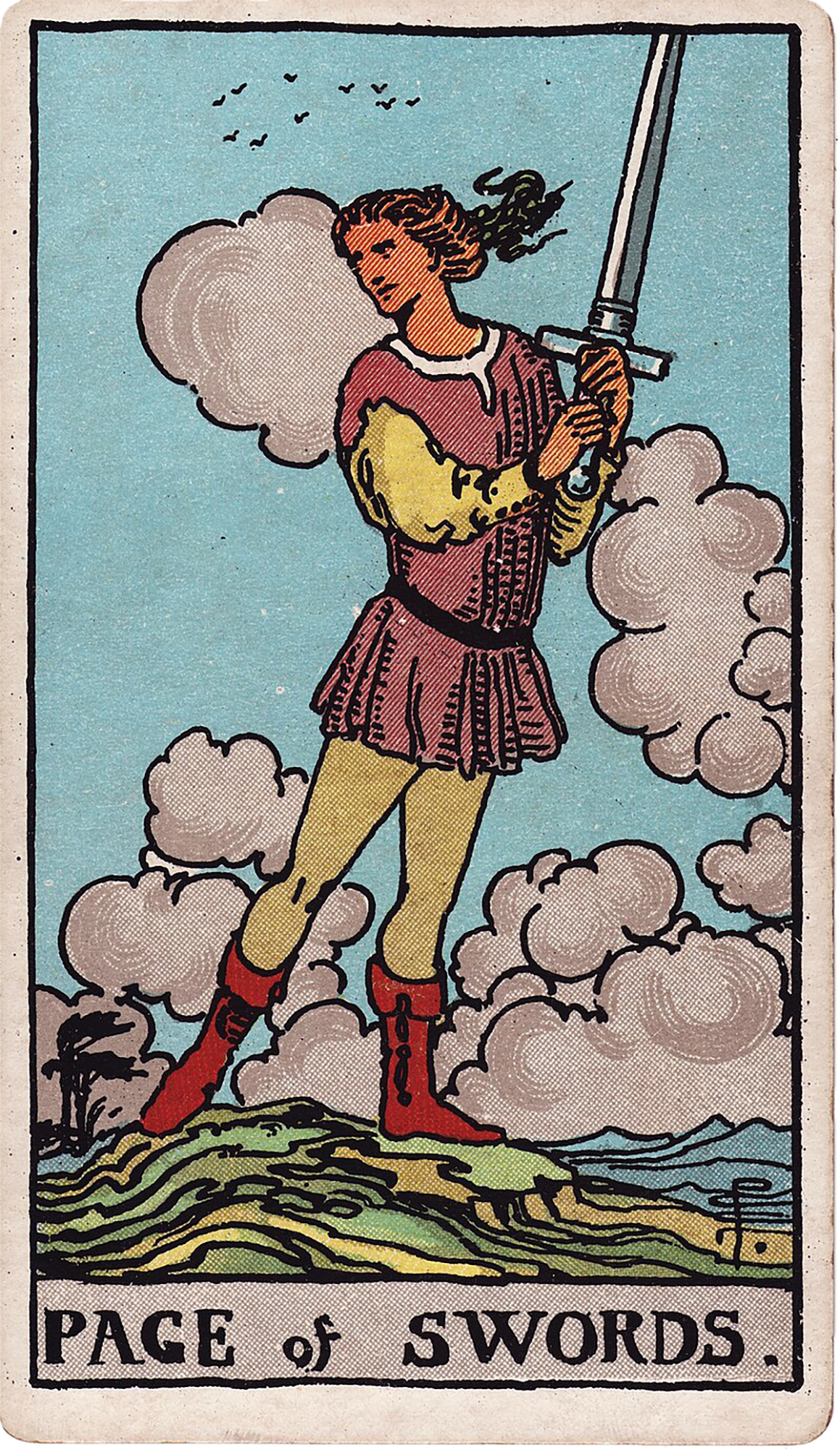 Page of Swords
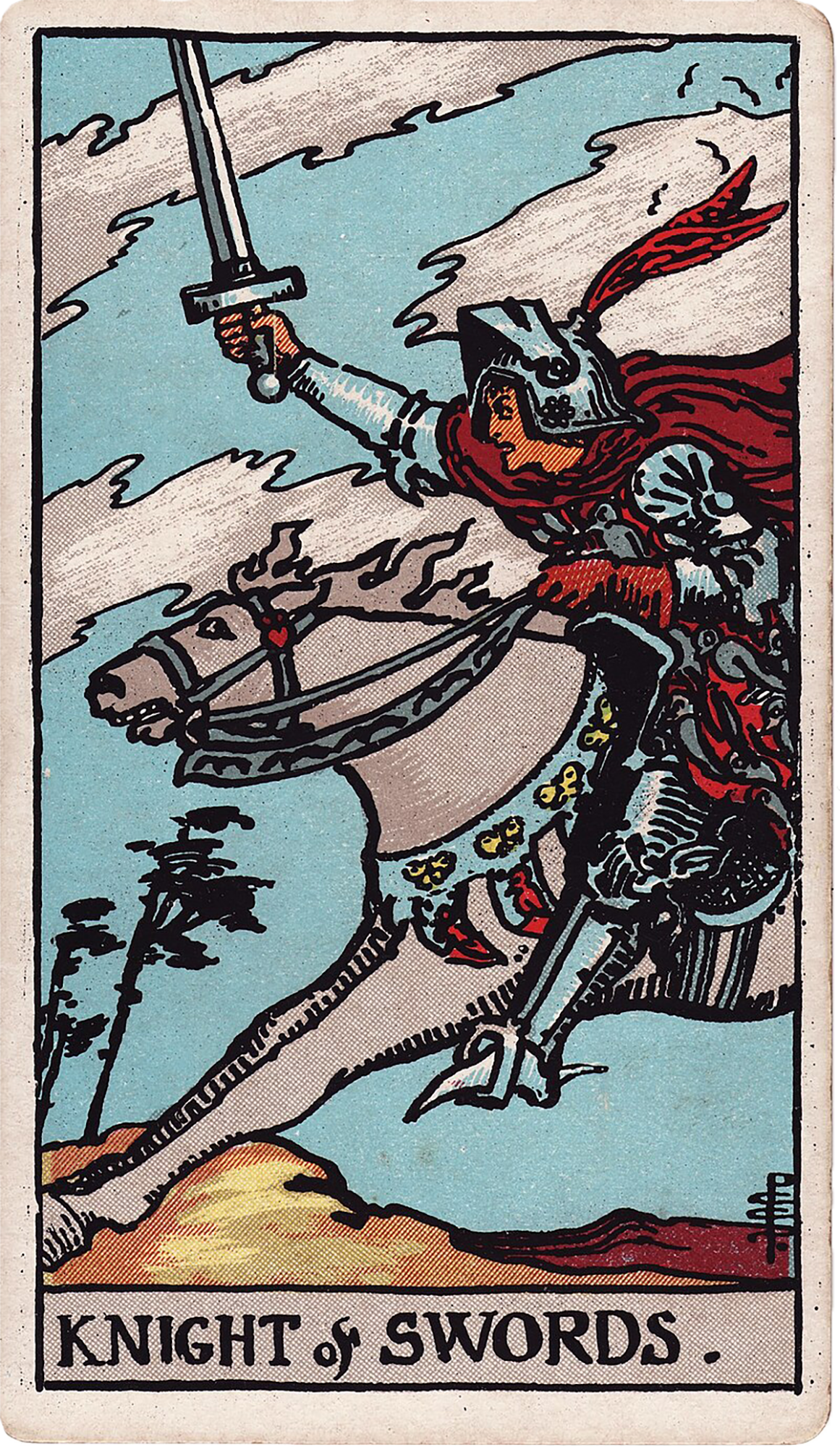 Knight of Swords
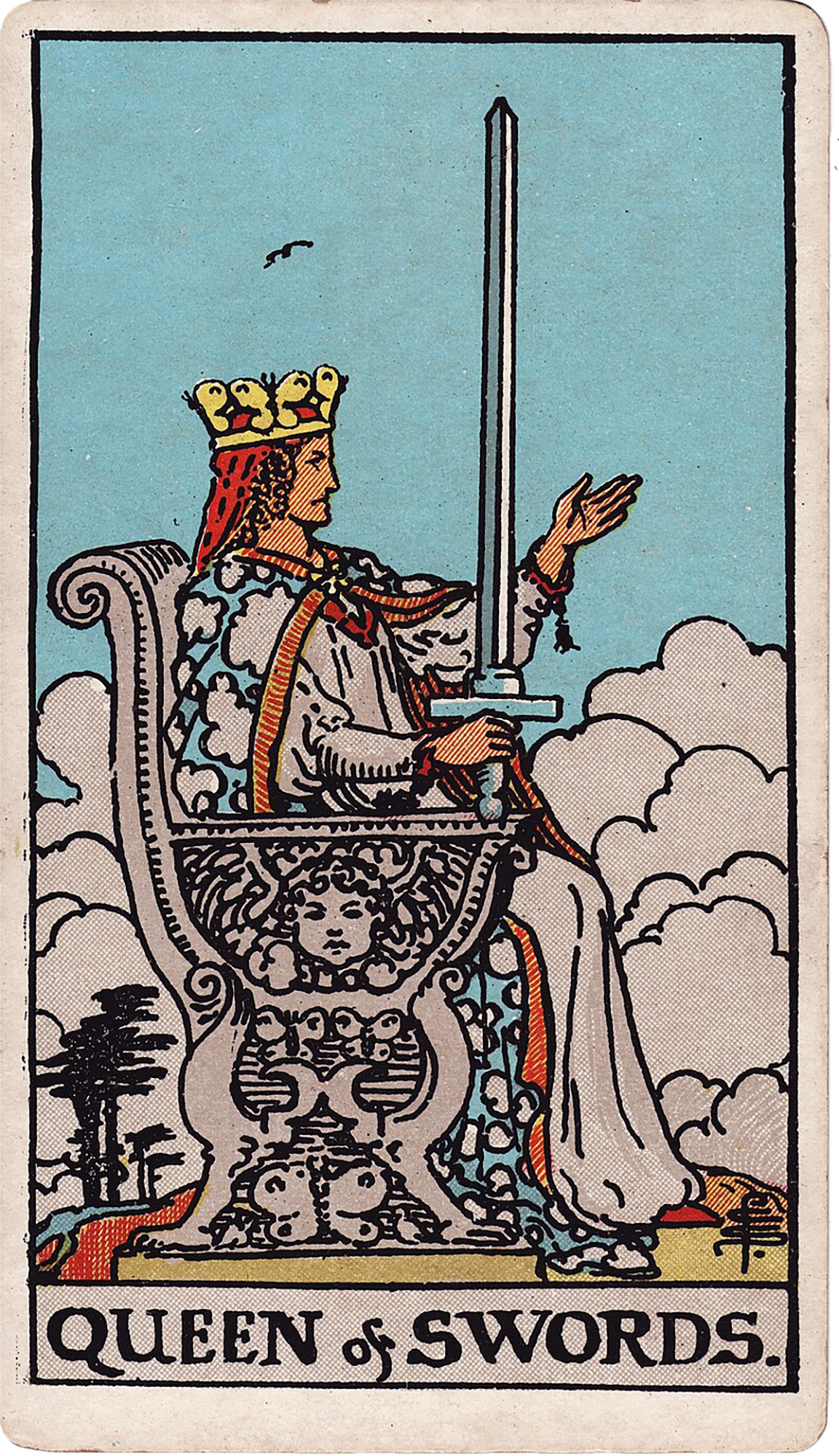 Queen of Swords
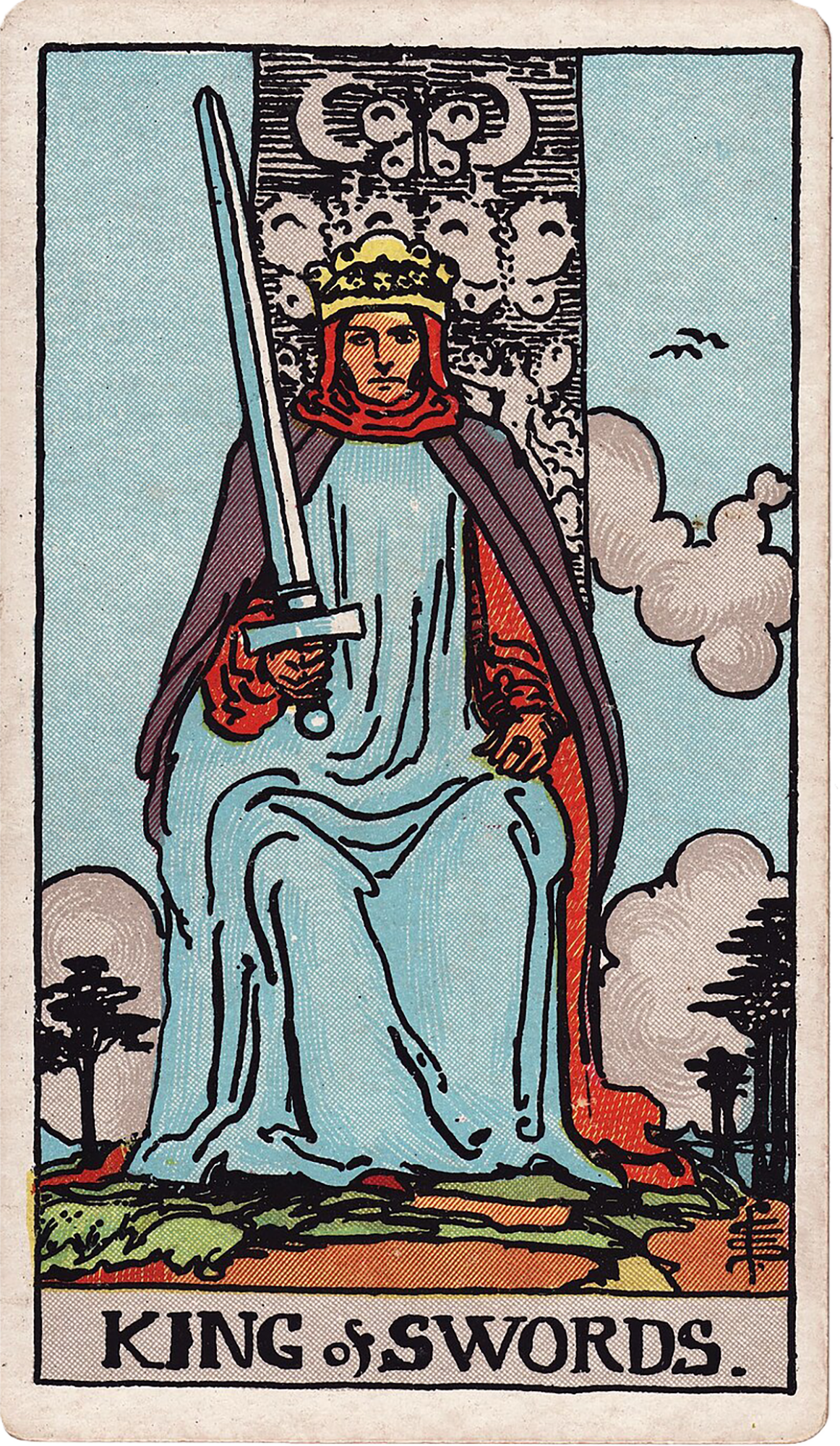 King of Swords
Introduction: Why Court Cards of Swords Matter for Communication
Court cards are people and processes in miniature: roles we play, habits we practice, and potential we can step into. In the suit of Swords, the court cards ask us to look squarely at how we think, speak and decide. When the Page of Swords, Knight of Swords, Queen of Swords or King of Swords appear in a spread about conversation, conflict, teaching or leadership they do more than describe personality—they offer concrete lessons for changing how we communicate. This article treats those four supplied cards as tools. It repeatedly anchors interpretation to the imagery and the supplied upright and reversed keywords so you can practice with the images you see.
The Swords Suit and Rider‑Waite‑Smith Imagery to Watch
In the Rider‑Waite‑Smith tradition the Swords suit lives in an airy, wind‑blown landscape: clouds, gusts, and clear horizons. Swords themselves are symbols of intellect, language and decisiveness. When you study the supplied images, notice consistent visual cues that map to communication skills: - Wind, clouds or movement: thought in motion, rapid mental activity, the possibility of miscommunication when wind scatters words. - Upright swords: readiness to speak, to cut through confusion, to clarify boundaries. - Thrones and posture: a card's relationship to authority—how power, responsibility and ethics shape speech. - Youth, cavalry and rulers: stages of development from learning to executing to governing. As you read each card below, return to those visual motifs in the supplied images. The cards are practical—they ask for responses that fit the present stage rather than abstract ideals.
Page of Swords: Curiosity, Vigilance and Learning to Ask Better Questions
Image anchor: The Page of Swords shows a youthful figure holding an upright sword, attentive to the air and the horizon. The tunic and hair suggest wind: a mind alert to new information. Core upright lesson: The supplied text names "mental curiosity, vigilance and a desire to ask questions or gather information." As a communication skill, the Page encourages interrogative humility—learning to ask open, clarifying questions rather than assuming. Practical behaviors to cultivate: - Ask more open questions: Who, What, Where, When, Why, and How, with emphasis on Why and How for context. - Practice active listening: mirror back content and feeling before offering opinion. - Use the "Tell me more" prompt and pause to let the other person fill space. Page reversed: The supplied reversal highlights "gossip, defensiveness, scattered attention, spying, argumentative communication or speaking before understanding." When the reversed Page appears in a reading about communication, look for where curiosity has become chatter or where attention is too diffuse. Exercises: - Five‑minute focused inquiry: pick a topic and ask ten open questions, noting which questions deepen understanding and which shut it down. - Listening log: after a conversation, jot what you asked, what you assumed, and one follow‑up question you could have asked. Image cues to read in spreads: notice the Page's gaze—who or what is the youth facing? That direction helps you see whether curiosity is outward-facing or turned inward into rumination.
Knight of Swords: Courage, Speed and the Risk of Recklessness
Image anchor: The Knight of Swords rides forward with sword raised, motion and force implied by the horse and cloak. The picture conveys urgency and decisive action. Core upright lesson: The card's supplied text calls out "swift decisive action, courage in debate and the ability to cut through delay." In communication this becomes the ability to intervene, make a clear case, or interrupt unhelpful patterns when needed. Practical behaviors to cultivate: - Make concise interventions: craft an opening sentence that states your purpose in 15–30 seconds. - Use assertive rather than aggressive language: I‑statements, brief facts, and a clear request for next steps. - Prepare for pushback by anticipating counterpoints and holding your center. Knight reversed: The reversal warns of "recklessness, aggression, verbal force, tunnel vision or moving so fast that nuance and consequences are ignored." Use a reversed Knight as a cue to slow down, check assumptions, and consider tone and timing. Exercises: - The Speed Pause: practice saying one clear request, then count to 5 silently before responding to any pushback. - Devil's Advocate Drill: prepare a 60‑second case for your position, then invite someone to play devil's advocate for 2 minutes. Reading cues: the Knight's direction in the image suggests whether charge is toward progress or collision. If the horse appears to plow through fragile branches in the image, interpret as disregard for nuance.
Queen of Swords: Clarity, Boundaries and Honest Compassion
Image anchor: The Queen of Swords sits upright with sword held vertically—clear, sober, and independent. Her face is often described as discerning rather than warm; the throne and posture suggest authority shaped by experience. Core upright lesson: As the supplied description notes, the Queen highlights "clear‑minded independence, honest boundaries and communication that values truth without unnecessary cruelty." Her lesson is how to combine clarity with humane restraint. Practical behaviors to cultivate: - Boundary scripts: short, respectful statements that define what you will and will not accept. - Empathic truth‑telling: pair factual clarity with acknowledgement of the other's feeling ("I hear X; here's what I noticed..."). - Reflective practice: evaluate whether your bluntness serves clarity or simply distances people. Queen reversed: The supplied reversal points to "bitterness, excessive criticism, isolation, cutting words or using intellect to avoid emotional complexity." When reversed, the Queen invites you to examine whether truth is serving defense rather than connection. Exercises: - Boundary template: Craft three brief phrases you can use when interrupted, taken for granted, or asked for unpaid labor. - Tone audit: Record 2 minutes of yourself explaining a difficult decision. Listen for harshness vs necessary clarity; practice softening a sentence while keeping the meaning. Reading cues: the Queen's throne carvings, crown and the way she points her sword tell you whether clarity is protective or weaponized.
King of Swords: Mature Authority, Principle and Strategic Judgment
Image anchor: The King of Swords is a seated, authoritative figure with a straight sword and a composed expression. The throne symbolizes institutional or ethical responsibility. Core upright lesson: The supplied text says "mature intellectual authority, strategic judgment and decisions based on principle and evidence." For communicators, the King models how to speak from informed ethics rather than impulse or ego. Practical behaviors to cultivate: - Evidence‑based speaking: support claims with data, examples or logical structure. - Ethical leadership in conversation: consider impact and fairness when making decisions that affect others. - Tone regulation: use calm, steady delivery to model stability in conflict. King reversed: The supplied reversal calls out "coldness, intellectual arrogance, manipulation, abuse of authority or treating people as problems rather than participants." The reversed King warns against substituting power for responsibility. Exercises: - The Briefing Protocol: outline a decision in three parts—facts, options, rationale—and practice delivering it in a neutral tone. - Accountability check: before giving strong directives, list who will be affected and why your choice is fair. Reading cues: in the image the King's posture and the presence of regal symbols indicate whether authority is being used for guidance or domination.
A Developmental Arc: From Page to King as a Communication Curriculum
When these four cards appear together they can describe a growth sequence rather than separate personalities. Use the supplied cards as stages in a learning arc: - Page of Swords (learning curiosity): cultivate attentive questioning and information‑gathering. The Page reminds you to slow down and gather facts. - Knight of Swords (applied courage): practice speaking up decisively and intervening when necessary, but with attention to timing. - Queen of Swords (refined clarity): develop boundary language and compassionate honesty—speak clearly without wounding. - King of Swords (integrated authority): combine evidence, principle and ethical judgment to lead conversations responsibly. Design a 6‑week microcurriculum using this arc: Week 1 focus on listening and curiosity (Page); Week 2–3 practice assertiveness and concise interventions (Knight); Week 4 refine boundary work and tone (Queen); Week 5–6 practice leadership briefs and ethical decision scripts (King). Use the supplied images as daily prompts—study one detail each day and journal how it maps to your behaviors.
Reading Technique: How to Use These Cards in Practice Readings About Communication
A practical spread: The Four‑Stage Communication Development Spread. Shuffle while asking: "What stage of my communication needs development?" Lay four cards in order—draw or place the Page of Swords, Knight of Swords, Queen of Swords, King of Swords (you may see repeats). Positions and questions: 1) Page position (learning): What clarity or information am I missing? Where can curiosity help? Use the supplied Page upright/reversed prompts. 2) Knight position (action): Where do I need to intervene or speak up? Am I too fast or appropriately decisive? 3) Queen position (boundaries/clarity): How do I set limits and speak the truth without harming the relationship? 4) King position (authority/judgment): What principles should guide my decision and how do I communicate them ethically? Interpretation logic: - Read upright and reversed meanings as processes: uprights show available strengths; reversals indicate blocked, exaggerated or internalized versions that need attention rather than simple opposites. - Anchor each reading to the image: note where the figures look, their posture, and throne or landscape details; treat these visual cues as practical prompts (e.g., a Page looking inward suggests internal curiosity—questions to ask yourself rather than others). - Combine cards: a Knight upright in the Page position may mean you are acting as if you had information when you do not—practice more inquiry before action. Practical tutorial step‑by‑step: - Step 1: Quietly identify an actual communication challenge (a planned conversation or a recurring pattern). - Step 2: Shuffle and draw three or four cards into the four positions above, prioritizing the supplied Swords courts when they appear. - Step 3: For each position, write one micro‑practice (30–120 seconds) you will do before the next conversation. - Step 4: After the conversation, revisit the spread and note what changed and what persisted.
Common Mistakes and Troubleshooting When Working with These Cards
1) Treating reversals as simple opposites: The supplied material explicitly asks you to "examine where the process has become stuck." Instead of reading reversed cards only as 'bad,' ask what is blocked or overdone. 2) Over‑identifying with a card: Court cards describe roles we enact; they are not fixed identities. If you draw the Queen, it might be the role you need to practice, not your permanent self. 3) Ignoring imagery cues: The Rider‑Waite‑Smith details—direction of gaze, movement, throne symbols—are practical data. Use them to refine meaning. 4) Confusing speed with wisdom: The Knight's bravery is not always appropriate. Combine Knight energy with Queen and King lessons when acting in leadership contexts. 5) Weaponizing clarity: The Queen and King favour truth, but when untempered they become cruelty or coldness. Use small empathy checks—acknowledge feelings before launching facts. 6) Relying on archetype to avoid skill work: Drawing the Page doesn't replace the practice of listening. Always convert card insight into concrete practice steps.
Three Short Case Examples
Case 1 — Workplace feedback: A manager draws the Queen of Swords in the 'how to communicate' position. Image reading: the seated figure and upright sword suggest clear, immediate feedback. Practical translation: prepare a short boundary script: "I value your contributions. I need deadlines to be met because X. Can we agree on Y?" The Queen reversed would prompt the manager to check for bitterness or passive‑aggressive phrasing before meeting. Case 2 — Family argument: A querent draws the Page of Swords in the role of 'how to start.' Image reading: the Page's wind‑blown posture suggests curiosity rather than accusation. Practical translation: begin with clarifying questions and paraphrase: "Help me understand what you mean when you say..." If the Page appears reversed, watch for gossip or jumping to conclusions; practice restraint and one clarifying question at a time. Case 3 — Taking a stand in community: The Knight of Swords appears upright in the 'action' position and the King of Swords appears in 'long‑term outcome.' Image reading: Knight's charge suggests immediate intervention; King's seat suggests that any action should align to principle. Practical plan: the querent prepares a concise statement of purpose, then follows up with a briefing that outlines facts and rationale. If the Knight were reversed, they'd be warned to slow down and consult others before acting.
Practical Exercises and a 4‑Week Practice Plan
A 4‑week plan to integrate the four court cards: Week 1 — Page practice: Daily 10‑minute listening exercises focused on asking five open questions and journaling one insight. Week 2 — Knight practice: Roleplay short interventions (2 minutes), practice the Speed Pause and work on concise opening statements. Week 3 — Queen practice: Develop three boundary scripts and do a Tone Audit recording twice; revise scripts to be clear but kind. Week 4 — King practice: Prepare two briefing protocols—facts, options, rationale—and deliver them to a peer for feedback. Include an accountability list. Daily micro‑practice (10–20 minutes): draw one of the supplied images, study a detail for two minutes, and translate that detail into a one‑sentence behavioral prompt (e.g., "Page looking to the left = ask about the past before concluding"). Measurement: set simple metrics—number of clarifying questions asked, percentage of conversations where you paused before responding, number of boundary scripts used—and review weekly.
Conclusion and Next Steps
The Page, Knight, Queen and King of Swords are not merely portraits; they are a curriculum. Use the Rider‑Waite‑Smith imagery supplied to ground abstract lessons in concrete visual cues. Treat upright meanings as available strengths and reversals as indicators of stuck or exaggerated patterns. Convert each insight into a practice: question more like the Page, intervene with clarity like the Knight, refine boundaries like the Queen and govern conversations with principle like the King. With repeated, image‑anchored practice you can transform thinking and speaking from reactivity to intentional competence.
Practice questions
• Which of the four supplied Swords court images do I most identify with in my current communication patterns, and why?
• When have curiosity (Page) or speed (Knight) helped me, and when have they created problems?
• Where do I need to set clearer boundaries that reflect the Queen of Swords' clarity without coldness?
• What principles would the King of Swords use to judge a difficult conversation I must have this week?
• Looking at the Page of Swords image, what single question could I ask in my next conversation to open understanding?
• If the Knight of Swords were advising my next intervention, what would they warn me to do more of and what to stop?
• After a recent conflict, where did my communication resemble a reversed version of any of these cards?
• Which concrete micro‑practice from the 4‑week plan will I try first, and when will I review its effects?
Comments
Sign in to comment.
Continue learning
Understanding the Synergy Between The Empress and The Emperor in Tarot Card Combinations
This article delves into the intricate synergy between The Empress and The Emperor cards in Tarot, focusing on how their combined energies modify and enrich readings across various...
Exploring The High Priestess in Career Relationships and Personal Growth
The High Priestess card in the tarot deck invites readers to explore intuition, hidden knowledge, and inner wisdom across various life contexts. This article examines how The High...
Using the Five Card Cross Tarot Spread to Navigate Career Changes with Confidence
The Five Card Cross Tarot Spread is a versatile and insightful tool for navigating career changes. This article guides learners through the method step-by-step using a practical ex...
Exploring The Hierophant in Modern Spiritual Practices and Personal Development
The Hierophant tarot card symbolizes structured wisdom, tradition, and the pursuit of knowledge through established systems. This article explores how The Hierophant’s upright and...
Unlocking Personal Ambition and Emotional Balance with The Chariot and Queen of Cups
The Chariot and Queen of Cups together represent a compelling combination of disciplined ambition and emotional maturity. This article guides learners through understanding how the...
Understanding The Tower in Tarot for Navigating Sudden Change and Crisis
The Tower card in Tarot symbolizes sudden, often disruptive change that destroys false foundations and compels honest reassessment. This article provides a comprehensive exploratio...
Understanding The Hanged Man in Personal Sacrifice and Spiritual Growth
The Hanged Man tarot card embodies the themes of intentional pause, surrender, and gaining new perspectives that foster personal sacrifice and spiritual growth. In this article, we...
Discovering The Hermit in Meditation and Self Reflection Practices
The Hermit tarot card, a symbol of introspection and deliberate solitude, offers profound lessons for meditation and self-reflection practices. This article unpacks its upright and...
Unlocking Emotional Balance with The Lovers and Temperance in Tarot Combinations
This article explores the dynamic interplay between The Lovers and Temperance cards in Tarot readings, focusing on how their combination unlocks emotional balance and integration....
Understanding the Court Cards of Pentacles for Practical Wisdom and Grounded Ambition
The Court Cards of Pentacles—Page, Knight, Queen, and King—offer a rich framework for understanding practical wisdom, grounded ambition, and stewardship of material resources. Anch...