
Translate Love Languages into Action Using the Relationship Five Card Spread
This deep instructional article teaches the Relationship Five Card Spread arranged as You, The Other Person, Connection, Challenge, Direction. Using the supplied cards Ace of Cups, 2 of Cups, 3 of Pentacles, 6 of Pentacles, and Page of Pentacles, the piece shows how to translate love languages into concrete actions. It explains each card in its position, how the cards interact, practical techniques to perform and reproduce the method, common mistakes, exercises for learners, and reflection prompts to deepen skills. Rider-Waite-Smith visual references anchor each interpretation so readers can use the shown card images as a teaching aid.
Relationship Five
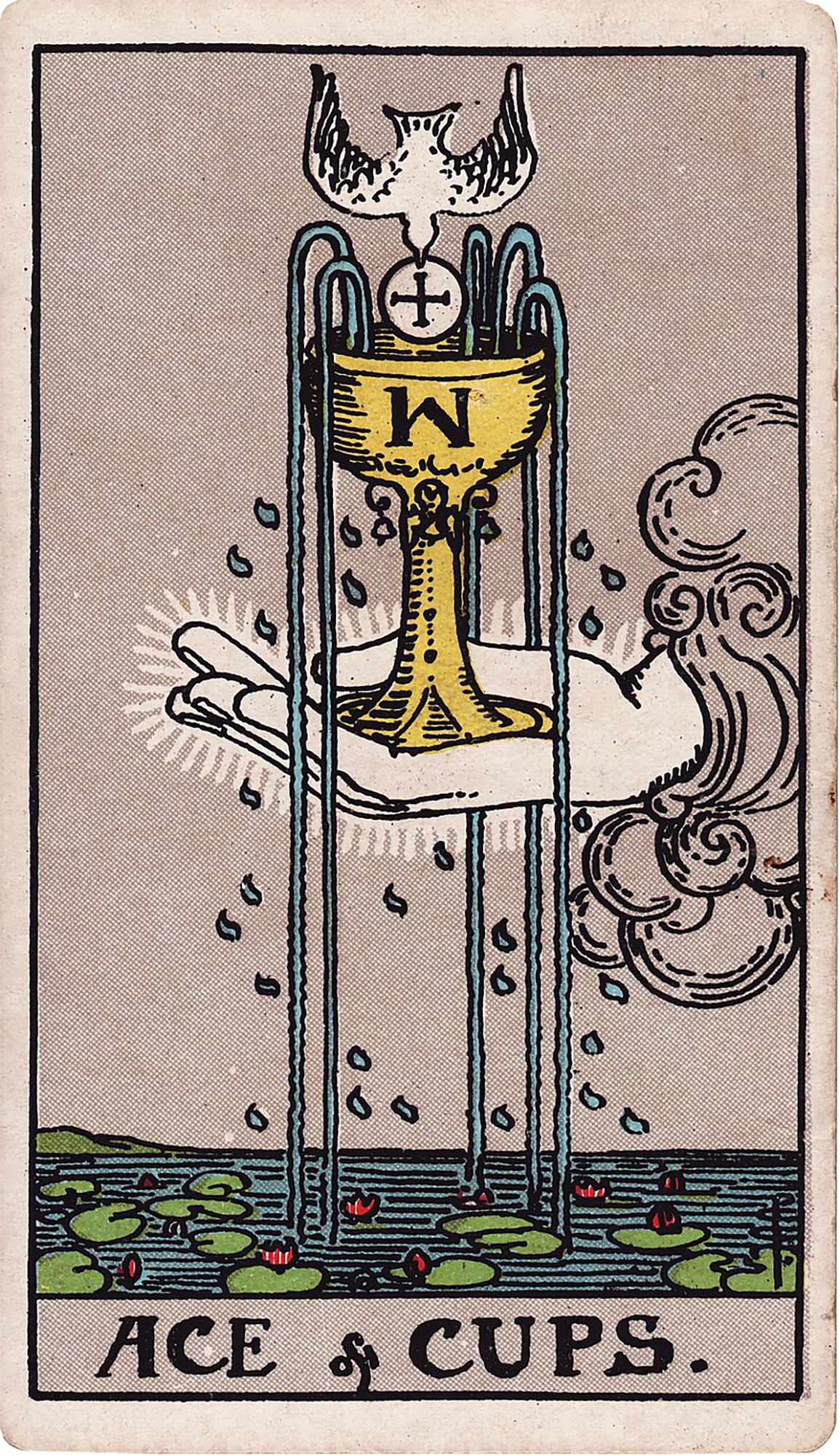 YouAce of Cups
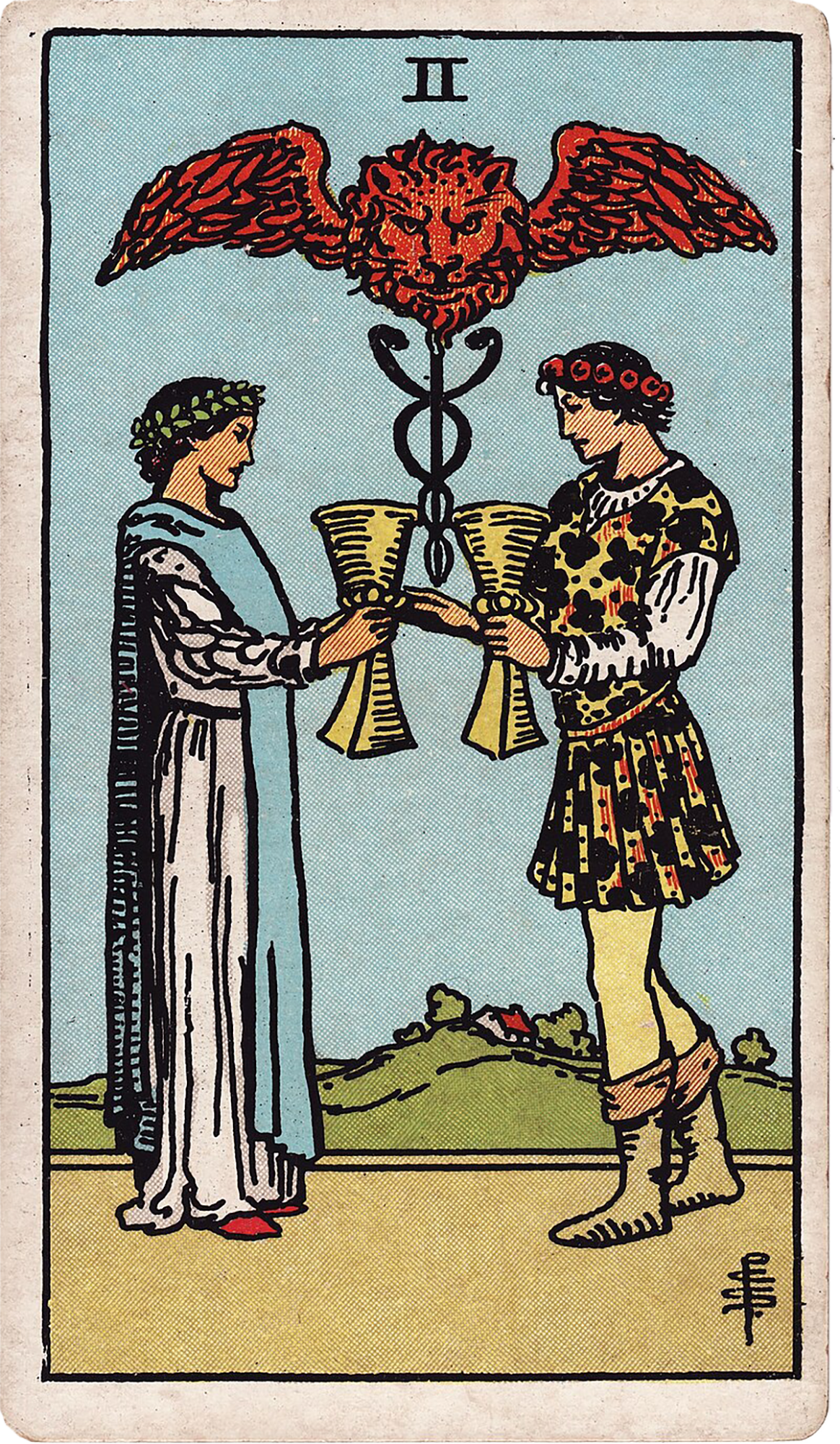 The Other Person2 of Cups
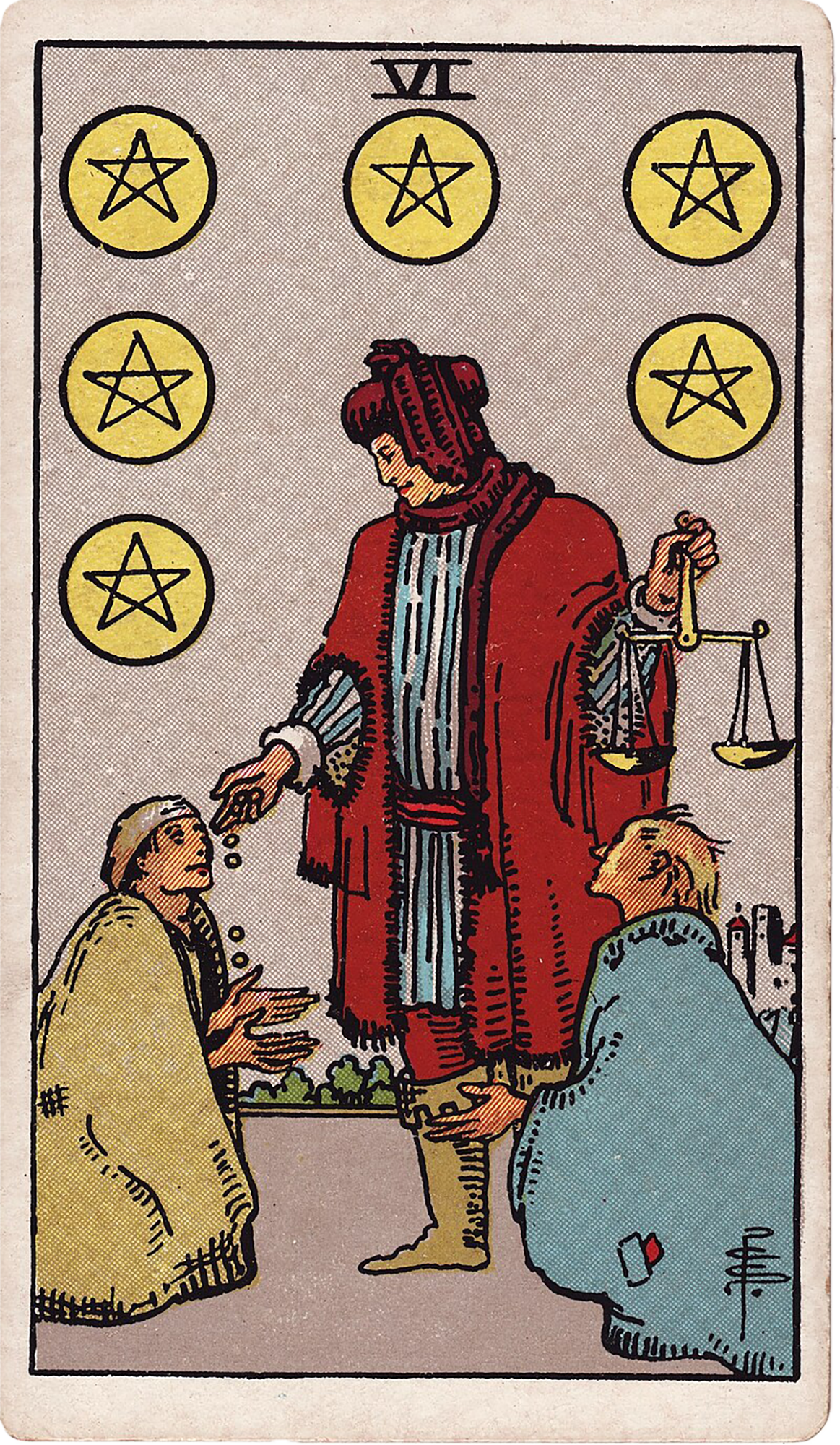 Connection6 of Pentacles
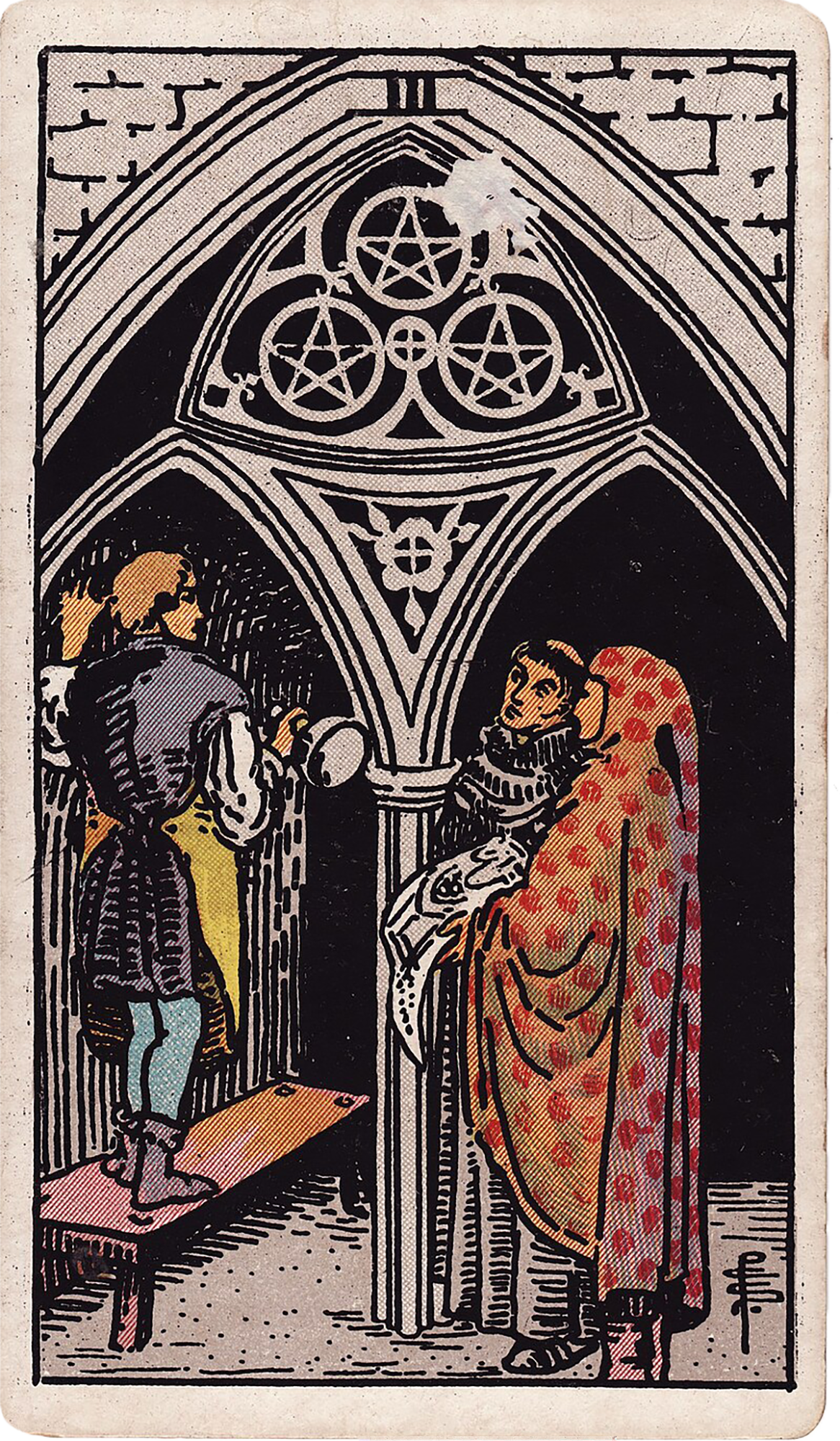 Challenge3 of Pentacles
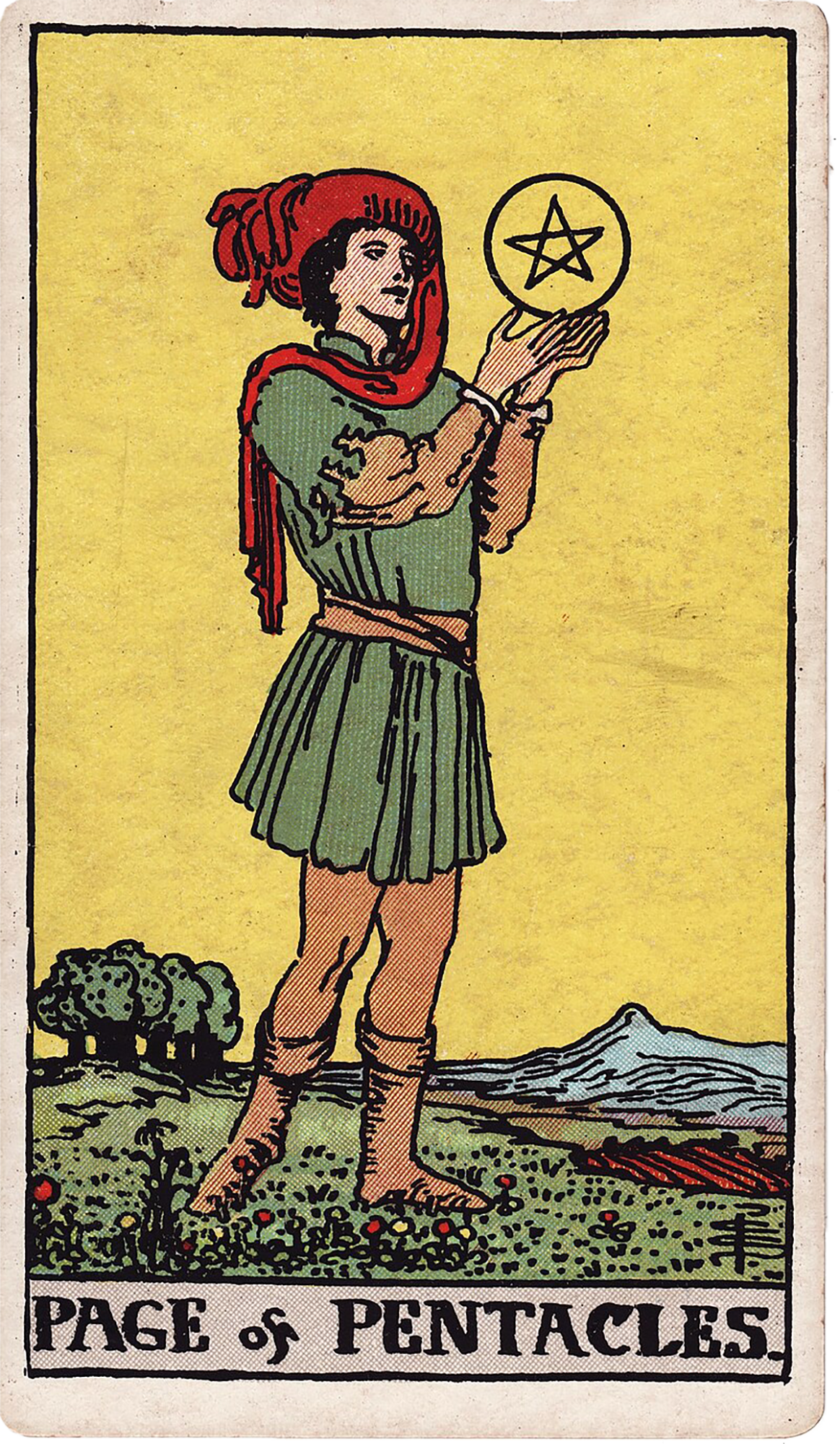 DirectionPage of Pentacles
Purpose and Context of This Spread
The Relationship Five Card Spread is a compact, practical layout for turning relational insight into behavior. Its aim is not to predict fate but to spotlight how emotional energy, reciprocity, shared labor, material exchange, and learning orientation come together in a relationship. This version is designed to help you translate the five commonly named love languages into concrete actions: words of affirmation, acts of service, receiving gifts, quality time, and physical touch. The spread anchors each of those dynamics to a clear role in the reading: You, The Other Person, Connection, Challenge, Direction. The five supplied cards -- Ace of Cups, 2 of Cups, 3 of Pentacles, 6 of Pentacles, and Page of Pentacles -- give rich visual and symbolic material to demonstrate the method. Throughout, rely on the card imagery you see in the supplied pictures and the conventional Rider-Waite-Smith motifs to ground interpretation.
Layout and Position Labels
Lay five cards left-to-right in this exact order and name each position: You, The Other Person, Connection, Challenge, Direction. You represents the querent's current love-language expression and capacity to act. The Other Person describes the partner's current stance and needs. Connection shows the shared field, the reciprocal or emergent pattern between both people. Challenge names what obstructs translating feeling into action. Direction points to concrete next steps and learning orientation. Keep this fixed order: You = Ace of Cups, The Other Person = 2 of Cups, Connection = 3 of Pentacles, Challenge = 6 of Pentacles, Direction = Page of Pentacles. In practice you will shuffle and draw five cards; for demonstration we are using the given five in the order supplied.
Card 1 You Ace of Cups in the You Position
Image and symbolism: In Rider-Waite-Smith, the Ace of Cups shows a hand emerging from a cloud, holding a chalice that overflows with five streams into a watery pool where lilies or lotuses grow; a dove may descend holding a wafer. The Ace is about emotional initiation, open receptivity, and a wellspring of feeling. Upright it asks for practical responsive action that fits the present stage rather than an abstract ideal. How to read it as You: the querent currently has an opening or longing to give and receive affection. The image of overflowing water suggests abundant feeling and intuitive receptivity. In love-language terms, Ace of Cups as You often means you are oriented toward words of affirmation and quality time: you want to feel emotionally recognized and to share that feeling. Practically, the card asks where you can name one small action that channels this opening into the relationship now: a heartfelt note, a focused conversation, or a small creative offering. If you see the card reversed in a different draw, refer to the provided reversed guidance: look for emotional blockage, fear of vulnerability, or feelings circulating internally but not expressed. For learners: anchor interpretation to the cup imagery and the streams. Ask what is trying to be received and what would constitute a fitting response in the current moment.
Card 2 The Other Person 2 of Cups in The Other Person Position
Image and symbolism: The 2 of Cups depicts two figures exchanging cups across from one another, with a caduceus and often a lion-headed symbol above them, indicating mutual recognition, attraction, and an exchange that balances. Upright it highlights reciprocity and mutual recognition; it asks for practical actions that strengthen exchange rather than abstract ideals. Reading as The Other Person: this card shows that the partner is oriented toward reciprocity. They meet emotion with emotion; they value being seen and acknowledged. In love-language terms, the 2 of Cups often manifests as a desire for mutual gestures — acts of service paired with reciprocal emotional recognition, or shared rituals that create equal investment. Observe the visual detail: the cups meet, the staff between them suggests healing or negotiation in balance. Use those motifs to ask which small mutual actions would reinforce this alignment: coordinating a shared ritual, agreeing on a weekly check-in, or ensuring effort is balanced in chores and attention. If reversed, use the provided reversed meaning to examine misalignment or unequal effort.
Card 3 Connection 3 of Pentacles in the Connection Position
Image and symbolism: The 3 of Pentacles in RWS shows a mason or craftsman working on a cathedral-like wall while two figures consult a plan; the setting emphasizes collaboration, craft, and shared purpose. Upright it highlights that skill becomes stronger through collaboration, feedback, and respect for different expertise. As the Connection card, 3 of Pentacles frames the relationship as a cooperative project. This is where love-language principles become concrete: transformation happens when both people coordinate resources, time, and abilities to build something together. What does the image tell you? The architect or patron figures invite feedback and shared standards; the craftsman demonstrates practice and visible results. Translate this into action: design a small, shared project or routine that blends each person’s preferred love-language expressions. For example, combine acts of service with quality time by cooking together; pair gifts with words of affirmation by presenting even small tokens accompanied by spoken appreciation. The 3 of Pentacles signals that structured, skillful collaboration will make emotional exchange sustainable.
Card 4 Challenge 6 of Pentacles in the Challenge Position
Image and symbolism: The 6 of Pentacles depicts a wealthy man weighing coins on a balance and giving alms to two beggars below. Upright it asks whether exchange is fair, empowering, and transparent. As the Challenge card, 6 of Pentacles points to tensions around giving and receiving: who feels indebted, who feels superior, where help carries strings. Concretely, this card warns that translating love languages into action can be obstructed by imbalance around resources, power, or expectations. If one person gives material gifts or does most of the work, it can create shame or resentment in the other; if the other receives without expressing gratitude, reciprocity breaks down. Use the imagery of scales to ask: are the exchanges equitable? Are offers of help experienced as controlling or as liberating? The card suggests the need to make exchanges transparent, negotiate boundaries around favors, and avoid hidden conditions. Note that upright 6 of Pentacles still points to workable exchange — the task is to make it clearer and fairer.
Card 5 Direction Page of Pentacles in the Direction Position
Image and symbolism: The Page of Pentacles shows a young figure standing in a field, intently studying a single pentacle held with both hands. The posture suggests beginning a grounded, practical study or plan. As Direction, Page of Pentacles offers a concrete, beginner-oriented assignment: learn a new habit, make a simple plan, and follow-through. This card invites turning loving intent into small, repeatable actions. If Ace of Cups is the opening and 2 of Cups is the mutual willingness, then Page of Pentacles is the instruction manual: start with one measurable, material step. Translate that into love language practice: schedule one 20-minute undistracted quality-time session, commit to doing one helpful chore per week without expectation of reciprocity, or begin a gratitude journal where both partners write one sentence per day and exchange it. The Page emphasizes study and consistent effort over grand gestures.
Card to Card Relationships and Visual Dialogue
A reading becomes richer when you read how the cards talk to one another visually and thematically. Here are the key relationships to notice and how to use the supplied images to guide interpretation. Ace of Cups to 2 of Cups: The Ace shows an overflowing emotional source; the 2 shows reciprocity. Read together, they form a sequence: personal openness (Ace) seeks balanced exchange (2). Ask whether the emotional offering visible in the Ace is being invited into the 2 of Cups space. Look at the images: the Ace's streams and the 2's two cups form a flow metaphor — is your giving landing, being met, or spilling unrecognized? Ace to 3 of Pentacles: The watery openness of the Ace meets the structured cooperation of the 3 of Pentacles. This pairing asks how feeling can be turned into a craft. Visualize the streams of the Ace nourishing the foundation the 3 of Pentacles is building. Is the relationship set up with routines and skills to hold that opening? 2 of Cups to 3 of Pentacles: Reciprocity meets collaboration — mutual affection is ready to become cooperative work. The caduceus over the cups (health/healing) links to the craft of the 3 of Pentacles. Here you might negotiate roles: which practical tasks translate one person's love language into service the other values? 3 of Pentacles to 6 of Pentacles: Craft meets resource exchange. The craft of working together can be undermined by unequal giving; use the scale image to check fairness in workload and gifts. Page of Pentacles back to Ace of Cups and 2 of Cups: The Page's study and small actions should be the bridge that carries the Ace's feeling into the 2's mutual field. The Page suggests repeating small, material experiments to test what elicits genuine reciprocity.
Overall Synthesis of the Given Spread
Using the five supplied cards in order, the reading offers a clear narrative: You (Ace of Cups) are emotionally open and ready to express affection. The Other Person (2 of Cups) is oriented toward mutual recognition and will likely meet you when exchange is balanced. The Connection (3 of Pentacles) is fundamentally cooperative — the relationship functions best when both people treat it like shared work or craft. The Challenge (6 of Pentacles) is preventing smooth translation: there are issues of fairness, perceived strings, or unequal distribution of labor and resources. The Direction (Page of Pentacles) gives a concrete step: begin a small, measurable practice that turns intention into skill. Translating that into love-language action could look like this practical plan: pick one love-language expression each partner reliably uses (e.g., you focus on words of affirmation, your partner focuses on acts of service), agree on one shared weekly project that expresses both languages (e.g., cooking together, where words and service are combined), make a transparent agreement about division of duties to avoid the 6 of Pentacles' imbalance, and adopt a Page of Pentacles routine of tracking progress for one month. The visual cues from the Ace and 2 (cups, streams, shared symbols) reassure that both emotional willingness and mutuality exist; the 3 and 6 remind you to make the material terms fair; the Page says to start small and learn.
Step by Step Practical Method for Learners to Reproduce
1) Prepare intention: Choose a question that is concrete and actionable, e.g., 'How can I turn my partner's primary love language into a weekly practice?' 2) Shuffle and focus: Hold the intention lightly while shuffling. If reading for someone else, ask them to name the positions or to focus their love-language preference. 3) Deal five cards left-to-right as You, The Other Person, Connection, Challenge, Direction. Keep the order steady. 4) Look at images first: before labels, describe what you see in each card — colors, gestures, objects (cup, scales, tools, pentacle). Use RWS motifs to anchor your language. 5) Read each card in position using the supplied upright/reversed guidance: for example Ace of Cups as You (openness) or reversed (blockage). Do not invent extra cards. 6) Note card-to-card dialogues: ask how card 1 flows into card 2, how card 3 frames the shared work, how card 4 warns about imbalance, and how card 5 provides the first step. 7) Translate to action: create 1-3 specific, measurable micro-behaviors (time-limited, observable) based on the Direction card. 8) Close the reading with an experiment window: agree to practice for two to six weeks and then reassess with the same spread or a single-card follow-up. 9) Record insights in a journal keyed to images; over time compare how similar card combinations influence recommendations.
Exercises, Prompts, and Example Practices
Exercise 1 'One Small Thing': With Ace of Cups as intent, ask each partner to name one small emotional offering they can reliably do each week. Make it specific: 'leave a three-line note on the bathroom mirror on Tuesdays.' 2 of Cups will recognize reciprocity; 3 of Pentacles suggests turning it into a shared ritual — set a time to exchange the notes. 6 of Pentacles guard against imbalance: pair the offering with an agreed compensation or reciprocal action. Page of Pentacles turns it into a habit: schedule it in a shared calendar and treat the first month as study. Exercise 2 'Role Swap Project': Use 3 of Pentacles to design a cooperative activity where each person practices the other's primary love language for one session. Let the Page of Pentacles plan the schedule and checkpoints. Exercise 3 'Transparent Exchange Audit': Use the 6 of Pentacles image of scales to audit household labor and emotional labor. List tasks, note who does them, and negotiate changes that re-balance the scales. Record outcomes after two weeks, then refine. These are practice-oriented approaches learners can recommend while staying grounded in the visual symbolism of the cards.
Common Mistakes and How to Avoid Them
Mistake 1: Reading for prediction rather than practice. Remedy: Always translate images into micro-behaviors; ask, 'What can be tried tomorrow?' Mistake 2: Ignoring visual details. Remedy: Spend at least 60 seconds per card describing the image before applying meanings. The Ace's streams, the 2's caduceus, the 3's plans, the 6's scales, the Page's posture all give action cues. Mistake 3: Over-generalizing love languages. Remedy: Use the cards to tailor how a language looks in the specific relationship context; for example, 'words of affirmation' might be a shared gratitude ritual rather than random compliments. Mistake 4: Leaving power and resources unexamined. Remedy: When 6 of Pentacles appears in Challenge, explicitly negotiate boundaries and expectations to prevent resentment. Mistake 5: Big leaps without testing. Remedy: The Page of Pentacles calls for small experiments and tracking. Keep steps measurable and time-limited.
How to Teach this Spread to Others
When teaching, emphasize reproducibility: practice laying the five positions in order and keep language consistent. Use the supplied card images as teaching tools: ask learners to annotate printouts of the Ace of Cups, 2 of Cups, 3 of Pentacles, 6 of Pentacles, and Page of Pentacles with action prompts (e.g., Ace = 'open: write one honest sentence'; 2 = 'meet: schedule 20 minutes'; 3 = 'co-create: plan one shared task'; 6 = 'audit: list three exchanges that feel unfair'; Page = 'start: pick one repeatable action'). Encourage role plays where one learner reads and the other performs the micro-behavior for a week. Create an assessment routine: after two weeks, re-run the spread and compare changes. Teaching this spread works best when you model translating symbolic cues into practical assignments.
Closing Notes on Ethics and Learner Mindset
This spread is practical, not prescriptive. As a reader or teacher, avoid telling people what they must do; offer options and experiments. Always respect consent and boundaries when suggesting behaviors that involve physical touch or emotional vulnerability. Use the cards to suggest one small change at a time. The supplied images are tools that help clients visualize the pathway from feeling (Ace of Cups) to mutual recognition (2 of Cups) to joint craft (3 of Pentacles), while watching for imbalance (6 of Pentacles) and beginning skillful practice (Page of Pentacles). Keep notes, track outcomes, and emphasize curiosity over certainty.
Practice questions
• When you look at the Ace of Cups image as You, what small concrete expression of feeling comes to mind that you could do tomorrow?
• How does the 2 of Cups image suggest the other person wants to be acknowledged, and what would a fair reciprocal action look like?
• Which collaborative project or routine could the 3 of Pentacles symbolize in your relationship, and how can you break it into weekly tasks?
• Where do you see the risk of imbalance suggested by the 6 of Pentacles, and how would you renegotiate to make exchanges transparent?
• What single Page of Pentacles-style experiment could you commit to for four weeks to test a change in how you translate love languages into action?
Comments
Sign in to comment.
Continue learning
Mastering Decision Making with the Five Card Cross Tarot Spread
The Five Card Cross Tarot Spread is a powerful tool for deepening decision-making skills by examining the present situation, past influences, future possibilities, challenges, and...
Navigating Conflict Resolution and Inner Struggles with the Five Card Cross Tarot Spread
This article delves into the Five Card Cross Tarot Spread as a practical tool for navigating conflict resolution and inner struggles, especially within family contexts. Using the s...
Using the Career Five Card Spread to Identify Growth Opportunities and Challenges
This article explores the Career Five Card Spread, a practical tarot method designed to spotlight growth opportunities, strengths, and obstacles within a career context. By analyzi...
Unlocking Life Insights with the Celtic Cross Tarot Spread
This article offers a thorough exploration of the Celtic Cross Tarot Spread, focusing on its application within family and practical life contexts. Using a worked example featuring...
Enhancing Clarity in Complex Choices with the Five Card Cross Tarot Spread
The Five Card Cross Tarot Spread is a practical tool designed to clarify complex choices by breaking down the decision into manageable parts. This article explores each position in...
Deepening Connection and Communication Using the Relationship Five Card Spread
This article introduces the Relationship Five Card Spread as a practical tool to enhance family communication and connection. Using five specific card positions—You, The Other Pers...
Using the Five Card Cross Tarot Spread to Navigate Career Changes with Confidence
The Five Card Cross Tarot Spread is a versatile and insightful tool for navigating career changes. This article guides learners through the method step-by-step using a practical ex...
Unlocking Personal Insight with the Seven Card Horseshoe Spread
The Seven Card Horseshoe Spread is a practical and insightful Tarot layout ideal for exploring personal and family dynamics. This article breaks down each position—Past, Present, H...
Using the Career Five Card Spread to Uncover Professional Strengths and Opportunities
This article presents a comprehensive guide to the Career Five Card Spread, designed to help learners explore professional strengths and opportunities using five specific Tarot car...
Using the Career Five Card Spread to Overcome Professional Challenges with Insight
The Career Five Card Spread is a powerful tool for exploring current professional situations, identifying strengths, challenges, opportunities, and practical next steps. This artic...