
Understanding the Ace of Swords for Mental Clarity Decision Making and New Beginnings
The Ace of Swords symbolizes sharp mental clarity, decisive communication, and the birth of new ideas. Upright, it encourages using intellect and truth to cut through confusion and address current challenges with practical solutions. Reversed, it warns of misused logic, confusion, or premature judgments that block progress. This article explores the card’s rich Rider-Waite-Smith symbolism and demonstrates how to interpret it across various contexts including love, career, money, advice, challenge, person, outcome, and spiritual reflection. Emphasizing a methodical approach, it guides learners to deepen their understanding and apply the card in readings with confidence.
Cards explored in this article
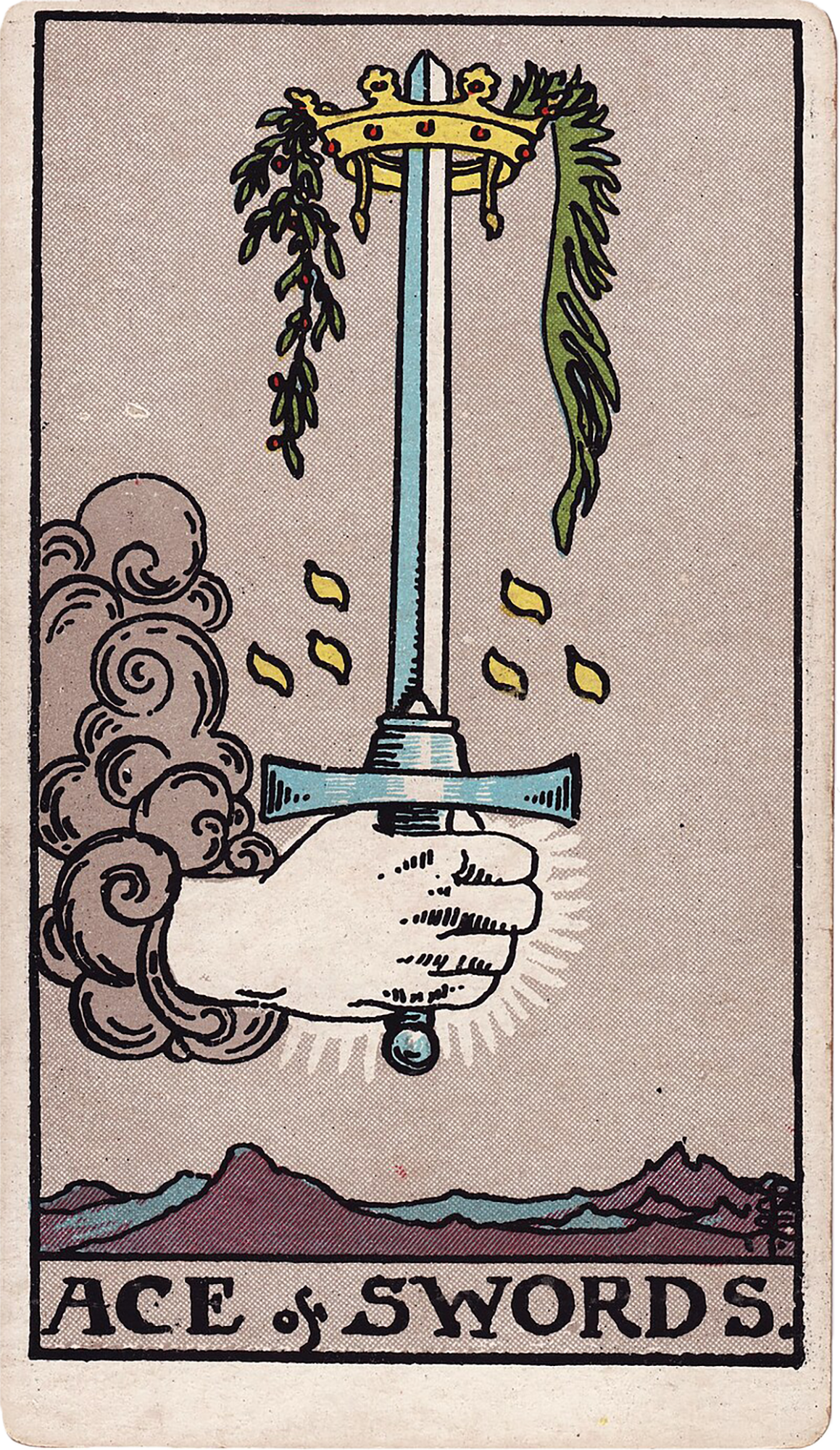 Ace of Swords
Introduction to the Ace of Swords and Its Symbolism
The Ace of Swords is a powerful card in the Tarot suit of Swords, which traditionally embodies the realms of mind, communication, and intellectual power. In the Rider-Waite-Smith deck, the imagery shows a single upright sword piercing a crown, surrounded by a radiant halo and clouds. This visual represents the emergence of a bright idea, truth, or insight that breaks through mental fog. The sword, a symbol of clarity and cutting through illusions, points directly upward, suggesting decisive action and a new beginning in thought or communication. The crown signifies authority and victory, indicating that truth and clear thinking can lead to mastery over challenges. In the VoxFati Tarot Library, the Ace of Swords upright highlights a clear insight or intellectual breakthrough that demands a practical response tailored to the current stage of the querent’s journey. The reversed Ace of Swords, however, draws attention to confusion, harshness, or the misuse of logic, cautioning readers to examine where mental processes are stuck or distorted.
Technique for Reading the Ace of Swords
When the Ace of Swords appears in a spread, approach it as a signal to focus on thought processes, communication, and truth-seeking. Begin by observing its position and orientation (upright or reversed). Look at the surrounding cards to determine whether the intellectual energy is emerging, developing, or resolving tension. Ask what clarity or insight is available now and what decisions must be made. Because the card asks for a practical response fitting the present stage, avoid abstract ideals or generalizations. Instead, pinpoint the specific mental breakthrough or truth relevant to the querent’s situation. If reversed, focus on mental blocks, miscommunication, or internal conflicts that hinder clarity. Encourage the querent to simplify complicated thoughts, communicate openly, and practice patience until a healthier expression of Swords can manifest.
Interpreting the Ace of Swords in Love Contexts
In relationships, the upright Ace of Swords signals moments of clear, honest communication or important realizations that cut through emotional confusion. This card suggests a breakthrough conversation or decision that brings mental clarity about the relationship’s direction. It encourages addressing truths openly rather than avoiding difficult topics. For singles, it can indicate a new beginning sparked by intellectual connection or honest self-reflection. When reversed, the card warns of misunderstandings, harsh words, or using truth as a weapon rather than a bridge. It may highlight premature judgments about partners or internal confusion about feelings. In readings, remind querents that mental clarity in love comes from compassionate communication and balanced thinking, not from cutting remarks or rigid logic.
Ace of Swords in Career and Work Situations
Career readings featuring the upright Ace of Swords often point to intellectual breakthroughs, strategic decisions, or decisive conversations that open new opportunities. This card can indicate clarity about professional goals, cutting through workplace confusion, or the emergence of a new project requiring mental focus and strong communication skills. Its practical nature asks the querent to act promptly on insights rather than waiting for perfect conditions. Conversely, the reversed Ace of Swords may highlight workplace conflicts fueled by miscommunication, rigid thinking, or premature conclusions that sabotage progress. It can also point to internal self-doubt or mental blocks preventing clear career decisions. Encouraging reflection on assumptions and practicing simpler communication can restore balance in these cases.
Financial and Money-Related Interpretations
In financial contexts, the upright Ace of Swords advises clear, logical thinking about money management and investment decisions. It suggests that mental clarity and honest assessment can help cut through financial confusion or misinformation, leading to strategic and effective financial planning. The card also encourages the querent to consider the practical consequences of their financial habits and to communicate openly about money matters if relevant. When reversed, the Ace of Swords warns of impulsive financial decisions, confusion about budgeting, or deception—whether self-inflicted or external. It advises slowing down, seeking clear information, and avoiding harsh judgments about financial situations until the facts are well understood.
Advice and Challenge Perspectives
As advice, the upright Ace of Swords urges the querent to embrace honesty, clear communication, and decisive thought. It encourages cutting through noise and focusing on practical steps related to the current challenge. The card asks: What insight is ready to be acted upon? How can mental clarity serve as a tool rather than a weapon? Reversed, the card challenges the querent to identify where mental patterns have become destructive—whether through confusion, harsh criticism, or intellectual arrogance. It advises simplifying thoughts, practicing patience, and acknowledging what is not yet fully understood before moving forward. The challenge is to harness the mind’s power constructively rather than allowing it to breed conflict or stagnation.
Person and Outcome Contexts
When the Ace of Swords represents a person, it often describes someone with sharp intellect, clear communication skills, and a straightforward manner. This person is likely to bring truth and insight into the reading, helping to clarify confusion or offer strategic guidance. If reversed, the person may be overly critical, harsh, or stuck in rigid thinking, causing tension or misunderstanding. As an outcome card, the upright Ace of Swords signals a breakthrough—resolution through clear insight and decisive action. It promises that mental clarity will lead to a positive conclusion, even if effort or discomfort is involved. If reversed, the outcome suggests ongoing confusion or conflict due to miscommunication or unresolved mental blocks, reminding the querent to revisit their thought processes and communication style.
Spiritual Reflection with the Ace of Swords
Spiritually, the upright Ace of Swords invites the seeker to explore clarity of thought as a means to deeper truth and enlightenment. It symbolizes the piercing insight that cuts through illusions and mental fog, allowing for more authentic self-awareness and spiritual growth. The crown and radiant halo in the imagery remind us that truth carries authority and can elevate consciousness. In reversed form, the card encourages reflection on inner mental conflicts, harsh self-judgment, or spiritual confusion. It calls for simplifying spiritual concepts and releasing rigid mental control to return to a purer experience of truth. Meditative practices that foster clear, compassionate awareness can help integrate the lessons of the Ace of Swords at this level.
Common Mistakes and Practical Reading Tips
A frequent mistake when interpreting the Ace of Swords is to treat it as a guarantee of easy solutions or purely positive outcomes. While the card highlights clarity and insight, its energy often involves effort and discomfort, especially when confronting difficult truths. Another error is ignoring the reversed meaning or treating reversal as simply the ‘opposite’ of upright. Instead, focus on where the mental process is stuck or distorted. Always anchor interpretations in the card’s imagery—notice the sword’s sharpness, the crown’s authority, and the radiance signaling new ideas. Use surrounding cards to contextualize whether the insight is just emerging or about to resolve tension. Practically, ask questions like: What truth needs speaking? Where is confusion blocking progress? What decision must be made now? This approach ensures readings remain grounded, nuanced, and actionable.
Practice questions
• What areas of my life currently feel unclear or confusing where the Ace of Swords might offer insight?
• How do I typically respond to uncomfortable truths or difficult decisions?
• In what ways could I improve my communication to be more honest yet compassionate?
• Where might my own thinking have become rigid, harsh, or prematurely judgmental?
• How can I apply the practical, present-focused energy of the Ace of Swords to my current challenges?
Comments
Sign in to comment.
Continue learning
Exploring The High Priestess in Career Relationships and Personal Growth
The High Priestess card in the tarot deck invites readers to explore intuition, hidden knowledge, and inner wisdom across various life contexts. This article examines how The High...
The Fool in Life Transitions and New Beginnings
The Fool card embodies the spirit of beginnings, curiosity, and the leap of faith required during life transitions. This article explores The Fool’s meanings across various reading...
Understanding The Chariot Card in Personal Ambition and Overcoming Obstacles
The Chariot card represents the power of focused will, disciplined action, and choosing a clear direction amid competing impulses. Upright, it encourages decisive steps forward usi...
Understanding The Hermit in Self Discovery and Spiritual Enlightenment
The Hermit card in the Rider-Waite-Smith deck embodies themes of introspection, solitude, and spiritual wisdom. This article examines how The Hermit's upright and reversed position...
Exploring The Hierophant in Modern Spiritual Practices and Personal Development
The Hierophant tarot card symbolizes structured wisdom, tradition, and the pursuit of knowledge through established systems. This article explores how The Hierophant’s upright and...
Applying The Star Card to Foster Hope and Renewal in Personal Growth
The Star card in Tarot symbolizes hope, authenticity, and the process of steady renewal. In a single-card reading, The Star encourages embracing what is present, cultivating openne...
Understanding The Wheel of Fortune in Tarot Readings for Life Cycles and Change
The Wheel of Fortune card in Tarot is a powerful symbol of cycles, change, and the dynamics of fate and free will. This article explores the card’s upright and reversed meanings, a...
Understanding The Hermit Card in Solitude Reflection and Guidance
This article offers an in-depth exploration of The Hermit tarot card as a single-card reading in different contexts such as love, career, money, advice, challenge, person, outcome,...
Understanding The Tower in Tarot for Navigating Sudden Change and Crisis
The Tower card in Tarot symbolizes sudden, often disruptive change that destroys false foundations and compels honest reassessment. This article provides a comprehensive exploratio...
Understanding The Hanged Man in Personal Sacrifice and Spiritual Growth
The Hanged Man tarot card embodies the themes of intentional pause, surrender, and gaining new perspectives that foster personal sacrifice and spiritual growth. In this article, we...