
Understanding the Hanged Man in Surrender Patience and New Perspectives for Personal Growth
The Hanged Man tarot card invites a deliberate pause, surrender, and shifting perspectives as essential tools for personal growth. This article explores how The Hanged Man’s symbolism and meanings—both upright and reversed—manifest across different life contexts such as love, career, financial matters, and spiritual reflection. Anchored in the card’s traditional Rider-Waite-Smith imagery, the discussion guides learners through practical interpretive techniques, common pitfalls, and how to approach readings with balance and nuance. Whether signaling patience, resistance, or transformative insight, The Hanged Man encourages readers to consider new angles and embrace conscious waiting as an active process.
Cards explored in this article
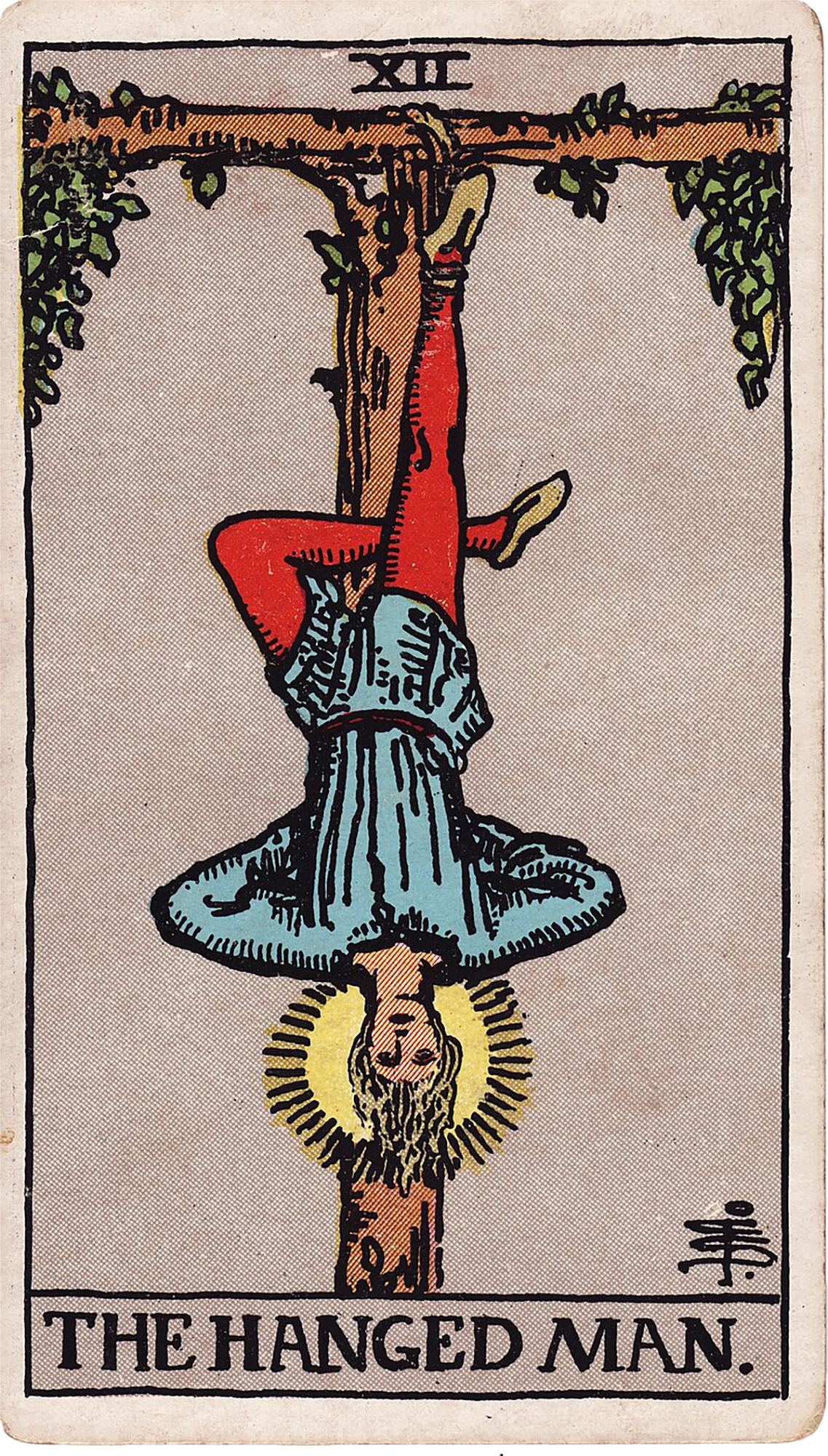 The Hanged Man
Introduction to The Hanged Man and Its Core Symbolism
The Hanged Man is a powerful Major Arcana card notable for its unique imagery of a figure suspended upside down by one foot, often tied to a tree or wooden structure. Traditionally associated with surrender, suspension, and seeing the world from a new vantage point, this card challenges the reader to pause and rethink their approach. In the Rider-Waite-Smith deck, the serene expression on the figure’s face underscores acceptance rather than suffering, emphasizing voluntary sacrifice and conscious suspension. The halo around the head symbolizes enlightenment gained through altered perception. Understanding The Hanged Man requires appreciating that its central theme is not passivity or helplessness but an active, willing pause—surrendering control to gain insight. This card’s lessons revolve around patience, releasing resistance, and embracing new perspectives to foster personal growth. The Hanged Man encourages us to ask: What am I holding onto that prevents me from seeing clearly? Where might letting go unlock fresh understanding? This article explores The Hanged Man in various life contexts, illustrating how its upright and reversed positions offer nuanced guidance. By anchoring interpretations in the card’s iconic imagery and traditional symbolism, learners can develop a practical, layered reading method.
The Hanged Man Upright: Embracing Surrender and Patience
When The Hanged Man appears upright, it signals a deliberate pause and an invitation to surrender control over the situation at hand. This is not about giving up but about choosing to step back and see things differently. The card teaches that clarity often comes not through forceful action but through patient observation and inner adjustment. In practical terms, the upright Hanged Man often suggests that the core issue has become clear enough to engage consciously. Rather than rushing forward or waiting passively, it encourages taking the next small, proportionate step based on what is visible now. It reframes waiting as an active, purposeful process rather than stagnation. A key interpretive technique is to focus on the figure’s upside-down pose and serene expression. This visual metaphor reminds the reader that changing perspective can reveal solutions previously hidden. The halo highlights the potential for enlightenment through this altered viewpoint. Common mistakes include interpreting the upright Hanged Man as a sign of helplessness or fatalism. Instead, it should be seen as an empowered pause, a moment to reconsider values, boundaries, and choices. This approach helps readers avoid misreading a necessary suspension as purely negative.
The Hanged Man Reversed: Recognizing Resistance and Stagnation
The reversed Hanged Man often marks challenges related to resisting surrender, experiencing pointless delay, or becoming stuck in martyrdom. Unlike the upright form, which encourages conscious pause, the reversal can indicate that the valuable lesson of surrender is blocked, exaggerated, or internalized in an unhelpful way. Interpreters should avoid assuming the reversal is inherently negative. Instead, it invites questions like: Where is this energy distorted or difficult to access? Is the querent resisting necessary change or stuck in unproductive waiting? Could this indicate a private psychological struggle with old patterns? The reversed card can also signal that the person is beginning to see an old pattern but has not fully integrated change. Looking closely at surrounding cards in a multi-card spread is essential to determine if the reversal represents resistance, recovery, excess, or merely a temporary pause. Visually, the upside-down figure’s suspension may feel oppressive rather than peaceful when reversed, symbolizing discomfort with the pause or a forced delay. Recognizing these subtle shifts in tone helps interpret the reversal with nuance and compassion.
Applying The Hanged Man in Love and Relationships
In the context of love, The Hanged Man upright encourages patience and a shift in perspective as keys to deepening connection. It suggests that sometimes stepping back from direct action—such as pushing for answers or immediate change—can foster greater understanding and empathy. The card asks: where might surrendering control or expectations open space for new emotional insights? For single querents, this card may indicate a time to pause and reflect on what they truly want from relationships, suggesting that rushing forward could cloud judgment. For partners, it can signal a period where one or both need to reconsider their roles or communication patterns from a different angle. Reversed, The Hanged Man might reflect resistance to necessary changes within a relationship, stubbornly hanging on to outdated dynamics or roles. It may warn against martyrdom or feeling stuck in unbalanced sacrifices. Practically, it invites honest reflection on whether waiting is productive or simply avoidance. In readings, learners should connect the card’s imagery—the calm, inverted figure—with the emotional state of openness or tension in the relationship, using this as a mirror for where patience or resistance is playing out.
The Hanged Man’s Guidance for Career and Work
In career readings, The Hanged Man upright encourages professionals to pause and reassess their approach rather than pushing impulsively for results. This card highlights the importance of patience, strategic waiting, and openness to new perspectives about work challenges or opportunities. It may indicate that a current project or career situation requires a step back to gain clarity before proceeding. The imagery of suspension serves as a metaphor for stepping outside habitual work patterns to see options that were previously invisible. Importantly, this pause is active, inviting deliberate reflection rather than passive delay. When reversed, The Hanged Man can warn of stagnation in career—either through resistance to necessary change, feeling stuck in a role, or martyrdom through overwork without progress. It may suggest that the querent is delaying action without learning from this pause or is trapped in unproductive waiting. Effective readers encourage clients to explore where control might be loosened to allow for innovation or new approaches. The card’s sacred suspension encourages a mindset of curiosity and flexibility rather than frustration.
Financial and Material Perspectives of The Hanged Man
Financially, The Hanged Man upright suggests a cautious, reflective approach. It may indicate that now is not the moment for aggressive investment or major spending but rather a time to pause, evaluate resources carefully, and consider alternative viewpoints on financial management. The card encourages working with what is currently available and recognizing that the situation has become clear enough to make informed, proportionate choices. The upside-down figure symbolizes a break from conventional financial thinking, possibly prompting creative solutions or a reevaluation of values around money. In reverse, the card may highlight financial stagnation, avoidance, or denial. It could reveal resistance to accepting necessary changes in spending habits or delayed decisions that do not lead to growth. The reversed imagery reflects discomfort with the pause, suggesting that the querent might be stuck in unhelpful patterns or waiting without learning. Readers should apply the card’s symbolism to question where surrendering financial control might paradoxically lead to greater stability or how delayed action might be reframed as an opportunity for strategic insight.
Advice and Challenge Through The Hanged Man
As advice, The Hanged Man upright urges the querent to embrace patience and conscious surrender. It recommends cultivating a mindset that values waiting as an active process of discovery rather than passive frustration. The card encourages asking where releasing control and adopting new perspectives might transform the issue. The practical reading method involves identifying the part of the card’s lesson already present in behavior—perhaps an unconscious tendency to pause—and consciously expanding this into deliberate action. It also suggests exploring boundaries, honesty, and choice with more clarity. As a challenge, the upright card may reveal difficulties in accepting the need to surrender or a tendency to rush rather than pause. The reversed card highlights resistance to this advice, stagnation, or martyrdom. It can signal the challenge of moving beyond internal blocks or learning from enforced delays. Interpreters should focus on the underlying question: Is the querent willing to see the situation from a new angle and make the next small deliberate step? This approach transforms the card from a symbol of delay into a tool for constructive growth.
The Hanged Man as a Person in Readings
When The Hanged Man represents a person, it often describes someone embodying qualities of patience, surrender, and a contemplative nature. This individual might be undergoing a period of personal suspension, reflecting deeply and willingly stepping back from direct action. Such a person can be a guide or mentor encouraging others to adopt new perspectives. They might also be someone who challenges conventional thinking by showing acceptance and calm in difficult situations. If reversed, the person may be struggling with resistance to change, feeling stuck or martyr-like. They might be caught in old patterns and have difficulty embracing the lessons of surrender and patience. Readers should connect visual cues from the card’s imagery—such as the serene face and inverted posture—with personality traits like introspection, willingness to sacrifice, or difficulty letting go. This visualization helps anchor the interpretation in the card’s symbolism.
Outcome and Spiritual Reflection With The Hanged Man
As an outcome card, The Hanged Man upright often signals that the resolution of the current issue will come through a change in perspective and conscious surrender rather than direct force. It encourages trust in the process of waiting and insight, promising that new understanding will emerge from the pause. Spiritually, this card invites reflection on the nature of control and the benefits of surrender. The halo in the Rider-Waite-Smith imagery represents enlightenment accessible through this altered state of consciousness. It asks querents to consider what spiritual growth might be possible if they release attachment to outcomes and open to new ways of seeing. Reversed, the outcome may be delayed or complicated by internal resistance or failure to learn from the pause. Spiritually, it can suggest a block to growth that requires conscious attention and effort to overcome. Readers should encourage querents to engage with the card meditatively, visualizing the suspended figure and exploring what it symbolizes about their current spiritual journey and personal growth.
Practical Techniques for Reading The Hanged Man Effectively
To read The Hanged Man effectively, start by closely observing the card’s imagery: the inverted figure, the calm expression, the ropes or tree, and the halo. Reflect on what it means to see the world upside down and how this symbolizes altered perspectives. Ask contextual questions such as: What control am I willing to release now? Where can patience serve as active engagement? What new perspectives might be hidden beneath current frustrations? When the card appears upright, guide the querent to identify small, conscious next steps informed by current understanding rather than waiting for perfect conditions. When reversed, focus on identifying distortions in the energy of the card—where is surrender resisted or exaggerated? Encourage exploration of psychological blocks and their impact. Avoid common mistakes like interpreting the card as simply a sign to wait indefinitely or as a negative portent. Instead, present it as a nuanced invitation to growth through deliberate suspension and openness. Finally, always integrate The Hanged Man’s meaning with surrounding cards and the querent’s unique situation to provide balanced, personalized insight.
Practice questions
• In what areas of my life am I resisting necessary pauses or changes in perspective?
• How can I practice active patience instead of passive waiting when facing challenges?
• Where might surrendering control open new opportunities for growth or understanding?
• What habitual viewpoints could I shift to gain fresh insights into my current situation?
• How do I differentiate between constructive suspension and procrastination in my decisions?
Comments
Sign in to comment.
Continue learning
Understanding the Synergy Between The Empress and The Emperor in Tarot Card Combinations
This article delves into the intricate synergy between The Empress and The Emperor cards in Tarot, focusing on how their combined energies modify and enrich readings across various...
Using the Career Five Card Spread to Identify Growth Opportunities and Challenges
This article explores the Career Five Card Spread, a practical tarot method designed to spotlight growth opportunities, strengths, and obstacles within a career context. By analyzi...
Advanced Techniques for Combining The Moon and The Star to Enhance Intuition in Tarot Readings
This article explores advanced techniques to combine the symbolism and energy of The Moon and The Star Tarot cards to enhance intuition during Tarot readings. Drawing from traditio...
Unlocking Life Insights with the Celtic Cross Tarot Spread
This article offers a thorough exploration of the Celtic Cross Tarot Spread, focusing on its application within family and practical life contexts. Using a worked example featuring...
Decoding Transformation and Renewal with Death and The Star in Tarot Combinations
This article delves into the card combination of Death and The Star, two powerful Major Arcana cards from the Rider-Waite-Smith deck. It explores how their imagery and meanings int...
Enhancing Clarity in Complex Choices with the Five Card Cross Tarot Spread
The Five Card Cross Tarot Spread is a practical tool designed to clarify complex choices by breaking down the decision into manageable parts. This article explores each position in...
Using the Five Card Cross Tarot Spread to Navigate Career Changes with Confidence
The Five Card Cross Tarot Spread is a versatile and insightful tool for navigating career changes. This article guides learners through the method step-by-step using a practical ex...
Unlocking Personal Insight with the Seven Card Horseshoe Spread
The Seven Card Horseshoe Spread is a practical and insightful Tarot layout ideal for exploring personal and family dynamics. This article breaks down each position—Past, Present, H...
Finding Emotional Healing and Renewal with The Star and The Moon Tarot Combination
This article examines the rich interplay between The Star and The Moon tarot cards when they appear together in a reading. Using the traditional Rider-Waite-Smith symbolism and the...
Using the Career Five Card Spread to Uncover Professional Strengths and Opportunities
This article presents a comprehensive guide to the Career Five Card Spread, designed to help learners explore professional strengths and opportunities using five specific Tarot car...