
Understanding The Hermit Card for Solitude Reflection and Guidance in Diverse Life Contexts
The Hermit card invites contemplation, solitude, and inner guidance, emphasizing thoughtful reflection over impulsive action. This article offers a detailed exploration of The Hermit’s upright and reversed meanings using the supplied card imagery. By examining its application across various life contexts—love, career, finances, advice, challenges, personality insights, outcomes, and spiritual reflection—learners gain tools to interpret The Hermit thoughtfully and practically. The piece includes techniques for connecting the card’s symbolism with real situations, common interpretive pitfalls, and reflective questions to deepen understanding.
Cards explored in this article
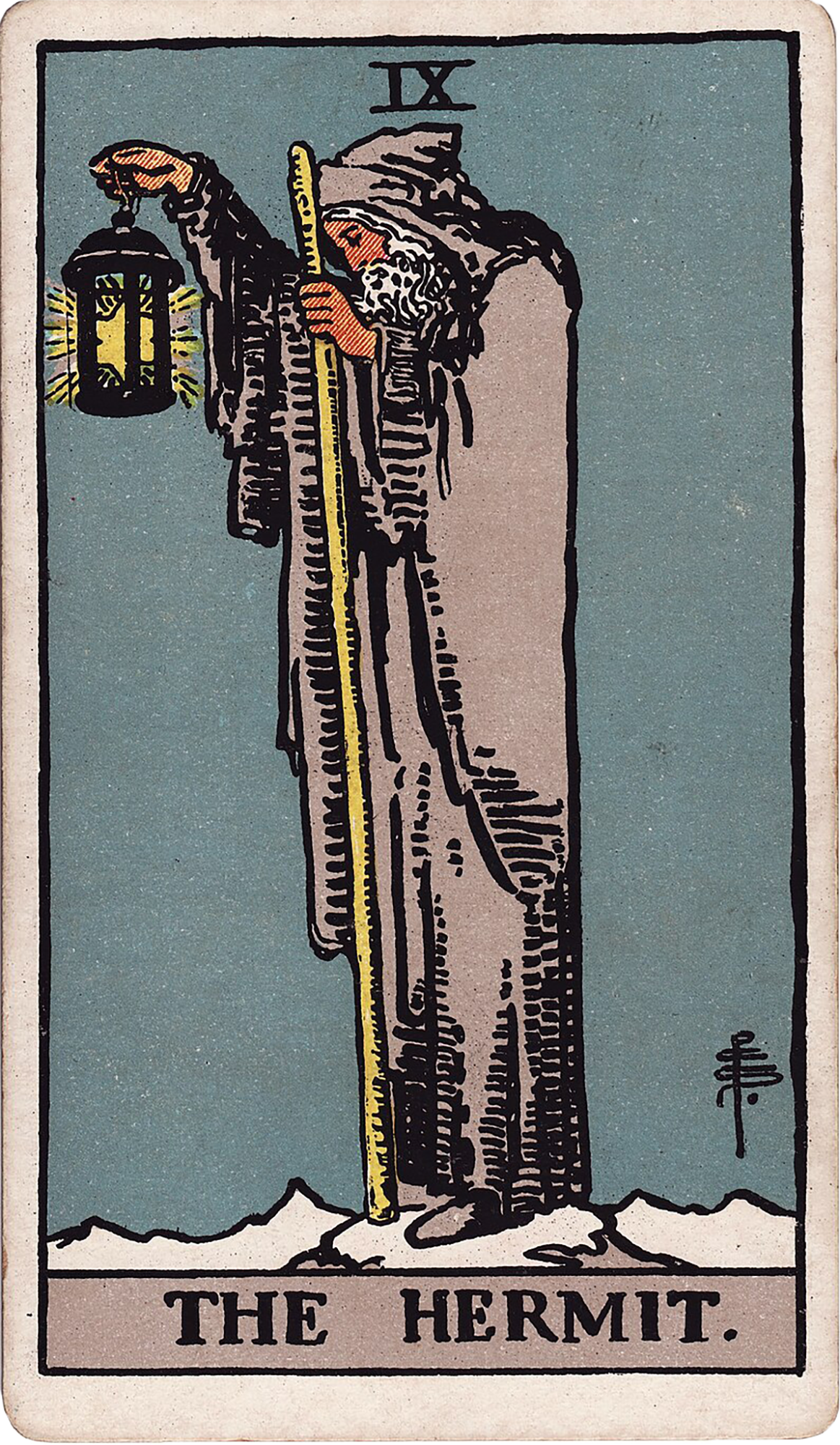 The Hermit
Introduction to The Hermit Card and Its Symbolism
The Hermit is one of the Major Arcana cards deeply associated with solitude, introspection, and internal guidance. Traditionally depicted as an elderly figure holding a lantern and staff, the card’s Rider-Waite-Smith symbolism highlights wisdom gained through withdrawal from the external world. The lantern signifies illumination derived from inner light—searching within for answers rather than relying on external noise or distractions. The staff represents support and stability on this solitary path. The Hermit’s mountain background suggests elevation and perspective, a vantage point reached through effort and contemplation rather than haste. Both upright and reversed positions of the card reveal nuanced insights about how solitude and reflection influence a situation or individual. This card encourages pause and deliberation to enhance clarity and depth in decision-making.
Upright The Hermit Meaning and Practical Technique
When The Hermit appears upright, it emphasizes stepping back to think clearly and seeking depth over noise. It often indicates that the querent has enough information visible now to consciously engage with the issue rather than waiting for certainty. Practically, when reading this card, ask where a direct response, clearer boundary, deeper honesty, or more deliberate action could move the situation forward. The card’s lesson is about measured steps informed by inner wisdom, not immediate solutions. Visualizing the lantern’s light on dark paths can help clients identify the "next proportionate step"—a smaller, manageable action rather than a giant leap. Recognizing aspects of The Hermit’s quality already present in current behavior strengthens the reading’s constructive tone.
Reversed The Hermit Meaning and Reflective Approach
The reversed Hermit often signals isolation, avoidance, excessive analysis, or withdrawal used to escape necessary participation. This is not inherently negative but suggests imbalance or blockage of the upright card’s positive qualities. In practice, explore where introspection has become counterproductive, such as refusing help or stuck in repetitive thinking. The reversal can also indicate an internal struggle or the beginning of awareness about a pattern yet to be changed. Ask: "Where is this energy becoming distorted or difficult to access?" and "Is this a temporary pause or resistance?" Integrating clues from neighboring cards (if present) helps clarify whether the reversed Hermit points to recovery or stagnation. This reflective approach avoids fear-based interpretations and instead fosters understanding of psychological depth.
The Hermit in Love Contexts
In love readings, upright The Hermit suggests a time for solitude and self-reflection before deepening connection or making relationship decisions. It may encourage one to assess personal needs honestly or establish clearer boundaries rather than rushing into emotional reactions. This card asks: "Am I seeking my own light before sharing it?" The lantern symbolizes emotional clarity illuminating what truly matters. Reversed, The Hermit may warn of withdrawal from intimacy or avoidance of emotional vulnerability. Excessive analysis may undermine genuine connection or lead to loneliness despite proximity. Understanding The Hermit here involves balancing healthy solitude with openness to connection, avoiding isolation as an escape.
The Hermit in Career and Work Settings
Upright The Hermit in career signals a phase to step back and assess goals, values, or next steps carefully. It may imply focusing on skill development, research, or strategic planning rather than immediate external success. The card’s lantern metaphor encourages illuminating hidden opportunities or challenges in the work environment. Practically, the client might consider setting clearer professional boundaries or choosing a deliberate path that aligns with inner purpose. Reversed, this card might reflect professional isolation, avoidance of collaboration, or overthinking decisions to the point of stagnation. It prompts questions about whether withdrawal is productive or a form of procrastination.
The Hermit Regarding Money and Finances
Financially, upright The Hermit encourages thoughtful management, reflecting on spending habits, or seeking wise counsel before large commitments. It highlights the value of patience and careful planning rather than impulsive financial decisions. The lantern suggests shedding light on hidden financial patterns or blind spots. When reversed, the card can indicate avoidance of financial reality, isolation due to stress, or excessive worry that prevents taking practical steps. The reversal invites exploring where withdrawal might be blocking necessary financial engagement or clarity.
The Hermit as Advice and Guidance
As advice, The Hermit calls for intentional solitude and reflection to gain clarity. It suggests that the best course may be to pause, withdraw from distractions, and listen to one’s inner voice before acting. This card advises setting boundaries and embracing moments of quiet wisdom rather than rushing. When reversed, advice includes recognizing when solitude has become unhealthy isolation or avoidance. It may encourage seeking support or breaking out of mental loops to regain balance and insight.
The Hermit as a Challenge to Overcome
When The Hermit appears as a challenge, upright it signifies difficulty in finding clarity or hesitation to step back and reflect. The challenge might be impatience or fear of solitude. Learning to embrace quiet moments and seek inner guidance becomes crucial. Reversed, the challenge often involves excessive withdrawal or avoidance—feeling stuck in isolation or overanalyzing problems without action. The lesson is to balance reflection with engagement and not let introspection become escapism.
The Hermit as a Person in the Reading
When representing a person, The Hermit describes someone introspective, wise, and possibly solitary or reserved. Upright, this individual values inner guidance and thoughtful decisions. They may act as a mentor or someone providing insight in the querent’s life. Reversed, the person might be withdrawn excessively or emotionally distant, struggling to balance solitude with connection. Observing the card’s imagery—the figure’s lantern and staff—helps readers visualize the personality’s guiding and supportive qualities or the potential shadows of isolation.
The Hermit as an Outcome or Future Influence
As an outcome, upright The Hermit suggests that the situation will benefit from careful thought, patience, and inner consultation. It may indicate a future period of solitude that leads to meaningful insight or a deliberate step forward. The card advises embracing this phase as constructive, not merely waiting passively. Reversed in this position could warn of delays caused by withdrawal, avoidance, or internal conflict. It signals the need to confront these issues honestly to avoid stagnation.
The Hermit and Spiritual Reflection
Spiritually, The Hermit is a powerful symbol of the seeker’s journey inward to find light and truth. Upright, it encourages retreat from external distractions to hear the soul’s voice, fostering growth through contemplation. The lantern is not just a tool but a metaphor for enlightenment and personal truth. Reversed, the card may indicate spiritual isolation, avoidance of necessary growth, or becoming lost in overthinking spiritual matters without integration. Reflection on this card invites honest assessment of one’s spiritual path and the balance between solitude and community.
Common Mistakes and Practical Reading Tips
A frequent mistake in reading The Hermit is interpreting solitude as inherently negative or assuming immediate ease after reflection. The card does not promise problems will vanish but emphasizes the quality of thoughtful engagement. Another error is neglecting the reversed position’s subtlety—reversal is not a disaster but an opportunity to explore imbalance or internal blocks. Practically, focus on the card’s imagery: the lantern’s light suggests illumination; the staff implies steady support; the mountain signals perspective. Encourage querents to identify what kind of solitude they are encountering and how it might serve or hinder their growth. Use open questions to connect the card’s lessons to the client’s lived experience rather than fixed predictions.
Practice questions
• Where in my life might taking a deliberate step back provide needed clarity?
• Am I using solitude to reflect constructively or to avoid necessary engagement?
• What inner light or wisdom is available to me now that I might be overlooking?
• How do I balance healthy boundaries with connection in my relationships?
• In what areas could excessive analysis be blocking my progress?
• How do I support myself when navigating periods of uncertainty or isolation?
Comments
Sign in to comment.
Continue learning
Exploring The High Priestess in Career Relationships and Personal Growth
The High Priestess card in the tarot deck invites readers to explore intuition, hidden knowledge, and inner wisdom across various life contexts. This article examines how The High...
The Fool in Life Transitions and New Beginnings
The Fool card embodies the spirit of beginnings, curiosity, and the leap of faith required during life transitions. This article explores The Fool’s meanings across various reading...
Understanding The Chariot Card in Personal Ambition and Overcoming Obstacles
The Chariot card represents the power of focused will, disciplined action, and choosing a clear direction amid competing impulses. Upright, it encourages decisive steps forward usi...
Understanding The Hermit in Self Discovery and Spiritual Enlightenment
The Hermit card in the Rider-Waite-Smith deck embodies themes of introspection, solitude, and spiritual wisdom. This article examines how The Hermit's upright and reversed position...
Exploring The Hierophant in Modern Spiritual Practices and Personal Development
The Hierophant tarot card symbolizes structured wisdom, tradition, and the pursuit of knowledge through established systems. This article explores how The Hierophant’s upright and...
Applying The Star Card to Foster Hope and Renewal in Personal Growth
The Star card in Tarot symbolizes hope, authenticity, and the process of steady renewal. In a single-card reading, The Star encourages embracing what is present, cultivating openne...
Understanding The Wheel of Fortune in Tarot Readings for Life Cycles and Change
The Wheel of Fortune card in Tarot is a powerful symbol of cycles, change, and the dynamics of fate and free will. This article explores the card’s upright and reversed meanings, a...
Understanding The Hermit Card in Solitude Reflection and Guidance
This article offers an in-depth exploration of The Hermit tarot card as a single-card reading in different contexts such as love, career, money, advice, challenge, person, outcome,...
Understanding The Tower in Tarot for Navigating Sudden Change and Crisis
The Tower card in Tarot symbolizes sudden, often disruptive change that destroys false foundations and compels honest reassessment. This article provides a comprehensive exploratio...
Understanding The Hanged Man in Personal Sacrifice and Spiritual Growth
The Hanged Man tarot card embodies the themes of intentional pause, surrender, and gaining new perspectives that foster personal sacrifice and spiritual growth. In this article, we...