
Understanding The Hermit in Career Decisions Spiritual Growth and Personal Reflection
The Hermit card invites introspection, deliberate thought, and solitude to gain clarity and wisdom. This article explores The Hermit's upright and reversed meanings specifically in career decisions, spiritual growth, and personal reflection. Using the traditional Rider-Waite-Smith imagery and symbolism, we analyze how The Hermit's message adapts across these contexts. Readers will gain practical techniques, common pitfalls, and interpretative strategies for a nuanced, single-card reading that highlights thoughtful engagement over quick answers.
Cards explored in this article
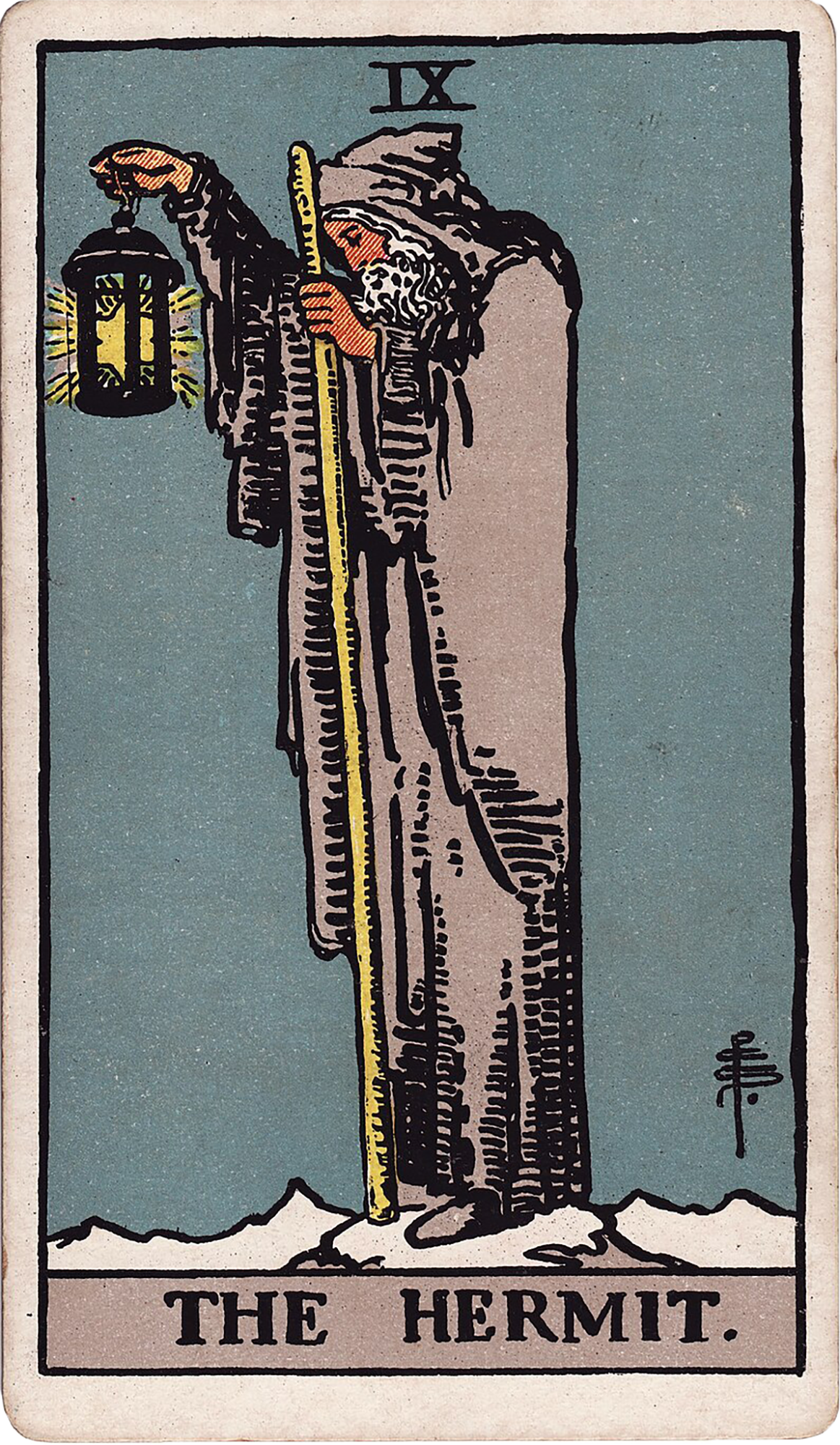 The Hermit
Introduction to The Hermit and Its Symbolism
The Hermit is a solitary figure cloaked in a heavy robe, holding a glowing lantern high to illuminate his path. Traditionally numbered IX in the Major Arcana, this card represents the archetype of introspection, wisdom through solitude, and seeking inner truth. In the Rider-Waite-Smith deck, the lantern symbolizes the light of insight or consciousness guiding the way, while the staff represents support and stability on this inward journey. The mountain peak in the background suggests that wisdom is gained through effort and elevation above daily distractions. Understanding these symbols is crucial when reading The Hermit across different contexts since its core message revolves around stepping back to gain perspective rather than immediate action.
Upright The Hermit Meaning and Practical Advice
When The Hermit appears upright, it encourages purposeful withdrawal from noise and external pressures to engage in deliberate reflection. It does not imply that the situation will resolve itself easily, but rather that clarity and insight can be cultivated by thoughtful observation and honest self-questioning. Practically, this suggests working with what is presently known instead of chasing certainty or impulsive solutions. The key questions to ask include: Where is a clearer boundary needed? What truth might be hidden under surface assumptions? What slow, deliberate step can move the situation forward? The Hermit's light is a guide, not a guarantee—its presence calls for patience and integrity in decision-making.
Reversed The Hermit Meaning and Challenges
When reversed, The Hermit's energy may become distorted or imbalanced. This can show excessive isolation, avoidance of necessary engagement, or getting trapped in over-analysis without action. Unlike upright, which respects solitude as constructive, reversed The Hermit warns of loneliness that hampers growth or using withdrawal as escapism. However, a reversed position doesn't mean disaster; it can also highlight emerging awareness of unhelpful patterns or a transitional phase toward healing. The critical question is: Where is this introspective energy becoming stuck or misapplied? Recognizing reversal as a call to re-balance internal focus and external participation prevents stagnation or emotional withdrawal.
The Hermit in Career Decisions
In career contexts, upright The Hermit encourages stepping back from workplace noise and external expectations to evaluate one’s professional path with clarity. The card suggests taking time for honest self-assessment—what skills truly align with your values? What next step fits your long-term vision rather than short-term gain? It can also indicate a period of learning, research, or mentorship that deepens understanding before major moves. For example, a reader seeing The Hermit upright might advise the querent to pause before switching jobs, focusing instead on inner guidance and gathering knowledge. Reversed in career, The Hermit warns against isolation that leads to disconnection at work or avoidance of collaboration. It may reveal fear of confronting challenges or procrastination through overthinking. A reversed Hermit could suggest the person is withdrawing so much that opportunities are missed or that they resist seeking help. In this case, the reading might highlight the need to balance introspection with active engagement and networking.
The Hermit and Spiritual Growth
Spiritually, The Hermit upright embodies the quest for inner illumination through solitude and contemplation. This card invites seekers to turn inward, cultivate mindfulness, and discover personal truths beyond external dogma or distractions. The lantern represents the individual's inner light or divine spark. The Hermit's wisdom comes from experience, reflection, and conscious effort to illuminate hidden aspects of the self. The reversed Hermit in spirituality signals potential pitfalls such as spiritual isolation that breeds loneliness or self-absorption. It may indicate spiritual bypassing—using introspection to avoid real emotional or relational work. Alternatively, it can mark a stage where awareness of old spiritual patterns arises but full transformation is incomplete. Practitioners should watch for imbalance between solitude and social spiritual practice, integrating insights into life rather than withdrawing entirely.
The Hermit in Personal Reflection and Emotional Insight
On a personal reflection level, The Hermit upright urges taking time for honest self-examination. This can mean journaling, meditation, or simply quiet moments away from input to assess feelings, motives, and experiences. The card does not promise instant answers but supports gradual, deliberate insight that clarifies what truly matters. When reversed, The Hermit highlights difficulties in this process: emotional avoidance, denial, or getting lost in negative rumination. It may also point to excessive self-isolation that prevents healing or growth. In readings focused on personal issues, The Hermit reversed asks the querent to acknowledge where they block or resist inner work and to consider seeking balance through trusted connection or new perspectives.
Techniques for Reading The Hermit in Context
To read The Hermit effectively, start by observing the card’s imagery: the figure’s posture, the lantern’s brightness, the surrounding landscape. Use these details to connect with the card’s message of illumination and solitude. Then identify the card’s position—upright or reversed—to understand how its energy is expressed. Next, consider the reading’s question or context. For career, ask what part of the professional journey requires contemplation or boundaries. For spiritual questions, focus on inner light and balance between solitude and engagement. For personal reflection, explore emotional honesty and readiness for insight. Avoid jumping to deterministic conclusions. Instead, use The Hermit as a lens to highlight mental attitudes and potential next steps. Encourage querents to embrace intentional solitude as a resource rather than a retreat from responsibility. Finally, check for any nearby cards (if part of a multi-card spread) that may amplify or modify The Hermit’s themes.
Common Mistakes and How to Avoid Them
A frequent mistake is interpreting The Hermit as simply a call to be alone without recognizing the card’s emphasis on purposeful, constructive solitude. Readers may also overlook the card’s complexity by assuming it always signals positive wisdom or, conversely, that its reversal indicates failure. Another trap is ignoring the practical advice embedded in the card—The Hermit does not promote passive waiting but thoughtful action based on honest insight. In career readings, this especially matters to avoid paralysis. Also, do not confuse The Hermit’s introspection with escapism; the card’s lantern suggests active searching rather than avoidance. To avoid these errors, always anchor your interpretation in the card’s specific imagery and symbolism, consider the reading’s context, and ask clarifying questions about the quality and balance of solitude and engagement.
Practical Examples of The Hermit in Readings
Example 1: Career Reading Upright - A client unsure about changing jobs draws The Hermit upright. The interpretation focuses on taking time to research the new field, reflect on core values, and seek mentorship before making a move. Example 2: Spiritual Growth Reversed - A seeker feels stuck in their practice and draws The Hermit reversed. The reading highlights the need to re-engage with community or move beyond intellectualizing spirituality to integrate emotional healing. Example 3: Personal Reflection Upright - Someone facing a difficult emotional decision draws The Hermit upright. The advice is to spend quiet time journaling and meditating to gain clarity rather than reacting impulsively. These examples demonstrate how The Hermit acts as a guide to thoughtful, measured progress rather than instant answers.
Practice questions
• In what areas of my life might I benefit from stepping back and seeking deeper insight before acting?
• Am I currently using solitude as a constructive space for growth or as a means of avoidance?
• How do I recognize the difference between healthy introspection and excessive withdrawal?
• What truths might I uncover if I honestly evaluate my career or spiritual path without distraction?
• How can I balance my need for inner reflection with active participation in my relationships and community?
Comments
Sign in to comment.
Continue learning
Understanding the Synergy Between The Empress and The Emperor in Tarot Card Combinations
This article delves into the intricate synergy between The Empress and The Emperor cards in Tarot, focusing on how their combined energies modify and enrich readings across various...
Exploring The High Priestess in Career Relationships and Personal Growth
The High Priestess card in the tarot deck invites readers to explore intuition, hidden knowledge, and inner wisdom across various life contexts. This article examines how The High...
Using the Five Card Cross Tarot Spread to Navigate Career Changes with Confidence
The Five Card Cross Tarot Spread is a versatile and insightful tool for navigating career changes. This article guides learners through the method step-by-step using a practical ex...
Exploring The Hierophant in Modern Spiritual Practices and Personal Development
The Hierophant tarot card symbolizes structured wisdom, tradition, and the pursuit of knowledge through established systems. This article explores how The Hierophant’s upright and...
Unlocking Personal Ambition and Emotional Balance with The Chariot and Queen of Cups
The Chariot and Queen of Cups together represent a compelling combination of disciplined ambition and emotional maturity. This article guides learners through understanding how the...
Understanding The Tower in Tarot for Navigating Sudden Change and Crisis
The Tower card in Tarot symbolizes sudden, often disruptive change that destroys false foundations and compels honest reassessment. This article provides a comprehensive exploratio...
Understanding The Hanged Man in Personal Sacrifice and Spiritual Growth
The Hanged Man tarot card embodies the themes of intentional pause, surrender, and gaining new perspectives that foster personal sacrifice and spiritual growth. In this article, we...
Discovering The Hermit in Meditation and Self Reflection Practices
The Hermit tarot card, a symbol of introspection and deliberate solitude, offers profound lessons for meditation and self-reflection practices. This article unpacks its upright and...
Unlocking Emotional Balance with The Lovers and Temperance in Tarot Combinations
This article explores the dynamic interplay between The Lovers and Temperance cards in Tarot readings, focusing on how their combination unlocks emotional balance and integration....
Understanding the Court Cards of Pentacles for Practical Wisdom and Grounded Ambition
The Court Cards of Pentacles—Page, Knight, Queen, and King—offer a rich framework for understanding practical wisdom, grounded ambition, and stewardship of material resources. Anch...