
Understanding The Hermit in Career Spirituality and Personal Reflection
The Hermit tarot card symbolizes introspection, solitude, and the search for inner truth. This article unpacks the card's meanings in career, spirituality, and personal reflection, emphasizing practical reading techniques and common pitfalls. By analyzing upright and reversed positions as depicted in the supplied Rider-Waite-Smith imagery, readers learn to integrate The Hermit's wisdom into diverse tarot contexts thoughtfully and effectively.
Cards explored in this article
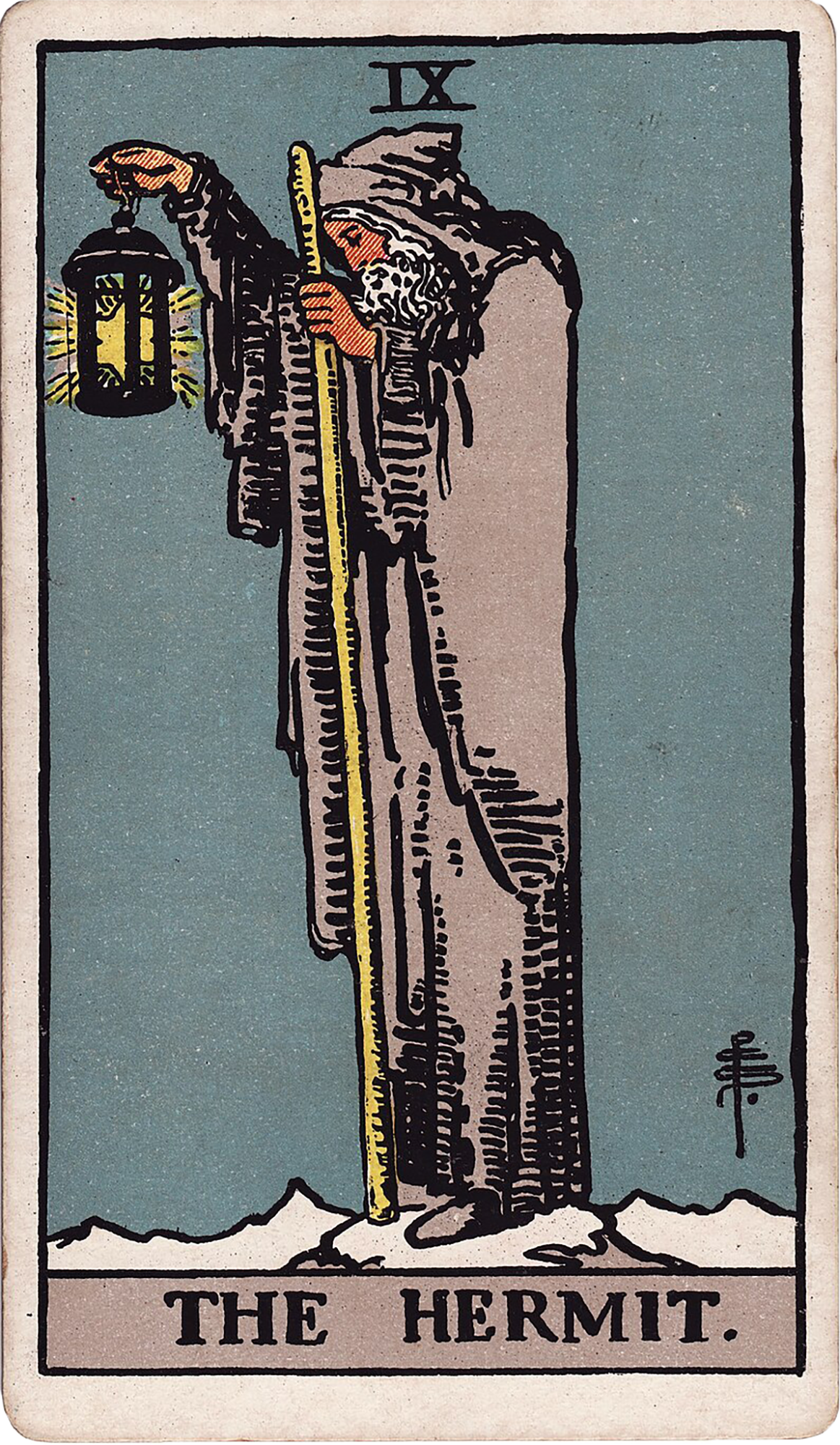 The Hermit
Introduction to The Hermit and Its Symbolism
The Hermit is the ninth card of the Major Arcana in the Rider-Waite-Smith tarot deck, traditionally numbered IX. The card depicts an elderly figure cloaked in a gray robe, standing alone on a mountain peak. He holds a lantern in his right hand, illuminating the path ahead, and a staff in his left, symbolizing support and guidance. The lantern carries a six-pointed star (the Seal of Solomon), representing wisdom and insight. The Hermit’s solitude and contemplative stance emphasize withdrawal from external distractions to seek inner clarity and spiritual enlightenment. This imagery invites the reader to consider introspection, patience, and deliberate decision-making. The card is often associated with the qualities of prudence, reflection, and measured progress rather than haste and impulsiveness.
The Hermit Upright in Career Context
When The Hermit appears upright in a career reading, it encourages stepping back to evaluate your professional path carefully. The card suggests that instead of pursuing immediate advancement or networking aggressively, you may benefit from solitary reflection on your goals, values, and potential new directions. The lantern symbolizes the light of insight that emerges when distractions are minimized. Practically, this might mean taking time for skill development, researching career options, or clarifying your professional priorities. The Hermit signals that the central issues of your work life have reached a stage where conscious engagement is possible—rather than waiting for certainty, you should identify the next reasonable step forward. It also warns against rushing into decisions without thoughtful appraisal. The staff implies steady progress, so small, deliberate actions are favored over grand gestures. In this way, The Hermit helps you build a sustainable career foundation based on authenticity and wisdom.
The Hermit Reversed in Career Context
A reversed Hermit in career often points to excessive isolation or avoidance behaviors. You might be withdrawing from necessary collaboration or refusing to seek guidance when it’s needed. This can manifest as loneliness in the workplace or an unwillingness to confront challenges directly. Alternatively, the card may suggest overanalyzing situations to the point of paralysis, with indecision preventing growth. The reversed card is not inherently negative but signals blocked access to The Hermit’s upright strengths—wisdom and clear thinking. You are invited to examine where fear or resistance is keeping you locked in unproductive solitude. It might be time to reach out for mentorship or reengage with your professional community. Look for neighboring cards in your spread to determine whether this reversal signals a temporary pause or a deeper challenge requiring intervention.
The Hermit Upright in Spirituality
Spiritually, The Hermit upright represents the quest for inner truth and enlightenment. The figure’s solitude is not loneliness but a sacred withdrawal to commune with higher wisdom. The lantern symbolizes illumination gained from self-reflection, meditation, or contemplative practice. This card invites you to cultivate patience and humility while seeking spiritual clarity. Instead of external distractions or quick fixes, The Hermit encourages embracing silence and stillness to hear your soul’s voice. The mountain peak signals spiritual ascension and perspective gained by distancing yourself from mundane concerns. This card often appears when you are entering a phase of deep spiritual inquiry or needing to integrate lessons inwardly. The staff represents the support of inner guidance or spiritual tradition that helps you navigate this path.
The Hermit Reversed in Spirituality
When reversed, The Hermit warns of spiritual isolation that is unbalanced—either clinging to solitude out of fear or avoiding necessary self-examination. It can point to spiritual bypassing, where you use meditation or retreat to escape rather than confront emotional or psychological issues. The card may also indicate a phase of spiritual confusion, loneliness, or feeling cut off from guidance. The useful approach is to question where your spiritual practices have become rigid or disconnected from real life. This reversal can mark the beginning of recognizing outdated patterns but not yet fully releasing them. Seeking community, sharing experiences, or grounding spiritual insights in daily life can help restore balance.
The Hermit Upright in Personal Reflection
In personal reflection, The Hermit upright encourages honest self-examination and clarity about life choices. The card’s imagery suggests stepping away from external voices or societal expectations to listen deeply to your inner wisdom. The lantern is a metaphor for personal insight that emerges when you focus inward. This card invites deliberate honesty and boundary-setting—asking yourself where clearer communication or a more conscious decision would improve your life. It also points to working with what is currently present rather than waiting for perfect circumstances. The mountain peak imagery reminds you that growth often requires solitude and patience. Practically, this may involve journaling, meditation, or simply carving out quiet time to think without distraction.
The Hermit Reversed in Personal Reflection
Reversed, The Hermit in personal reflection can highlight avoidance or denial of inner truths. You might be using distraction or busyness to prevent confronting uncomfortable feelings or decisions. Alternatively, the card signals getting stuck in overthinking without making progress. Loneliness or feeling disconnected from your authentic self can also be themes. This reversal invites compassion and curiosity about where you resist self-awareness. It may be helpful to gently challenge patterns of avoidance or seek external support if introspection becomes overwhelming. The reversed Hermit is a call to balance solitude with engagement and to transform isolation from a prison into a purposeful refuge.
Common Mistakes in Reading The Hermit
A frequent error when interpreting The Hermit is equating solitude with loneliness or negativity. Though The Hermit is often seen as solitary, his isolation is purposeful and enriching, not inherently adverse. Another mistake is reading the card as a sign that a problem will resolve easily—The Hermit emphasizes wisdom and thoughtful action rather than immediate solutions. Additionally, ignoring the card’s position (upright vs reversed) or surrounding cards can lead to oversimplified meanings. The Hermit’s lesson is nuanced; readers should consider how the card’s themes of reflection, boundaries, and insight play out contextually. Finally, beginners may overlook the card’s encouragement to work with available resources rather than waiting for complete certainty. The Hermit invites gradual progress, not paralysis by analysis.
Practical Methods for Integrating The Hermit Into Readings
When The Hermit appears, begin by observing whether it is upright or reversed and what qualities are emphasized accordingly. Ask yourself reflective questions such as: Where in this situation might deliberate thought or stepping back be beneficial? Is there avoidance or overanalysis present? Next, identify the 'lantern'—the source of illumination in the querent’s life—and the 'mountain'—the obstacles or higher perspective represented. Relate these symbols to the question or context at hand. For example, in career readings, the lantern might symbolize knowledge or mentorship, while in spirituality it can signify inner light or divine guidance. Encourage querents to consider small, manageable steps forward, reflecting The Hermit’s staff imagery of support. Finally, note neighboring cards to clarify whether The Hermit’s energy is balanced, delayed, or distorted, especially when reversed. This holistic approach helps maintain connection to the card’s rich symbolism and practical wisdom.
Practice questions
• Where in my life am I currently resisting the need for solitude or reflection?
• How can I embrace patience and deliberate action when facing uncertainty?
• In what ways might I be overanalyzing or avoiding necessary decisions?
• What sources of inner wisdom or guidance can I rely on during challenging times?
• How can I balance healthy isolation with community and support?
Comments
Sign in to comment.
Continue learning
Understanding the Synergy Between The Empress and The Emperor in Tarot Card Combinations
This article delves into the intricate synergy between The Empress and The Emperor cards in Tarot, focusing on how their combined energies modify and enrich readings across various...
Exploring The High Priestess in Career Relationships and Personal Growth
The High Priestess card in the tarot deck invites readers to explore intuition, hidden knowledge, and inner wisdom across various life contexts. This article examines how The High...
Using the Five Card Cross Tarot Spread to Navigate Career Changes with Confidence
The Five Card Cross Tarot Spread is a versatile and insightful tool for navigating career changes. This article guides learners through the method step-by-step using a practical ex...
Exploring The Hierophant in Modern Spiritual Practices and Personal Development
The Hierophant tarot card symbolizes structured wisdom, tradition, and the pursuit of knowledge through established systems. This article explores how The Hierophant’s upright and...
Unlocking Personal Ambition and Emotional Balance with The Chariot and Queen of Cups
The Chariot and Queen of Cups together represent a compelling combination of disciplined ambition and emotional maturity. This article guides learners through understanding how the...
Understanding The Tower in Tarot for Navigating Sudden Change and Crisis
The Tower card in Tarot symbolizes sudden, often disruptive change that destroys false foundations and compels honest reassessment. This article provides a comprehensive exploratio...
Understanding The Hanged Man in Personal Sacrifice and Spiritual Growth
The Hanged Man tarot card embodies the themes of intentional pause, surrender, and gaining new perspectives that foster personal sacrifice and spiritual growth. In this article, we...
Discovering The Hermit in Meditation and Self Reflection Practices
The Hermit tarot card, a symbol of introspection and deliberate solitude, offers profound lessons for meditation and self-reflection practices. This article unpacks its upright and...
Unlocking Emotional Balance with The Lovers and Temperance in Tarot Combinations
This article explores the dynamic interplay between The Lovers and Temperance cards in Tarot readings, focusing on how their combination unlocks emotional balance and integration....
Understanding the Court Cards of Pentacles for Practical Wisdom and Grounded Ambition
The Court Cards of Pentacles—Page, Knight, Queen, and King—offer a rich framework for understanding practical wisdom, grounded ambition, and stewardship of material resources. Anch...