
Understanding The Hierophant for Tradition Spirituality and Modern Guidance
The Hierophant card in tarot embodies the principles of tradition, established wisdom, and structured guidance. This comprehensive article examines The Hierophant’s rich symbolism, upright and reversed meanings, and how its interpretation shifts across multiple reading contexts. Anchored in the Rider-Waite-Smith imagery and conventional meanings, readers will learn practical methods to apply The Hierophant’s lessons for personal growth and clarity in love, career, money, and spirituality.
Cards explored in this article
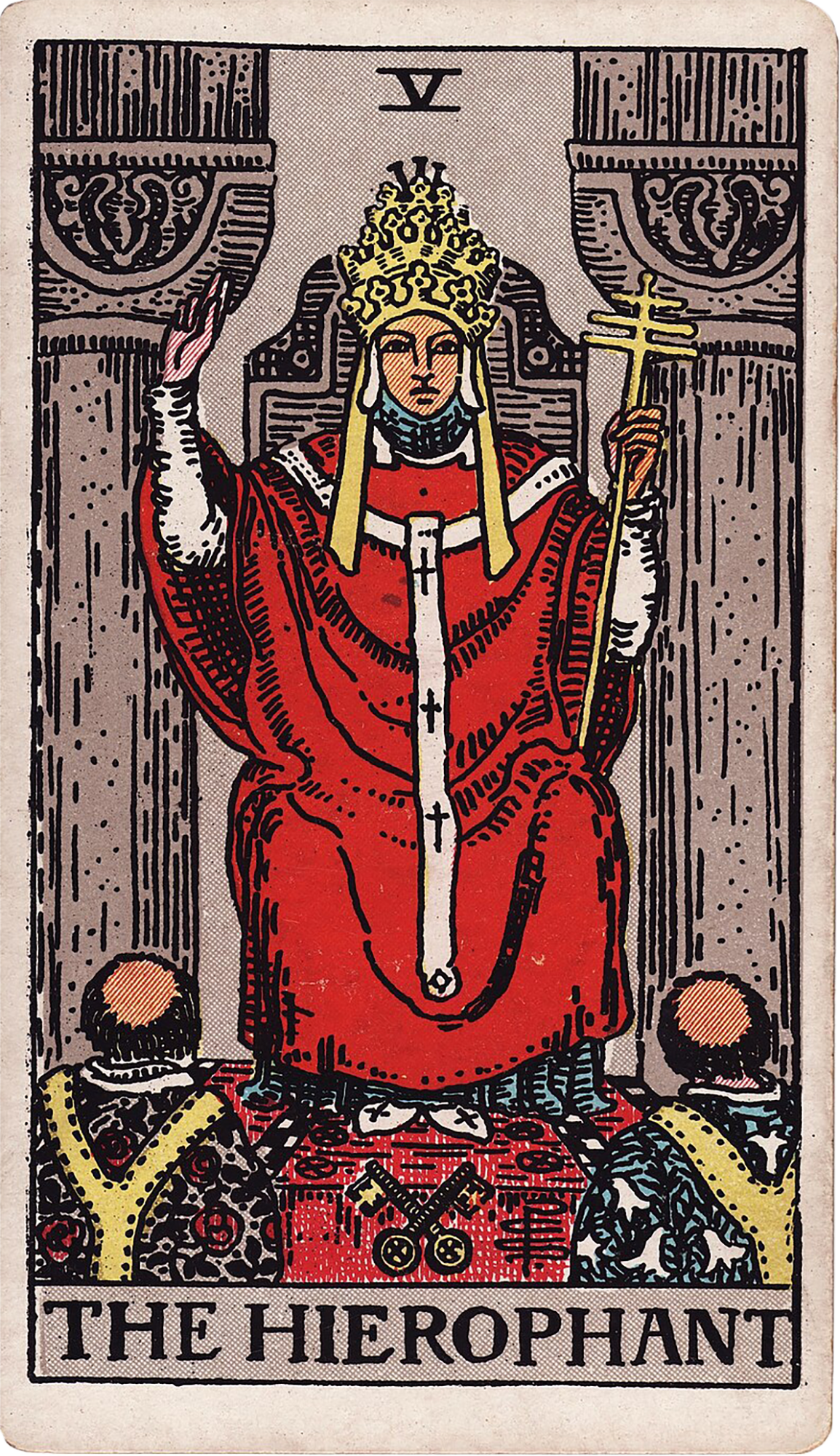 The Hierophant
Introduction to The Hierophant and Its Core Symbolism
The Hierophant, numbered V in the Major Arcana, is a figure deeply rooted in tradition, spiritual authority, and the transmission of established knowledge. Depicted traditionally as a pontiff or pope-like figure seated between two pillars, wearing ceremonial robes, and holding a triple cross staff, this card symbolizes structured wisdom, formal teachings, and societal conventions. In the Rider-Waite-Smith deck, the Hierophant’s hand gesture of blessing and the two acolytes at his feet underscore the theme of guided learning and institutionalized belief systems. The card invites reflection on where we seek counsel, honor traditions, and recognize the value of rules before deciding whether to conform or challenge them.
Upright The Hierophant Meaning and Practical Guidance
When The Hierophant appears upright, it emphasizes learning from established wisdom, seeking qualified guidance, and understanding the rules or systems relevant to the situation. This upright position does not guarantee ease but highlights qualities such as patience, respect for structure, and the ability to engage consciously with tradition. For tarot practitioners, the key question is where clearer boundaries or a more deliberate choice might progress the querent's journey. Practically, this card suggests working with existing resources and knowledge rather than waiting for ideal conditions. The symbols of the triple cross and the two pillars remind us of the balance between faith and reason, inner belief and external authority.
Reversed The Hierophant Meaning and Interpretation Challenges
The Hierophant reversed often signals dogma, blind conformity, empty ritual, or resistance to tradition without understanding why. Unlike a negative omen, this reversal points to blocks or imbalances in accessing the upright card’s constructive qualities. It might reveal internalized rules causing psychological tension or a developing awareness of outdated patterns. For example, the querent might be rebelling without fully grasping the foundation of the system they resist. The reversed card encourages asking where rigidity or institutional demands have become burdensome, or where personal growth requires breaking free from inherited belief structures. Nearby cards can clarify if this is a phase of resistance, recovery, exaggeration, or a pause.
The Hierophant in Love and Relationships
In love readings, upright The Hierophant suggests relationships grounded in shared values, mutual respect for traditions, or the desire for commitment and formalization, such as marriage or partnership rituals. The imagery of a spiritual teacher guiding two followers can represent mentorship or relationship counseling that helps couples align on sacred or cultural expectations. It encourages asking whether the couple is consciously engaging with their relationship’s rules or traditions. Reversed, the card might indicate conflicts around conformity, pressure to follow societal norms, or a partner rebelling against imposed roles without clear conversation. As a reading technique, look at whether the querent is seeking external validation or authentic connection.
Career Context and The Hierophant’s Role in Work Life
The Hierophant upright in career contexts points to professions tied to institutions, education, law, religion, or structured organizations. It encourages learning from mentors, following protocols, and respecting hierarchies while developing skills within the system before attempting innovation. The card’s symbolism reminds readers that wisdom often comes from disciplined study and adherence to tested methods. Reversed, it can highlight workplace rigidity, outdated procedures, or resistance to authority that may hinder progress. It may also warn against mindless conformity or burnout from trying to fit into inflexible systems. Applying this insight, the reader should consider where adapting tradition helps versus where challenging it is necessary.
Money and Financial Decisions through The Hierophant Lens
Financially, upright The Hierophant advocates for cautious and informed choices based on established financial principles or consulting trusted advisors. It highlights the importance of systems like budgets, formal contracts, or institutional support such as banks or accountants. This card supports stability built on tradition rather than risky speculation. Reversed, it may indicate financial dogma causing stress, such as blindly following outdated money habits or experiencing frustration with rigid economic structures. The reader’s practical method here involves assessing which financial beliefs serve current goals and which require reconsideration to restore balance.
Advice and Challenge with The Hierophant’s Wisdom
As advice, The Hierophant upright encourages seeking out knowledgeable mentors, engaging with formal learning, and honoring established ethical guidelines. It suggests that embracing tradition or system rules can provide clarity and a foundation for growth. The card challenges the querent to ask where deeper honesty or clearer boundaries would help move the situation forward. Conversely, when reversed, the Hierophant challenges the querent to recognize areas of rebellion or stagnation caused by unexamined dogma. The practical approach is to identify distorted or blocked energies related to belief systems and to balance respect for tradition with healthy skepticism.
The Hierophant as a Person in Readings
When representing a person, upright The Hierophant typically describes someone embodying wisdom, authority, or mentorship. This figure may be a teacher, counselor, religious leader, or an individual who respects conventions and supports others in learning established paths. The person may offer structured guidance or encourage the querent to adhere to rules and traditions. Reversed, this person might be rigid, dogmatic, or someone who challenges authority without constructive insight. They could also represent internalized pressures or psychological struggles related to conformity and belief. Observing the card’s imagery—the triple cross, the gesture of blessing, and the pillars—helps readers visualize this archetype’s qualities.
Outcome and Potential Future Indicated by The Hierophant
As an outcome card, upright The Hierophant suggests resolution through formal agreement, acceptance of tradition, or gaining clarity via established wisdom. It points to the successful integration of rules and guidance in navigating the situation. The imagery implies stability, support, and a conscious commitment to values that provide structure. When reversed, the outcome may be delayed or complicated by resistance to authority, confusion over dogmatic constraints, or a need to reconsider inherited patterns. The card invites patience and reflection on whether following tradition is truly beneficial or if a new path should be sought.
Spiritual Reflection and The Hierophant’s Deeper Meaning
Spiritually, The Hierophant embodies the bridge between divine knowledge and human understanding. Upright, it calls for respect toward wisdom traditionally passed down and conscious engagement with spiritual teachings. It emphasizes the value of ritual, community, and disciplined practice as ways to deepen faith and ethical living. Reversed, the card encourages questioning inherited spiritual beliefs that no longer serve growth or cause internal conflict. It invites seekers to discern authentic spirituality beyond empty ritual or blind obedience. Tarot readers can use this card to facilitate a dialogue about where spiritual traditions provide genuine support and where personal evolution demands reinterpretation.
Common Mistakes and Practical Tips for Reading The Hierophant
A common mistake when interpreting The Hierophant is assuming the card always means strict conformity or conservatism. Instead, it is crucial to see the card’s nuanced teaching about the choice to engage with tradition consciously. Another error is to view the reversed Hierophant negatively without exploring how the energy might represent necessary internal questioning or growth. Practical reading tips include: always referring back to the card’s imagery, asking context-specific questions about where guidance or rules play a role, and examining surrounding cards for clues on how the Hierophant’s energy manifests. Using the card as a prompt for inquiry about boundaries, learning, and ethical choices enriches the reading’s depth.
Practice questions
• Where in my life am I currently engaging with tradition or established systems, and how consciously am I doing so?
• What guidance or mentorship might I seek to help navigate my current challenges?
• Are there areas where I am conforming out of habit rather than choice?
• How do I balance respect for authority with healthy questioning or rebellion?
• In what ways can I apply the lessons of The Hierophant to deepen my spiritual or ethical growth?
Comments
Sign in to comment.
Continue learning
Exploring The High Priestess in Career Relationships and Personal Growth
The High Priestess card in the tarot deck invites readers to explore intuition, hidden knowledge, and inner wisdom across various life contexts. This article examines how The High...
The Fool in Life Transitions and New Beginnings
The Fool card embodies the spirit of beginnings, curiosity, and the leap of faith required during life transitions. This article explores The Fool’s meanings across various reading...
Understanding The Chariot Card in Personal Ambition and Overcoming Obstacles
The Chariot card represents the power of focused will, disciplined action, and choosing a clear direction amid competing impulses. Upright, it encourages decisive steps forward usi...
Understanding The Hermit in Self Discovery and Spiritual Enlightenment
The Hermit card in the Rider-Waite-Smith deck embodies themes of introspection, solitude, and spiritual wisdom. This article examines how The Hermit's upright and reversed position...
Exploring The Hierophant in Modern Spiritual Practices and Personal Development
The Hierophant tarot card symbolizes structured wisdom, tradition, and the pursuit of knowledge through established systems. This article explores how The Hierophant’s upright and...
Applying The Star Card to Foster Hope and Renewal in Personal Growth
The Star card in Tarot symbolizes hope, authenticity, and the process of steady renewal. In a single-card reading, The Star encourages embracing what is present, cultivating openne...
Understanding The Wheel of Fortune in Tarot Readings for Life Cycles and Change
The Wheel of Fortune card in Tarot is a powerful symbol of cycles, change, and the dynamics of fate and free will. This article explores the card’s upright and reversed meanings, a...
Understanding The Hermit Card in Solitude Reflection and Guidance
This article offers an in-depth exploration of The Hermit tarot card as a single-card reading in different contexts such as love, career, money, advice, challenge, person, outcome,...
Understanding The Tower in Tarot for Navigating Sudden Change and Crisis
The Tower card in Tarot symbolizes sudden, often disruptive change that destroys false foundations and compels honest reassessment. This article provides a comprehensive exploratio...
Understanding The Hanged Man in Personal Sacrifice and Spiritual Growth
The Hanged Man tarot card embodies the themes of intentional pause, surrender, and gaining new perspectives that foster personal sacrifice and spiritual growth. In this article, we...