
Understanding the Multifaceted Role of The Hierophant in Personal Growth and Decision Making
The Hierophant tarot card embodies the dynamics of tradition, learning from established wisdom, and the balance between conformity and personal belief systems. This article analyzes The Hierophant in both upright and reversed positions, showing how it offers insight into personal growth and decision making in diverse contexts such as love, career, finances, advice, challenges, personality, outcomes, and spiritual reflection. Using the card's Rider-Waite-Smith imagery and symbolism, readers will gain practical techniques for interpretation, common pitfalls to avoid, and examples that connect visual elements with core meanings. This educational piece encourages learners to approach The Hierophant not as a fixed prediction, but as a tool for understanding where structure and personal values intersect in life’s choices.
Cards explored in this article
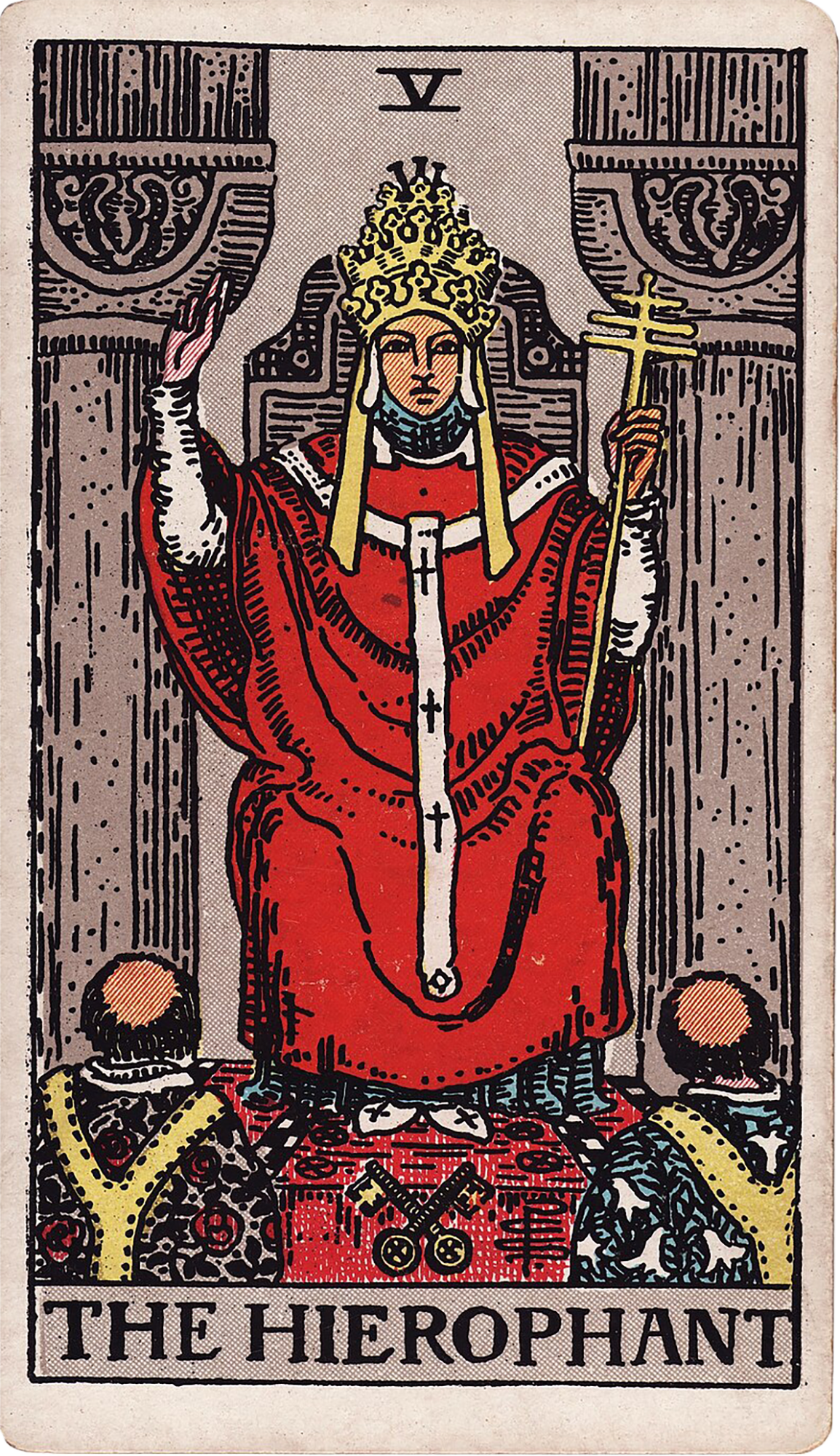 The Hierophant
Introduction to The Hierophant and Its Symbolism
The Hierophant is traditionally the fifth card in the Major Arcana, often depicted as a spiritual teacher or pope figure seated between two pillars, symbolizing balance and authority. He holds a triple cross staff, representing his sacred knowledge and connection to higher wisdom, while his hand gesture resembles a blessing or transmission of knowledge. Two acolytes at his feet indicate the transmission of tradition and established knowledge. This imagery invites the reader to consider learning, institutional authority, societal norms, and spiritual guidance. In Rider-Waite-Smith symbolism, The Hierophant emphasizes conformity to established systems but also the possibility of inner wisdom through engagement with these systems.
Upright The Hierophant in Personal Growth and Decision Making
When The Hierophant appears upright, it highlights the importance of engaging with established wisdom, whether through formal education, spiritual guidance, or societal rules. Personal growth here involves recognizing the value of tradition and the frameworks that have guided others before you. This card encourages a deliberate, conscious choice to learn from qualified teachers or mentors rather than acting impulsively or independently without sufficient foundation. The upright Hierophant advises working with what is currently available, seeing that the core issue is clear enough to take meaningful next steps. It calls for integrity, clearer boundaries, and honesty in assessing your position and options. In decision making, it suggests consulting established methods or ethical frameworks rather than improvising without reflection.
Reversed The Hierophant in Personal Growth and Decision Making
In reversal, The Hierophant signals a blockage or distortion in the upright qualities. This may manifest as blind conformity to dogma, rebellion without understanding, or engaging in rituals without meaning. Rather than outright failure, the reversed card invites reflection on where adherence to tradition or authority feels oppressive or misaligned with personal values. It may also indicate internalizing these influences, leading to conflict or confusion about identity and choices. The reversed Hierophant often points to a psychological inward turn, revealing old patterns that need recognition before transformation. In decision making, it challenges the querent to question inherited beliefs and consider whether their current path is authentically theirs or a reaction to external pressures.
The Hierophant in Love Context
Upright, The Hierophant in love readings suggests relationship values rooted in tradition, commitment, and shared belief systems. It may indicate a relationship grounded in mutual respect for cultural or familial expectations, or a call to seek wisdom from mentors or counselors for guidance. It encourages honesty about where boundaries and expectations lie, fostering stability and long-term growth. Reversed, the card can reveal tension caused by rigid expectations or rebellion against traditional relationship forms. It might reflect resistance to conventional structures like marriage or societal pressure, or reveal patterns of conformity that suppress authentic emotional needs. The reversed card suggests a need to reassess whether love is being expressed freely or constrained by dogma.
The Hierophant in Career Context
In career readings, upright The Hierophant suggests success through adherence to established protocols, continued education, or seeking mentorship in a hierarchical structure. It may encourage working within a system rather than against it, and carefully following ethical or professional standards. This card highlights the benefits of learning from authority figures and recognizing institutional wisdom. When reversed, it warns of potential conflicts with rigid workplace cultures, resistance to authority, or feeling trapped by bureaucratic constraints. It advises questioning whether the established career path serves your growth or if you are rebelling without clear alternatives. The reversed Hierophant encourages reflection on authentic values versus imposed expectations.
The Hierophant in Money Context
Upright, The Hierophant signals financial decisions grounded in prudence, advice from trusted experts, or adherence to conservative financial principles. It suggests a structured, disciplined approach to money management, valuing long-term stability over impulsive gains. Seeking guidance and following established financial rules are encouraged. Reversed, the card may indicate financial mismanagement due to ignoring advice or rebelling against conventional wisdom. It can also point to frustrations with rigid financial habits or systems perceived as unfair or limiting. The reversed Hierophant invites exploration of new financial strategies that break from dogmatic thinking without recklessness.
The Hierophant as Advice Card
As advice, The Hierophant recommends seeking knowledge from qualified sources and respecting traditions that have withstood the test of time. It calls for deliberate and conscious decision making grounded in ethical frameworks and honest self-reflection. The card encourages the querent to clarify boundaries and be patient, using established systems as support rather than resistance. If reversed as advice, it suggests reassessing the value of conformity and questioning authority. The querent is advised to balance respect for tradition with personal freedom, avoiding blind obedience or rebelliousness without cause. This card advises looking inward to identify where internalized dogma may be limiting growth.
The Hierophant as Challenge Card
When The Hierophant appears as a challenge, upright it can highlight struggles with rigid systems, difficulty in accepting traditional constraints, or feeling overwhelmed by the expectations of authority figures. The challenge lies in learning to work constructively within these frameworks without losing personal integrity. Reversed, the challenge may be breaking free from unhealthy conformity or toxic traditions. It can also reflect internal resistance to necessary discipline or guidance. The querent is prompted to find a balanced approach between rebellion and respect, navigating complexities of institutional influence and personal beliefs.
The Hierophant as Person Representation
The Hierophant card often depicts a person embodying traditional wisdom, authority, and mentorship. Upright, this individual may be a teacher, spiritual leader, or someone who embodies conventional values and guides others within accepted systems. Reversed, this person might represent someone dogmatic, inflexible, or disconnected from authentic wisdom, or conversely, someone who challenges tradition without fully understanding the consequences. This card can also point to the querent themselves when they are wrestling with their relationship to authority and tradition.
The Hierophant as Outcome Card
As an outcome, The Hierophant upright suggests resolution through embracing structure, tradition, or mentorship. It implies growth by integrating established wisdom and moving forward with ethical clarity and deliberate intention. A reversed outcome might indicate ongoing internal conflict with authority, refusal to conform, or the need to break old patterns before progress can occur. It suggests that the resolution will require reevaluating inherited beliefs and possibly redefining personal values.
The Hierophant in Spiritual Reflection
Spiritually, The Hierophant invites reflection on one’s relationship with established religious or philosophical traditions. Upright, it encourages seeking a spiritual teacher, participating in communal rituals, or deepening understanding of sacred texts. Reversed, the card points to spiritual rebellion, questioning dogma, or exploring personal belief systems outside orthodox frameworks. It can mark a period of inner questioning and transformation where old spiritual patterns are being challenged and redefined.
Common Mistakes and Practical Reading Techniques
A frequent mistake in interpreting The Hierophant is rigidly labeling it as 'conformity good' or 'rebellion bad.' Instead, deeper interpretation considers where the querent's relationship with tradition and authority is balanced or distorted. Practically, readers should anchor interpretations to the card’s image—such as noting the pillars for balance, the triple cross for layered wisdom, and the acolytes representing learning—to assess how these features reflect the querent’s context. Another technique is asking clarifying questions: Where is guidance needed? What traditions are influencing the situation? How does the querent feel about authority or systems? When reversed, ask: Where is the querent resisting or distorting these influences? Is the rebellion conscious or reactive? Visual engagement with the card's symbols deepens the reading beyond surface meanings.
Practice questions
• In what areas of your life do you currently rely on established wisdom or tradition to guide your decisions?
• Where might you be conforming to expectations without fully understanding or agreeing with them?
• How do you balance respect for authority with your personal values and freedom?
• Are there situations where rebellion against tradition is constructive or necessary for your growth?
• What trusted mentors or teachers can you turn to for guidance when facing complex decisions?
• How do the symbols in The Hierophant card speak to your current challenges or choices?
• In what ways could clearer boundaries or deliberate choices move your situation forward?
Comments
Sign in to comment.
Continue learning
Understanding the Synergy Between The Empress and The Emperor in Tarot Card Combinations
This article delves into the intricate synergy between The Empress and The Emperor cards in Tarot, focusing on how their combined energies modify and enrich readings across various...
Exploring The High Priestess in Career Relationships and Personal Growth
The High Priestess card in the tarot deck invites readers to explore intuition, hidden knowledge, and inner wisdom across various life contexts. This article examines how The High...
Using the Five Card Cross Tarot Spread to Navigate Career Changes with Confidence
The Five Card Cross Tarot Spread is a versatile and insightful tool for navigating career changes. This article guides learners through the method step-by-step using a practical ex...
Exploring The Hierophant in Modern Spiritual Practices and Personal Development
The Hierophant tarot card symbolizes structured wisdom, tradition, and the pursuit of knowledge through established systems. This article explores how The Hierophant’s upright and...
Unlocking Personal Ambition and Emotional Balance with The Chariot and Queen of Cups
The Chariot and Queen of Cups together represent a compelling combination of disciplined ambition and emotional maturity. This article guides learners through understanding how the...
Understanding The Tower in Tarot for Navigating Sudden Change and Crisis
The Tower card in Tarot symbolizes sudden, often disruptive change that destroys false foundations and compels honest reassessment. This article provides a comprehensive exploratio...
Understanding The Hanged Man in Personal Sacrifice and Spiritual Growth
The Hanged Man tarot card embodies the themes of intentional pause, surrender, and gaining new perspectives that foster personal sacrifice and spiritual growth. In this article, we...
Discovering The Hermit in Meditation and Self Reflection Practices
The Hermit tarot card, a symbol of introspection and deliberate solitude, offers profound lessons for meditation and self-reflection practices. This article unpacks its upright and...
Unlocking Emotional Balance with The Lovers and Temperance in Tarot Combinations
This article explores the dynamic interplay between The Lovers and Temperance cards in Tarot readings, focusing on how their combination unlocks emotional balance and integration....
Understanding the Court Cards of Pentacles for Practical Wisdom and Grounded Ambition
The Court Cards of Pentacles—Page, Knight, Queen, and King—offer a rich framework for understanding practical wisdom, grounded ambition, and stewardship of material resources. Anch...