
Understanding the Multifaceted Roles of The Hermit Card in Daily Life Reflection and Spiritual Growth
The Hermit card from the Rider-Waite-Smith deck represents introspection, solitude, and conscious insight. This article examines The Hermit's multifaceted roles across different life contexts including love, career, finances, advice, challenges, people, outcomes, and spiritual growth. By closely analyzing the upright and reversed positions and anchoring interpretations in the card’s rich symbolism — such as the lantern, staff, and mountain backdrop — learners gain practical tools and nuanced perspectives to incorporate The Hermit's wisdom into daily reflection and tarot reading practice. Common pitfalls, interpretive techniques, and contextualized examples help readers develop balanced insights rather than deterministic predictions.
Cards explored in this article
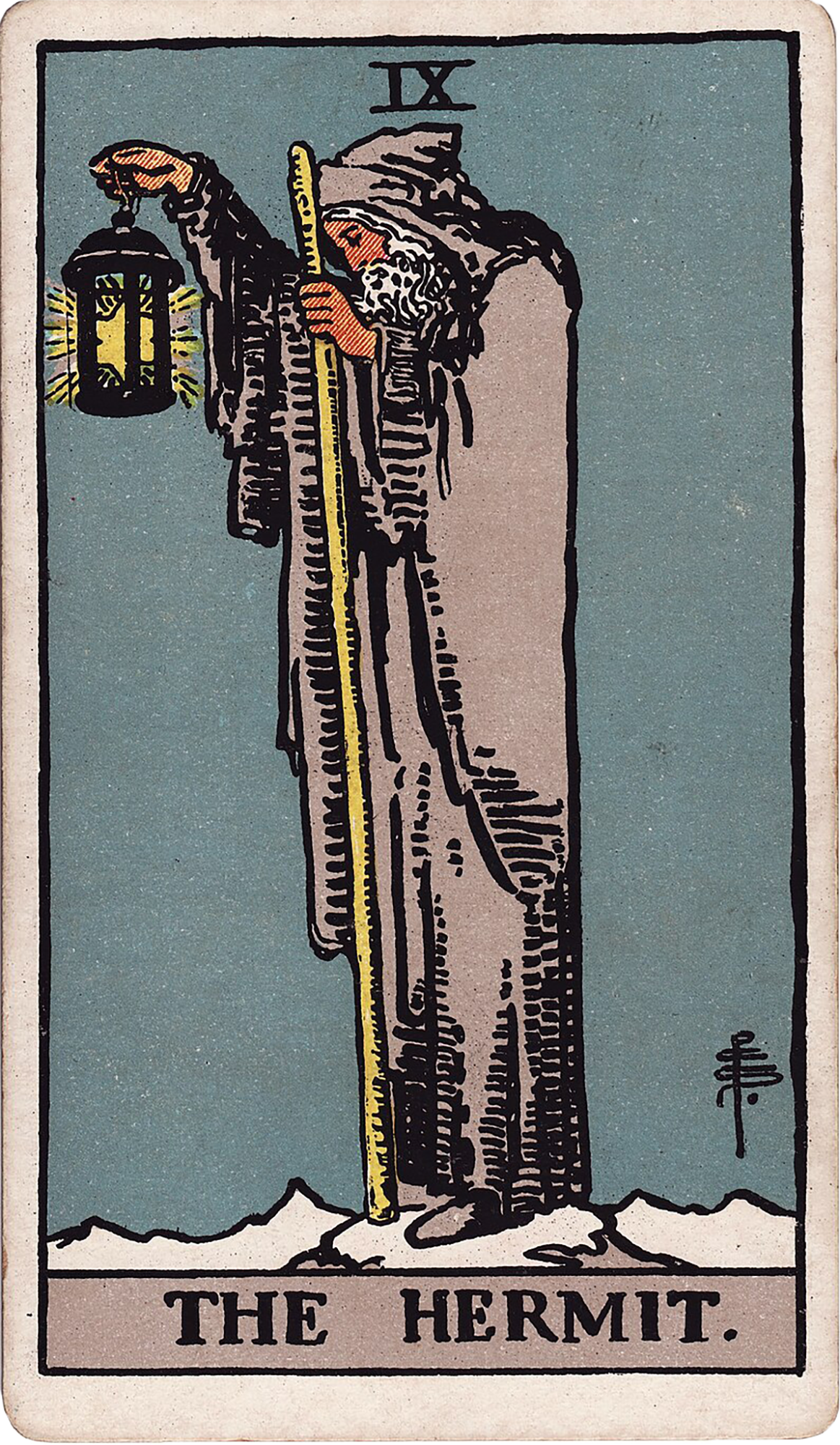 The Hermit
Introduction to The Hermit Card's Symbolism and Core Meaning
The Hermit card, traditionally illustrated by a solitary robed figure standing atop a mountain, holding a glowing lantern in one hand and a staff in the other, embodies the archetype of introspection, solitude, and inner guidance. The lantern symbolizes the light of wisdom and clarity sought through self-reflection, while the staff represents support and authority gained through experience. The mountain background highlights the arduous spiritual journey and elevated perspective the Hermit pursues. In the upright position, The Hermit encourages stepping back from external distractions to seek deeper truth, clarity, and deliberate choice. This does not imply immediate ease but rather the cultivation of a quality that leads to meaningful insight and progress. In reversed form, The Hermit can indicate an imbalance such as excessive withdrawal, isolation, or avoidance of participation, as well as internalized or distorted self-examination that hampers growth. Understanding these dual aspects provides a foundation for interpreting The Hermit across various life areas.
Interpreting The Hermit in Love and Relationships
When The Hermit appears in a love or relationship context, it highlights a need for introspection and honest self-assessment rather than impulsive reactions. Upright, it suggests the value of creating space to understand personal needs, boundaries, and emotional patterns before engaging or deepening connection. The lantern urges clarity about what truly matters in partnership, guiding deliberate choices. The card can also indicate a phase of solitude or reflection that prepares the individual for healthier relational dynamics. Reversed, The Hermit warns against isolating oneself due to fear, avoidance, or excessive overthinking about relationship issues without direct communication. It may signal loneliness, resistance to vulnerability, or an unwillingness to confront uncomfortable truths. Readers should ask where deeper honesty or clearer boundaries could move the romantic situation forward and whether the seeker is becoming stuck in self-imposed isolation.
The Hermit in Career and Work Contexts
In career readings, The Hermit suggests a period of careful evaluation and strategic thought. Upright, it encourages the querent to pause and reflect on their professional path, goals, and values, seeking depth beyond surface-level ambitions or distractions. The figure’s mountain perch can symbolize rising above workplace noise to see the bigger picture or long-term vision. This card advises working diligently with current resources and gaining mastery through focused effort rather than rushing toward uncertain outcomes. It may also indicate mentorship or solitary study as a means of advancement. When reversed, The Hermit can signal professional isolation—either self-imposed or resulting from external factors—leading to stagnation, avoidance of collaboration, or analysis paralysis. It challenges readers to identify where withdrawal is hindering progress and whether there is resistance to engaging with necessary challenges.
Financial Insights Offered by The Hermit Card
Regarding finances, The Hermit advises prudence and careful assessment. Upright, it reflects a time to step back from impulsive spending or risky ventures and instead focus on clarity about financial goals and resources. The lantern’s light encourages transparency and honesty with oneself about money habits and priorities. This card supports deliberate budgeting, saving, or seeking advice before making significant financial decisions. The Hermit’s solitary figure also suggests that personal responsibility and self-discipline are key to stability. Conversely, in reversed position, the card may point to financial isolation, excessive worry, or avoidance of dealing with money issues. It can warn against becoming trapped in indecision or hiding from financial reality. Readers should explore where clarity is obscured or where financial self-neglect might be occurring.
Practical Advice and Challenges Reflected by The Hermit
As a source of practical guidance, The Hermit in upright form invites the seeker to cultivate deliberate choice, clearer boundaries, and deeper honesty. It suggests identifying the next proportionate step given current information without waiting for absolute certainty. The Hermit’s quality is to engage consciously and with intention, even if the path is not fully illuminated ahead. In reversed position, The Hermit challenges the reader to recognize when introspection is becoming counterproductive—manifesting as avoidance, excessive analysis, or withdrawal that prevents action or connection. The card calls for balance: neither rushing impulsively nor hiding indefinitely. Common mistakes include treating The Hermit as a sign to simply delay action or assuming solitude will magically resolve problems. Instead, readers should actively work with the card’s lessons to clarify, choose, and move thoughtfully forward.
Person Representation and Outcome Insights from The Hermit
When The Hermit appears as a representation of a person, it often describes someone thoughtful, introspective, wise, and possibly older or spiritually inclined. This individual values solitude as a means of gaining insight and tends to approach situations with deliberate caution and reflection. They may serve as a mentor or guide. Upright, this person embodies positive aspects of wisdom and measured action. Reversed, the figure may become overly isolated, secretive, or resistant to participation. As an outcome card, The Hermit suggests that the resolution will come through conscious reflection, patience, and perhaps withdrawal from external noise to focus on essential truths. The journey may feel solitary but leads to meaningful inner growth and clarity, preparing the querent for future phases with greater self-awareness.
Spiritual Growth and Daily Life Reflection with The Hermit
Spiritually, The Hermit is a profound symbol of the inner quest for truth and enlightenment. Upright, it encourages the seeker to embrace solitude not as loneliness but as a fertile ground for deepening awareness and connecting with inner guidance. The card’s imagery—the glowing lantern illuminating the darkness—reminds us that spiritual insight requires stepping back from distractions and external noise. In daily life, this might mean setting aside time for meditation, journaling, or contemplative practice. Conversely, the reversed Hermit calls attention to spiritual blockages such as avoidance of community, excessive self-absorption, or fear of facing uncomfortable inner realities. It invites honest assessment of where spiritual withdrawal is becoming a hindrance rather than a help. Overall, The Hermit supports integrating solitude with conscious action and openness to transformation.
Techniques for Reading The Hermit Card Effectively
To read The Hermit successfully, begin by closely observing the card’s imagery—the lantern, staff, cloak, mountain, and posture. Reflect on what each element symbolizes in the current context. Determine if the card is upright or reversed and consider how the position influences meaning. Ask questions such as: What needs illumination here? Where is conscious choice required? Is there a risk of excessive withdrawal or avoidance? When integrating The Hermit into a reading, consider the question asked and the surrounding cards to clarify whether the card’s energy is constructive or distorted. Avoid treating The Hermit as purely a sign to be alone or delay action; instead, focus on its core lesson of thoughtful engagement through reflection. Encourage querents to identify practical next steps that honor the card’s call for clarity and deliberate choice.
Common Pitfalls and How to Avoid Them When Interpreting The Hermit
A frequent mistake is to interpret The Hermit too narrowly as merely a sign of physical solitude or withdrawal without exploring its deeper symbolic message. Similarly, readers sometimes assume the card promises immediate ease or answers, rather than understanding it as a call for ongoing introspection and measured action. Another pitfall is to view the reversed Hermit as simply negative or a bad omen, whereas it often indicates a blockage or imbalance that can be corrected. To avoid these errors, focus on the card’s invitation to conscious awareness and ask where the Hermit’s energy is either being used well or distorted. Use the card as a tool to foster insight and practical reflection rather than a deterministic prediction. Engaging with The Hermit’s symbolism in relation to the querent’s lived experience enhances meaningful guidance.
Practice questions
• In which areas of my life am I resisting the kind of honest self-reflection The Hermit encourages?
• Where might I currently be withdrawing or isolating myself in ways that hinder progress or connection?
• What practical, deliberate step can I take today informed by the clarity The Hermit’s lantern represents?
• How do I balance solitude and engagement to support both my spiritual growth and daily responsibilities?
• What internal or external ‘mountains’ am I facing that require patience and thoughtful navigation?
Comments
Sign in to comment.
Continue learning
Understanding the Synergy Between The Empress and The Emperor in Tarot Card Combinations
This article delves into the intricate synergy between The Empress and The Emperor cards in Tarot, focusing on how their combined energies modify and enrich readings across various...
Exploring The High Priestess in Career Relationships and Personal Growth
The High Priestess card in the tarot deck invites readers to explore intuition, hidden knowledge, and inner wisdom across various life contexts. This article examines how The High...
Using the Five Card Cross Tarot Spread to Navigate Career Changes with Confidence
The Five Card Cross Tarot Spread is a versatile and insightful tool for navigating career changes. This article guides learners through the method step-by-step using a practical ex...
Exploring The Hierophant in Modern Spiritual Practices and Personal Development
The Hierophant tarot card symbolizes structured wisdom, tradition, and the pursuit of knowledge through established systems. This article explores how The Hierophant’s upright and...
Unlocking Personal Ambition and Emotional Balance with The Chariot and Queen of Cups
The Chariot and Queen of Cups together represent a compelling combination of disciplined ambition and emotional maturity. This article guides learners through understanding how the...
Understanding The Tower in Tarot for Navigating Sudden Change and Crisis
The Tower card in Tarot symbolizes sudden, often disruptive change that destroys false foundations and compels honest reassessment. This article provides a comprehensive exploratio...
Understanding The Hanged Man in Personal Sacrifice and Spiritual Growth
The Hanged Man tarot card embodies the themes of intentional pause, surrender, and gaining new perspectives that foster personal sacrifice and spiritual growth. In this article, we...
Discovering The Hermit in Meditation and Self Reflection Practices
The Hermit tarot card, a symbol of introspection and deliberate solitude, offers profound lessons for meditation and self-reflection practices. This article unpacks its upright and...
Unlocking Emotional Balance with The Lovers and Temperance in Tarot Combinations
This article explores the dynamic interplay between The Lovers and Temperance cards in Tarot readings, focusing on how their combination unlocks emotional balance and integration....
Understanding the Court Cards of Pentacles for Practical Wisdom and Grounded Ambition
The Court Cards of Pentacles—Page, Knight, Queen, and King—offer a rich framework for understanding practical wisdom, grounded ambition, and stewardship of material resources. Anch...