
Understanding the Symbolism and Elemental Meanings of the Suit of Cups in Tarot
The Suit of Cups is deeply connected to emotional experience, relationships, and intuition within the Tarot. This article examines the elemental and symbolic meanings of Cups using detailed examples from the Ace, 2, Queen, and King of Cups. By exploring their upright and reversed positions, learners will understand how to apply traditional Rider-Waite-Smith symbolism in practical readings. The article provides a structured approach to interpreting these cards thoughtfully, avoiding common pitfalls and encouraging reflective, stage-appropriate responses.
Cards explored in this article
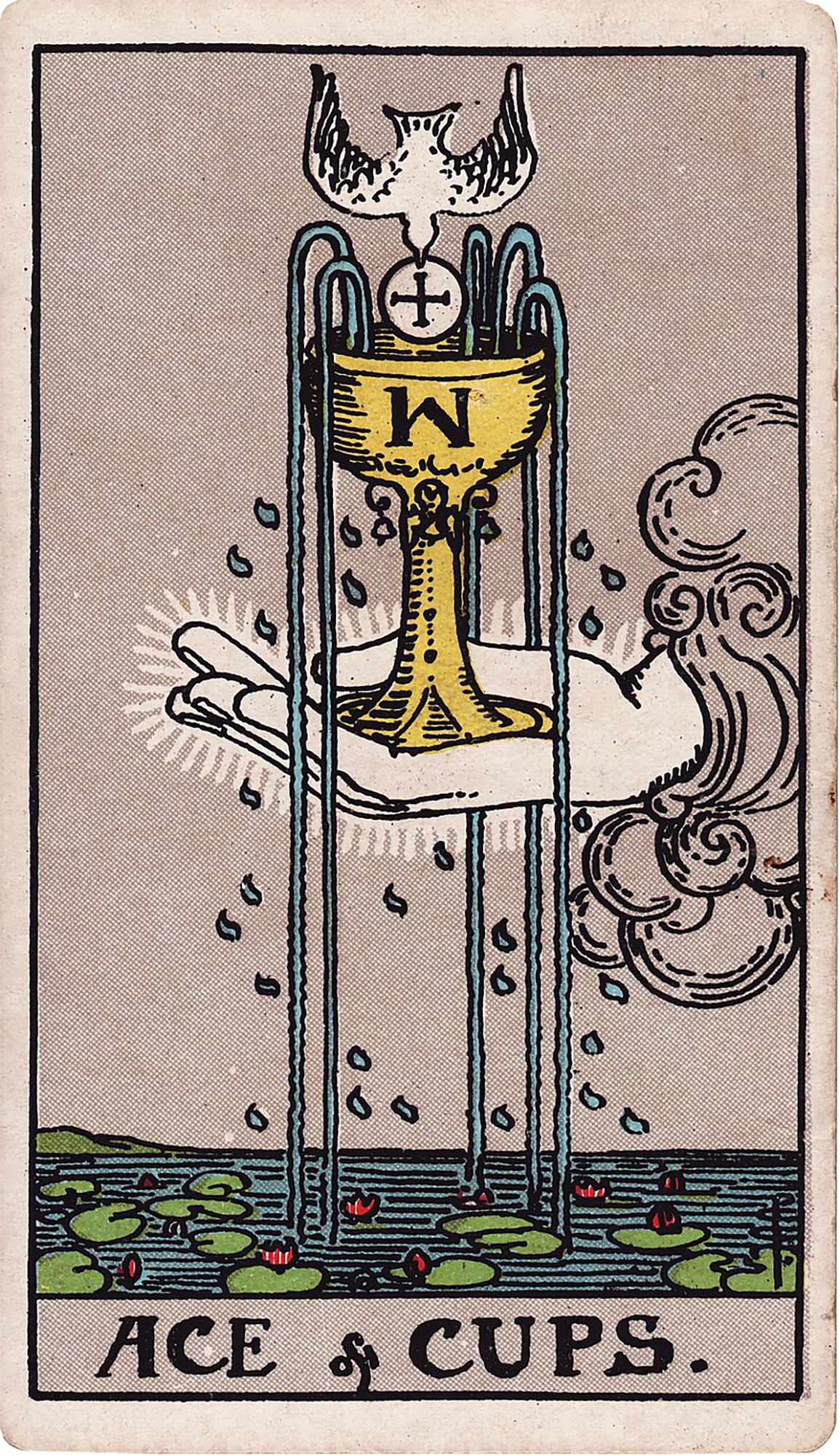 Ace of Cups
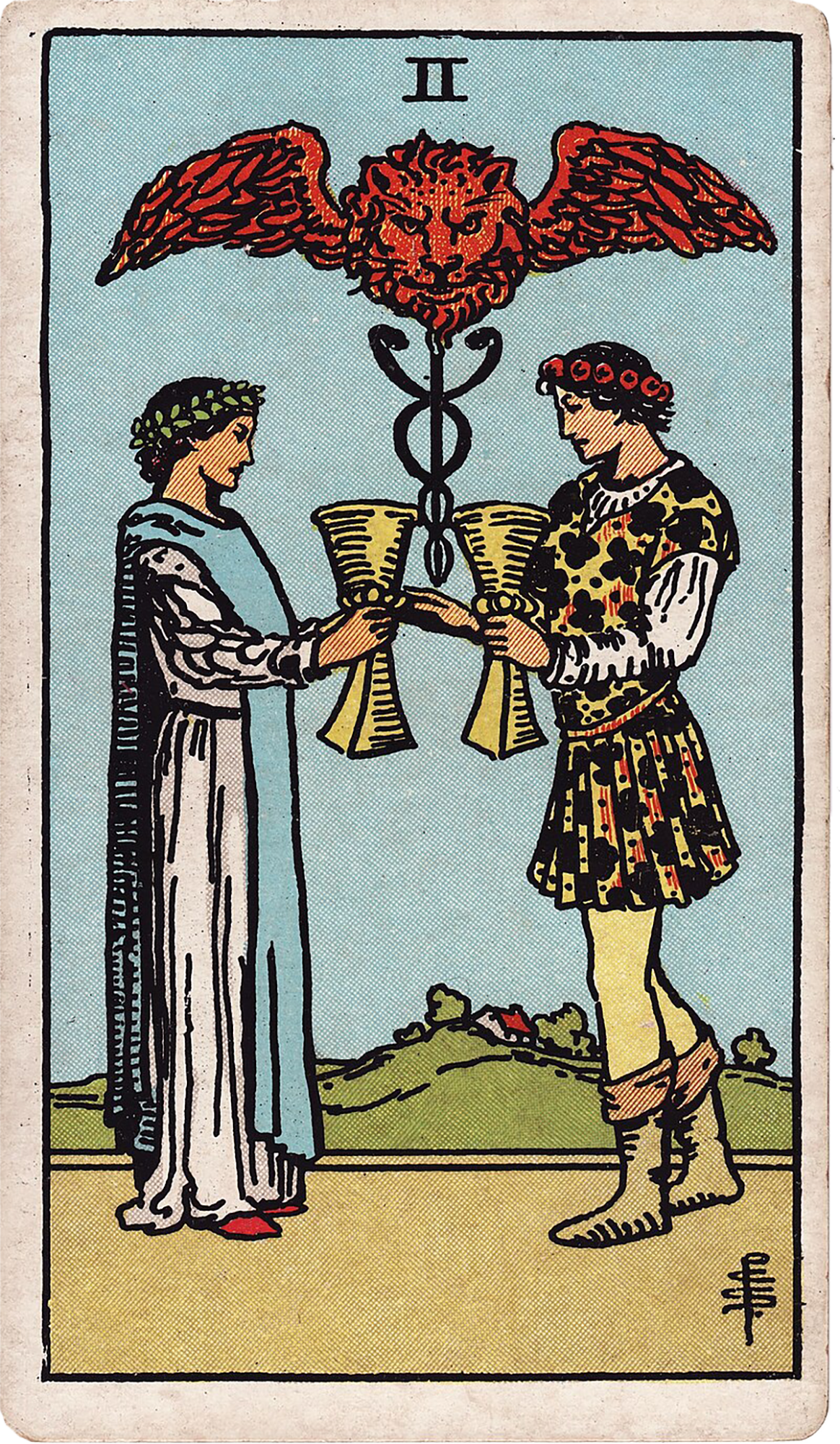 2 of Cups
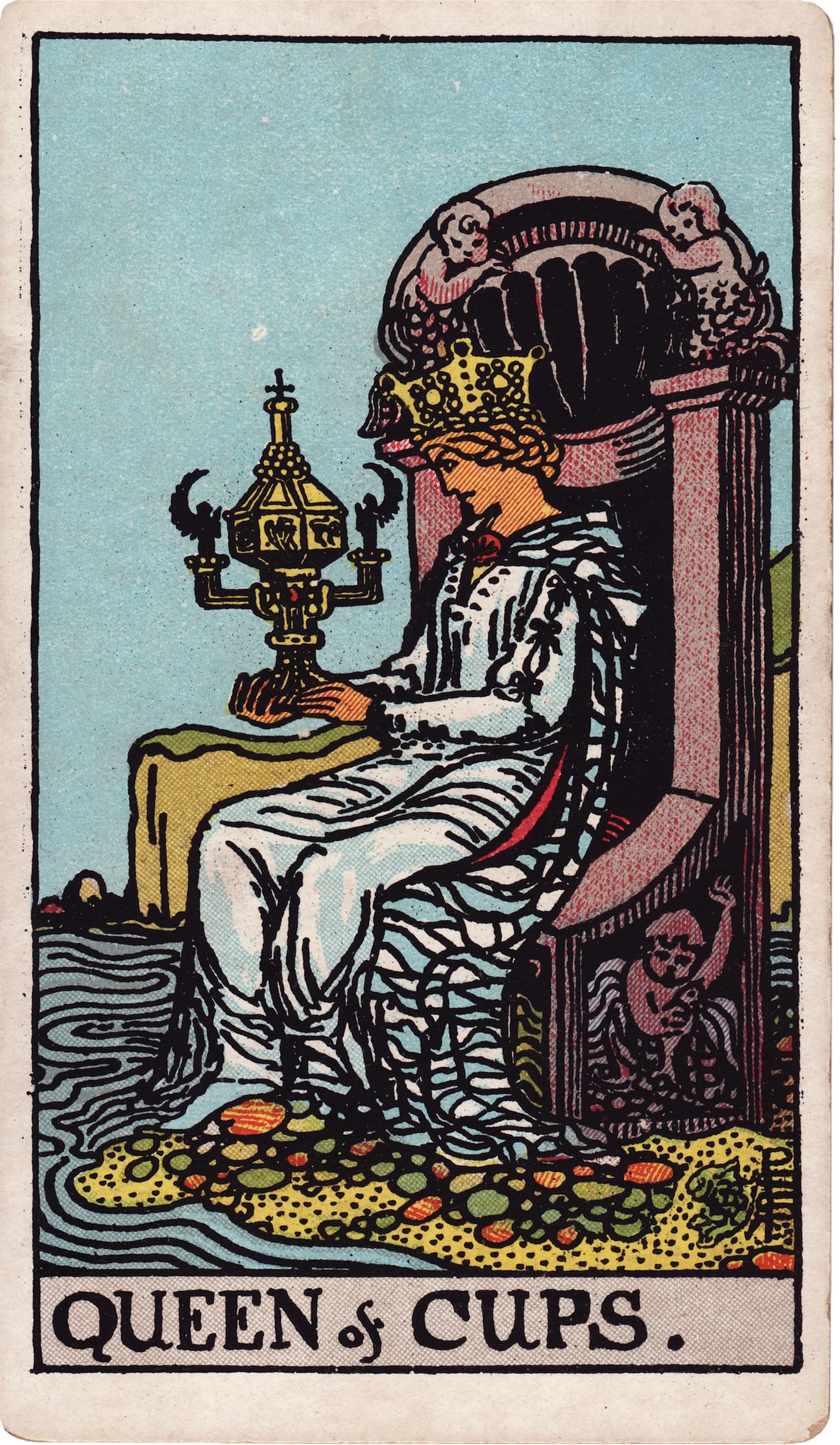 Queen of Cups
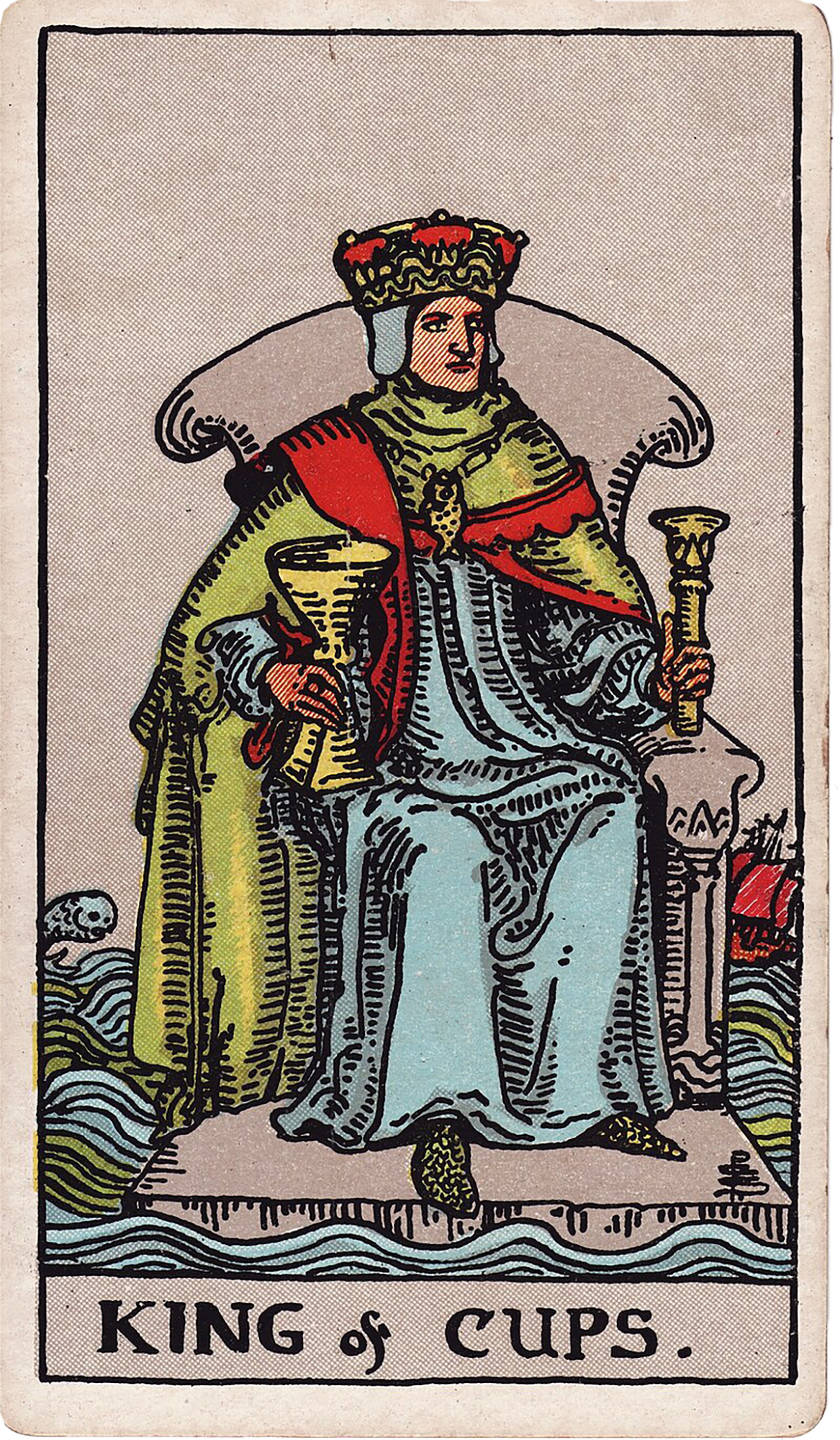 King of Cups
Introduction to the Suit of Cups
The Suit of Cups, traditionally associated with the element of Water, governs the realm of emotion, intuition, relationships, and the subconscious. In the Rider-Waite-Smith Tarot, Cups are depicted as vessels holding emotional energies, symbolizing the fluid and often intangible nature of feelings and interpersonal dynamics. Cups invite readers to engage with the inner world, memory, and receptivity. Unlike the more concrete suits of Pentacles or Swords, Cups emphasize the qualitative experience of feeling and connection. It is essential for learners to approach this suit not as an abstract ideal but as a practical tool for understanding how emotions manifest and evolve within a given situation.
Elemental Symbolism of Water and Cups
Water, the classical element corresponding to Cups, represents fluidity, adaptability, and depth. It symbolizes the flow of emotions, the unconscious mind, and psychic receptivity. Water’s dual nature—as calm and nurturing or turbulent and overwhelming—mirrors the emotional spectrum encountered in Cups. The fluid symbol of the cup itself is designed to contain, express, and sometimes overflow feelings. In Tarot spreads, the presence of Cups signals an invitation to explore one’s internal emotional landscape with openness and discernment. Understanding this elemental foundation helps readers situate Cups within broader spiritual and psychological frameworks.
Interpreting the Ace of Cups: Openings in Emotional Awareness
The Ace of Cups embodies the potential and beginning of emotional and intuitive experience. Upright, it signals an opening of the emotional field—affection, compassion, intuitive receptivity, or creative feeling ready to be expressed. The card’s imagery, which often includes a hand emerging from a cloud holding a cup overflowing with water, visually represents this overflowing emotional abundance and spiritual blessing. Practically, this card asks readers to identify where this opening is present in the querent's life and what actions might nurture or strengthen this nascent emotional energy. When reversed, the Ace of Cups suggests emotional blockage, fear of vulnerability, or depletion. Rather than simply viewing this as the opposite of the upright meaning, it is important to examine where the emotional process has become stuck. This may involve acknowledging unexpressed feelings or releasing inner resistance to emotional openness. The key to effective interpretation lies in identifying practical, stage-appropriate responses rather than abstract ideals.
Exploring the 2 of Cups: Reciprocity and Relationship Dynamics
The 2 of Cups highlights mutual recognition and emotional exchange between two parties. Upright, the card emphasizes reciprocity and balanced partnerships rather than one-sided efforts. Its traditional imagery of two figures exchanging cups while a caduceus or lion’s head sometimes appears, reinforces themes of harmony, agreement, and emotional bonding. In readings, the 2 of Cups invites the querent to consider how emotional give-and-take is functioning in current relationships and what might help strengthen honest communication and mutual respect. Reversed, it points to misalignment, unequal effort, or tension—signs that the emotional exchange is impeded. Interpreters should ask where the process has stalled and what might be simplified or communicated better to restore balance. This card exemplifies the practical use of Cups’ skills: intuition and emotional memory to navigate interpersonal challenges.
The Queen of Cups as a Symbol of Emotional Maturity and Empathy
The Queen of Cups represents mature emotional receptivity and intuitive understanding. Upright, she embodies empathy, compassion, and the capacity to hold others' feelings within a balanced inner container. The Queen’s imagery—often showing her seated by the water, gazing contemplatively at her ornate cup—evokes deep emotional wisdom and psychic sensitivity. This card encourages readers to cultivate emotional self-awareness and healthy boundaries, differentiating intuition from anxiety or fantasy. When reversed, the Queen of Cups may indicate emotional overwhelm, codependency, or withdrawal from reality. It signals the need to examine where emotional processes have become entangled or confused and to practice clearer emotional regulation. The Queen teaches practical emotional intelligence, vital for navigating complex relational and internal landscapes.
Understanding the King of Cups and Emotional Leadership
The King of Cups symbolizes steady emotional leadership and composure. Upright, he represents the ability to feel deeply while maintaining control and creating a safe emotional environment. The King is often depicted holding a cup while seated on a throne surrounded by water, embodying mastery over fluctuating emotions without repression. In readings, this card invites consideration of where emotional steadiness or mature guidance is needed. Reversed, the King warns against emotional manipulation, repression, or appearing calm while withholding genuine vulnerability. Readers should explore where emotional expression is blocked or distorted and what steps can restore authentic feeling. The King of Cups exemplifies the highest practical application of Cups’ elemental meaning: integrating feeling with conscious leadership.
Techniques for Reading Cups Cards Effectively
When interpreting Cups cards, it is crucial to remain grounded in the present stage of the querent's emotional experience. Start by assessing whether the card’s energy is initiating, developing, under pressure, or moving toward resolution, using surrounding cards for context. Avoid forcing idealized meanings; instead, ask what practical response fits the current situation. Pay close attention to the imagery: water, cups, body language, and surrounding symbols provide clues about emotional tone and depth. Consider polarity in upright and reversed cards as indicators of where emotional flow is either constructive or impeded rather than simple opposites. Integrate intuition with observation: reflect on how the card’s themes relate to the querent’s relationships, memories, and internal states. Common mistakes include overgeneralizing Cups as only positive or “loving” cards or ignoring the nuanced challenges within emotional processes. Embrace complexity and use Cups as tools for empathetic inquiry and growth.
Common Mistakes and How to Avoid Them in Cups Interpretation
Beginners often err by treating Cups cards only as harbingers of romance or happiness, overlooking their full emotional range including discomfort, blockage, or inner conflict. Another frequent mistake is ignoring reversed cards’ deeper meaning by assuming they simply negate the upright message. Instead, reversed cards like those shown in the Ace, 2, Queen, and King of Cups often highlight where emotional work is needed or where energy is misdirected. Additionally, neglecting the practical and situational aspect of Cups leads to abstract or vague readings. Instead, always anchor interpretations in what is visible and actionable in the querent’s life. Finally, failing to use the cards’ imagery and Rider-Waite-Smith symbolism as a guide can result in generic or disconnected readings. Engage closely with the card visuals to deepen understanding and enrich communication.
Practical Examples and Interpretation Logic Anchored to the Provided Cards
Consider a spread featuring the Ace of Cups upright alongside the 2 of Cups reversed. This combination suggests an opening toward emotional receptivity that is currently challenged by a lack of mutual recognition or imbalance in a relationship. The reading invites questions such as: Where is emotional inflow blocked, and what might help restore honest exchange? Alternatively, the Queen of Cups reversed paired with the King of Cups upright highlights a scenario where emotional overwhelm or codependency may be balanced or managed by steady emotional leadership. Here, the interpretation focuses on acknowledging emotional confusion while cultivating composure and healthy boundaries. By repeatedly anchoring analysis to the detailed imagery and nuanced meanings of these specific cards, readers build a layered, context-sensitive understanding. This method improves clarity and relevance across diverse queries, nurturing both technical skill and empathetic insight.
Conclusion and Reflective Practice for Learners
The Suit of Cups offers a profound gateway into the emotional and intuitive dimensions of human experience. Through detailed study of the Ace, 2, Queen, and King of Cups, learners gain insight into the elemental fluidity of water and the practical realities of emotional expression and relationships. Effective interpretation requires balancing symbolic knowledge with sensitivity to the querent’s lived context. By viewing both upright and reversed positions as stages in an ongoing emotional process, readers cultivate patience and skill. Reflection on personal emotional patterns and thoughtful use of card imagery enrich this practice. Learners are encouraged to journal their insights, test interpretations in varied spreads, and continually refine their understanding of Cups as a dynamic language of feeling and connection.
Practice questions
• How do the images on the Ace and 2 of Cups help you understand the flow of emotional energy in a reading?
• In what ways can reversed Cups cards indicate emotional processes that are internal or hidden?
• How might the Queen and King of Cups represent different aspects of emotional maturity in your own experiences?
• What practical steps can you take when a Cups card suggests emotional blockage or imbalance?
• How can recognizing the elemental symbolism of water deepen your connection to the themes of Cups?
Comments
Sign in to comment.
Continue learning
Harnessing the Power of The Magician and Ace of Wands: Igniting Creativity and Manifestation in Tarot Readings
The combination of The Magician and the Ace of Wands in tarot readings offers a potent blend of creative energy and manifestation power. This article delves into the ways these car...
Advanced Techniques for Combining The Moon and The Star to Enhance Intuition in Tarot Readings
This article explores advanced techniques to combine the symbolism and energy of The Moon and The Star Tarot cards to enhance intuition during Tarot readings. Drawing from traditio...
Enhancing Clarity in Complex Choices with the Five Card Cross Tarot Spread
The Five Card Cross Tarot Spread is a practical tool designed to clarify complex choices by breaking down the decision into manageable parts. This article explores each position in...
Tracing the Origins and Evolution of The Fool Card in Tarot History
The Fool card holds a foundational place in tarot tradition, symbolizing beginnings, openness, and the embrace of uncertainty. This article traces its origins from early European d...
Understanding The Hermit Card in Solitude Reflection and Guidance
This article offers an in-depth exploration of The Hermit tarot card as a single-card reading in different contexts such as love, career, money, advice, challenge, person, outcome,...
Unlocking the Creative Flow with The Magician and The Empress in Tarot Combinations
This article delves into the powerful synergy between The Magician and The Empress in Tarot combinations, focusing on how their combined symbolism unlocks creative flow across vari...
Using the Seven Card Horseshoe Spread to Uncover Career Growth and Opportunity
This article presents an in-depth guide to the Seven Card Horseshoe Tarot Spread with a focus on career growth and opportunity. Using the cards The Fool, The Magician, The Empress,...
Understanding the Many Facets of The Moon in Emotional and Intuitive Tarot Readings
The Moon card in the Tarot deck embodies themes of intuition, uncertainty, dreams, and emotional complexity. This article offers a comprehensive exploration of The Moon’s upright a...
Unlocking Advanced Intuition Techniques Using The High Priestess The Moon and The Hermit
This article examines advanced intuition development in tarot reading by focusing on The High Priestess, The Moon, and The Hermit cards. It offers practical techniques for beginner...
Mastering Intuition with The High Priestess The Hermit and The Moon in Tarot Readings
This article delves into mastering intuition through three powerful Tarot cards: The High Priestess, The Hermit, and The Moon. It guides readers from beginner to advanced reading t...