
Understanding The Wheel Of Fortune In Life Cycles Change And Opportunity
The Wheel of Fortune card symbolizes turning points, cycles, and the interplay of fate and free will in life. This article examines the card’s rich symbolism from the Rider-Waite-Smith deck and explains how its interpretation shifts depending on context such as love, career, money, and spiritual growth. We explore both upright and reversed positions, highlighting the importance of timing, conscious choice, and adapting to change. Practical guidance is provided for readers to engage with the card’s lessons, avoid common mistakes, and deepen their Tarot practice.
Cards explored in this article
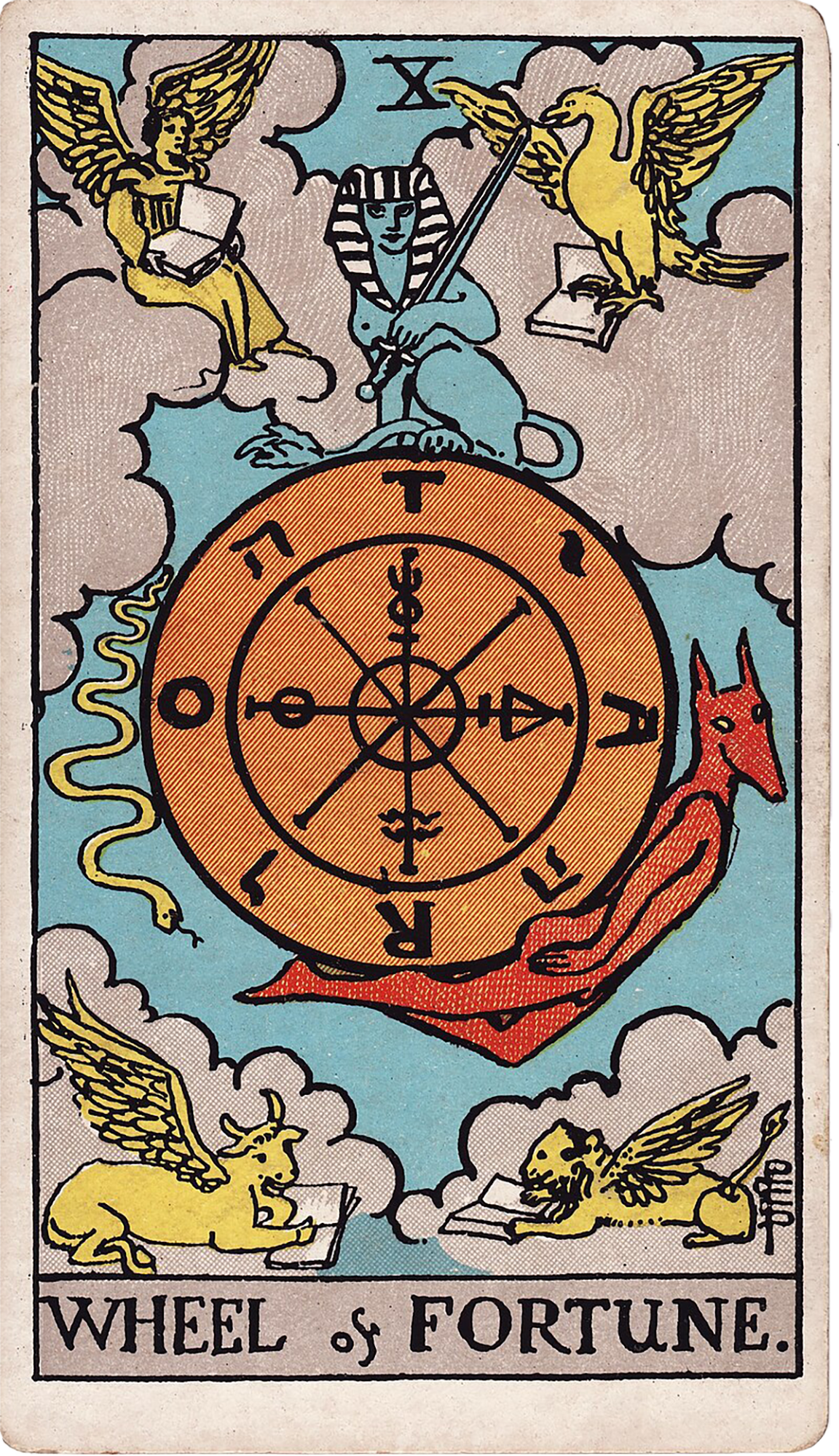 Wheel of Fortune
Introduction to the Wheel of Fortune in Tarot
The Wheel of Fortune is a Major Arcana card rich with symbolism and meaning, representing cycles, change, and the forces beyond our control that influence life’s course. Traditionally illustrated with a large wheel surrounded by four figures—the angel, eagle, lion, and bull—each representing the fixed signs of the zodiac and the elements, the card reminds us of the constant motion in life and the interplay of destiny and personal actions. The Rider-Waite-Smith imagery also includes the sphinx on top, holding a sword, symbolizing wisdom and the need for balance during life’s changes. Understanding these symbols anchors the card’s message and allows readers to apply its lessons effectively across life contexts.
Upright Wheel of Fortune Meaning and Symbolism
When upright, the Wheel of Fortune highlights a turning point or a moment when circumstances shift significantly. It calls attention to the importance of timing, recognizing when to act or adapt rather than trying to control outcomes forcefully. The card encourages working with what is currently available and engaging consciously with the situation rather than waiting for perfect certainty. The upright Wheel is not a promise of ease or fortune but a reminder that change is inevitable and that the quality of our response shapes the experience. The spinning wheel symbolizes cycles—ups and downs—that everyone faces, stressing the need for flexibility and awareness of personal contribution in the flow of events.
Reversed Wheel of Fortune Meaning and Symbolism
The reversed Wheel of Fortune often signals resistance to change or difficulty accessing the positive flow of the cycle. It can indicate repeated patterns or poor timing, where the querent may be blaming external fate instead of taking responsibility for choices. The reversal is not inherently negative but suggests blockage or delay in harnessing the card’s constructive qualities. It may point toward inner psychological work or a correction phase where old habits are recognized but not yet transformed. The card urges a deeper look at where the energy is distorted or trapped and calls for patience and honest reflection to break free from stagnation.
Interpreting the Wheel of Fortune in Love Context
In love readings, the upright Wheel of Fortune suggests a pivotal moment in a relationship or romantic life. This could mean a shift in dynamics, an unexpected meeting, or a phase of growth. It encourages embracing change and timing, such as recognizing when to move forward or step back. The card reminds readers that relationships evolve through cycles and that adaptability is key. Upright, it suggests openness to new possibilities and conscious choices that align with current realities. Reversed in love, the Wheel may highlight recurring relationship patterns or resistance to necessary change, such as clinging to unhealthy dynamics or refusing to accept endings. It invites honest self-assessment about where control is being misapplied or where fate is being used as an excuse to avoid responsibility. The reversal might also signal private emotional struggles connected to timing or readiness for commitment.
The Wheel of Fortune in Career and Work
Career readings with the upright Wheel of Fortune often point to a turning point such as a promotion, a new job, or a shift in work conditions. It signifies the importance of timing and adapting to changed circumstances rather than forcing a predetermined path. The card suggests that new opportunities appear as part of a larger cycle, and being aware of the moment to act can lead to progress. When reversed, the card may reveal frustration with stalled career progress or repeated setbacks. It can reflect resistance to change in professional habits or attitudes and warns against blaming external circumstances alone. The reversal encourages reviewing one’s role in the cycle and seeking new strategies or perspectives to break free from stagnation.
Financial Implications of the Wheel of Fortune
In financial readings, the upright Wheel of Fortune indicates changes in fortune—these may be positive or neutral but usually represent shifts that require adjustment. The card reminds readers to work consciously with current resources and avoid assumptions about guaranteed success. It advises timing investments or decisions carefully and recognizing when to take calculated steps rather than rushing or waiting passively. Reversed financially, it may suggest cycles of loss or repeated mistakes. The querent might be resisting necessary changes in spending habits or budgeting or blaming external forces for financial difficulties. The reversal invites a grounded review of financial patterns and encourages responsibility for personal money management.
Advice and Challenge Through the Wheel of Fortune
As advice, the upright Wheel of Fortune encourages openness to change and awareness of timing. It challenges readers to engage consciously with the moment’s opportunities rather than trying to control everything. It asks, where can you respond with clearer boundaries, honesty, or deliberate choice to move forward? Recognizing that life moves in cycles helps reduce frustration and fosters patience. The reversed Wheel as advice warns against resisting inevitable change and getting stuck in blame or old patterns. It challenges the querent to identify where energy is blocked or distorted and to cultivate acceptance and responsibility. Patience and self-reflection are essential to navigating this phase.
Person Represented by the Wheel of Fortune
When representing a person, the upright Wheel of Fortune might describe someone who embodies adaptability, wisdom, and a recognition of life’s constant changes. This individual may be open to new opportunities, aware of timing, and proactive in navigating transitions. They understand the balance between fate and choice and encourage flexibility. If reversed, the person may be struggling with acceptance of change, prone to repeating old patterns or blaming external forces. They might resist growth or be caught in cycles of indecision or frustration. This person may require patience and support to see and embrace transformation.
Outcome and Spiritual Reflection on the Wheel of Fortune
As an outcome card, the upright Wheel of Fortune suggests a significant shift or turning point that opens new paths. It encourages the querent to embrace change consciously and use timing wisely, recognizing that progress often involves cycles and unexpected events. The outcome is not predetermined but influenced by how one works with the present moment’s opportunities. Spiritually, the Wheel invites reflection on the nature of impermanence and the flow of life. It calls for acceptance of cycles, the balance of forces, and the role of personal responsibility within destiny. Reversed, the card may point to spiritual lessons around resistance to growth, the need to break free from limiting patterns, and the importance of inner transformation before external change can manifest.
Practical Techniques and Common Mistakes When Reading the Wheel of Fortune
To read the Wheel of Fortune effectively, focus on its core themes of cycles, timing, and balance between fate and free will. Pay attention to the card’s imagery: the rotating wheel, the four fixed signs, and the sphinx’s poised wisdom. When interpreting, consider where the querent is in a cycle and how conscious their response to change is. Common mistakes include assuming the card predicts automatic luck or misfortune without emphasizing the ongoing choice involved. Another error is reading reversals as purely negative; instead, recognize the nuanced meanings such as internal resistance or correction phases. Practically, ask questions like: What cycle is completing or beginning now? Where might clearer boundaries or honesty move the situation forward? Which part of the card’s symbolism is reflected in the querent’s current behavior? Looking at nearby cards can help clarify whether the energy is blocked, in recovery, or progressing.
Practice questions
• In what areas of your life are you currently experiencing cycles or turning points?
• How do you usually respond to change and timing in challenging situations?
• Where might you be resisting necessary shifts or repeating old patterns?
• What opportunities can you consciously engage with right now instead of waiting for certainty?
• How does the balance between fate and personal responsibility show up in your current experiences?
Comments
Sign in to comment.
Continue learning
Exploring The High Priestess in Career Relationships and Personal Growth
The High Priestess card in the tarot deck invites readers to explore intuition, hidden knowledge, and inner wisdom across various life contexts. This article examines how The High...
The Fool in Life Transitions and New Beginnings
The Fool card embodies the spirit of beginnings, curiosity, and the leap of faith required during life transitions. This article explores The Fool’s meanings across various reading...
Understanding The Chariot Card in Personal Ambition and Overcoming Obstacles
The Chariot card represents the power of focused will, disciplined action, and choosing a clear direction amid competing impulses. Upright, it encourages decisive steps forward usi...
Understanding The Hermit in Self Discovery and Spiritual Enlightenment
The Hermit card in the Rider-Waite-Smith deck embodies themes of introspection, solitude, and spiritual wisdom. This article examines how The Hermit's upright and reversed position...
Exploring The Hierophant in Modern Spiritual Practices and Personal Development
The Hierophant tarot card symbolizes structured wisdom, tradition, and the pursuit of knowledge through established systems. This article explores how The Hierophant’s upright and...
Applying The Star Card to Foster Hope and Renewal in Personal Growth
The Star card in Tarot symbolizes hope, authenticity, and the process of steady renewal. In a single-card reading, The Star encourages embracing what is present, cultivating openne...
Understanding The Wheel of Fortune in Tarot Readings for Life Cycles and Change
The Wheel of Fortune card in Tarot is a powerful symbol of cycles, change, and the dynamics of fate and free will. This article explores the card’s upright and reversed meanings, a...
Understanding The Hermit Card in Solitude Reflection and Guidance
This article offers an in-depth exploration of The Hermit tarot card as a single-card reading in different contexts such as love, career, money, advice, challenge, person, outcome,...
Understanding The Tower in Tarot for Navigating Sudden Change and Crisis
The Tower card in Tarot symbolizes sudden, often disruptive change that destroys false foundations and compels honest reassessment. This article provides a comprehensive exploratio...
Understanding The Hanged Man in Personal Sacrifice and Spiritual Growth
The Hanged Man tarot card embodies the themes of intentional pause, surrender, and gaining new perspectives that foster personal sacrifice and spiritual growth. In this article, we...