
Unlocking the Elemental Symbols and Hidden Meanings of the Suit of Swords in Tarot
The Suit of Swords in Tarot embodies the element of Air, symbolizing intellect, communication, conflict, and the mental realm. This article offers an in-depth exploration of elemental symbolism and the hidden meanings within key cards such as the Ace of Swords, 2 of Swords, 3 of Swords, and Queen of Swords. Through detailed analysis of their traditional Rider-Waite-Smith imagery paired with practical advice on reading technique, learners gain tools to accurately interpret these cards in various contexts. Emphasizing the dynamic interplay between thought, truth, decision-making, and emotional complexity, this guide provides clarity on common interpretative challenges and encourages reflective practice for mastery in symbolism studies.
Cards explored in this article
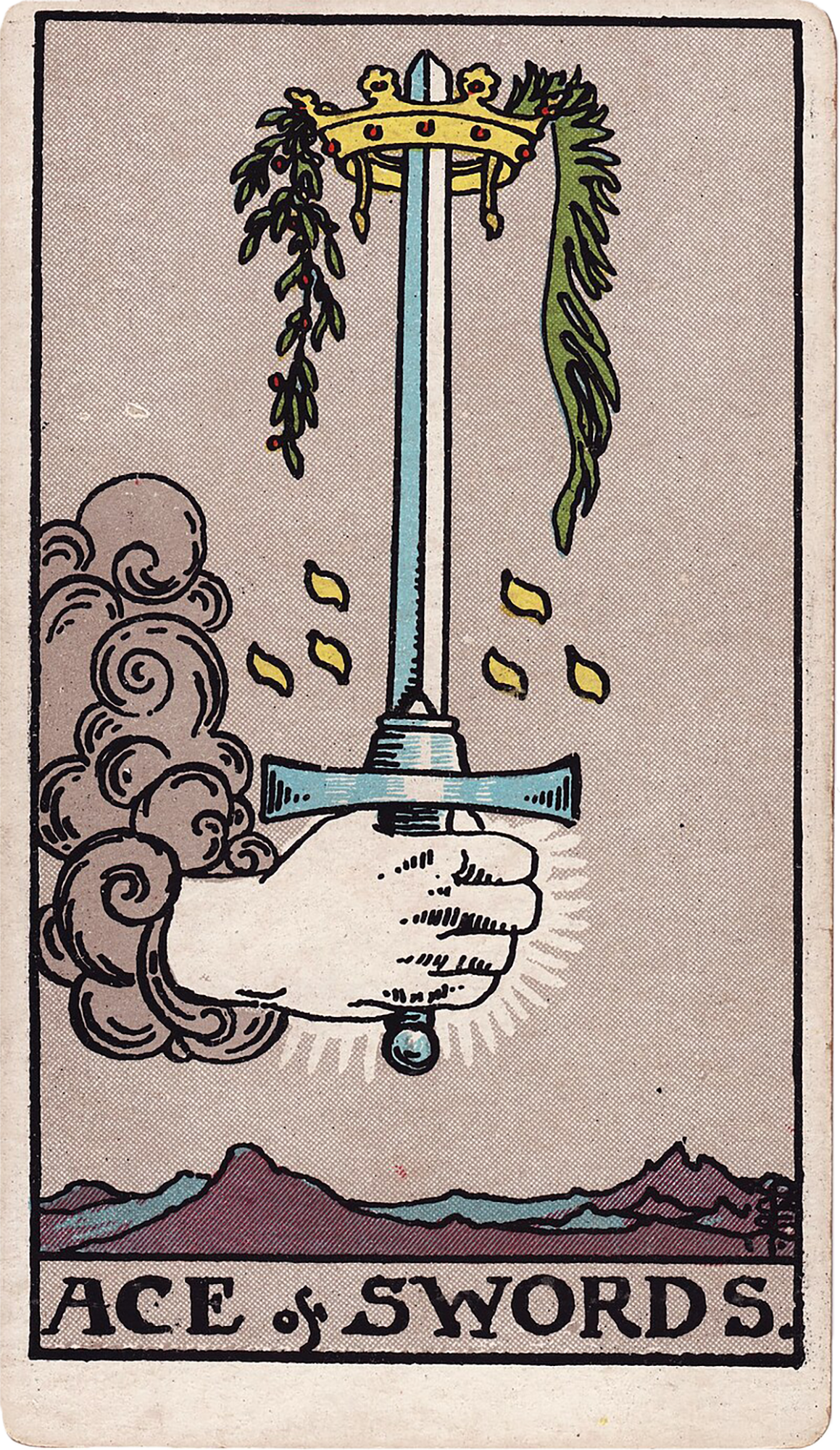 Ace of Swords
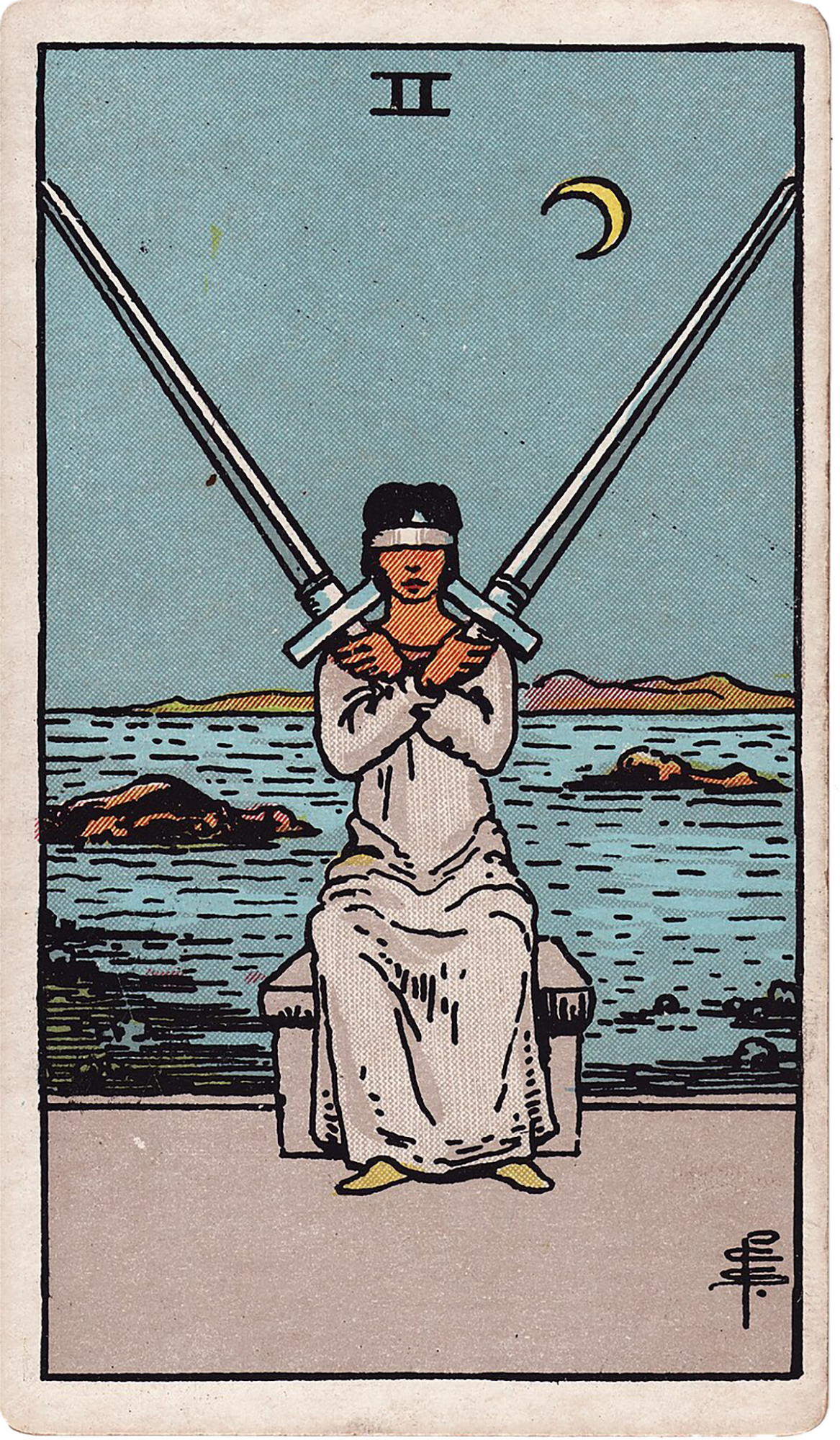 2 of Swords
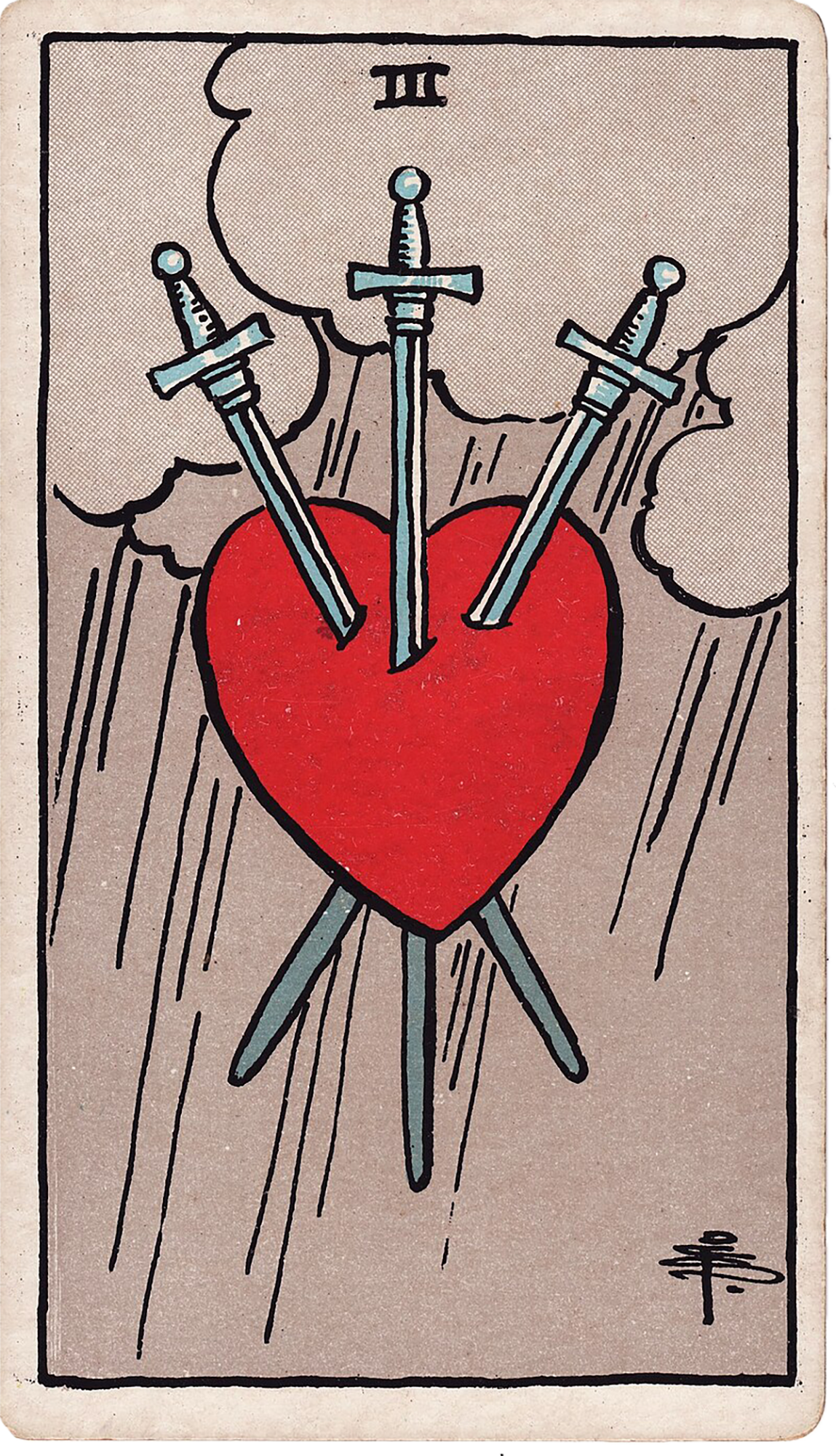 3 of Swords
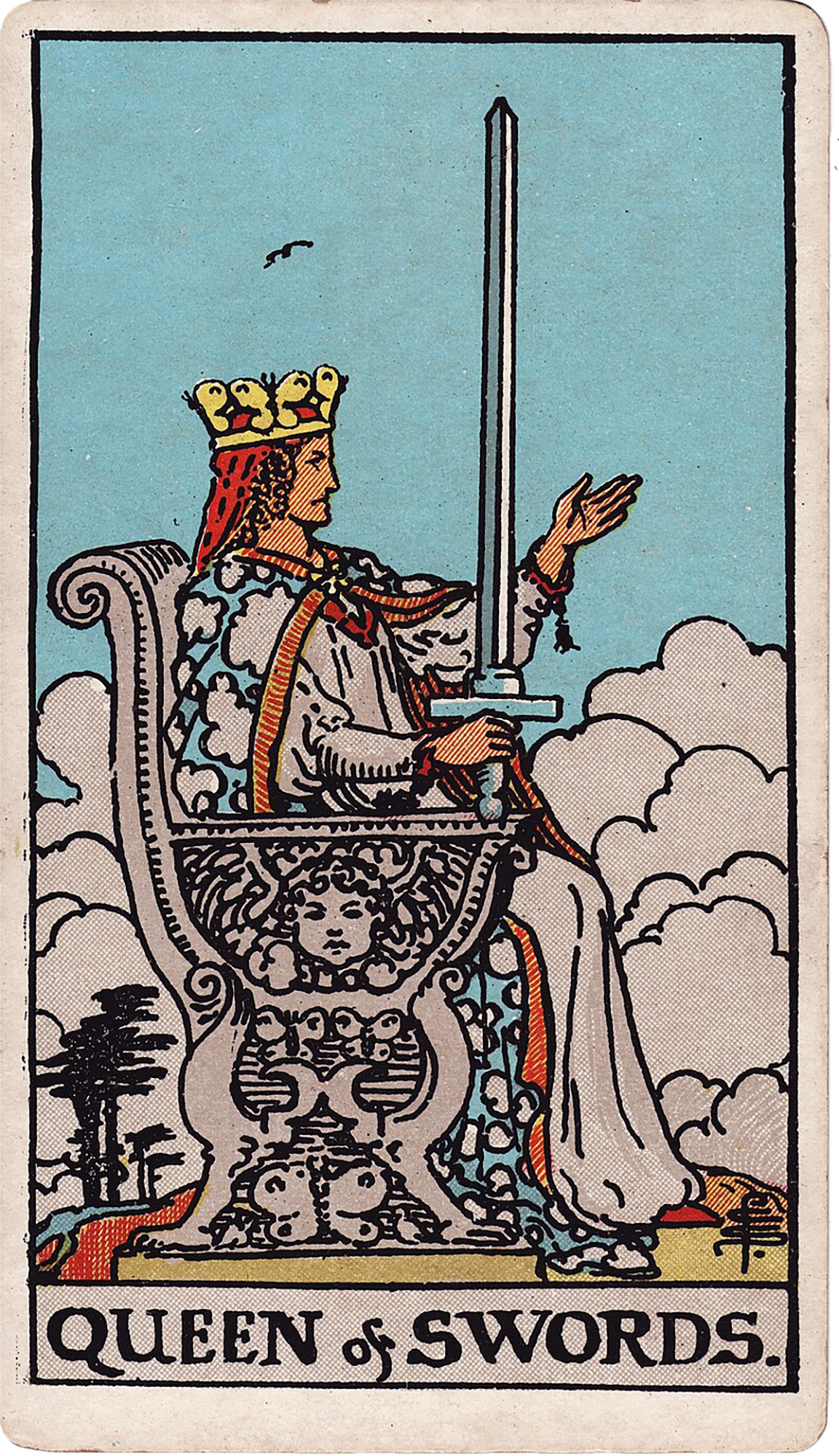 Queen of Swords
Understanding the Elemental Foundation of the Suit of Swords
The Suit of Swords is intrinsically linked to the element of Air, one of the four classical elements fundamental to Tarot symbolism. Air represents the domain of thought, communication, intellect, and the mental processes that govern decision-making and conflict resolution. In the Rider-Waite-Smith tradition, swords pierce and cut through, symbolizing clarity but also the potential for conflict or pain. Recognizing this elemental basis helps frame the Suit’s thematic focus on the consequences of mental habits, truth-seeking, and the often challenging navigation of ideas and beliefs. This foundation informs the interpretation of each card’s imagery and situational meaning, grounding their messages in how we process, articulate, and act upon knowledge and inner dialogue.
The Ace of Swords and Intellectual Breakthroughs
The Ace of Swords introduces the raw energy of intellectual clarity and decisive insight. Visually, the Ace often depicts a single upright sword held aloft, sometimes crowned by a laurel wreath or surrounded by clouds parting, symbolizing breakthrough and revelation. In upright position, this card highlights moments where confusion dissipates, allowing truth or strategy to emerge clearly. It signals practical necessity: the need to respond appropriately based on the reality at hand rather than ideals. For example, in a reading, seeing the Ace of Swords might indicate that the querent is poised for a breakthrough in communication or decision-making requiring mental focus and honesty. Reversed, the Ace warns against misuse of logic or harsh truths wielded harmfully. It may point to premature conclusions or internal intellectual conflicts not yet expressed outwardly. The subtlety here lies in recognizing not just blockage but where the mental process has become distorted or weaponized rather than constructive.
Navigating Decision and Indecision with the 2 of Swords
The 2 of Swords is emblematic of suspended judgment and internal stalemate. Traditionally, the Rider-Waite-Smith imagery depicts a blindfolded figure holding two crossed swords, embodying the tension between opposing choices or incomplete information. Upright, this card urges acknowledgment of the paralysis that comes from holding decisions when readiness or clarity is lacking. It is a prompt to identify what still needs to be understood or emotionally processed before resolution is possible. When reversed, the 2 of Swords can indicate avoidance, forced decisions, or the breaking of deadlocks. The reversal invites the reader to explore where the querent’s mental process is stuck, either from too much resistance or overwhelming pressure. It stresses the importance of simplifying complex dilemmas and being honest about readiness to move forward, rather than forcing premature conclusions.
Acknowledging Pain and Healing Through the 3 of Swords
Among the most emotionally striking in the Suit, the 3 of Swords traditionally shows a heart pierced by three swords against a stormy sky. This imagery vividly conveys the experience of pain, heartbreak, or emotional truths that must be named to begin healing. Upright, it does not glorify suffering but recognizes that acknowledging hurt is a necessary step toward resolution. In readings, the 3 of Swords encourages the querent to confront difficult truths rather than avoid them. This card’s energy can be intense, but it also invites constructive engagement with the consequences of mental and emotional habits. When reversed, it signals recovery, suppressed grief, or difficulty completing the healing process. The reversal challenges the reader to explore what emotional or mental work remains undone to release old wounds fully.
Mastering Clarity and Boundaries with the Queen of Swords
As a court card, the Queen of Swords embodies the mature application of the Suit’s elemental qualities: clear-mindedness, honest boundaries, and communication rooted in truth without cruelty. The Rider-Waite-Smith Queen is often depicted seated on a throne, holding a sword upright with a measured, discerning gaze. She symbolizes independence and the strategic use of intellect to navigate complexity. Upright, this card encourages the querent to apply their mental faculties with honesty and fairness, cutting through illusion while maintaining compassionate boundaries. Reversed, the Queen warns against bitterness, excessive criticism, or intellectual avoidance of emotional depth. Here, the challenge is to recognize when intellect is used defensively or harmfully rather than constructively. Practical reading involves observing surrounding cards to gauge whether the Queen’s energy is manifesting healthily or if a recalibration is needed.
Practical Techniques for Reading the Suit of Swords
When interpreting the Suit of Swords, it is crucial to anchor readings in the elemental theme of Air and the Rider-Waite-Smith visual language. Begin by observing the card’s imagery: the position of swords, the presence of human figures, facial expressions, and environmental cues such as stormy skies or calm waters. These details give insight into the mental or communicative state represented. Next, consider the card’s position in the spread and its relationship with surrounding cards to identify whether the mental energy is emerging, intensifying, or resolving. Pay special attention to upright versus reversed positions not as simple opposites but as nuanced variations indicating blockage, excess, or underdeveloped expression. Avoid common mistakes like over-personalizing mental conflict as purely external or assuming that reversed cards always signal negative outcomes. Instead, focus on the process: what needs simplification, acknowledgment, or communication? Encourage querents to view Swords as tools—sometimes sharp and challenging, but ultimately for gaining clarity and exercising choice.
Common Interpretative Challenges and How to Overcome Them
One frequent challenge is conflating the Suit of Swords solely with conflict or negativity. While conflict is a theme, the Suit also involves strategies for truth and intellectual empowerment. Another difficulty arises in handling reversed cards, where the inclination may be to see only failure or harm. The healthier approach is to explore where mental patterns are stuck and what adjustments are needed. Practitioners sometimes struggle with balancing the emotional impact of cards like the 3 of Swords with their intellectual nature. Remember that the Suit of Swords addresses the intersection of mind and emotion—pain is recognized but framed through mental clarity and healing strategies. To overcome these challenges, maintain focus on the elemental symbolism and context within the spread. Use reflective questioning to clarify whether a card’s energy is constructive or blocked and what action can move the process forward.
Interpreting the Suit of Swords in Family Symbolism Studies
Within the family symbolism studies framework, the Suit of Swords often reflects mental dynamics, communication styles, and decision-making patterns within family systems. Cards such as the Ace and 2 of Swords highlight moments of insight or impasse in family interactions. The 3 of Swords may point to acknowledged grief or rupture, while the Queen of Swords represents a figure or energy embodying clear boundaries and intellectual leadership. Interpreters should consider how these cards reveal not just individual mental states but collective mental habits and communication approaches. For example, a reading involving these cards might explore how a family navigates conflict through communication or where mental habits cause recurring tension. Recognizing the Suit’s elemental symbolism facilitates a deeper understanding of the family's cognitive and emotional architecture.
Reflection and Continued Practice for Mastery
Mastering the Suit of Swords requires ongoing practice in observing imagery, applying elemental theory, and contextual interpretation. Reflective practice questions help deepen understanding and avoid surface readings. Consider how Air as an element influences not only thought but also the consequences of mental habits. Observe how the tension between clarity and conflict manifests in different cards. Regularly review readings involving the Ace, 2, and 3 of Swords and the Queen of Swords, noting how upright and reversed positions shift meanings. Explore practical responses the cards suggest, emphasizing the process of simplifying, acknowledging, practicing, releasing, or communicating for healthier mental expression. Through disciplined study and reflection, readers can unlock the rich symbolic language of the Suit of Swords and apply it meaningfully in diverse contexts.
Practice questions
• How does the elemental quality of Air shape the meaning of the Suit of Swords in various cards?
• In what ways can the Ace of Swords highlight both clarity and confusion depending on its orientation?
• What internal or external factors might cause the decision-making paralysis symbolized by the 2 of Swords?
• How can the imagery of the 3 of Swords help readers balance intellectual understanding with emotional processing?
• What distinguishes the Queen of Swords’ use of intellect in healthy versus unhealthy expressions?
• How can reversed cards in the Suit of Swords be approached to uncover where mental or communicative processes are stuck?
• How might the Suit of Swords reflect family mental dynamics or communication patterns in symbolism studies?
• What practical steps can be taken to respond to the challenges posed by the Swords cards in a reading?
Comments
Sign in to comment.
Continue learning
Harnessing the Power of The Magician and Ace of Wands: Igniting Creativity and Manifestation in Tarot Readings
The combination of The Magician and the Ace of Wands in tarot readings offers a potent blend of creative energy and manifestation power. This article delves into the ways these car...
Advanced Techniques for Combining The Moon and The Star to Enhance Intuition in Tarot Readings
This article explores advanced techniques to combine the symbolism and energy of The Moon and The Star Tarot cards to enhance intuition during Tarot readings. Drawing from traditio...
Enhancing Clarity in Complex Choices with the Five Card Cross Tarot Spread
The Five Card Cross Tarot Spread is a practical tool designed to clarify complex choices by breaking down the decision into manageable parts. This article explores each position in...
Tracing the Origins and Evolution of The Fool Card in Tarot History
The Fool card holds a foundational place in tarot tradition, symbolizing beginnings, openness, and the embrace of uncertainty. This article traces its origins from early European d...
Understanding The Hermit Card in Solitude Reflection and Guidance
This article offers an in-depth exploration of The Hermit tarot card as a single-card reading in different contexts such as love, career, money, advice, challenge, person, outcome,...
Unlocking the Creative Flow with The Magician and The Empress in Tarot Combinations
This article delves into the powerful synergy between The Magician and The Empress in Tarot combinations, focusing on how their combined symbolism unlocks creative flow across vari...
Using the Seven Card Horseshoe Spread to Uncover Career Growth and Opportunity
This article presents an in-depth guide to the Seven Card Horseshoe Tarot Spread with a focus on career growth and opportunity. Using the cards The Fool, The Magician, The Empress,...
Understanding the Many Facets of The Moon in Emotional and Intuitive Tarot Readings
The Moon card in the Tarot deck embodies themes of intuition, uncertainty, dreams, and emotional complexity. This article offers a comprehensive exploration of The Moon’s upright a...
Unlocking Advanced Intuition Techniques Using The High Priestess The Moon and The Hermit
This article examines advanced intuition development in tarot reading by focusing on The High Priestess, The Moon, and The Hermit cards. It offers practical techniques for beginner...
Mastering Intuition with The High Priestess The Hermit and The Moon in Tarot Readings
This article delves into mastering intuition through three powerful Tarot cards: The High Priestess, The Hermit, and The Moon. It guides readers from beginner to advanced reading t...