
Unlocking the Many Dimensions of The Hermit in Personal Growth Career and Spiritual Reflection
The Hermit card in Tarot serves as a profound symbol of introspection, solitude, and deliberate clarity. This article explores how The Hermit's meaning adapts across various contexts such as personal growth, career development, relationships, money matters, and spiritual reflection. Drawing on the card's traditional Rider-Waite-Smith imagery, it guides learners through practical reading techniques, common interpretive pitfalls, and how to balance the upright and reversed nuances. The Hermit teaches that stepping back to seek inner wisdom and measured action can be a powerful tool for navigating life’s complexities.
Cards explored in this article
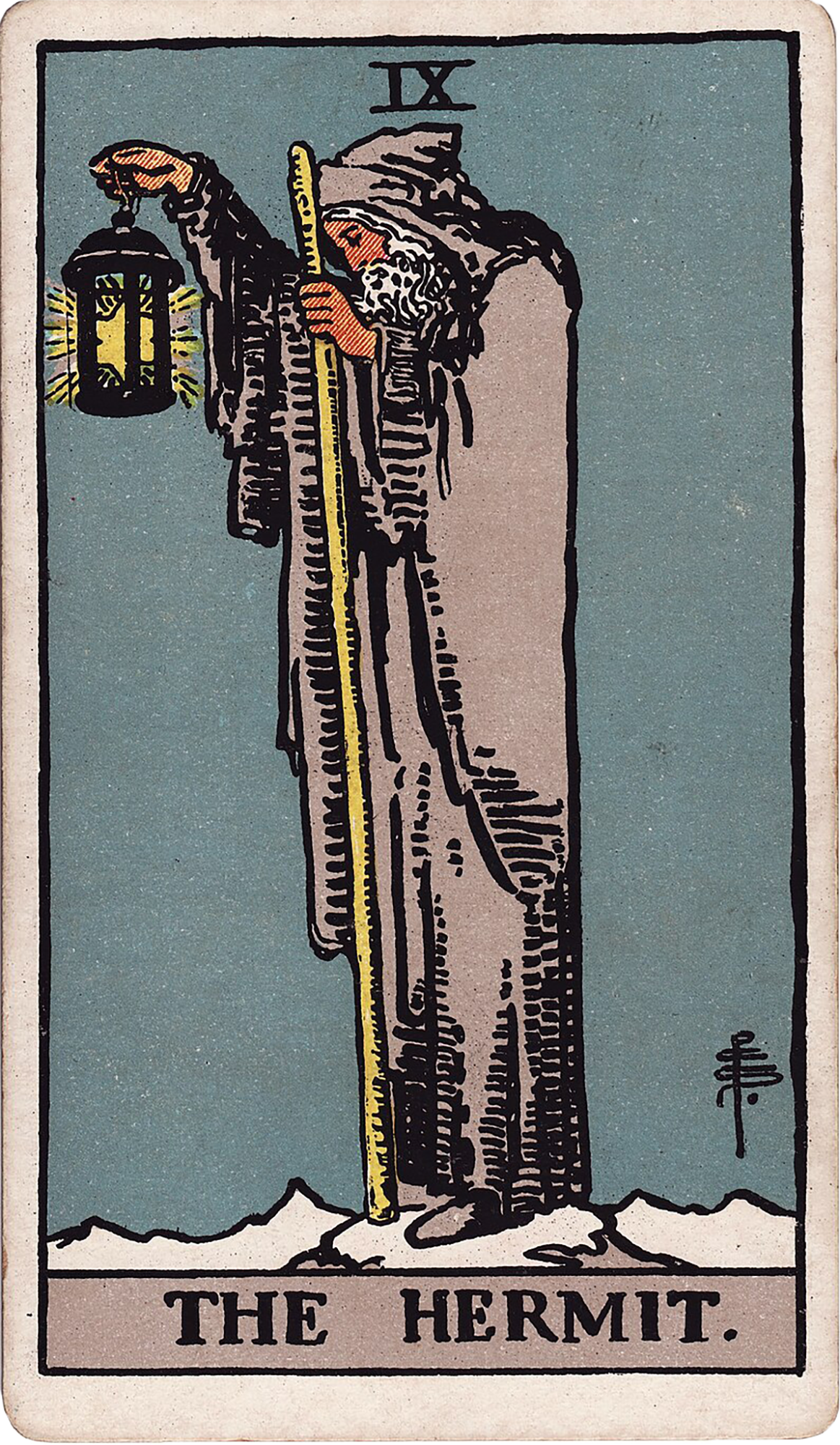 The Hermit
Introduction to The Hermit Tarot Card
The Hermit is the ninth Major Arcana card in the Rider-Waite-Smith deck, traditionally depicted as an old man standing alone on a mountain peak holding a lantern in one hand and a staff in the other. This imagery symbolizes illumination gained through solitude, inner wisdom, and a careful, thoughtful approach to life’s challenges. The lantern shines a light inward and forward, suggesting guidance that comes from within rather than external sources. The staff indicates support and stability gained from experience. In upright position, The Hermit encourages stepping back from external distractions to reflect deeply and seek clarity. Reversed, the card warns of isolation, avoidance, or over-analysis. Understanding this dual nature is essential as we explore the card’s rich application in different contexts.
Techniques for Reading The Hermit in Single-Card Contexts
When The Hermit appears alone in a Tarot reading, the key to interpretation lies in context and the querent’s question. The card does not predict outcomes but highlights qualities and approaches that can inform decisions. Begin by observing the imagery: the figure’s solitude, the glowing lantern, the mountain landscape. Ask yourself what aspect of the querent’s life calls for contemplation or withdrawal. Is there a need to pause and reflect before action? Consider the upright versus reversed meanings carefully. In upright, focus on constructive withdrawal and insight. In reversed, look for signs of unhelpful isolation or avoidance. Avoid over-generalizing or rushing to conclusions. Instead, anchor your reading in the card’s symbolism and how it aligns with the querent’s situation.
The Hermit in Personal Growth Contexts
In personal growth, The Hermit symbolizes the journey inward toward greater self-awareness and authenticity. Upright, it invites the seeker to step away from social noise and external validation to explore their own values, beliefs, and motivations. This might mean journaling, meditation, or simply spending time alone in nature. The Hermit’s lantern is a metaphor for the ‘light’ of self-knowledge that can guide future choices. Challenges such as fear of loneliness or impatience with slow progress are addressed by recognizing that meaningful growth takes time and quiet reflection. Reversed, The Hermit may indicate resistance to this process—perhaps the individual is avoiding necessary introspection out of discomfort or fear of what might be discovered. Here, the card serves as a prompt to confront internal blocks and seek support if needed.
The Hermit in Career and Work
When The Hermit appears in a career context, it often signals the need to pause and re-evaluate professional direction. Upright, the card suggests that diligent reflection can help the querent identify their true vocational calling or the next best step in their work life. The Hermit encourages cultivating patience and a methodical approach rather than rushing into new projects or decisions based solely on external pressures. It can also highlight the value of specialized knowledge, mentorship, or independent research. Reversed, however, The Hermit may warn of excessive withdrawal from professional responsibilities or isolation that hinders collaboration. It might also reveal a tendency to overthink without taking decisive action. The practical reading method is to ask: Where is thoughtful reflection needed, and where might one be stuck in unproductive solitude?
The Hermit’s Message in Love and Relationships
In love readings, The Hermit is a nuanced card that does not point directly to romantic outcomes but instead focuses on emotional clarity and boundaries. Upright, The Hermit encourages the querent to seek solitude to understand their feelings honestly, clarify relationship needs, and decide if a connection is nurturing or draining. It may indicate the need for space to heal or to cultivate self-love before engaging deeply with another. The traditional symbolism of the solitary figure with the lantern reflects this inner search for truth about one’s heart. Reversed, it can signal loneliness, emotional withdrawal, or avoidance of necessary conversations in relationships. Instead of healthy solitude, the querent might be isolating themselves to escape vulnerability. Readers should carefully assess whether the card advises constructive reflection or highlights a challenge to face.
Understanding The Hermit in Financial and Money Matters
The Hermit’s presence in a financial context points to prudence, careful planning, and insight that comes from stepping back and reviewing one’s monetary situation thoroughly. Upright, it suggests that the querent should avoid impulsive spending or risky ventures and instead adopt a more conservative, thoughtful approach. It may be a good time to seek expert advice, study finances in detail, or create long-term budgets and savings plans. The solitary figure holding a lantern symbolizes the illumination of hidden financial patterns or opportunities discovered through patience and contemplation. Reversed, The Hermit may indicate financial isolation caused by fear or denial—perhaps the querent is avoiding financial decisions or feeling overly alone in managing resources. This may lead to stagnation or missed chances for improvement.
The Hermit as Advice or Challenge Card
As advice, The Hermit urges slowing down, withdrawing temporarily from noisy environments, and tuning into inner wisdom before making decisions. It suggests asking where clearer boundaries, honest self-assessment, or deliberate choices can move the situation forward. The card encourages working with what is present rather than waiting for perfect certainty. As a challenge, The Hermit highlights potential pitfalls of isolation, excessive rumination, or reluctance to engage with others even when connection is necessary. In either case, the reader should encourage reflection: Is the querent balancing solitude and social engagement? Are they using withdrawal productively or avoiding important participation? This dual aspect of The Hermit makes it a powerful tool for fostering self-awareness and measured action.
Interpreting The Hermit as a Person or Outcome
When The Hermit represents a person in a reading, it often describes someone wise, introspective, and reserved—possibly a mentor, teacher, or elder figure who provides insight through quiet counsel. This person values solitude and deep thinking and may prefer independent work or reflection over socializing. The lantern indicates someone who lights a path for others with their knowledge and experience. As an outcome card, The Hermit suggests that resolution will come through thoughtful consideration, patience, and possibly a period of withdrawal or recalibration. The querent is advised not to rush but to trust that insight gained through solitude will illuminate the next step. The card’s traditional imagery reminds us that this process may require climbing a metaphorical mountain—a challenge that demands persistence and focus.
Common Mistakes and Pitfalls When Reading The Hermit
A common error is interpreting The Hermit solely as loneliness or negative isolation without considering its positive, constructive aspects. Another pitfall is ignoring the card’s context—The Hermit’s message shifts depending on the querent’s question and situation. Overemphasizing the need for solitude may lead to neglecting actionable steps or social support. Conversely, downplaying the card’s call for reflection can result in impulsive decisions or superficial understanding. When reversed, readers often jump to assumptions about failure or negativity rather than exploring subtle nuances like temporary pauses, internal struggles, or beginnings of recovery. To avoid these mistakes, always anchor interpretations in the card’s symbolism, the querent’s context, and the balance between reflection and action.
Practical Methods for Deepening Your Understanding of The Hermit
To deepen your grasp of The Hermit, engage with the card’s imagery daily through meditation or journaling. Visualize yourself as the solitary figure on the mountain, holding the lantern—what insights arise? Practice asking reflective questions such as: Where in my life am I avoiding necessary solitude? What light am I seeking? When reading for others, clarify the question’s context and observe the querent’s life circumstances to tailor the interpretation. Experiment with tracking when The Hermit appears in readings over time to discern patterns about when reflection is most needed. Use the card as a prompt for personal retreats or quiet moments to enhance intuition and decision-making clarity. This active engagement transforms The Hermit from a static symbol into a dynamic guide.
Practice questions
• In which areas of my life do I currently need to step back and seek clarity through solitude?
• How do I balance necessary reflection with active participation in my personal and professional life?
• Am I using withdrawal as a healthy tool for insight or as an escape from challenges?
• What fears or resistances might I have about confronting inner truths revealed by The Hermit?
• How can I apply the lessons of The Hermit to improve my relationships and financial decisions?
• When faced with uncertainty, how can I identify the ‘next proportionate step’ as suggested by The Hermit’s upright message?
Comments
Sign in to comment.
Continue learning
Understanding the Synergy Between The Empress and The Emperor in Tarot Card Combinations
This article delves into the intricate synergy between The Empress and The Emperor cards in Tarot, focusing on how their combined energies modify and enrich readings across various...
Exploring The High Priestess in Career Relationships and Personal Growth
The High Priestess card in the tarot deck invites readers to explore intuition, hidden knowledge, and inner wisdom across various life contexts. This article examines how The High...
Using the Five Card Cross Tarot Spread to Navigate Career Changes with Confidence
The Five Card Cross Tarot Spread is a versatile and insightful tool for navigating career changes. This article guides learners through the method step-by-step using a practical ex...
Exploring The Hierophant in Modern Spiritual Practices and Personal Development
The Hierophant tarot card symbolizes structured wisdom, tradition, and the pursuit of knowledge through established systems. This article explores how The Hierophant’s upright and...
Unlocking Personal Ambition and Emotional Balance with The Chariot and Queen of Cups
The Chariot and Queen of Cups together represent a compelling combination of disciplined ambition and emotional maturity. This article guides learners through understanding how the...
Understanding The Tower in Tarot for Navigating Sudden Change and Crisis
The Tower card in Tarot symbolizes sudden, often disruptive change that destroys false foundations and compels honest reassessment. This article provides a comprehensive exploratio...
Understanding The Hanged Man in Personal Sacrifice and Spiritual Growth
The Hanged Man tarot card embodies the themes of intentional pause, surrender, and gaining new perspectives that foster personal sacrifice and spiritual growth. In this article, we...
Discovering The Hermit in Meditation and Self Reflection Practices
The Hermit tarot card, a symbol of introspection and deliberate solitude, offers profound lessons for meditation and self-reflection practices. This article unpacks its upright and...
Unlocking Emotional Balance with The Lovers and Temperance in Tarot Combinations
This article explores the dynamic interplay between The Lovers and Temperance cards in Tarot readings, focusing on how their combination unlocks emotional balance and integration....
Understanding the Court Cards of Pentacles for Practical Wisdom and Grounded Ambition
The Court Cards of Pentacles—Page, Knight, Queen, and King—offer a rich framework for understanding practical wisdom, grounded ambition, and stewardship of material resources. Anch...