
Unveiling the Symbolic Language and Elemental Correspondences of the Suit of Wands for Creative Energy and Action
The Suit of Wands in tarot represents the vibrant forces of creative energy, ambition, and action. This article delves into its symbolic language and elemental associations, anchoring the discussion in the imagery and meanings of key cards—Ace, Page, Knight, and Queen of Wands. By understanding these cards’ symbols and traditional Rider-Waite-Smith context, learners gain tools to interpret motivation and initiative in readings. We explore practical techniques for working with the suit, common interpretive pitfalls, and how to judge development stages of creative energy through card combinations and spreads. Emphasis on the nuanced meanings of upright and reversed cards helps readers enhance their intuitive and analytical tarot skills.
Cards explored in this article
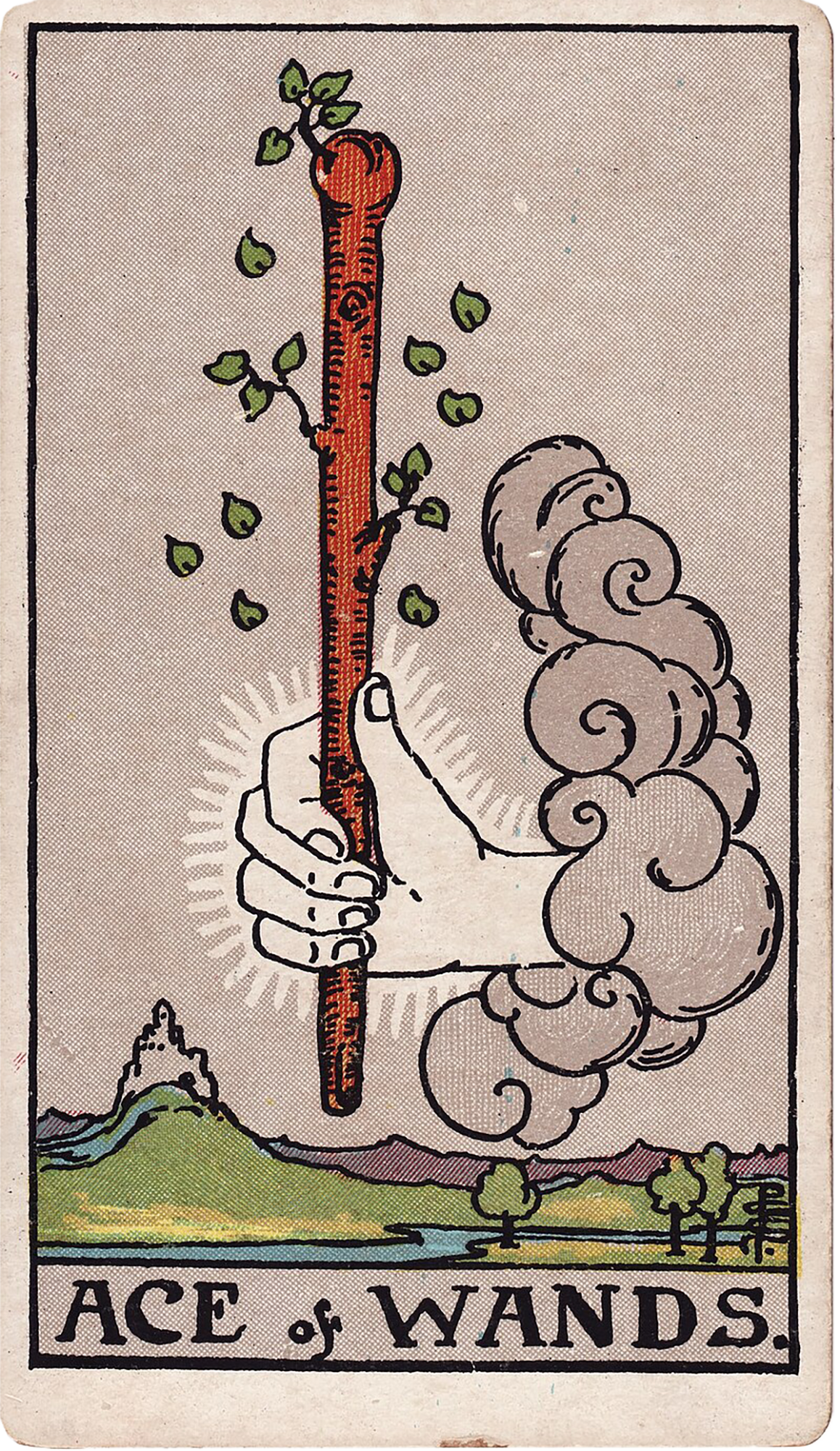 Ace of Wands
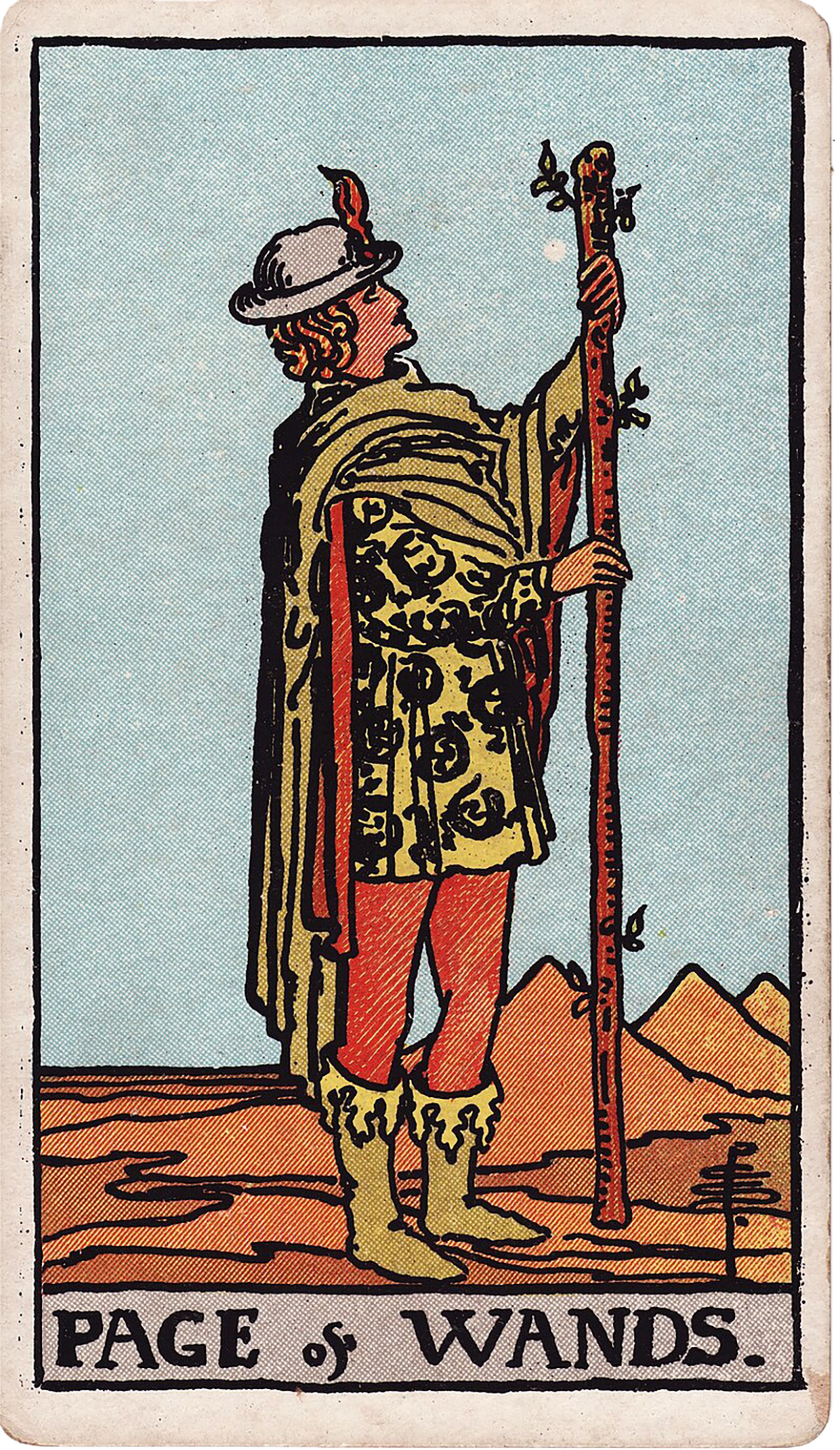 Page of Wands
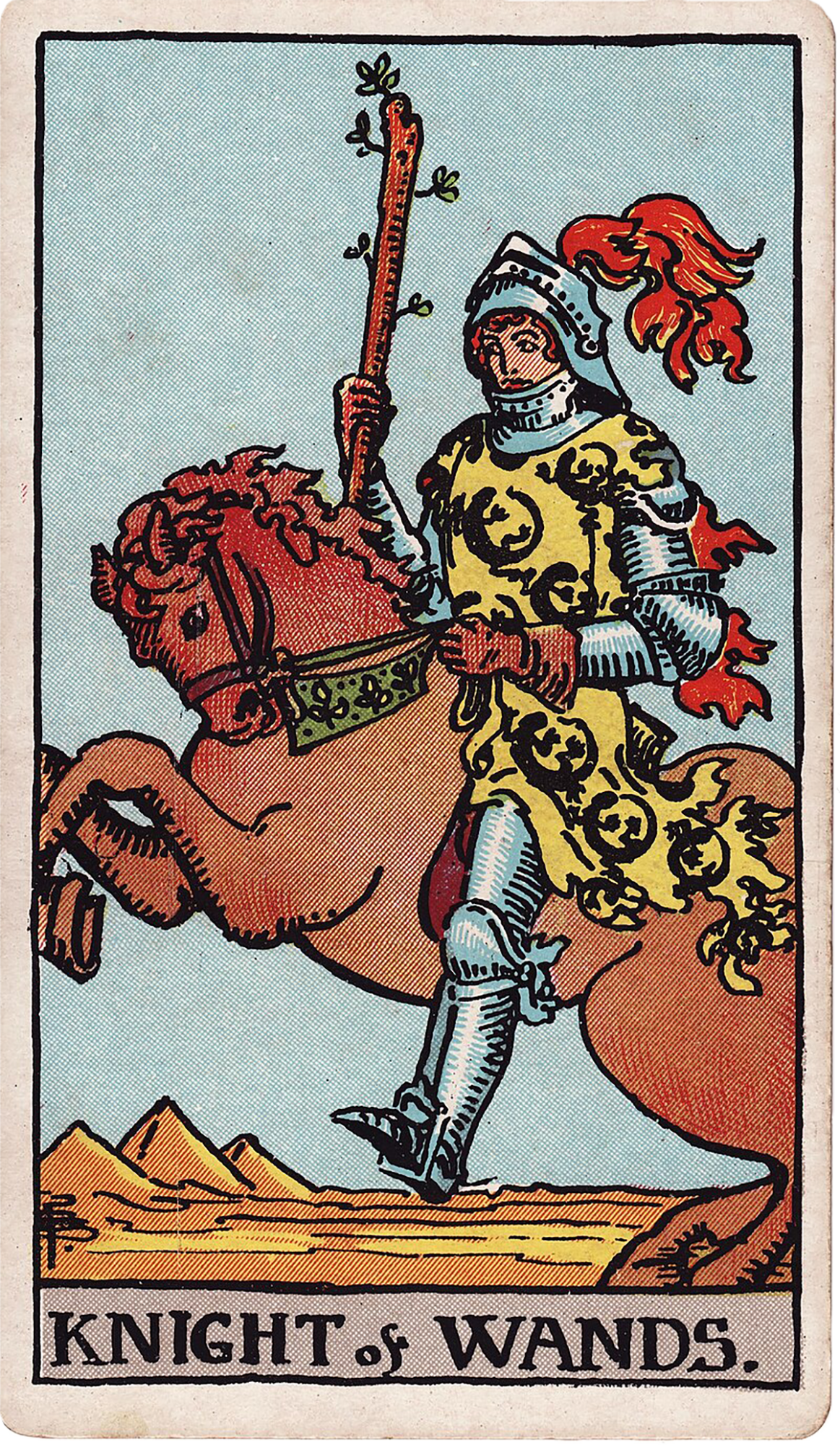 Knight of Wands
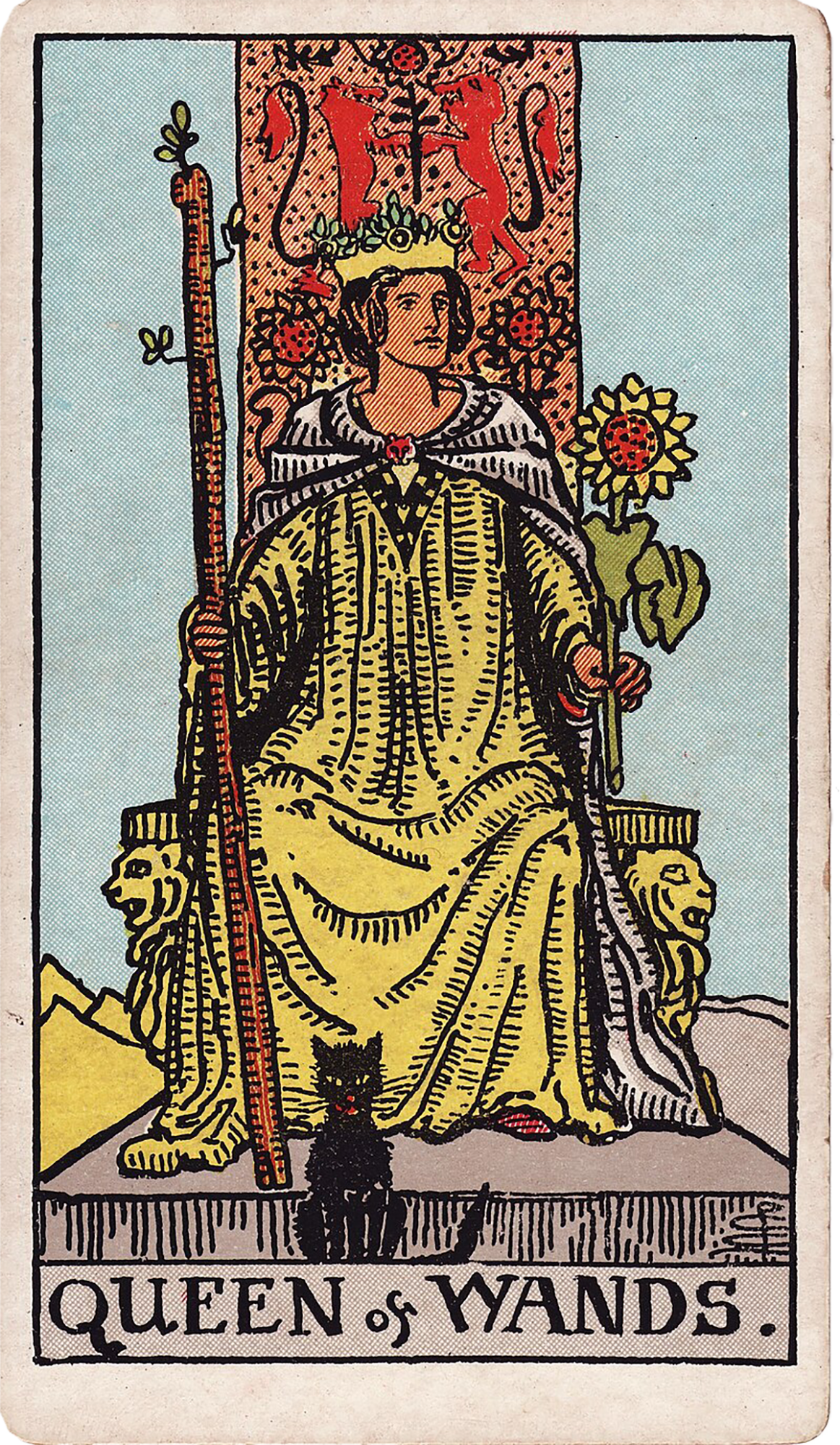 Queen of Wands
Introduction to the Suit of Wands and Its Symbolic Essence
The Suit of Wands is deeply rooted in the symbolic language of fire—the element traditionally linked with energy, willpower, ambition, and creativity. In tarot, Wands often signify the life force that drives us to initiate projects, pursue passions, and express individual identity. This suit’s imagery derives largely from traditional Rider-Waite-Smith symbolism, where wands themselves represent shafts of energy, growth, and potential. The suit invites readers to explore how creative impulses manifest and how dynamic action unfolds, guiding querents toward understanding motivation and initiative. By focusing on the Ace, Page, Knight, and Queen of Wands, we can analyze the arc of creative energy from inception through maturation and leadership.
Elemental Correspondences and Their Influence on Interpretation
Fire as the elemental correspondence of Wands shapes much of the suit’s meaning. Fire is transformative, passionate, and often unpredictable, symbolizing both illumination and destruction. In tarot, this dual nature encourages readers to recognize the constructive and challenging aspects of creative energy. For instance, the Ace of Wands highlights the seed of new energy needing expression before enthusiasm fades, reflecting fire’s fleeting spark that demands action. Conversely, reversed cards like the Ace or Knight of Wands caution about blocked or misdirected energy, analogous to fire that burns out of control or fails to ignite. Understanding these elemental qualities helps readers avoid simplistic oppositions between upright and reversed meanings by focusing on energy flow, blockage, or imbalance.
Interpreting the Ace of Wands as a Catalyst for Initiation
The Ace of Wands is the quintessential symbol of creative impulse and beginnings. Visually, it typically depicts a single wand sprouting leaves, symbolizing vitality and the potential for growth. Upright, it signals a new impulse seeking expression, urging immediate action tailored to current circumstances. This card asks the reader to identify where nascent energy is already visible and what practical first step can strengthen this constructive force. For example, in a career reading, the Ace might suggest initiating a project or pitching an idea before motivation wanes. Reversed, it points to blocked inspiration or premature action, highlighting stalled beginnings or internal hesitations. The key is to explore what is preventing the creative spark from becoming tangible and what simplifications or acknowledgments are necessary to renew forward motion.
Understanding the Page of Wands as the Embodiment of Curious Experimentation
The Page of Wands represents youthful energy within the fire element—curiosity, experimentation, and the invitation to explore new ideas. In Rider-Waite-Smith imagery, the Page is often depicted holding a wand upright, gazing at it with interest, symbolizing the start of a learning journey. Upright, the card encourages embracing beginner’s enthusiasm and taking practical steps that fit the present stage of development. It highlights qualities such as motivation and initiative but also reminds readers that effort and discomfort are part of growth. Reversed, the Page warns of immaturity or inconsistency, where excitement lacks follow-through or fear of failure inhibits progress. In readings, this card prompts consideration of how to foster sustainable creative energy through practice and honest self-assessment.
Decoding the Knight of Wands as a Symbol of Decisive Movement and Courage
The Knight of Wands embodies dynamic action, courageous pursuit, and confident movement forward. Traditionally shown riding a horse with a raised wand, the Knight reflects speed and direction, underscoring that both are vital for success. Upright, this card urges decisive action and harnessing high energy toward a clear goal while warning that motivation without focus can lead to reckless choices. The Knight’s presence in a spread signals a phase of developing momentum or approaching resolution. Reversed, it points to restlessness, impatience, or frustration from unfinished ventures, advising readers to examine where enthusiasm becomes counterproductive. The Knight reminds us that creative energy requires channeling and discipline to achieve lasting results.
Exploring the Queen of Wands as the Archetype of Creative Leadership and Confidence
The Queen of Wands represents mature creative energy expressed through visible confidence, warmth, and leadership. Rider-Waite-Smith decks usually depict her as a poised figure holding a blossoming wand, symbolizing flourishing creativity and social magnetism. Upright, the Queen demonstrates independence and a balanced, charismatic approach to ambition that lifts others rather than diminishes them. In readings, she encourages embracing leadership roles with authenticity and social grace. Reversed, this card draws attention to hidden insecurities, jealousy, or burnout resulting from overextension. It challenges readers to assess where performance masks vulnerability and where charm might manipulate outcomes. The Queen’s image encourages cultivating sustainable confidence through self-awareness and emotional honesty.
Practical Techniques for Reading the Suit of Wands
When working with the Suit of Wands, it is essential to contextualize each card within the querent’s situation and the spread’s layout. Since Wands primarily address motivation, identity, and energy direction, readers should frame questions around these themes. For example, ask where the querent’s creative energy is emerging or being blocked. Observe the card’s position to determine if the energy is beginning, developing, peaking, or resolving. Compare upright and reversed cards not simply as opposites but as indicators of process dynamics—where energy flow is healthy or stuck. Use the supplied cards’ imagery as visual anchors: the budding wand of the Ace, the eager gaze of the Page, the forward charge of the Knight, and the confident posture of the Queen. Encourage querents to consider practical first steps, ongoing experimentation, strategic momentum, and mature leadership as stages of personal development. Avoid overgeneralizing; instead, tailor interpretations to the querent’s lived experience, combined with elemental symbolism.
Common Mistakes and How to Avoid Them in Wands Interpretation
A frequent error when reading Wands cards is to treat reversed meanings as mere negations of upright interpretations. Instead, reversed Wands often reveal stuck energy, internal conflicts, or process delays that require nuanced exploration. Another mistake is ignoring the element of fire’s dual nature—its creative potential and its danger when uncontrolled. Readers sometimes overemphasize enthusiasm without considering practical grounding or dismiss internal struggles behind confident appearances. Overlooking the role of the surrounding cards in clarifying the developmental stage of Wands energy can lead to superficial readings. To avoid these pitfalls, engage deeply with the card images and traditional symbolism, ask process-oriented questions, and balance intuition with logical analysis. Remember that Wands are about movement and growth; any sign of blockage is an invitation to explore what needs simplification or acknowledgment.
Interpreting Upright and Reversed Cards as a Processual Dynamic
Rather than viewing upright and reversed Wands cards as opposites, consider them as points along a dynamic process of creative energy management. For example, the upright Ace of Wands represents the spark of inspiration ready for practical action, while its reversal signals blocked or premature energy needing reevaluation. Similarly, the Page’s upright curiosity contrasts with reversed immaturity or inconsistency, highlighting learning phases. The Knight’s upright decisiveness can become recklessness when reversed, pointing to the need for direction as well as speed. The Queen’s upright confident leadership may flip into hidden insecurity or burnout reversed, emphasizing emotional balance. This approach encourages readers to view Wands as a living system of energy that ebbs, flows, and requires conscious engagement to foster healthy expression.
Conclusion and Integrative Reflection
The Suit of Wands offers a profound symbolic framework for understanding creative energy, motivation, and action in tarot reading. By studying elemental correspondences, Rider-Waite-Smith imagery, and the supplied cards—the Ace, Page, Knight, and Queen of Wands—learners can decode complex psychological and practical dynamics in querents’ lives. Effective interpretation relies on recognizing the suit’s processual nature, respecting both upright and reversed nuances, and grounding readings in the querent’s current stage of development. This approach unlocks the transformative potential of Wands and empowers readers to provide insightful guidance on harnessing creative fire for positive growth.
Practice questions
• How does the elemental nature of fire influence your interpretation of the Suit of Wands in different tarot spreads?
• In what ways can viewing upright and reversed cards as stages in a process rather than opposites deepen your readings?
• How might the symbolism of the Ace, Page, Knight, and Queen of Wands guide you to identify blocks or productive momentum in a querent’s creative energy?
• What practical steps can you suggest to querents to strengthen the constructive side of their Wands energy based on these cards?
• How can recognizing the dual nature of confidence and insecurity in the Queen of Wands improve your understanding of leadership dynamics in readings?
Comments
Sign in to comment.
Continue learning
Harnessing the Power of The Magician and Ace of Wands: Igniting Creativity and Manifestation in Tarot Readings
The combination of The Magician and the Ace of Wands in tarot readings offers a potent blend of creative energy and manifestation power. This article delves into the ways these car...
Unlocking the Creative Synergy of The Magician The Empress and Ace of Wands in Tarot Combinations
This article delves into the dynamic interplay of The Magician, The Empress, and Ace of Wands when they appear together in tarot readings. It explores how these cards collectively...
Unveiling Personal Power Through The Magician Strength and Ace of Wands
This article delves into the dynamic interplay of The Magician, Strength, and Ace of Wands tarot cards, exploring how their combined symbolism illuminates personal power across var...
Exploring the Symbolism and Elemental Correspondences of the Four Tarot Suits for Deeper Understanding
This article offers an in-depth exploration of the symbolism and elemental correspondences of the four tarot suits—Wands, Cups, Swords, and Pentacles—anchored by the imagery and me...
Using the Five Card Cross Spread to Overcome Career Burnout and Reignite Passion
This article guides learners through the Five Card Cross spread applied to overcoming career burnout and reigniting passion. Featuring a worked example using The Emperor, The Chari...
Mastering the Art of Combining The Magician The Empress and Ace of Wands for Creative Manifestation
This article explores the combined reading of The Magician, The Empress, and Ace of Wands Tarot cards, focusing on their synergy for creative manifestation. Through detailed analys...
Exploring the Symbolic Language and Elemental Meanings of the Suit of Wands in Tarot
The Suit of Wands in Tarot represents dynamic energy, creative force, and the drive for identity and ambition. Rooted in the elemental symbolism of fire, Wands cards articulate mot...
Unlocking Creative Synergy with The Magician The High Priestess and Ace of Wands
This article examines the powerful combination of The Magician, The High Priestess, and Ace of Wands within Tarot readings. By exploring their symbolic interplay, readers learn how...
Exploring the Symbolic Meanings and Elemental Correspondences of the Suit of Wands in Tarot
The Suit of Wands in Tarot embodies dynamic energy, creativity, and ambition, rooted in the elemental force of fire. This article delves deeply into the symbolism and elemental cor...
Mastering the Art of Combining The Magician The High Priestess and Ace of Wands for Advanced Tarot Readings
This article delves into the advanced skill of synthesizing The Magician, The High Priestess, and Ace of Wands within Tarot spreads. By grounding the discussion in the Rider-Waite-...