
Unveiling the Symbolic Language of the Four Tarot Suits for Deeper Interpretations
This article offers an in-depth exploration of the symbolic language inherent in the four Tarot suits—Wands, Cups, Swords, and Pentacles—anchored by detailed analysis of the Ace cards from each suit. It emphasizes understanding the practical, stage-appropriate meanings of these cards as expressed in both upright and reversed positions, weaving traditional Rider-Waite-Smith symbolism with contemporary interpretive methods. Readers will learn how to connect individual suit symbolism to broader readings, avoid common mistakes such as overgeneralization or simplistic reversal assumptions, and apply the teachings through practical reading techniques that highlight the emotional, intellectual, creative, and material aspects of life. By focusing on the Ace of Wands, Ace of Cups, Ace of Swords, and Ace of Pentacles, this article equips learners to deepen their Tarot practice through symbolic literacy and nuanced interpretation.
Cards explored in this article
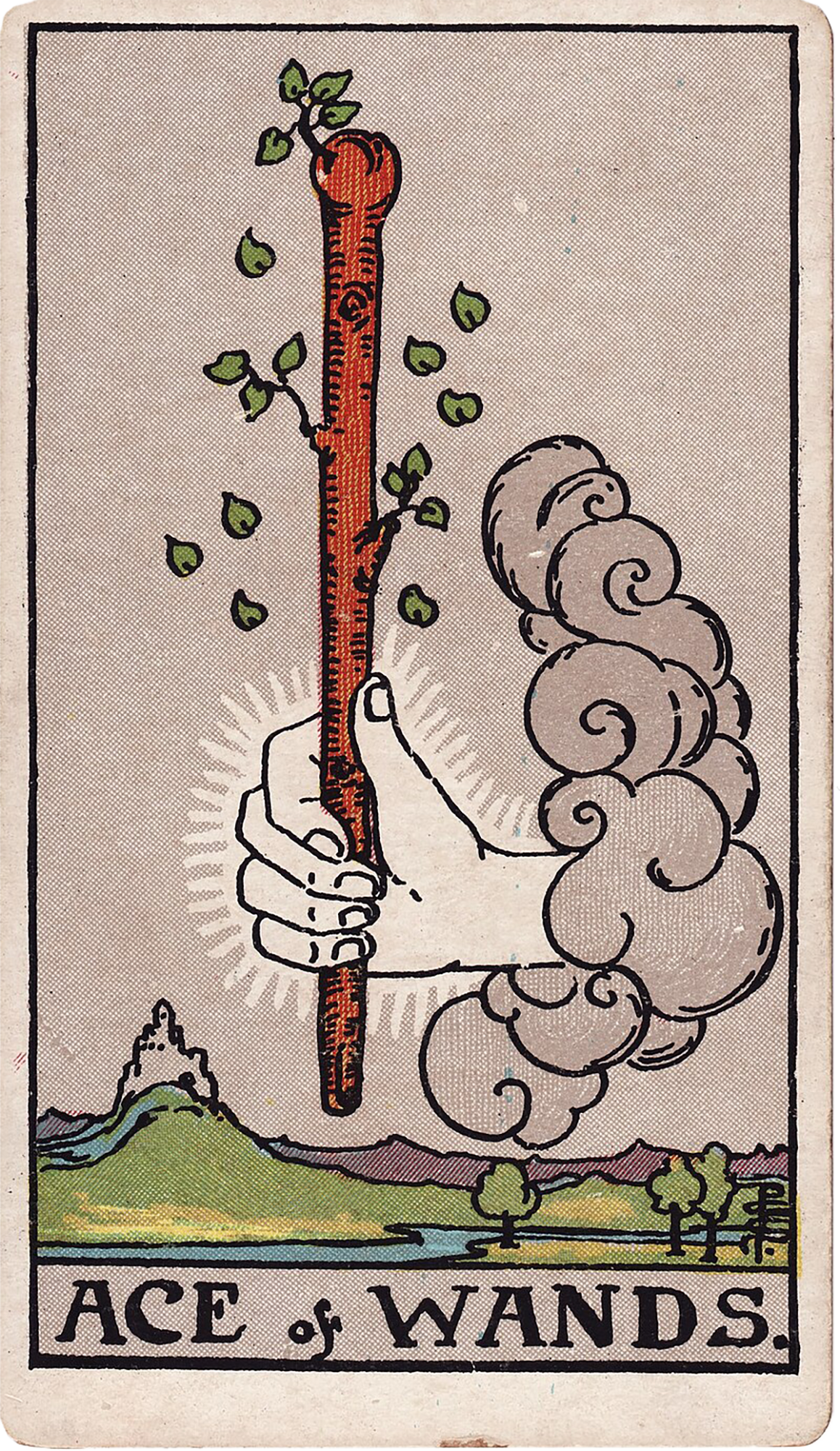 Ace of Wands
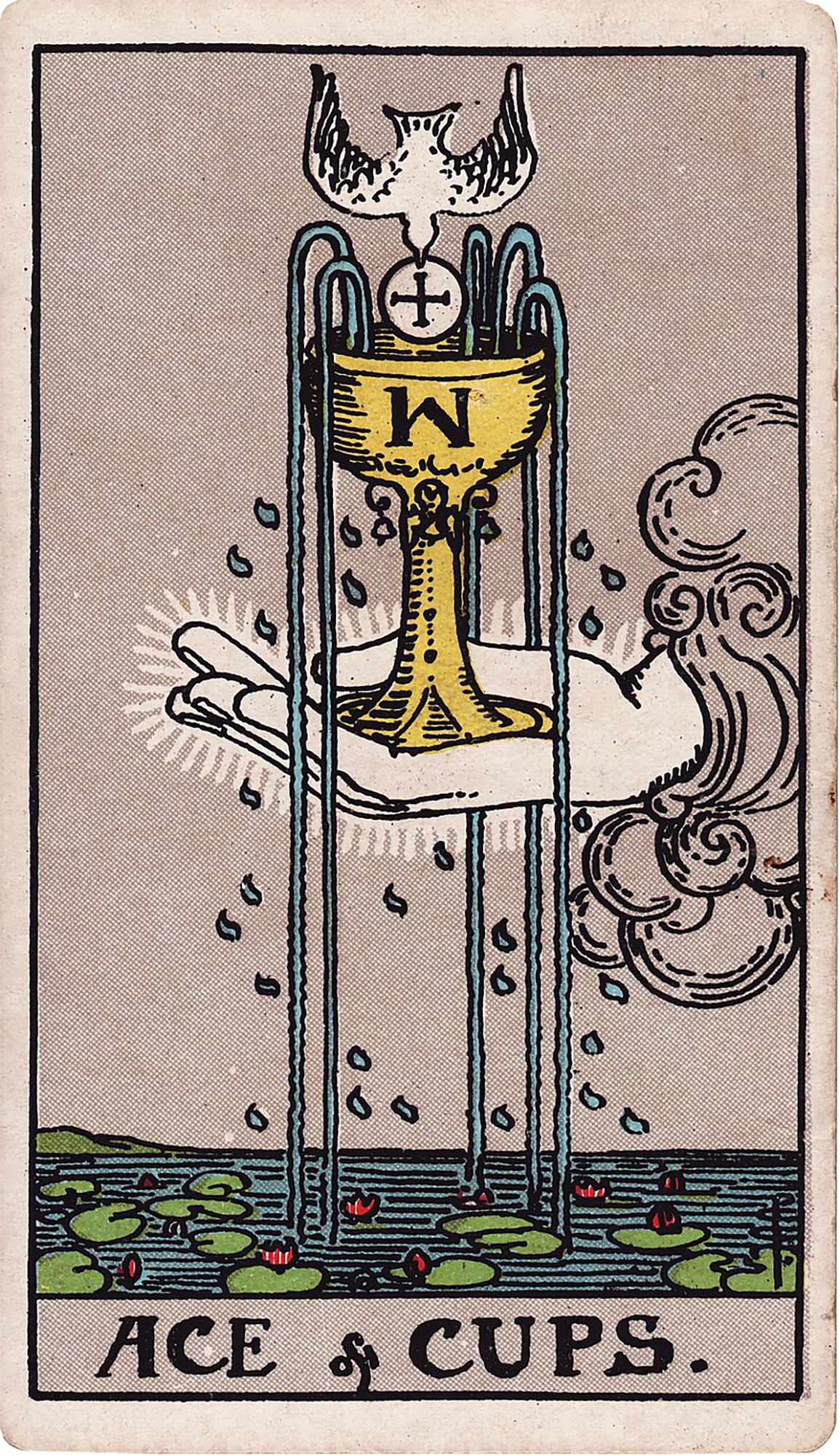 Ace of Cups
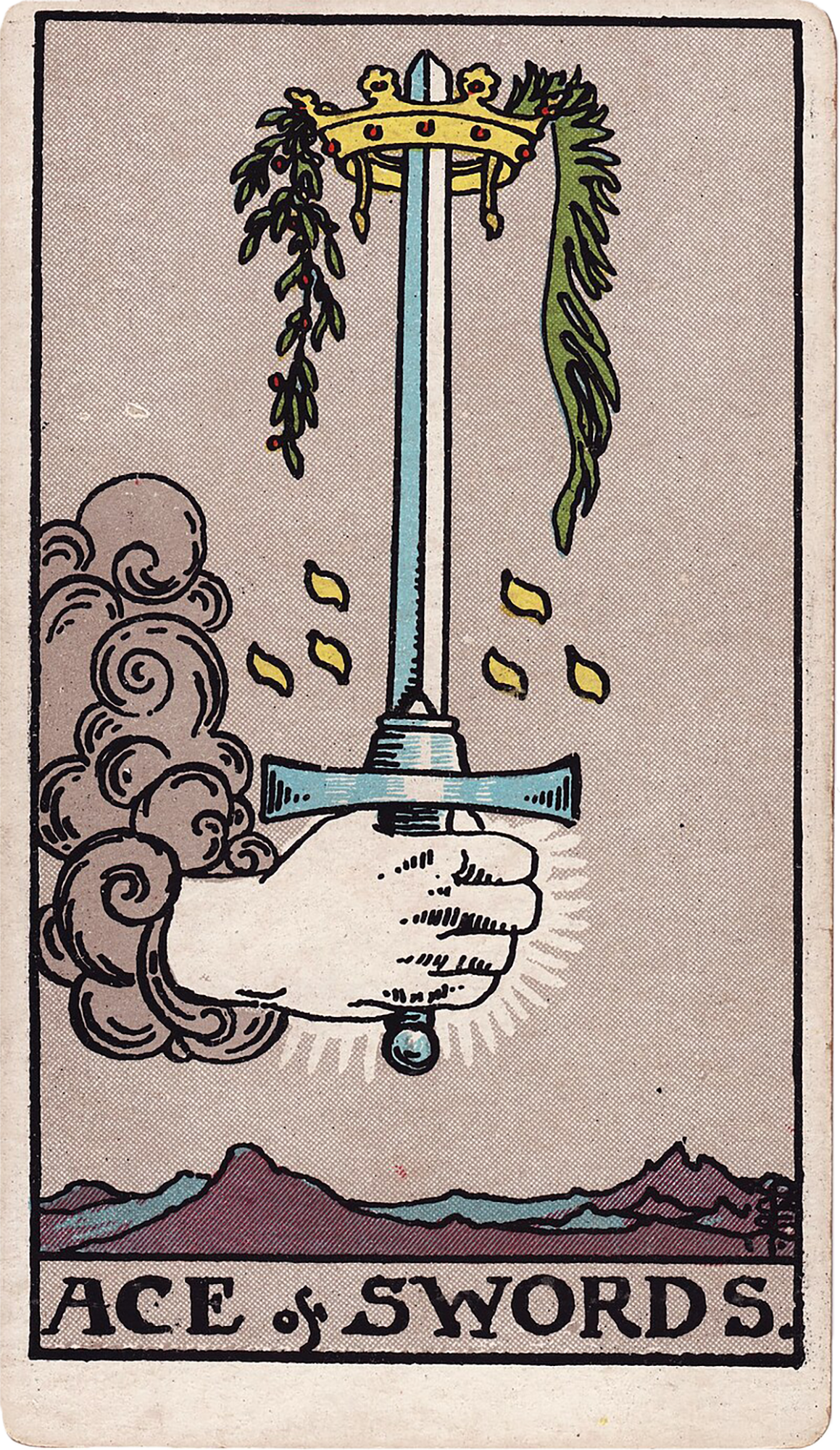 Ace of Swords
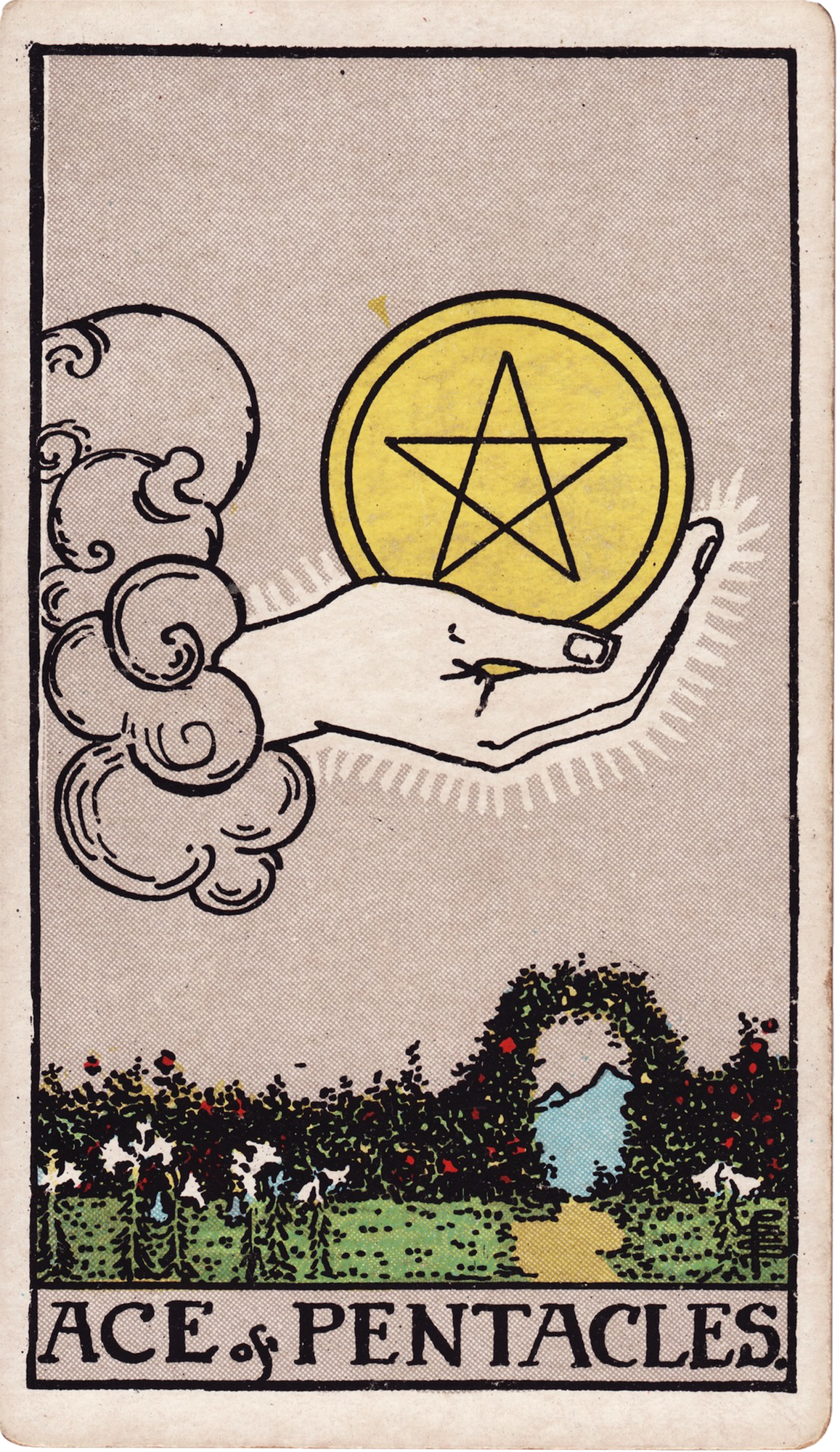 Ace of Pentacles
Introduction to the Four Tarot Suits and Their Symbolic Foundations
The Tarot's Minor Arcana is divided into four suits—Wands, Cups, Swords, and Pentacles—each carrying a distinct symbolic language that mirrors specific dimensions of human experience. Rooted in the classical Rider-Waite-Smith tradition, these suits correspond broadly to the elements of Fire, Water, Air, and Earth, respectively. This elemental framework provides the foundation for understanding the thematic concerns of each suit: Wands reflect creativity, ambition, and energy; Cups embody emotion, relationships, and intuition; Swords represent thought, communication, and conflict; Pentacles relate to material reality, work, and resources. By exploring these suits through their Ace cards—the inception points of each suit’s energy—learners can gain insight into how the suits manifest in readings and how their symbolism guides interpretation.
The Ace of Wands as the Symbol of New Creative Impulse
The Ace of Wands is a powerful emblem of initiating energy, creativity, and motivation. Visually, the traditional card typically shows a sprouting wand held upright, symbolizing potential growth and dynamic force. Upright, this card calls for immediate action aligned with present circumstances, encouraging the querent to harness their ambition and channel it practically. The Ace of Wands focuses on the tangible first step in manifesting ideas, emphasizing identity and energetic direction. In contrast, the reversed Ace of Wands signals blocked inspiration or premature action—energy that is scattered or withheld due to uncertainty or internal conflict. Instead of viewing reversals as simple opposites, the card asks readers to explore where motivation has stalled and what internal or external factors may need acknowledgment to restore healthy expression. Practically, when the Ace of Wands appears in a spread, readers should observe surrounding cards to determine if the energy is just emerging, intensifying, or being resolved.
The Emotional Opening of the Ace of Cups
The Ace of Cups represents the emergence of emotional openness, compassion, and intuitive receptivity. Traditionally depicted as a hand offering a cup with overflowing water, this card visually conveys generosity and the fertile ground of feelings. Upright, the Ace of Cups encourages embracing affection and creative feeling, emphasizing practical, stage-appropriate responses rather than idealized or abstract emotional states. It highlights the skills of emotional processing, relationship building, and intuitive understanding. The reversed Ace of Cups draws attention to emotional blockages, fear of vulnerability, or emotional depletion, indicating that feelings might be present but not healthily expressed. As with the Ace of Wands, the reversal invites readers to explore not simply what is missing, but where emotional processes have become stuck and what actions can promote release or healing. In readings, contextualizing this card among nearby cards reveals whether an emotional phase is beginning, developing, or resolving.
The Intellectual Breakthrough of the Ace of Swords
The Ace of Swords symbolizes clarity of thought, decisive communication, and intellectual breakthroughs. Iconographically, it often presents a sword held upright, sometimes crowned or surrounded by light, signaling truth and insight cutting through confusion. Upright, this card urges the querent to engage with clear thinking and strategic decisions, addressing issues with honesty and mental acuity. It highlights the mental habits and communication skills necessary to navigate conflict and reach understanding. Conversely, the reversed Ace of Swords warns against misused logic, harsh judgment, or weaponizing truth, suggesting internal confusion or premature conclusions. As with the other suits, the reversal is less a simple negation and more an indication that the internal cognitive process requires simplification, acknowledgment, or reorientation toward healthier expression. In practical readings, the Ace of Swords can mark the emergence of a new idea or communication that initiates resolution or further complexity, depending on its context.
Grounding Potential in the Ace of Pentacles
The Ace of Pentacles stands for tangible beginnings, resources, and practical opportunities. Traditional decks show a hand offering a coin or pentacle, symbolizing material wealth, health, or long-term stability. Upright, the card invites a practical response to a new chance for growth in work, finances, or physical well-being, emphasizing consistent effort and care. The Ace of Pentacles frames the core task of establishing a firm foundation. When reversed, it highlights missed opportunities, planning failures, or scarcity mindset, signaling that the querent may seek results without solid groundwork. Instead of equating reversal with failure, the card encourages examining where material or practical processes are stuck and what adjustments or communications are required to return to constructive progress. In spreads, this card often clarifies the material dimension of the inquiry and the resources available to the querent.
Techniques for Integrating Suit Symbolism in Tarot Readings
To deepen interpretations, tarot readers should actively engage with the elemental and thematic language of the suits rather than relying solely on memorized meanings. Begin by identifying the suit and considering its elemental associations—fire for Wands (energy and creativity), water for Cups (emotion), air for Swords (thought), and earth for Pentacles (matter). Next, focus on the card’s position and orientation (upright or reversed) as a stage-appropriate signal rather than a rigid binary. Use the Ace cards as landmarks within a spread to pinpoint the initiation of processes related to each suit’s domain. Observe how the Ace’s energy interacts with adjacent cards to discern development, pressure points, or resolution. For example, an upright Ace of Wands followed by Six of Wands might speak to successful creative initiation, whereas the reversed Ace of Cups near a Five of Cups could highlight emotional blockage requiring attention. This method grounds interpretation in the cards’ symbolic frameworks while allowing flexibility and nuanced insight.
Common Mistakes and How to Avoid Them
One common mistake is treating reversed cards as simple opposites of the upright meaning, which oversimplifies the layered messages of blockage, excess, or incomplete process. Instead, reversals should prompt questions about where energy or expression is stuck and what practical steps can unblock it. Another error is ignoring the suit’s elemental symbolism, which diminishes the depth of interpretation; always consider the elemental qualities when evaluating the card’s message. Additionally, readers sometimes neglect the present stage signaled by the Ace cards—these cards ask for practical action or awareness fitting the current moment, not abstract ideals. Finally, failing to contextualize the Ace cards within the spread’s broader narrative can lead to misinterpretation; always analyze surrounding cards to understand the developmental phase of the suit’s energy.
Practical Reading Method Using the Four Ace Cards
Begin a reading by locating the Ace cards when present to identify new beginnings or core energies in the querent’s situation. For example, the Ace of Wands signals where creative or motivational energy is ready to be acted upon, while the Ace of Cups pinpoints emotional openness that requires expression or care. Use the upright meanings to ask: What new impulse or opening is present? What practical first step aligns with this energy? For reversed Aces, inquire: Where is the blockage or excess? What internal acknowledgement or external communication is needed? Next, consider the wider spread to see how these energies develop or face challenges, mapping the journey from inception to realization or resolution. This approach transforms reading from prediction into a dynamic exploration of processes, empowering querents to engage actively with their life’s unfolding stories.
Conclusion Reflecting on Symbolic Language for Deeper Tarot Practice
Mastering the symbolic language of the four Tarot suits through focused study of foundational cards like the Aces enables learners to move beyond surface meanings and engage with Tarot as a living, evolving system. The Ace of Wands, Cups, Swords, and Pentacles each invites a practical, stage-sensitive encounter with the elemental forces shaping human experience—creative impulse, emotional openness, intellectual clarity, and material opportunity. By integrating these insights with careful observation of card orientation and spread context, readers develop nuanced, flexible interpretations that respect the complexity of internal and external processes. Ultimately, embracing the symbolic language of the suits fosters a deeper, more empowered Tarot practice that honors both tradition and personal insight.
Practice questions
• How does understanding the elemental symbolism of each Tarot suit enhance your interpretation of the cards?
• In what ways can approaching reversed cards as indications of blockage or excess improve your reading accuracy?
• How can focusing on the Ace cards’ practical, stage-appropriate messages change the way you engage with new beginnings in readings?
• What strategies do you find most effective for contextualizing suit energy across a spread to identify development or resolution?
• How might deepening your knowledge of suit symbolism influence your personal connection to the Tarot and its guidance?
Comments
Sign in to comment.
Continue learning
Harnessing the Power of The Magician and Ace of Wands: Igniting Creativity and Manifestation in Tarot Readings
The combination of The Magician and the Ace of Wands in tarot readings offers a potent blend of creative energy and manifestation power. This article delves into the ways these car...
Advanced Techniques for Combining The Moon and The Star to Enhance Intuition in Tarot Readings
This article explores advanced techniques to combine the symbolism and energy of The Moon and The Star Tarot cards to enhance intuition during Tarot readings. Drawing from traditio...
Enhancing Clarity in Complex Choices with the Five Card Cross Tarot Spread
The Five Card Cross Tarot Spread is a practical tool designed to clarify complex choices by breaking down the decision into manageable parts. This article explores each position in...
Tracing the Origins and Evolution of The Fool Card in Tarot History
The Fool card holds a foundational place in tarot tradition, symbolizing beginnings, openness, and the embrace of uncertainty. This article traces its origins from early European d...
Understanding The Hermit Card in Solitude Reflection and Guidance
This article offers an in-depth exploration of The Hermit tarot card as a single-card reading in different contexts such as love, career, money, advice, challenge, person, outcome,...
Unlocking the Creative Flow with The Magician and The Empress in Tarot Combinations
This article delves into the powerful synergy between The Magician and The Empress in Tarot combinations, focusing on how their combined symbolism unlocks creative flow across vari...
Using the Seven Card Horseshoe Spread to Uncover Career Growth and Opportunity
This article presents an in-depth guide to the Seven Card Horseshoe Tarot Spread with a focus on career growth and opportunity. Using the cards The Fool, The Magician, The Empress,...
Understanding the Many Facets of The Moon in Emotional and Intuitive Tarot Readings
The Moon card in the Tarot deck embodies themes of intuition, uncertainty, dreams, and emotional complexity. This article offers a comprehensive exploration of The Moon’s upright a...
Unlocking Advanced Intuition Techniques Using The High Priestess The Moon and The Hermit
This article examines advanced intuition development in tarot reading by focusing on The High Priestess, The Moon, and The Hermit cards. It offers practical techniques for beginner...
Mastering Intuition with The High Priestess The Hermit and The Moon in Tarot Readings
This article delves into mastering intuition through three powerful Tarot cards: The High Priestess, The Hermit, and The Moon. It guides readers from beginner to advanced reading t...