
Unveiling the Symbolism of the Four Tarot Suits for Deeper Reading Insights
This article delves into the rich symbolism of the Four Tarot suits—Wands, Cups, Swords, and Pentacles—anchored by detailed analysis of the Ace cards from each suit. By connecting traditional Rider-Waite-Smith imagery and meanings with practical reading techniques, learners will develop skills to interpret these foundational symbols more effectively. The article covers the suits’ elemental correspondences, core themes, and the nuances revealed through upright and reversed positions, emphasizing process over prediction. Readers are invited to reflect on common challenges in reading and practical approaches to apply the symbolism in diverse spreads.
Cards explored in this article
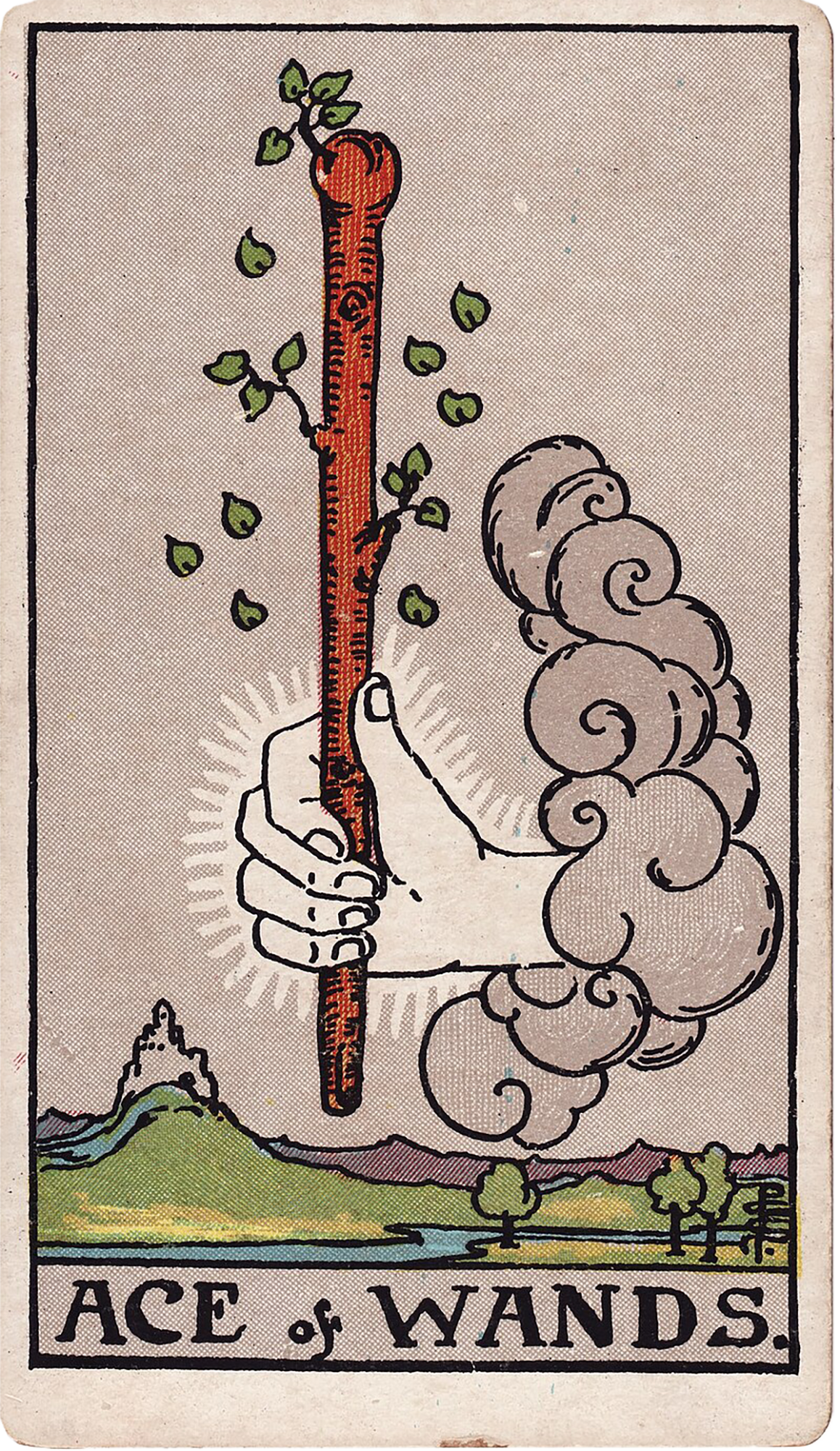 Ace of Wands
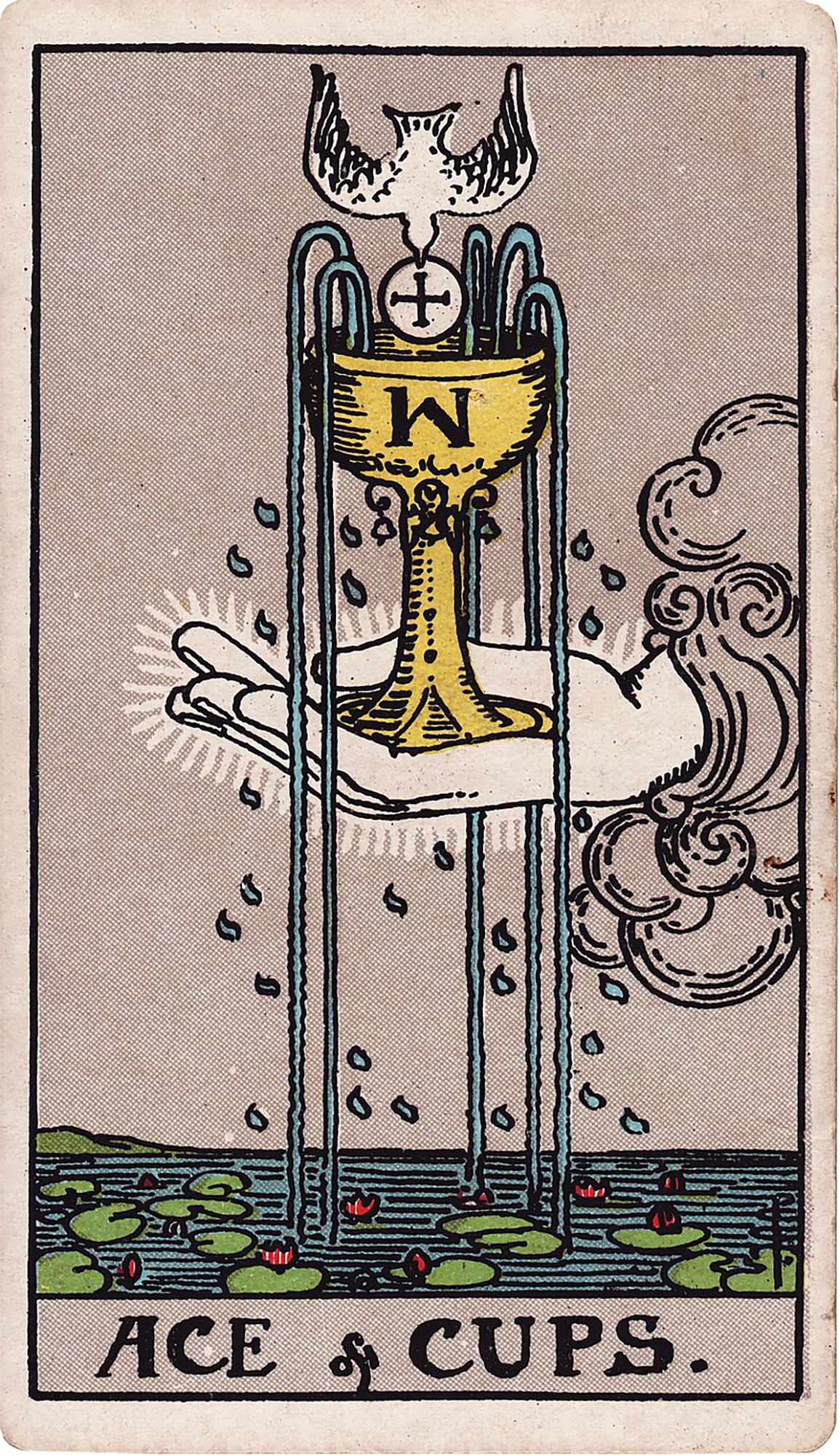 Ace of Cups
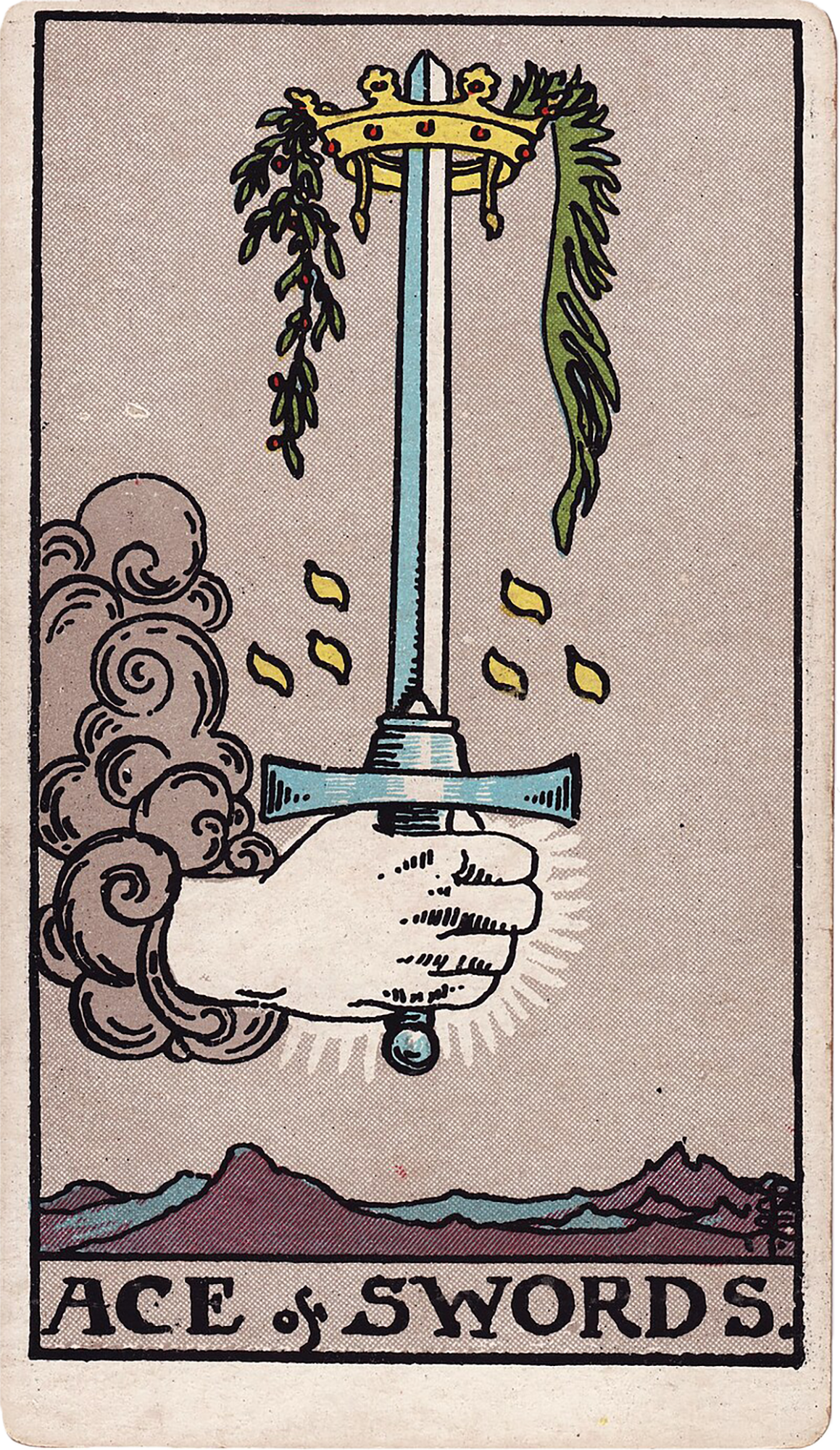 Ace of Swords
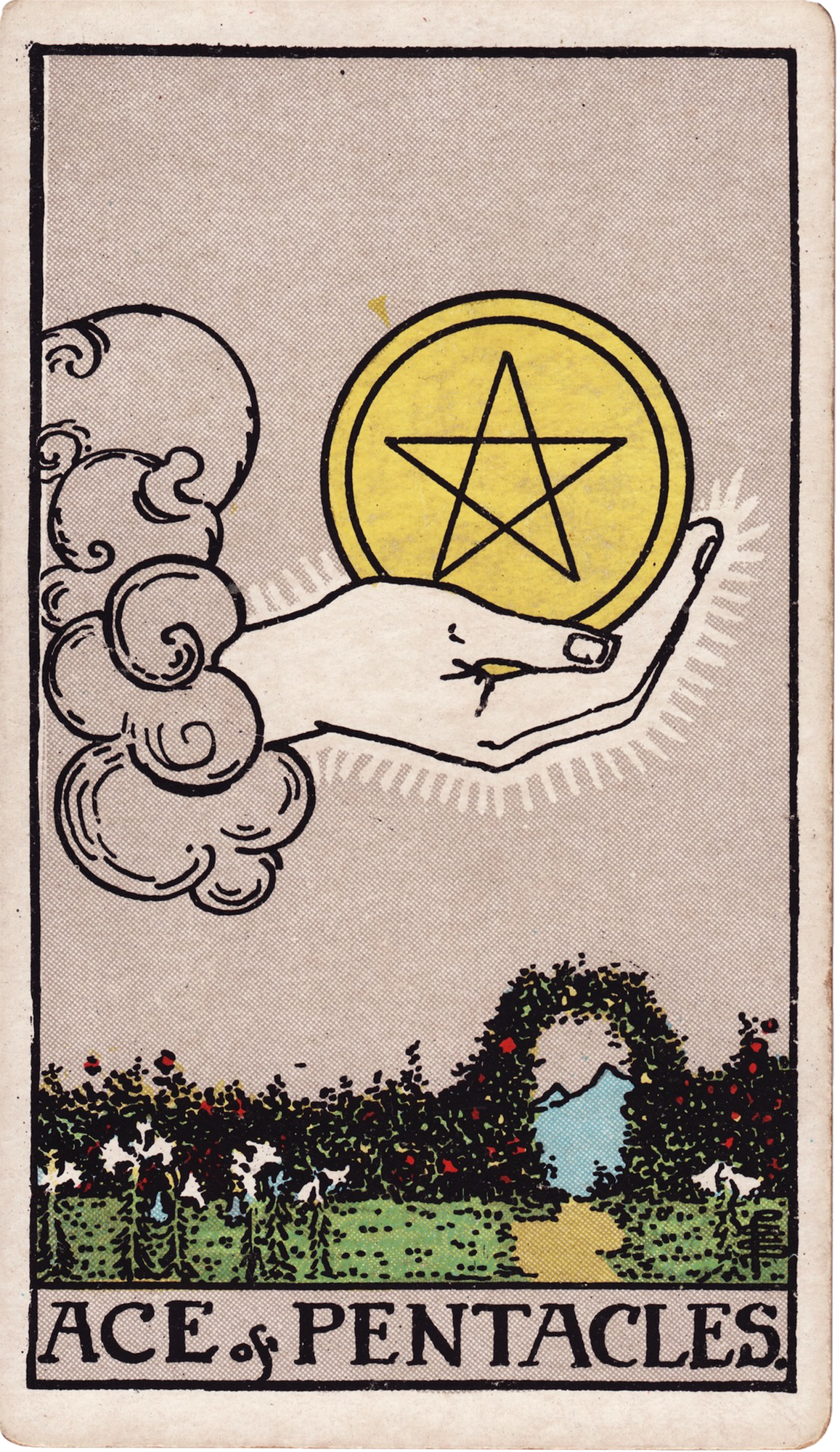 Ace of Pentacles
Introduction to the Four Tarot Suits and Their Symbolic Framework
The Tarot’s Four suits form the structural backbone of the Minor Arcana and serve as symbolic languages representing distinct areas of human experience. Rooted in the Rider-Waite-Smith tradition, these suits—Wands, Cups, Swords, and Pentacles—each align with classical elements and express unique qualities: Wands with fire and creativity; Cups with water and emotion; Swords with air and intellect; and Pentacles with earth and material reality. Understanding these elemental and thematic foundations is essential for deeper reading insights. This article uses the Ace cards of each suit to illustrate how their imagery and traditional meanings support practical interpretation strategies that move beyond surface-level predictions.
Symbolism of the Ace of Wands and Practical Reading Techniques
The Ace of Wands is a vibrant symbol of new impulses, creativity, and energetic initiative. Visually, the card often depicts a hand emerging from a cloud, grasping a budding wand, signaling raw potential and the birth of ideas or projects. Upright, this card invites the querent to take initial action before enthusiasm wanes, emphasizing motivation, ambition, and the constructive direction of energy. The card’s practicality lies in urging responses suited to the present stage rather than distant ideals. For example, in a reading, noticing nearby cards can reveal whether the creative energy is just emerging, under pressure, or moving toward resolution. Reversed, the Ace of Wands points to blocked inspiration or scattered excitement. Instead of viewing the reversal as simply negative, readers are encouraged to explore where the process is stuck—whether through premature action or internal hesitation—and what must be simplified or acknowledged to restore healthy energy flow. This nuanced approach supports a balanced interpretation rooted in the card’s symbolism and realistic human experience.
Exploring Emotional Depths with the Ace of Cups
The Ace of Cups visually features a cup overflowing with water, often with a dove or hand presenting it, symbolizing emotional openness, intuition, and compassion. It marks an opening of the emotional field, inviting receptivity and creative feeling. Upright, the card suggests that relationships, emotional intuition, and heartfelt connections are central to the situation, and the querent should respond in ways that nurture these qualities practically. The card’s overflow reminds readers that emotional energy is abundant but requires healthy channels. When reversed, the Ace of Cups signals emotional blockages, depletion, or fear of vulnerability. Like the Ace of Wands, the reversal should prompt investigation into where feelings are trapped internally or where emotional health is compromised. Through this lens, the card becomes a tool for recognizing patterns that need healing or release rather than a simple indication of bad luck or loss.
The Ace of Swords as a Guide to Mental Clarity and Truth
The Ace of Swords traditionally shows a hand holding a sword upright, often crowned or surrounded by a halo, symbolizing insight, clarity, and decisive communication. Upright, it highlights breakthroughs in thought, the cutting away of confusion, and the emergence of truth. This card asks readers to consider how intellectual skills such as strategic thinking, honest conversation, and clear decision-making apply to the querent's situation. Practically, it reminds readers that mental breakthroughs require appropriate timing and action aligned with the present context. Reversed, the Ace of Swords cautions against misuse of logic, confusion, or harsh judgment. Rather than viewing this card simply as a negative mental state, a deeper reading looks at where intellectual energies are misapplied or where internal conflict needs reconciliation. Recognizing this prevents common reading mistakes such as oversimplifying reversed swords as merely 'bad news' and encourages nuanced exploration of thought processes.
Grounding Material Reality with the Ace of Pentacles
The Ace of Pentacles depicts a hand emerging from clouds holding a pentacle, symbolizing tangible opportunities, resources, and beginnings in the material realm. This card is strongly associated with work, health, financial stability, and long-term practical efforts. Upright, it signals a fertile moment where consistent action and tangible care can cultivate valuable outcomes. Readers are encouraged to identify where material patterns are visible and what practical steps can enhance them. The card’s symbolism stresses the importance of foundations and routine in achieving growth. When reversed, the Ace of Pentacles draws attention to missed opportunities, poor planning, or scarcity thinking. Instead of treating this as a fatal flaw, readers should investigate where material efforts have become disorganized or where internal attitudes toward abundance are limiting. This approach enriches the reading by highlighting actionable insights rather than fatalistic interpretations.
Integrating the Four Suits for Holistic Reading Insights
While each suit carries its elemental and thematic focus, effective Tarot reading often involves synthesizing the messages across suits to understand complex human experiences. For example, the Aces collectively represent beginnings in their respective domains—creative energy (Wands), emotional openness (Cups), intellectual clarity (Swords), and material opportunity (Pentacles). Recognizing how these domains interact can reveal multi-layered insights: a new project (Ace of Wands) may require emotional support (Ace of Cups), clear communication (Ace of Swords), and stable resources (Ace of Pentacles) to thrive. Practitioners are encouraged to observe the suits' interplay within spreads and consider how energy flows or stalls between these realms. This integrative technique enhances the depth and relevance of readings, moving beyond segmented interpretations toward a cohesive narrative.
Common Challenges and Practical Tips for Readers
New learners often face challenges interpreting the Four suits, including over-reliance on textbook meanings, neglecting card reversals, and failing to consider context within spreads. One common mistake is treating reversed cards as simply negative opposites rather than invitations to explore blockages or internal processes. The supplied Ace cards exemplify how upright and reversed positions can describe different phases of a process rather than binary outcomes. Another pitfall is ignoring the elemental correspondences that give each suit its thematic color and energy, which can lead to superficial or inconsistent readings. Practical tips include always relating card meanings back to the querent's specific question and life context, using surrounding cards to gauge whether energies are beginning, developing, or resolving, and reflecting on how elemental symbolism manifests in the situation. Maintaining this dynamic approach encourages readers to engage actively with the cards and develop intuition alongside traditional knowledge.
Practical Exercises to Deepen Understanding of Suit Symbolism
To internalize the symbolism of the Four suits, learners can engage in exercises such as daily card draws focusing on one suit at a time, journaling observations about how the card’s themes appear in their life, or comparing upright and reversed impressions for the same card. For instance, drawing the Ace of Wands consecutively can help track emerging creative impulses and obstacles to initiation. Another exercise involves constructing mini-spreads where one Ace card is paired with two others from the same suit to explore the developmental arc within a single domain, such as emotional growth with the Ace of Cups. Reflecting on imagery details—like the overflowing cup or the sprouting wand—can stimulate symbolic associations that enrich reading intuition. These hands-on approaches bridge theoretical understanding with lived experience, making the Tarot’s symbolism a practical tool for personal and professional reading practice.
Practice questions
• How do the elemental correspondences of the Four suits influence their thematic meanings?
• In what ways can reversing a card indicate an internal process rather than a simple negative outcome?
• How can observing the stage of energy (beginning, developing, resolving) in a reading improve interpretation?
• What are common pitfalls when interpreting the symbolism of each suit, and how can they be avoided?
• How can integrating messages across all four suits provide a more holistic view of a querent’s situation?
Comments
Sign in to comment.
Continue learning
Harnessing the Power of The Magician and Ace of Wands: Igniting Creativity and Manifestation in Tarot Readings
The combination of The Magician and the Ace of Wands in tarot readings offers a potent blend of creative energy and manifestation power. This article delves into the ways these car...
Advanced Techniques for Combining The Moon and The Star to Enhance Intuition in Tarot Readings
This article explores advanced techniques to combine the symbolism and energy of The Moon and The Star Tarot cards to enhance intuition during Tarot readings. Drawing from traditio...
Enhancing Clarity in Complex Choices with the Five Card Cross Tarot Spread
The Five Card Cross Tarot Spread is a practical tool designed to clarify complex choices by breaking down the decision into manageable parts. This article explores each position in...
Tracing the Origins and Evolution of The Fool Card in Tarot History
The Fool card holds a foundational place in tarot tradition, symbolizing beginnings, openness, and the embrace of uncertainty. This article traces its origins from early European d...
Understanding The Hermit Card in Solitude Reflection and Guidance
This article offers an in-depth exploration of The Hermit tarot card as a single-card reading in different contexts such as love, career, money, advice, challenge, person, outcome,...
Unlocking the Creative Flow with The Magician and The Empress in Tarot Combinations
This article delves into the powerful synergy between The Magician and The Empress in Tarot combinations, focusing on how their combined symbolism unlocks creative flow across vari...
Using the Seven Card Horseshoe Spread to Uncover Career Growth and Opportunity
This article presents an in-depth guide to the Seven Card Horseshoe Tarot Spread with a focus on career growth and opportunity. Using the cards The Fool, The Magician, The Empress,...
Understanding the Many Facets of The Moon in Emotional and Intuitive Tarot Readings
The Moon card in the Tarot deck embodies themes of intuition, uncertainty, dreams, and emotional complexity. This article offers a comprehensive exploration of The Moon’s upright a...
Unlocking Advanced Intuition Techniques Using The High Priestess The Moon and The Hermit
This article examines advanced intuition development in tarot reading by focusing on The High Priestess, The Moon, and The Hermit cards. It offers practical techniques for beginner...
Mastering Intuition with The High Priestess The Hermit and The Moon in Tarot Readings
This article delves into mastering intuition through three powerful Tarot cards: The High Priestess, The Hermit, and The Moon. It guides readers from beginner to advanced reading t...