
Using the Seven Card Horseshoe Spread to Plan and Track a Project Roadmap
This article teaches learners how to use the seven-card horseshoe spread as a practical planning and tracking tool for projects. Using the supplied cards — Judgement, 5 of Wands, 9 of Wands, Queen of Wands, 4 of Swords, King of Swords and 10 of Pentacles — each position of the horseshoe is explained in project terms (Past, Present, Hidden Influence, Obstacle, Environment, Advice, Outcome). You will learn how to map imagery and suit meanings to project phases, read card-to-card dynamics, reproduce the spread consistently, track changes across iterations, and avoid common mistakes. The method is designed for learners who want tarot as a decision-support and reflective tool rather than a guarantee of results.
Seven Card Horseshoe
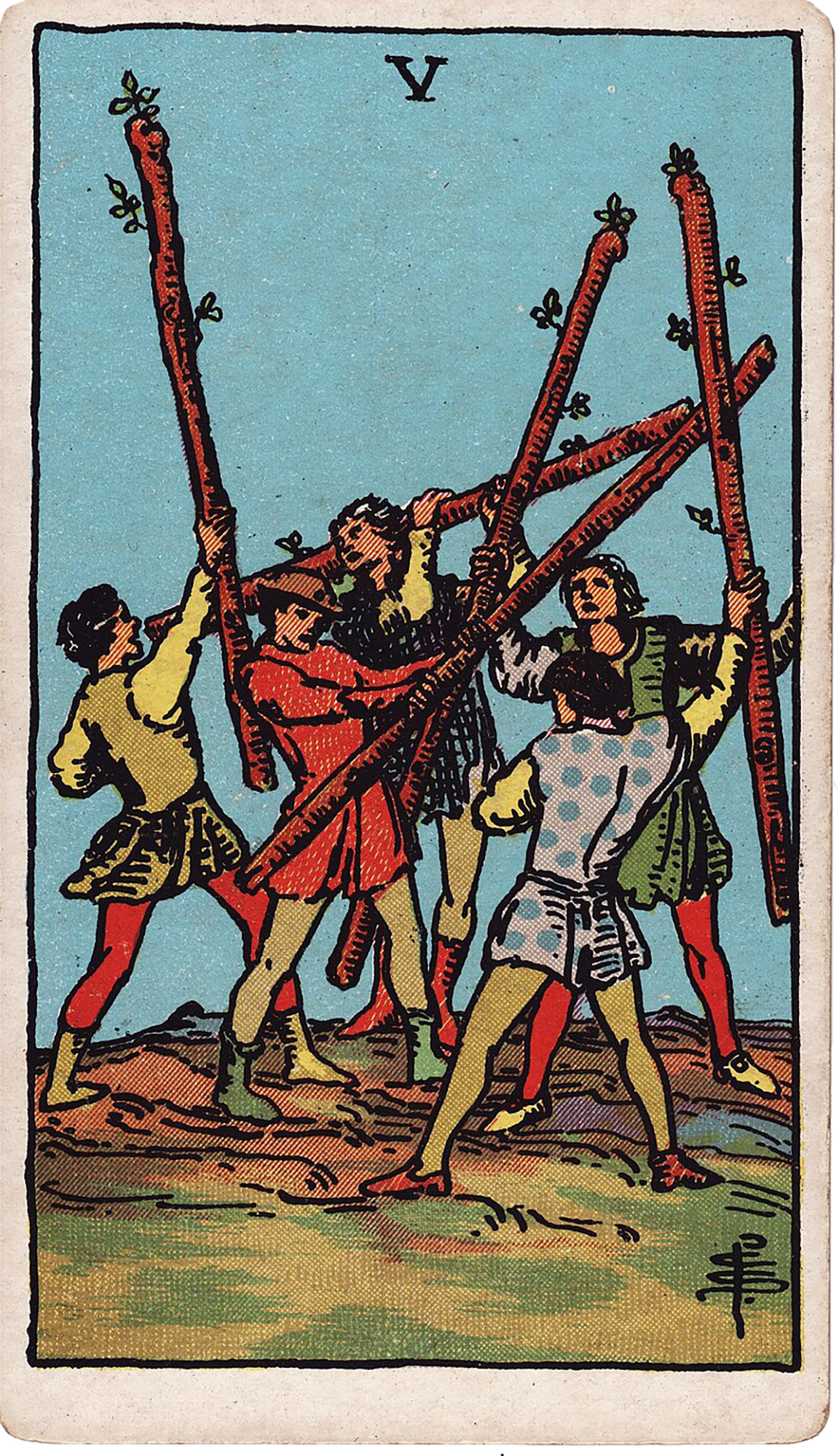 Past5 of Wands
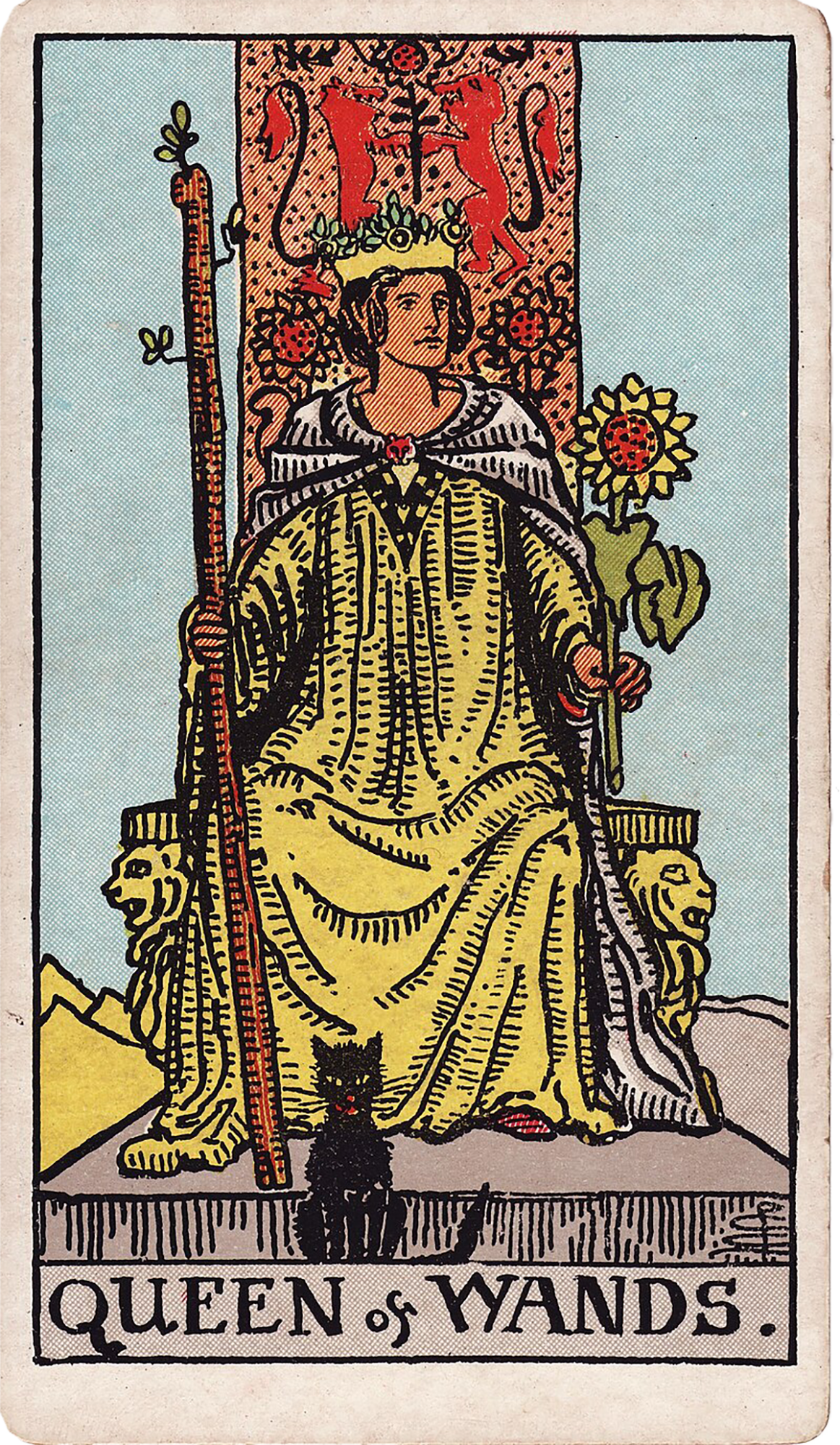 PresentQueen of Wands
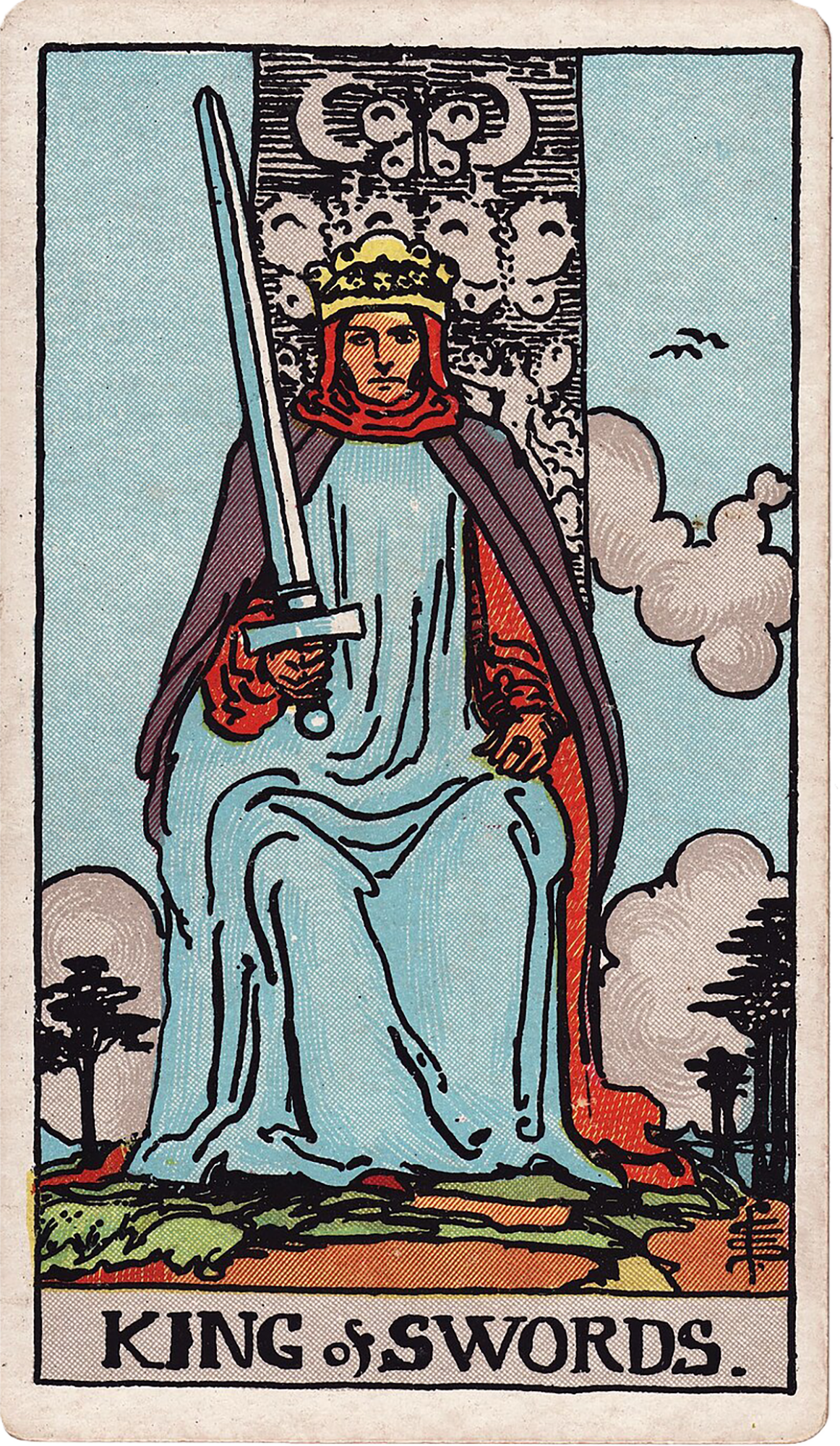 Hidden InfluenceKing of Swords
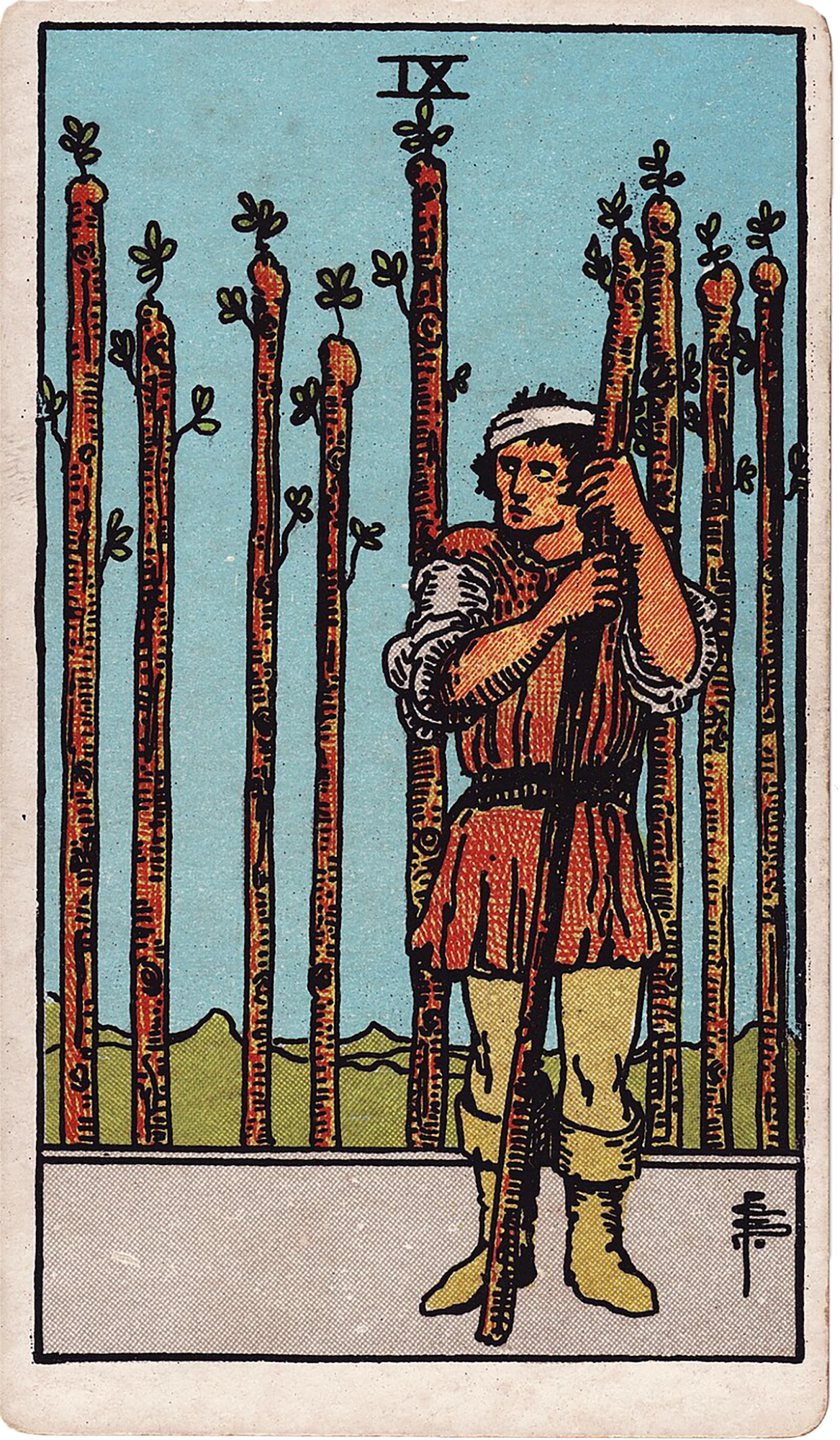 Obstacle9 of Wands
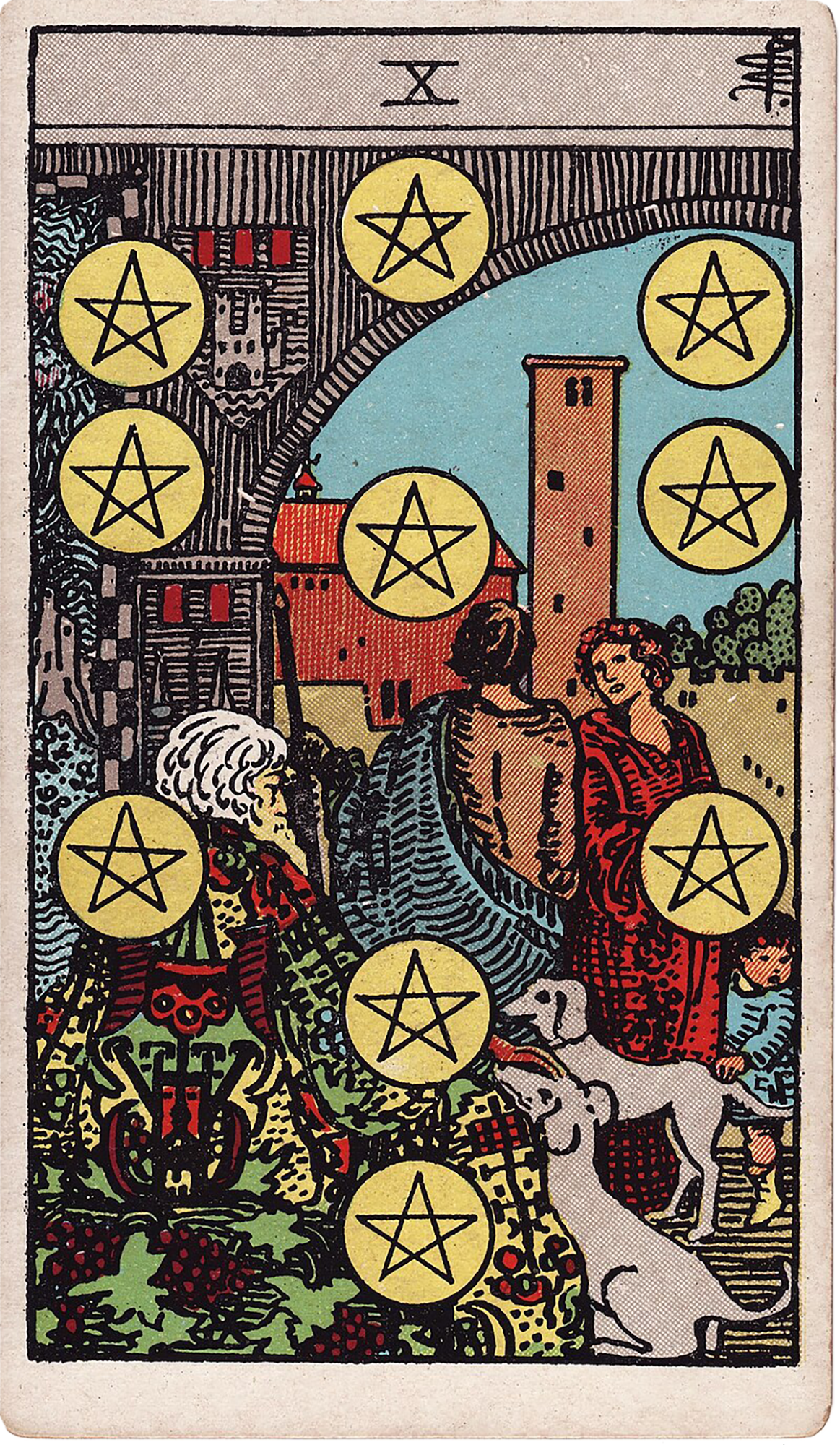 Environment10 of Pentacles
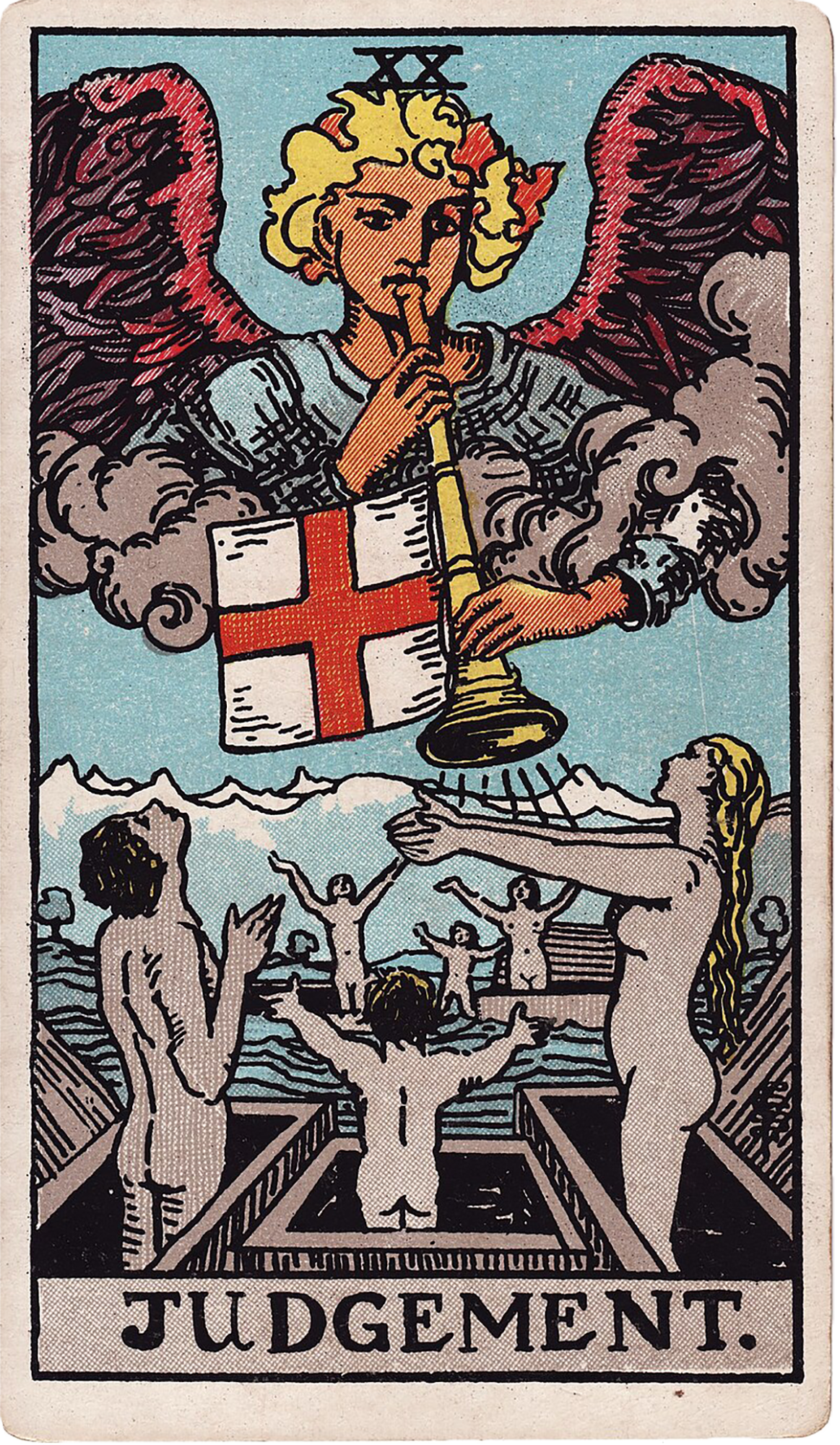 AdviceJudgement
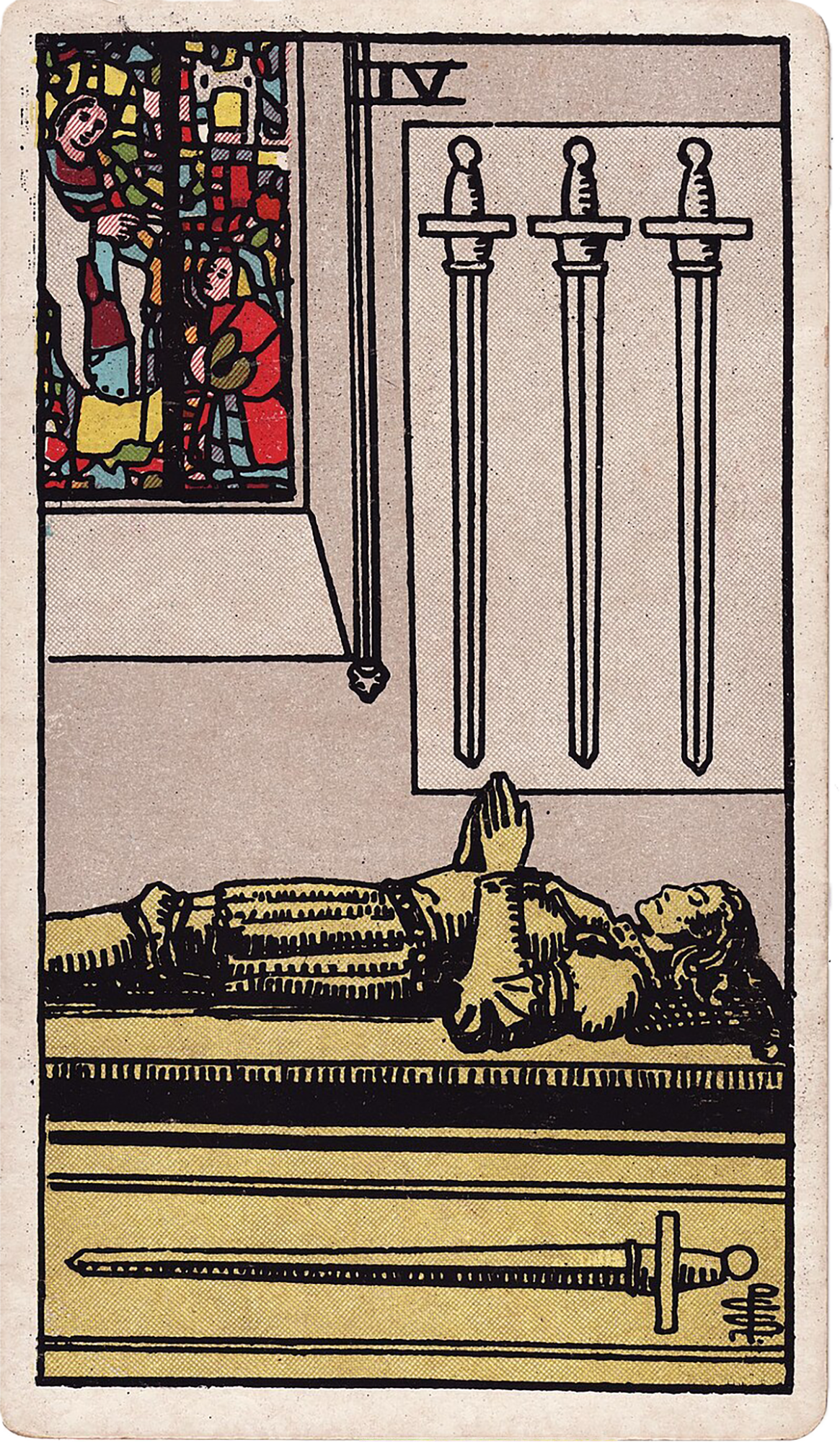 Outcome4 of Swords
Introduction and purpose
The seven-card horseshoe is an excellent spread for project planning and ongoing tracking because it balances quick orientation with layered detail. The layout gives you a chronological sense (past to outcome) and clear practical nodes (obstacle, environment, advice) that map naturally to roadmap elements: lessons learned, current frictions, hidden risks, bottlenecks, supporting conditions, governance and end-state. In this worked example we use the seven supplied cards in order: Judgement, 5 of Wands, 9 of Wands, Queen of Wands, 4 of Swords, King of Swords and 10 of Pentacles. The public article will display the images for each of those cards; this writing repeatedly ties interpretation to visible Rider–Waite–Smith imagery and the practical upright/reversed notes provided with those cards so you can see how visual details translate into project judgments and actions.
When to use this spread
Use the horseshoe when you want a focused planning session (project kickoff, milestone review, pivot decision) or a short-form tracking ritual (biweekly check-in). It works best for projects that are at least moderately complex — multiple stakeholders, resources, and phases — because the seven positions capture systemic relationships rather than one-off advice. The spread is especially useful for: retrospective insight (what to carry forward), diagnosing current friction, clarifying the single most useful intervention, and testing whether the intended outcome is realistic given environment and resources. It is not a substitute for a detailed project plan; treat it as a reflective overlay that points to priorities and risks.
The horseshoe layout and labels
Arrange seven cards in a shallow curved line like a horseshoe from left to right and read them in this order: Past, Present, Hidden Influence, Obstacle, Environment, Advice, Outcome. Keep the positions consistent every time you use the spread so you can compare across readings. For clarity in this article we place the supplied cards in order into those positions: - Past: Judgement - Present: 5 of Wands - Hidden Influence: 9 of Wands - Obstacle: Queen of Wands - Environment: 4 of Swords - Advice: King of Swords - Outcome: 10 of Pentacles Each position has a functional question. Past asks what history brought the project here. Present asks what is active now. Hidden Influence asks what underlies or is brewing. Obstacle asks what blocks progress. Environment asks what external conditions support or limit. Advice asks what approach will be most effective. Outcome asks what the likely systemic endpoint will be if the advice is followed and conditions hold.
Reading each position with the supplied cards
This section walks through every position with the exact card that appears there, using Rider–Waite–Smith imagery and the upright/reversed guidance provided. Past — Judgement: The Judgement card often depicts an angel blowing a trumpet while figures rise from graves. In project terms, this is the retrospective moment: a review of decisions, a call to change, or a point where prior work becomes visible and demands reckoning. Upright, Judgement in Past says there was a meaningful lesson or audit that now informs the present. Maybe a post-mortem highlighted real issues or a decision point clarified priorities. Reversed, the same imagery warns of avoided accountability or repeated cycles where lessons aren’t applied. Practically: map what was learned and note which lessons were actually implemented versus just discussed. Present — 5 of Wands: The 5 of Wands shows figures clashing with wooden staves; it represents productive friction, competing agendas and the need to distinguish useful challenge from deadlock. As your Present position, it indicates that the project currently experiences conflict — not necessarily destructive, but visible contention that needs management. Upright, it suggests energy and creativity are present and can be channeled. Reversed, it could mean conflict avoidance, simmering resentment or confusion about roles. Practically: identify the specific sources of friction (scope, resources, personalities) and label them clearly on your roadmap. Hidden Influence — 9 of Wands: The 9 of Wands usually shows a guarded, bandaged figure leaning on a wand. It carries experience, caution, endurance and the memory of previous battles. In Hidden Influence it points to resilience or accumulated weariness beneath the surface — team members who are exhausted, or institutional memory making the team risk-averse. Upright, it signals endurance and the presence of protective structures; reversed, it warns of burnout or a defensive posture that resists change. Practically: check team energy and morale metrics; unseen fatigue can slow delivery even when outward signs look manageable. Obstacle — Queen of Wands: The Queen of Wands is a visible, warm, confident leader with sunflowers and sometimes a black cat at her feet. As an Obstacle this card can signal that a dominant personality or leadership style is blocking progress — perhaps charisma that masks gaps, micro-managing confidence, or expectations that others keep up. Upright, the Queen is a resourceful leader and the obstacle may be that she is taking too much responsibility or setting an unhelpful pace. Reversed, it can be insecurity behind performance or manipulative tendencies. Practically: examine whether a single leader is creating bottlenecks or whether the team expects one person to solve problems instead of distributing authority. Environment — 4 of Swords: The 4 of Swords depicts a recumbent figure in a place of quiet rest with three swords on the wall and one above; it represents deliberate pause and recovery. As Environment this card suggests wider conditions favor a pause: organizational slowdown, a moratorium on hiring, or a need for thoughtful consolidation. Upright, it indicates a supportive environment for reflection; reversed, it may be forced inactivity or premature return to work. Practically: align your roadmap to available bandwidth. If the environment is one of pause, plan for deliberative phases (research, stabilization) rather than aggressive scaling. Advice — King of Swords: The King of Swords sits upright, sword in hand, representing strategic judgment, clear communication and principled decision-making. As Advice, this card calls for rules, clear requirements, documented criteria and brisk, evidence-based choices. Upright, implement governance, define acceptance criteria and communicate them plainly. Reversed, be wary of coldness or intellectualizing people; advice then becomes 'apply structure but check compassion.' Practically: create a concise decision matrix, stakeholder RACI, or a triage protocol and use it consistently. Outcome — 10 of Pentacles: The 10 of Pentacles commonly shows an extended family, dogs, and an archway — symbols of legacy, shared resources and systems that outlast single actors. As the Outcome card it promises the possibility of long-term stability and a durable system if the prior positions are addressed. Upright, this signals a successful institutionalization — enduring processes, shared resources and an outcome that benefits multiple stakeholders. Reversed, it warns of unstable foundations, family- or politics-based resource disputes, or short-term appearances without shared values. Practically: if you follow the advice (King of Swords) and manage the obstacle (Queen of Wands) while addressing hidden fatigue (9 of Wands), your roadmap can mature into a stable, replicable system (10 of Pentacles).
Card-to-card relationships and narrative logic
A useful way to read a horseshoe is to watch how images and suits form a narrative chain. Here are the most instructive relationships in this spread and how they inform practical action: Judgement (Past) -> 5 of Wands (Present): The trumpet-call of Judgement suggests a past audit or wake-up call that has now manifested as active conflict. Perhaps a retrospective exposed differing interpretations of scope, and now those disagreements play out. The logic: lessons that weren't internalized often become present friction. Action: return to the specific points from your last review and test whether every stakeholder shares that history. 5 of Wands (Present) -> 9 of Wands (Hidden Influence): Visible dispute often drains stamina; the 9 of Wands as hidden influence means that the current bickering is fueled by prior exhaustion or defensive strategies. The narrative says: conflicts are not merely intellectual; they are energized by fatigue and guardedness. Action: separate role clarifications and technical disagreements from person-level fatigue. Introduce short restorative interventions. 9 of Wands (Hidden) -> Queen of Wands (Obstacle): Endurance can harden into clinging to established ways; the Queen as an obstacle suggests that protective leadership or charismatic centralization is blocking broader healing. The narrative: those who have carried burdens may resist distributing them, or a strong leader might be keeping the team in an overworked rhythm. Action: negotiate delegation and introduce capacity checks. Queen of Wands (Obstacle) -> King of Swords (Advice): A people-focused, charismatic obstacle requires analytical governance to correct. The King of Swords does not replace warmth but steadies it with rules. The clear instruction is to balance creative leadership with documented process. Action: implement transparent decision-making protocols and measurable acceptance criteria. King of Swords (Advice) -> 10 of Pentacles (Outcome): Strategy and governance lead to institutional outcomes. If the King’s clarity is applied, the outcome is systematized stability. The narrative here is straightforward: structure begets scale and longevity. Action: create the artifacts that support long-term operations (onboarding documents, budgets, shared repositories).
From imagery to specific roadmap actions
Translating imagery into concrete roadmap tasks is the skill learners must practice. Below are practical mappings from each card’s images and themes to action items you can add to a project roadmap or sprint backlog. Judgement (Past): Add a ‘‘lessons-log’’ item and a decision audit checkpoint. Schedule a short ‘‘what we committed vs what we delivered’’ session and capture one change to be enforced going forward. 5 of Wands (Present): Create a friction register: list active disputes, owners, and a target resolution date. Add a short facilitation session and a small controlled experiment to test competing approaches. 9 of Wands (Hidden Influence): Add team health KPIs (burnout index, capacity hours) and a micro-sprint for recovery (reduce load by X% for one sprint, retro after). Consider a buffer in your timeline for catching up. Queen of Wands (Obstacle): Add delegation tasks, explicit approvals flow, and a role audit. If one person is bottlenecking decisions, add a temporary committee or alternate approver. 4 of Swords (Environment): Schedule deliberate quiet work windows, research sprints, or contingency time. Build a ‘‘stabilize and document’’ phase rather than forcing rapid feature expansion. King of Swords (Advice): Add governance artifacts: a charter, acceptance criteria templates, triage protocol, stakeholder RACI. Make communication channels and decision logs mandatory. 10 of Pentacles (Outcome): Translate legacy into deliverables: handover checklist, maintenance budget, documentation index, training sessions and a plan for shared ownership across teams.
How to reproduce this method step-by-step
Use this routine to make the horseshoe repeatable and trackable over time: 1) Clarify the question: Frame a project question in neutral, project-language: ‘‘What should we change in the upcoming quarter to increase the product’s stability and adoption?’’ Avoid yes/no phrasing. 2) Shuffle and cut: Shuffle until you feel ready. Cut into three piles and recombine if you use that method. If you track orientation, note whether cards fall upright or reversed; both are meaningful. 3) Lay out seven cards in a horseshoe from left to right and label positions: Past, Present, Hidden Influence, Obstacle, Environment, Advice, Outcome. Photograph or scan the spread for your project journal. 4) Read position-by-position: Describe what the card portrays visually first (the angel in Judgement, the staves in 5 of Wands, the bandaged guard in 9 of Wands, the throne of the Queen of Wands, the recumbent figure in 4 of Swords, the upright sword of the King of Swords, the family vault of the 10 of Pentacles). Then map image to project meaning and note upright vs reversed nuance. 5) Trace relationships: Ask how each card might be causally connected to its neighbor. Write one sentence linking each adjacent pair. 6) Convert into tasks: For each position add 1–3 concrete roadmap items as described in the previous section. 7) Commit to follow-up: Record the reading date, decisions made, owners and metrics. Schedule a re-read or check-in for a fixed cadence (two, four or eight weeks depending on project pace). 8) Archive iterations: Keep every spread image with the associated notes. Over time you will see cards repeat, move position, or change orientation — those shifts are data.
Tracking progress and using the spread iteratively
A one-off spread gives guidance; repeated spreads create a project-specific feedback loop. Use these practices: - Cadence: Use the horseshoe at regular moments — before a sprint, at a milestone, or after a pivot. Frequent use (biweekly) reveals operational details; less frequent (quarterly) shows strategic trends. - Metrics: Pick one measurable tied to Advice (King of Swords) — for example, mean time to decision, number of unresolved conflicts, or percentage of tasks with formal acceptance criteria. Track this metric alongside qualitative notes. - Change detection: Watch for cards that move positions between spreads. If 9 of Wands moves from Hidden Influence into Present, hidden fatigue has surfaced and needs immediate mitigation. - Clarifiers: If two cards contradict, draw a single clarifying card only to illuminate that relationship. Use it sparingly and record it as a temporary probe. - Post-mortem: When the project completes (or at a major milestone), read the archive of spreads and compare how the Advice cards and Outcomes evolved. This creates institutional memory you can apply to later projects.
An illustrative example
Imagine a community newsletter project. Using the horseshoe you draw exactly these cards in order. How would you act? - Past — Judgement: The team recently audited subscriber churn and saw that inconsistent content caused drops. Action: commit to a content standard and log it in the roadmap. - Present — 5 of Wands: Contributors disagree on voice and format. Action: add a short A/B experiment for two formats and a facilitation session to pick a winner. - Hidden Influence — 9 of Wands: Core contributors are burned out from previous launch cycles. Action: insert a mandatory ‘‘rest’’ sprint and reduce cadence. - Obstacle — Queen of Wands: An influential editor is acting as gatekeeper, slowing approvals. Action: add a deputy editor and documented review turnaround times. - Environment — 4 of Swords: The platform team is in a maintenance window; new feature deployment is slow. Action: schedule stabilization tasks and delay feature-heavy promises. - Advice — King of Swords: Implement clear acceptance criteria and a simple editorial charter. Action: make the charter required for every issue. - Outcome — 10 of Pentacles: If followed, you land a stable publication model with shared ownership and a predictable cadence. Action: create onboarding for contributors and a maintenance fund line in the budget. This shows how imagery becomes practical steps in the roadmap.
Common mistakes and how to avoid them
Learners often make recurring errors with project-focused tarot readings. Avoid these: - Mistake: Treating the spread as an exact forecast (dates, deliverables). Fix: Use cards as guidance for risk, priorities and governance rather than timelines. - Mistake: Reading cards in isolation. Fix: Always ask how each card affects its neighbors and the whole. - Mistake: Ignoring orientation. Fix: Record upright/reversed; reversed often points to blocked or internal issues. - Mistake: Not converting insights into tasks. Fix: For every card add at least one specific roadmap action and an owner. - Mistake: Using the spread without follow-up. Fix: Archive images, set a re-check cadence and pick measurable indicators tied to Advice. - Mistake: Letting one charismatic voice (Queen of Wands scenario) dictate the roadmap without checks. Fix: Implement King of Swords-style governance artifacts immediately when you see this pattern. Finally, avoid magical thinking: tarot provides structured reflection but real-world execution requires clear agreements, budgets and accountability.
Ethics, tone and practical limits
Use the horseshoe as a facilitative tool, not a substitute for honest communication. When reading for a team, get consent and present the results as collective reflections, not directives. Keep language tentative: say ‘‘this suggests’’ rather than ‘‘this will happen.’' Respect privacy if hidden influences (9 of Wands) imply personal fatigue or sensitive issues — invite voluntary sharing rather than exposing individuals publicly. Understand that the spread surfaces patterns; it does not eliminate the need for negotiation, resource allocation and management oversight.
Closing synthesis
When you practice this horseshoe method with the supplied cards you create a tight diagnostic loop: Judgement reminds you to learn from the past, the 5 of Wands names current friction, the 9 of Wands calls attention to hidden endurance or fatigue, the Queen of Wands highlights leadership dynamics as potential bottlenecks, the 4 of Swords situates the project in an environment of pause or recovery, the King of Swords prescribes governance and clear criteria, and the 10 of Pentacles articulates a realistic, scalable outcome if the recommended changes are made. Used consistently, the horseshoe becomes a lightweight governance ritual that turns images into accountable actions and measurable outcomes.
Practice questions
• What specific lesson from your project’s past would Judgement name, and which of those lessons were actually implemented?
• What exact disagreements does the 5 of Wands represent in your team, and which of those are productive versus wasteful?
• Where is the 9 of Wands’ fatigue present but hidden, and what short-term relief can you schedule?
• How might a Queen of Wands-style personality be speeding things up at the cost of sustainability, and what delegation step would change that?
• What document or decision rule could you add today that would satisfy the King of Swords’ call for clarity?
• If you aim for the 10 of Pentacles outcome, what are three concrete deliverables that would demonstrate institutional stability?
Comments
Sign in to comment.
Continue learning
Mastering Decision Making with the Five Card Cross Tarot Spread
The Five Card Cross Tarot Spread is a powerful tool for deepening decision-making skills by examining the present situation, past influences, future possibilities, challenges, and...
Navigating Conflict Resolution and Inner Struggles with the Five Card Cross Tarot Spread
This article delves into the Five Card Cross Tarot Spread as a practical tool for navigating conflict resolution and inner struggles, especially within family contexts. Using the s...
Using the Career Five Card Spread to Identify Growth Opportunities and Challenges
This article explores the Career Five Card Spread, a practical tarot method designed to spotlight growth opportunities, strengths, and obstacles within a career context. By analyzi...
Unlocking Life Insights with the Celtic Cross Tarot Spread
This article offers a thorough exploration of the Celtic Cross Tarot Spread, focusing on its application within family and practical life contexts. Using a worked example featuring...
Enhancing Clarity in Complex Choices with the Five Card Cross Tarot Spread
The Five Card Cross Tarot Spread is a practical tool designed to clarify complex choices by breaking down the decision into manageable parts. This article explores each position in...
Deepening Connection and Communication Using the Relationship Five Card Spread
This article introduces the Relationship Five Card Spread as a practical tool to enhance family communication and connection. Using five specific card positions—You, The Other Pers...
Using the Five Card Cross Tarot Spread to Navigate Career Changes with Confidence
The Five Card Cross Tarot Spread is a versatile and insightful tool for navigating career changes. This article guides learners through the method step-by-step using a practical ex...
Unlocking Personal Insight with the Seven Card Horseshoe Spread
The Seven Card Horseshoe Spread is a practical and insightful Tarot layout ideal for exploring personal and family dynamics. This article breaks down each position—Past, Present, H...
Using the Career Five Card Spread to Uncover Professional Strengths and Opportunities
This article presents a comprehensive guide to the Career Five Card Spread, designed to help learners explore professional strengths and opportunities using five specific Tarot car...
Using the Career Five Card Spread to Overcome Professional Challenges with Insight
The Career Five Card Spread is a powerful tool for exploring current professional situations, identifying strengths, challenges, opportunities, and practical next steps. This artic...