
Vet Side Hustles and Pricing with the Five Card Cross Spread
This VoxFati Tarot Library article teaches a Five Card Cross spread tailored for veterinarians, vet techs and other animal-care professionals who are testing side hustles and setting prices. Using the supplied cards — Ace of Pentacles, 2 of Pentacles, 3 of Pentacles, 6 of Pentacles and 8 of Pentacles — the piece gives a worked interpretation for the positions Present, Past, Future, Challenge and Advice. The focus is practical: reading the Rider–Waite–Smith visual motifs, linking them to real-world pricing decisions, and offering reproducible technique, examples and common mistakes for learners.
Five Card Cross
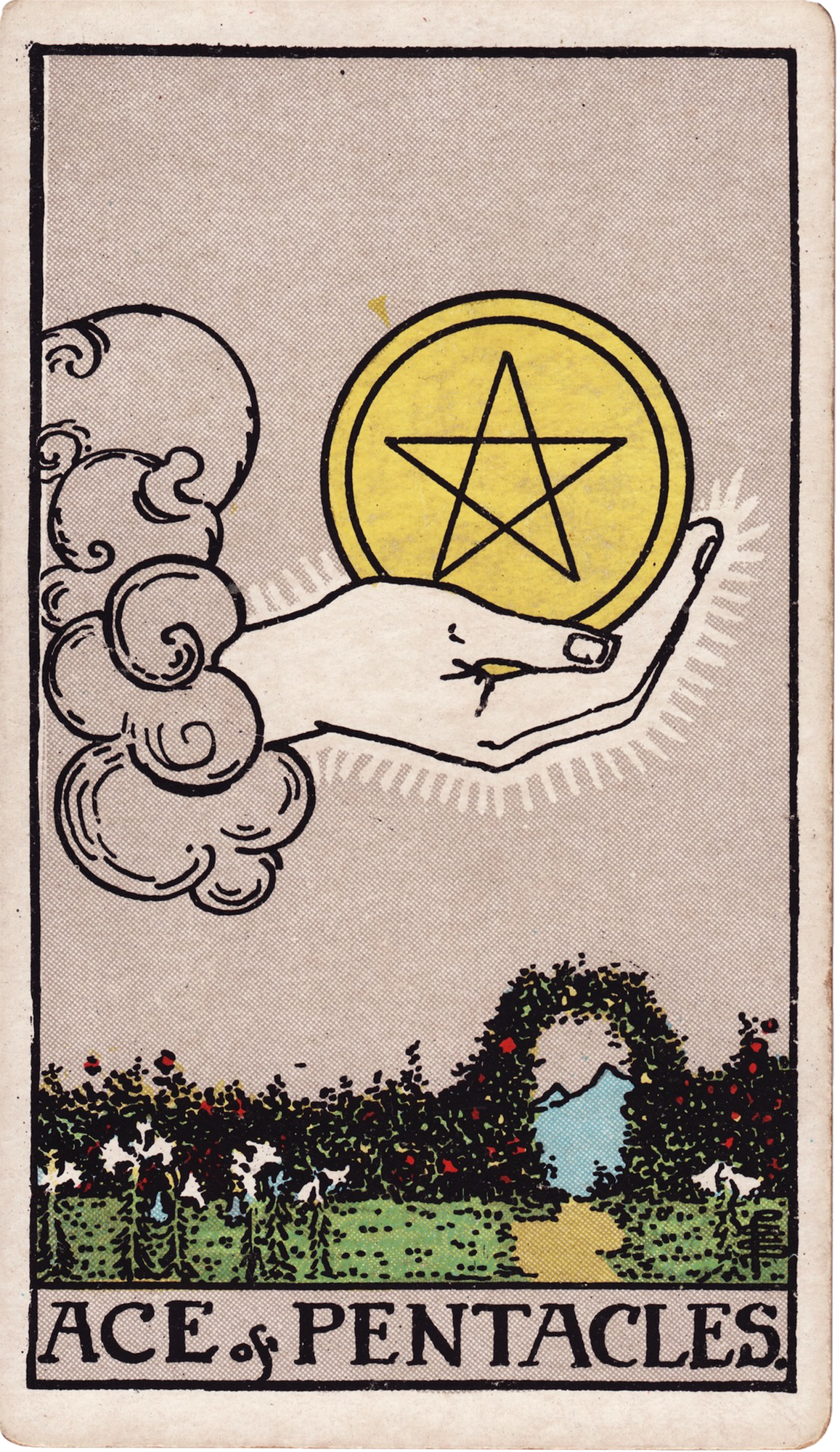 PresentAce of Pentacles
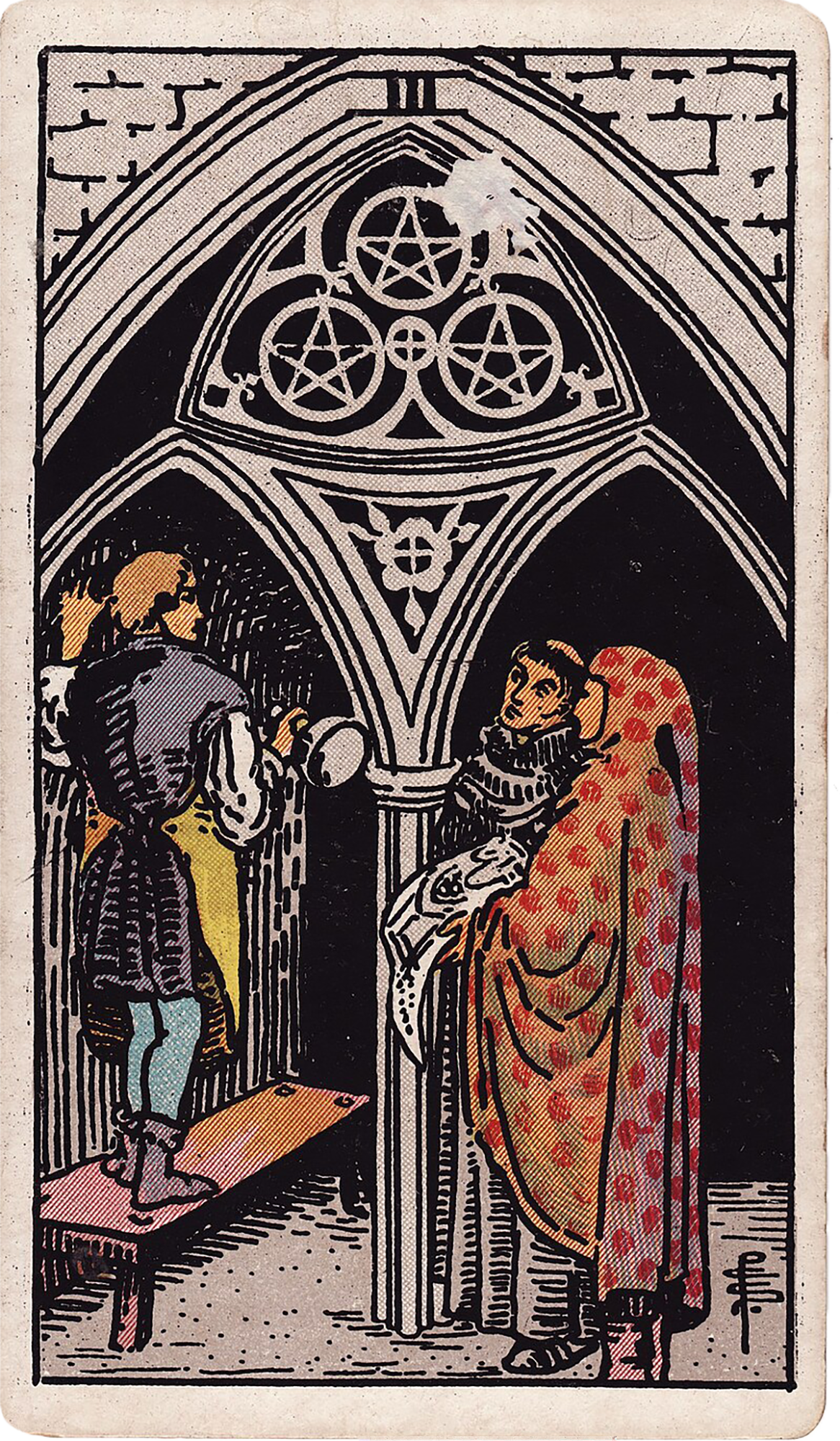 Past3 of Pentacles
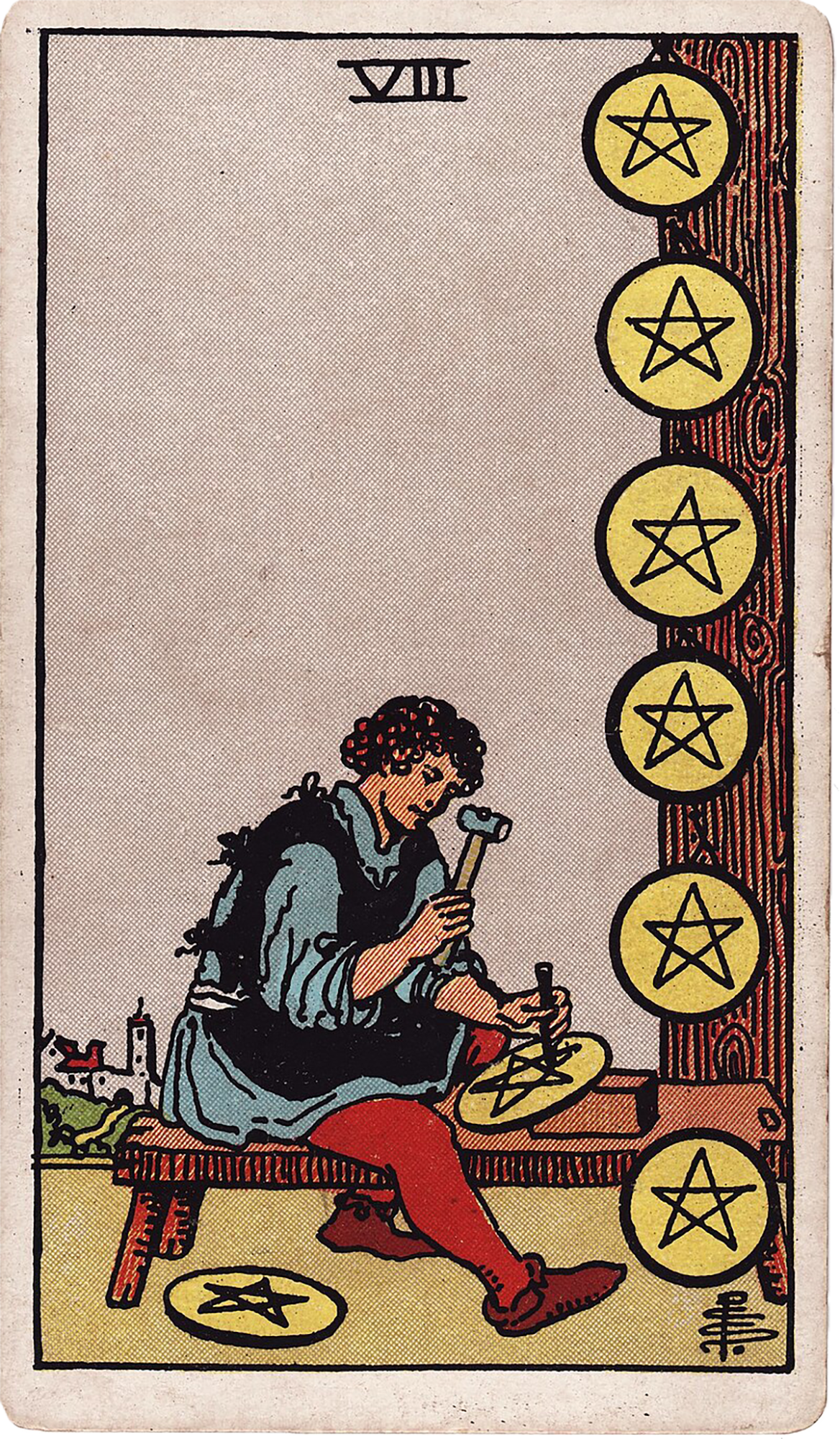 Future8 of Pentacles
 Challenge2 of Pentacles
 Advice6 of Pentacles
Introduction: Why a Pentacles-Focused Spread Works for Vet Side Hustles
Purpose and scope: This spread is designed for veterinarians, vet techs and animal-care professionals who are testing a side gig—mobile appointments, telemedicine, grooming, specialty consults, educational workshops, or product lines—and need a compact reading to assess opportunity, capacity, collaboration and pricing. We use only the Pentacles cards provided because Pentacles center on material resources, craft, work and exchange—exactly the areas you’re trying to clarify. Visual literacy and practical decisions: Rather than reading in abstract, this article ties the Rider–Waite–Smith imagery from each supplied card directly to business realities. The Ace of Pentacles' hand emerging from the clouds holding a pentacle suggests a concrete starting point: an offer that can become income. The 2 of Pentacles' juggling figure shows capacity and rhythm; the 3 of Pentacles' craftsmen point to skill, standards and collaboration; the 6 of Pentacles' scales and giving/receiving illustrate fairness and power in exchange; the 8 of Pentacles' artisan at a bench models disciplined skill-building and quality. Using these images, you’ll get interpretable signals about whether your idea is grounded, sustainable, fairly priced and scalable.
The Five Card Cross Layout and When to Use It
Layout and positions: The Five Card Cross is a small, highly focused layout that reads like a tight coaching session. Place five cards in a cross pattern: center, left, right, top, bottom. For this teaching we use the following position labels in order: Present (center), Past (left), Future (right), Challenge (top), Advice (bottom). The layout answers: What is happening now? What led here? Where is this headed? What obstacle needs attention? What practical step will best support success? When to use this spread: Use the Five Card Cross when you need a short, action-oriented reading—deciding whether to launch a pilot, set introductory rates, add weekend hours, create a referral discount, or partner with a clinic. It’s compact enough for a 20–40 minute session and precise enough for pricing decisions when combined with follow-up questions and concrete metrics (costs, hours, market rates). Set a clear question: Before shuffling, be explicit. Examples: "Is my mobile wellness clinic offer viable at an hourly rate of $X?" or "Should I offer weekend emergency consults, and how should I price them?" Good questions make the Pentacles imagery much easier to apply to numbers, packages and offers.
Card-by-Card Walkthrough Using the Supplied Cards
Present — Ace of Pentacles Interpretation: The Ace of Pentacles in the Present position says a tangible opportunity is on the table. The RWS image — a hand emerging from clouds presenting a single golden pentacle over a garden and distant mountains — speaks of a gift of resources or a solid new beginning. For a veterinarian, this could be the concrete arrival of clients asking for at-home visits, an offer for a side clinic space, seed money for equipment, or a clearly defined service idea (e.g., in-home euthanasia, behavior consults, nutraceutical product line). Practical signals to notice in the imagery: The hand is an offer that must be taken and cultivated. The garden below suggests that nurture and infrastructure — scheduling, supplies, a basic business plan — are required to turn the seed into income. The Ace points to potential; it does not guarantee scale without consistent care. Past — 2 of Pentacles Interpretation: The 2 of Pentacles in the Past shows how you’ve been juggling. The RWS figure keeps two pentacles in motion, connected by an infinity-like ribbon and standing on a ship in choppy waves — an image of managing shifting priorities and cash flow. As past influence, this card tells us you’ve recently been balancing multiple roles (clinic shifts, emergency shifts, family obligations) or multiple revenue streams. Practical signals: The two-pentacle rhythm reveals adaptive improvisation—perhaps you already ran a part-time telemedicine account or flipped between clinic work and pet-sitting gigs. It explains why the Ace of Pentacles is now present: you built the habit of juggling and that created an opening. It also warns of a pattern: if the juggling was sustained without systems, the opportunity may be fragile. Future — 3 of Pentacles Interpretation: The 3 of Pentacles in the Future position points toward collaboration, improvement and reputation through craft. The RWS scene shows a tradesman carving pentacles, another figure wearing a hooded robe consulting a plan, and a third observing—this is skill refined through feedback and systems. What this suggests for a vet side hustle: If you accept the Ace-level opportunity and codify your offering, you’ll move into a phase where standards, referrals and possibly partnerships matter. The card can indicate bringing in colleagues, hiring a vet tech for weekend shifts, partnering with groomers or trainers, or formalizing your service with clear SOPs and client-facing materials. Challenge — 6 of Pentacles Interpretation: The 6 of Pentacles in the Challenge position brings the question of fair exchange and power. The RWS image shows a wealthy man weighing out coins with scales, distributing alms to two supplicants. As a challenge, this card flags issues around pricing fairness, client expectations, or unequal bargaining power. How it shows up in practice: You may underprice to attract clients, or face requests for discounts that erode margins. Alternatively, you may have the power to set fees but worry about being perceived as exploitative. Read visually: the scales imply a need for transparent valuation—what is being balanced against what. Advice — 8 of Pentacles Interpretation: The 8 of Pentacles in Advice is clear: focus on craft, disciplined practice and systems that produce repeatable quality. The RWS artisan sits alone at a bench, intent on carving pentacles with clean strokes—signal that consistent, high-quality work and a learning orientation will make pricing sustainable. Practical steps implied by the art: Create standard procedures and packages, document time-per-service, build a portfolio (before/after, case studies, client testimonials), and charge for expertise rather than just time. The 8 encourages structured pricing: introductory trial packages that scale to full-price ones after the client sees results, training to raise efficiency, and ongoing small refinements to increase value per hour.
Card-to-Card Relationships and Interpretation Logic
Reading the cards together is more than adding definitions. Here are the key relationships to notice and how they guide pricing decisions. Past (2 of Pentacles) -> Present (Ace of Pentacles): The 2 tells the story of juggling that created the opening that is the Ace. If you see the 2 as skillful balancing, it credits your adaptability for the current opportunity. If the 2 felt like frantic survival, the Ace may be fragile and require a stronger foundation before you invest heavily in equipment or marketing. Present (Ace of Pentacles) -> Future (3 of Pentacles): The Ace offers a seed. The 3 predicts whether that seed becomes a reputable craft. For pricing, this says: if you treat the Ace as an experiment and invest in documented quality (3 of Pentacles), you can transition from introductory pricing to justified, partner-backed rates. Challenge (6 of Pentacles) interacting with Present and Future: The 6 overlays both the Ace and the 3 with a fairness question. Even as you scale skill and collaboration (3), you will need to set transparent exchange practices (6). Practically: make pricing visible, explain what is included, set clear refund/cancellation/extra-fee policies, and prepare scripts for handling requests for lower prices. Advice (8 of Pentacles) as the resolving force: The 8 is the method by which the Ace becomes the 3 in a way that satisfies the 6. In business-lingo: invest in skill, operational efficiency and value communication. The artisan’s repetition is a prompt to measure: time-per-service, supplies used, travel time, admin overhead. Use that data to produce pricing that covers costs, pays you fairly and scales.
Translating the Imagery Into Concrete Pricing Decisions
From symbols to numbers: Use the cards as a framework rather than a pricing calculator. Below are step-by-step actions inspired by the spread’s imagery. 1) Inventory the Ace (what’s concrete?) - Identify the exact offer implied by the Ace of Pentacles: what product or service is being presented? Note minimum resources required (equipment, travel, supplies), the time commitment, and a realistic first-month projection. 2) Audit the 2 (capacity and constraints) - Break down current commitments: weekly clinic hours, family, sleeping hours. Create a simple availability calendar. The 2 of Pentacles suggests your rhythm—slot hours that won’t collapse your primary job or wellbeing. 3) Plan for the 3 (collaboration and quality) - Decide whether you need a partner (tech, assistant, clinic space), a referral arrangement, or a mentor. The 3 reminds you that professional standards increase perceived value—trainups, certifications, or published protocols will let you charge more. 4) Address the 6 (fair exchange and transparency) - Build a tiered pricing menu: a basic consult, a complete package, and premium on-call options. Use explicit inclusions so clients see what they’re buying. Prepare scripts for barter requests, discounts, or low-income clients (e.g., sliding scale, pro-bono caps). 5) Implement the 8 (measure, refine, repeat) - Track time and costs for each appointment for at least 20 sessions. Use that to set a breakeven hourly and then choose a multiplier for profit. The artisan’s focus teaches you to iterate: raise prices as efficiency improves or as testimonials and referrals increase demand. Quick formulas inspired by the cards: - Minimum viable rate = (desired hourly wage + hourly overhead + supplies + travel cost) / (billable utilization as a fraction of hour). The 8 of Pentacles is the discipline of measuring each line item. - Package pricing: create bundles where the perceived value (3 of Pentacles: reputation and outcome) outsizes the simple sum of time. - Fairness check (6 of Pentacles): ensure your bottom-line accounts for both your margin and a small charity/discount buffer so you won’t collapse when asked to give.
Step-by-Step Reproducible Reading Method for Learners
Materials: deck with the supplied cards visible, clean surface, notebook and timer. 1) Ground and set intention (2–3 minutes): Name the question clearly: "Is launching a weekend mobile vaccine clinic at $X per visit viable and sustainable?" Breathe; make sure the question is specific about timeframe and metric. 2) Shuffle and place the cards face down (1–2 minutes): While shuffling, think of the question and allow any specific images or words to arise. 3) Lay the Five Card Cross (less than 1 minute): Center = Present, Left = Past, Right = Future, Top = Challenge, Bottom = Advice. For practice, place the five supplied cards in order without looking so you can test the worked reading against your intuition. 4) Turn cards and take visual notes (5–10 minutes): Spend at least one minute on each card visually: what draws your eye? In the Ace: the hand, the garden, the path. In the 2: the ribbon, the waves. In the 3: the tools and the plan. In the 6: the scales and distribution. In the 8: the tight concentration. 5) Interpret each position (10–20 minutes): Use the card meanings given earlier and write down tangible business implications: personnel, pricing ranges, systems, marketing steps. 6) Map relationships (10 minutes): Ask how Past -> Present -> Future connects and write 2–3 decisions to test in the world (e.g., offer three trial sessions at price A, measure conversion rate, and then adjust). 7) Action plan (10 minutes): From Advice (8), pick three concrete experiments with measurable outcomes and timeframes: run five paid consultations, track time and supply costs, set a follow-up date to review. 8) Follow-up and iterate: After the test period, rerun the spread with the same question and compare the new card placements for pattern changes.
Examples, Practice Exercises and Common Mistakes
Worked micro-example: A mobile vet is debating weekend urgent-care consults at $80 per visit. - Present (Ace): There’s a clear demand—text inquiries from clients wanting weekend help. - Past (2): She’s been juggling part-time work and nights; she can cover a few weekends but not a full shift. - Future (3): If she documents procedures, referral partners (groomers, shelters) could send clients and raise perceived value. - Challenge (6): Clients ask for discounts or comparison to clinic prices; some expect weekend services for the same rate. - Advice (8): Create a focused weekend package (urgent consult + basic diagnostics) with a clear inclusion list, track every appointment’s time and cost, and introduce a small premium for weekends with a discount for repeat clients. Practice exercises: 1) Do the spread using the supplied cards as upright and then re-run with an explicit reversal for one card; note how meaning shifts and whether your pricing conclusions change. 2) After an initial trial of three appointments, record exact time and cost, then re-run the spread and compare the Ace and 8 positions for change. Common mistakes and how to avoid them: - Mistake: Treating the Ace as an automatic jackpot. Fix: inventory what the Ace actually requires—time, supplies, permits. - Mistake: Ignoring the 2’s workload signal. Fix: make a realistic calendar and cap slots initially. - Mistake: Letting the 6 push you into chronic discounts. Fix: set transparent policies and a limited sliding-scale quota. - Mistake: Skipping the 8’s measurement. Fix: track at least 20 data points (time, supplies, cancellations) before changing price permanently. Ethics note: The 6 of Pentacles also brings the moral dimension. Ensure that pricing practices are not exploitative, and consider pro bono or low-cost options that don’t threaten your sustainability.
Troubleshooting, Advanced Tips and Closing Notes
If the spread feels contradictory: slow down and re-examine the card images and position relationships. Ask targeted questions: "What specifically is the Ace of Pentacles offering?" or "What exactly is causing the imbalance the 6 warns about?" Use neutral language when journaling. Advanced technique: Layer practical metrics over the imagery. For example, assign the 8 of Pentacles to a list of 5 efficiency tasks (template intake form, pre-visit checklist, standardized consent forms, pricing tiers, referral script) and commit to automating one per week. When to re-run the spread: After a measurable trial (2–6 weeks depending on frequency), or after any major change (hiring someone, acquiring equipment, changing venues). The Pentacles cycle is temporal—material reality shifts with data and discipline. Final note for learners: This article is a learning tool, not a substitute for bookkeeping, legal advice or formal business coaching. Use the Five Card Cross paired with basic financial modeling. The supplied cards give a clear narrative arc: an opportunity (Ace) created by your juggling (2), likely to grow through collaboration (3) if you resolve fairness around exchange (6) by disciplined skill and measurement (8). Anchor your decisions in data and compassionate clarity with clients.
Practice questions
• What concrete 'Ace-level' opportunity is currently present in my professional life and what minimal investment does it require?
• Which parts of my week look like the ship from the 2 of Pentacles—unstable or pushing me toward burnout?
• Who could I call on to move the Ace into the 3 of Pentacles phase (mentors, colleagues, partners, techs)?
• Where am I most tempted to undercharge, and how does that align with the 6 of Pentacles' fairness concern?
• What three metrics will I record for 20 sessions to honor the 8 of Pentacles' discipline (time, supplies, client outcomes)?
• Which one small system (scheduling, intake, package pricing) will I finalize this week to strengthen the Ace into the 3?
Comments
Sign in to comment.
Continue learning
Mastering Decision Making with the Five Card Cross Tarot Spread
The Five Card Cross Tarot Spread is a powerful tool for deepening decision-making skills by examining the present situation, past influences, future possibilities, challenges, and...
Navigating Conflict Resolution and Inner Struggles with the Five Card Cross Tarot Spread
This article delves into the Five Card Cross Tarot Spread as a practical tool for navigating conflict resolution and inner struggles, especially within family contexts. Using the s...
Using the Career Five Card Spread to Identify Growth Opportunities and Challenges
This article explores the Career Five Card Spread, a practical tarot method designed to spotlight growth opportunities, strengths, and obstacles within a career context. By analyzi...
Unlocking Life Insights with the Celtic Cross Tarot Spread
This article offers a thorough exploration of the Celtic Cross Tarot Spread, focusing on its application within family and practical life contexts. Using a worked example featuring...
Enhancing Clarity in Complex Choices with the Five Card Cross Tarot Spread
The Five Card Cross Tarot Spread is a practical tool designed to clarify complex choices by breaking down the decision into manageable parts. This article explores each position in...
Deepening Connection and Communication Using the Relationship Five Card Spread
This article introduces the Relationship Five Card Spread as a practical tool to enhance family communication and connection. Using five specific card positions—You, The Other Pers...
Using the Five Card Cross Tarot Spread to Navigate Career Changes with Confidence
The Five Card Cross Tarot Spread is a versatile and insightful tool for navigating career changes. This article guides learners through the method step-by-step using a practical ex...
Unlocking Personal Insight with the Seven Card Horseshoe Spread
The Seven Card Horseshoe Spread is a practical and insightful Tarot layout ideal for exploring personal and family dynamics. This article breaks down each position—Past, Present, H...
Using the Career Five Card Spread to Uncover Professional Strengths and Opportunities
This article presents a comprehensive guide to the Career Five Card Spread, designed to help learners explore professional strengths and opportunities using five specific Tarot car...
Using the Career Five Card Spread to Overcome Professional Challenges with Insight
The Career Five Card Spread is a powerful tool for exploring current professional situations, identifying strengths, challenges, opportunities, and practical next steps. This artic...