
When a Major Arcana Should Replace a Court Card in a Reading
This article teaches a practical technique for recognizing when a Major Arcana should stand in for a court card in a spread. Using the supplied images and meanings for The Magician, The Empress, Queen of Cups, and Page of Pentacles, it explains the symbolic signals, interpretive criteria, step-by-step reading method, common mistakes, and practice exercises. The goal is to help learners shift from literal person reading toward an archetypal, situational, or systemic reading when the situation warrants it.
Cards explored in this article
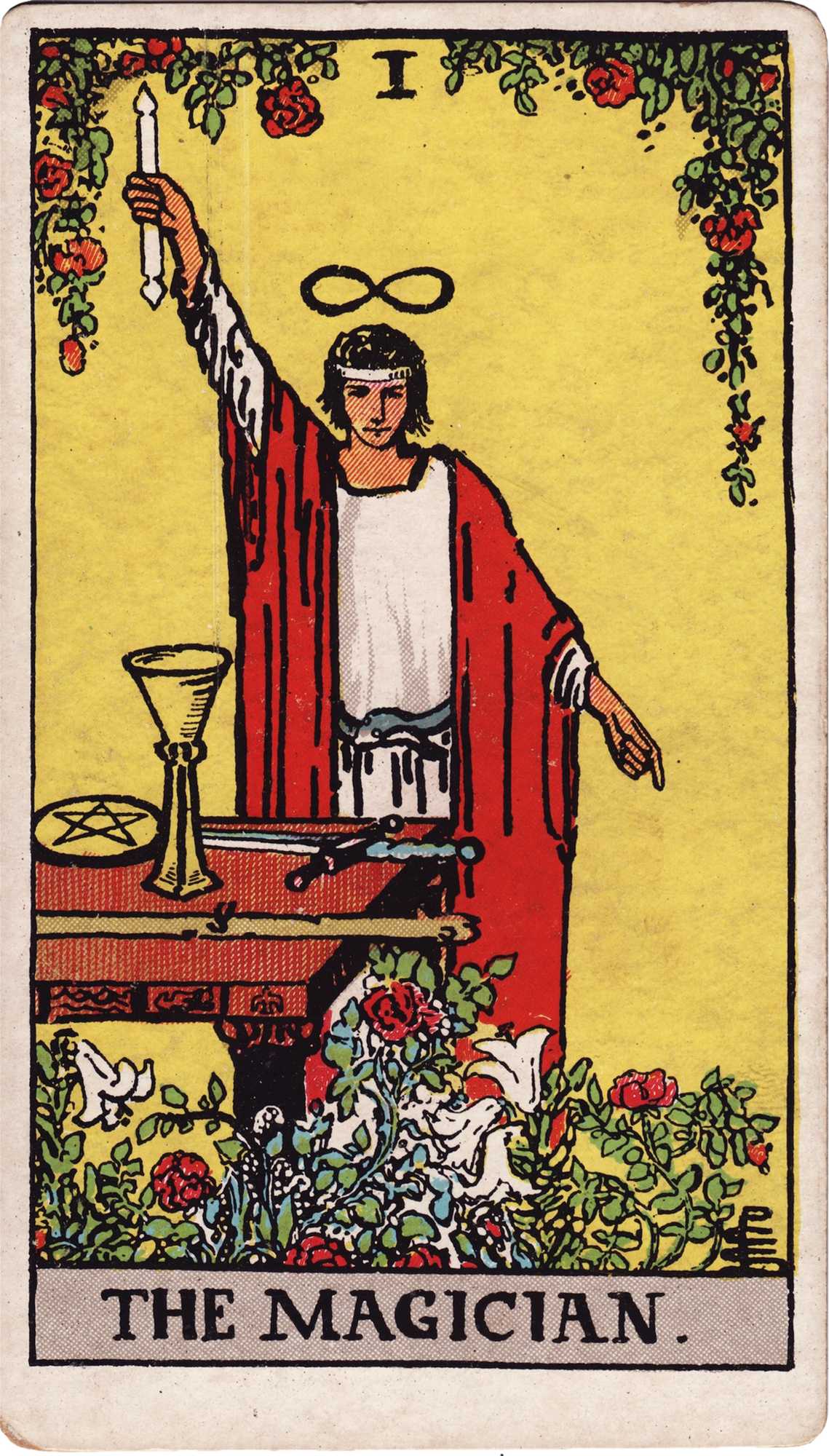 The Magician
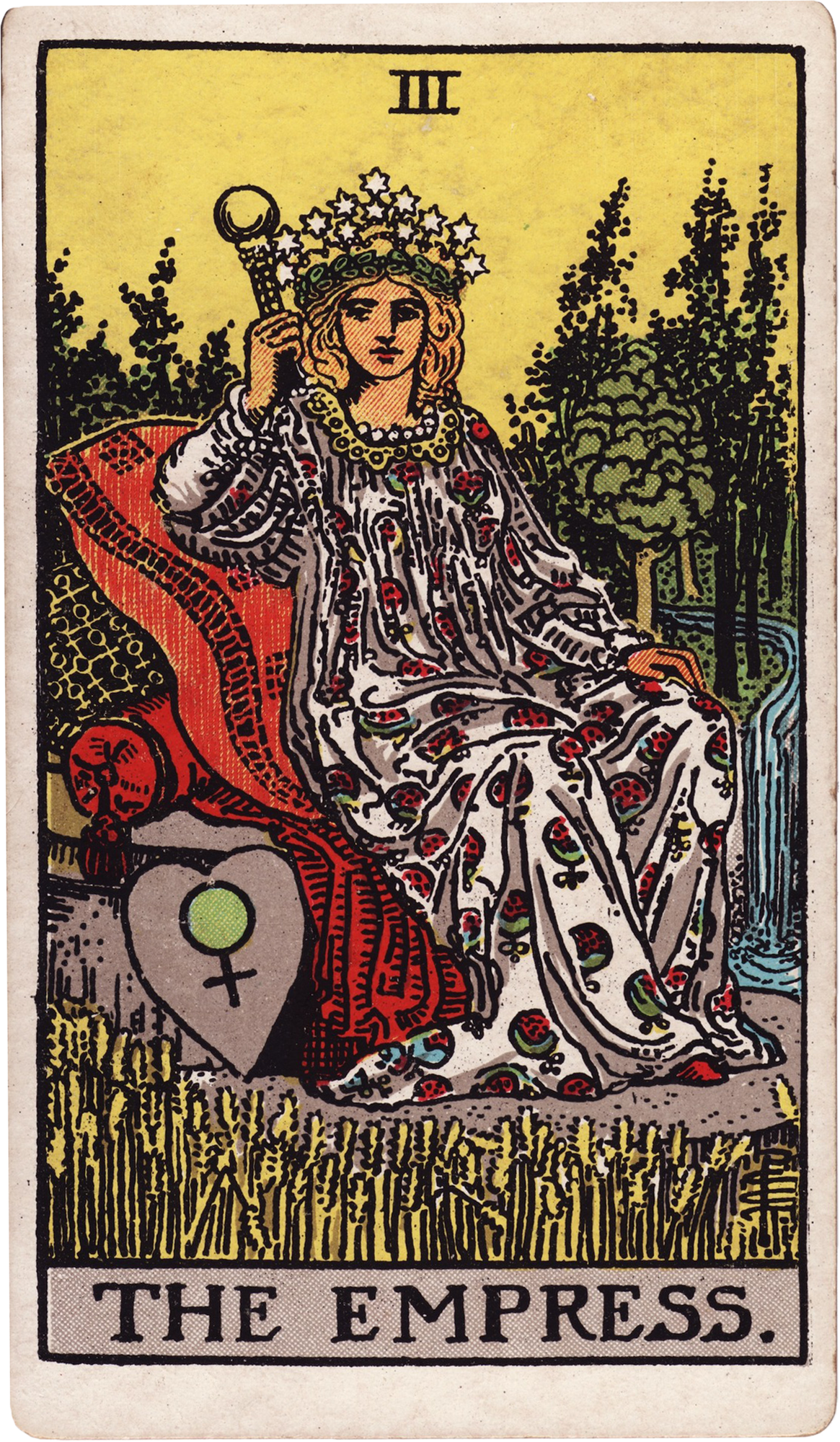 The Empress
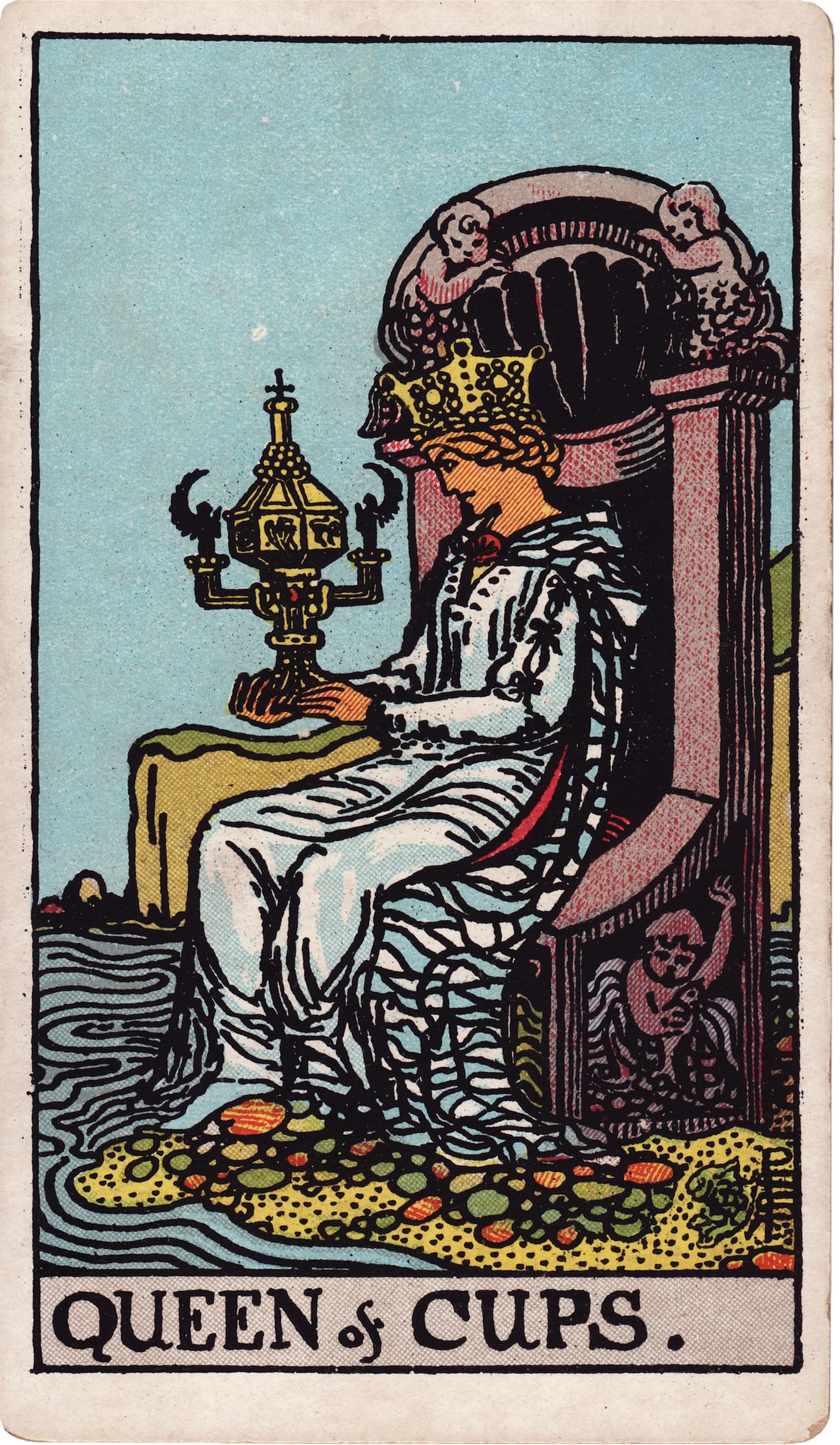 Queen of Cups
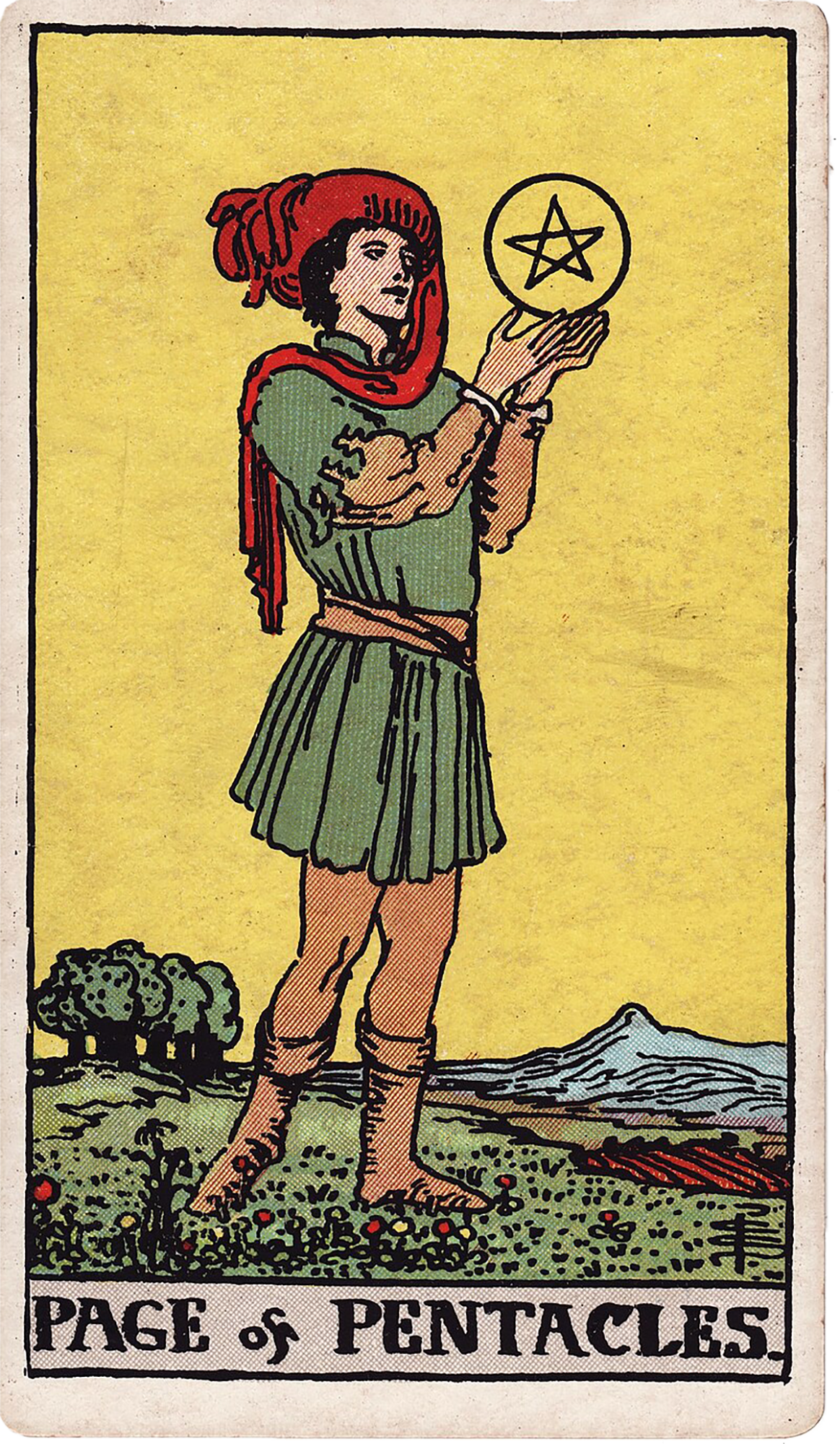 Page of Pentacles
Introduction: why this substitution matters
Court cards are built to represent people, roles, postures, or stages of development in a reading. They are intimate, specific, and often read as an actor in the querent's life or as a part of the querent's personality. The Minor Arcana court cards you see here—the Queen of Cups and the Page of Pentacles—carry clearly person-centric, developmental, or role-based meanings: mature emotional receptivity and a beginner's practical curiosity, respectively. Major Arcana like The Magician and The Empress function differently. They are archetypal: larger, more structural energies that can describe collective forces, turning points, or an organizing principle in a situation. Replacing a court card with a Major Arcana is one of the clearest moves a reader can make to shift a spread from a personality-level reading to an archetypal, system-level interpretation. This article explains when that replacement is justified, how to do it, and how to keep your reading disciplined and useful.
Basic definitions: what each supplied card emphasizes
Before we discuss substitution, anchor the basic, image-based meanings of the four supplied cards. Use each card's standard Rider‑Waite‑Smith symbolism as a lens. - The Magician (Major Arcana): The Magician stands with one hand pointing to the sky and one to the earth, a table before him with the four suit tools. He represents focused will, skillful communication, and the deliberate conversion of potential into action. Upright, he implies accessible resources and a concrete first move; reversed, he warns of manipulation, scattering, or blocked capacity. - The Empress (Major Arcana): The Empress sits in a lush landscape, crowned with stars, associated with Venus, fertility, and cultivating growth. Upright, she emphasizes creating conditions for things to grow—nurturing structures, material abundance, and systemic care; reversed, she can indicate overgiving, creative stagnation, or neglect of self-care. - Queen of Cups (Court, Suit of Cups): The Queen of Cups is an image of emotional maturity and receptive empathy. She holds a lidded cup and sits near water, symbolizing containment of feeling, intuitive awareness, and compassionate presence. Upright, she signals interpersonal emotional skill; reversed, overwhelm, absorption, or withdrawal. - Page of Pentacles (Court, Suit of Pentacles): The Page of Pentacles studies a pentacle in his hands amid an earth landscape, suggesting a beginner taking a material opportunity seriously—learning, planning, and the first steps in a practical craft. Upright, practical study and commitment to skill-building; reversed, procrastination and shallow planning. These short profiles will be the constant reference points for deciding when a Major Arcana should replace a court card.
Why and when to consider substitution: logic and purpose
Readers replace a court card with a Major Arcana for disciplined reasons, not to inflate drama. Use substitution when the evidence in a reading suggests the role is no longer a personal actor but an organizing force, systemic pattern, or pivot in a narrative. Consider these three core reasons: 1) Scale and scope: Court cards often describe a person, role, or stage. If the card's role seems to influence structural conditions—long-term family patterns, institutional behavior, or major life turning points—a Major Arcana is a better fit. For example, if a Queen of Cups reading points out that the emotional mode is shaping the whole family climate for years, The Empress (an archetype of generative care and systems of nurture) may capture that scope more accurately. 2) Archetypal persistence: If the theme is not just 'this person is feeling this way' but 'this energy is the central mover of the situation,' substitute a Major Arcana. The Magician is often chosen when the reading shows an ongoing need for deliberate agency, communication, and alignment of resources beyond what a Page of Pentacles' beginner energy can explain. 3) Narrative pivot or turning point: Major Arcana often indicate a turning point or decisive moment. Replace a Page of Pentacles with The Magician when the querent is moving from learning and potential to an active, willful implementation. Conversely, when a Queen of Cups' relational pattern is actually a larger maternal or creative structure shaping outcomes, The Empress can clarify that the issue is about creating conditions and boundaries rather than one person's feelings. Always test the substitution: Ask whether the situation is best read as a person/role (court) or as a force, system, or pivot (Major). If you cannot answer definitively from surrounding evidence, keep both interpretations available rather than forcibly replacing the card.
Visual and symbolic signals to watch in the supplied card images
When you have the actual cards displayed, visual cues often tell you whether the card is operating as a person or an archetype. Anchoring to the supplied images: - The Magician's table of tools and gesture: The RWS Magician points upward and downward, with all four suit symbols present. If the reading's imagery includes those tools or suggests that multiple domains (emotion, material, thought, action) are being coordinated, The Magician's symbolism fits beyond a single person's behavior. The Magician replaces a Page of Pentacles when the querent must orchestrate resources (Pentacles, Cups, Swords, Wands) deliberately rather than simply learn one small craft. - The Empress's landscape and vegetation: Her crown of stars and field of wheat denote fertility and systemic abundance. If a Queen of Cups' emotional caregiving seems less about empathy and more about establishing or neglecting life-sustaining conditions—housing, food, long-term caregiving infrastructure—The Empress better captures the reality. The Empress replaces Queen of Cups when the issue is about who or what produces and sustains life rather than one person's capacity to feel. - Queen of Cups' throne and cup with lid: The lidded cup is a containment image. If you see contained, private emotion and interpersonal handling of feeling, read Queen of Cups literally. But if that containment is a sign of a broader maternal or creative system at work (for instance, repeated caregiving roles across generations), test The Empress substitution. - Page of Pentacles' study of the pentacle: The Page is rooted, focused on an object of learning. If the querent's problem is genuinely first-stage study, keep the Page. If the question is about initiating a skillful, rhetorical, or technical action that mobilizes resources—especially if the spread emphasizes communication or ceremony—The Magician may be the more honest read. Visual signals alone don’t force substitution, but they give strong clues. Always balance image-reading with context and the querent's reality.
Interpretive criteria and thresholds: a decision checklist
To avoid ad hoc substitution, use a checklist. If two or more of these criteria apply, replacing the court card with a Major Arcana is often justified. Anchor each criterion to the supplied cards when possible. 1) Intensity and reach: Does the card's influence go beyond a single relationship and affect family systems, work, or life structure? (Example: Queen of Cups appears but multiple positions point to caregiving across generations—consider The Empress.) 2) Duration or permanence: Is the energy ongoing or do you sense a turning point/pivot? Pages imply the beginning; Pages replaced by The Magician suggest a shift to committed action. 3) Agency vs. role: Is the concern about someone’s inner posture (court) or about what must be enacted in the world (Major)? If the Page of Pentacles' curiosity needs to manifest as tangible, orchestrated enterprise, The Magician fits. 4) Archetypal signposts: Are the image elements in the spread invoking archetypal symbols—the Magician’s tools + gesture, the Empress’s field and Venusian sign—or are they intimate furnishings like a lidded cup or a page’s focused study? Visible archetypal markers incline you to use a Major Arcana. 5) Systemic causality: Is the behavior a symptom of a larger system (e.g., a family pattern of caretaking, economic provisioning)? The Empress describes systems of provision and fertility more readily than the Queen of Cups. 6) Reader’s confidence: After considering context, can you justify the substitution to the querent? If you cannot articulate why The Magician or The Empress improves the reading’s accuracy, err on the side of naming both possibilities instead of replacing outright. Use this checklist aloud during practice until it becomes second nature.
Step-by-step practical reading method
Here is a reproducible method you can use at the table when a court card appears and substitution seems possible. Use the supplied cards as working examples. Step 1 – Read the court card literally first. For instance, if the Queen of Cups appears in a 'mother' position, begin with her literal meaning: emotional receptivity, containment, empathy. Step 2 – Ask scale and scope questions aloud or silently: Is this about one person or about conditions? Does this queen act in private, or is this caregiving shaping family structure? If the Queen’s influence sounds like policy or infrastructure rather than one person’s feeling, consider The Empress. Step 3 – Scan imagery for archetypal cues. Look at the physical cards available. Does the querent or the situation also show The Empress imagery (wheat, lushness, crown of stars) in another card or in their story? If you see that, note how the Empress expands the Queen’s meaning. Step 4 – Check for narrative pivot. If the Page of Pentacles is in a 'future' or 'initiative' position but the story describes the querent moving from planning to decisive output, test The Magician as a substitute. Step 5 – Reframe a sentence or two with the Major Arcana. Don’t erase the court reading; layer it. Example: "On one level, the Page of Pentacles is present—learning and planning. On a deeper level, The Magician energy needs to be engaged: deliberate use of your skills and clearer communication will move this from study into effective action." This keeps nuance. Step 6 – Look for confirmation in the spread or the querent’s response. If replacing Queen of Cups with The Empress helps the querent see missing structures (care plans, resources), you have practical confirmation. If not, revert and try another angle. Step 7 – Close the loop. If you substitute, explain why in plain language: "I’m reading this as The Empress because your situation reads as more of a question about who creates and sustains conditions, not just one person’s feelings." Readers who train this habit will find their interpretations more precise and less speculative.
Examples anchored to the supplied cards
Below are several table-ready examples showing how substitution plays out. Each example uses only the supplied cards and their upright/reversed meanings. Example A: Family caregiving and role confusion Situation: A querent asks about tension between their sibling and mother. Queen of Cups appears in a 'who is the caregiver' position. Literal read: Queen of Cups suggests the caregiver is emotionally available, empathic, but possibly private and protective of feelings. Substitution test: The family report shows repeated, institutionalized caregiving—shared roles, long-term financial support, and a pattern of overgiving across generations. This meets the scale and systemic criteria. Substitute: The Empress replaces Queen of Cups. Interpretation with substitution: The question is less about one person's emotional posture and more about who or what produces and sustains the caregiving system. The Empress highlights the need to create sustainable care structures and to notice when nurturing becomes smothering or neglectful of the caregiver’s needs. The Empress’ upright message—creating conditions for growth—suggests restructuring responsibilities and resources. Example B: From study to action in a career spread Situation: Querent asks about whether to pursue a new vocational course. Page of Pentacles appears in the near-future position. Literal read: Page of Pentacles indicates beginning study, curiosity, and a practical apprenticeship phase. Substitution test: The querent describes having a clear project plan and a contact who can launch the service; the block is that they are not clearly communicating or using available networks. Substitute: The Magician replaces Page of Pentacles. Interpretation with substitution: Rather than remaining in beginner mode, the essential work is to intentionally use existing skills and networks—communicate, make the first offer, and align tools. The Magician’s presence indicates that accessible resources exist and the task is to direct them deliberately, not to rehearse or wait for perfection. Example C: Emotional overwhelm vs. structural creativity Situation: A querent reports feeling exhausted by caregiving and asks whether to step back. Queen of Cups reversed appears. Literal read: Queen of Cups reversed points to emotional overwhelm, codependency, or absorbing others’ moods. Substitution test: The querent also describes chronic role expectations enforced by family norms—no relief, no institutional support. Substitute: The Empress reversed replaces Queen of Cups reversed. Interpretation with substitution: The problem isn’t only one person’s feeling state; it’s that the nurturing system is tired or crippled. The Empress reversed highlights overgiving, a lack of boundary, and the need to reorganize care so the caregiver is not the only provider. The reading shifts from "manage overwhelm" to "change the system that produces overwhelm." Each example shows how substitution changes the question from 'who' to 'what' or from 'stage' to 'strategy.'
Common mistakes and how to avoid them
Substitution is powerful but easy to misuse. These are common errors and corrective actions. Mistake 1 — Over-substituting because Major Arcana feel more important: Readers sometimes default to Majors to amplify dramatic effect. Avoid this by using the checklist: require scale, systemic signs, or a pivot. Mistake 2 — Replacing without justification: Saying "I feel like this is The Empress" without pointing to spread evidence weakens credibility. Correct by naming the specific reasons: image cues, narrative reach, or practical stakes. Mistake 3 — Forcing archetype onto a clearly personal story: If the querent is describing a single person’s feelings, maintain the court reading. If substitution feels forced, keep both interpretations on the table. Mistake 4 — Ignoring reversals: Reversed Queen of Cups or Page of Pentacles may indicate internalization or blockage rather than a systemic issue. Test whether the reversal points to private psychological work (keep the court reading) or to a broader stalling that needs structural change (move to a Major). Mistake 5 — Losing practical advice in favor of symbol talk: The Magician and The Empress can be lofty; always translate them into practical steps for the querent (e.g., who to call, what boundary to set, which skill to practice). This is where the Page and Queen remain useful—anchor the archetype in action. Use these corrections to keep readings grounded, practical, and useful.
Practice exercises to build skill
Practice substitution methodically with the supplied cards. Here are exercises you can use alone or in groups. Exercise 1 — Two-interpretation journaling: Draw one of the court cards (Queen of Cups or Page of Pentacles) and write two short readings. First, treat it as a person/role. Second, write a reading replacing it with a Major Arcana (choose The Empress or The Magician). Note how the action steps change. Exercise 2 — Imagery scanning: Place the four supplied card images in front of you. Pick a life area (work, caregiving, learning) and describe aloud whether each card speaks to the area as a person or as an archetype. For instance, how does Page of Pentacles apply to learning? When does that learning demand The Magician instead? Exercise 3 — Confirmation practice with querants: In low-risk readings (friends or practice clients), present both layers: "On one level this looks like the Queen of Cups, but on a deeper level I read The Empress because..." Notice how querants react and what additional details they provide to confirm or refute substitution. Exercise 4 — Reversal drill: Shuffle and pull a court card and one Major at random. Practice identifying when the Major could logically replace the court if the court were reversed, and explain why. This builds sensitivity to blocked expressions vs. archetypal structural issues. Regular practice will make the substitution decision precise, quick, and defensible.
Putting it together: phrasing your interpretation
How you say a substitution matters. Use clear, layered language that preserves nuance. Example phrasings you can adapt: - "There’s a Queen of Cups energy here—empathy and containment—but I also see an Empress pattern: this is less about one person’s feelings than about who’s creating and sustaining caregiving in your family. That suggests we need to look at resources and boundaries, not only emotions." - "This position shows a Page of Pentacles—beginner focus and study. However, the practical next step is The Magician: you have skills and tools available; the work now is to use them deliberately and communicate clearly to make the first concrete move." - "Reading both together helps: the Page is the stage you’re in; The Magician is the skill you must adopt to move forward." These sentences make the substitution transparent and directional. They also give the querent practical action steps tied to archetype and role.
Closing notes on ethics and humility
Replacing a court card with a Major Arcana is an interpretive choice with consequences: it can change who the querent is asked to hold accountable and what kind of action they hear. Be explicit about interpretive moves in your language, and offer alternative phrasing when unsure. Remember that tarot is a reflective, not a coercive, tool. When you suggest The Empress instead of the Queen of Cups, you are offering a lens—one that may prompt structural change in a family or project. Encourage the querent’s agency and test your interpretation with practical next steps and feedback. This keeps readings grounded, ethical, and useful.
Practice questions
• When you see a court card in a reading, what immediate questions do you ask to determine whether it refers to a person or an archetype?
• Look at the image of the Queen of Cups: which visual elements suggest private emotional work and which suggest a larger maternal system? How would each change your advice?
• When would you prefer to keep the Page of Pentacles as a literal beginner instead of substituting The Magician? List three concrete signs.
• How would you explain to a querent that you are substituting The Empress for a Queen of Cups without diminishing the person-level issues?
• Describe a recent reading where a Major Arcana would have changed the interpretation. How would substitution have changed the recommended actions?
• How do reversals influence your decision to substitute—does a reversed court card push you toward or away from using a Major Arcana?
• What practical steps can you give a querent when you read The Magician replacing Page of Pentacles that you would not give for the Page alone?
• What safeguards will you put in place to avoid overusing Major Arcana in place of court cards?
Comments
Sign in to comment.
Continue learning
Understanding the Synergy Between The Empress and The Emperor in Tarot Card Combinations
This article delves into the intricate synergy between The Empress and The Emperor cards in Tarot, focusing on how their combined energies modify and enrich readings across various...
Using the Career Five Card Spread to Identify Growth Opportunities and Challenges
This article explores the Career Five Card Spread, a practical tarot method designed to spotlight growth opportunities, strengths, and obstacles within a career context. By analyzi...
Advanced Techniques for Combining The Moon and The Star to Enhance Intuition in Tarot Readings
This article explores advanced techniques to combine the symbolism and energy of The Moon and The Star Tarot cards to enhance intuition during Tarot readings. Drawing from traditio...
Unlocking Life Insights with the Celtic Cross Tarot Spread
This article offers a thorough exploration of the Celtic Cross Tarot Spread, focusing on its application within family and practical life contexts. Using a worked example featuring...
Decoding Transformation and Renewal with Death and The Star in Tarot Combinations
This article delves into the card combination of Death and The Star, two powerful Major Arcana cards from the Rider-Waite-Smith deck. It explores how their imagery and meanings int...
Enhancing Clarity in Complex Choices with the Five Card Cross Tarot Spread
The Five Card Cross Tarot Spread is a practical tool designed to clarify complex choices by breaking down the decision into manageable parts. This article explores each position in...
Using the Five Card Cross Tarot Spread to Navigate Career Changes with Confidence
The Five Card Cross Tarot Spread is a versatile and insightful tool for navigating career changes. This article guides learners through the method step-by-step using a practical ex...
Unlocking Personal Insight with the Seven Card Horseshoe Spread
The Seven Card Horseshoe Spread is a practical and insightful Tarot layout ideal for exploring personal and family dynamics. This article breaks down each position—Past, Present, H...
Finding Emotional Healing and Renewal with The Star and The Moon Tarot Combination
This article examines the rich interplay between The Star and The Moon tarot cards when they appear together in a reading. Using the traditional Rider-Waite-Smith symbolism and the...
Using the Career Five Card Spread to Uncover Professional Strengths and Opportunities
This article presents a comprehensive guide to the Career Five Card Spread, designed to help learners explore professional strengths and opportunities using five specific Tarot car...