
When Court Cards Act Like Other Suits
This article teaches how to read Page court cards when they behave more like another suit than their own. Anchored to the supplied images and Rider-Waite-Smith symbolism of Page of Wands, Page of Cups, Page of Swords and Page of Pentacles, it explains technique, interpretation logic, common mistakes, and step-by-step methods for learners to practice suit-blending in readings.
Cards explored in this article
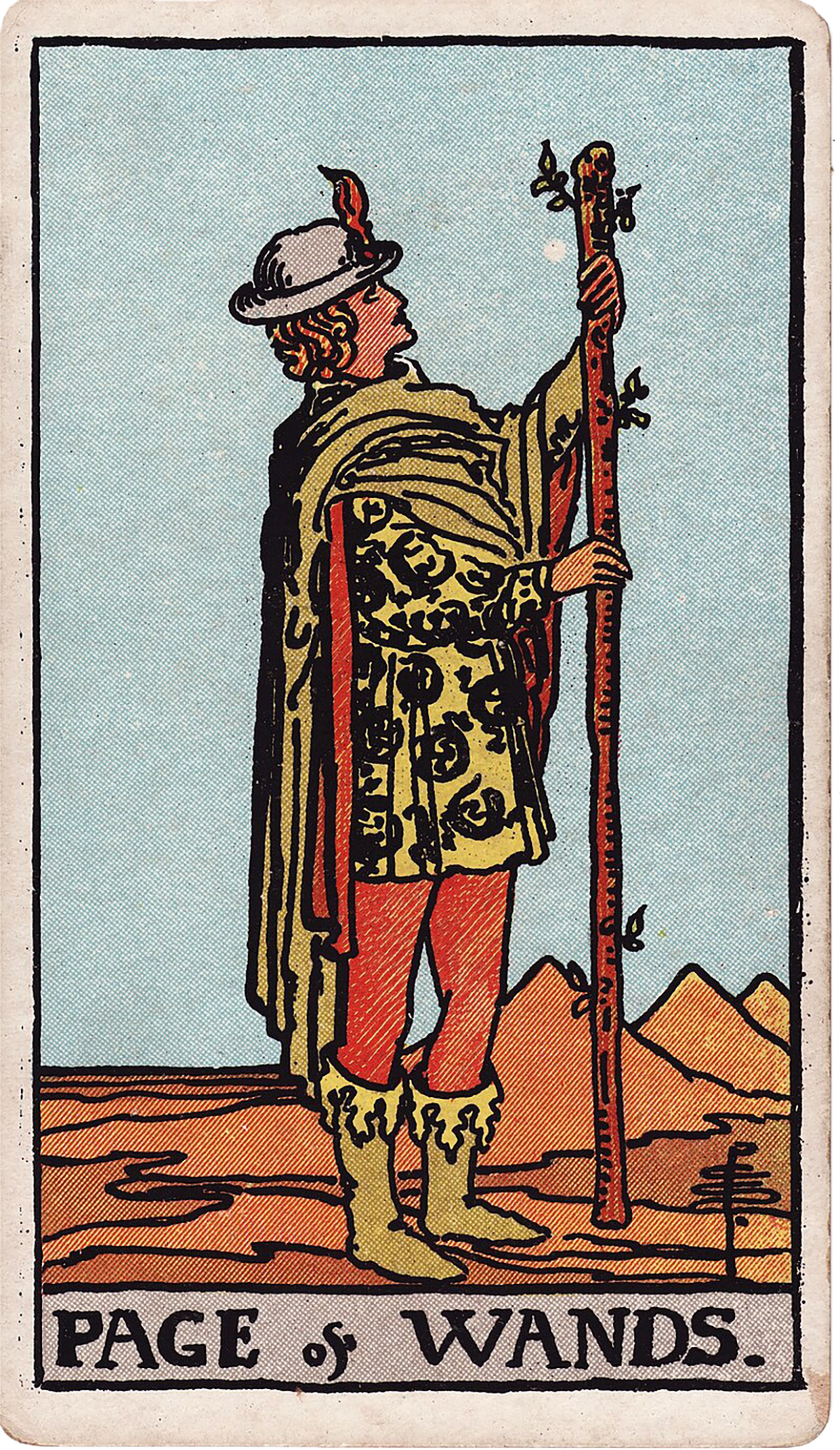 Page of Wands
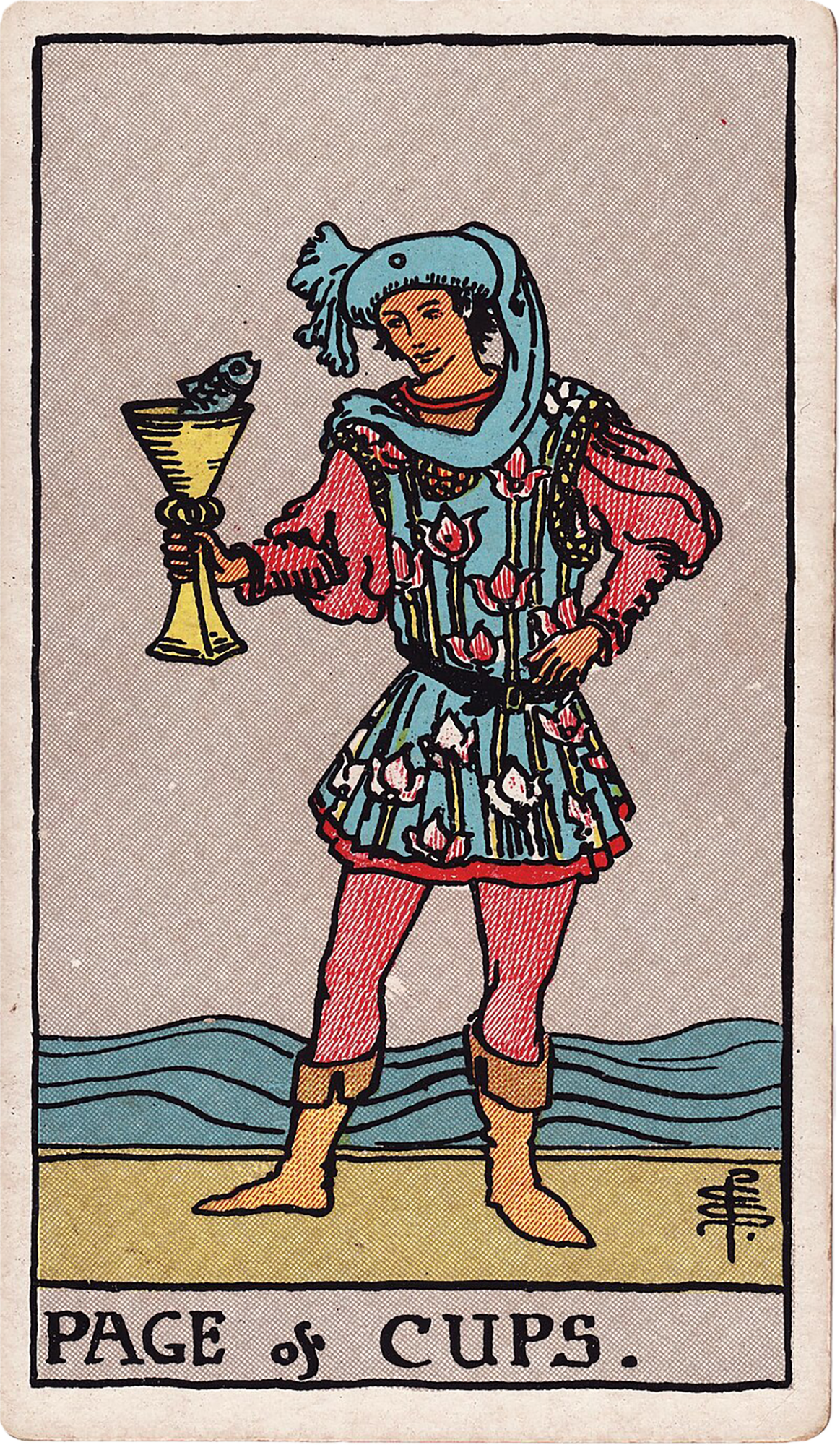 Page of Cups
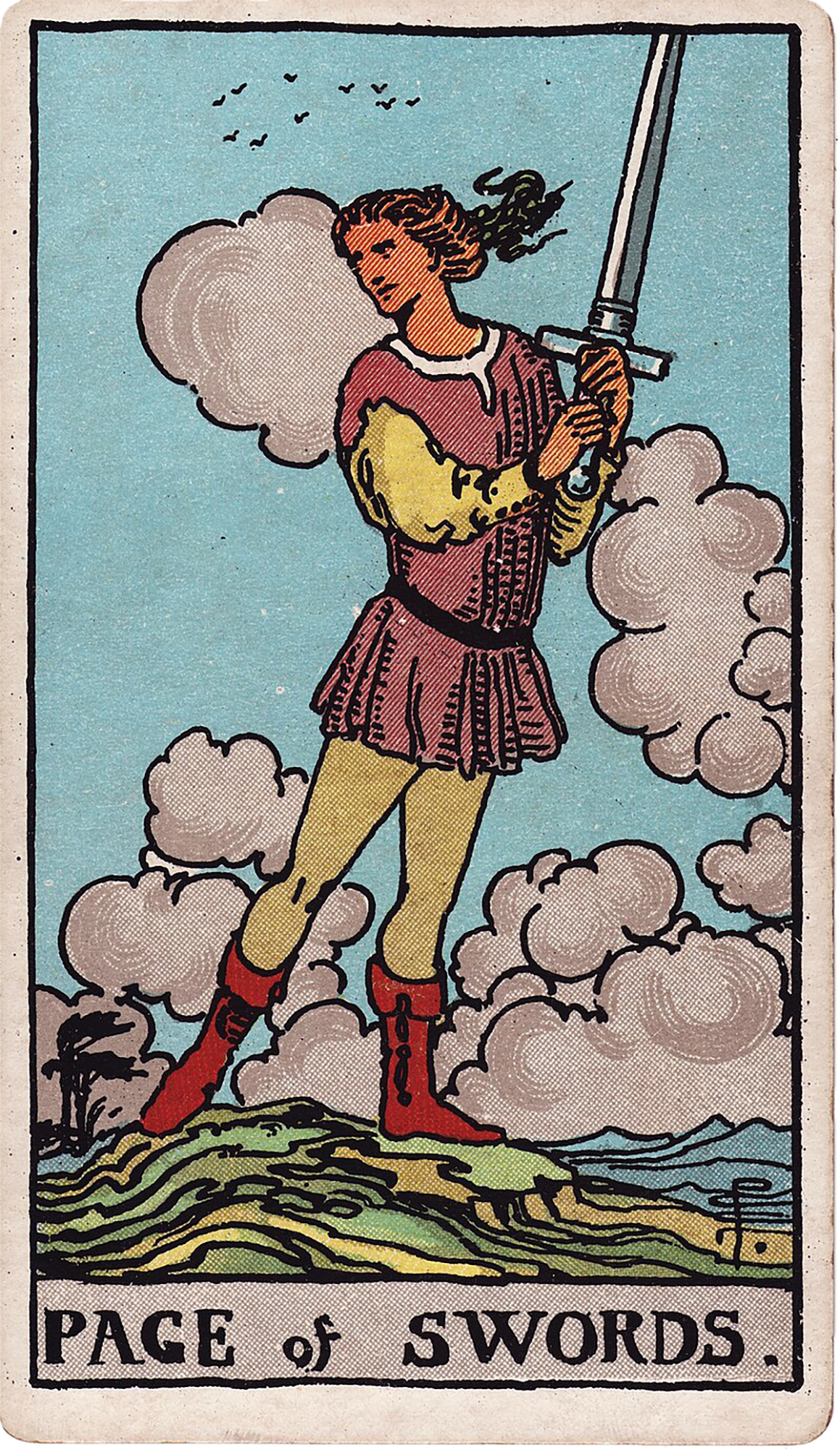 Page of Swords
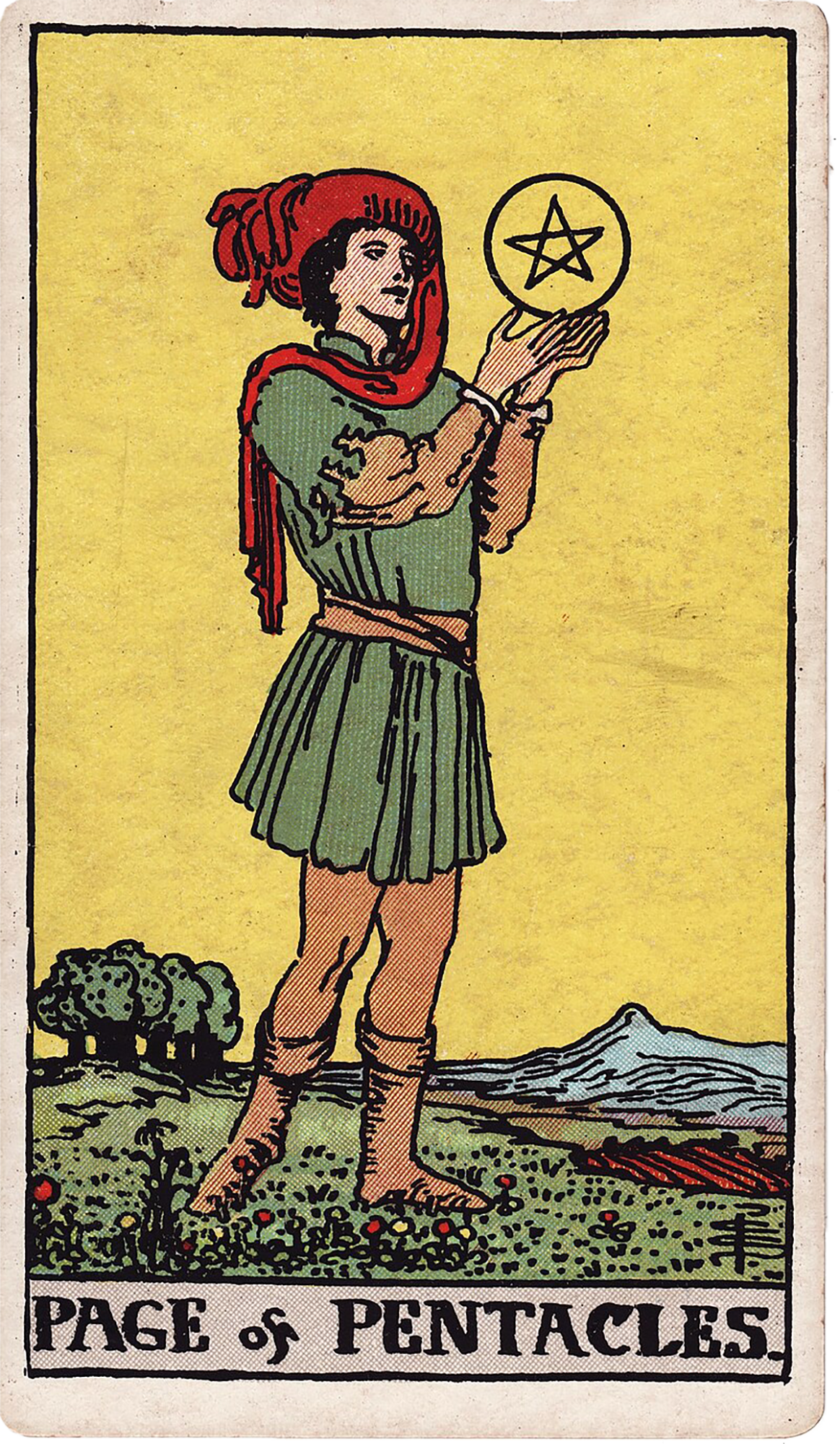 Page of Pentacles
Introduction: Why court cards sometimes act like other suits
Court cards, especially Pages, occupy an ambiguous role in the Minor Arcana: they are both people and processes, personalities and stages. Pages in Rider-Waite-Smith imagery present beginner energy — curiosity, apprenticeship, incoming messages — but they also carry the visual and elemental grammar of their suit. That dual identity is precisely why Pages so often appear to 'act like' another suit. A Page of Pentacles may behave emotionally when the querent’s work triggers personal values; a Page of Wands may read like an intellectual Page of Swords when an idea needs scrutiny. Learning to recognize and interpret these suit-blends makes your readings more nuanced and practically useful. This article uses the supplied Page of Wands, Page of Cups, Page of Swords and Page of Pentacles images and meanings as anchors. It walks you through a method to detect suit-blending, interpret what it does to the querent’s task, and use that information to offer grounded guidance, not fortune-telling certainties.
Core idea: suit function versus court personality
Start with two questions for every court-card appearance: (1) What is the card as a person or process? and (2) Which suit skills are actually being used here? The Page rank signals that the situation is at an early or introductory stage: learning, a message, a tentative start, or an internal pattern not fully matured. The suit identifies the habitual mode through which that Page expresses itself. But spreads impose roles and relationships: a card positioned in a finances zone invites a Pentacles reading, a communication zone invites Swords, a creative zone invites Wands, a relationship zone invites Cups. When the card’s suit and the role expected by the spread differ, the Page can either conform to its suit, align with the role, or blend both. Recognizing which is happening is the key technique. You are not predicting an immutable outcome; you are diagnosing which skills the querent actually has on hand, which skills they need to call on, and where training or translation is required.
Read the supplied Pages as visual and functional anchors
Use the supplied upright and reversed texts for each Page as your starting lexicon, and then read the Rider-Waite-Smith imagery to refine meaning in context. Page of Wands: Upright, this Page carries beginner fire energy — curiosity, experimentation, messages of possibility. In the RWS image the young figure stands in a dry, open landscape studying a flowering wand, wearing a tunic patterned with salamanders that represent transformation by heat. That image speaks to raw initiative, the eagerness to try and the willingness to be visible. If this Page appears in a role that normally asks for Pentacles skills (practical planning), the image suggests an energetic or creative approach to material problems: start with a prototype, accept roughness, use boldness to generate opportunity. Page of Cups: Upright, this Page highlights an emotional or intuitive message: a youthful figure holds a cup from which a fish surprises them. The RWS iconography points to unexpected feeling, receptivity, and the necessity of staying curious rather than judging. If the Page of Cups appears where Swords skills are expected (clarity, analysis), the imagery suggests emotional intelligence is the tool that will cut through confusion — listening, imaginative re-framing, or attending to unconscious signals will produce clarity. Page of Swords: Upright, this Page signals mental curiosity, questioning, and investigative energy. In RWS the Page holds a sword upright against a wind-swept sky, alert and ready. If placed in a creative or emotional role (Wands or Cups), the imagery warns that the intellect will lead the process: analysis, questioning, honest feedback, or strategic reframing are needed to move the project or relationship forward. Page of Pentacles: Upright, this Page focuses on grounded learning and practical opportunity. The RWS figure studies a pentacle closely, standing on green ground with mountains behind, symbolizing slow, deliberate cultivation. When this Page appears where fiery or imaginative energy is expected, its image signals that pragmatic, stepwise training or material scaffolding will be the most honest path to success. Always combine the supplied upright/reversed card texts with these images. The supplied reversals highlight the Page shadow: immaturity, inconsistency, fear of looking inexperienced, escapism, gossip, procrastination — examine how those specific behaviors would look when the Page is operating in a role outside its suit.
How to detect suit-blending in a spread
Detection is mostly observation plus a short checklist. 1) Position versus suit: Note the card’s suit and the role implied by the spread position. If a Page of Swords appears in a career position, ask whether mental skills are the explicit task. If not, consider blending. 2) Surrounding suits: Look for dominant suits among neighboring cards. If Cups dominate and a Page of Pentacles shows up, the Pentacles Page may be acting in service of emotional development — saving for relationship security, for example. 3) Imagery cues: Read the Page’s posture, gaze and surroundings. Does the Page seem more focused on an inner object (Pentacles) or scanning the horizon (Swords)? Is there a gesture toward risk and warmth (Wands) or a receptive, surprised face (Cups)? These visual emphases show which suit’s skill the Page is borrowing. 4) Tone and verb-choice in your instincts: When you form a sentence about the card, which verbs come first? Build, experiment, move, create = Wands. Notice, feel, receive = Cups. Ask, analyze, communicate = Swords. Study, plant, practice = Pentacles. If a Page’s suit and your instinct verbs mismatch, that’s a cue to name the cross-suit behavior to your querent. 5) Reversed nuance: The supplied reversed meanings are crucial. A reversed Page of Wands as a Pentacle-like influence might show impulsive spending or starting businesses based on excitement rather than competence. A reversed Page of Cups acting like Swords could be emotional defensiveness disguised as argument.
Practical step-by-step reading method
Use this routine when a Page appears in a role that suggests a different suit. Step 1 — State the basics: Name the card and its supplied upright/reversed meaning aloud or in your notes: for example, 'Page of Pentacles upright: beginner learning, practical skill focus.' Step 2 — Ask the role question: What role does this position demand? If the spread area is 'relationship boundaries' the role demands Cups work; if 'project launch' it may demand Wands or Pentacles. Step 3 — Compare suit skills: List the suit skills for both the Page’s suit and the role’s suit. Use the supplied descriptions: Wands = motivation and initiative; Cups = emotion and receptivity; Swords = thought and communication; Pentacles = material craft and routine. Step 4 — Scan the imagery: Using the supplied RWS visuals, note which suit aspects the Page emphasizes. Does the Page of Wands look outward and impulsive (fire), or is the wand being carefully inspected (a Pentacles tone)? Does the Page of Cups look surprised and small, indicating an interior emotional process, or outwardly communicative like Swords? Step 5 — Check neighbors for corroboration: If adjacent cards are mostly Pentacles, that supports a Pentacle-style reading even if the Page's suit is different. If neighbors are mixed, the Page may be performing a translation role between suits. Step 6 — Draft a blended interpretation: Phrase it so it clarifies the skill mismatch and offers practical action. Example phrasing: 'This Page of Wands is bringing beginner creative energy into your finances zone. Rather than a full strategic plan, the healthiest next step is a low-cost experiment — small, visible, learn-as-you-go.' This keeps both the Page personality and the role skills visible. Step 7 — Offer concrete tasks: Translate the reading to a concrete practice appropriate to the blended function: short experiments (Wands), a reflective journaling exercise (Cups), a focused research sprint (Swords), a learning schedule (Pentacles).
Three concrete examples using only the supplied Pages
Example A — Career launch spread: 3-card Past/Present/Next. Present card = Page of Pentacles upright. Role: project launch (expects Wands and Pentacles). Interpretation: The image of the youthful figure studying a pentacle indicates a beginning phase where realistic skill-building is primary. Because the Page of Pentacles is in a launch role, prioritize practical scaffolding: a pilot program, skill training, and budgeting. If reversed, watch for procrastination or plans that look good but lack competence. Example B — Relationship reading: Position 'How to communicate my needs' shows Page of Cups upright. Role expects Swords skills. Interpretation: The Page of Cups imagery — surprise fish and open receptivity — suggests that bringing a vulnerable, curious, non-defensive tone will unlock communication. The card acts like Cups in a Swords spot: instead of debating facts, invite feeling and imaginative metaphors. If reversed, the warning is emotional immaturity or dodging difficult conversations. Example C — Creative-block spread: Position 'What will break the block' shows Page of Swords upright, surrounded by Pages of Wands and Pentacles in other positions or by neutral factors. Role expects Wands energy. Interpretation: The Page of Swords image — alert, ready questioning — indicates that intellectual re-framing, questions, or critique will unblock creative energy. Use deliberate inquiry: list assumptions, try rapid-fire prompts, interview a mentor. If the Page of Swords were reversed, watch for gossip, scattered attention or premature critique that kills momentum.
Common mistakes and how to avoid them
Mistake 1 — Treating Pages only as people: Many learners default to thinking every Page equals a young person. Instead, emphasize process: these Pages are often stages (a first draft, a first message, a first practice). Mistake 2 — Ignoring imagery details: Relying solely on the upright/reversed text misses visual cues. The Page of Wands' barren landscape matters; the Page of Pentacles' study posture matters. Teach yourself to describe the image before you interpret it. Mistake 3 — Overriding the spread role completely: Some readers insist the Page must conform to its suit and ignore the positional demands. That produces unhelpful guidance. Instead, name the tension: 'Your Page of Cups is asking you to listen when the question demands analysis.' Mistake 4 — Forcing dramatic predictions: Pages are not destiny. They usually indicate learning curves. Avoid telling querents that a Page guarantees a specific person will appear — phrase interpretations as tendencies and next steps. Mistake 5 — Neglecting reversals as process signals: The supplied reversals often point to where development stalls. Use them diagnostically: is the Page stuck because of fear of looking inexperienced, or because of scattered attention? Name the actionable block.
Interpretation logic: mapping elemental skills onto life tasks
When a Page acts like another suit, you are witnessing a functional mapping: elemental skill set A is being used to meet task B. Read this mapping in three layers. Layer 1 — Immediate task: What does the spread position ask for? This is the 'job' the reading must accomplish. Layer 2 — Page personality/process: Using the supplied texts and imagery, describe the Page's temperament (curious, receptive, investigative, studious) and developmental status (beginner, message, internal process). Layer 3 — Translation: Explain how the Page's temperament will perform the immediate task and what that means practically. For example, a Page of Wands handling a Pentacles task means using initiative to prototype rather than executing a polished business plan. That translates to doing a small, visible test with minimal budget rather than waiting to build a perfect product. This layering helps you stay grounded: you preserve the Page's identity while applying it to the role at hand.
Exercises to practice suit-blending with the four Pages
Exercise 1 — Single card reflection: Pull one of the supplied Pages. Spend five minutes describing the RWS image aloud. Then write three ways this Page could behave like each of the other three suits. Aim for concrete actions (e.g., 'Page of Pentacles acting like Cups: set a savings goal to feel safe; schedule hugs into a routine' rather than abstract phrases). Exercise 2 — Two-card role swap: Create a mock two-position spread: 'What I want' and 'How to get it.' Put Page of Wands in 'What I want' and Page of Pentacles in 'How to get it.' Practice translating: how does fiery desire become practical action? Draft a 3-step plan. Exercise 3 — Reversal diagnosis: Pull a Page and hold it reversed. Use the supplied reversed texts to list three ways the reversal could sabotage a cross-suit task. Then list three micro-habits to repair the blockage. Practice these exercises with the supplied cards until the imagery-to-action translation feels intuitive.
Closing advice: language and ethical framing
When delivering suit-blended readings to others, be precise and humble. Use phrases that acknowledge development and choice: 'This Page of Cups is showing beginner emotional intelligence in a position that asks for analysis. That suggests trying one empathetic question before a debate.' Avoid deterministic phrasing like 'This will happen' or 'This is who you are.' Anchor your recommended actions in the card’s practical energy: small experiments for Wands, reflective listening for Cups, targeted questions for Swords, and deliberate practice for Pentacles. By doing so you keep your reading utility-focused and compassionate, which is the core of a good court-card interpretation practice when Pages act like other suits.
Practice questions
• When you look at the Page of Wands image, which visual elements suggest initiative and which suggest caution? How would that affect advice in a money-related position?
• If the Page of Cups appears in a role that asks for Swords-style clarity, what exact conversational moves could you recommend to translate feeling into useful information?
• Describe a recent situation where you behaved like a Page of Pentacles. Did any part of that situation demand Wands or Cups skills instead? How could you have translated those skills deliberately?
• How does the Page of Swords' posture and environment change your sense of what questions to ask in a creative-block spread?
• Compare a reversed Page of any of the supplied images with its upright meaning. What micro-action would move that reversal toward a healthier expression?
• Which of the four Pages most easily adapts to other suits in your personal experience, and why?
• When a Page acts like another suit, how can you test in real life whether the blended approach works?
• What language will you use to explain suit-blending to a querent so they feel empowered rather than confused?
Comments
Sign in to comment.
Continue learning
Harnessing the Power of The Magician and Ace of Wands: Igniting Creativity and Manifestation in Tarot Readings
The combination of The Magician and the Ace of Wands in tarot readings offers a potent blend of creative energy and manifestation power. This article delves into the ways these car...
Advanced Techniques for Combining The Moon and The Star to Enhance Intuition in Tarot Readings
This article explores advanced techniques to combine the symbolism and energy of The Moon and The Star Tarot cards to enhance intuition during Tarot readings. Drawing from traditio...
Enhancing Clarity in Complex Choices with the Five Card Cross Tarot Spread
The Five Card Cross Tarot Spread is a practical tool designed to clarify complex choices by breaking down the decision into manageable parts. This article explores each position in...
Tracing the Origins and Evolution of The Fool Card in Tarot History
The Fool card holds a foundational place in tarot tradition, symbolizing beginnings, openness, and the embrace of uncertainty. This article traces its origins from early European d...
Understanding The Hermit Card in Solitude Reflection and Guidance
This article offers an in-depth exploration of The Hermit tarot card as a single-card reading in different contexts such as love, career, money, advice, challenge, person, outcome,...
Unlocking the Creative Flow with The Magician and The Empress in Tarot Combinations
This article delves into the powerful synergy between The Magician and The Empress in Tarot combinations, focusing on how their combined symbolism unlocks creative flow across vari...
Using the Seven Card Horseshoe Spread to Uncover Career Growth and Opportunity
This article presents an in-depth guide to the Seven Card Horseshoe Tarot Spread with a focus on career growth and opportunity. Using the cards The Fool, The Magician, The Empress,...
Understanding the Many Facets of The Moon in Emotional and Intuitive Tarot Readings
The Moon card in the Tarot deck embodies themes of intuition, uncertainty, dreams, and emotional complexity. This article offers a comprehensive exploration of The Moon’s upright a...
Unlocking Advanced Intuition Techniques Using The High Priestess The Moon and The Hermit
This article examines advanced intuition development in tarot reading by focusing on The High Priestess, The Moon, and The Hermit cards. It offers practical techniques for beginner...
Mastering Intuition with The High Priestess The Hermit and The Moon in Tarot Readings
This article delves into mastering intuition through three powerful Tarot cards: The High Priestess, The Hermit, and The Moon. It guides readers from beginner to advanced reading t...