
Finding the Story in Your Tarot Cards with Simple Card Connections
Discover how to bring meaning to your Tarot readings by learning to see how cards relate to each other in a spread. This post guides beginners through easy ways to connect card meanings and find clear stories in their readings.
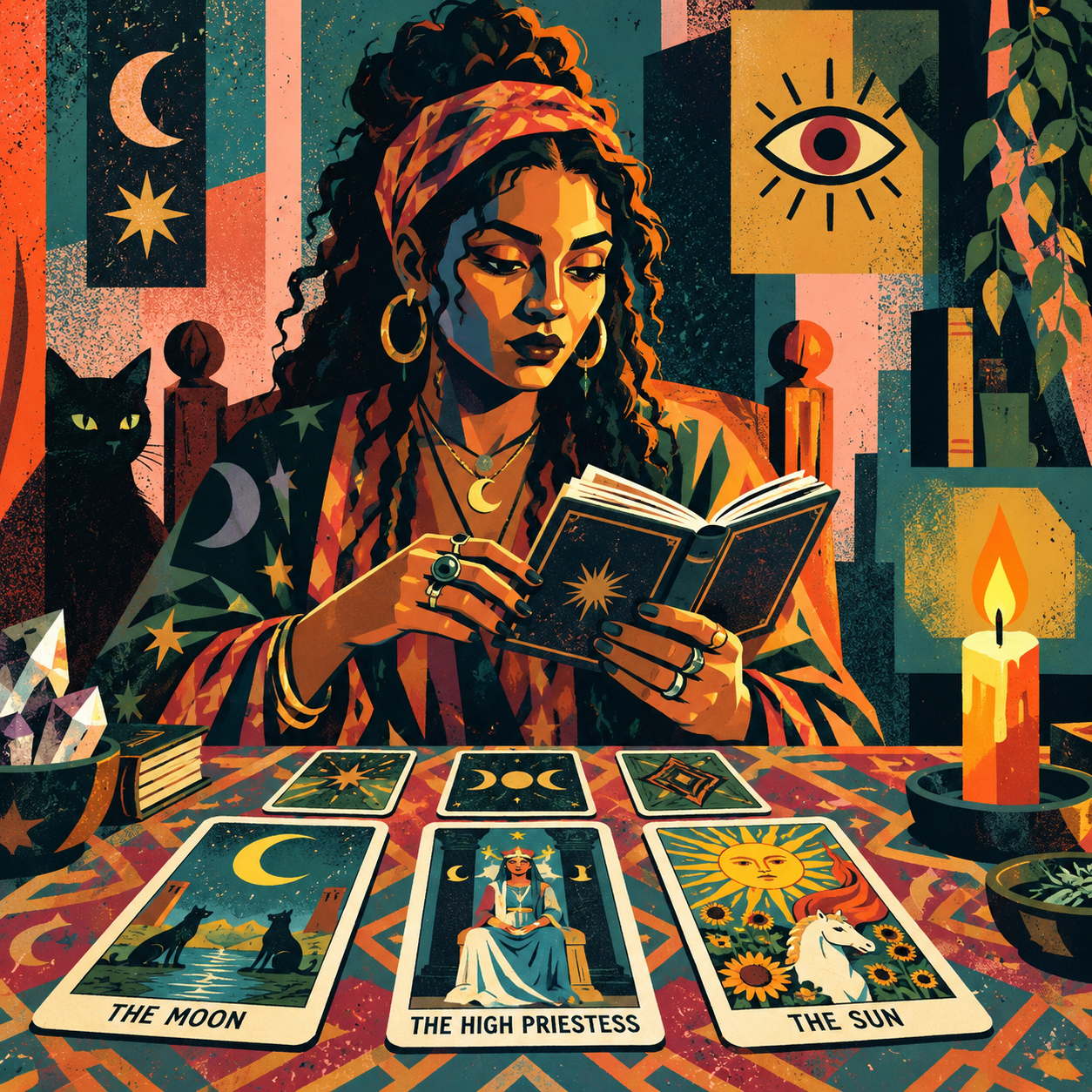
When you first start learning Tarot, it can feel overwhelming to interpret more than one card at a time. Each card has its own meaning, but when you lay out a few cards in a spread, the real insight comes from how those cards talk to each other. Understanding card connections helps you tell a clear, practical story that applies to your situation or question.
Why Linking Cards Matters
Imagine Tarot cards as words in a sentence. A single card gives you a simple idea, but when cards connect, they create a message. Seeing relationships between cards makes your reading clearer and helps you give more useful advice or guidance.
Basic Ways Cards Connect
There are several straightforward ways cards relate to each other. You can spot connections by looking at the suits, numbers, themes, or how the cards’ meanings interact. Let’s go through some easy examples to get you started.
Matching Suits
If two or more cards share the same suit, they often point to a similar area of life. For example, Cups relate to emotions and relationships, while Pentacles focus on finances and material matters. If you pull the Three of Cups and the Ace of Cups together, the reading might highlight joyful emotional beginnings or supportive friendships.
Numerical Patterns
Cards with similar numbers can build a sequence or show a process. Seeing the Two of Wands next to the Three of Wands suggests a step forward in planning or taking action. These numbers help you notice progress or stages in the story your cards tell.
Themes and Symbols
Sometimes cards share visual themes or story elements, like the Moon and the High Priestess both representing intuition and mystery. When these appear together, the reading encourages trusting your inner guidance and paying attention to hidden feelings.
Putting It Into Practice With a Simple Three Card Reading
Let’s try a quick example to see card connections in action. Suppose you ask about a new job opportunity and draw these cards: The Fool, the Eight of Pentacles, and the Six of Swords.
The Fool suggests a fresh start and taking a risk. The Eight of Pentacles shows hard work and learning new skills. The Six of Swords points to moving on or transitioning to a better phase. Together, these cards tell a story of starting something new, dedicating yourself to improvement, and moving toward positive change.
This simple connection clarifies your path and provides practical advice: embrace the new chance, focus on developing your abilities, and trust that you are progressing toward a better situation.
Tips for Developing Your Card Connection Skills
Practice is key to seeing how cards work together. When you do readings, take time to compare the cards and ask yourself how their meanings relate. Journal your thoughts to notice patterns over time. Start with small spreads and gradually explore larger layouts as you feel comfortable.
Remember, there is no single right answer. Your intuition and experience will help you decide which connections matter most in each reading.
Conclusion
Learning to find stories in your Tarot cards by connecting their meanings is a powerful skill for beginners. It turns sets of cards into helpful messages that guide you in clear, practical ways. By focusing on suits, numbers, and themes, and practicing simple readings, you will build confidence and deepen your understanding of the Tarot.
Enjoy the process and trust your growing ability to interpret the language of the cards.
Comments
Comments appear after approval.
Log in to comment