How to Use Your Intuition with Tarot Card Imagery for Clearer Readings
Learning to connect with the images on Tarot cards can help beginners interpret meanings more naturally. This post explores simple ways to practice noticing details in card artwork and trusting what they evoke, making readings feel more personal and insightful.
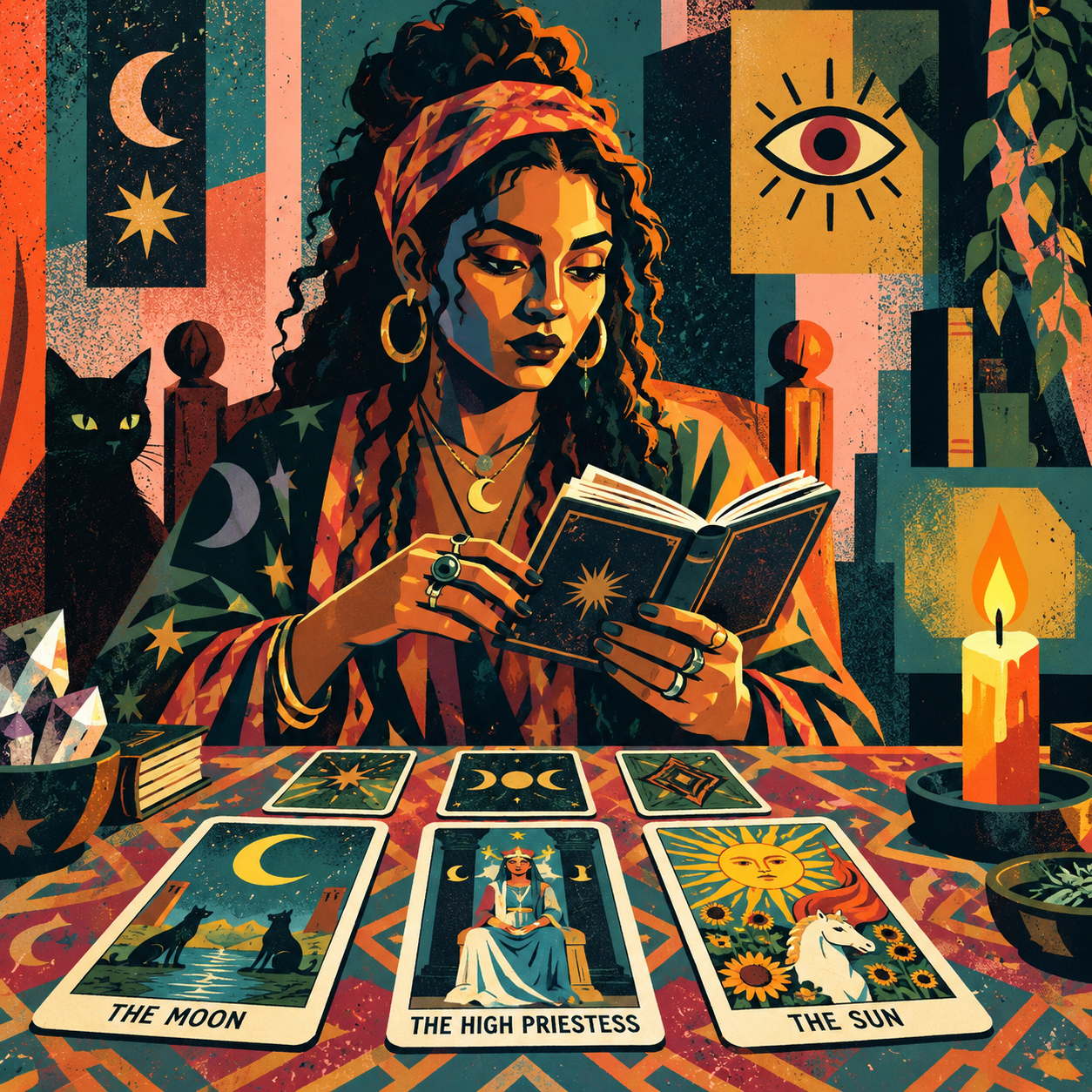
When starting with Tarot, many beginners focus mainly on memorizing card meanings from guides or books. While this is helpful, developing your own connection to the card images can make readings more intuitive and meaningful. The artwork on Tarot cards is designed to tell stories and evoke feelings, which you can use to deepen your understanding beyond the printed keywords.
Why Pay Attention to Card Imagery
Each card in the Tarot deck features visuals that symbolize its energy. Noticing colors, characters, objects, and expressions can reveal extra layers of meaning. For example, the sun shining brightly in The Sun card might suggest clarity and vitality, while a figure’s posture in The Hermit could hint at introspection or solitude.
Simply observing these details helps you engage with the cards personally rather than relying solely on memorized definitions. This opens the door to more flexible, intuitive interpretations suited to your unique reading style and questions.
Simple Practice to Notice Card Details
Take a card at random and look closely at the image. Ask yourself: What draws my eye first? What emotions does the picture bring up? What story might it be telling? Let your thoughts flow naturally without judgment.
Write down your impressions in a journal. Over time, you may discover patterns and personal symbols that help you intuit meanings more quickly and confidently.
Using Imagery With Basic Card Spreads
When doing a simple three-card spread for past, present, and future, try connecting the story threads from the images. Notice how colors or characters might relate across the cards and what this suggests about the situation.
For example, if you see a repeated symbol such as a crown or a path in two cards, consider how that theme appears in the reading. This trains your mind to see relationships and deepen your insight without needing complex techniques.
Trusting Your Initial Impressions
As you practice, you might feel subtle impressions or feelings about the cards before recalling definitions. Trusting these intuitive hits often leads to clearer, more relevant readings.
If you notice something unique or surprising while focusing on the artwork, explore that idea further. This approach encourages you to develop your own Tarot voice, making the experience richer and more rewarding.
Real Example
Imagine you pull The Lovers card. Instead of immediately referencing the traditional meaning of relationships or choices, first look at the figures, the colors, and the surrounding elements. Perhaps you notice the way one figure looks uncertain or the presence of an angel overhead. This might suggest a spiritual decision or inner harmony rather than only romantic love.
By letting the imagery guide you, your reading reflects what matters most in the current moment for you or the person receiving the reading.
Final Tips for Beginners
Practice looking at cards daily even without a reading question. Simply observe what each image suggests or reminds you of. Combine this with studying basic card meanings to build confidence.
Keep a Tarot journal to record your intuitive impressions and reflect on how they relate to outcomes. Over time, this will support your growth as a Tarot reader who balances knowledge and intuition naturally.
Remember, Tarot is not about having the right answers but about exploring possibilities and gaining insight through your unique connection to the cards.
Comments
Comments appear after approval.
Log in to comment