
Understanding Court Cards in Tarot for Beginners
Court cards can be tricky for new Tarot readers. This post explains what court cards represent, how to interpret their meanings, and practical ways to read them in simple spreads.


When you first start learning Tarot, the court cards often feel confusing and mysterious. Unlike the numbered cards that have clear symbolic images and meanings, court cards represent people or personality traits, and they come in four suits: Cups, Pentacles, Swords, and Wands. These suits connect to emotions, material life, thoughts, and creativity respectively. Understanding court cards is an important step to becoming confident in reading Tarot.
What Are Court Cards
Court cards include the Page, Knight, Queen, and King of each suit. Each card often represents a person, an attitude, or an energy. For example, the Queen of Cups symbolizes emotional maturity and compassion, while the Knight of Swords can indicate quick action or a determined mindset. Sometimes court cards show actual people in your life, but often they describe aspects of yourself or situations.
Simple Ways to Interpret Court Cards
One good approach is to think of the court cards as stages of personality or behavior within the suit’s theme. The Page often represents a young or beginner energy, curiosity, or new messages. The Knight usually shows movement, action, or pursuit of goals. The Queen expresses nurturing, intuition, or mastery of feelings. The King symbolizes authority, leadership, and control in that area.
For example, if you pull the Knight of Wands, you may be seeing a strong urge to act creatively or take bold steps. If the Page of Pentacles appears, it might mean a new opportunity to learn about money or your career is coming.
Reading Court Cards in Context
Court cards gain more meaning when seen with surrounding cards. Suppose you pull the Queen of Swords alongside the Two of Cups. This combination could suggest a clear, honest communication in a close relationship. Or the King of Pentacles paired with the Ten of Wands might indicate someone taking charge of heavy responsibilities at work.
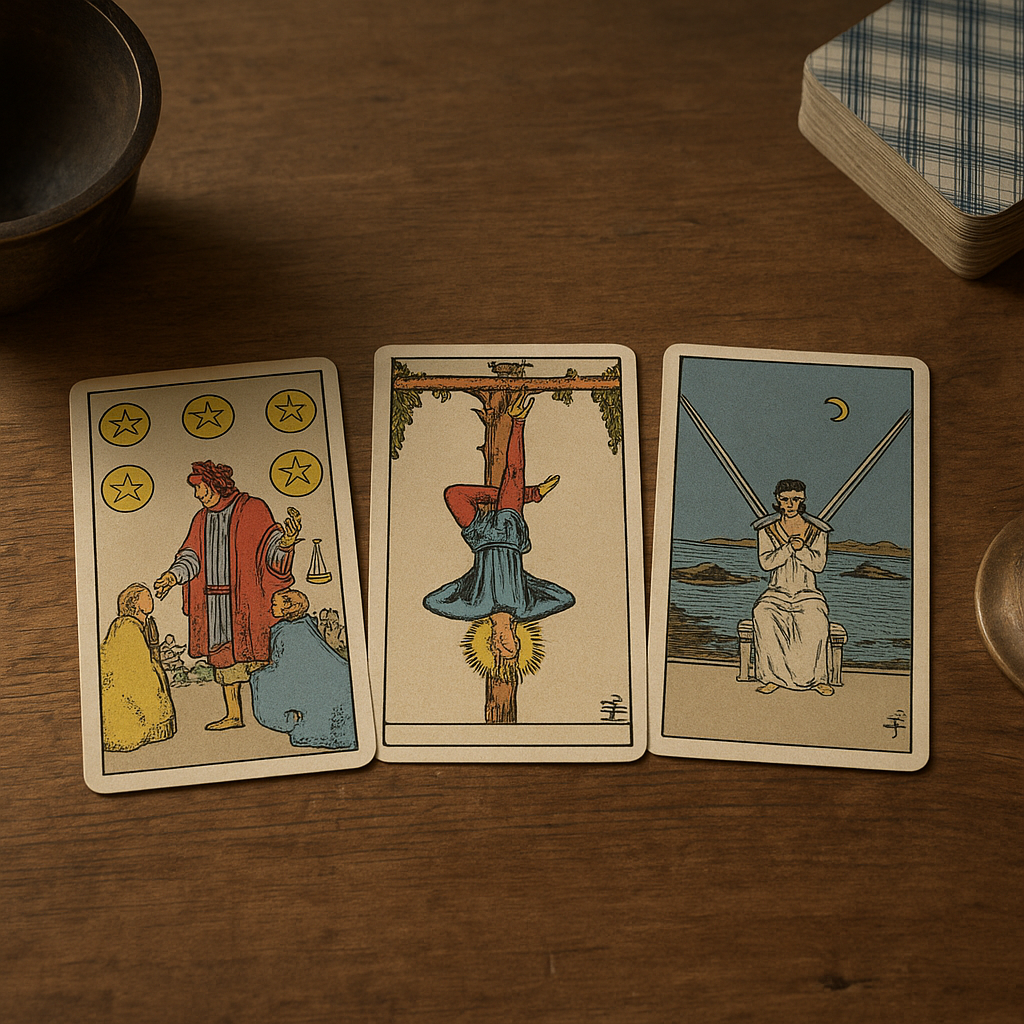
Practicing reading court cards in simple spreads, like three-card layouts showing past, present, and future, helps you notice how these cards interact with others and what stories they tell.
A Beginner Spread to Practice Court Cards
Try a simple three-card spread focusing only on court cards drawn from your shuffled deck. Each position can reflect a different part of your personality or situation. Position one can be the energy you bring, two can be what’s influencing you now, and three can be guidance or an outcome.
For example, you might draw the Page of Cups, Knight of Pentacles, and Queen of Wands. This could be interpreted as your current curiosity and openness (Page of Cups), steady progress (Knight of Pentacles), and a future need to embrace confidence and passion (Queen of Wands).
Tips for Working with Court Cards
Spend time studying each court card image and what feelings they evoke. Journaling about personal connections or people you know who remind you of certain cards can deepen your understanding. Also, don’t hesitate to trust your intuition when identifying court cards as personalities, energies, or messages depending on the reading context.
Learning court cards takes time, but with regular practice and reflection, you will find these cards becoming some of your most helpful tools in Tarot reading.
Comments
Comments appear after approval.
Log in to comment