
Career Five Card Spread to Evaluate Job Offers and Negotiate Your Next Move
This article teaches the Career Five Card spread—a focused five-card layout designed to evaluate job offers and support negotiation decisions—using the supplied cards 2 of Pentacles, 3 of Pentacles, 6 of Pentacles, 8 of Pentacles and King of Pentacles. You will find clear position meanings, Rider-Waite-Smith imagery notes, card-to-card relationships, a practical negotiation checklist tied to the cards, a reproducible method for doing the spread, common mistakes to avoid and reflective questions to deepen learning. The reading is presented as a worked example that remains practical rather than predictive: it helps you translate symbolic insight into negotiation actions, requests and priorities.
Career Five
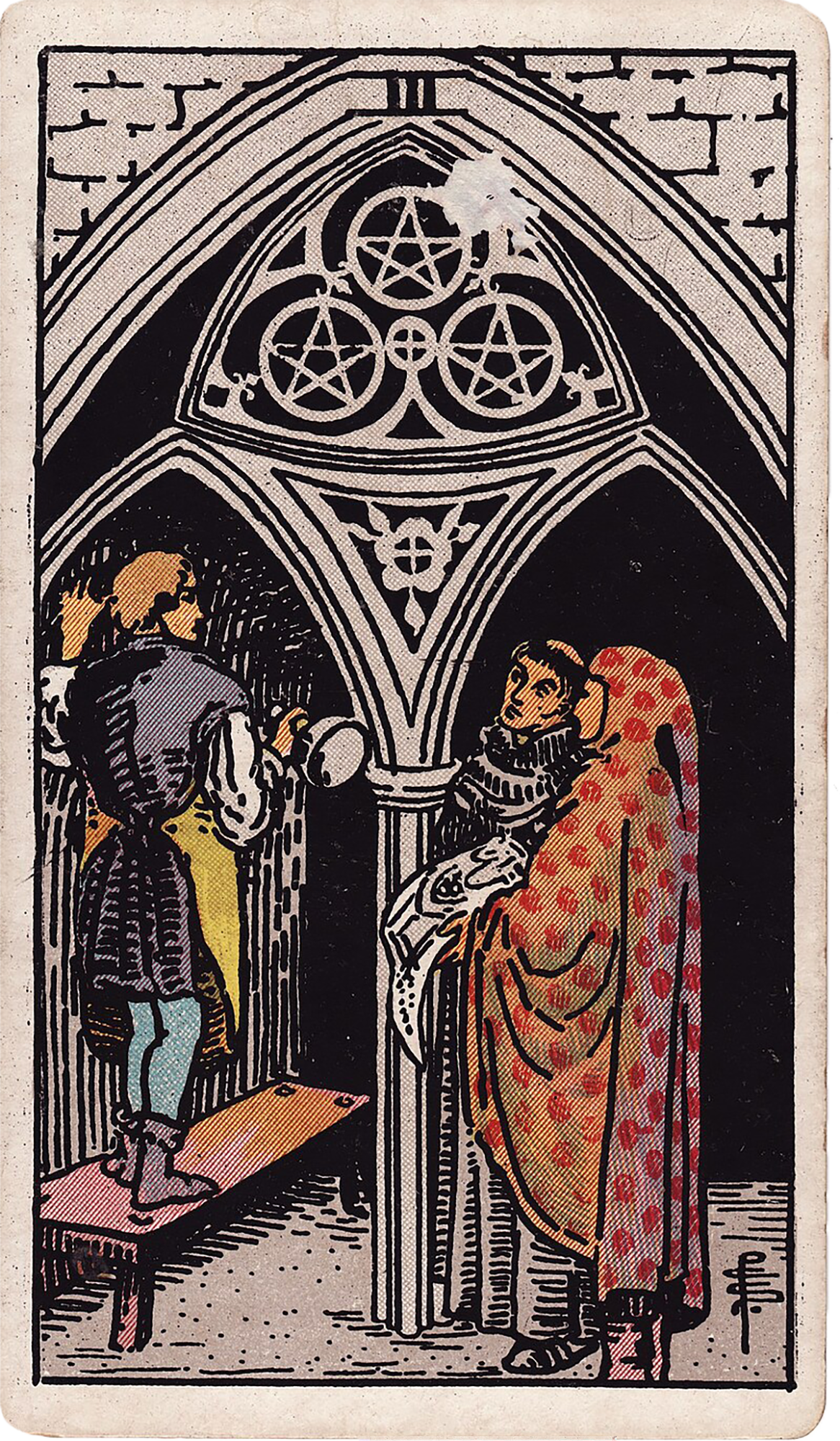 Current Position3 of Pentacles
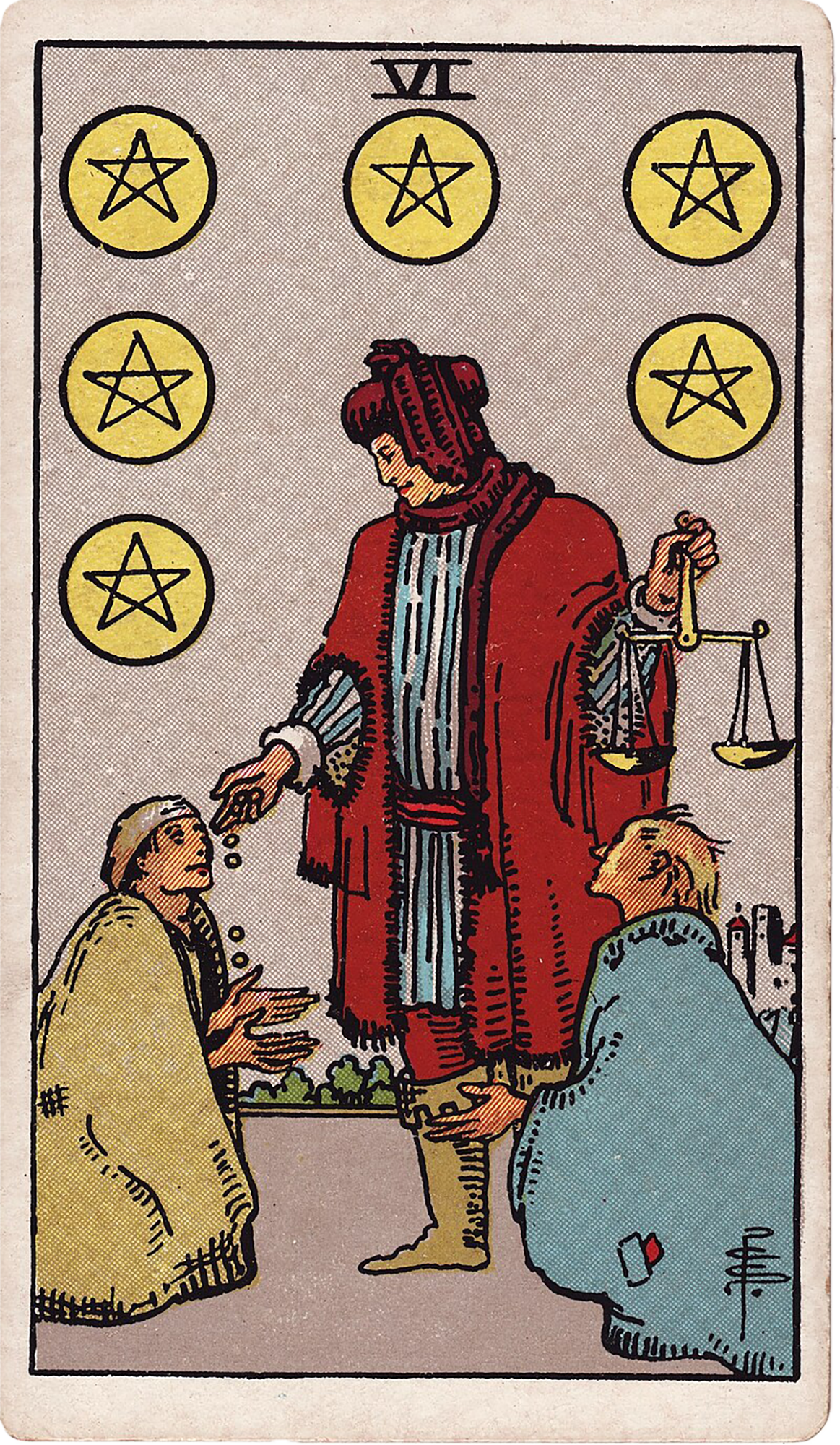 Strength6 of Pentacles
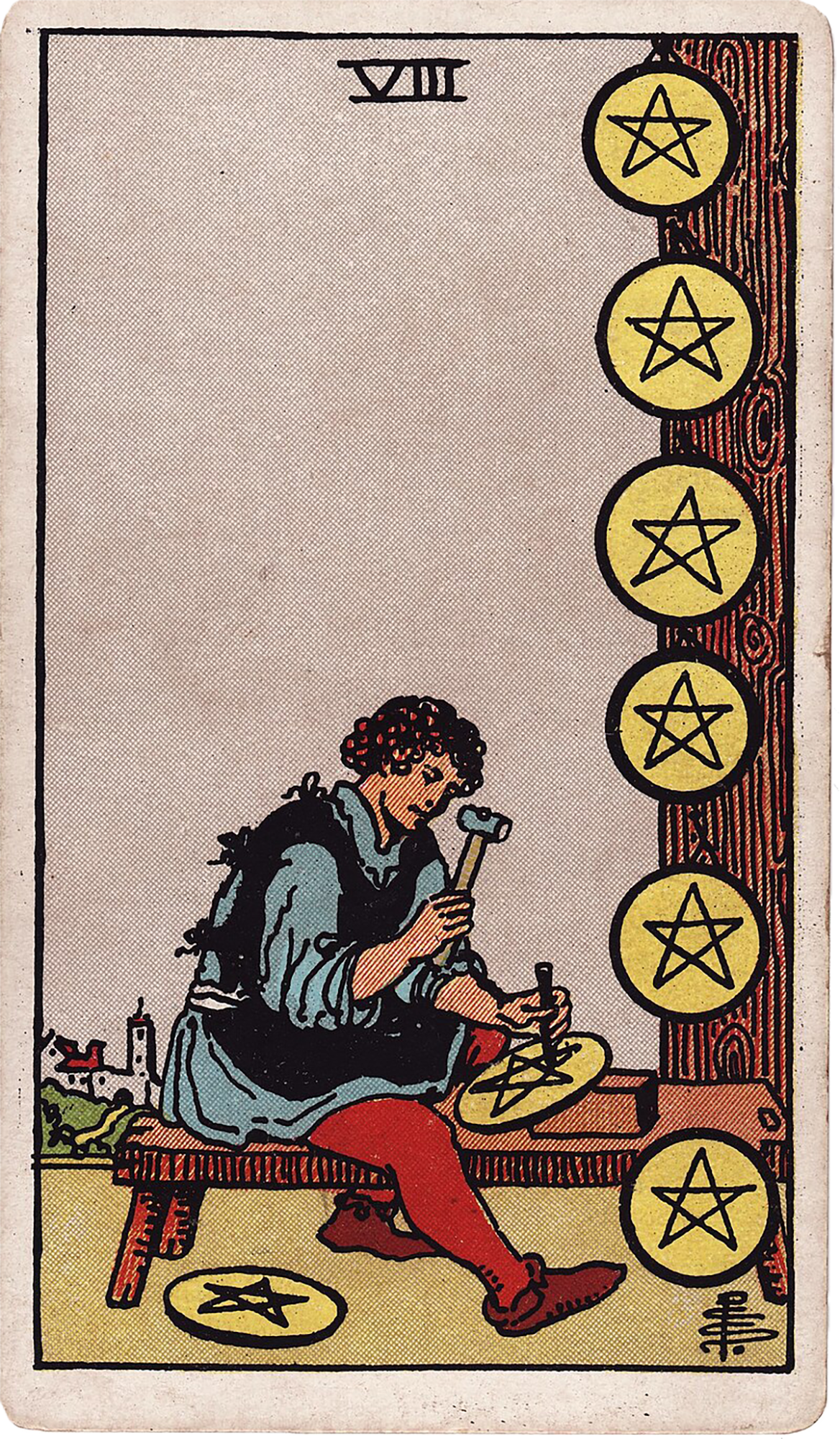 Challenge8 of Pentacles
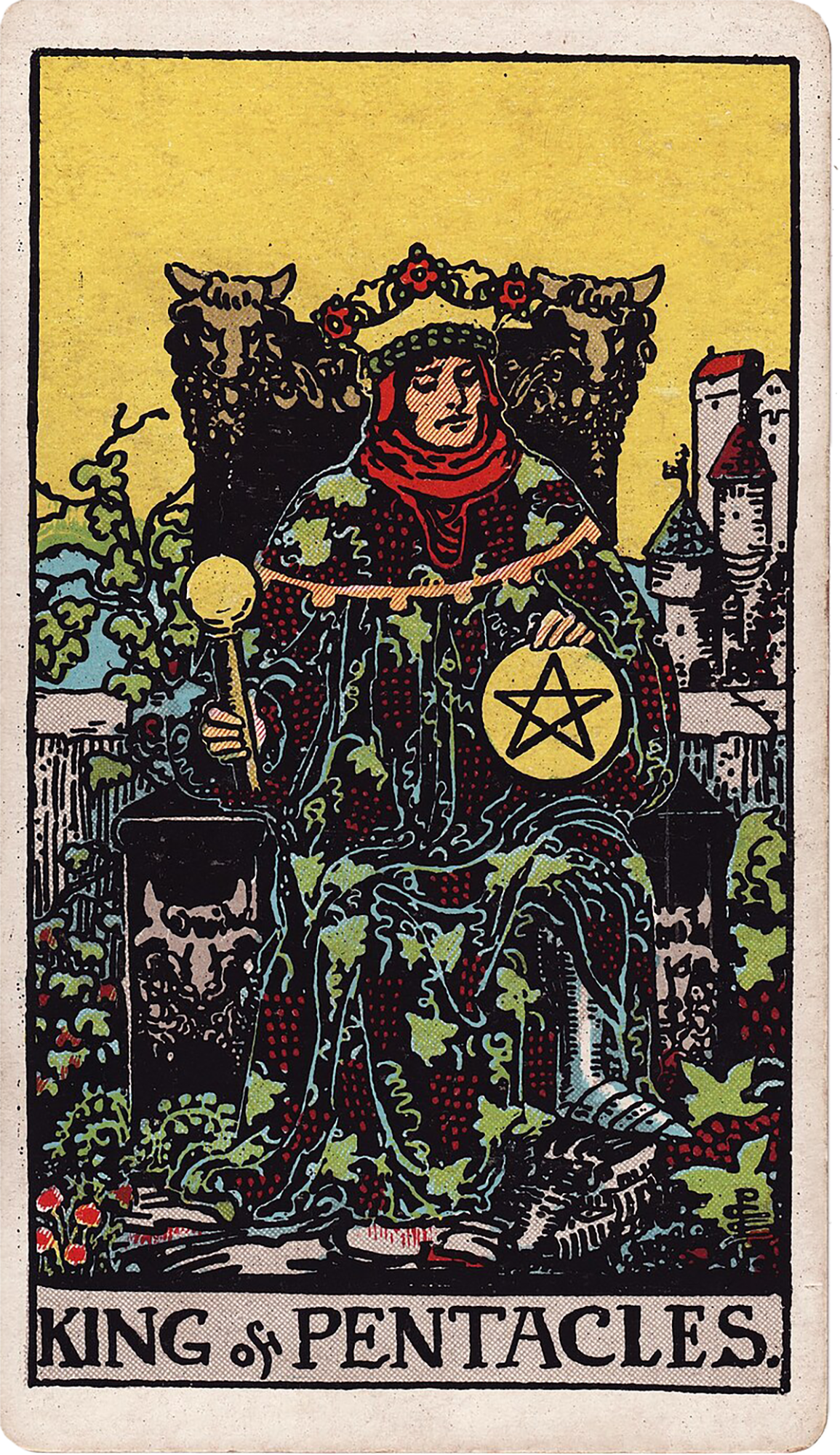 OpportunityKing of Pentacles
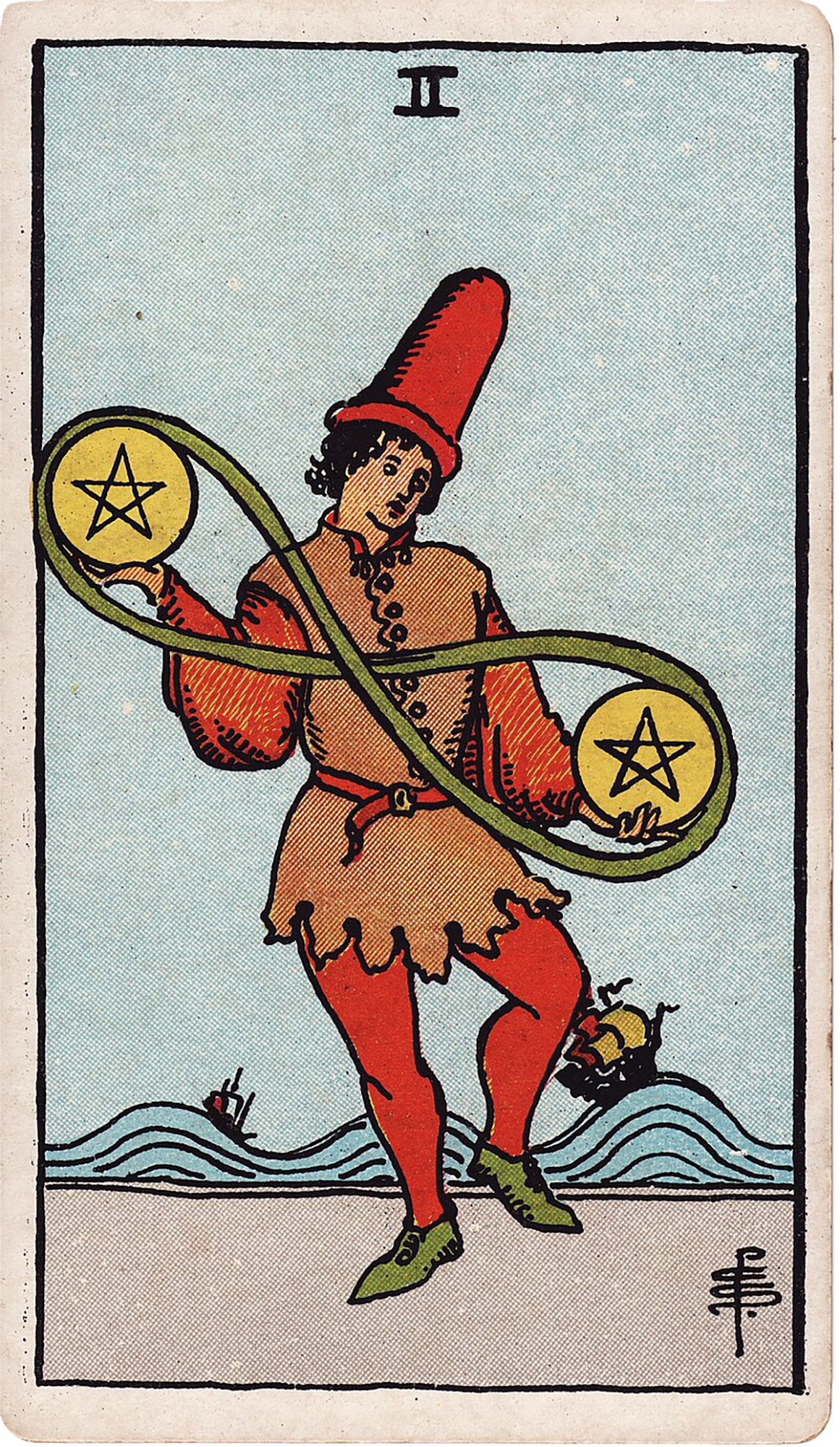 Next Step2 of Pentacles
Introduction and purpose
The Career Five Card spread is a focused layout for people evaluating job offers, planning a career move or preparing to negotiate terms. Unlike broad, open-ended spreads, this one keeps the questions narrow and action-oriented. The five positions—Current Position, Strength, Challenge, Opportunity and Next Step—map directly to practical concerns you face when comparing offers or deciding how to ask for better terms. This article uses the exact supplied cards in order: 2 of Pentacles, 3 of Pentacles, 6 of Pentacles, 8 of Pentacles and King of Pentacles. Each position is explained with reference to Rider-Waite-Smith symbolism where helpful, and every interpretive choice is paired with negotiation-relevant actions so the reading can be applied to real decisions.
When to use this spread
Use the Career Five Card spread when you need clarity about a concrete career decision: choosing between offers, deciding whether to accept a promotion, evaluating whether a role’s non-monetary benefits offset a lower salary, or preparing to negotiate. It is best for a single person’s situation, not for comparing many candidates or forecasting organizational futures. Because the spread is practical, treat it as a decision-support tool: combine its guidance with research, salary data and professional advice rather than relying on it as a sole decision-maker.
Layout and position meanings
The layout career-five is a simple linear or slightly arced five-card row, left to right. Use these position labels in order: Current Position, Strength, Challenge, Opportunity, Next Step. Place 1 on the left and 5 on the right. Keep the cards face-up, and take time to notice imagery and immediate impressions before applying keywords. Briefly, the positions function as follows: 1) Current Position describes how you currently relate to the job offer(s) or move. 2) Strength shows an asset you can leverage in negotiation. 3) Challenge indicates a block, risk or imbalance to address. 4) Opportunity highlights what can be gained or developed. 5) Next Step gives the practical action or stance to take now. The supplied cards are used in order for these positions: 1 = 2 of Pentacles, 2 = 3 of Pentacles, 3 = 6 of Pentacles, 4 = 8 of Pentacles, 5 = King of Pentacles.
Position 1 — Current Position: 2 of Pentacles
Card in position: 2 of Pentacles. Upright meaning and Rider-Waite imagery: In the classic Rider-Waite-Smith deck the 2 of Pentacles shows a figure juggling two pentacles linked by an infinity ribbon while ships ride rough waves behind him. That duality and motion symbolize active balancing—keeping priorities in play without collapsing into stillness. Here, 2 of Pentacles as Current Position says you are actively managing multiple demands: perhaps juggling two or more offers, balancing salary versus culture, or keeping a current job while entertaining new possibilities. The upright description supplied highlights “managing changing priorities with flexibility” and that balance is active and responsive rather than perfectly still. Practical reading: treat this card as a snapshot of your current juggling act. Negotiation implications: identify where you are spreading attention or resources thin. Ask: which elements must be balanced now? Where can you simplify to strengthen negotiation leverage? If reversed (see method section on reversals), watch for overcommitment or disorganization. Visual cue to use in reading: the infinity band reminds you that the juggling is ongoing; you can name which two (or more) items you are holding up right now—salary vs. role, commute vs. remote work, title vs. growth.
Position 2 — Strength: 3 of Pentacles
Card in position: 3 of Pentacles. Upright meaning and Rider-Waite imagery: The 3 of Pentacles traditionally shows an artisan working at a cathedral or project while a monk and a noble observe plans. It emphasizes skill, collaboration and recognized craft. The supplied upright text highlights that skill grows through collaboration, feedback and respect for different expertise. As Strength, 3 of Pentacles says your strongest negotiable asset is demonstrable collaboration and craft—concrete evidence of teamwork, project results, and the ability to work well with others. Practical reading: collect examples of successful collaborations, metrics showing your contributions, references who can speak to your role on teams. In negotiation, this card lets you frame requests around the value you bring to team outcomes: propose measurable KPIs, suggest pilot projects or speak to your ability to lift team performance. If reversed, the card would warn about poor teamwork or difficulty accepting feedback—then your strength is less obvious and you will need to shore up communication or documentation.
Position 3 — Challenge: 6 of Pentacles
Card in position: 6 of Pentacles. Upright meaning and Rider-Waite imagery: The 6 of Pentacles normally depicts a figure distributing coins to recipients while holding scales—a powerful image of giving and receiving with questions of fairness and power. The supplied text highlights resources moving through relationships and asks whether exchange is fair, empowering and transparent. In the Challenge position, 6 of Pentacles focuses your attention on imbalance or strings attached. It asks: is the compensation equitable? Are benefits conditional? Does the offer include hidden obligations or make you feel beholden? Practical negotiation use: this card prompts you to clarify pay structure, non-salary compensation, expectations for overtime or deliverables tied to bonuses, and any probationary conditions. If this card appears reversed (see notes below), it warns about exploitation, unequal power or resentment that could undermine the role; use that as a red flag to negotiate clearer terms or walk away if needed.
Position 4 — Opportunity: 8 of Pentacles
Card in position: 8 of Pentacles. Upright meaning and Rider-Waite imagery: The 8 of Pentacles shows an apprentice at a bench meticulously engraving pentacles—an image of focused practice and skill-building. The supplied upright meaning emphasizes focused practice, skill-building and improvement through repetition. In the Opportunity position, 8 of Pentacles signals that the role can offer a clear path to growth: training, mastery of a craft, or projects that deepen your skill set. Practical reading: use this card to ask for professional development, mentorship, time for training, or clearly defined advancement milestones. In negotiation language: request paid training, a learning stipend, structured onboarding with measurable milestones, or a review in six months tied to performance-based raises. If this card is reversed it warns of monotony, stagnation or lack of learning—then the opportunity may be illusory and you must negotiate guarantees or opt out.
Position 5 — Next Step: King of Pentacles
Card in position: King of Pentacles. Upright meaning and Rider-Waite imagery: The King of Pentacles depicts a mature figure of abundance, stability and practical stewardship—often shown seated among grapevines, a symbol of wealth built through steady work and care. The supplied upright meaning emphasizes mature stewardship, business competence and building stability that supports others. As Next Step, King of Pentacles advises you to adopt a stewardship stance: propose terms that emphasize long-term value, stability and business outcomes rather than short-term gains. Practical next steps: craft a negotiation proposal that ties your compensation to business metrics (revenue influenced, cost savings, project deliverables), request security elements (clear contract terms, benefits, equity or vesting schedules), and position yourself as someone who will steward resources responsibly. If reversed, the King of Pentacles warns against rigidity or status-obsessed bargaining—avoid demands that signal inflexibility or greed.
Card-to-card relationships and reading logic
A strong reading is built from relationships between cards rather than isolated definitions. With the supplied card order, these relationships are particularly coherent. Relationship A: 2 of Pentacles (Current) to 3 of Pentacles (Strength). The balancing act shown by the 2 of Pentacles is supported by collaborative skill in the 3 of Pentacles. Interpretation: your juggling can be stabilized by emphasizing teamwork and project outcomes—document how collaboration has let you handle multiple priorities. Relationship B: 3 of Pentacles (Strength) to 6 of Pentacles (Challenge). Your collaboration skills are valuable, but the 6 of Pentacles asks whether recognition and compensation mirror that value. Interpretation: use concrete team achievements to justify equitable compensation; if pay is unequal, your collaborative evidence strengthens negotiation leverage. Relationship C: 6 of Pentacles (Challenge) to 8 of Pentacles (Opportunity). Fair exchange is the issue; the 8 of Pentacles shows what can be developed if fairness is addressed. Interpretation: ask the employer for explicit investment in your growth—a training budget or structured progression—so the exchange becomes mutually beneficial. Relationship D: 8 of Pentacles (Opportunity) to King of Pentacles (Next Step). Focused skill-building should lead to stable stewardship. Interpretation: convert learning opportunities into a proposal for long-term role development and compensation that reflects the business value you will deliver. Overall logic: the reading flows left to right from juggling to stewardship; the cards suggest a negotiation strategy that moves from clarifying balance, to documenting teamwork, to ensuring fair exchange, to securing developmental investment, and finally to proposing long-term stable terms.
Synthesis: an overall reading example and recommended negotiation strategy
Bringing the cards together as a whole narrative: The 2 of Pentacles shows you are actively balancing competing offers, responsibilities or priorities. Your main asset is collaboration and demonstrable craft (3 of Pentacles). The key risk is unequal or conditional exchange (6 of Pentacles): compensation or benefits may not reflect your contribution or may come with strings attached. The upside is clear skill-building (8 of Pentacles) that makes you more valuable. The recommended next step (King of Pentacles) is to take a stewardship posture—ask for terms that match long-term value and protection. Actionable negotiation strategy derived from this synthesis: 1) Inventory your juggling: write a concise list of what you are balancing and rank priorities. 2) Gather proof of collaboration: project summaries, metrics, letters or emails acknowledging your role. 3) Clarify fairness: prepare a list of compensation components that matter (base pay, bonuses, time off, flexibility, training, equity) and identify dealbreakers. 4) Convert opportunity into asks: propose a training plan, timeline for reviews, or a performance-to-pay roadmap. 5) Present the King of Pentacles case: submit a negotiation proposal that frames compensation as stewardship—emphasize predictable outcomes you will deliver, and ask for stability measures (contract terms, clear promotion criteria, benefits). Keep language practical: "Based on our projected metrics, I can deliver X within Y months; a compensation package of Z aligns my incentives with the business outcome."
Step-by-step reproducible method
Preparation: Quiet your mind and prepare a concise question such as: "How should I evaluate and negotiate between these job offers so I make a stable, fair decision?" Keep the question practical and time-bound. Shuffling and focusing: shuffle while thinking of the concrete details you want clarified: offers, responsibilities, non-monetary factors. Cut the deck when you feel done. Layout: draw five cards and place them left to right as Current Position, Strength, Challenge, Opportunity, Next Step. Reading technique: 1) Look at each card's imagery first. Note immediate sensations, colors, figures, and details from the Rider-Waite-Smith visual language—for example, the ships behind the 2 of Pentacles signal external volatility; the scale in the 6 of Pentacles signals measurement and balance. 2) Use supplied upright/reversed meanings as anchors but prioritize your intuitive impressions and specific questions you listed. 3) Map each card to action items: for the 3 of Pentacles, list collaborative achievements; for 8 of Pentacles, list development asks; for King of Pentacles, draft stewardship-centered compensation language. Reversals: decide at the start whether you will use reversals. If you do, note orientation when the card is revealed and include the supplied reversed meanings. Timing: allow 25 to 45 minutes for a complete session—10 to 15 minutes per card including synthesis and drafting action steps. Recording: write down the cards, positions, immediate impressions and two concrete negotiation moves per card.
Practical negotiation language tied to the cards
Translate symbolic insight into specific scripts. Use the cards as justification rather than mystic proof. Examples tied to each card: 2 of Pentacles: "I am currently balancing multiple priorities and would like clarity on expected workload and hours so I can commit fully." 3 of Pentacles: "I have experience delivering X outcome on teams; I can share project summaries and references to demonstrate this contribution." 6 of Pentacles: "To make this fair and sustainable, can we outline how bonuses and raises will be handled and whether there are any conditions attached to stock/equity or probationary pay?" 8 of Pentacles: "I value growth; would you provide a learning budget or formalized review in six months tied to specific skill milestones?" King of Pentacles: "I am looking for long-term stewardship—can we structure compensation and benefits to reflect my contribution to business outcomes, for example by aligning a portion of variable pay to metric X?" Use these phrases as starting points and adapt to your voice and industry.
Common mistakes, troubleshooting and ethical cautions
Common mistakes learners make with this spread include: 1) Treating the reading as a guarantee rather than guidance. Tarot offers insight into tendencies and options; you must still gather data. 2) Reading cards in isolation rather than looking for relationships. The reading asks for a narrative from left to right. 3) Ignoring visual cues in Rider-Waite imagery—details like the ships in the 2 of Pentacles or the scales in the 6 of Pentacles are meaningful. 4) Neglecting reversals or arbitrarily applying them without a rule. Decide your reversal method before drawing. 5) Overfitting the cards to a preferred outcome. Keep an open mind and let the cards challenge preconceptions. Ethical cautions: use the cards to inform interpersonal conversations, not to manipulate others. When negotiating, be honest about intentions and be ready to walk away if terms compromise your well-being. Also, remember negotiating power is influenced by market realities; match spiritual insight with salary research and legal advice where appropriate.
Practice prompts and suggested exercises
Practice exercise 1: Do the spread with the supplied card meanings but swap positions in your head and notice how meaning shifts—this trains flexibility. Practice exercise 2: After performing the spread for yourself, draft a one-page negotiation proposal addressing the King of Pentacles outcome and share it with a trusted mentor. Practice exercise 3: Repeat the spread at different decision points (before an interview stage, after an offer, and after negotiation) to see movement across the cards. Record changes: does the 2 of Pentacles move toward steadier Pentacles or toward a reversal? Notice how your language and proposals change when the 3 of Pentacles is emphasized versus when the 6 of Pentacles dominates.
Conclusion and next steps for learners
The Career Five Card spread is a compact, action-oriented tool that translates symbolic indicators into negotiation strategy. Using the supplied cards—2 of Pentacles, 3 of Pentacles, 6 of Pentacles, 8 of Pentacles and King of Pentacles—you can move from juggling priorities to making a stewardship-centered proposal. Your next steps: practice the spread, pair its insights with concrete salary research, draft negotiation language from the cards, and rehearse conversations with a mentor. Over time, the practice will help you notice subtler card-to-card dynamics and become more confident turning symbolic insight into concrete career moves.
Practice questions
• What two or three priorities am I currently balancing that the 2 of Pentacles represents, and which of them can I deprioritize to strengthen my negotiation position?
• How can I document and present collaborative achievements (3 of Pentacles) so the employer sees measurable value?
• Where might the offer include strings attached (6 of Pentacles) and what specific clarifying questions should I ask to reveal them?
• What concrete training or milestones (8 of Pentacles) would make the role worth accepting even if initial pay is lower?
• How can I frame a stewardship-focused proposal (King of Pentacles) that aligns my incentives with business outcomes and offers me stability?
Comments
Sign in to comment.
Continue learning
Mastering Decision Making with the Five Card Cross Tarot Spread
The Five Card Cross Tarot Spread is a powerful tool for deepening decision-making skills by examining the present situation, past influences, future possibilities, challenges, and...
Navigating Conflict Resolution and Inner Struggles with the Five Card Cross Tarot Spread
This article delves into the Five Card Cross Tarot Spread as a practical tool for navigating conflict resolution and inner struggles, especially within family contexts. Using the s...
Using the Career Five Card Spread to Identify Growth Opportunities and Challenges
This article explores the Career Five Card Spread, a practical tarot method designed to spotlight growth opportunities, strengths, and obstacles within a career context. By analyzi...
Unlocking Life Insights with the Celtic Cross Tarot Spread
This article offers a thorough exploration of the Celtic Cross Tarot Spread, focusing on its application within family and practical life contexts. Using a worked example featuring...
Deepening Connection and Communication Using the Relationship Five Card Spread
This article introduces the Relationship Five Card Spread as a practical tool to enhance family communication and connection. Using five specific card positions—You, The Other Pers...
Using the Five Card Cross Tarot Spread to Navigate Career Changes with Confidence
The Five Card Cross Tarot Spread is a versatile and insightful tool for navigating career changes. This article guides learners through the method step-by-step using a practical ex...
Unlocking Personal Insight with the Seven Card Horseshoe Spread
The Seven Card Horseshoe Spread is a practical and insightful Tarot layout ideal for exploring personal and family dynamics. This article breaks down each position—Past, Present, H...
Unlocking Career Clarity with the Seven Card Horseshoe Tarot Spread
This article explores the Seven Card Horseshoe Tarot Spread as a practical technique to gain clarity in career matters, focusing on detailed interpretations of Pentacles cards. Usi...
Using the Three Card Spread to Gain Clarity on Past Present and Future Influences
This article guides learners through the practical use of the Three Card Spread to gain clarity on past, present, and future influences. Using the specific cards The Emperor in the...
Using the Three Card Spread to Gain Insight on Past Present and Future Challenges
This article explores the practical three card tarot spread designed to provide insight into challenges across time: Past, Present, and Future. Using the Ace of Wands, 10 of Wands,...