
How the Rider Waite Smith Deck Shaped Modern Tarot Imagery and Interpretation
The Rider–Waite–Smith (RWS) deck is the single most influential visual and interpretive template for contemporary tarot practice. This article traces how its pictorial innovations and symbolic choices—illustrated here with The Fool, The Magician, and The High Priestess—shifted tarot from a system of emblematic indices toward a narratively rich, image-driven method of reading. You will learn the historical context behind the deck, how specific RWS symbols function, techniques for image-led interpretation, common mistakes readers make when relying on these images, and practical reading exercises that use the supplied cards to build interpretive skill. The goal is to equip learners with visual literacy and method so the images become tools for insight rather than a rigid keyword catalogue.
Cards explored in this article
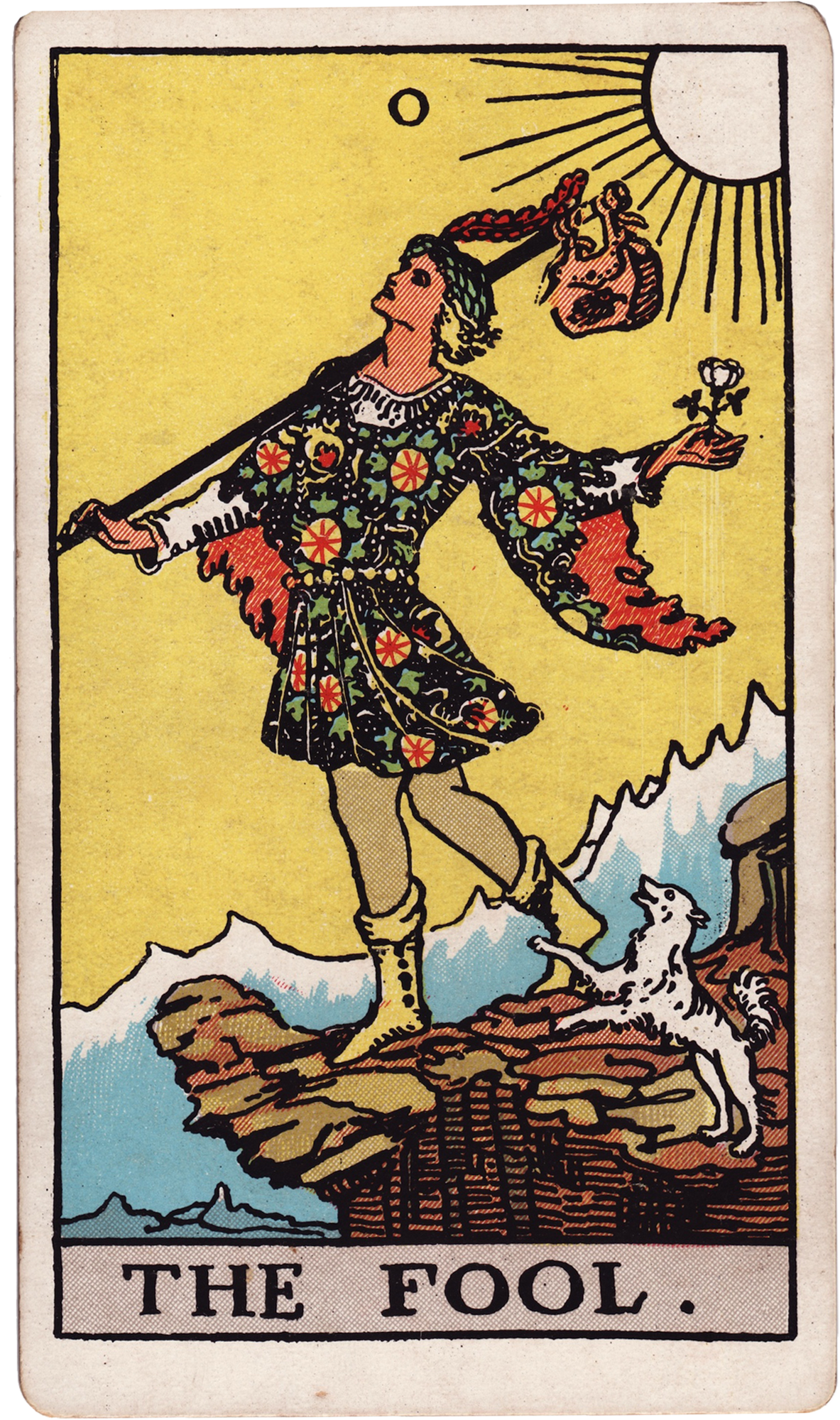 The Fool
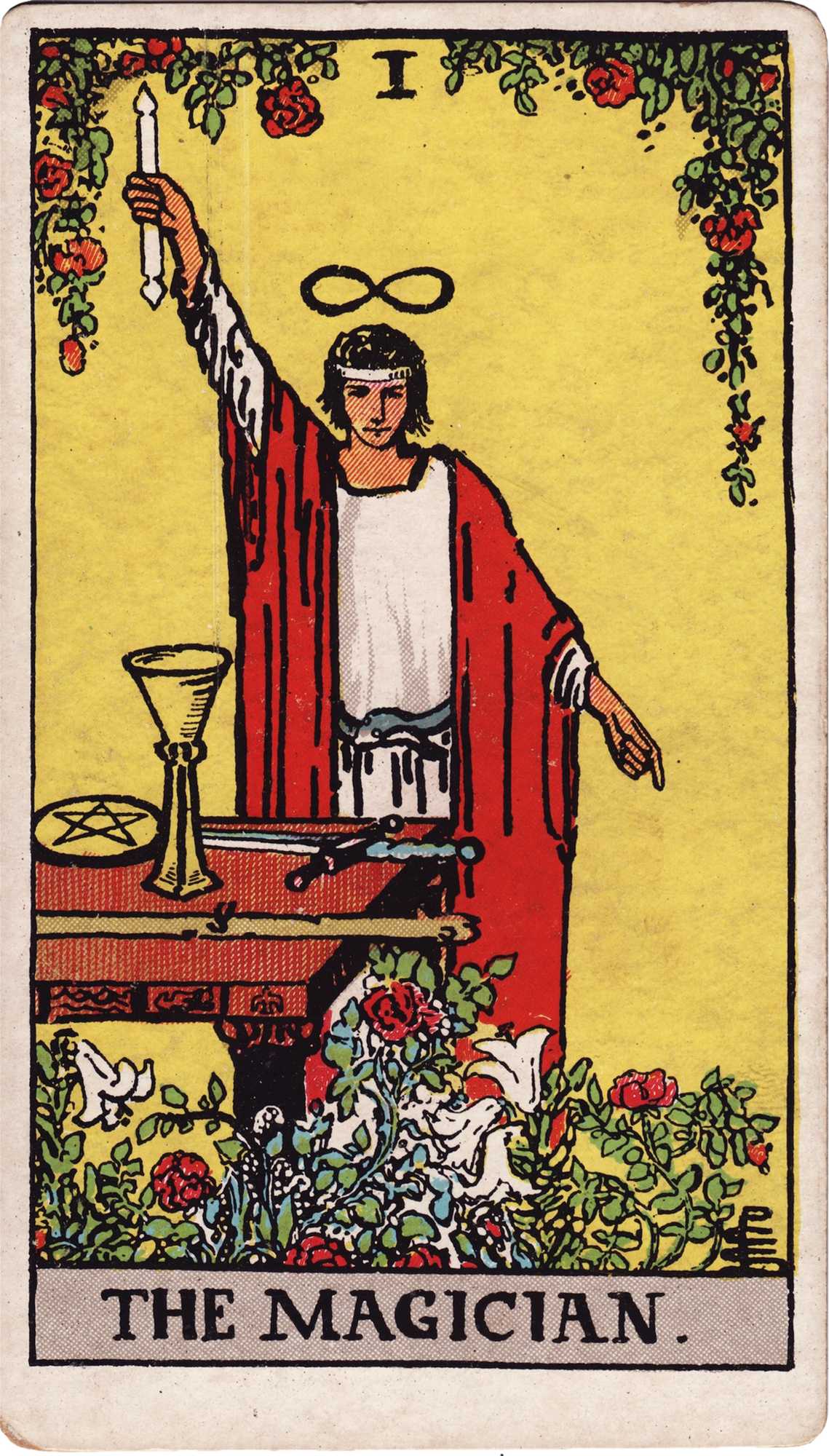 The Magician
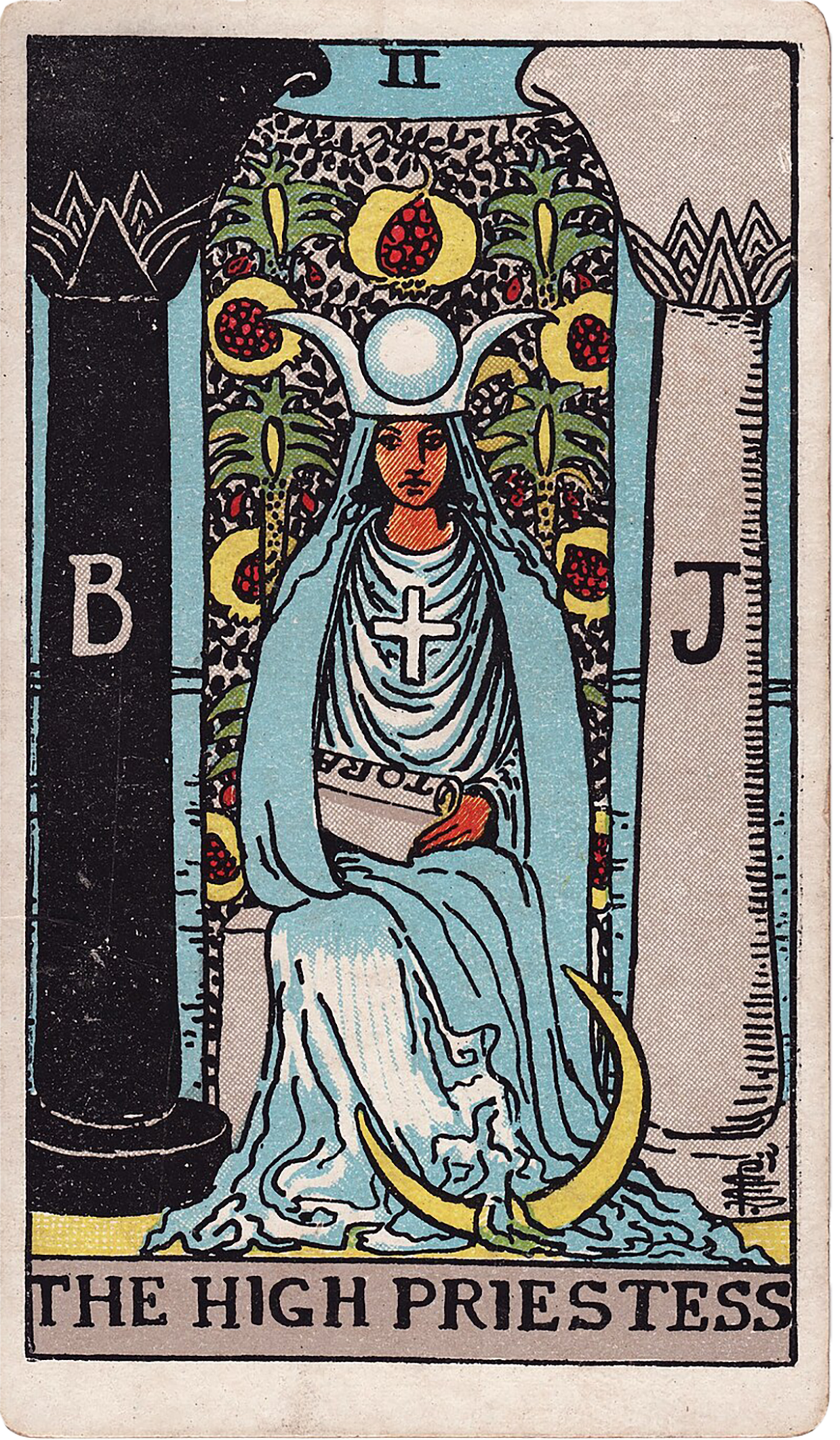 The High Priestess
Introduction: Why the Rider–Waite–Smith matters for modern readers
The Rider–Waite–Smith deck rewired how people across the English-speaking world look at tarot. Before it, many tarot cards—especially in Western Europe—were more decorative or heavily symbolic without unified pictorial storytelling. The RWS deck introduced full-scene images for the Major Arcana and a visual grammar that allowed ordinary readers to 'read' a card by looking at posture, props, expressions, and color. In this article we use three supplied RWS images—The Fool, The Magician, and The High Priestess—to show how that visual grammar informs interpretation and technique. These cards are not presented as divination guarantees; they are teaching images to help learners develop skills in observation, symbolic mapping, and interpretive logic.
Historical context: who made the deck and why it changed things
The RWS deck emerged in the early 20th century from a collaboration that combined esoteric thinking and a modern illustrative style. Its influence comes from two complementary shifts: first, the deliberate insertion of evocative, repeatable symbols into each card; second, the visual accessibility that allowed readers without specialist training to form narratives directly from the picture. That accessibility is precisely why the deck became a template for subsequent designers and many of the keywords and interpretations used by modern readers. When you look at The Fool, The Magician, and The High Priestess in the supplied images, you are looking at an interpretive system where posture (The Fool’s forward step), gesture (The Magician’s upward and downward hands), and threshold imagery (The High Priestess seated between pillars) carry interpretive weight in the same way words do in a text.
Visual innovations of the RWS deck illustrated by The Fool The Magician and The High Priestess
The Fool, The Magician, and The High Priestess demonstrate three core visual innovations of the RWS deck. 1) Scene-based narrative and action: The Fool is pictured mid-step near a cliff with a small dog and a knapsack, under a bright sun. That scene turns an abstract idea (innocent beginning) into a moment you can inhabit. When RWS introduced full scenes, readers could tell a story about motion, risk, and attention simply by looking. 2) Concrete tools as symbolic shorthand: The Magician stands before a table with representations of the four suits (a cup, sword, pentacle, and wand-like rod) and wears a lemniscate (infinite loop) above his head. RWS made objects into a vocabulary: a wand is action, a cup is feeling, a sword is thought, a pentacle is materiality. Those objects quickly became interpretive anchors for readers. 3) Threshold and veil imagery to show interiority: The High Priestess sits between two pillars, behind a veil patterned with pomegranates, with a crescent at her feet and a partial scroll. RWS uses spatial relationships and layered imagery to indicate inner knowing, hidden information, and receptivity. The picture compresses the idea of secrecy and inner authority into one tableau. These innovations turned tarot reading into an exercise of visual literacy: noticing posture, gaze, direction, surrounding landscape, and symbolic props to support an interpretive narrative.
Symbolic vocabulary: how to read colors gestures objects and direction
The RWS images are economical: color, gesture, and object placement carry meaning. Learning to parse those elements transforms a list of keywords into live interpretation. Anchor each parameter to the supplied cards as practice. - Color: Notice the bright golden sun behind The Fool—optimism, clarity, potential. The Magician’s red robe suggests will and activity while his white inner garment suggests purity of intention. The High Priestess’s blues and silvers lean toward calm, receptivity, and the unconscious. - Gesture: The Fool’s forward step and upward face show openness and movement into the unknown. The Magician’s right hand points upward and left hand downward, a classic Hermetic gesture meaning 'as above, so below'—intention made manifest. The High Priestess’s calm, seated pose shows restraint, inner attention, and a gatekeeper’s stillness. - Objects and placement: The Magician’s tools on the table imply mastery over the four domains of experience—mental, emotional, material, and active. The Fool’s small knapsack hints at minimal baggage; the loyal dog suggests instinct or social encouragement and a voice of caution. The High Priestess’s partially visible scroll (often read as a hidden law or inner tradition) and the pomegranate veil imply concealed knowledge and fertility of inner life. - Direction and thresholds: The Fool’s orientation toward the cliff edges and open horizon suggests movement and choice; the High Priestess’s central, symmetrical placement between pillars defines a boundary—she allows passage but also withholds. Directionality (who faces where) creates narrative tension you can use in a reading.
How the RWS deck shaped interpretive practice upright reversed and narrative reading
Two durable interpretive habits trace back to RWS: the use of short 'keyword' meanings and the visual narrative approach. Modern interpretive training often blends both. The labels you see in many primers—The Fool as new beginning, The Magician as focused agency, The High Priestess as inner knowing—derive from the deck’s imagery. The supplied card contexts also include upright and reversed descriptions. For learners, the upright descriptions emphasize constructive qualities to work with: The Fool upright asks the reader to start with curiosity and proportional steps; The Magician upright asks where skill can be deployed deliberately; The High Priestess upright recommends listening beneath surface appearances. The reversed descriptions shift attention to blocks or distortions: The Fool reversed toward recklessness or avoidance; The Magician reversed toward manipulation or scattered talent; The High Priestess reversed toward secrecy or misread intuition. RWS normalized the idea that the same image could represent a range of dynamics depending on orientation and context. Narrative reading is another contribution: RWS images invite sequencing. Rather than treating cards as isolated dictionary entries, readers are encouraged to make a story—movement from The Fool’s beginning through The Magician’s action to The High Priestess’s interior threshold, for example. This narrative tendency makes readings more coherent and psychologically meaningful, but it also requires discipline to avoid forcing a story where none fits.
Practical reading method anchored to the supplied cards
Below is a step-by-step method to build readings from image to meaning, using The Fool, The Magician, and The High Priestess as practice material. 1) Observe first: Describe only what you see. For The Fool note: figure stepping, cliff, dog, knapsack, sun. For The Magician note: table of tools, lemniscate, one hand up one down. For The High Priestess note: pillars, veil of pomegranates, crescent at feet, a scroll. Keep this phase descriptive and nonjudgmental. 2) Note immediate associations: What feelings or narratives do the images evoke? The Fool may evoke excitement or naivety; The Magician urgency or capability; The High Priestess hush and boundary. Write brief associations. 3) Tie to upright/reversed possibilities: Refer to the supplied upright/reversed text for each card and decide whether the card's orientation supports the initial associations. For example, The Fool upright encourages 'starting before every detail is known'; The Fool reversed emphasizes 'recklessness or refusal to begin.' If the card is reversed, ask how the same scene would tilt. 4) Ask three practical questions: (a) Where does this image point in the querent's life? (b) What action or restraint does it suggest? (c) What inner quality is invited? Using The Magician upright, ask: Where can available skill be applied now? Using The High Priestess upright, ask: Where does the querent need to listen or wait? 5) Sequence and combine: If multiple cards appear, create a short narrative connecting their images. Example combinations: - The Fool upright + The Magician upright: A beginning is ready to be shaped; encourage a proportionate first move using available skills. Watch for The Fool’s dog as a companion or warning—maintain curiosity but check practicalities. - The Magician reversed + The High Priestess upright: Skills may be scattered or manipulative; the High Priestess asks for restraint and inner listening. The reading advises stepping back from performative action to consult inner standards. - The Fool reversed + The High Priestess upright: The querent may be stuck between wanting to begin and being immobilized by fear or avoidance. The High Priestess suggests that silence and boundary work can reveal which impulse is genuine. 6) Test with lived details: Ask the querent about concrete prompts the cards raised—specific skills, recent choices, or places of secrecy. Use their responses to refine the reading gently rather than overwrite the image-based narrative.
Examples that show interpretation logic in action
Example 1: Single-card draw — The Fool upright. Observation: a figure stepping forward, sun bright, dog near foot. Interpretation logic: The visual energy is forward-moving and open. Upright description suggests using 'curiosity over paralysis' and 'work with what is available now.' Practical reading: Recommend one small exploratory action—apply curiosity, set a modest next step, and identify the dog as a cautioning voice to check basic safety. Example 2: Two-card pairing — The Magician reversed + The High Priestess upright. Observation: The Magician’s tools are present but his orientation is off (reverse meaning: scattered talent or empty promises). The High Priestess shows stillness and a veil. Interpretation logic: The images suggest an imbalance: outer doing without inner alignment. Practical reading: Advise pause, internal review, and aligning technique with ethics before proceeding. Ask the querent which skills feel reliable and which feel performative. Example 3: Three-card micro-story — The Fool upright, The Magician upright, The High Priestess upright. Observation and narrative: A new chapter opens (Fool); skills are available to make a deliberate first move (Magician); inner listening will refine timing and depth (High Priestess). Interpretation logic: Progression from outward initiation to skilled application to inner consolidation. Practical reading: Move from a concrete small-step plan to identify one practical skill to deploy, then determine where reflection or waiting is necessary.
Common mistakes learners make with RWS imagery and how to avoid them
Mistake 1 — Keyword laziness: Treating the card as a single word (e.g., 'Fool = new beginning') flattens the image. Avoidance: Start with description, then map multiple possible meanings back to the picture. Mistake 2 — Literalism: Ignoring symbolic layering and reading the image in purely literal terms (e.g., thinking The Magician means a literal magician). Avoidance: Ask what each prop represents culturally and psychologically—tools as domains, gestures as intention. Mistake 3 — Forcing narrative: Crafting a story that ignores dissonant image details. Avoidance: Respect contradictions—if The Fool is accompanied by a dark horizon or The High Priestess looks away, let that complicate your reading. Mistake 4 — Overreliance on reversals: Assuming reversed cards always mean 'bad.' Avoidance: Use the supplied reversed descriptions as pointers to distortion, blockage, or private dynamics rather than moral judgments. Mistake 5 — Ignoring cultural and historical layers: Forgetting that RWS is one tradition among many. Avoidance: Learn the deck’s history, then compare its imagery with other decks as an exercise in symbolic range.
Practical exercises to build visual literacy with these images
Exercise 1 — Daily observation: Pull one of the supplied cards each morning and spend five minutes writing only observations (no interpretation). After a week, do an interpretation round and note patterns. Exercise 2 — Focused pairings: Shuffle and draw two of the supplied cards together repeatedly and write micro-stories that connect gestures and objects. Compare different stories for the same pair to practice nuance. Exercise 3 — Role-play questions: For each card, write three different querent questions the card could answer. For The High Priestess, examples: 'What should I hold private?' 'Where is patience required?' 'What inner resource is untapped?' Exercise 4 — Reversal sensitivity: Lay a card reversed and write three constructive, psychologically oriented meanings based on the supplied reversed descriptions—focus on blockage, correction, or internalization. Exercise 5 — Translation practice: Take a written issue from a journal and translate it into a three-card layout using only The Fool, The Magician, and The High Priestess across imaginative placements (past, present, guidance). Practice explaining your translation in plain language.
Conclusion and next steps for learners
The Rider–Waite–Smith deck shaped modern tarot by making images the engine of interpretation. The Fool, The Magician, and The High Priestess show how posture, objects, color, and thresholds work together to deliver layered meaning. The technique taught here—observe, associate, reference upright/reversed descriptions, ask practical questions, and sequence carefully—turns pictorial cues into responsible insight. Next steps: continue training visual literacy with these cards, read primary source material about the deck's creation, and experiment with combining image-led interpretation with ethical questioning. Over time the images will stop being foreign symbols and become a trustworthy vocabulary for clarifying choices and inner dynamics.
Practice questions
• When you look at The Fool image, what are three concrete visual details you can describe without interpretive words?
• How does The Magician’s gesture (one hand up, one hand down) change in meaning when the card is upright versus reversed?
• In what situation might The High Priestess upright advise action rather than silence? What visual evidence in the card would support that?
• Think of a recent choice you made. Which of the three supplied cards would have represented the starting impulse, which the skill needed, and which the inner check? Explain how the imagery maps to each role.
• What are signs in each image that would signal a need for caution or delay versus encouragement to move forward?
• How might an overreliance on single-word keywords distort a reading based on these images?
Comments
Sign in to comment.
Continue learning
Understanding the Synergy Between The Empress and The Emperor in Tarot Card Combinations
This article delves into the intricate synergy between The Empress and The Emperor cards in Tarot, focusing on how their combined energies modify and enrich readings across various...
Using the Career Five Card Spread to Identify Growth Opportunities and Challenges
This article explores the Career Five Card Spread, a practical tarot method designed to spotlight growth opportunities, strengths, and obstacles within a career context. By analyzi...
Advanced Techniques for Combining The Moon and The Star to Enhance Intuition in Tarot Readings
This article explores advanced techniques to combine the symbolism and energy of The Moon and The Star Tarot cards to enhance intuition during Tarot readings. Drawing from traditio...
Unlocking Life Insights with the Celtic Cross Tarot Spread
This article offers a thorough exploration of the Celtic Cross Tarot Spread, focusing on its application within family and practical life contexts. Using a worked example featuring...
Decoding Transformation and Renewal with Death and The Star in Tarot Combinations
This article delves into the card combination of Death and The Star, two powerful Major Arcana cards from the Rider-Waite-Smith deck. It explores how their imagery and meanings int...
Enhancing Clarity in Complex Choices with the Five Card Cross Tarot Spread
The Five Card Cross Tarot Spread is a practical tool designed to clarify complex choices by breaking down the decision into manageable parts. This article explores each position in...
Using the Five Card Cross Tarot Spread to Navigate Career Changes with Confidence
The Five Card Cross Tarot Spread is a versatile and insightful tool for navigating career changes. This article guides learners through the method step-by-step using a practical ex...
Unlocking Personal Insight with the Seven Card Horseshoe Spread
The Seven Card Horseshoe Spread is a practical and insightful Tarot layout ideal for exploring personal and family dynamics. This article breaks down each position—Past, Present, H...
Finding Emotional Healing and Renewal with The Star and The Moon Tarot Combination
This article examines the rich interplay between The Star and The Moon tarot cards when they appear together in a reading. Using the traditional Rider-Waite-Smith symbolism and the...
Using the Career Five Card Spread to Uncover Professional Strengths and Opportunities
This article presents a comprehensive guide to the Career Five Card Spread, designed to help learners explore professional strengths and opportunities using five specific Tarot car...