
Mastering the Art of Tarot Timing with the Three Card Spread
Timing in tarot reading is a subtle but powerful skill that can add clarity and depth to your interpretations, particularly when approached through a structured Three Card Spread. This article guides learners from foundational concepts to advanced techniques, emphasizing practical application and interpretation logic. Using The Fool, The Hanged Man, and Judgement cards as primary visual and symbolic anchors, readers will grasp how to navigate timing questions effectively. The article details reading methods, common pitfalls, and how to weave timing insights into broader narrative readings without resorting to deterministic predictions.
Cards explored in this article
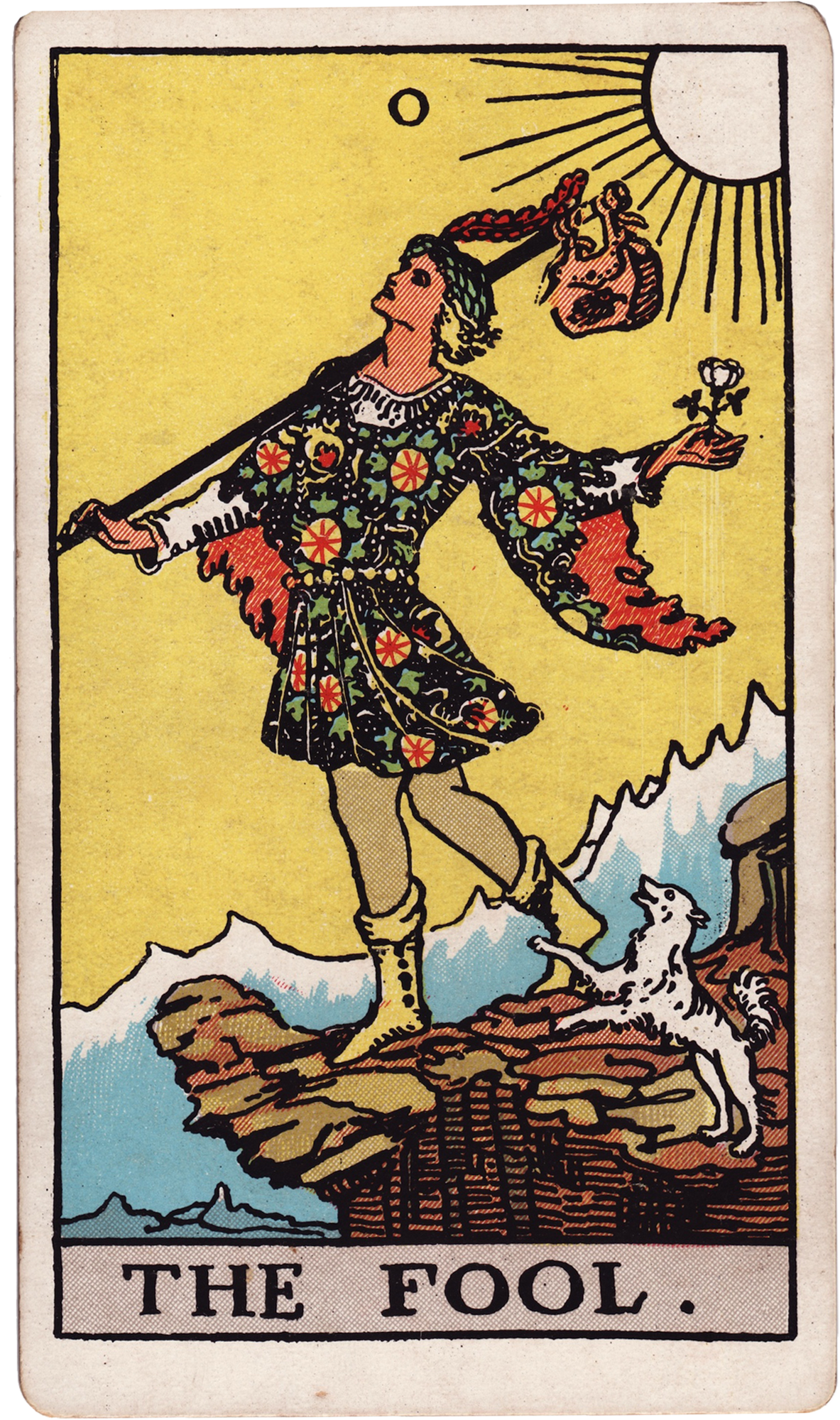 The Fool
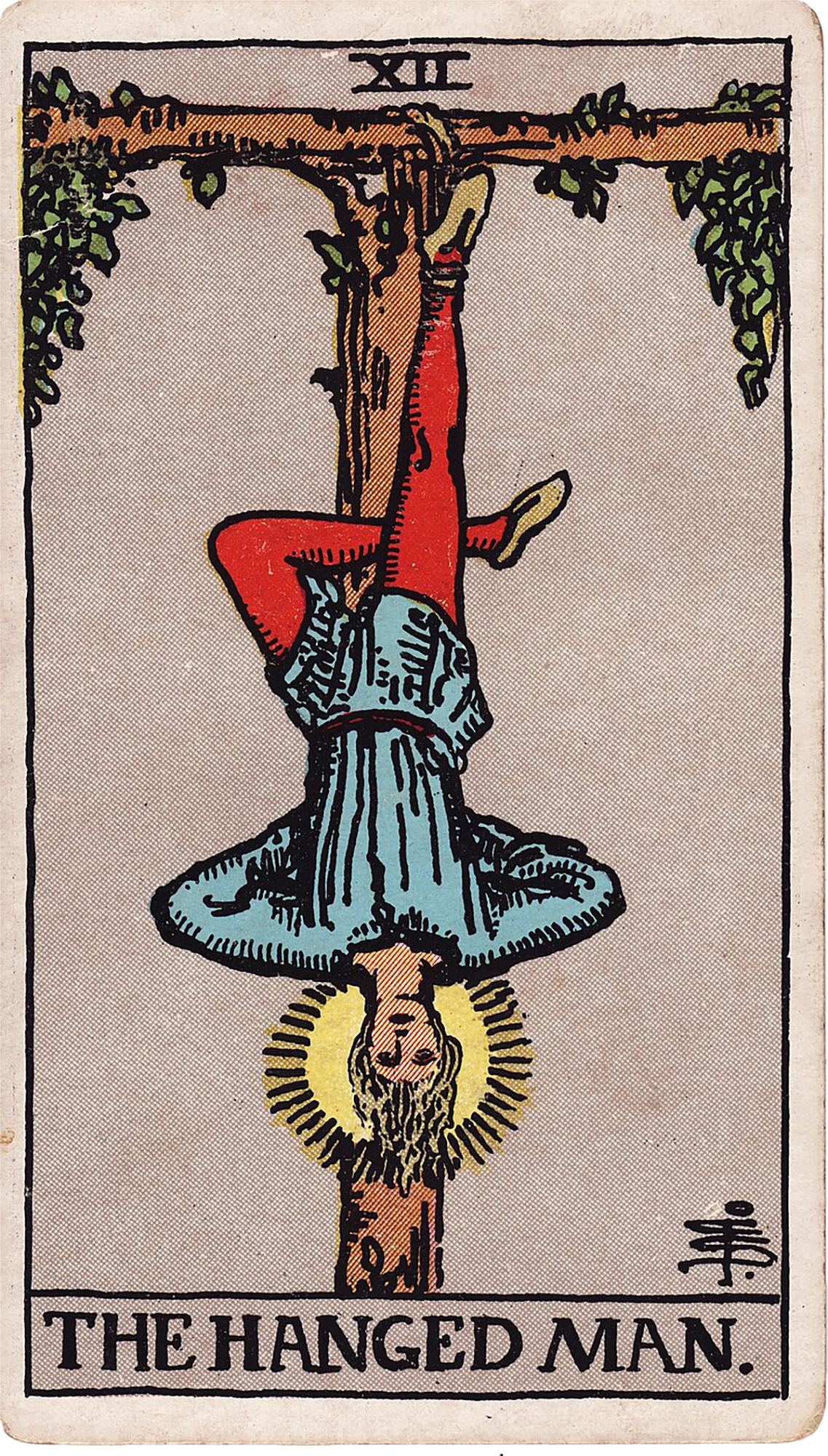 The Hanged Man
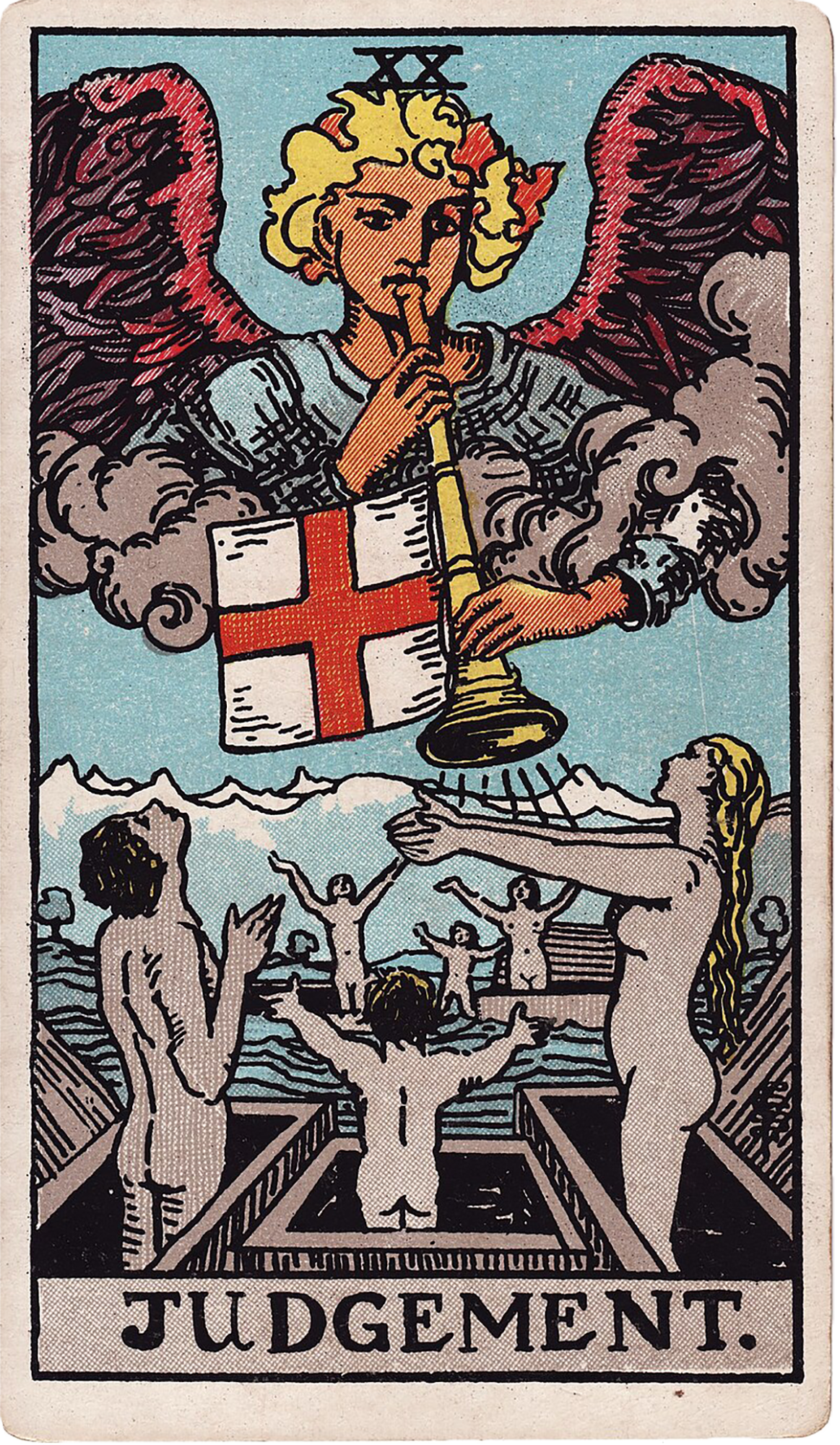 Judgement
Understanding Tarot Timing and Its Importance
Timing in tarot is about discerning when events or energies are most likely to manifest or evolve, rather than predicting fixed future moments. It enriches readings by providing context about progression phases—whether something is beginning, in pause, or culminating. Unlike fortune telling focused on exact dates, tarot timing emphasizes natural rhythms and the readiness of the querent or situation to engage with change. This approach respects free will and the fluidity of personal growth. The Three Card Spread, with its straightforward layout, offers a balanced framework to explore timing by dividing the reading into past, present, and future or into phases of development, making it ideal for both beginners and advanced readers.
The Three Card Spread as a Timing Tool
The Three Card Spread traditionally draws cards to represent sequential phases, often past, present, and future, or problem, action, and outcome. For timing, these positions can be interpreted as 'when to start,' 'when to pause or reconsider,' and 'when to act or conclude.' This simple structure invites clarity and avoids overwhelming the querent with too many details. It also allows the reader to anchor the flow of time visually and symbolically. Using this spread, timing becomes less about rigid schedules and more about phases of readiness and transformation, which is well illustrated by the featured cards—The Fool, The Hanged Man, and Judgement.
Anchoring Timing with The Fool in the Three Card Spread
The Fool card, upright, symbolizes beginnings, openness, and the leap into the unknown. In timing, it suggests that 'now' or the immediate moment is ripe for starting a new chapter even without all details known. The Fool encourages embracing curiosity and taking proportionate steps forward. For example, when The Fool appears in the first position of the spread, it may indicate the timing is now to initiate something without waiting for perfect conditions. Conversely, if reversed, The Fool signals hesitation, recklessness, or avoidance of beginning, suggesting that the querent may not yet be ready or is resisting the timing to start. This nuance is critical: The Fool’s timing lesson is about the quality of readiness rather than exact moments, urging readers to observe where in life the situation demands a conscious step forward.
Interpreting The Hanged Man Within Timing Phases
The Hanged Man embodies deliberate pause, surrender, and perspective shift. Positioned in the middle of the Three Card Spread, it often represents a necessary waiting period or a reflective phase between initiation and resolution. Upright, this card advises the querent to use this time constructively, releasing control and embracing new viewpoints to deepen understanding. This phase in timing is not about wasted delay but meaningful suspension, preparing for the next step. Reversed, The Hanged Man warns of stagnation or refusal to learn from the pause, implying that the timing is off due to resistance or fear of change. This card teaches that not all delays are setbacks; some are integral to the timing process, marking when to stop pushing and start observing.
Judgement’s Role in Timing and Resolution
Judgement, upright, represents review, awakening, and decisive transformation. As the final card in the Three Card Spread timing sequence, it often signals the moment of informed decision or the culmination of a cycle. It encourages honest assessment of past actions and readiness to answer the call for change. This is the timing of action based on integration and clarity, where the querent applies lessons learned during the pause (The Hanged Man) and the initial step (The Fool). Reversed Judgement implies self-judgment paralysis, avoidance of accountability, or repeated cycles without progress, indicating that the timing for resolution may be delayed until inner work is done. In timing readings, Judgement teaches that the culmination phase is about conscious choice and accountability rather than inevitability.
Practical Step-by-Step Method for Timing with the Three Card Spread
1. Begin by clarifying the querent’s question with a focus on timing: avoid asking for exact dates. Instead, ask about phases or readiness. 2. Shuffle and draw three cards, placing them left to right in the spread. 3. Assign positions: first for initiation/start, second for pause/reflection, third for resolution/action. 4. Interpret the cards in this framework, anchoring their imagery and upright/reversed meanings to timing phases. 5. Look for thematic connections: Does the first card encourage beginning now? Does the second suggest a pause or resistance? Does the third indicate readiness for conclusion or decision? 6. If any card is reversed, consider where energy may be blocked or delayed in the timing sequence. 7. Use follow-up questions to refine understanding of timing phases rather than specific outcomes. 8. Summarize the timing story to the querent, emphasizing fluidity and personal agency.
Common Mistakes and How to Avoid Them
A frequent error is treating timing cards as exact calendar predictors. Tarot timing is best viewed as phases or states of readiness, not fixed dates. Avoid overloading the spread with timing questions or mixing timing with 'what will happen' queries. Another mistake is neglecting reversals’ nuanced meanings—reversed cards often indicate internal or psychological timing blocks rather than external delays. Also, ignore neither the card imagery nor traditional Rider-Waite-Smith symbolism; for example, The Fool’s imagery of stepping off a cliff with a dog reminds readers to balance risk with awareness in timing. Lastly, resist delivering deterministic conclusions; timing reading should empower querents to act consciously, not helplessly await fate.
Advanced Techniques for Deepening Timing Insight
Experienced readers can enhance timing readings by integrating numerology of card positions, elemental dignities, and layering additional clarifying cards if needed. For example, interpreting The Fool (number 0) as 'timeless potential' and The Hanged Man (number 12, reducing to 3) as a transformative pause can add subtlety. Pairing timing spread insights with planetary or astrological correspondences may also offer richer context. Additionally, tracking repeated appearances of timing cards across multiple readings can reveal evolving readiness or resistance patterns. When interpreting The Judgement card, consider the cycles of self-reflection it depicts and how they relate to developmental timing rather than external schedules. These advanced approaches require experience but deepen the reader’s ability to guide querents through timing challenges with wisdom and nuance.
Case Example Applying The Fool, The Hanged Man, and Judgement in Timing
Imagine a querent asking about starting a new family project. The spread draws The Fool upright in position one, The Hanged Man reversed in position two, and Judgement upright in position three. The Fool encourages immediate initiation with openness and curiosity. The reversed Hanged Man suggests the querent is experiencing resistance or impatience during a necessary pause, possibly pushing too hard or avoiding the reflective phase. Judgement upright indicates that a clear decision or evaluation will come later, but only after the querent learns to respect the pause. The timing advice might be: start now but honor moments of reflection to avoid burnout, and prepare for a conscious decision or transformation when the time matures. This example illustrates how timing phases and card meanings combine to create a dynamic temporal narrative.
Integrating Timing Into Your Overall Reading Practice
Timing should complement, not dominate, your reading. Use timing spreads as a focused tool when the question naturally invites temporal insight. Always emphasize fluidity and free will, reminding querents that timing signals readiness and opportunity, not unchangeable destiny. Reflect on how timing phases link to the querent’s emotional and psychological readiness as well as external circumstances. Encourage journaling or follow-up readings to monitor changes in timing dynamics. Over time, combining timing practice with your intuitive sense and knowledge of tarot symbolism—anchored by cards like The Fool, The Hanged Man, and Judgement—will enhance your confidence and depth as a reader.
Practice questions
• How does viewing timing as phases rather than fixed dates change the way you approach tarot readings?
• In what ways do The Fool, The Hanged Man, and Judgement illustrate different moments in a timing narrative?
• How can reversals inform you about internal or psychological blocks to timing rather than external delays?
• What strategies can you use to balance timing insights without overwhelming the querent with exact predictions?
• How might integrating numerology or astrological correspondences deepen your understanding of timing in readings?
Comments
Sign in to comment.
Continue learning
Understanding the Synergy Between The Empress and The Emperor in Tarot Card Combinations
This article delves into the intricate synergy between The Empress and The Emperor cards in Tarot, focusing on how their combined energies modify and enrich readings across various...
Using the Career Five Card Spread to Identify Growth Opportunities and Challenges
This article explores the Career Five Card Spread, a practical tarot method designed to spotlight growth opportunities, strengths, and obstacles within a career context. By analyzi...
Advanced Techniques for Combining The Moon and The Star to Enhance Intuition in Tarot Readings
This article explores advanced techniques to combine the symbolism and energy of The Moon and The Star Tarot cards to enhance intuition during Tarot readings. Drawing from traditio...
Unlocking Life Insights with the Celtic Cross Tarot Spread
This article offers a thorough exploration of the Celtic Cross Tarot Spread, focusing on its application within family and practical life contexts. Using a worked example featuring...
Decoding Transformation and Renewal with Death and The Star in Tarot Combinations
This article delves into the card combination of Death and The Star, two powerful Major Arcana cards from the Rider-Waite-Smith deck. It explores how their imagery and meanings int...
Enhancing Clarity in Complex Choices with the Five Card Cross Tarot Spread
The Five Card Cross Tarot Spread is a practical tool designed to clarify complex choices by breaking down the decision into manageable parts. This article explores each position in...
Using the Five Card Cross Tarot Spread to Navigate Career Changes with Confidence
The Five Card Cross Tarot Spread is a versatile and insightful tool for navigating career changes. This article guides learners through the method step-by-step using a practical ex...
Unlocking Personal Insight with the Seven Card Horseshoe Spread
The Seven Card Horseshoe Spread is a practical and insightful Tarot layout ideal for exploring personal and family dynamics. This article breaks down each position—Past, Present, H...
Finding Emotional Healing and Renewal with The Star and The Moon Tarot Combination
This article examines the rich interplay between The Star and The Moon tarot cards when they appear together in a reading. Using the traditional Rider-Waite-Smith symbolism and the...
Using the Career Five Card Spread to Uncover Professional Strengths and Opportunities
This article presents a comprehensive guide to the Career Five Card Spread, designed to help learners explore professional strengths and opportunities using five specific Tarot car...