
Preparing for Parenthood with the Seven Card Horseshoe Spread
This article teaches readers how to use the seven card horseshoe spread specifically to explore readiness for parenthood. Using the supplied cards in order, the piece explains each position, ties Rider Waite Smith symbolism to interpretation, shows card to card relationships, and offers step-by-step instructions and practice tips so learners can reproduce the spread with confidence.
Seven Card Horseshoe
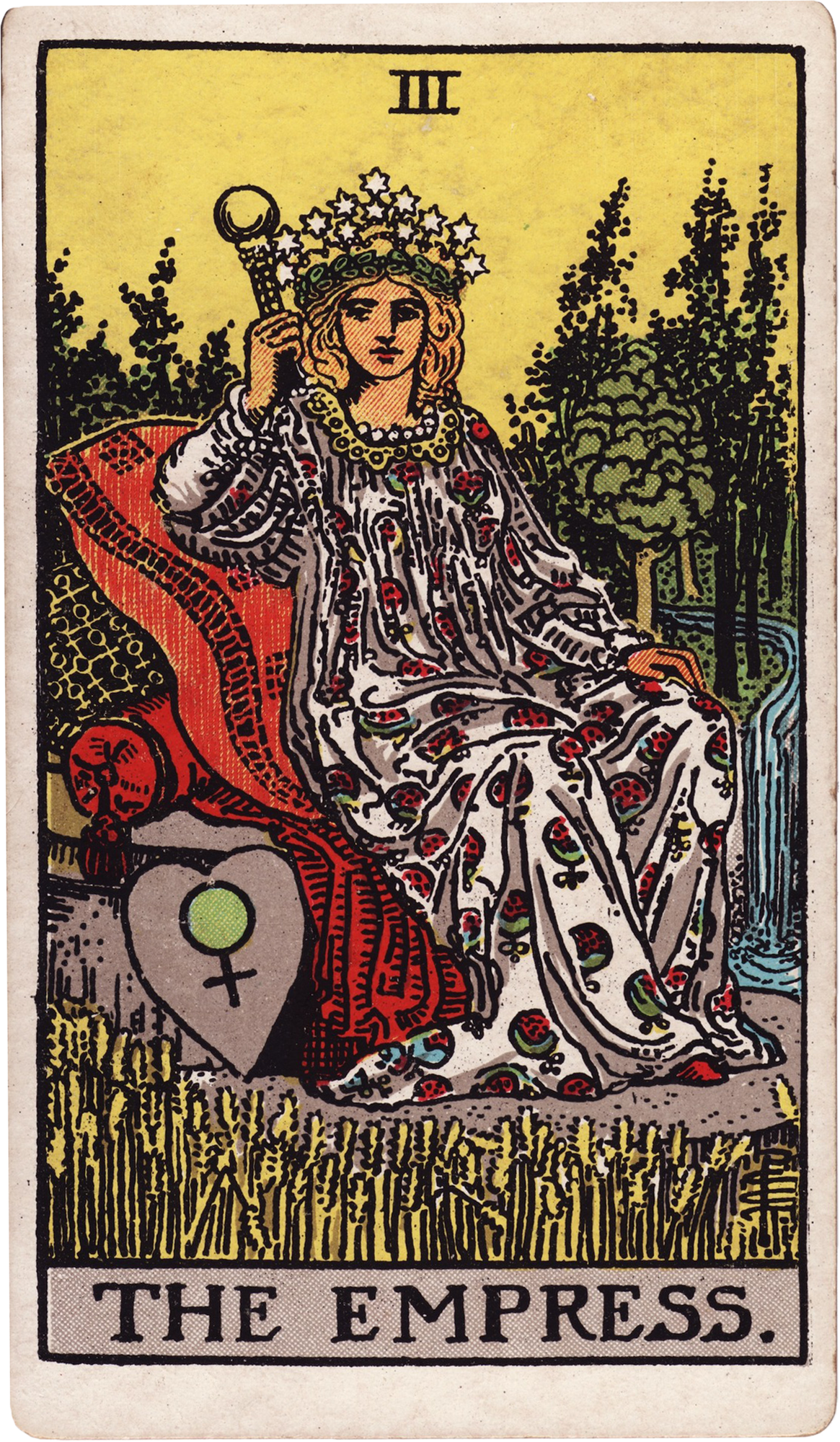 PastThe Empress
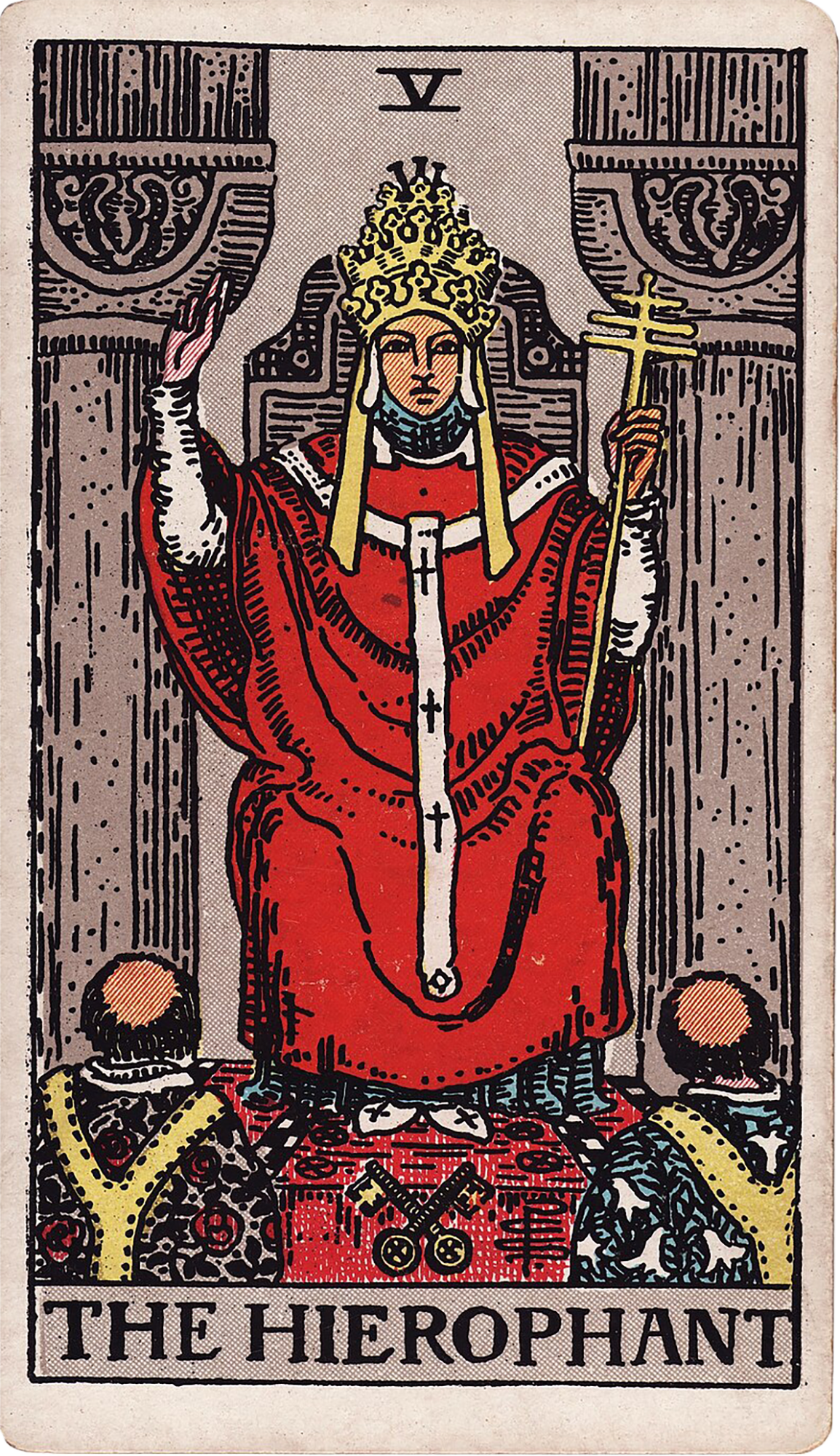 PresentThe Hierophant
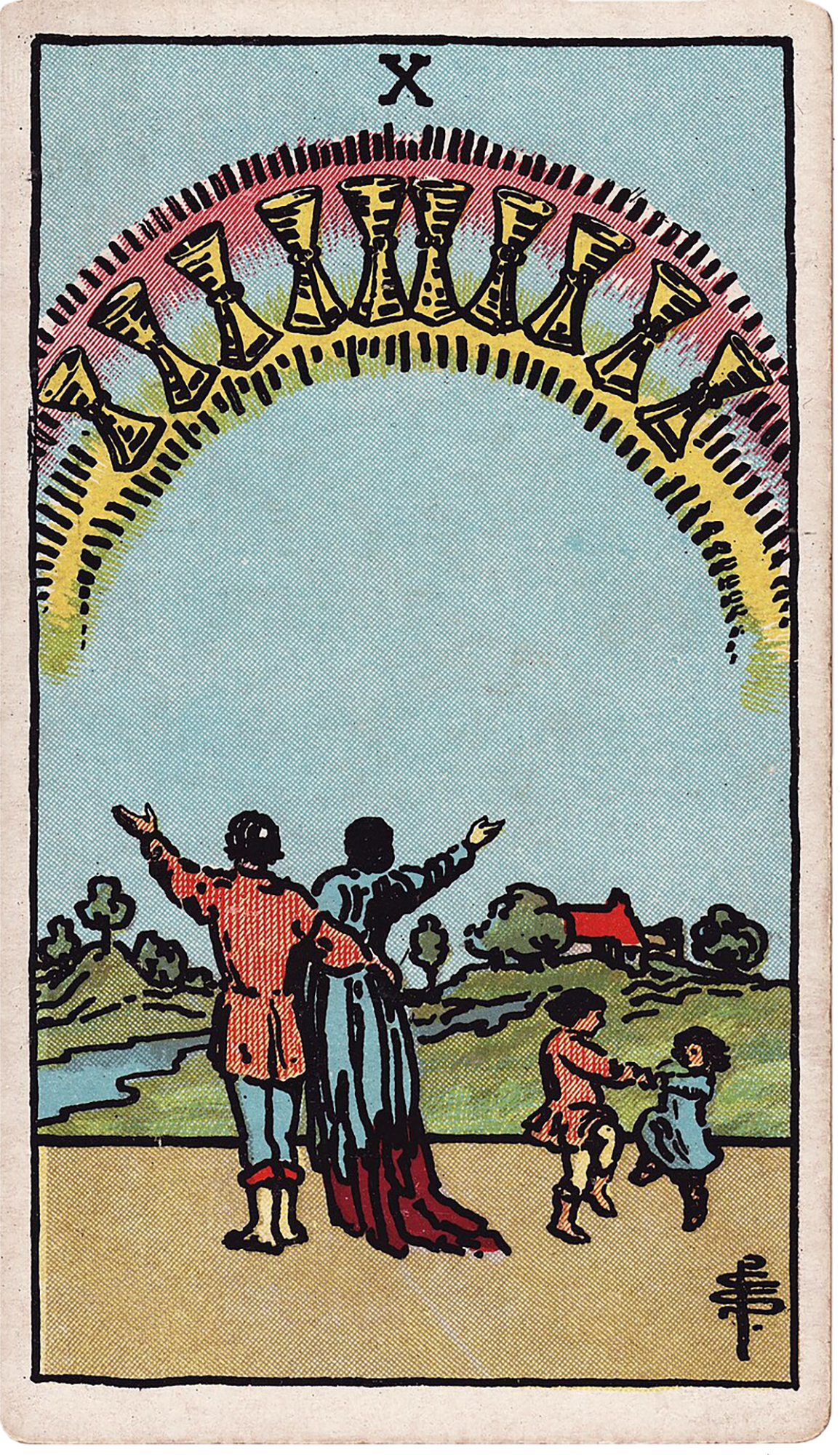 Hidden Influence10 of Cups
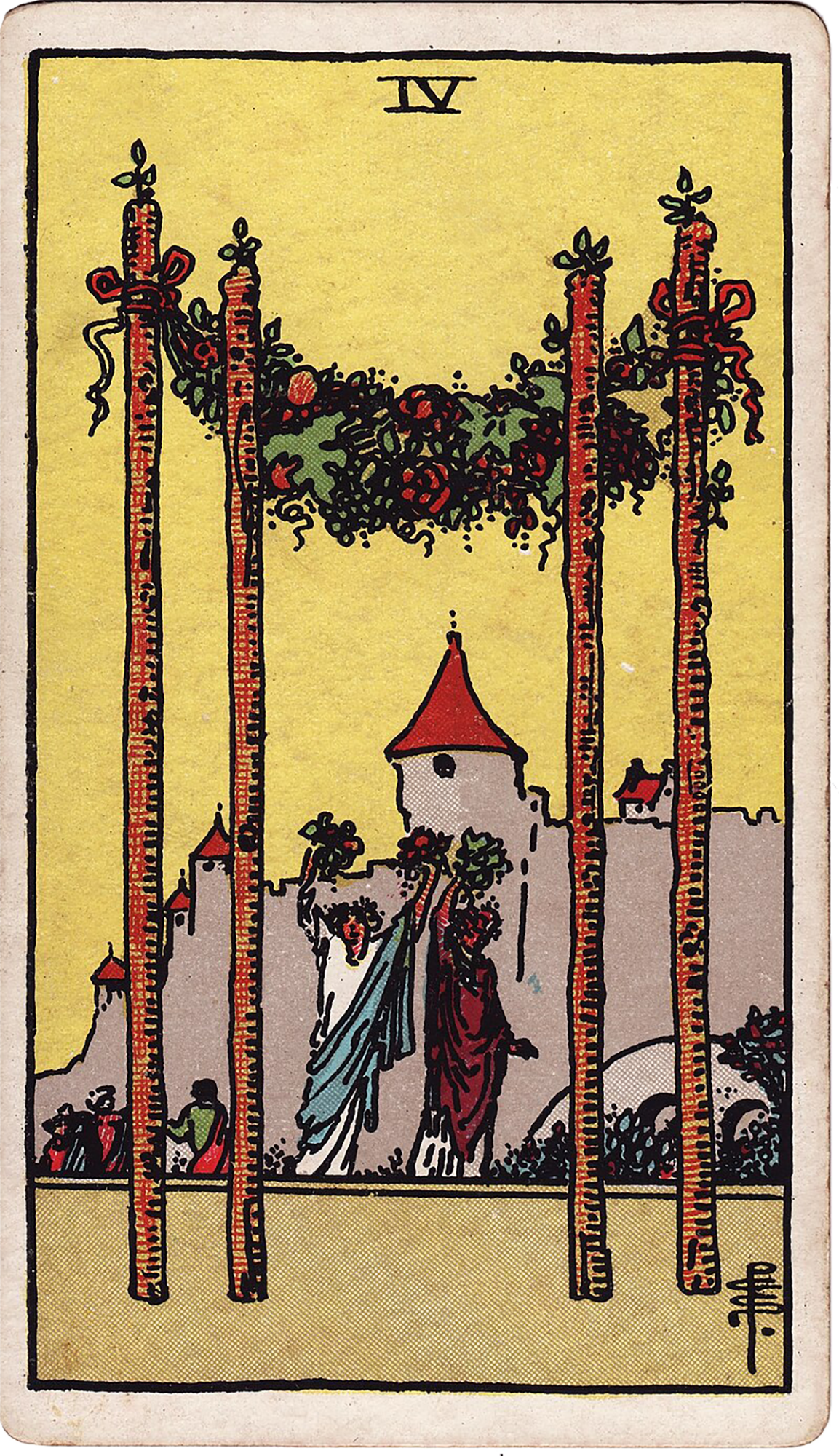 Obstacle4 of Wands
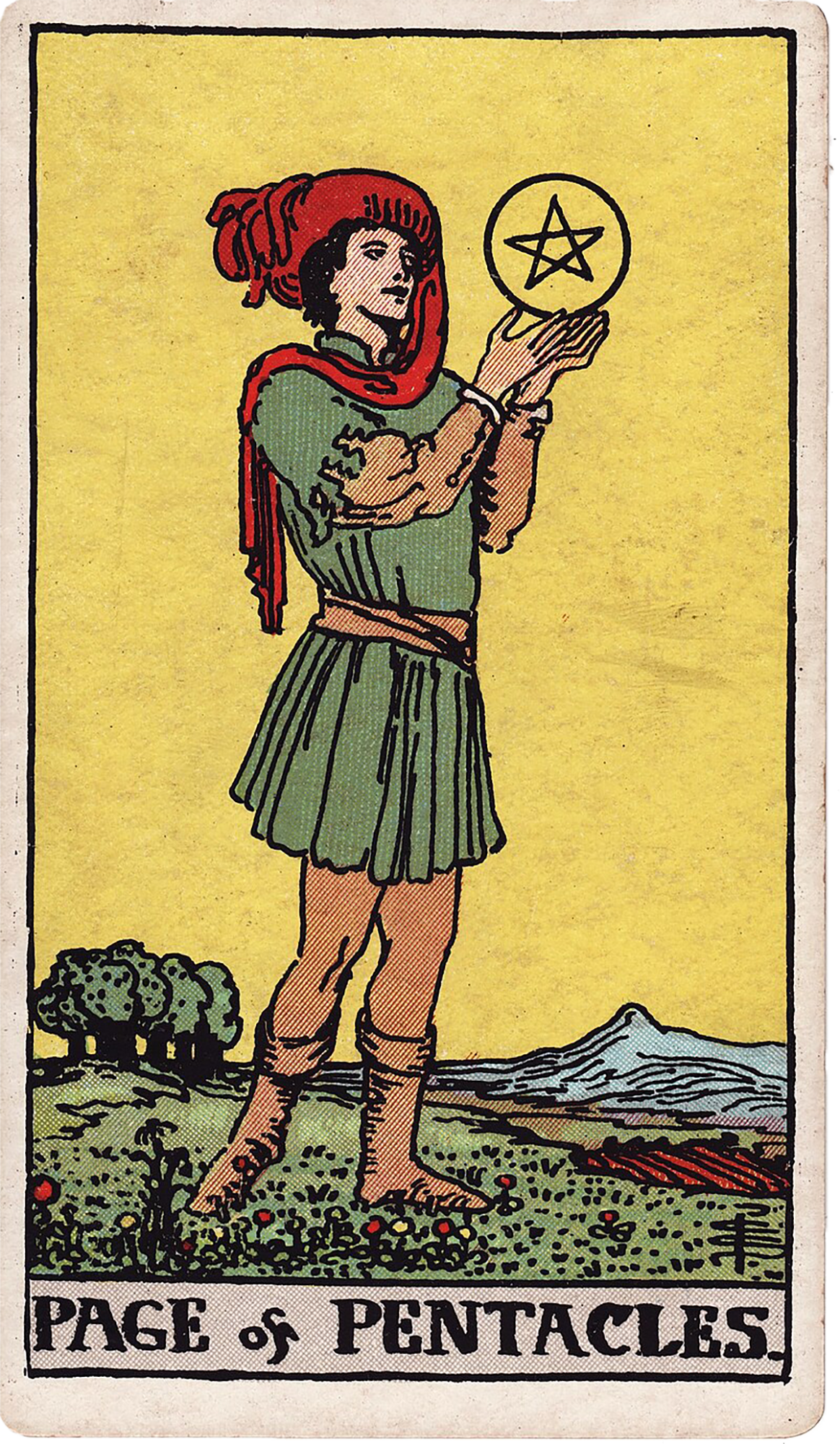 EnvironmentPage of Pentacles
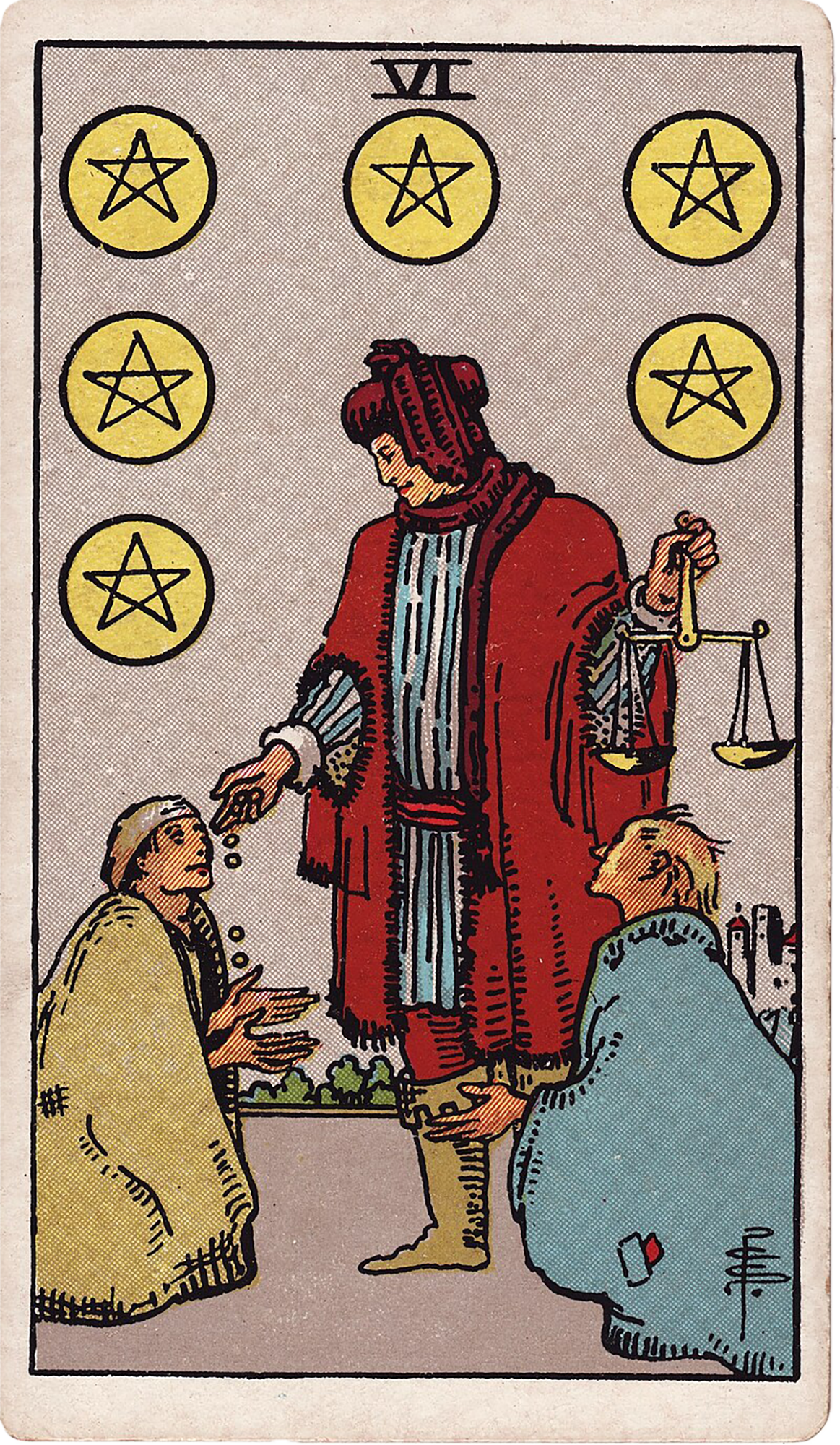 Advice6 of Pentacles
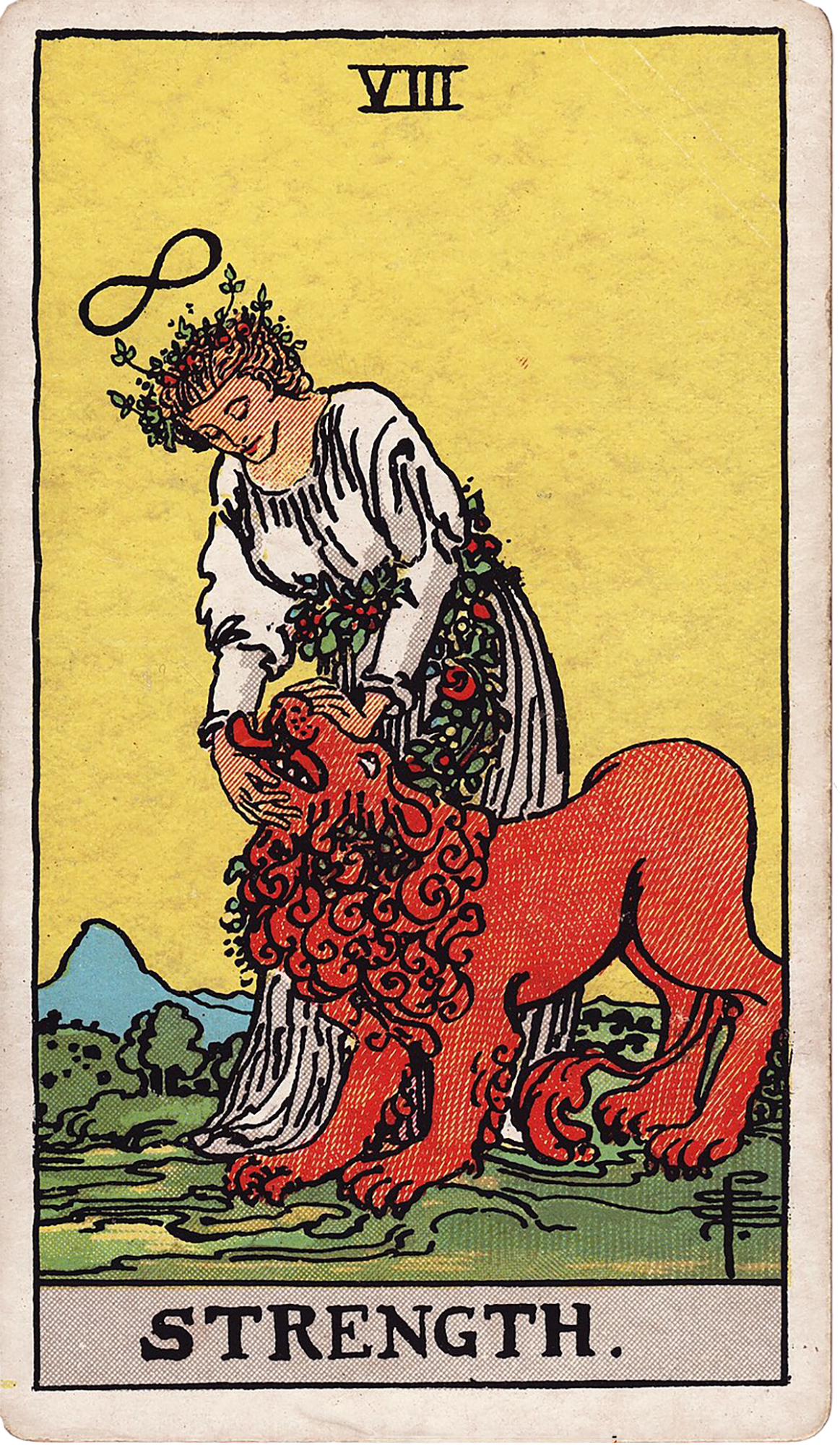 OutcomeStrength
Introduction and purpose
This article is a focused, instructional walkthrough of the seven card horseshoe spread used to explore questions around preparing for parenthood. It is written for learners who want clear technique, concrete examples, and repeatable methods rather than promises of prediction. The cards used in this worked example are, in order: The Empress, The Hierophant, Strength, 4 of Wands, 10 of Cups, 6 of Pentacles, and Page of Pentacles. The public article will display images of these exact cards, and the discussion below repeatedly anchors interpretation to their imagery and conventional Rider Waite Smith symbolism. Treat this reading as a counseling tool: it clarifies dynamics, highlights choices, and suggests practical next steps when you or a querent are thinking about becoming a parent.
When to use the horseshoe spread for preparing for parenthood
The seven card horseshoe spread is particularly well suited to process-oriented questions. It works best when the querent wants to understand stages, influences, obstacles, support networks, and practical next steps. Use it when you need more nuance than a three or five card spread can provide but still want a relatively quick session. Typical questions that fit this spread include: how ready am I emotionally and materially for a child, what unseen factors should I consider, what practical steps will help, and what outcome is likely if I take a particular approach. This spread balances inner state with external systems, which is ideal for the complex topic of family planning.
Layout and position meanings
The stretch of seven positions in the horseshoe forms a narrative flow that is easy to follow. Lay the cards left to right in a shallow curve. Use this fixed order: Past, Present, Hidden Influence, Obstacle, Environment, Advice, Outcome. Briefly, the positions mean: - Past: background patterns, formative events, and what has led to the current question. - Present: the immediate situation and the energies around it now. - Hidden Influence: unconscious drives, resources not yet accessed, or subtle emotional currents. - Obstacle: direct challenges, practical or emotional blocks to progress. - Environment: external people, cultural norms, social or household conditions that shape the situation. - Advice: the practical action or attitude that will most help move the situation forward. - Outcome: a likely short- to medium-term result if current trends and advice are followed. When using this spread for parenthood questions, emphasize both internal readiness and external systems. The Past and Present show longer arc patterns; Hidden Influence and Obstacle show inner and outer work; Environment, Advice, and Outcome ground the reading in practical reality.
Reading the spread card by card with imagery and meaning
The following section reads each supplied card in its assigned position. All cards are treated upright for this worked example. Where Rider Waite Smith imagery is relevant, the text will point to concrete visual elements you can look at on the displayed images. 1) Past position: The Empress The Empress in the Past position shows that the querent's history includes a strong theme of nurturance, fertility, and material care. Visually note the wheat field, the throne, and the Venus symbol often associated with the Empress in RWS decks. These images point to earlier periods where care and creativity were primary energies. For a parenthood query this might mean a childhood with abundant caretaking, a past relationship in which nurturing was central, or a season of life when projects and relationships flourished because of consistent attention. The upright card's supplied meaning emphasizes creating conditions for growth through consistent care and attention. As past context, the Empress suggests a platform of embodied, practical competence and a memory of what it feels like to be cared for or to provide consistent caregiving. Interpretive cues for learners: treat the Empress as resources of skill and experience rather than a guarantee. Ask which specific caring practices, financial preparation, or relationship patterns from the past can be repeated or adapted now. 2) Present position: The Hierophant The Hierophant appears in Present to indicate that current energy is organized around established wisdom, rules, and seeking qualified guidance. Look at the figure on a throne between pillars, the ritual gesture and often the crossed keys motif. In a parenthood reading this signals that the querent is currently consulting authorities, thinking about institutional requirements, worrying about traditions, or seeking certification and professional support. It can also mean the couple or family is considering recognized pathways such as adoption processes, medical advice, prenatal programs, or religious and cultural expectations about childrearing. Interpretive cue: The Hierophant encourages learning the rules before you commit. In practice, this may point to signing up for prenatal classes, consulting a pediatrician or fertility specialist, or discussing cultural and familial expectations with a counselor. 3) Hidden Influence position: Strength Strength in Hidden Influence shows that an inner resource of calm courage, patience, and steady self-respect is silently shaping the situation. On most RWS decks the woman gently holds or soothes a lion, with the infinity symbol above her head. This image suggests access to a steady center that can meet intensity without reacting from fear. For parenthood this is powerful: even if the querent feels uncertain, Strength says there is an internal capacity to manage intensity, to regulate frustration, and to respond with compassion rather than reactivity. As a hidden influence it may not be visible to family members, but it supports persistence and resilience. Interpretive cue: Ask the querent to name a moment when they were unexpectedly patient or brave. That memory is the psychological resource Strength refers to. 4) Obstacle position: 4 of Wands The 4 of Wands in Obstacle signals that celebrations or appearances of stability could mask instability, or that practical domestic concerns around home and timing are creating friction. The familiar RWS imagery shows garlands, a stable structure and often figures who are celebrating. Upright the card highlights stable milestones and shared joy, but in the obstacle position you must read its shadowed angles: Is there pressure to congregate, to stage an idealized celebration, or an expectation that things must be perfect before a child arrives? Is there reliance on a single milestone like buying a house as proof of readiness? The supplied upright meaning instructs readers to ask what needs to be acknowledged at the present stage. As an obstacle, 4 of Wands suggests that waiting for an idealized domestic milestone may be blocking pragmatic steps toward parenthood. Interpretive cue: Distinguish between the healthy work of preparing home and the perfectionism that defers action. The 4 of Wands asks which small, public steps are necessary and which are symbolic only. 5) Environment position: 10 of Cups The 10 of Cups describes the broader emotional atmosphere and the support network around the querent. Its RWS image normally shows a rainbow of cups over a family in a comfortable landscape, signifying communal emotional fulfillment. In Environment, this card suggests that the querent is surrounded by the possibility of mutual support and belonging, or by an idealized social expectation of family happiness. This may take the form of close family willing to help, a community that values children, or cultural pressure toward the image of the perfect family. The 10 of Cups reminds a reader to notice whether external cheer and expectation are genuinely helpful or whether they raise unrealistic standards. Interpretive cue: Ask which people embody the 10 of Cups for the querent. Are they real sources of help, or are they projecting an image of perfect family life? 6) Advice position: 6 of Pentacles The 6 of Pentacles is a highly practical advising card. RWS shows a figure giving coins to two supplicants while holding scales. In Advice, it asks for clear, fair exchange. For preparing to parent this translates to asking for and accepting balanced help, clarifying financial contributions, and setting transparent agreements about childcare, work distribution, and debt. If material resources are a concern, this card advises drawing up realistic budgets and negotiating reciprocal support rather than assuming generosity will happen without terms. Interpretive cue: Turn this into two concrete actions: identify who can help and write down what support looks like, and make a simple budget listing anticipated costs and sources of help or income. 7) Outcome position: Page of Pentacles The Page of Pentacles in Outcome is one of the most practically useful cards for a beginning. RWS imagery shows a young person studying a pentacle, which communicates beginner energy applied to material learning. As an outcome, this card says that the near future will likely be about starting practical projects: learning routines, making incremental financial progress, beginning classes, or taking the first steps in fertility or adoption processes. The Page suggests humble, steady effort and realistic planning rather than sudden breakthroughs. For learners that means the likely endpoint of current energies is a grounded, teachable phase where competence grows through practice.
Card to card relationships and narrative
A robust tarot reading looks at how cards talk to each other. Here are the key relationships in this layout and how to interpret them for parenthood. - Past The Empress to Present The Hierophant The Empress created a foundation of nurturance and embodied care. The Hierophant arriving in Present indicates that foundation is now being framed by rules and systems. Practically, the querent is translating personal caregiving instincts into institutional steps: seeking medical advice, attending classes, or aligning with family traditions. The movement is from embodied skill to formalization. - Hidden Influence Strength supporting Obstacle 4 of Wands Strength as a hidden influence doesn’t eliminate the obstacle posed by 4 of Wands; instead it gives the psychological stamina to face perfectionism or timing pressures. Read together, Strength suggests the querent can withstand social pressure to wait for a perfect home celebration. They have the inner patience and courage to pursue pragmatic progress despite outside expectations. - Environment 10 of Cups in dialogue with Advice 6 of Pentacles The external atmosphere of belonging can either be an asset or a source of unrealistic expectation. The 6 of Pentacles recommends turning the goodwill implied by 10 of Cups into negotiated, fair support. In practice this could mean converting helpful offers into scheduled babysitting help or documented financial contributions. The relationship emphasizes converting warm feelings into usable structures. - Advice 6 of Pentacles leading to Outcome Page of Pentacles If the querent follows the 6 of Pentacles guidance, the result is the Page of Pentacles: a practical beginning. This is a clear actionable chain: clarify and equalize resources, then take small, teachable steps that build competence. It frames the outcome not as instant mastery but as an intentional apprenticeship into parenthood. Narrative summary: The cards tell a coherent story. A background of nurturing skill leads to a present of seeking authoritative guidance. Inner resilience quietly supports the process. Social or personal expectations about timing and celebration are the main obstacle. The surrounding environment is emotionally supportive and could be converted into practical help. Doing that equitable conversion is the most effective advice and will likely produce steady, tangible beginnings.
Overall reading and suggested practical steps
How should a learner turn this reading into practical next steps for a querent preparing for parenthood? The cards give a clear, action-oriented pathway. 1) Map past practices to present needs. From The Empress, extract concrete caregiving practices the querent already uses. Make a checklist of routines and values worth keeping. 2) Translate those practices into institutional steps. The Hierophant advises acquiring necessary information and credentials. Join a prenatal or parenting class, consult medical professionals, and learn relevant regulations if adoption or assisted reproduction is involved. 3) Use Strength to design stress-management practices. Establish short daily habits that build patience and regulation: breathing exercises, micro-schedules, and conflict de-escalation scripts for partners. 4) Address the 4 of Wands obstacle by identifying which milestones are symbolic. If the querent is waiting for a perfect house or ideal ceremony, ask what minimal, safety-focused steps will materially improve readiness and whether postponing is necessary. 5) Convert emotional support into concrete agreements. Ask the people represented by the 10 of Cups to set specific volunteering windows, financial contributions, or childcare trades. Use the 6 of Pentacles principle to make exchanges transparent and reciprocal. 6) Begin small, measurable projects. The Page of Pentacles outcome is about practice. Start a simplified budget, a realistic weekly schedule, or a trial weekend of caregiving to build competence. These steps keep the reading grounded and reproducible. They also respect the cards' practical tone: parenthood is learned through consistent, realistic practice rather than one dramatic move.
How to reproduce the horseshoe spread step by step
This section gives a reproducible method learners can use in private practice or with clients. 1) Prepare: choose a quiet, undistracted space. Lay out blanket or cloth if you prefer, and place the querent's question clearly. For preparing for parenthood encourage a framed question such as: what should I focus on now to prepare for parenthood? 2) Shuffle: allow the querent to shuffle or shuffle yourself if reading solo. While shuffling, ask the querent to hold the question in mind. 3) Cut and draw: cut the deck into three if you use that technique and draw seven cards. Place them left to right in a shallow horseshoe curve. 4) Read positions in order: Past, Present, Hidden Influence, Obstacle, Environment, Advice, Outcome. Take a moment to note upright or reversed orientation and record it. In this worked spread all cards were read upright, but reversals change nuance and should be noted. 5) Describe imagery: before interpreting, narrate what you see on each displayed card to ground the querent in the visual language. For example, say I see wheat and a throne on The Empress, a robed figure and keys on The Hierophant, a woman and lion on Strength, garlands on 4 of Wands, a rainbow and family on 10 of Cups, scales and a giver on 6 of Pentacles, and a young learner with a pentacle on Page of Pentacles. 6) Link to position meaning: state how the card's core meaning interacts with the position. Keep language practical and avoid deterministic phrasing. Use conditional phrasing such as this suggests or consider. 7) Look for relationships: scan obvious pairs and the flow from left to right. Ask how the Past card influences Present and how Advice leads into Outcome. 8) Close with action: always finish with 2-3 practical actions that follow the Advice and Outcome. Offer a short timeline for check-ins such as one week for a budget, one month for a class enrollment, and three months for a caregiving trial. 9) Ethics and care: remember this topic can be sensitive. Make space for emotional responses and, if necessary, suggest professional counseling or medical advice. Tarot supports decision making but does not replace medical or legal counsel.
Symbolic notes and Rider Waite Smith imagery to watch for
When teaching, always tie cards to concrete visual elements. For these specific cards, key RWS images to reference are: - The Empress: throne, crown of stars, field of grain, Venus symbol, flowing robe. These images emphasize fertility, the body, and material abundance. - The Hierophant: double pillars, seat on a platform, ritual hand gesture, keys. These are signs of structure, tradition, and legitimate authority. - Strength: the woman and lion, infinity symbol, calm expression. Symbols of inner control and compassionate power. - 4 of Wands: ceremonial garland, architectural gateway, celebratory figures. Visual cues about home, community rituals, and milestone events. - 10 of Cups: rainbow, cups arrayed overhead, family unit, pastoral home. Images of fulfilled family life and external approval. - 6 of Pentacles: scales and the act of giving, recipients in submissive poses. Look for the balance motif and the visibility of assistance. - Page of Pentacles: young figure, close study of the pentacle, grounded posture. A clear sign of learning practical skills. Encourage learners to narrate these images aloud during a reading as a way to connect querents to the cards nonjudgmentally.
Common mistakes and troubleshooting
Learners often fall into a few predictable traps when using the horseshoe for sensitive topics like parenthood. Watch for these and use the remedies below. - Mistake: imposing a perfect outcome narrative. Remedy: stay with the cards material cues and emphasize process actions rather than promises. - Mistake: ignoring reversals. Remedy: record orientation and treat reversals as variations of energy, not moral judgments. - Mistake: treating environment as only supportive or only hostile. Remedy: parse 10 of Cups as both emotional warmth and potential pressure to conform. - Mistake: letting timing assumptions dominate. Remedy: use the Page of Pentacles as a sign of gradual learning rather than strict timing; invite incremental benchmarks. - Mistake: failing to translate compassion into structure. Remedy: use 6 of Pentacles to create precise agreements and convert offers of help into scheduled, accountable support. If a querent becomes emotional, pause the reading, normalize the response, and offer short grounding techniques. Ask whether the querent would like to continue or process with a therapist or medical professional as appropriate.
Practice exercises for learners
Two short practice exercises will help you internalize the method. Exercise 1, Solo practice: shuffle and draw seven cards with the same question about general readiness for parenthood. Lay them in the horseshoe and write a 500 word reading that names two concrete actions and one possible obstacle. Compare your reading to the card images and to the meanings supplied here. Exercise 2, Partner practice: with a partner, one person asks the parenthood question while the other reads. The reader should explicitly narrate the imagery before giving interpretation and then invite the querent to correct or add details about how the images land emotionally. After the reading, swap roles and compare notes. Both exercises strengthen the habit of moving from image to meaning to practical action.
Conclusion and responsible use
This worked example with The Empress, The Hierophant, Strength, 4 of Wands, 10 of Cups, 6 of Pentacles, and Page of Pentacles shows a cohesive, practical pathway for preparing for parenthood. The reading emphasizes real-world steps: institutional learning, converting emotional support into fair resource sharing, and initiating small, teachable projects. Always treat tarot as a tool for clarification and empowerment. For sensitive decisions around fertility, adoption, medical treatments, or legal matters, combine insights from the spread with professional advice and clear, written plans. The horseshoe spread excels at revealing process and recommending concrete next steps—use it that way and you will be giving querents useful, reproducible guidance.
Practice questions
• Which specific caregiving practices from your past, represented by The Empress, can you replicate or adapt now?
• What institutional or cultural rules does The Hierophant show you are currently negotiating, and what is one concrete next step to address them?
• How can you use the inner resource of Strength to confront the perfectionism suggested by 4 of Wands?
• Who in your 10 of Cups network can convert emotional support into a scheduled, reciprocal act of assistance?
• What is one small Page of Pentacles project you can start this month to build practical readiness for parenthood?
Comments
Sign in to comment.
Continue learning
Mastering Decision Making with the Five Card Cross Tarot Spread
The Five Card Cross Tarot Spread is a powerful tool for deepening decision-making skills by examining the present situation, past influences, future possibilities, challenges, and...
Navigating Conflict Resolution and Inner Struggles with the Five Card Cross Tarot Spread
This article delves into the Five Card Cross Tarot Spread as a practical tool for navigating conflict resolution and inner struggles, especially within family contexts. Using the s...
Using the Career Five Card Spread to Identify Growth Opportunities and Challenges
This article explores the Career Five Card Spread, a practical tarot method designed to spotlight growth opportunities, strengths, and obstacles within a career context. By analyzi...
Unlocking Life Insights with the Celtic Cross Tarot Spread
This article offers a thorough exploration of the Celtic Cross Tarot Spread, focusing on its application within family and practical life contexts. Using a worked example featuring...
Deepening Connection and Communication Using the Relationship Five Card Spread
This article introduces the Relationship Five Card Spread as a practical tool to enhance family communication and connection. Using five specific card positions—You, The Other Pers...
Using the Five Card Cross Tarot Spread to Navigate Career Changes with Confidence
The Five Card Cross Tarot Spread is a versatile and insightful tool for navigating career changes. This article guides learners through the method step-by-step using a practical ex...
Unlocking Personal Insight with the Seven Card Horseshoe Spread
The Seven Card Horseshoe Spread is a practical and insightful Tarot layout ideal for exploring personal and family dynamics. This article breaks down each position—Past, Present, H...
Unlocking Career Clarity with the Seven Card Horseshoe Tarot Spread
This article explores the Seven Card Horseshoe Tarot Spread as a practical technique to gain clarity in career matters, focusing on detailed interpretations of Pentacles cards. Usi...
Using the Three Card Spread to Gain Clarity on Past Present and Future Influences
This article guides learners through the practical use of the Three Card Spread to gain clarity on past, present, and future influences. Using the specific cards The Emperor in the...
Using the Three Card Spread to Gain Insight on Past Present and Future Challenges
This article explores the practical three card tarot spread designed to provide insight into challenges across time: Past, Present, and Future. Using the Ace of Wands, 10 of Wands,...