
Reading Animal Symbols in Tarot for Deeper Interpretation
Animals in tarot are compact, active symbols that can shift a reading from conceptual to embodied meaning. This article teaches a systematic approach to noticing and interpreting animal imagery rooted in Rider‑Waite‑Smith symbolism and visual literacy. Using the supplied cards — The Fool (dog), Strength (lion), and The Empress (natural environment) — you will learn how to identify species and behavior, weigh traditional correspondences against the querent's experience, resolve conflicts between animal cues and card meanings, and turn animal details into precise, useful guidance. Practical exercises, example readings, common mistakes, and a step‑by‑step reading method make this a working toolkit for readers who want to read animal symbols responsibly and creatively.
Cards explored in this article
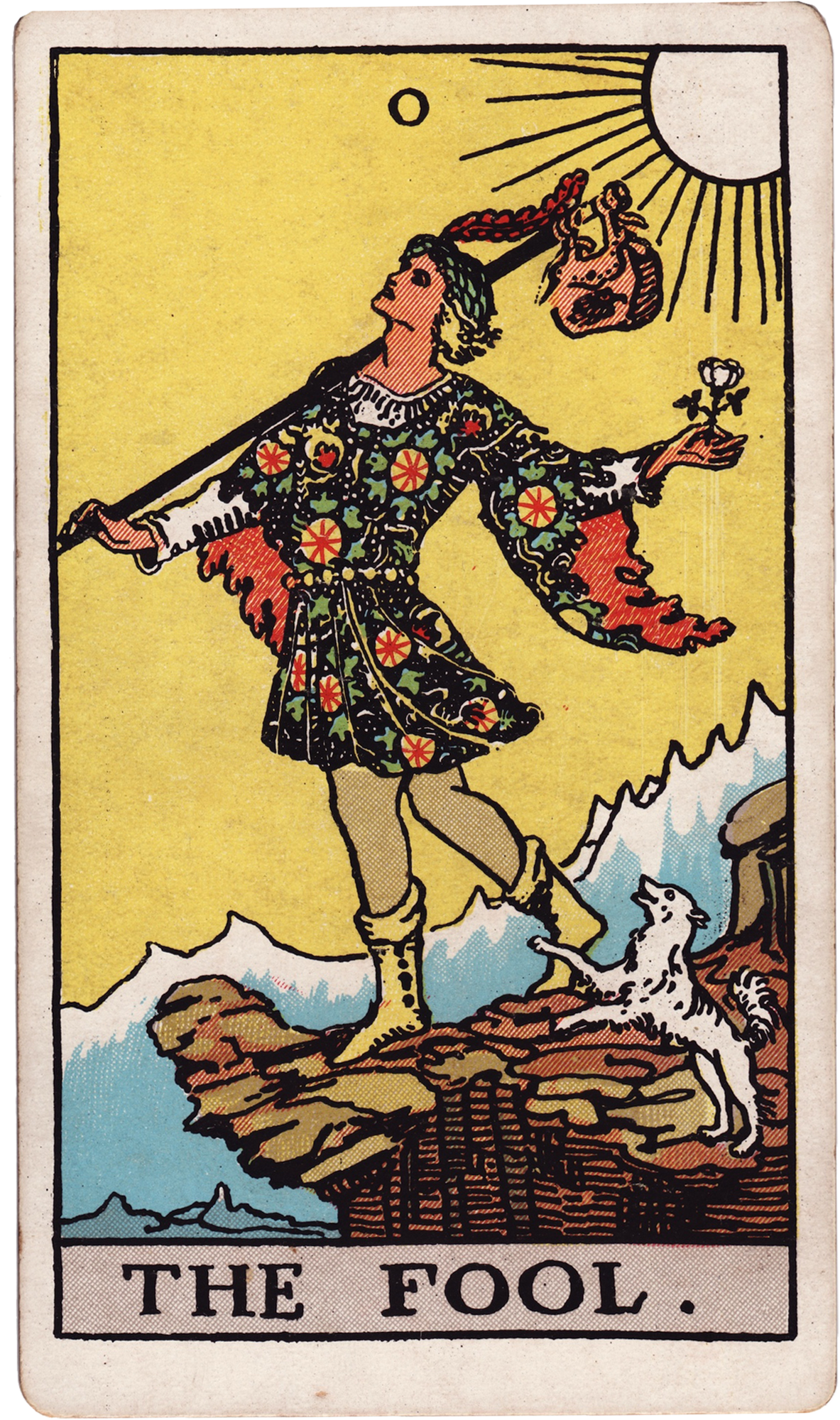 The Fool
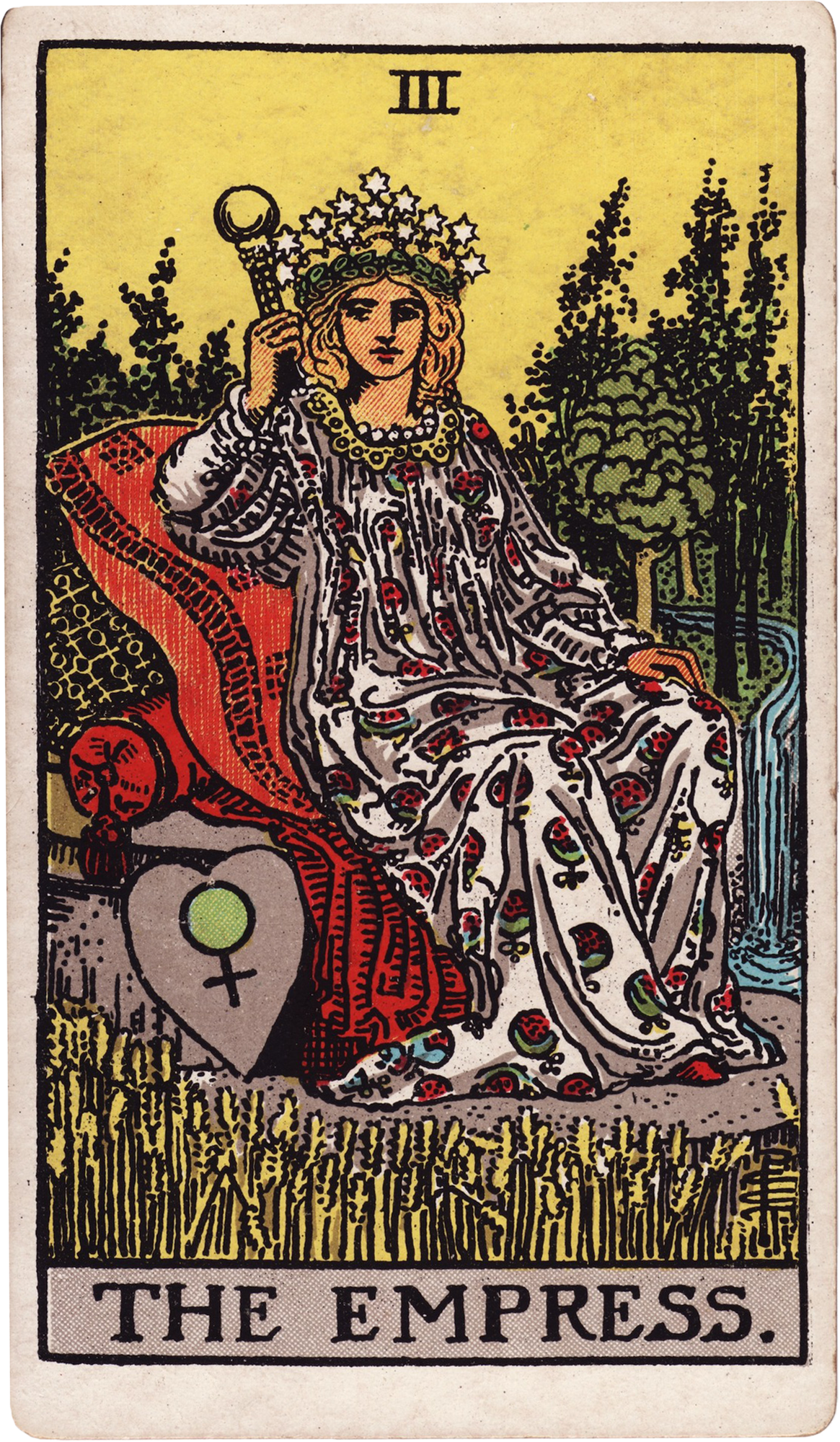 The Empress
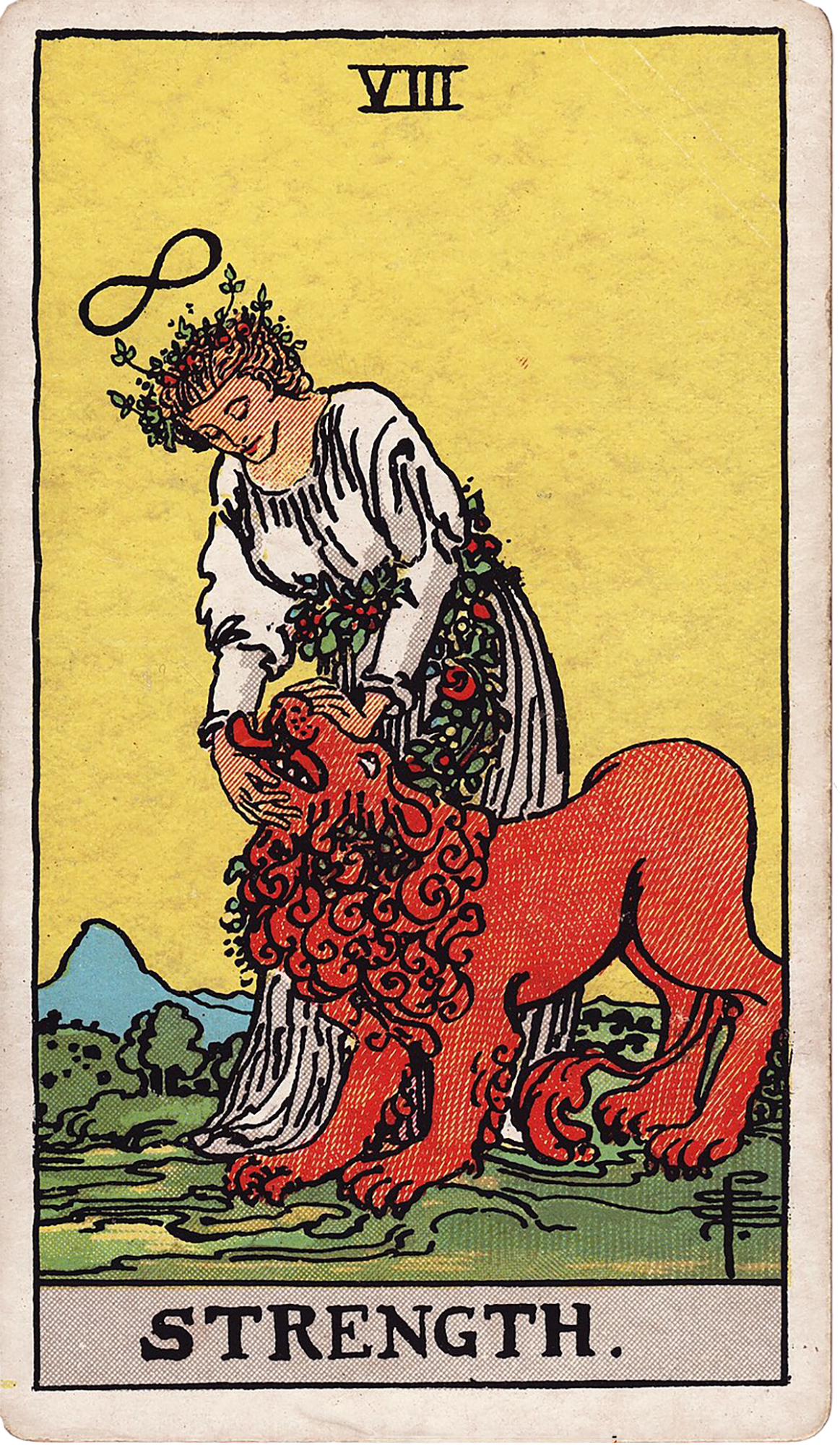 Strength
Why animals matter in tarot
Animals are compressed narratives. Where a suit or a number conveys a conceptual energy, an animal brings embodied traits: instinct, appetite, territoriality, loyalty, wildness, domestication, predatory or prey behavior, and species‑specific mythic associations. In visual tarot systems like Rider‑Waite‑Smith (RWS), animal figures are rarely decorative. They are chosen to act as living metaphors that anchor abstract meanings into everyday psychology and social behavior. For learners, paying attention to animals helps translate lofty archetypes into actionable questions and concrete advice. That makes animal reading especially useful when you need to give guidance that a querent can act upon, rather than only offering philosophical description.
Core principles for reading animal symbols
Before you interpret any specific card, use a consistent set of principles. These keep readings grounded and reproducible. 1) Identify the species first. Is it a dog, a bird, a lion, a fish? Species carry stereotypical behaviors (dog = companion/pack animal; lion = pride/power). Start there. 2) Observe behavior. Is the animal calm, aggressive, playful, frightened, protective, fleeing, or attentive? Behavior changes the meaning dramatically: a snarling lion signifies something different from a tamed, resting one. 3) Note relationship to human figures. Is the animal beside, supporting, threatening, or being controlled by a person? The dynamic often shows whether the energy is available to the querent, needs domestication, or is being misused. 4) Consider scale and placement. A very large animal can indicate overwhelming force or primal drives; a tiny animal may show subtle instincts or overlooked parts of a situation. 5) Read species archetypes and cultural associations. Use Rider‑Waite tradition when relevant (for example, lion = courage/dignity; dog = loyalty/protective instinct). But also be prepared to work with the querent's cultural meanings—ask what the animal means to them. 6) Cross‑check with the card's conventional meaning and surrounding cards. Animals refine the card message; they rarely contradict the card's core intent unless the deck deliberately subverts tradition. 7) Differentiate literal from symbolic. Sometimes an animal points to an actual person (someone loyal, or someone predatory); other times it points to inner temperament or social dynamics.
Rider‑Waite‑Smith animal templates relevant to the supplied cards
When working with the supplied images you will rely on classic RWS templates. Keep these conventional links in mind: - The Fool (RWS): The small white dog at the Fool's heels. Traditionally read as loyal instinct, a protective companion, or a warning—depending on posture. The dog can indicate the animal part of the psyche that insists you leap, follow curiosity, or warns of danger. The Fool’s dog in RWS both encourages and warns: it is brave in its loyalty but not necessarily strategic. - Strength (RWS): The large lion being gently handled by a woman. The lion is a primary solar and leonine archetype: raw power, pride, passion, sensuality, and untamed instinct. In RWS, the woman’s calm control indicates mastery through compassion rather than force. - The Empress (RWS): RWS Empress is deeply linked to nature, fertility, and the Venus principle, but she does not present a dominant, single animal like The Fool or Strength. Instead, her imagery suggests fauna—fields, trees, and potential life—without a named beast. This difference is useful: absence of a single animal can itself be a symbolic clue about the hush or background presence of animal energies (nurturing, fecundity, domestic life) that are available but not yet personified. These templates will guide how you weigh the animals when they appear, and how you interpret the presence or absence of a distinct animal figure on a card like The Empress.
Close reading: The Fool and its dog
Look closely at The Fool’s dog. In classic RWS the small white dog is at the Fool’s heels, often looking up, sometimes snapping, sometimes leaping. A close reading follows the core principles. Species and archetype: A dog signals loyalty, pack instincts, companionship, and grounded instinctual cues—follow me, watch out, or stay. White dogs in RWS also suggest purity of instinct; the Fool acts with naive faith, and the dog's whiteness amplifies that uncorrupted impulse. Behavior and placement: If the dog appears playful and attentive (as in many RWS renderings), read it as encouraging companionship and instinctual guidance. The dog may be urging the Fool to step forward. If the dog looks alarmed or is biting the Fool’s garments, emphasize the warning function: instinct signaling danger or consequences. Practical interpretive moves: - Upright The Fool with a playful dog: emphasize curiosity supported by loyal instinct. Suggest small next steps where the querent keeps a trusted companion or routine safety net. - Reversed The Fool with a frantic or hidden dog: the deck text supplied for The Fool reversed mentions recklessness, avoidance of consequences, and blocked beginnings. In animal terms, the reversed Fool could show loyalty turned into enabling (dog that barks but doesn’t protect), or instinct overridden by fear. Ask whether the querent is ignoring practical advice (the dog’s warning) or clinging to a naive plan. Example phrasing to a querent: "The dog at the Fool's heels is an invitation to bring a practical safety: a friend, a check‑in, or a small rule. It’s not a reason to avoid stepping forward, but it is a reminder to keep your instincts included in the choice."
Close reading: Strength and the lion
Strength is one of the clearest animal‑centred Major Arcana. The lion is the card’s axis. Species and archetype: The lion represents raw vitality, passion, courage, and a kingly, solar force. In myth, lions are both sovereign and dangerous. RWS Strength shows a woman gently controlling a lion, which suggests mastery through tenderness and inner self‑regulation rather than brute force. Behavior and relationship: The animal’s mouth, posture, and eye contact are crucial. A calm, passive lion indicates that the card’s energy is harnessed and available as composed courage. A roaring or resisting lion (or a lion with visible teeth) tilts interpretation toward anger, unintegrated drives, or suppressed rage. Upright Strength with a calm lion: Emphasize patience, inner courage, and using compassion to guide intensity. Ask where gentleness could produce a better result than domination. Reversed Strength with a struggling or snarling lion: Use the reversed card text supplied about self‑doubt, suppressed anger, or overcompensation. The animal image reads as the inner impulse that has either been shut down or expressed as uncontrolled force. The lion’s rawness is present but not well channeled. Practical reading gestures: When you see the lion, ask the querent where they are either trying to control a relationship or where they are resisting their own appetite. Follow with questions that reframe force as disciplined tenderness: "Where could patience or steady presence move this situation rather than more arguments or proving yourself?"
Close reading: The Empress when animals are absent or implied
The Empress is richly associated with fertility, abundance, and the natural world. But unlike The Fool and Strength, RWS Empress does not always depict a single, obvious animal companion. This absence is meaningful. Read absence as invitation. When an explicit animal is absent, ask: which animal would naturally belong here? The Empress’s landscape suggests fauna associated with fecundity—rabbits, deer, birds, or domestic animals. Many modern decks add a rabbit or small animal to emphasize fertility, but RWS leaves the animal partly to the observer’s imagination. That encourages the reader to consider the querent’s relationship to the animal energies: are they present but unseen? Are they being ignored? If the Empress appears with no distinct animal and the querent is asking about caregiving or creativity, use animal archetypes as lenses rather than literal facts. For example, suggest that nurturing (a dog‑like loyalty), protective care (a doe’s watchfulness), or prolific creation (a rabbit’s fecundity) could describe the energy needed. Reversed Empress reads with animal logic: absence or distortion can indicate overgiving, creative stagnation, or neglect of self. Ask whether the natural, animal part of life has been overridden—are practical needs ignored, or are basic pleasures denied? If the Empress is upright but lacks a stand‑out animal, interpret that as abundant but not yet domesticated life: fertile ground waiting for a steward.
Practical step‑by‑step method for reading animal symbols in a spread
Use this repeatable method during live readings. 1) Scan for animals first. When you lay out cards, note every animal before you read suit or number. This primes embodied meaning. 2) For each animal, list three quick data points: species, behavior, and relationship. Example: "Small white dog / playful & attentive / at the figure’s heels." 3) Place the animal within the card’s conventional meaning. Ask: Does the animal amplify the card’s upright keyword (e.g., Strength = courage) or complicate it (e.g., a snarling lion in Strength reversed)? 4) Weigh animal significance against position. In a positional spread (past/present/future, situation/advice/outcome), an animal in the advice position often indicates how to act (adopt a dog’s loyalty, a lion’s courage). In the situation position, it indicates present dynamics. 5) Integrate neighboring cards. If The Fool (with its dog) sits next to Strength (lion), read the two animals in dialogue: the dog may represent social instinct or community support; the lion may represent inner courage. How do they cooperate or clash? 6) Offer a clear, testable suggestion. Animals are practical metaphors. After interpretation, give a small experiment: "Bring one reliable ritual this week (dog) and practice one moment of steady presence daily (lion)." 7) Ask clarifying questions. Use animal cues to frame questions for the querent: "When you think of a lion, what comes up? When do you notice a small, loyal voice encouraging you?" 8) Reassess after feedback. If the querent’s responses change your reading, fold that lived meaning back into the animal interpretation.
Example readings using The Fool, The Empress, and Strength
Below are composite examples showing how animal readings sharpen meaning. Each uses only the supplied cards and their imagery. Example 1 — Creativity project (Upright trio): The Fool upright with its dog, The Empress upright, Strength upright. Sightline: The Fool’s dog signals instinctive companionship and a readiness to leap. The Empress’s fertile field indicates available resources and a supportive environment. Strength’s calm lion shows inner courage and steady regulation. Interpretation: This spread says: begin (The Fool) with adventurous curiosity while keeping a trusted routine or collaborator (dog). The Empress assures that the environment will support growth if tended (plant small, consistent care). Strength suggests you will succeed by using patience, compassion for yourself, and regulated energy rather than forcing results. Animal translation: let your loyal habits keep you safe, allow the natural field to do its work, and meet intensity with calm. Advice phrasing: "Start with a small experiment and name one person or practice that will keep you accountable. Treat your intensity like a lion you sit beside, not a beast you try to crush or flaunt." Example 2 — Hesitation and risk (Reversed Fool, Reversed Empress, Reversed Strength): The Fool reversed suggests blocked beginning or recklessness; the Empress reversed points to overgiving or depleted resources; Strength reversed signals self‑doubt or suppressed anger. Animal reading: The dog’s encouragement is either being ignored or turned into enabling; there may be a ‘dog’ that barks but the querent is rushing anyway. The Empress’s lack of a clear animal becomes a symbol of neglected basic needs—no domestic animal to tend the hearth. The lion’s energy is present but unchanneled or resentful. Interpretation: The querent is trying to begin something while their resources and self‑care are depleted. The animal logic says: listen to the ignored instinct (the dog’s warning), care for the basics (feed the animals), and process anger or fear so the lion can be companionable rather than destructive. Advice phrasing: "Before you launch, make sure you're not leaping because someone else told you to. Tend your practical needs and give yourself permission to feel the anger behind the rush."
Common mistakes and how to avoid them
1) Over‑literalism: Don’t assume an animal always points to a literal person who is an animal‑owner or pet. Often the symbol refers to behavior or inner dynamics. 2) Cultural projection: Not all cultures share the same animal associations. Ask the querent what the animal means to them before treating a symbolism as universal. 3) Ignoring context: An animal alone is rarely the entire message. Consider suit, number, position, and the querent’s story. 4) Forcing novelty: Avoid inventing obscure animal meanings. Start with common archetypal traits (dog = loyalty; lion = power) and expand from there when you have strong deck cues or querent input. 5) Missing the significance of absence: When The Empress lacks a single animal, many readers rush to add a rabbit or assume fertility. Instead, treat that absence as a prompt: what animal would complete this scene, and why? That question can produce rich, personalized meanings. 6) Neglecting scale and interaction: Small animals or background wildlife often indicate subtle forces; animals interacting aggressively with human figures usually signal interpersonal dynamics. Always note size and interaction. 7) Confusing reversal with negative value: A reversed Strength or reversed Fool does not spell catastrophe; it points to how the animal energy is distorted or withheld. Reframe reversals as functional clues: what needs to be integrated, not what will happen inevitably.
Interpretation logic and ethical practice
Your interpretive logic should move from observation to hypothesis to testable guidance. Step A — Observe: Describe the animal concretely for the querent. Avoid metaphor first. "I see a small white dog at the Fool's heels; the lion in Strength is calm. The Empress's landscape suggests animals even if none are shown." Step B — Hypothesize: Offer a working meaning grounded in tradition: "Dogs often relate to loyalty and instinct; lions to courage and passion; the Empress to fertile ground and caregiving." Keep this tentative. Step C — Test: Ask a question that can be answered or tried: "Does a particular person or habit feel like a loyal companion for you? If not, who or what could play that role this week?" Step D — Give actionable advice: Translate animal metaphors into clear steps: adopt one supportive routine (dog), commit to one steady presence practice (lion), and schedule one activity that directly cares for your body or creative field (Empress). Ethical practice: Always communicate that your animal reading is a lens, not a deterministic law. Invite collaboration and feedback from the querent. Use animals to empower agency and practical steps, not to label or shame.
Practice exercises for learners
1) Single‑card animal focus: Pull The Fool, Strength, or The Empress. Spend five minutes describing only the animal imagery. Write three possible behavioral meanings and one concrete action suggestion for each. 2) Comparative animal dialogue: Lay The Fool and Strength side by side. For five minutes, write a short script where the dog and the lion speak to each other about the querent's current project. How does that dialogue reframe guidance? 3) Absence imagination: Pull The Empress and draw an animal that belongs in her field. Explain why you chose that species and what specific advice it suggests. 4) Client practice: In a low‑stakes reading, ask the querent to name an animal they resonate with. Compare that to the animal images in The Fool and Strength and ask how they align or diverge. Use this to practice cultural sensitivity and personal association.
Practice questions
• When you look at the small white dog in The Fool, what immediate adjective comes to mind? How might that adjective change the card’s advice?
• How does the behavior of the lion in Strength shift your sense of whether the card asks for action or containment?
• With The Empress, what animal do you instinctively imagine in her environment, and why? What does that reveal about your assumptions about fertility and care?
• Can you recall a time when you followed an instinctive 'dog' voice and it helped or harmed you? How would you phrase that lesson as tarot advice?
• In a spread, how do you decide whether an animal points to an external person or an internal quality?
• How do cultural differences change your animal readings? What questions could you ask a querent to avoid projection?
• When an animal seems aggressive in a card, what immediate practical steps can you suggest to the querent that are both compassionate and empowering?
• How might you translate the lion’s steady calm from Strength into a one‑week experiment for a querent?
Comments
Sign in to comment.
Continue learning
Harnessing the Power of The Magician and Ace of Wands: Igniting Creativity and Manifestation in Tarot Readings
The combination of The Magician and the Ace of Wands in tarot readings offers a potent blend of creative energy and manifestation power. This article delves into the ways these car...
Advanced Techniques for Combining The Moon and The Star to Enhance Intuition in Tarot Readings
This article explores advanced techniques to combine the symbolism and energy of The Moon and The Star Tarot cards to enhance intuition during Tarot readings. Drawing from traditio...
Enhancing Clarity in Complex Choices with the Five Card Cross Tarot Spread
The Five Card Cross Tarot Spread is a practical tool designed to clarify complex choices by breaking down the decision into manageable parts. This article explores each position in...
Tracing the Origins and Evolution of The Fool Card in Tarot History
The Fool card holds a foundational place in tarot tradition, symbolizing beginnings, openness, and the embrace of uncertainty. This article traces its origins from early European d...
Understanding The Hermit Card in Solitude Reflection and Guidance
This article offers an in-depth exploration of The Hermit tarot card as a single-card reading in different contexts such as love, career, money, advice, challenge, person, outcome,...
Unlocking the Creative Flow with The Magician and The Empress in Tarot Combinations
This article delves into the powerful synergy between The Magician and The Empress in Tarot combinations, focusing on how their combined symbolism unlocks creative flow across vari...
Using the Seven Card Horseshoe Spread to Uncover Career Growth and Opportunity
This article presents an in-depth guide to the Seven Card Horseshoe Tarot Spread with a focus on career growth and opportunity. Using the cards The Fool, The Magician, The Empress,...
Understanding the Many Facets of The Moon in Emotional and Intuitive Tarot Readings
The Moon card in the Tarot deck embodies themes of intuition, uncertainty, dreams, and emotional complexity. This article offers a comprehensive exploration of The Moon’s upright a...
Unlocking Advanced Intuition Techniques Using The High Priestess The Moon and The Hermit
This article examines advanced intuition development in tarot reading by focusing on The High Priestess, The Moon, and The Hermit cards. It offers practical techniques for beginner...
Mastering Intuition with The High Priestess The Hermit and The Moon in Tarot Readings
This article delves into mastering intuition through three powerful Tarot cards: The High Priestess, The Hermit, and The Moon. It guides readers from beginner to advanced reading t...