
Reading Feet Shoes and Posture in Tarot for Grounding and Readiness
This in-depth article teaches how to read feet, shoes, and posture in tarot imagery to assess grounding, readiness, and action orientation. Using Rider-Waite-Smith conventions and repeatedly anchored to The Fool, The Hermit, and The Hanged Man, it explains a visual vocabulary, offers a step-by-step reading technique, presents examples, and highlights common mistakes. Learners will gain practical tools to integrate somatic symbolism into honest, useful readings.
Cards explored in this article
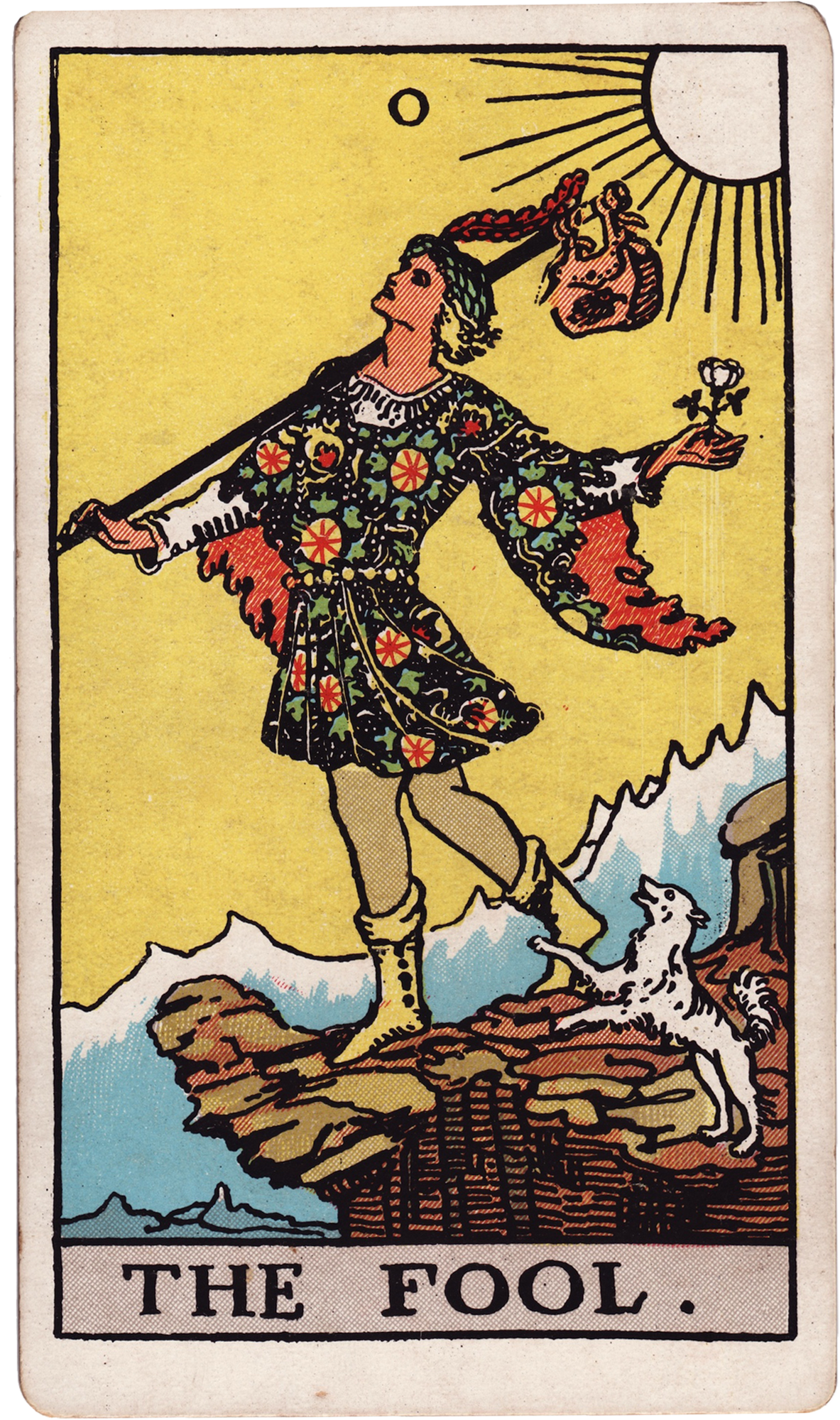 The Fool
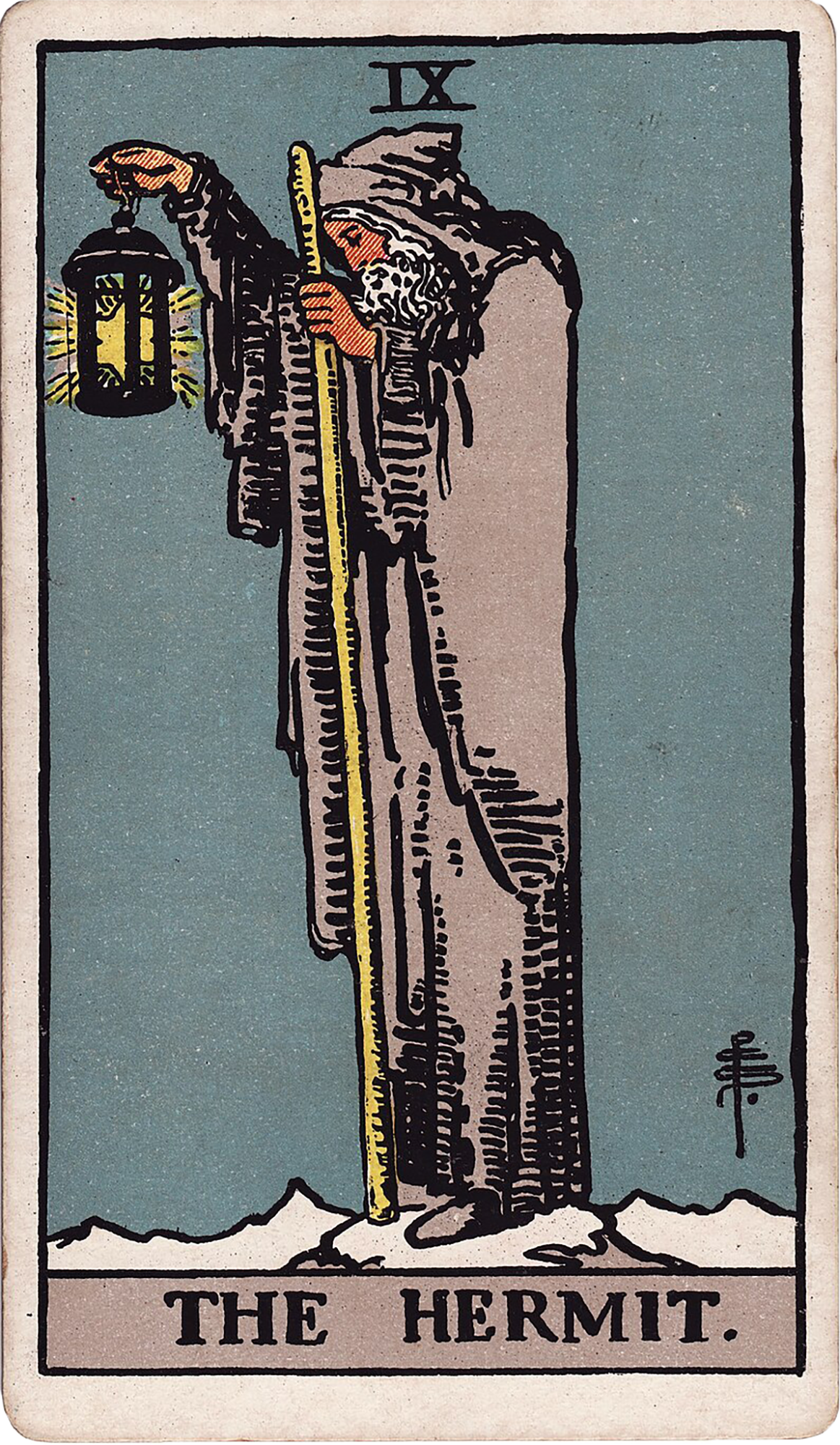 The Hermit
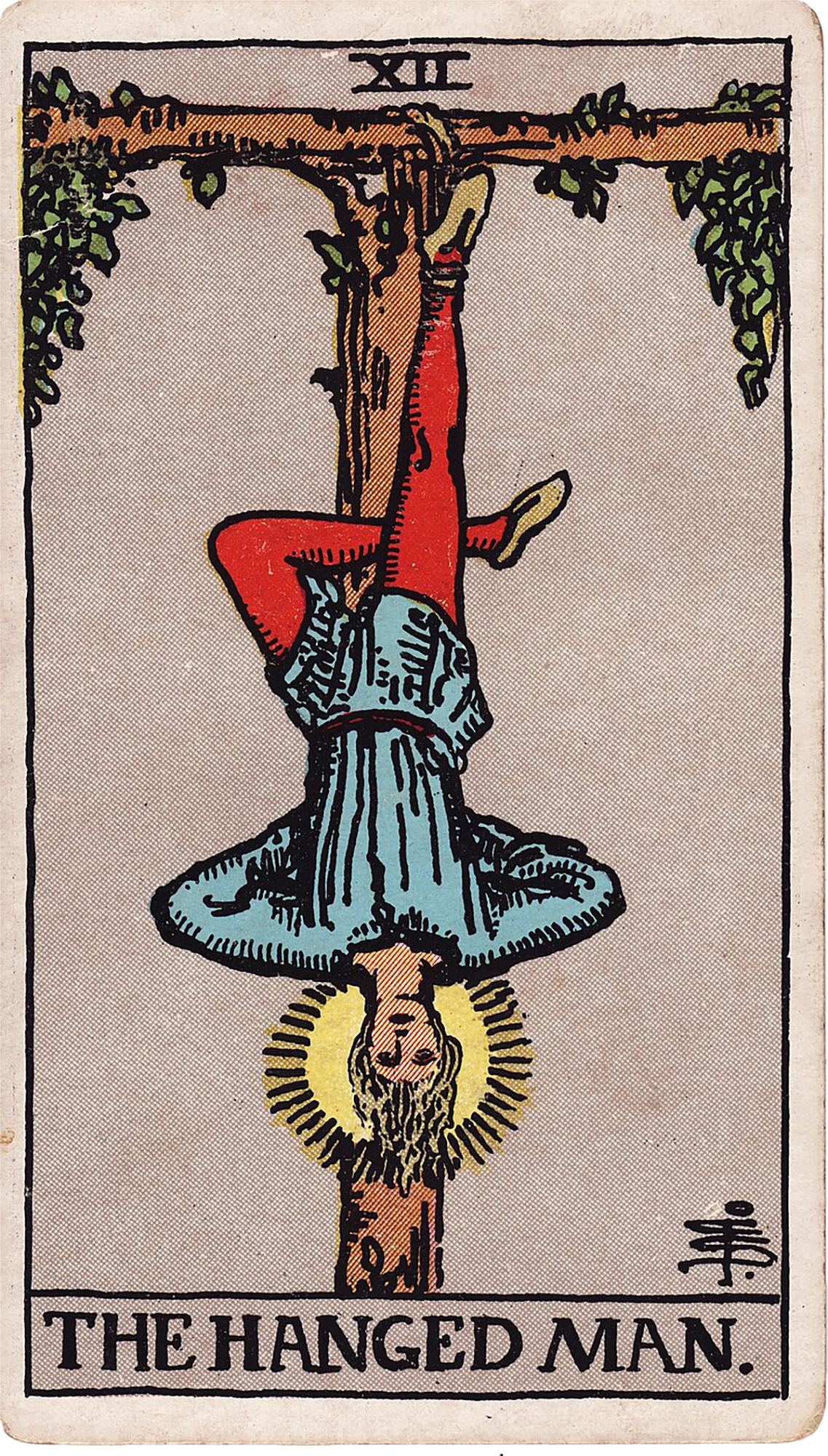 The Hanged Man
Introduction: Why feet, shoes, and posture matter in tarot
Tarot images are deliberately bodily. Feet, shoes, and posture are not decorative afterthoughts; they are a painter's shorthand for orientation, momentum, support, and psychological readiness. When you look carefully at where a figure's weight is placed, whether shoes are present or absent, and how limbs are arranged, you can read subtle information about stability (grounding), intention (readiness), and constraint (restriction or surrender). This article trains you to notice and interpret those signals, anchored throughout to the Rider-Waite-Smith (RWS) depictions of The Fool, The Hermit, and The Hanged Man. These three Major Arcana images give clear, contrasting lessons about how feet and posture convey inner states: the forward movement and naive readiness of The Fool; the anchored solitude and support of The Hermit; and the suspended inversion and sacrifice of The Hanged Man. This is a practical study, not a predictive pronouncement. Use the cues as indicators and questions to ask, not deterministic outcomes.
A simple visual vocabulary for feet and posture
Before applying the vocabulary to specific cards, adopt a consistent set of observation categories. Use these categories in every image you read to build consistency and avoid projection. - Footing (ground contact): Are feet on solid ground, on a precipice, suspended, or otherwise disconnected? Ground contact signals access to resources and stability; lack of contact signals transition, risk, or nonparticipation. - Weight distribution and directionality: Is the weight forward, back, centered, or inverted? Forward-leaning weight suggests readiness to move; centered weight suggests deliberation and stability; backward weight may indicate retreat or caution; inverted weight indicates surrender or a need to change perspective. - Shoes and coverings: Are shoes present, absent, ornate, practical, worn, new, or missing? Shoes can symbolize protection (practical work), social role (ornate shoes), or vulnerability and nudity (bare feet). The presence of trusted footwear implies preparedness, whereas bare feet can mean humility, exposure, or direct contact with the earth—context decides which. - Postural support: Is the figure using a staff, lantern, tree, or other object to support balance? Support objects often externalize internal resources: a staff for guidance and steadiness, a lantern for inner illumination, a rope for constraint. - Tension and flexibility: Are muscles relaxed, tense, or contorted? Relaxed posture suggests acceptance or confidence; tension suggests readiness to act or fear; contortion often represents sacrifice, constraint, or transformation. - Facial orientation relative to the feet: Where is the gaze? A figure looking toward the horizon while feet are planted signals integration of vision and grounding; a figure looking inward while feet are ready to move suggests internal preparation; an upside-down head with normal foot orientation inverts priorities and perception. Apply this vocabulary systematically. It becomes especially powerful when you anchor each observation to imagery and card meaning, as we will with The Fool, The Hermit, and The Hanged Man.
Reading The Fool for readiness and risk posture
The Fool is the archetype of beginning, curiosity, and the willingness to step before all details are known. His posture and feet in RWS imagery are central: one foot is forward, poised near a cliff edge; his body leans slightly upward and onwards; his gaze is lifted; a small dog nudges at his heels. Read the Fool's feet and shoes with these interpretive notes: - Footing and readiness: The forward foot near the cliff edge signals readiness to move and the urgency of now. Use this to ask whether the querent is at a threshold: prepared to act energetically, or simply impatient. The Fool's footing is not secure in the sense of grounded stability; it is a poised risk. - Shoes and protection: The Fool is not depicted as armored or heavily shod; his footwear suggests casual mobility rather than heavy protection. When this card appears, consider whether the querent's preparedness is light and improvisational rather than planned and safeguarded. - Weight distribution and attention mismatch: The Fool's head is turned upward and his foot placed forward. This dissonance suggests action driven by vision or faith rather than careful calculation—useful when assessing whether someone is motivated by inspiration more than logistics. - Questions to ask when The Fool appears: Are you ready to act on curiosity even without full information? What minimal protections are in place? Where is optimism pushing you forward while the ground still feels thin? - Upright vs reversed posture reading: Upright, The Fool's readiness is a resource—use it to start proportionate steps. Reversed (drawn or interpreted as stuck Fool energy), the same posture can indicate recklessness, failure to notice real risk, or avoidance of necessary preparation. A reversed reading may ask whether impulsiveness masks fear of engagement or responsibility. Practically, use The Fool's feet to assess tempo: is the querent genuinely prepared for the journey or only willing to begin if it feels easy? The Fool reminds readers to differentiate brave, intentional first steps from escapist or negligent leaps.
Reading The Hermit for grounding, support, and prepared solitude
The Hermit represents deliberate withdrawal, inner guidance, and careful inspection. In RWS, he stands on a mountain peak, cloaked and steady, carrying a staff for support and a lantern to illuminate the way. His feet and posture communicate a different type of readiness than the Fool. - Solid footing and vertical stability: The Hermit's feet are planted on solid rock. This grounding is not about momentum but about a stable base from which reflection and measured action can arise. When The Hermit appears, read grounding as access to inner resources and the ability to hold a lonely or disciplined position. - Support objects and external aides: The staff in The Hermit's hand functions like an extended foot—an aid that stabilizes posture and walking. The presence of a staff signals that the querent's readiness includes external supports or carefully chosen tools, not mere improvisation. - Shoes and symbolic protection: The Hermit's clothing and shoes (or heavy coverings) are functional. That indicates a deliberate, sustained readiness: the person is equipped for long-term solitary work rather than sudden travel. - Directionality of gaze and posture: The Hermit often looks into his lantern or ahead with quiet attention. This alignment of gaze with grounded feet implies that insight is matched with a stable base; there is integration between inner vision and bodily presence. Contrast this with the Fool's dissonance. - Upright vs reversed posture reading: Upright, The Hermit's grounded stance is a resource: retreat for clarity, careful preparation, and disciplined readiness. Reversed, the same posture may become isolation that prevents engagement or over-caution that stalls progress. Are supports being used to hide from participation instead of enabling what needs to be done? In readings, The Hermit's feet answer questions about capacity for disciplined preparation: is the querent deliberately holding position to gather strength, or are they stuck in perpetual observation without action?
Reading The Hanged Man for suspension, inversion, and constrained readiness
The Hanged Man is a study in suspended posture. In RWS imagery he hangs upside-down by one foot, the other leg bent, haloed and serene. The position is voluntary in symbolic language, but it shows constraint, inversion of perspective, and a temporary loss of conventional grounding. - Loss of ground contact and altered support: The Hanged Man's lacking feet-on-ground means traditional grounding is absent. Read this as a deliberate suspension: readiness is not about moving forward now but about withholding movement to allow a different viewpoint to emerge. - One foot bound, the other relaxed: The binding of a single foot and the relaxed posture of limbs imply a chosen limitation. This can signal self-imposed sacrifice, an ethical pause, or enforced delay. It says: movement will resume only after an inner shift has been integrated. - Inversion and cognitive reorientation: The inverted posture emphasizes that 'readiness' here is not physical preparedness but psychological reorientation. The querent may be ready in the sense of having accepted a pause, surrendered to a process, or been forced into a waiting period where insight is the operative readiness. - Shoes and exposure: Where shoes are absent or irrelevant in The Hanged Man, interpret this as exposure to altered perception—feet are not instruments of action at this moment; they are symbols of suspended agency. - Upright vs reversed posture reading: Upright, The Hanged Man's suspension is conscious: the person has chosen to pause, allowing new meanings to emerge. Reversed, this posture can become stubborn stagnation, martyrdom without learning, or unwillingness to shift perspective. Ask whether the pause is generative or merely avoidance. In practical readings, The Hanged Man asks you to read readiness as capacity for mental and emotional reorientation. When feet do not touch ground, ask what internal work a person is doing to become ready in a non-physical sense.
Step-by-step practical method for reading feet, shoes, and posture in a spread
Here is a concrete technique to integrate somatic symbolism into most spreads. Work consistently from general observation down to card-specific questions. 1) Global scan: Look at all figures in the spread and mentally note foot contact, posture direction, and presence or absence of shoes. If only The Fool, The Hermit, and The Hanged Man are present, give special attention to the contrasts described earlier. 2) Apply the visual vocabulary: For each figure, record footing, weight distribution, shoes, support objects, tension, and gaze. Write short notes: e.g., "The Fool—forward foot at edge; light footwear; gaze up; momentum; optimism with risk." "The Hermit—both feet planted on rock; staff; inward gaze; stabilized readiness." "The Hanged Man—suspended by one foot; inversion; acceptance of pause." 3) Anchor to role in spread: Ask whether each figure represents a current state, a challenge, advice, or likely outcome. A Fool in the 'challenge' position suggests reckless impulses are the obstacle; The Hermit in 'advice' suggests retreat for clarity; The Hanged Man in 'outcome' suggests enforced pause. 4) Synthesize directionality: Look for alignment or conflict among postures. Are feet pointing in complementary directions (readiness and support aligned) or opposed (one card urging movement, another urging pause)? For example, The Fool's forward momentum opposed by The Hanged Man's suspension highlights a tension between impulse and necessary delay. 5) Ask embodied questions: Translate visual cues into questions the querent can answer somatically. Example prompts: "Where in your body are you already leaning forward? Where do you feel planted?" "What supports are you using like The Hermit's staff?" "What is being held in suspension like The Hanged Man, and what insight might come from that pause?" 6) Check for practical indicators: If a card suggests lack of shoes or bare feet, ask about practical vulnerabilities: finances, physical health, or social protections. If shoes are ornate, ask how image or role might be affecting choices. 7) Form proportionate actions: Use the reading to recommend small, practical steps. If The Fool indicates movement without preparation, suggest minimal protections or trials that maintain momentum while reducing needless risk. If The Hermit indicates grounding, suggest concrete practices (journaling, pacing of tasks) that sustain disciplined preparation. If The Hanged Man appears, propose methods for reflective pause rather than passive delay (structured reflection, timelines for reassessment).
Worked examples using the supplied cards
Example 1: The Fool (present situation) + The Hermit (advice). Interpretation: The Fool in the present position shows the querent at a threshold—leaning forward, ready to act with curiosity. The Hermit as advice suggests the best proportional response is not to stop the energy, but to provide it with a stable base. Translate this visually: the Fool's forward foot needs the Hermit's solid footing and staff. Practical outcome: encourage a small step grounded by review—create a checklist, seek a mentor, or schedule quiet time daily to temper enthusiasm with wise preparation. Example 2: The Hermit (present) + The Hanged Man (near future). Interpretation: The Hermit shows the querent already engaged in disciplined solitude. The Hanged Man following suggests that current solitude will lead into a deeper suspension—perhaps an inversion of perspective or a forced waiting. Visually, grounded feet (Hermit) precede suspension (Hanged Man), suggesting that the current grounding is preparing the querent to surrender and gain insight. Advice: maintain the Hermit's supports (routine, structure) and prepare mentally for a period where action pauses and meaning shifts. Example 3: The Fool (obstacle) + The Hanged Man (outcome). Interpretation: If The Fool appears as an obstacle, it flags impulsivity as the problem. The Hanged Man as outcome may indicate that if impulsivity persists, the result will be enforced pause—time out, delays, or consequences requiring reevaluation. The visual logic: forward-moving feet meet suspension. Practical counsel: introduce deliberate constraints now to avoid an abrupt forced stop later (e.g., set deadlines, seek accountability). In each example, note how reading the feet/shoes/posture clarifies whether the issue is momentum, stability, or suspension and helps form proportionate, embodied recommendations.
Common mistakes and how to avoid them
1) Overvaluing solitary indicators: It is tempting to read a single image as absolute. Avoid assuming that the presence of The Hanged Man means complete helplessness—read posture in context and ask whether the suspension is chosen or imposed. 2) Projecting your own bodily state: If you feel restless, you might overcall movement-oriented cards. Counter this by anchoring observations to visual vocabulary steps: footing, weight distribution, shoes, support, tension, gaze. 3) Confusing bare feet with weakness: Bare feet can mean humility, direct contact with the earth, or vulnerability. Always cross-check with posture and facial expression—are the feet relaxed or tense? Is the figure serene or fearful? 4) Neglecting historical symbolism: RWS iconography is layered. For instance, The Hermit's staff is not a generic stick—it is a symbol of support and authority. Mention the RWS elements explicitly and consider their consistent meanings rather than inventing idiosyncratic associations. 5) Ignoring reversal nuance: Reversal or a card in a position of blockage does not automatically equal 'bad.' A reversed The Fool may point to internalized fear; reversed The Hermit may be unhealthy isolation. Use functional questions: where is energy blocked, distorted, or missing balance? 6) Failing to translate to practical steps: Readers can get lost in symbolism. Always end the interpretive chain with an embodied, proportionate recommendation that aligns with the feet/posture clues: small steps, anchors, or time-bound pauses as appropriate.
Interpretation logic and ethical reading practice
Interpretation should move from observation to question to application. Observation: describe the footing, shoes, posture without judgment. Question: ask what the posture suggests about grounding, readiness, or constraint in the querent's life. Application: offer practical, proportionate actions and invite somatic checking. For example, if The Fool suggests dangerous overconfidence, ask the querent to stand and notice where they lean in their body; if The Hermit appears, suggest a 20-minute daily check-in to maintain stable footing; if The Hanged Man appears, recommend a purposeful pause with a deadline for reassessment. Ethically, remind querents that somatic symbolism offers information, not fate. Encourage consent before suggesting bodily practices or somatic exercises. Avoid fear-based warnings; instead, present proportionate steps that respect autonomy: small agreements, time-limited experiments, and invitations to reflect rather than orders. Keep records. When you use feet-and-posture readings, note outcomes and refine your translations. Over time, your readings should become more specific and less speculative because you will have built a feedback loop between image, interpretation, and lived result.
Practical exercises to build skill
1) Image journaling: Each day for a month, pick one of the supplied cards and write three observations using the visual vocabulary. Note footing, shoes, support, and gaze. Then write one embodied question for a hypothetical querent. 2) Quick-read drill: Shuffle the three supplied cards and draw one; give a one-minute interpretation focusing only on feet and posture. Increase speed gradually to build pattern recognition without projection. 3) Somatic cross-check: After doing a reading where The Fool appears, ask the querent (or yourself) to stand and take one deliberate step forward. Note bodily sensations and compare them to the image. For The Hermit, practice one minute of standing grounding with a staff or broom handle lightly pressing into the ground. For The Hanged Man, practice a brief mental inversion like 'what would I see if I looked from the other person's perspective' to simulate cognitive inversion. 4) Comparative pairings: Lay The Fool and The Hermit side by side and list five differences in feet and posture, then create advice that synthesizes both stances. This hones your ability to synthesize contrasting somatic signals.
Conclusion and guiding reminders
Reading feet, shoes, and posture is a disciplined skill that deepens tarot interpretation by connecting images to embodied realities. The Fool teaches us about forward momentum, appetite for beginnings, and the risks of moving without adequate protection. The Hermit teaches grounded solitude, the value of stable supports, and how deliberate preparation creates a base for right action. The Hanged Man teaches willing suspension, the power of inversion, and how readiness sometimes means accepting a pause so that new perspectives can form. Use the visual vocabulary, follow the step-by-step method, avoid common mistakes, and practice the exercises. Treat these readings as invitations to embodied questions rather than as deterministic pronouncements. Over time, reading posture will help you offer readers or querents more useful, tactile, and humane counsel.
Practice questions
• When you look at The Fool's feet and posture, what questions arise about the querent's appetite for risk versus need for protection?
• What supports (literal or symbolic) do you see in The Hermit's image, and how might those translate into practical resources the querent can use?
• If The Hanged Man appears in a reading, what does the suspension ask the querent to notice or let go of before acting?
• How can you turn a visual cue about footwear or bare feet into a concrete, proportionate recommendation for safety or self-care?
• Which of the three postural archetypes (movement, grounded solitude, suspension) do you most commonly project onto clients, and how can you correct for that bias?
Comments
Sign in to comment.
Continue learning
Harnessing the Power of The Magician and Ace of Wands: Igniting Creativity and Manifestation in Tarot Readings
The combination of The Magician and the Ace of Wands in tarot readings offers a potent blend of creative energy and manifestation power. This article delves into the ways these car...
Advanced Techniques for Combining The Moon and The Star to Enhance Intuition in Tarot Readings
This article explores advanced techniques to combine the symbolism and energy of The Moon and The Star Tarot cards to enhance intuition during Tarot readings. Drawing from traditio...
Enhancing Clarity in Complex Choices with the Five Card Cross Tarot Spread
The Five Card Cross Tarot Spread is a practical tool designed to clarify complex choices by breaking down the decision into manageable parts. This article explores each position in...
Tracing the Origins and Evolution of The Fool Card in Tarot History
The Fool card holds a foundational place in tarot tradition, symbolizing beginnings, openness, and the embrace of uncertainty. This article traces its origins from early European d...
Understanding The Hermit Card in Solitude Reflection and Guidance
This article offers an in-depth exploration of The Hermit tarot card as a single-card reading in different contexts such as love, career, money, advice, challenge, person, outcome,...
Unlocking the Creative Flow with The Magician and The Empress in Tarot Combinations
This article delves into the powerful synergy between The Magician and The Empress in Tarot combinations, focusing on how their combined symbolism unlocks creative flow across vari...
Using the Seven Card Horseshoe Spread to Uncover Career Growth and Opportunity
This article presents an in-depth guide to the Seven Card Horseshoe Tarot Spread with a focus on career growth and opportunity. Using the cards The Fool, The Magician, The Empress,...
Understanding the Many Facets of The Moon in Emotional and Intuitive Tarot Readings
The Moon card in the Tarot deck embodies themes of intuition, uncertainty, dreams, and emotional complexity. This article offers a comprehensive exploration of The Moon’s upright a...
Unlocking Advanced Intuition Techniques Using The High Priestess The Moon and The Hermit
This article examines advanced intuition development in tarot reading by focusing on The High Priestess, The Moon, and The Hermit cards. It offers practical techniques for beginner...
Mastering Intuition with The High Priestess The Hermit and The Moon in Tarot Readings
This article delves into mastering intuition through three powerful Tarot cards: The High Priestess, The Hermit, and The Moon. It guides readers from beginner to advanced reading t...