
Seven Card Horseshoe Spread for Rebuilding Financial Stability After Setbacks
This article teaches a practical Seven Card Horseshoe spread designed to help people rebuild financial stability after setbacks. Using seven supplied Pentacles cards (Ace, 4, 5, 6, 7, 8, 10) arranged in the specific positions Past, Present, Hidden Influence, Obstacle, Environment, Advice, Outcome, the piece explains imagery, Rider-Waite-Smith symbolism, card-to-card dynamics, step‑by‑step method for performing the spread, common mistakes, and concrete, measurable next steps a querent can take. Written for learners and practitioners, not as prediction, the article emphasizes skills, systems and practice to move from hardship toward durable material security.
Seven Card Horseshoe
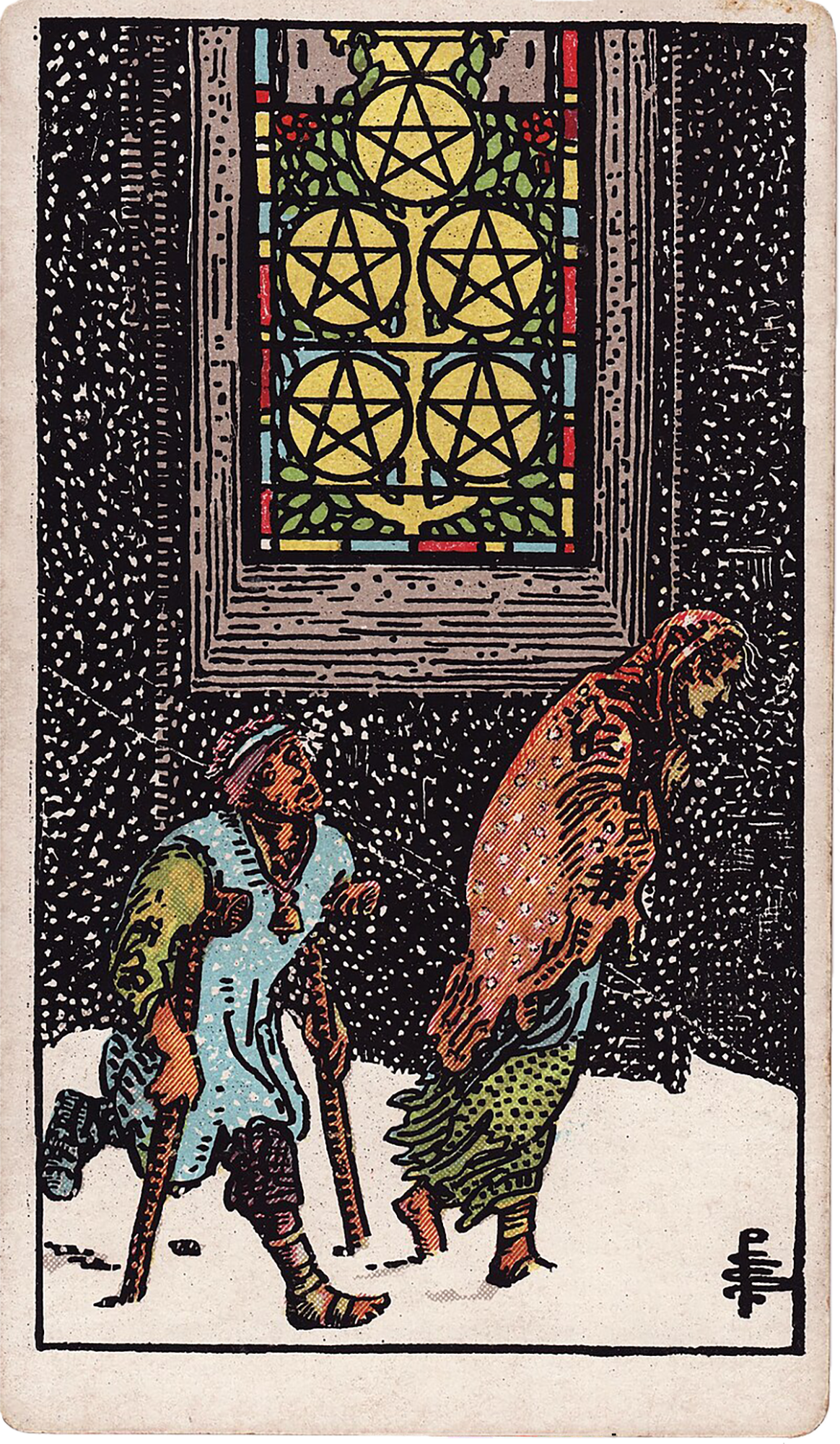 Past5 of Pentacles
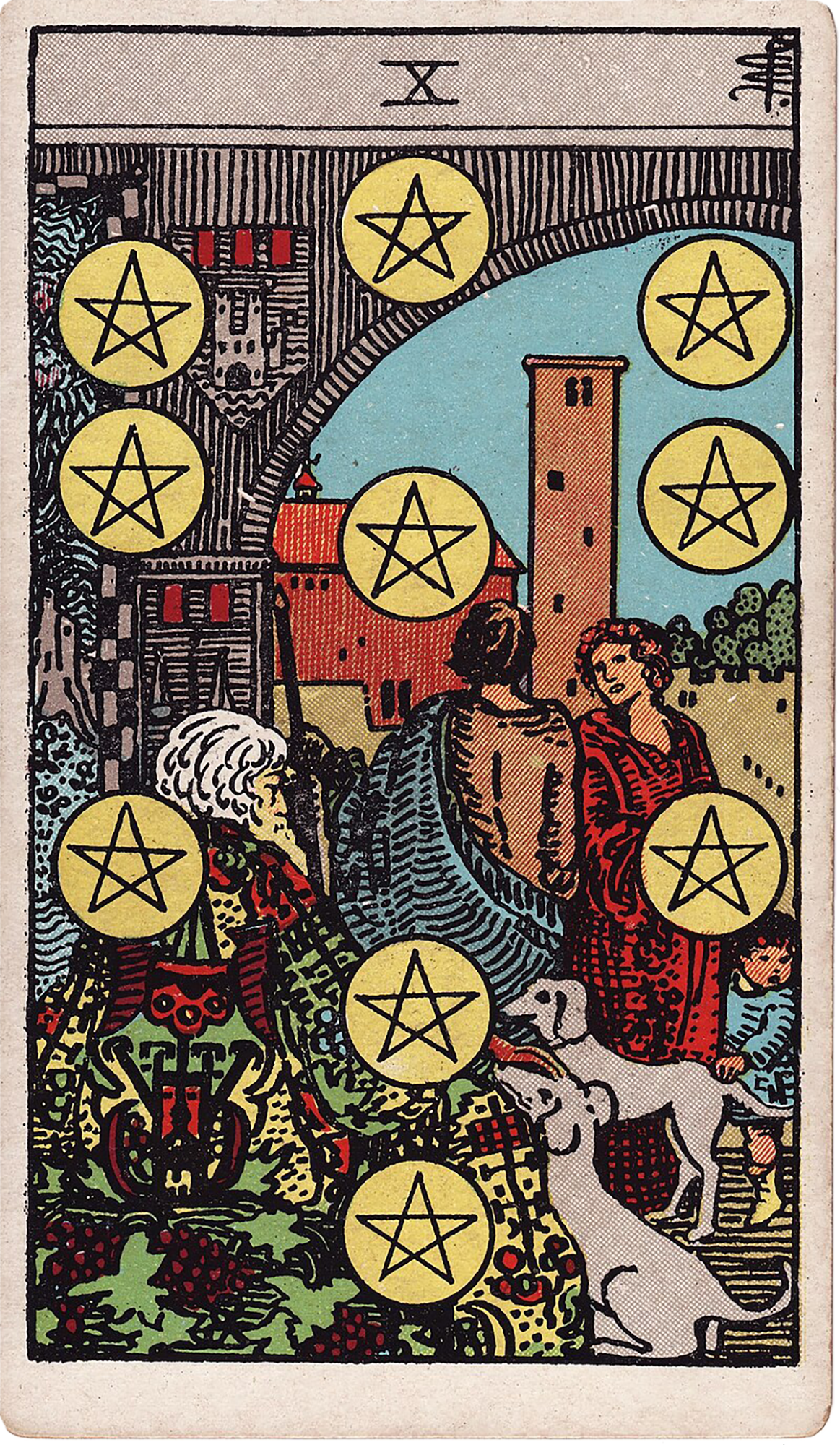 Present10 of Pentacles
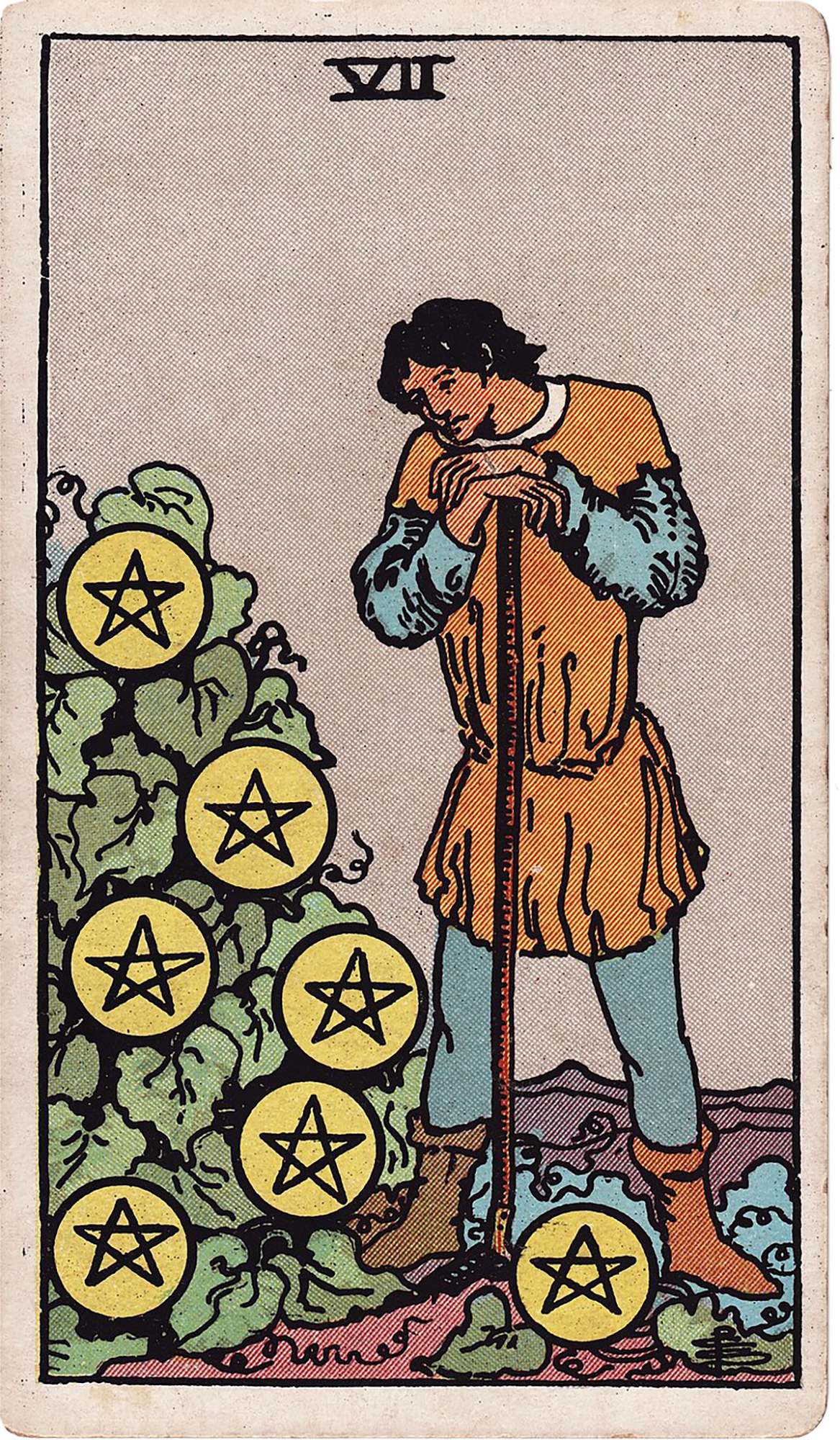 Hidden Influence7 of Pentacles
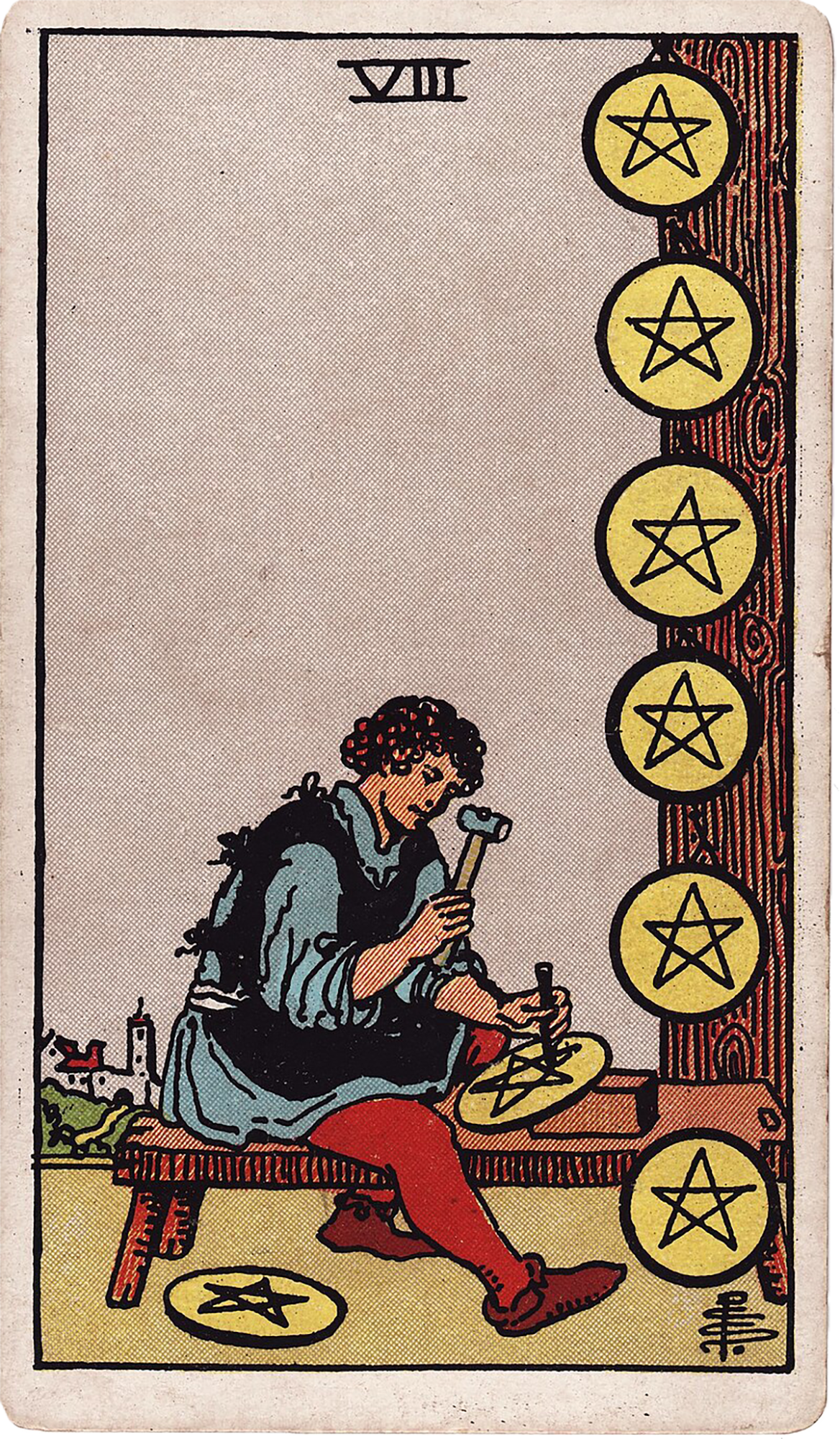 Obstacle8 of Pentacles
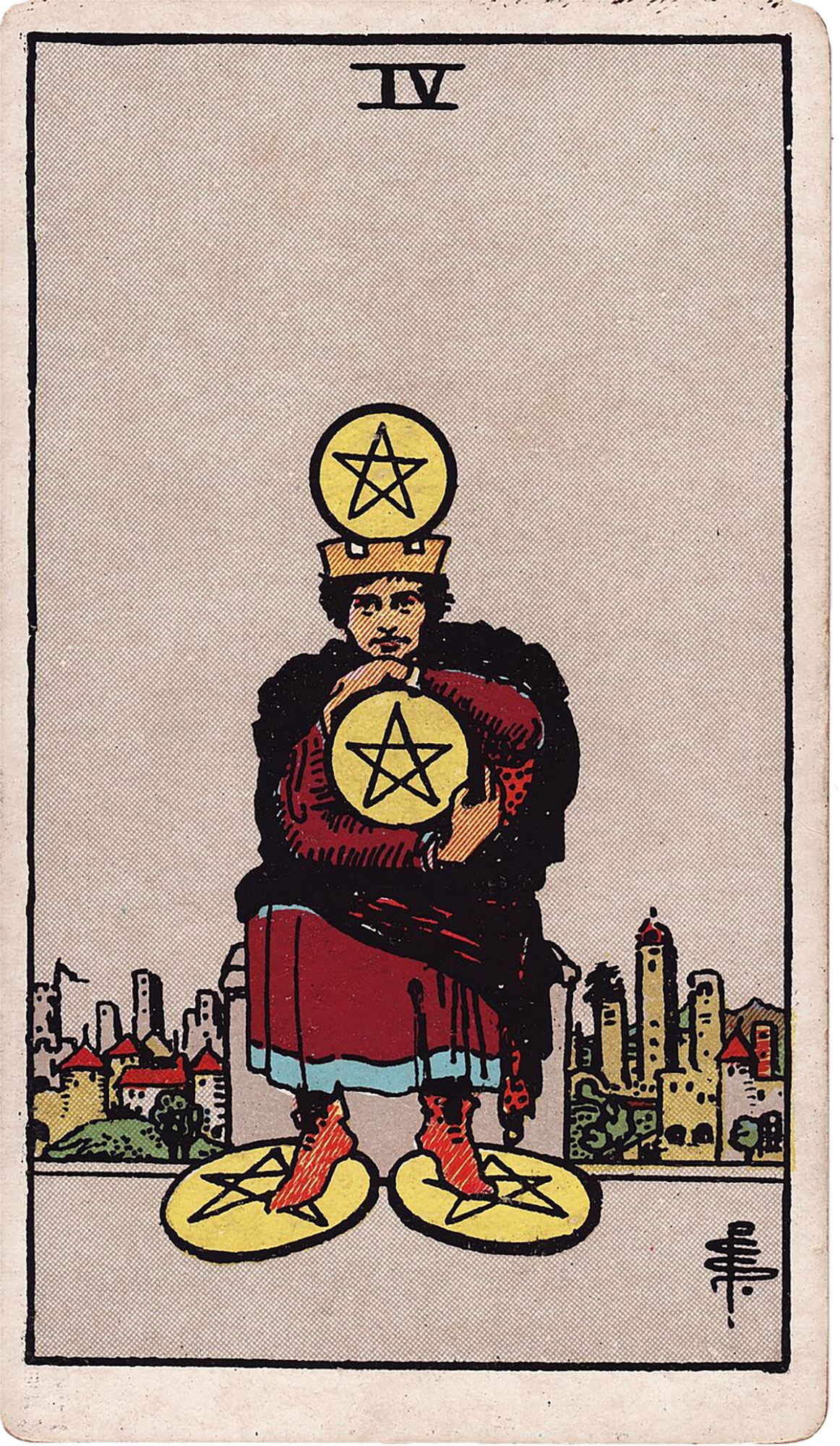 Environment4 of Pentacles
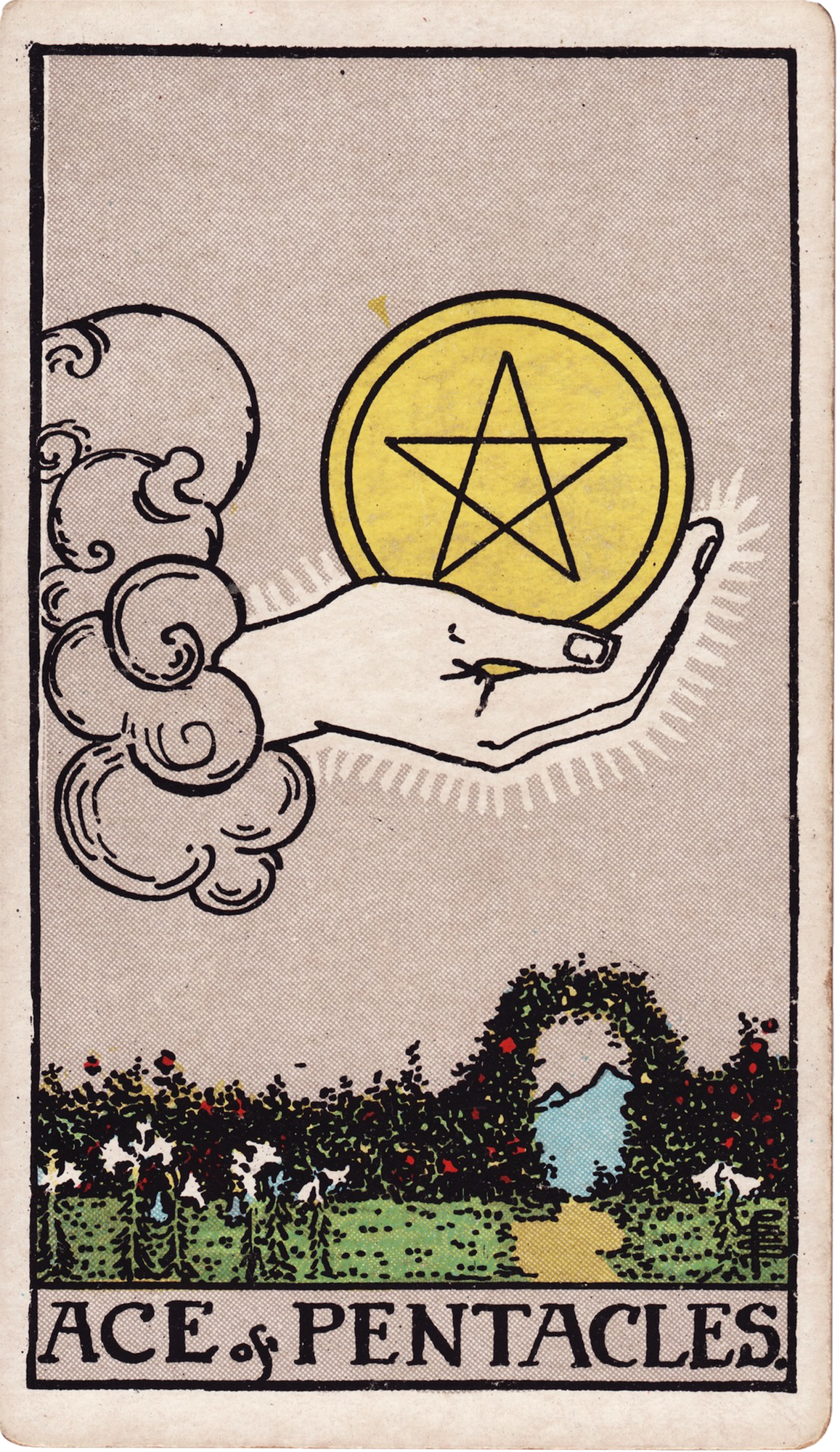 AdviceAce of Pentacles
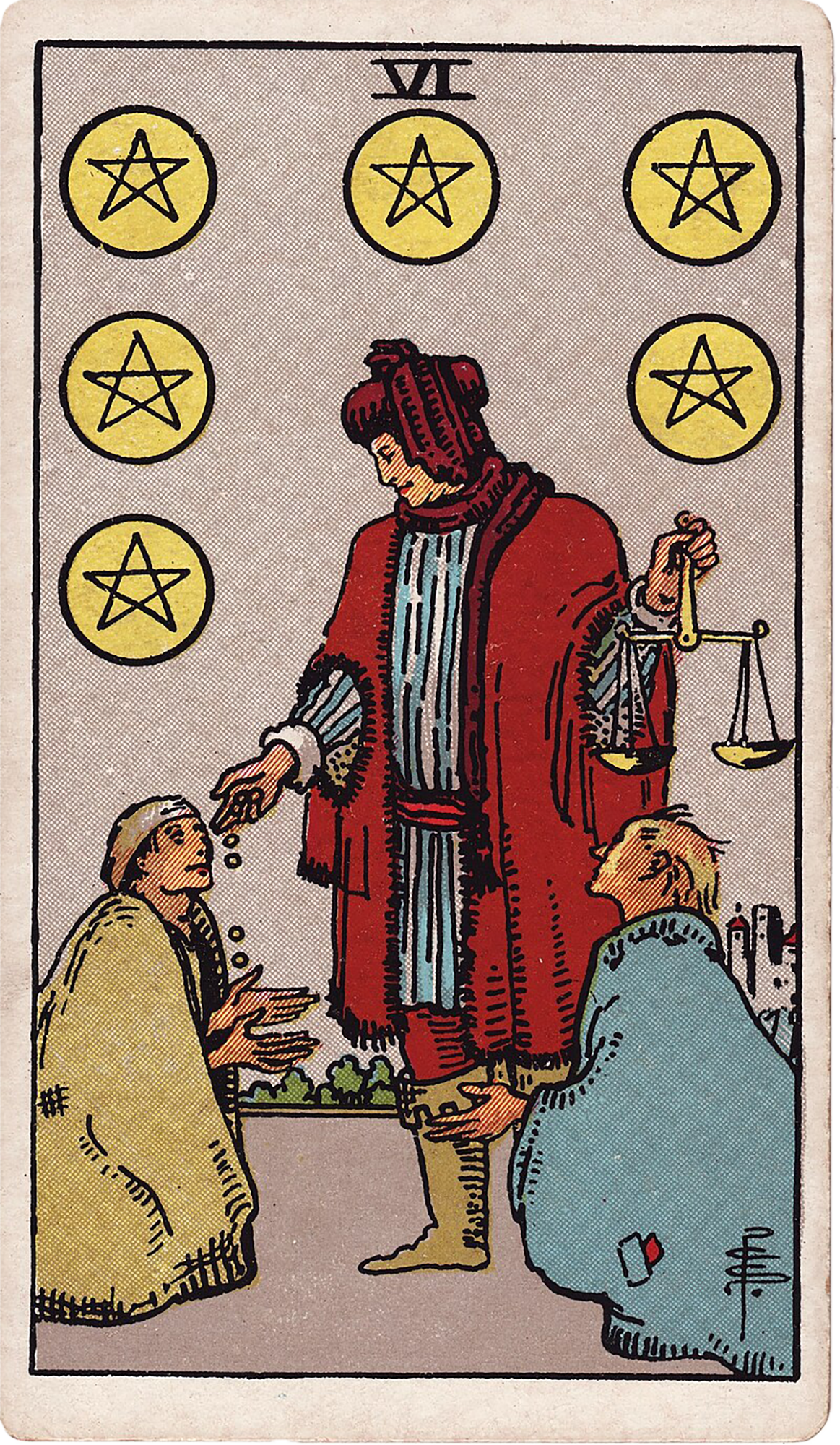 Outcome6 of Pentacles
Why use a Horseshoe for financial recovery
The Horseshoe is an old, flexible seven-card layout that excels at mapping a process: where you came from, where you are, the unseen dynamics at work, what’s blocking progress, the surrounding conditions, practical guidance, and likely outcome if current energies continue. For financial recovery after a setback, that structure mirrors the real work: review past causes, assess present habits and fears, identify hidden patterns (emotions or missed resources), face the tangible obstacles in relationships or systems, locate longer-term rhythms, receive skill-based advice, and imagine a realistic outcome. Choosing only Pentacles cards for a worked example keeps the reading tightly focused on material reality: resources, skills, routine, and long-term structures. The supplied cards form a coherent narrative about rebuilding — use their images and conventional Pentacles meanings to ground practical action.
Spread layout and preparation
Layout: Place seven cards left-to-right in a gentle arc or horseshoe. Label positions in this order: 1 Past, 2 Present, 3 Hidden Influence, 4 Obstacle, 5 Environment, 6 Advice, 7 Outcome. For this worked example we place the supplied cards in order: 1 = Ace of Pentacles, 2 = 4 of Pentacles, 3 = 5 of Pentacles, 4 = 6 of Pentacles, 5 = 7 of Pentacles, 6 = 8 of Pentacles, 7 = 10 of Pentacles. Preparation: Set a clear, practical question before shuffling — e.g., “What practical steps will best restore stable income and material security over the next 6–12 months?” Use an orientation (timeframe) you prefer. Shuffle and cut in a way that feels comfortable; if you use reversals, allow them and note orientation. For learners, use the images on each card deliberately: describe them aloud or in a journal to tether interpretation to concrete symbolism rather than abstract hype.
Card 1 — Past: Ace of Pentacles
Meaning in position: The Past position shows the foundation that led to the current situation. The Ace of Pentacles in the Past suggests a tangible opportunity or resource entered the querent’s life: a job, a grant, a starting capital, a property, or an idea with material potential. Rider-Waite imagery — a hand emerging from clouds offering a single pentacle over a garden and a gateway — emphasizes a seeded beginning and the potential for a secure path. Interpretation detail: In a recovery reading, this card often indicates where the original chance or concrete resource was available or where the pattern of practical action began. Was there a legitimate opportunity that was not fully developed? Did a new income stream or practical initiative get started but then interrupted? The upright Ace invites remembering what was promising about that early phase: a skill, a contract, or a supportive practical environment that could be reactivated or retooled. Actionable note: Revisit records, contracts or contacts tied to that earlier opportunity. What small element of that beginning is still present and could be nurtured (a client lead, a certification, a saved prototype)? The Ace implies that rebuilding can reconnect to a concrete starting point rather than abstract optimism alone.
Card 2 — Present: 4 of Pentacles
Meaning in position: Present describes current habits, emotional tone, and immediate resources. The 4 of Pentacles shows a figure clutching a pentacle, two at his feet and one on his head, a city behind him — visual emphasis on holding tight to what you have. Upright, this card points to protection and stability but warns where security hardens into rigidity. Interpretation detail: As the Present, the 4 suggests the querent is prioritizing safety through retention: holding cash, avoiding risk, possibly resisting sharing or restructuring. That posture can both protect and limit. In the context of rebuilding, the card asks whether that grip is necessary short-term but harmful long-term — for example, refusing to accept low-paid but steady work that would stabilize finances, or hoarding to the point where investment in necessary tools or training is postponed. Actionable note: Use a ledger: separate what must be held (emergency savings, minimum living expenses) from what is being hoarded out of fear. Create a small test — allow a controlled, reversible expense (e.g., a low-cost course, a basic tool) that can increase income or skills. The 4 doesn’t condemn caution; it flags when caution has calcified into paralysis.
Card 3 — Hidden Influence: 5 of Pentacles
Meaning in position: Hidden Influence reveals forces shaping the situation that the querent may not consciously acknowledge. The 5 of Pentacles depicts two figures outside a warm, stained-glass window — clear RWS symbolism of material hardship combined with available support that’s not being accessed. Interpretation detail: As the hidden influence, the 5 suggests lingering feelings of exclusion, shame about asking for help, or a failure to notice existing aid (community programs, friends, family, nonfinancial resources). Practically, the card says part of the setback is maintained by not accessing support systems. The light in the window indicates support exists; the problem is either not seeing it or being unwilling to enter. Actionable note: Inventory potential supports: food assistance, community clinics, professional networks, small loans with clear terms, mentors. Role-play asking for help; practice a simple script to request assistance. Recognizing that help exists removes a major unseen drag on recovery.
Card 4 — Obstacle: 6 of Pentacles
Meaning in position: Obstacle shows the primary factor actively impeding progress. The 6 of Pentacles features a benefactor weighing coins with a scale and distributing alms — classic imagery about giving, receiving and balance. Interpretation detail: As an obstacle, the 6 points to complications in exchange: strings attached aid, power imbalance in financial relationships, pride that prevents receiving help, or resentment when giving/receiving is unequal. Practically, this might be a creditor with restrictive terms, family members who expect repayment on their timeline, or assistance that requires impossible conditions. The card asks whether offers of help are conditional and whether inequality in exchange is keeping the querent stuck. Actionable note: Diagnose the terms of any offers. Negotiate clear, fair terms, and if necessary, find alternatives with fewer strings. If the obstacle is internal (shame about receiving), practice accepting manageable help and setting boundaries so gratitude does not become exploitation. The 6 can be an obstacle both as external conditional aid and as internal resistance to receiving equitably.
Card 5 — Environment: 7 of Pentacles
Meaning in position: Environment describes the broader context: markets, family patterns, habitual timelines. The 7 of Pentacles shows a person pausing to look at pentacles growing on a bush — a classic image of long-term effort reaching a review point. Interpretation detail: In the Environment position, the 7 suggests the local conditions favor assessment and slow progress over quick fixes. The surrounding reality may reward steady investment, patient course-corrections, and honest review rather than radical gambles. It also signals that results will be measured in stages; immediate windfalls are unlikely. Actionable note: Build a modular plan measured in milestones (30/90/180-day checkpoints). Track yield on time and money investments: where does an hour of retraining return measurable income? The 7 reminds practitioners to schedule pause-and-assess sessions to decide whether to continue, adjust, or reallocate effort.
Card 6 — Advice: 8 of Pentacles
Meaning in position: Advice gives the practical next step or habit that will most effectively improve the situation. The 8 of Pentacles shows a craftsman focused at his bench, repeating and refining pentacles — an image of deliberate practice and skill-building. Interpretation detail: The 8 asks for disciplined, focused work: improving marketable skills, tightening processes, improving quality of service/product, practicing financial literacy, or structuring routines that increase reliability. In the context of the other cards, the 8 is the corrective to the Present's fear-driven grip and the Hidden 5's reluctance to seek help: invest time in competence and predictable output. Actionable note: Create a learning plan with concrete deliverables: list three skills to improve, schedule practice blocks per week, and set measurable performance indicators (e.g., number of job applications tailored, client proposals delivered, hours of billable work). The 8's effect compounds: small daily improvements increase income stability over months.
Card 7 — Outcome: 10 of Pentacles
Meaning in position: Outcome shows a likely result if the current trajectory and advice are followed. The 10 of Pentacles depicts a multigenerational family, a stable home, dogs and an archway — strong RWS imagery of legacy, systems of shared resources, and durable material order. Interpretation detail: As the probable outcome, the 10 promises long-term material stability, restored shared resources or a re-established system that outlives short-term setbacks. It suggests the possibility of building or repairing financial structures that support family or community and creating legacy-level security rather than temporary fixes. Actionable note: To reach a 10-like outcome, put systems in place now: emergency savings target, estate/household agreements, transparent family budgeting, or business practices that distribute value sustainably. The 10 indicates that when practical skills are developed (8), and when aid is accessed carefully (mitigating the 6), long-term security is achievable.
Card-to-card relationships: reading the flow
Reading a spread is about the dynamics between cards as much as individual meanings. Use imagery to trace movement. Ace (Past) -> 4 (Present): The generous seed of an opportunity (Ace) has become something the querent is protecting fiercely (4). A promising start hardened into a grip. That suggests the initial resource either felt fragile or was lost, prompting defensive behavior. Practical takeaway: revive a useful element of that original opportunity while loosening the unhealthy clutch. 4 (Present) -> 5 (Hidden): The present holding pattern is fueled by hidden scarcity and shame (5). The fear behind the 4 is not purely financial calculation but an emotional sense of exclusion. Practical takeaway: address shame directly through small, low-stakes requests for help. 5 (Hidden) -> 6 (Obstacle): The unseen pattern of scarcity amplifies complications in exchange (6). If you approach aid from shame, you may accept help on unequal terms or avoid offers that are fair. Practical takeaway: inventory offers critically and rebuild a respectful exchange model. 6 (Obstacle) -> 7 (Environment): The external condition favors patient reassessment (7) — you cannot muscle past the obstacle; you need measured review and adjustments. Practical takeaway: plan periodic assessments and use them to renegotiate or decline toxic offers. 7 (Environment) -> 8 (Advice): The long view environment rewards skilled, steady work (8). Consistent practice addresses both the structural environment and personal competence. 8 (Advice) -> 10 (Outcome): Focused skill-building compounds into systems that create durable stability (10). The path from apprenticeship to legacy is literal in the Pentacles suit. Synthesis: The narrative arc is reconstruction: an opportunity existed; fear hardened into protection; hidden shame and exclusion stop the querent from using help; conditional aid and unequal exchanges are current obstacles; the surrounding reality demands patient assessment; disciplined practice will yield long-term stability if followed.
Practical reading method and reproducible steps
This section gives a learner-friendly, repeatable protocol to perform the spread and translate it into concrete steps. 1) Question and timeframe: Frame a precise, practical question and choose a timeframe (6–12 months is useful for material recovery). Example: “What steps in the next 12 months will most reliably rebuild my household income?” 2) Prepare: Cleanse or center as you prefer. Shuffle while focusing on the question. Cut and lay seven cards left-to-right in an arc. 3) Label: Assign positions exactly: 1 Past, 2 Present, 3 Hidden Influence, 4 Obstacle, 5 Environment, 6 Advice, 7 Outcome. 4) Describe imagery: Before interpretation, describe what you see on each card out loud or in a journal: colors, figures, objects, gestures. This keeps interpretation grounded in symbolism rather than wishful thinking. 5) Read positions: Interpret each card in its position using both RWS imagery and practical Pentacles meanings. Ask for specifics: who, what, where, when. For example, with Ace of Pentacles in Past ask: what was the initial resource? With 6 of Pentacles as Obstacle ask: who is offering help and on what terms? 6) Connect cards: Trace the flow adjacently (1->2, 2->3, 3->4, 4->5, 5->6, 6->7) and in thematic pairs (Past->Advice, Hidden->Outcome, etc.). Note contradictions and confirmations. 7) Produce a short plan: Convert advice into 3 measurable actions with deadlines (30/90/180 days). For example: (a) Reconnect with one contact related to the Ace within one week; (b) Start 6 hours/week of skill practice tied to the 8; (c) Reassess progress at 90 days per the 7. 8) Journal and follow-up: Record the reading, actions and outcomes. Re-run the spread in three months to measure change. Use clarifying cards only if a position needs nuance; avoid overcomplication.
Common mistakes and troubleshooting
1) Ignoring imagery: Interpreters often skip describing what they actually see. Always name visual details (hand from cloud, scales, a stained-glass window, craftsman’s bench) before leaping to generic advice. 2) Treating the reading as prophecy: Use the spread as a skills and systems map, not an immutable forecast. The Outcome (10) is conditional on following advice. 3) Over-relying on one card: Don’t let the 4 of Pentacles or 5 of Pentacles alone determine the plan. Balance them with advice and environment cards. 4) Confusing shame with prudence: The 5 and 4 can both look like carefulness. Ask: is action blocked by practical constraint or emotional fear? Test with small, reversible experiments. 5) Accepting help without terms: The 6 shows conditional help. Always clarify expectations, write simple agreements, and keep reciprocity transparent. 6) Skipping measurable steps: Pentacles are practical; convert insight into specific actions with dates and metrics. Without that, the 8 of Pentacles’ promise of skill-building is only potential.
Practice exercises and example mini-readings
Exercise 1 — Image-focused interpretation: Lay out the same seven cards. Spend five minutes describing each image in sensory detail. Then write one sentence per card tying the image to a concrete resource or habit in your life. Exercise 2 — Convert advice to milestones: Using the 8 of Pentacles as advice, list three micro-skills related to your income stream. Assign each a 30-day learning goal and a 90-day demonstration (e.g., produce a paid sample, land a client, pass a certification). Example mini-plan from this spread: Week 1 — review Notes: contact one person connected to the Ace of Pentacles’ opportunity; build a 90-day schedule with 6× weekly practice blocks (8); identify two assistance programs or a trusted lender and list their terms (5 & 6); set an emergency fund target and protect a minimum amount (4). Month 3 — assess progress per 7; renegotiate or leave conditional help (6) if it is limiting progress. Month 12 — aim for a small, stable system of shared resources (10) such as a household budget and an informal family agreement on support. These exercises internalize the interpretive method so the learner can produce practical outcomes.
Conclusion and ethical framing
The Seven Card Horseshoe, when focused through the Pentacles suit, becomes a pragmatic counseling tool for financial recovery. The supplied cards map a believable, actionable pathway: an initial opportunity that must be reactivated (Ace), a present tendency to protect (4) driven by hidden shame (5), conditional aid as a real obstacle (6), a surrounding need for patient assessment (7), clear work-based advice (8), and the possibility of lasting stability and shared legacy (10). Use the spread to design experiments — small, measurable, reversible steps — and to practice asking for help in ways that protect your dignity and long-term interests. As always, supplement readings with professional financial or legal advice when appropriate. Tarot here is a planning aid and mirror, not a substitute for concrete systems and expert counsel.
Practice questions
• Which element of the Ace of Pentacles’ ‘seed’ still exists in my life and how could I nurture it this month?
• Where is my 4 of Pentacles behavior helpful and where is it blocking essential changes?
• What supports am I failing to see as suggested by the 5 of Pentacles’ window of light?
• Who or what in my life functions like the 6 of Pentacles — offering help with conditions — and how can I negotiate clearer terms?
• What measurable milestone can I set now that aligns with the patient assessment of the 7 of Pentacles?
• What three specific practice blocks would answer the 8 of Pentacles’ call for skill-building?
• What system (budget, agreement, business process) would indicate I’m moving toward the 10 of Pentacles outcome?
Comments
Sign in to comment.
Continue learning
Mastering Decision Making with the Five Card Cross Tarot Spread
The Five Card Cross Tarot Spread is a powerful tool for deepening decision-making skills by examining the present situation, past influences, future possibilities, challenges, and...
Navigating Conflict Resolution and Inner Struggles with the Five Card Cross Tarot Spread
This article delves into the Five Card Cross Tarot Spread as a practical tool for navigating conflict resolution and inner struggles, especially within family contexts. Using the s...
Using the Career Five Card Spread to Identify Growth Opportunities and Challenges
This article explores the Career Five Card Spread, a practical tarot method designed to spotlight growth opportunities, strengths, and obstacles within a career context. By analyzi...
Unlocking Life Insights with the Celtic Cross Tarot Spread
This article offers a thorough exploration of the Celtic Cross Tarot Spread, focusing on its application within family and practical life contexts. Using a worked example featuring...
Deepening Connection and Communication Using the Relationship Five Card Spread
This article introduces the Relationship Five Card Spread as a practical tool to enhance family communication and connection. Using five specific card positions—You, The Other Pers...
Using the Five Card Cross Tarot Spread to Navigate Career Changes with Confidence
The Five Card Cross Tarot Spread is a versatile and insightful tool for navigating career changes. This article guides learners through the method step-by-step using a practical ex...
Unlocking Personal Insight with the Seven Card Horseshoe Spread
The Seven Card Horseshoe Spread is a practical and insightful Tarot layout ideal for exploring personal and family dynamics. This article breaks down each position—Past, Present, H...
Unlocking Career Clarity with the Seven Card Horseshoe Tarot Spread
This article explores the Seven Card Horseshoe Tarot Spread as a practical technique to gain clarity in career matters, focusing on detailed interpretations of Pentacles cards. Usi...
Using the Three Card Spread to Gain Clarity on Past Present and Future Influences
This article guides learners through the practical use of the Three Card Spread to gain clarity on past, present, and future influences. Using the specific cards The Emperor in the...
Using the Three Card Spread to Gain Insight on Past Present and Future Challenges
This article explores the practical three card tarot spread designed to provide insight into challenges across time: Past, Present, and Future. Using the Ace of Wands, 10 of Wands,...