
Techniques for Reading Court Cards to Unlock Personality Insights
Court cards in Tarot often represent people, personality traits, or energy patterns within a situation. This article offers a structured approach for beginners and advanced readers to understand and interpret court cards effectively, anchored by detailed examples from the Page, Knight, and Queen of Wands. By combining traditional symbolism with situational context and card imagery, readers can gain nuanced insights into motivation, ambition, creativity, and identity dynamics. Practical techniques, common pitfalls, and reflection practices are included to sharpen reading skills.
Cards explored in this article
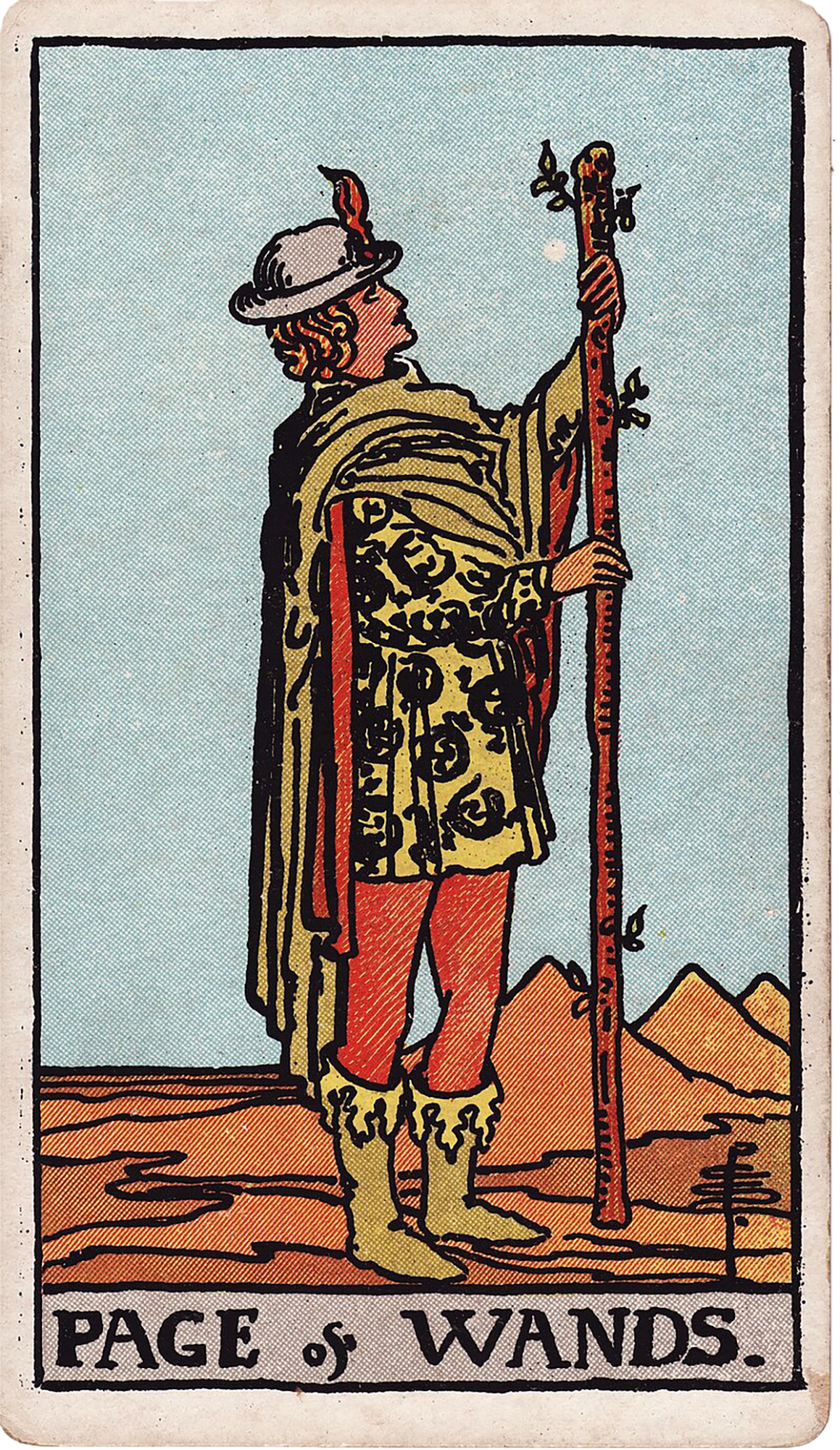 Page of Wands
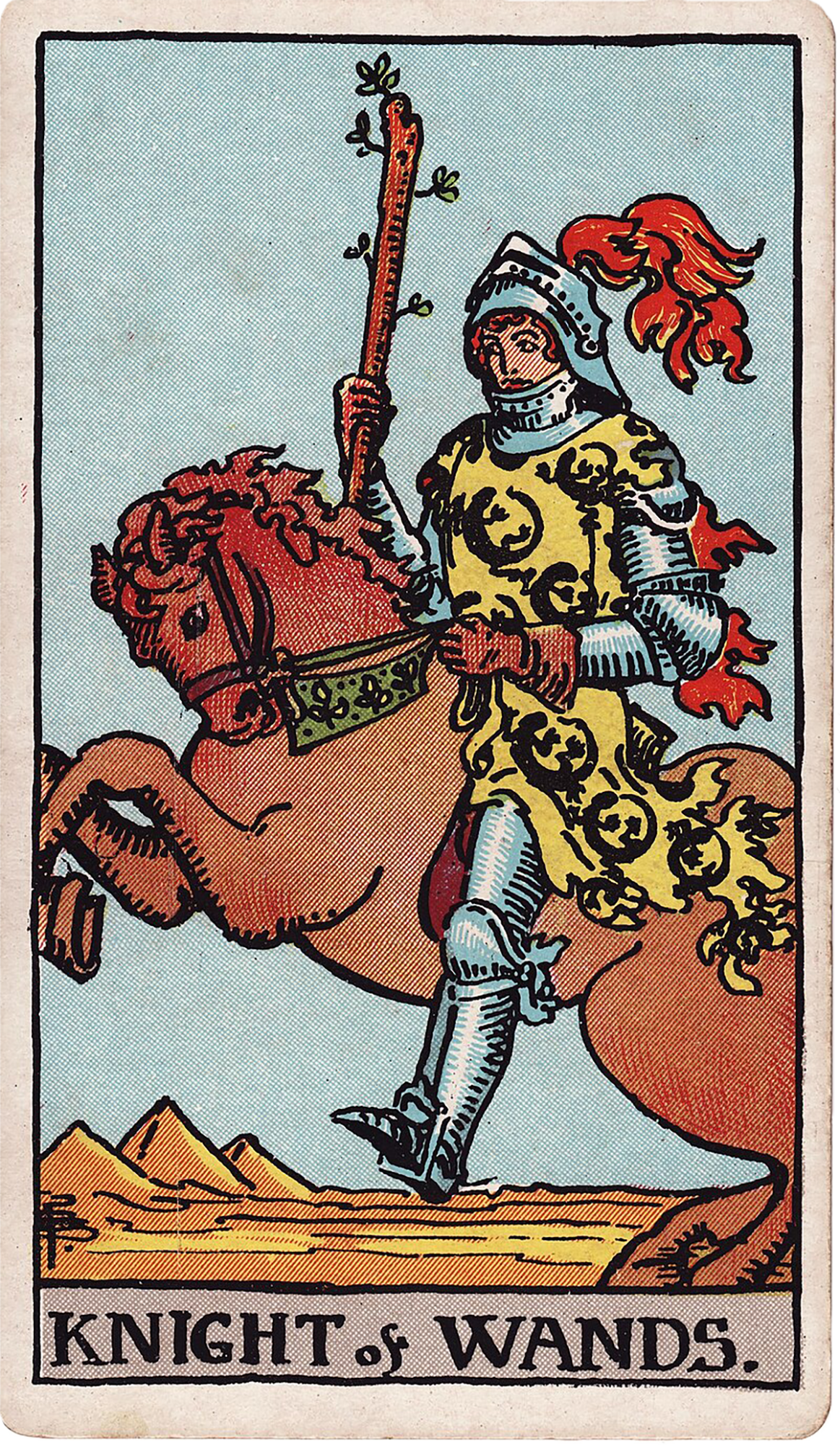 Knight of Wands
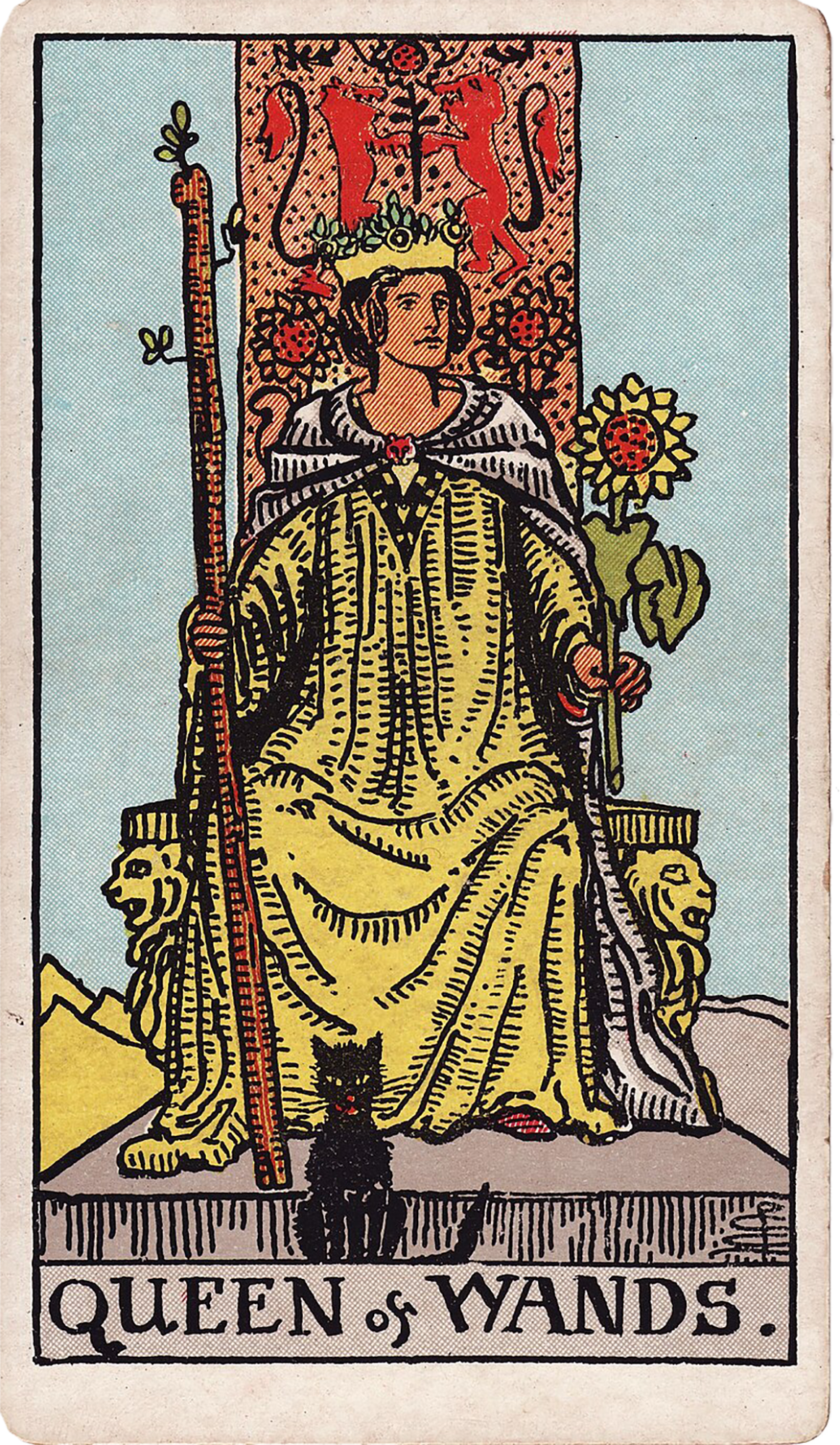 Queen of Wands
Understanding the Role of Court Cards in Tarot
Court cards are unique among Tarot cards because they often symbolize people, roles, or internalized archetypes, rather than abstract forces or events. In the Rider-Waite-Smith tradition, court cards are divided into Pages, Knights, Queens, and Kings. Each rank reflects a different stage or style of expression related to the suit’s element—in this case, Wands which correspond to fire energy, creativity, motivation, and ambition. Unlike minor arcana numbered cards, court cards emphasize personality patterns, attitudes, and dynamic behaviors within situations. This makes them invaluable for unlocking insights about the people involved or the internal qualities influencing a reading.
Beginner Techniques for Interpreting Court Cards
A foundational step for beginners is to identify the suit and rank and link these to broad themes. For the Page of Wands, as shown in the supplied card image, the beginner energy shines through curiosity, experimentation, and the spark of new ideas or messages. This card asks the reader to look at where fresh motivation or creativity is entering the querent’s life or question. In upright position, it encourages practical action fitting the current stage. In reversed position, it warns against immaturity or inconsistency, inviting the reader to explore blocks to growth rather than simply assuming negativity. When the Knight of Wands appears, the reading highlights decisive movement and high energy. This is an advanced stage of the Page’s curiosity, focusing on courage and ambition but with attention to direction and follow-through. Beginners should observe how the card’s bright fire energy is moving the situation forward, marking a shift from potential to action. Conversely, its reversed form points to recklessness or restlessness—important flags for when excessive speed undermines progress. For the Queen of Wands, readers interpret confident leadership, social warmth, and creative independence. Beginners should notice how this card reflects a more mature embodiment of the Wands’ fire element, emphasizing visible confidence without diminishing others. The reversal may indicate insecurity hidden behind performance or burnout, an advanced psychological state that beginners should approach with curiosity about what the querent might be masking or struggling to sustain.
Advanced Techniques for Deepening Court Card Readings
Advanced readers move beyond basic personality attribution by integrating court cards into the broader narrative of a spread and reading dynamic shifts between cards. For example, consider the Page, Knight, and Queen of Wands as stages on a developmental path: the Page’s experimental curiosity leads to the Knight’s decisive action, which matures into the Queen’s confident leadership. Observing which stage is dominant in a spread helps clarify where the querent’s energy or situation is focused. Another advanced technique is to examine the card’s reversal not as a simple negative but as an indicator of stuck energy or internal conflict. For instance, the reversed Page of Wands invites inquiry into what inhibits the querent’s willingness to take risks or maintain enthusiasm. Is there fear of appearing inexperienced or a lack of follow-through? Similarly, the reversed Knight’s restlessness may suggest an unfinished venture requiring patience rather than speed. The Queen reversed prompts questions about internal jealousy or burnout, encouraging readers to detect subtle emotional undercurrents behind social confidence. Advanced readers also pay close attention to the card’s visual details—posture, gaze, symbols, and color. For example, the Queen of Wands often holds a sunflower symbolizing vitality and optimism; noticing if this is overshadowed or emphasized adds nuance. The Page’s wand sprouting leaves suggests growth potential, while the Knight’s forward-leaning horse posture signals rapid momentum. These visual cues anchor interpretations in the card’s traditional symbology and enhance intuitive connection.
Practical Method for Reading Court Cards Effectively
To integrate these lessons into a practical reading, start by identifying the card’s rank and suit, then review the upright and reversed meanings carefully. Note where the card appears in the spread and what neighboring cards might influence or modify its energy. Use these steps: 1. Contextualize: Ask what role the court card is playing—is it representing a person, an attitude, or an internal process? 2. Stage and Suit: Place the card within its developmental stage (Page, Knight, Queen) and elemental energy (Wands/fire). 3. Visual Analysis: Observe the card’s imagery, posture, and symbols for additional clues. 4. Upright vs. Reversed: Instead of opposites, treat reversals as areas of stuck energy or internal conflict requiring attention. 5. Actionable Insight: Reflect on what practical response fits the current stage of energy, such as nurturing Page curiosity, channeling Knight decisiveness, or balancing Queen confidence. Document your observations and practice applying this method in different spreads and contexts to build nuanced understanding. Over time, this structured approach reduces common beginner mistakes like over-generalization or ignoring the card’s developmental context.
Common Pitfalls to Avoid When Reading Court Cards
One frequent error is treating court cards as literal descriptions of people rather than symbolic archetypes or energy patterns. Avoid assuming a Page always means a young person or a Queen always means a woman; instead, interpret these cards as facets of personality or phases of a process that could manifest in anyone. Another mistake is taking reversed cards as purely negative omens. As shown with the Pages, Knights, and Queens of Wands, reversals often point to areas needing awareness or practice rather than doom. Avoid binary thinking and instead ask "Where is this energy stuck or underdeveloped?" Beginners may also overlook the importance of card position and surrounding cards. Court cards are highly context-sensitive; their meaning can shift dramatically if they appear near cards indicating conflict, completion, or new beginnings. Finally, rushing interpretations without connecting to the card’s imagery and traditional symbolism can yield shallow readings. Spend time observing the card’s artistic details and recalling Rider-Waite-Smith meanings to deepen insight.
Examples Anchored in the Page, Knight, and Queen of Wands
Imagine a reading where the Page of Wands appears upright in the position representing a challenge. This might suggest the querent needs to embrace curiosity and initiate experimentation to overcome a blockage. If reversed, the message shifts to identifying where fear of failure or inconsistency is limiting progress. In a career spread, the Knight of Wands upright could indicate a time to pursue ambitions with courage but to mindfully choose direction; reversed, it might warn against impulsive decisions or burnout from scattered energies. If the Queen of Wands appears in a relationship context, upright she may embody a person or attitude of confident warmth and independence; reversed, she could signal jealousy or insecurity affecting dynamics. Noticing the sunflower she holds encourages focusing on vitality and optimism despite challenges. Each example shows how linking card imagery, upright/reversed nuances, and situational context creates richer personality insights and practical guidance.
Integrating Court Card Insights into Your Tarot Practice
To integrate the techniques described, regularly practice readings focusing on court cards as primary lenses into personality and energy dynamics. Use journaling to track how interpretations evolve as you grow more familiar with the developmental stages from Pages through Queens. Pair this practice with meditation on the symbolism of Wands and fire energy to strengthen intuitive connections. Encourage questions during readings that invite querents to reflect on their creativity, motivation, and leadership qualities—key themes embodied by the Page, Knight, and Queen of Wands. This approach shifts court card readings from predictive fortune-telling toward empowering psychological and spiritual insight. Finally, continue studying cards’ traditional meanings alongside contemporary interpretations and personal intuitive impressions. The layered understanding that emerges will enhance your ability to unlock complex personality insights with confidence and compassion.
Practice questions
• How do the stages of Page, Knight, and Queen reflect different expressions of motivation and creativity in your life?
• What internal blocks might a reversed court card reveal about your current challenges or personality dynamics?
• How can observing card imagery deepen your intuitive understanding of court card messages?
• In what ways might you shift from literal to archetypal thinking when interpreting court cards?
• How do surrounding cards influence the meaning of court cards in spreads you work with?
Comments
Sign in to comment.
Continue learning
Interpreting the Dance of Justice and The Devil: Balancing Morality and Temptation in Tarot Readings
The combination of Justice and The Devil in tarot presents a profound exploration of morality, temptation, and personal accountability. This article unpacks how these cards influen...
Advanced Techniques for Combining The Moon and The Star to Enhance Intuition in Tarot Readings
This article explores advanced techniques to combine the symbolism and energy of The Moon and The Star Tarot cards to enhance intuition during Tarot readings. Drawing from traditio...
Unlocking Life Insights with the Celtic Cross Tarot Spread
This article offers a thorough exploration of the Celtic Cross Tarot Spread, focusing on its application within family and practical life contexts. Using a worked example featuring...
Unlocking Hidden Meanings with The Hermit and The Hanged Man for Spiritual Growth
This article offers an in-depth exploration of The Hermit and The Hanged Man Tarot cards focusing on their roles in spiritual growth. It guides readers through beginner and advance...
Unlocking Personal Insight with the Seven Card Horseshoe Spread
The Seven Card Horseshoe Spread is a practical and insightful Tarot layout ideal for exploring personal and family dynamics. This article breaks down each position—Past, Present, H...
Mastering the Court Cards of Wands for Unlocking Personal Drive and Leadership
The Court Cards of Wands represent a dynamic spectrum of personal energy, ambition, and leadership potential within the Minor Arcana. This article offers a comprehensive exploratio...
Tracing the Origins and Evolution of The Fool Card in Tarot History
The Fool card holds a foundational place in tarot tradition, symbolizing beginnings, openness, and the embrace of uncertainty. This article traces its origins from early European d...
Unlocking Emotional Transformation with Death and The Moon Tarot Combination
This article explores the rich and complex interaction between the Death and The Moon tarot cards within the Rider-Waite-Smith tradition, focusing on their combined potential to un...
Applying The Star Card to Foster Hope and Renewal in Personal Growth
The Star card in Tarot symbolizes hope, authenticity, and the process of steady renewal. In a single-card reading, The Star encourages embracing what is present, cultivating openne...
Deepening Connection and Communication Using the Relationship Five Card Spread
This article introduces the Relationship Five Card Spread as a practical tool to enhance family communication and connection. Using five specific card positions—You, The Other Pers...