Unlocking Hidden Meanings with The Hermit and The Hanged Man for Spiritual Growth
This article offers an in-depth exploration of The Hermit and The Hanged Man Tarot cards focusing on their roles in spiritual growth. It guides readers through beginner and advanced techniques for interpreting these cards using Rider-Waite-Smith symbolism. By anchoring the teachings to the provided card images and traditional meanings, learners develop practical reading methods, avoid common mistakes, and uncover profound insights about reflection, perspective, and transformation.
Cards explored in this article
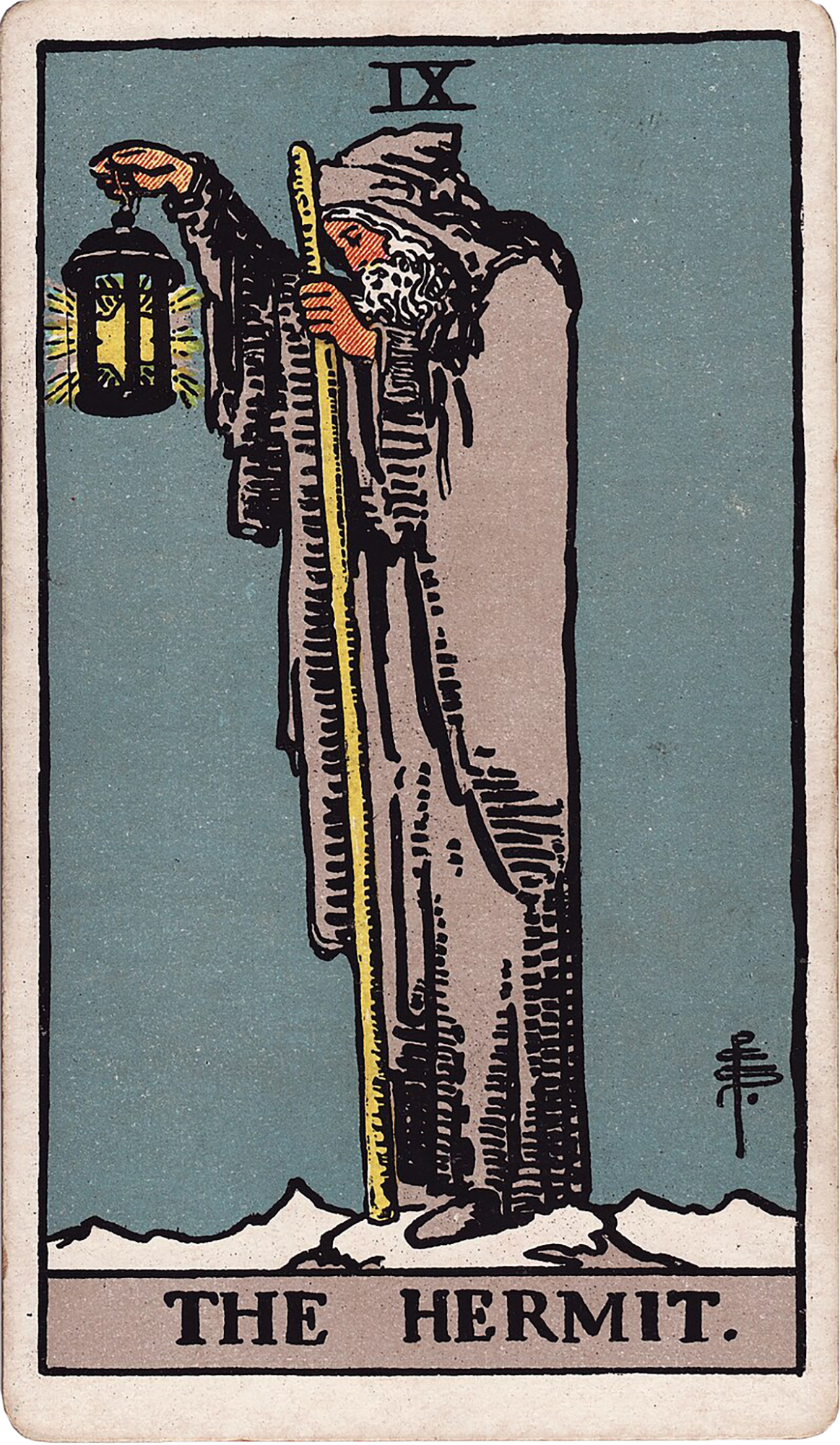 The Hermit
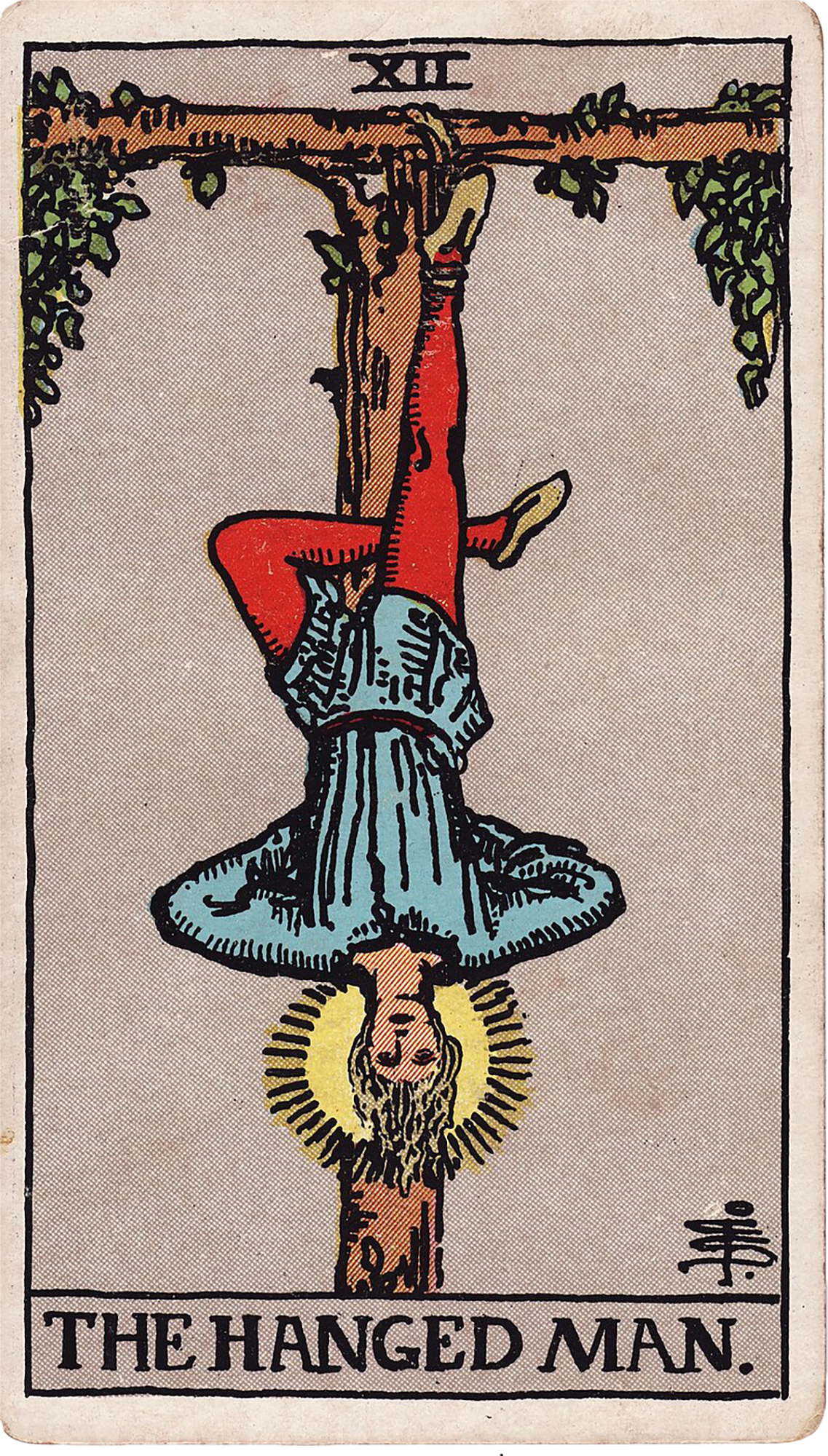 The Hanged Man
Introduction to The Hermit and The Hanged Man in Spiritual Growth
The Hermit and The Hanged Man stand as powerful archetypes within the Tarot, each symbolizing different facets of inner work crucial to spiritual development. The Hermit encourages withdrawing from external distractions to seek deeper clarity and wisdom through solitude and introspection. The Hanged Man, by contrast, invites a deliberate pause and release of control, fostering transformation through altered perspective and surrender. Understanding these cards in their upright and reversed positions opens pathways for both beginners and advanced practitioners to engage constructively with spiritual challenges. This article will anchor all insights to the supplied illustrations of The Hermit and The Hanged Man, ensuring a grounded connection to their traditional Rider-Waite-Smith imagery.
Core Symbolism and Upright Meanings
The Hermit, depicted as an elderly figure holding a lantern, symbolizes the search for inner truth and wisdom by stepping back from noise and distraction. Upright, this card emphasizes taking deliberate solitary time to gain insight, asking where clearer boundaries, direct responses, or deeper honesty would move a situation forward. It reminds readers to use what is currently visible to take measured next steps rather than waiting for certainty. The Hanged Man, showing a figure suspended upside down calmly, embodies voluntary surrender and a shift in perspective. Upright, it encourages pausing deliberately, releasing control, and allowing a transformed viewpoint to reshape understanding. This card suggests working consciously with the present moment to identify necessary changes in approach or awareness. Both cards share themes of reflection and mindful action but differ in approach: The Hermit seeks illumination through inward focus, while The Hanged Man stresses transformation through altered perception.
Reversed Interpretations and Their Nuances
When reversed, both The Hermit and The Hanged Man reveal complex distortions of their upright qualities that are important for spiritual growth awareness. The Hermit reversed often signals isolation that becomes avoidance or loneliness, excessive analysis without engagement, or the misuse of withdrawal to escape responsibility. Instead of seeing reversal as negative, readers are encouraged to ask where the energy is blocked or imbalanced, potentially indicating a private psychological struggle or the early recognition of old patterns yet to be changed. Similarly, The Hanged Man reversed points to stagnation, martyrdom, or resistance to surrender. It warns against delaying growth through pointless waiting or refusing to learn from the necessary pause. The reversed card asks readers to identify where surrender becomes difficult to access or is exaggerated to unhealthy extremes. Both reversals call for reflection on how constructive qualities can become distorted, offering advanced learners subtle differentiation between resistance, recovery, or temporary pauses.
Beginner Technique for Reading These Cards
For beginners, the first step is to focus on the imagery of the cards supplied. Observe The Hermit's lantern illuminating the path, a symbol of conscious searching, and The Hanged Man's calm upside-down position, symbolizing voluntary suspension and perspective shift. When these cards appear upright, the reading should encourage the querent to consider where intentional solitude or a pause for reflection might resolve or clarify their situation. Ask questions such as where clearer honesty or a deliberate choice could lead to progress. When reversed, gently note the possibility of withdrawal turning into avoidance or a pause turning into stagnation. Rather than assuming doom, consider whether the querent is resisting or beginning to recognize an old pattern. Beginners should avoid jumping to fixed conclusions and instead use the cards as prompts for internal inquiry and conscious steps forward.
Advanced Techniques Using The Hermit and The Hanged Man Together
Advanced readers can deepen their interpretations by examining relational dynamics between The Hermit and The Hanged Man when they appear in the same spread. Both cards emphasize pause and reflection but through different modalities—internal illumination versus perspective shift. For example, if The Hermit appears upright and The Hanged Man reversed, it may suggest that the seeker is ready to engage introspectively but is resisting the surrender needed to change perspective. Conversely, The Hermit reversed with The Hanged Man upright could indicate that withdrawal is becoming isolating, but transformation through surrender is still possible. Look also to the positioning and neighboring cards for additional context. Consider timing implications: The Hermit’s solitary insight may precede The Hanged Man’s transformative pause. Advanced technique involves asking where direct responses or clearer boundaries are needed and examining how the qualities of one card modulate or highlight the other's lessons. Using the supplied card images as visual anchors helps maintain connection to traditional symbolism during complex readings.
Common Mistakes to Avoid When Interpreting These Cards
A frequent beginner mistake is interpreting The Hermit or The Hanged Man as simply ‘waiting cards’ or signs of passivity. Instead, both cards call for active, deliberate engagement with the present moment, whether through thoughtful solitude or a willing change in perspective. Another mistake is to view reversals as purely negative or catastrophic. Reversed cards often highlight subtle internal processes or imbalances rather than definitive bad outcomes. Misreading the cards without attention to their Rider-Waite-Smith symbolism—such as The Hermit’s lantern symbolizing conscious guidance or The Hanged Man’s halo representing enlightenment through suspension—can lead to superficial interpretations. Also, neglecting to consider surrounding cards or the querent’s situation context reduces reading accuracy. Finally, forcing the cards into fixed predictive roles rather than exploratory tools limits spiritual growth opportunities.
Practical Reading Method for Spiritual Growth Queries
When using The Hermit and The Hanged Man in spiritual growth readings, start by focusing on the question or area needing insight. Draw attention to the card images: The Hermit’s light invites examining what knowledge or clarity is currently accessible, while The Hanged Man’s pose suggests where perspective shifts could unlock new understanding. Ask the querent reflective questions such as: Where might solitude help deepen honesty? What control might I surrender to see things differently? Are there patterns of avoidance or resistance in my spiritual path? Take note if either card appears reversed to explore potential blocks or delays. Use journaling or meditation on the card images to deepen the practice. Encourage the querent to identify specific next steps they can take now based on the card’s guidance. Over time, this method cultivates conscious engagement rather than passive waiting, promoting authentic spiritual growth.
Interpreting The Hermit and The Hanged Man in Various Contexts
Though this article emphasizes spiritual growth, The Hermit and The Hanged Man can provide nuanced insights in many life areas. In emotional contexts, The Hermit prompts internal healing and clarity, while The Hanged Man suggests releasing old emotional patterns through changed perspectives. In decision-making, The Hermit asks for sober reflection and information gathering, whereas The Hanged Man encourages letting go of rigid control to embrace uncertainty. When these cards appear together, they highlight a process of deep inner work followed by transformative surrender. For family or relationship readings, The Hermit can indicate the need for space and honest communication, while The Hanged Man might reveal where a shift in seeing others’ perspectives enables growth. By anchoring interpretation consistently to the cards’ imagery and meanings supplied here, readers maintain clarity and relevance across contexts.
Practice questions
• In what areas of my life am I currently The Hermit, seeking insight through solitude?
• Where might I be resisting the pause or surrender represented by The Hanged Man?
• How can I recognize when withdrawal or delay becomes avoidance or stagnation?
• What next deliberate step can I take to move forward using the lessons of these cards?
• How do the images of The Hermit’s lantern and The Hanged Man’s halo inspire my spiritual path?
Comments
Sign in to comment.
Continue learning
Interpreting the Dance of Justice and The Devil: Balancing Morality and Temptation in Tarot Readings
The combination of Justice and The Devil in tarot presents a profound exploration of morality, temptation, and personal accountability. This article unpacks how these cards influen...
Advanced Techniques for Combining The Moon and The Star to Enhance Intuition in Tarot Readings
This article explores advanced techniques to combine the symbolism and energy of The Moon and The Star Tarot cards to enhance intuition during Tarot readings. Drawing from traditio...
Unlocking Life Insights with the Celtic Cross Tarot Spread
This article offers a thorough exploration of the Celtic Cross Tarot Spread, focusing on its application within family and practical life contexts. Using a worked example featuring...
Unlocking Personal Insight with the Seven Card Horseshoe Spread
The Seven Card Horseshoe Spread is a practical and insightful Tarot layout ideal for exploring personal and family dynamics. This article breaks down each position—Past, Present, H...
Mastering the Court Cards of Wands for Unlocking Personal Drive and Leadership
The Court Cards of Wands represent a dynamic spectrum of personal energy, ambition, and leadership potential within the Minor Arcana. This article offers a comprehensive exploratio...
Tracing the Origins and Evolution of The Fool Card in Tarot History
The Fool card holds a foundational place in tarot tradition, symbolizing beginnings, openness, and the embrace of uncertainty. This article traces its origins from early European d...
Techniques for Reading Court Cards to Unlock Personality Insights
Court cards in Tarot often represent people, personality traits, or energy patterns within a situation. This article offers a structured approach for beginners and advanced readers...
Unlocking Emotional Transformation with Death and The Moon Tarot Combination
This article explores the rich and complex interaction between the Death and The Moon tarot cards within the Rider-Waite-Smith tradition, focusing on their combined potential to un...
Applying The Star Card to Foster Hope and Renewal in Personal Growth
The Star card in Tarot symbolizes hope, authenticity, and the process of steady renewal. In a single-card reading, The Star encourages embracing what is present, cultivating openne...
Mastering Decision Making with the Five Card Cross Tarot Spread
The Five Card Cross Tarot Spread is a powerful tool for deepening decision-making skills by examining the present situation, past influences, future possibilities, challenges, and...