
Tracing The Historical Origins And Symbolism Of The Fool Card In Tarot Practice
The Fool card is one of the most iconic and deeply symbolic cards in tarot history and practice. This article traces its origins, explores the traditional Rider-Waite-Smith symbolism visible in the supplied card images, and explains how to interpret it thoughtfully in readings. By examining The Fool’s upright and reversed meanings, common interpretive pitfalls, and practical approaches to working with its energy, learners gain a grounded understanding of how this card invites fresh beginnings, curiosity, and honest self-exploration within the tarot tradition.
Cards explored in this article
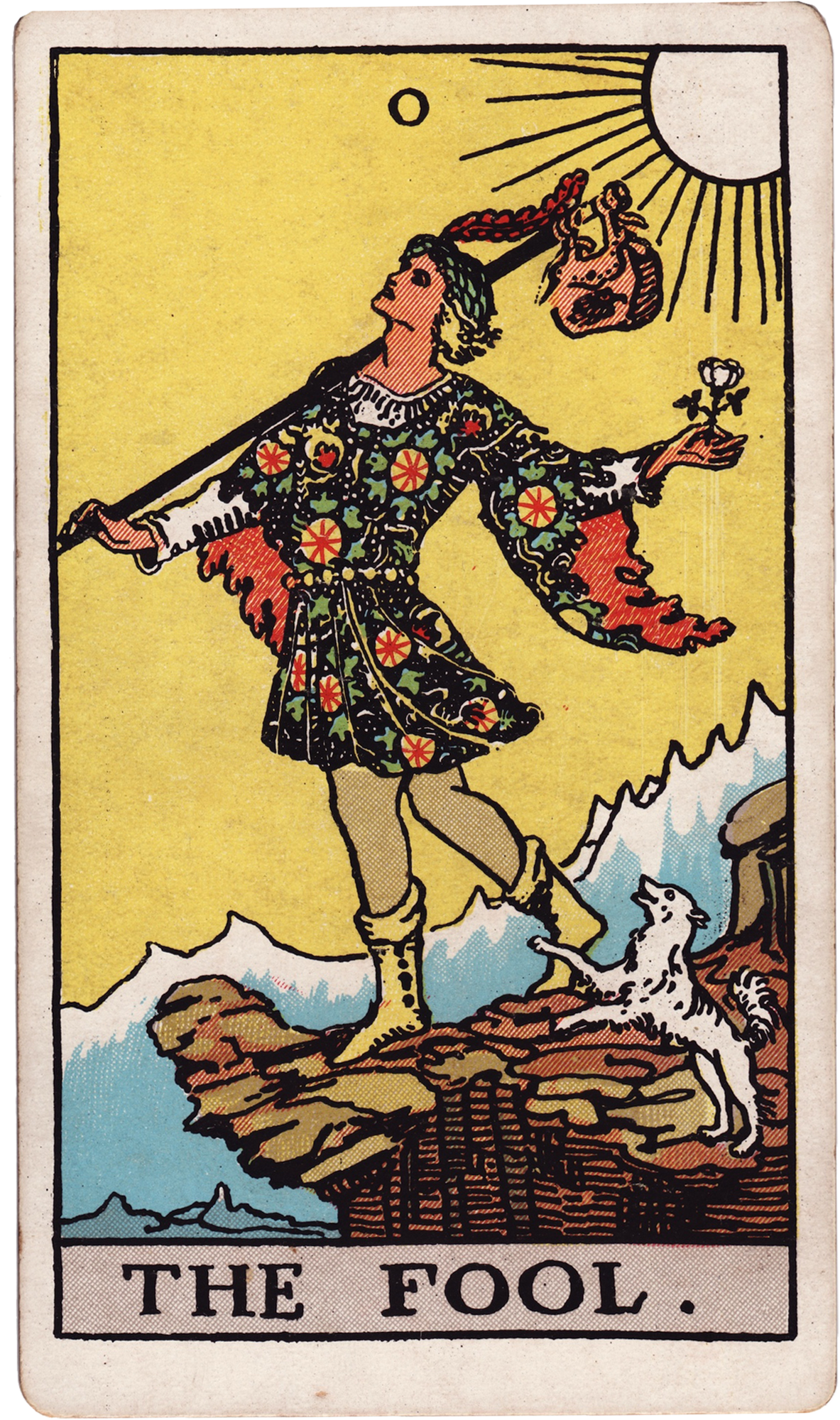 The Fool
Introduction to The Fool Card and Its Significance
The Fool holds a unique position in the tarot deck as both the first and the last card in the Major Arcana, often numbered 0 or sometimes unnumbered altogether. This numbering signifies its role as the archetype of beginnings, potential, and limitless possibilities. The Fool’s imagery traditionally depicts a youthful figure stepping forward with lighthearted innocence, a small dog at their side, and a knapsack symbolizing the journey ahead. In the supplied card images, The Fool’s upright meaning emphasizes open curiosity, embracing new chapters without waiting for every detail, and engaging with life’s uncertainties constructively. Conversely, the reversed card warns of recklessness, avoidance, or naivety—moments when the card’s positive energy may be blocked or distorted. Understanding The Fool’s dual aspects provides vital context for interpreting this powerful symbol.
Historical Origins of The Fool in Tarot Tradition
The origins of The Fool card trace back to early European playing cards from the 15th century, where a similar figure was often called “the jester” or “the fool.” In tarot specifically, The Fool was incorporated within the Major Arcana as a representation of the unformed self at the start of a spiritual or life journey. The Rider-Waite-Smith deck, developed in the early 20th century, popularized the imagery now considered standard: a carefree traveler stepping toward a cliff, accompanied by a small white dog symbolizing instinct and protection. This deck enhanced The Fool’s symbolism with bright colors, the sun overhead, and natural elements that emphasize innocence, potential, and spontaneity. Historically, The Fool represented both a societal outsider and a soul beginning a new cycle of growth, a duality that remains essential in modern tarot practice.
Symbolism Within The Fool Card Imagery
The supplied Rider-Waite-Smith version of The Fool features several key symbols that narrate its meaning visually. The figure wears light clothing and looks upward, signaling optimism, faith, and the willingness to take risks. The small white dog at the Fool’s heels can represent loyalty, protection, and the animal instincts that accompany new endeavors. The knapsack slung over the shoulder contains experiences and tools from the past, reminding readers that beginnings are never from zero—they build on what came before. The cliff’s edge, often viewed as precarious, also symbolizes taking a leap into the unknown, a step of faith rather than recklessness. The bright yellow background and the sun symbolize clarity and enlightenment, encouraging the reader to meet life’s mysteries with openness. These visual elements all function together to portray the Fool as a figure of potential, trust, and new beginnings.
Interpreting The Fool Upright in Practical Readings
When The Fool appears upright in a tarot reading, it invites the querent to consider where fresh starts or new directions are emerging. The card encourages embracing opportunities even when the outcome is unclear and suggests that curiosity and openness will serve better than hesitation or paralysis. Practically, The Fool asks where a more direct response, clearer boundaries, or deliberate choices could move a situation forward despite uncertainty. The supplied card image reminds readers that this is not a call for blind optimism but for a balanced engagement with the present moment, using available resources and instincts. In readings, this can mean stepping into new relationships, careers, or creative projects with faith and an open heart. It also signals the importance of remaining adaptable and receptive to lessons along the path.
Understanding The Fool Reversed and Its Nuances
The reversed Fool card highlights challenges related to the upright qualities being blocked or distorted. As shown in the supplied card, when reversed, The Fool can indicate recklessness—acting without thought to consequences—or avoidance, where fear of uncertainty prevents beginning at all. It can also reflect naivety or a refusal to grow beyond old patterns. Importantly, a reversed Fool is not inherently negative; it can signify a private, psychological process of recognizing these blocks and working toward balance. In practice, readers should ask what aspects of the Fool’s energy are difficult to access or where excesses have led to imbalance. The reversal may mark a corrective phase, where the querent is becoming aware of a need for more grounded choices before moving forward.
Common Mistakes and Misinterpretations to Avoid
A frequent mistake in interpreting The Fool is equating it solely with naivety or irresponsibility, thereby missing its deeper invitation to trust and openness. Another error is to treat the card as a guarantee of easy success when it more accurately signals the willingness to begin without certainty. Conversely, the reversed Fool is sometimes read as purely negative or disastrous instead of recognizing its role in revealing internal resistance or the need for caution. Both upright and reversed cards require thoughtful reflection on context and neighboring cards to avoid simplistic or fear-based readings. By focusing on the dynamic balance shown in the Rider-Waite-Smith imagery—between innocence and awareness, risk and preparation—readers can avoid these common pitfalls.
Teaching Techniques for Using The Fool in Tarot Practice
In educational settings, The Fool serves as an excellent teaching tool for introducing learners to tarot’s themes of archetype, symbolism, and interpretive nuance. One effective technique is to have students closely observe the supplied card images and identify key symbols such as the dog, the cliff, the knapsack, and the bright sun. Learners can then practice interpreting The Fool in upright and reversed positions through scenario-based exercises that emphasize its lessons about beginnings and obstacles. Encouraging journaling on personal experiences with new starts or blocks helps anchor the card’s abstract symbolism in lived reality. Comparing The Fool to other cards in the Major Arcana with thematic links—without straying beyond supplied cards—also builds deeper understanding of the card’s place in the broader tarot narrative.
Practical Method for Reading The Fool in a Spread
When The Fool appears in a tarot spread, start by considering its placement and relationship to surrounding cards to understand how its themes influence the querent’s situation. Ask practical questions inspired by the supplied card’s upright message: where can the querent take a next step with curiosity and openness? What boundaries or clearer choices are needed? For a reversed Fool, focus on locating distortions: where might recklessness or avoidance be causing difficulty? Reflect on whether the reversed position signals an internal, psychological shift. Avoid rushing to predict outcomes; instead, emphasize The Fool’s role as a marker of opportunity, caution, or inner work. Use the imagery of the Fool’s journey—carrying a pack, accompanied by a loyal dog, stepping into the unknown—to guide interpretations grounded in visual storytelling.
The Fool’s Place in Family History and Tarot Tradition
Within family and cultural traditions that include tarot practice, The Fool often symbolizes the spirit of adventure and new beginnings passed across generations. It embodies the willingness to embrace uncertainty, a trait valuable in family narratives about growth and resilience. The card’s archetype resonates with themes of innocence, trust, and transformation, reflecting how families navigate change together. Understanding The Fool in this context helps readers appreciate its role not only as a divinatory tool but as a cultural symbol linking personal history with broader spiritual journeys. This perspective enriches the card’s meaning and encourages respectful engagement with tarot as a tradition shaped by community and storytelling.
Practice questions
• In what areas of your life can you apply the openness and curiosity symbolized by The Fool upright?
• How might the reversed Fool’s warnings about recklessness or avoidance be showing up in your decision-making?
• Which symbols in the supplied Fool card imagery resonate most strongly with your current experiences?
• How does understanding The Fool’s historical origins deepen your appreciation for its role in tarot readings?
• What personal or family stories connect to the themes of new beginnings or taking leaps of faith represented by The Fool?
Comments
Sign in to comment.
Continue learning
Harnessing the Power of The Magician and Ace of Wands: Igniting Creativity and Manifestation in Tarot Readings
The combination of The Magician and the Ace of Wands in tarot readings offers a potent blend of creative energy and manifestation power. This article delves into the ways these car...
Advanced Techniques for Combining The Moon and The Star to Enhance Intuition in Tarot Readings
This article explores advanced techniques to combine the symbolism and energy of The Moon and The Star Tarot cards to enhance intuition during Tarot readings. Drawing from traditio...
Enhancing Clarity in Complex Choices with the Five Card Cross Tarot Spread
The Five Card Cross Tarot Spread is a practical tool designed to clarify complex choices by breaking down the decision into manageable parts. This article explores each position in...
Tracing the Origins and Evolution of The Fool Card in Tarot History
The Fool card holds a foundational place in tarot tradition, symbolizing beginnings, openness, and the embrace of uncertainty. This article traces its origins from early European d...
Understanding The Hermit Card in Solitude Reflection and Guidance
This article offers an in-depth exploration of The Hermit tarot card as a single-card reading in different contexts such as love, career, money, advice, challenge, person, outcome,...
Unlocking the Creative Flow with The Magician and The Empress in Tarot Combinations
This article delves into the powerful synergy between The Magician and The Empress in Tarot combinations, focusing on how their combined symbolism unlocks creative flow across vari...
Using the Seven Card Horseshoe Spread to Uncover Career Growth and Opportunity
This article presents an in-depth guide to the Seven Card Horseshoe Tarot Spread with a focus on career growth and opportunity. Using the cards The Fool, The Magician, The Empress,...
Understanding the Many Facets of The Moon in Emotional and Intuitive Tarot Readings
The Moon card in the Tarot deck embodies themes of intuition, uncertainty, dreams, and emotional complexity. This article offers a comprehensive exploration of The Moon’s upright a...
Unlocking Advanced Intuition Techniques Using The High Priestess The Moon and The Hermit
This article examines advanced intuition development in tarot reading by focusing on The High Priestess, The Moon, and The Hermit cards. It offers practical techniques for beginner...
Mastering Intuition with The High Priestess The Hermit and The Moon in Tarot Readings
This article delves into mastering intuition through three powerful Tarot cards: The High Priestess, The Hermit, and The Moon. It guides readers from beginner to advanced reading t...