
Understanding The Emperor Card in Personal Authority Leadership and Boundaries
The Emperor card is a powerful archetype representing structure, responsibility, leadership, and boundaries. In upright and reversed positions, it offers nuanced guidance about personal authority and how we relate to power in different areas of life. This article explores the card’s traditional Rider-Waite-Smith symbolism and its practical application in contexts such as love, career, money, advice, challenges, people, outcomes, and spiritual reflection. By grounding interpretations in the card’s imagery, readers can learn effective techniques for integrating The Emperor’s lessons into personal growth and decision-making. Common pitfalls and methods for balanced, insightful readings are also discussed to help learners deepen their Tarot practice.
Cards explored in this article
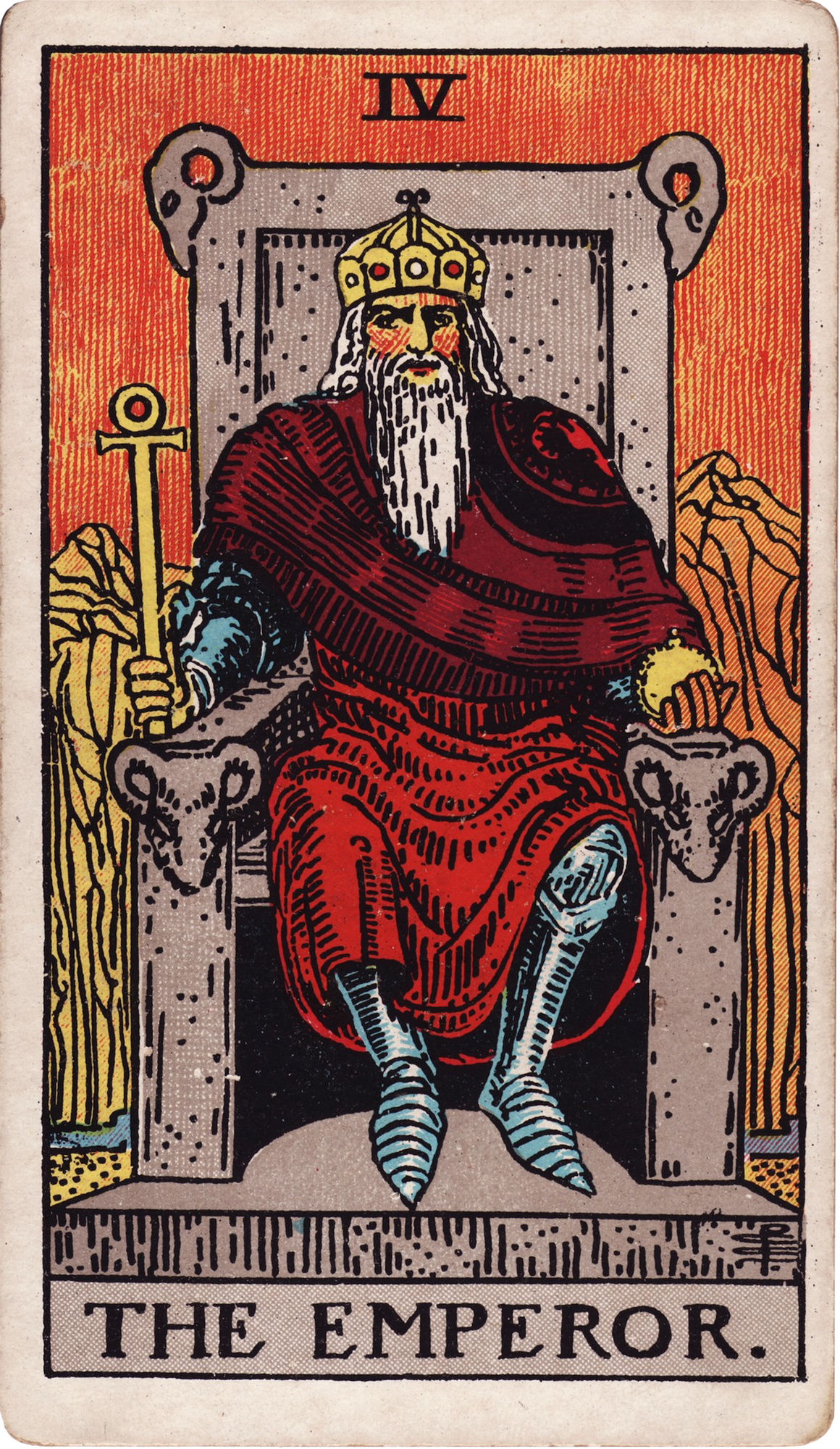 The Emperor
Introduction to The Emperor Card and Its Core Symbolism
The Emperor card, traditionally numbered IV in the Major Arcana, depicts a mature, authoritative figure seated on a stone throne adorned with ram heads—the symbol of Aries, representing assertive energy, leadership, and pioneering spirit. He holds a scepter in one hand and an orb in the other, symbolizing control over worldly matters and structured authority. The background of mountains suggests stability and endurance. This imagery collectively conveys themes of order, responsibility, and the establishment of clear boundaries. The Emperor is often seen as the father figure archetype, embodying paternal authority and the enforcement of societal or personal rules. Rider-Waite-Smith’s deck emphasizes his dominion over chaos through disciplined leadership, highlighting the importance of conscious, deliberate action rather than passive dominance.
Upright The Emperor: Constructive Personal Authority and Leadership
When The Emperor appears upright, it highlights the need for clear boundaries, structured systems, and responsible leadership. This is a call to engage directly with the current situation using what is practically available, rather than waiting for ideal conditions. The card encourages decisive action that brings order from potential chaos, emphasizing that leadership is about service and protection rather than domination. In reading practice, observe how many symbols from the card’s imagery resonate—such as the stable throne, the scepter, and the orb—that represent control grounded in principle rather than fear or aggression. In personal authority, this means owning your choices, setting limits clearly and compassionately, and creating environments where growth can happen safely.
Reversed The Emperor: Recognizing Rigidity, Control Issues, and Internal Blocks
The reversed Emperor often signals distorted or blocked expressions of authority and leadership. Rather than balanced control, it can indicate overbearing rigidity, fear of vulnerability, or clinging to outdated structures and rules. The reversal is an invitation to reflect on where power is being misused or where leadership has become an internalized pressure rather than a conscious choice. It may also point to psychological dynamics—such as resistance to change or fear of losing control—that need compassionate attention. When interpreting the reversed card, look closely at the card’s imagery as a reminder of what balanced authority looks like, and consider the question: where is this energy becoming difficult to access or express authentically?
Interpreting The Emperor in Love and Relationships
In love readings, The Emperor upright can represent a partner who embodies stability, protection, and responsible leadership in the relationship. This person may be a guiding figure who sets clear boundaries and nurtures growth through structure and commitment. The card advises adopting an honest and direct stance about needs and limits. Conversely, when reversed, The Emperor may warn of controlling tendencies, inflexibility, or fear of emotional vulnerability. It encourages reflecting on whether authority is being wielded to dominate rather than to support, and whether boundaries are too rigid or unclear. The visual of the throne and scepter invites readers to assess who holds power in the relationship and how that dynamic influences emotional safety.
The Emperor in Career and Work Contexts
In career contexts, The Emperor upright signifies leadership, strategic thinking, and the creation of systems that sustain long-term success. The card suggests stepping into roles that require responsibility, discipline, and decision-making. It encourages working with existing resources and structures, and asserts that clear authority improves productivity and morale. The throne and scepter symbolize established power and competence, calling for confidence and integrity in professional roles. Reversed, The Emperor can reveal problems with authoritarian bosses, micromanagement, or resistance to needed structural changes in the workplace. It may also indicate internal struggles with confidence or fear of taking charge. When reversed, the card invites reflection on balancing control with flexibility and openness to innovation.
Money and Financial Readings Using The Emperor
The Emperor upright in financial readings stresses discipline, planning, and setting boundaries around spending and saving. It symbolizes the creation of financial systems that ensure stability and security over impulsive or chaotic money management. The imagery of the orb and scepter reinforces the theme of mastery over resources through deliberate and structured action. Reversed, The Emperor may indicate financial rigidity or unhealthy control, such as hoarding, fear-driven scarcity, or ignoring changing financial realities. It can also highlight the need to reassess outdated financial habits or authority figures influencing money decisions. Readers should encourage clients to consider where financial leadership can be constructive rather than restrictive.
Advice and Challenges Embodied by The Emperor Card
As advice, The Emperor calls for personal responsibility, clear boundaries, and deliberate leadership. It suggests focusing on what is within your control and taking the next proportionate step instead of waiting for certainty or ideal conditions. The card challenges individuals to embody authority with integrity, avoiding both passivity and authoritarian excess. When reversed, the card cautions against rigidity, fear of vulnerability, or control for control’s sake. It challenges the querent to identify where power dynamics have become distorted and invites a process of internal correction and growth. The Emperor teaches the importance of balancing strength with compassion and maintaining boundaries without becoming inflexible.
The Emperor as a Person in Tarot Readings
When The Emperor represents a person in a reading, they are typically someone mature, responsible, and authoritative—often a figure who provides structure and protection. This person might be a father figure, a leader, or someone who represents stability and order. They are practical, disciplined, and value clear rules and boundaries. In the reversed position, this person may be domineering, inflexible, or struggling with fears related to vulnerability and loss of control. It’s important not to reduce this person to a stereotype but to use the card’s symbolism to assess how their leadership style or authority affects the situation and relationships involved.
Outcomes and Spiritual Reflection on The Emperor
As an outcome card, The Emperor upright suggests success through structure, discipline, and conscious authority. It implies that by setting clear boundaries and taking responsibility, order will prevail even in difficult situations. The card encourages persistence and strategic action, reinforcing that leadership is a process requiring patience and balance. From a spiritual perspective, The Emperor invites reflection on how personal authority is connected to authentic self-mastery rather than external control. It challenges seekers to embody the archetype of the wise ruler within, guiding their own inner kingdom with integrity. Reversed, the card signals the need to re-examine power dynamics internally and externally, fostering a more balanced and conscious approach to leadership and boundaries.
Practical Reading Techniques and Common Interpretation Pitfalls
When reading The Emperor, always anchor interpretation in the card’s rich symbolism. Notice the imagery of the throne, ram heads, scepter, and orb to identify themes of control, stability, and authority. Ask questions such as: Where is leadership needed? Are boundaries clear? Is power being used constructively or destructively? Avoid reading The Emperor as simply a “boss” or “father” figure without nuance. The card’s meaning shifts profoundly depending on context and position. Be cautious not to interpret the reversed card as inherently negative; instead, view it as an invitation to explore blockage, imbalance, or internalized authority issues. Practice integrating the card’s lessons by focusing on tangible next steps and how the querent relates to personal power in real life.
Practice questions
• Where in my life do I need to establish clearer boundaries or take more responsible leadership?
• How do I currently express authority and control, and is this balanced or distorted?
• What fears or vulnerabilities might be blocking my ability to lead with integrity?
• In what ways can I use the qualities symbolized by The Emperor to create supportive structures around me?
• How do external power dynamics reflect my internal relationship with authority?
• What practical next step can I take to move forward in a disciplined and deliberate way?
Comments
Sign in to comment.
Continue learning
Understanding the Synergy Between The Empress and The Emperor in Tarot Card Combinations
This article delves into the intricate synergy between The Empress and The Emperor cards in Tarot, focusing on how their combined energies modify and enrich readings across various...
Decoding Transformation and Renewal with Death and The Star in Tarot Combinations
This article delves into the card combination of Death and The Star, two powerful Major Arcana cards from the Rider-Waite-Smith deck. It explores how their imagery and meanings int...
Understanding The Wheel of Fortune in Tarot Readings for Life Cycles and Change
The Wheel of Fortune card in Tarot is a powerful symbol of cycles, change, and the dynamics of fate and free will. This article explores the card’s upright and reversed meanings, a...
Using the Relationship Five Card Spread to Identify Communication Blocks and Improve Emotional Connection
The Relationship Five Card Spread is a focused tarot technique designed to reveal communication blocks and enhance emotional connection between partners or family members. This art...
Using the Five Card Cross Spread to Gain Insight into Relationship Dynamics
This article provides an in-depth guide to using the Five Card Cross Spread for gaining clarity on relationship dynamics, especially within family contexts. Anchored by a worked ex...
Using the Relationship Five Card Spread to Enhance Trust and Emotional Intimacy
This article presents an in-depth guide on using the Relationship Five Card Spread to foster trust and emotional intimacy within family or close relationships. By examining each po...
Understanding the Knight of Cups in Emotional Expression and Relationship Dynamics
The Knight of Cups is a richly symbolic Tarot card that represents emotional pursuit, imaginative expression, and relational dynamics. Upright, it emphasizes graceful engagement wi...
Unlocking Emotional and Intellectual Balance with The Queen of Swords and The Queen of Cups
This article delves into the dynamic interplay between the Queen of Swords and the Queen of Cups in tarot readings, focusing on their combined symbolism to unlock a balanced approa...
Exploring The Queen of Pentacles in Financial Security and Nurturing Self Worth
The Queen of Pentacles represents practical nurture, grounded competence, and resourcefulness in managing material life and self-care. This article explores how this card’s imagery...
Exploring The Hierophant in Spiritual Growth Tradition and Everyday Life
The Hierophant card stands as a powerful symbol of tradition, structured wisdom, and spiritual authority in the Rider-Waite-Smith tarot deck. This article explores The Hierophant’s...