
Using the Relationship Five Card Spread to Understand and Nurture Emotional Boundaries
This article explores the Relationship Five Card Spread as a practical tool to understand and nurture emotional boundaries within personal relationships, particularly in family or intimate contexts. Using five specific cards—the 6 of Swords, 10 of Swords, Ace of Pentacles, 6 of Pentacles, and 7 of Pentacles—each placed in distinct positions, learners will understand how to interpret card meanings, their positional context, and relationships between cards. The approach balances traditional Rider-Waite-Smith symbolism with practical advice to guide readers in applying this spread thoughtfully for emotional clarity and growth.
Relationship Five
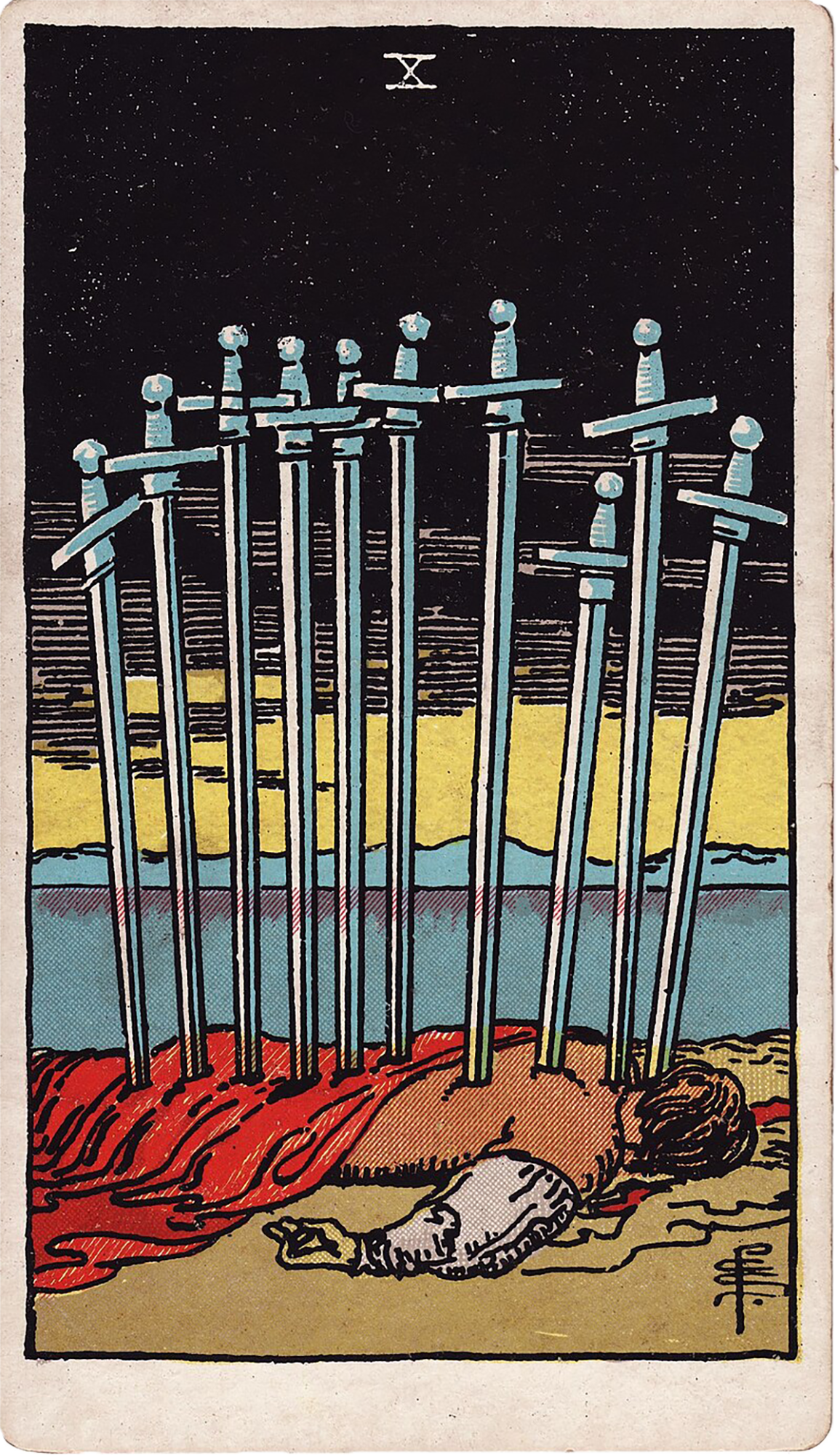 You10 of Swords
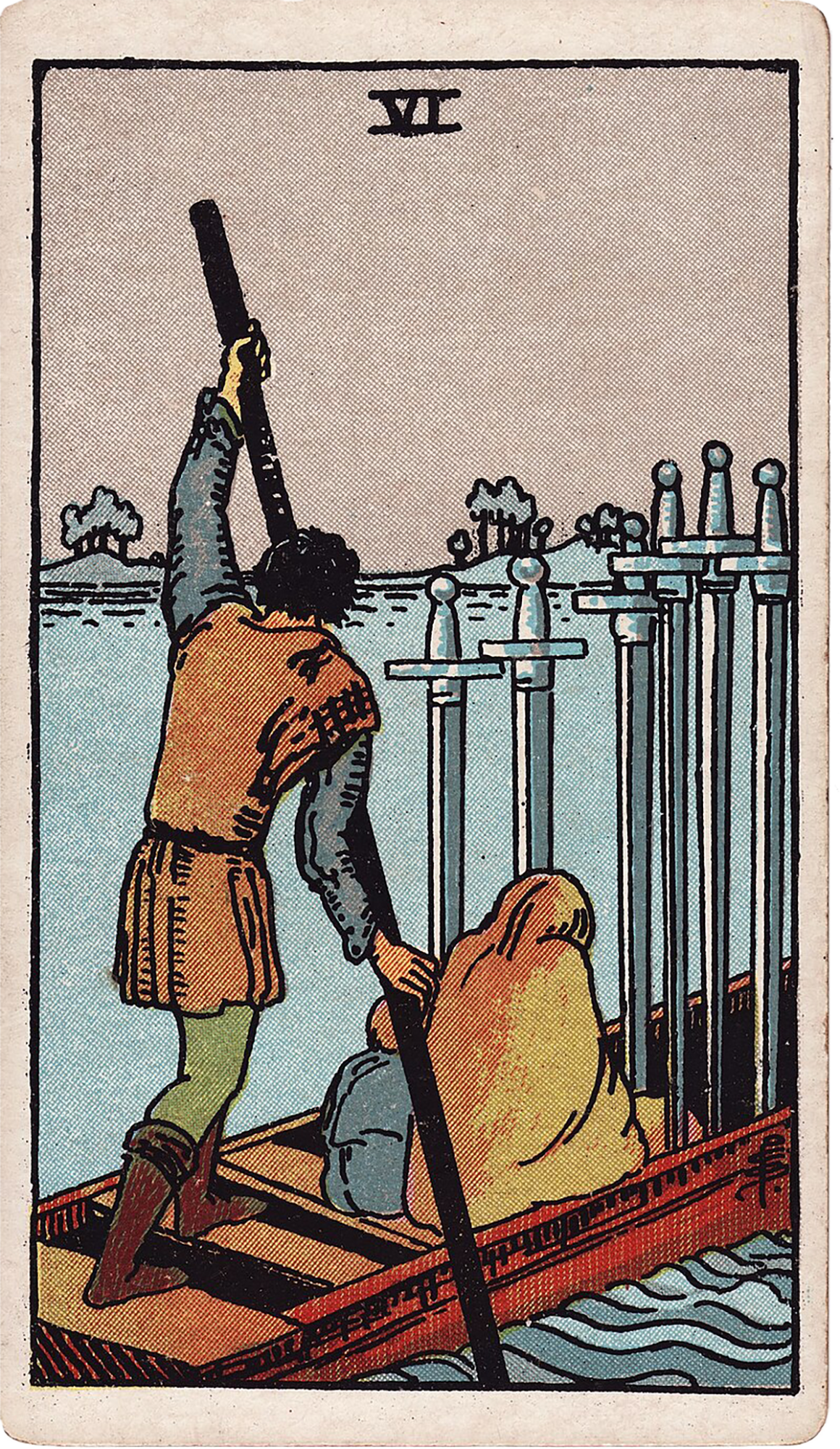 The Other Person6 of Swords
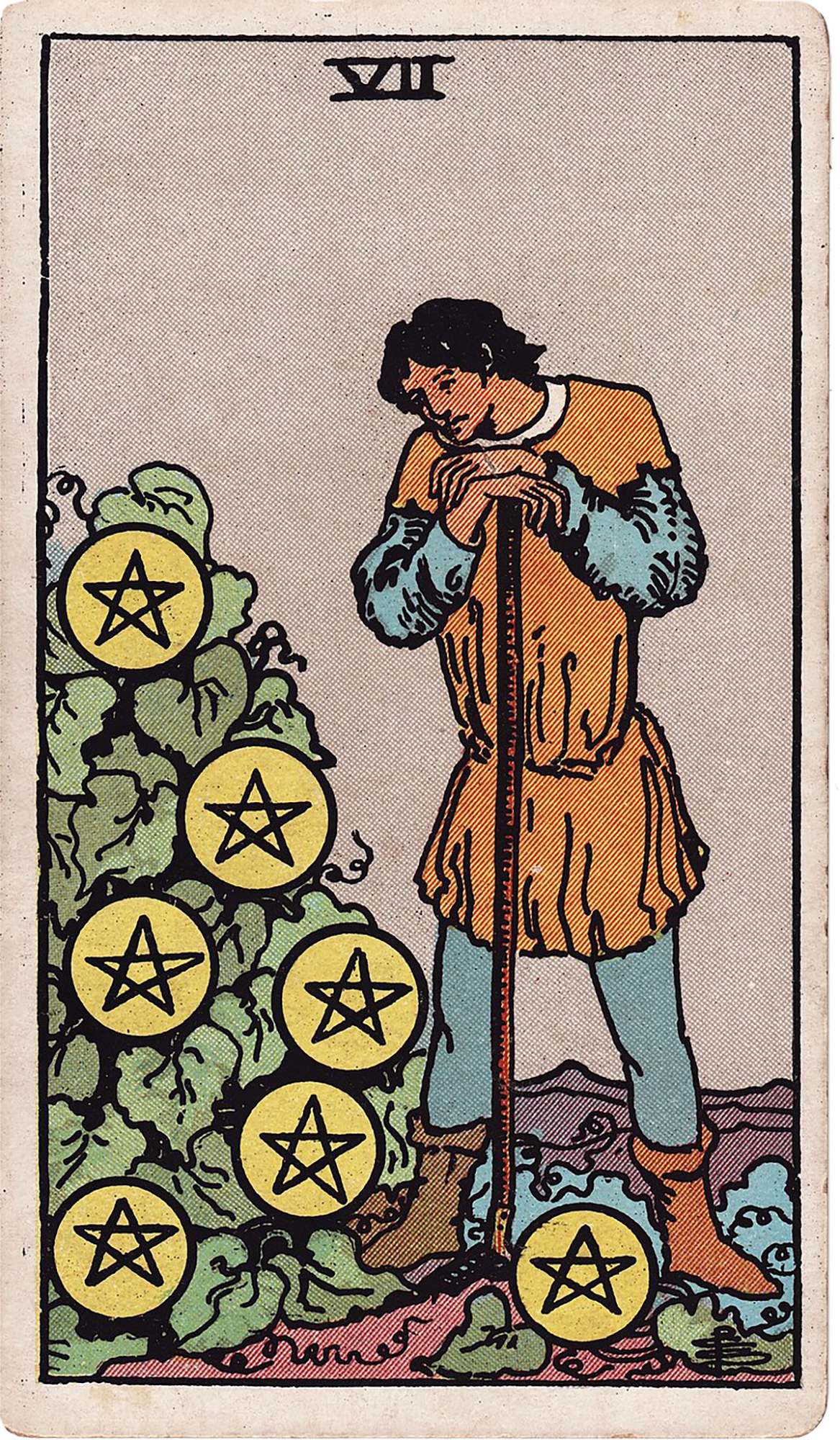 Connection7 of Pentacles
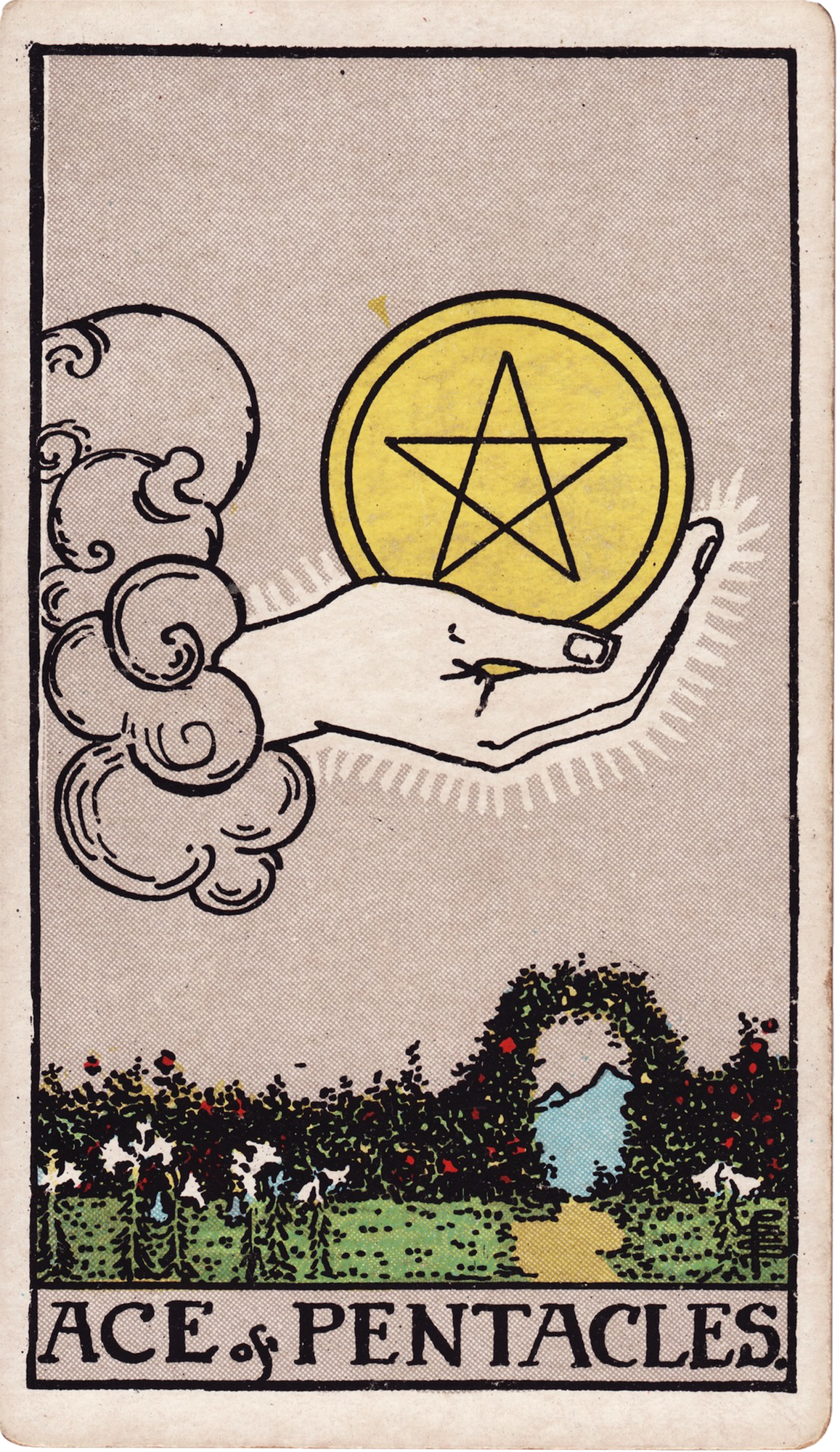 ChallengeAce of Pentacles
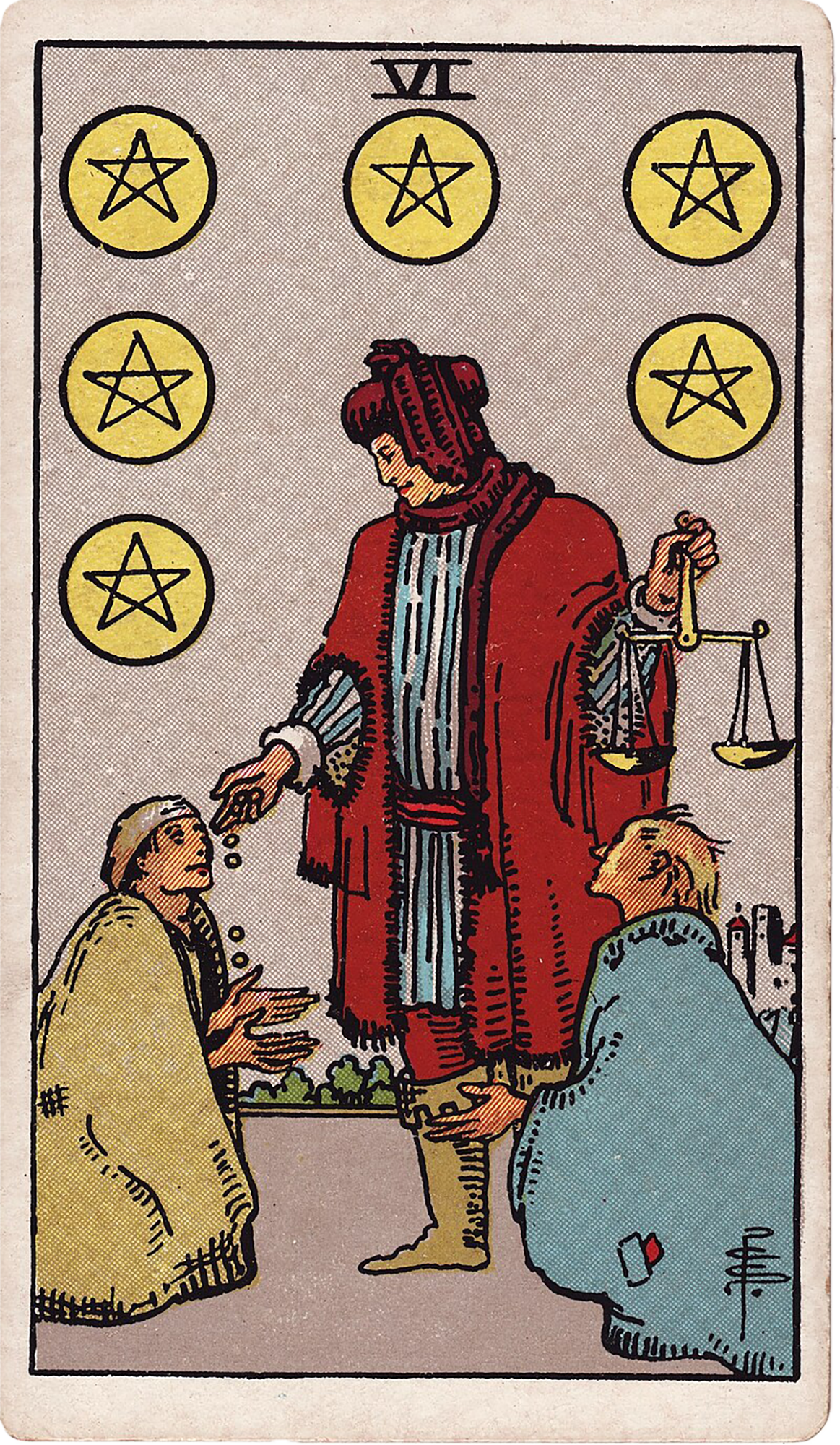 Direction6 of Pentacles
Introduction to the Relationship Five Card Spread and Emotional Boundaries
The Relationship Five Card Spread is a concise, practical layout designed to illuminate key dynamics between you and another person, focusing on emotional boundaries and how they influence connection. Emotional boundaries are limits we set to protect our feelings, needs, and well-being during relational exchanges. Establishing and maintaining clear emotional boundaries is essential for healthy relationships, especially in family or intimate settings where roles and histories can complicate interactions. This spread uses five positions named You, The Other Person, Connection, Challenge, and Direction. Each position frames a specific aspect of the relationship, and when combined, the cards provide a layered understanding of emotional dynamics. The cards used here—6 of Swords, 10 of Swords, Ace of Pentacles, 6 of Pentacles, and 7 of Pentacles—offer diverse insights into transition, endings, opportunity, balance in giving and receiving, and long-term effort, all crucial themes when exploring emotional boundaries.
Understanding the Spread Positions and Their Roles
Each of the five positions in this spread serves a distinct role: - You: Represents your current emotional state, beliefs, and boundaries within the relationship. - The Other Person: Reflects the other person’s emotional stance and boundary patterns. - Connection: Highlights the nature of the emotional exchange or bond between you. - Challenge: Reveals obstacles or tensions affecting emotional boundaries. - Direction: Offers guidance or the next step to nurture healthier boundaries. These positions ensure that the reading remains grounded in practical relational dynamics rather than abstract ideals, inviting the reader to assess and act based on current realities.
Position One You with 6 of Swords Upright
The 6 of Swords upright in the You position signals that you are in a transitional phase regarding your emotional boundaries. Traditionally, the Rider-Waite-Smith imagery shows a ferry carrying a figure and child across calm waters away from choppy waves, symbolizing movement from difficulty toward healing. Here, this card suggests you are consciously moving away from past emotional turbulence toward clarity and calm. While some sadness may linger, your focus is on practical steps—communication, strategic thinking, and honest mental processing—to reinforce your boundaries. The 6 of Swords invites you to acknowledge that healing and boundary-setting is a process requiring patience and a readiness to adapt rather than forcing an idealized outcome.
Position Two The Other Person with 10 of Swords Upright
The 10 of Swords upright in the Other Person position offers a compelling insight into their emotional landscape. The card’s traditional imagery—a figure lying face down with ten swords in their back and a rising sun in the distance—represents painful endings and the completion of a difficult cycle. This suggests that the other person may be experiencing or has recently experienced significant emotional hardship or feeling overwhelmed. From an emotional boundary perspective, this could mean they are at a point where old patterns or conflicts have culminated, possibly leading to vulnerability or defensiveness. Understanding their state can help you calibrate your boundaries with compassion and realism, recognizing that they might be less able to engage constructively in the short term.
Position Three Connection with Ace of Pentacles Upright
The Ace of Pentacles upright in the Connection position brings a grounded and hopeful energy to the relationship. Symbolized by a hand emerging from a cloud holding a golden pentacle, this card represents tangible opportunities and potential for growth when practical effort is applied. As the connection between you and the other person, it suggests that your emotional exchange has fertile ground for establishing new, healthier boundaries that can be nurtured through consistent care, honest communication, and mutual respect. This card encourages focusing on the concrete—daily interactions, shared resources, and reliable support—to build emotional safety.
Position Four Challenge with 6 of Pentacles Upright
The 6 of Pentacles upright in the Challenge position highlights the dynamics of giving and receiving within the relationship. The Rider-Waite-Smith image of a wealthy man distributing coins to two beggars suggests themes of balance, fairness, and generosity. However, as a challenge, this card asks you to examine whether exchanges in the relationship are equitable and empowering, or if they are complicated by hidden conditions, power imbalances, or resentment. Emotional boundaries often struggle where one party feels overextended or undervalued. Reflect on whether you or the other person find it difficult to ask for or accept help without shame or guilt, as this could undermine healthy boundaries.
Position Five Direction with 7 of Pentacles Upright
The 7 of Pentacles upright in the Direction position advises patience and honest assessment regarding emotional boundary growth. Traditionally depicted as a figure pausing to assess their crop growing on the garden wall, this card invites reflection on whether the current investments—time, energy, emotional labor—are yielding the desired results. Applied here, it encourages nurturing boundaries with persistence and realism, recognizing when adjustments are needed rather than abandoning the effort prematurely or clinging to sunk costs. This card guides you to cultivate long-term stability in your emotional exchanges, emphasizing steady growth over quick fixes.
How the Cards Interact and What They Reveal Collectively
This spread’s cards form a coherent narrative about emotional boundaries in a relationship marked by transition, difficulty, and opportunity: - Your 6 of Swords shows you are moving away from old emotional difficulties with thoughtful communication and a pragmatic mindset. - The other person’s 10 of Swords indicates profound recent or ongoing emotional pain, suggesting their boundaries may feel fragile or overwhelmed. - The Ace of Pentacles connection card offers hopeful potential for starting anew with grounded care and tangible support. - The 6 of Pentacles challenge card signals that fairness and equality in giving and receiving are central issues to address for healthy boundaries. - Finally, the 7 of Pentacles direction card reminds you to practice patience, review progress honestly, and nurture your emotional boundaries steadily. Together, these cards advise a balanced approach: be mindful of your own healing journey, empathetic to the other’s struggles, and committed to building practical and fair exchanges that respect both parties’ limits and needs.
Step-by-Step Method to Use This Spread for Emotional Boundary Work
To reproduce this spread for your own learning or practice, follow these steps: 1. Shuffle your deck with the question or intention focused on emotional boundaries within a specific relationship. 2. Lay out five cards left to right in this order: You, The Other Person, Connection, Challenge, Direction. 3. Observe the imagery on each card carefully, noting traditional Rider-Waite-Smith symbols such as swords (mental clarity, conflict), pentacles (material and practical matters), and overall tone (uplift vs. struggle). 4. Read each card’s meaning within its position, balancing upright and reversed interpretations if applicable. 5. Consider how cards relate across positions. For example, does the challenge card explain tension in the connection card? Does your position card show readiness for the direction suggested? 6. Use journaling or discussion to explore how these insights resonate with your lived experience and what practical steps you can take. 7. Avoid prediction fixation; instead, focus on empowerment through understanding and actionable guidance. Common mistakes include neglecting the positional context, reading cards too rigidly without nuance, or ignoring imagery that conflicts with initial assumptions.
Practical Example of Applying This Spread in Family or Intimate Settings
Imagine you are working with a family member with whom boundaries have been historically blurred, leading to emotional exhaustion. Drawing this spread, you find the 6 of Swords in your position, showing your readiness to move away from reactivity and toward calm dialogue. The 10 of Swords in the other person’s spot indicates they might feel betrayed or deeply hurt by past interactions. The Ace of Pentacles in connection suggests a fresh opportunity to establish a new pattern of interaction, but the 6 of Pentacles challenge warns that past imbalances in support and giving may be fueling resentment. The 7 of Pentacles direction encourages you to be patient, check in on progress regularly, and keep nurturing small successes rather than expecting immediate harmony. This spread helps you clarify which boundaries need reinforcing, how the other person’s feelings influence their responses, and what practical mindset and actions can foster healthier emotional exchanges.
Conclusion and Encouragement for Learners
The Relationship Five Card Spread offers a structured yet flexible framework for exploring emotional boundaries. By grounding card meanings in traditional Rider-Waite-Smith symbolism and linking them to relational roles and challenges, learners can engage with the tarot as a tool for personal growth and relational insight rather than mere fortune-telling. This spread supports an active, mindful approach—encouraging reflection, honest assessment, and practical steps to nurture emotional health in oneself and others. As you work with this spread, remember that tarot is a mirror and guide, not a fixed answer. Each reading is a dialogue inviting you to deepen awareness and cultivate kindness and clarity in your relationships.
Practice questions
• How do you currently perceive your emotional boundaries in this relationship, and what does the 6 of Swords suggest about your readiness to evolve them?
• What recent emotional challenges might the other person be carrying as indicated by the 10 of Swords, and how does that affect your interactions?
• What practical opportunities for growth does the Ace of Pentacles highlight within your connection?
• Are exchanges of support and care balanced, or do you notice patterns of imbalance, as suggested by the 6 of Pentacles?
• How can you cultivate patience and honest assessment in maintaining your emotional boundaries, inspired by the 7 of Pentacles?
Comments
Sign in to comment.
Continue learning
Mastering Decision Making with the Five Card Cross Tarot Spread
The Five Card Cross Tarot Spread is a powerful tool for deepening decision-making skills by examining the present situation, past influences, future possibilities, challenges, and...
Navigating Conflict Resolution and Inner Struggles with the Five Card Cross Tarot Spread
This article delves into the Five Card Cross Tarot Spread as a practical tool for navigating conflict resolution and inner struggles, especially within family contexts. Using the s...
Using the Career Five Card Spread to Identify Growth Opportunities and Challenges
This article explores the Career Five Card Spread, a practical tarot method designed to spotlight growth opportunities, strengths, and obstacles within a career context. By analyzi...
Unlocking Life Insights with the Celtic Cross Tarot Spread
This article offers a thorough exploration of the Celtic Cross Tarot Spread, focusing on its application within family and practical life contexts. Using a worked example featuring...
Deepening Connection and Communication Using the Relationship Five Card Spread
This article introduces the Relationship Five Card Spread as a practical tool to enhance family communication and connection. Using five specific card positions—You, The Other Pers...
Using the Five Card Cross Tarot Spread to Navigate Career Changes with Confidence
The Five Card Cross Tarot Spread is a versatile and insightful tool for navigating career changes. This article guides learners through the method step-by-step using a practical ex...
Unlocking Personal Insight with the Seven Card Horseshoe Spread
The Seven Card Horseshoe Spread is a practical and insightful Tarot layout ideal for exploring personal and family dynamics. This article breaks down each position—Past, Present, H...
Unlocking Career Clarity with the Seven Card Horseshoe Tarot Spread
This article explores the Seven Card Horseshoe Tarot Spread as a practical technique to gain clarity in career matters, focusing on detailed interpretations of Pentacles cards. Usi...
Using the Three Card Spread to Gain Clarity on Past Present and Future Influences
This article guides learners through the practical use of the Three Card Spread to gain clarity on past, present, and future influences. Using the specific cards The Emperor in the...
Using the Three Card Spread to Gain Insight on Past Present and Future Challenges
This article explores the practical three card tarot spread designed to provide insight into challenges across time: Past, Present, and Future. Using the Ace of Wands, 10 of Wands,...